8 Cat Breeds That Are Great for First-Time Owners (and 8 That Need Experienced Hands)
So you've decided to bring a furry feline friend into your life. That's exciting, honestly. There's nothing quite like the companionship of a cat curled up beside you after a long day. Yet here's the thing most people don't realize until they're already committed: not all cats are created equal when it comes to the demands they place on their owners.
Some breeds seem almost designed for beginners, forgiving your mistakes and adapting to your learning curve with grace. Others? They'll test every ounce of patience you didn't know you had. Choosing the right match can mean the difference between a harmonious home and a chaotic one. Let's dive into which breeds will make your journey into cat ownership smooth sailing, and which ones might leave you scrambling for answers.
Ragdoll: The Gentle Lap Companion
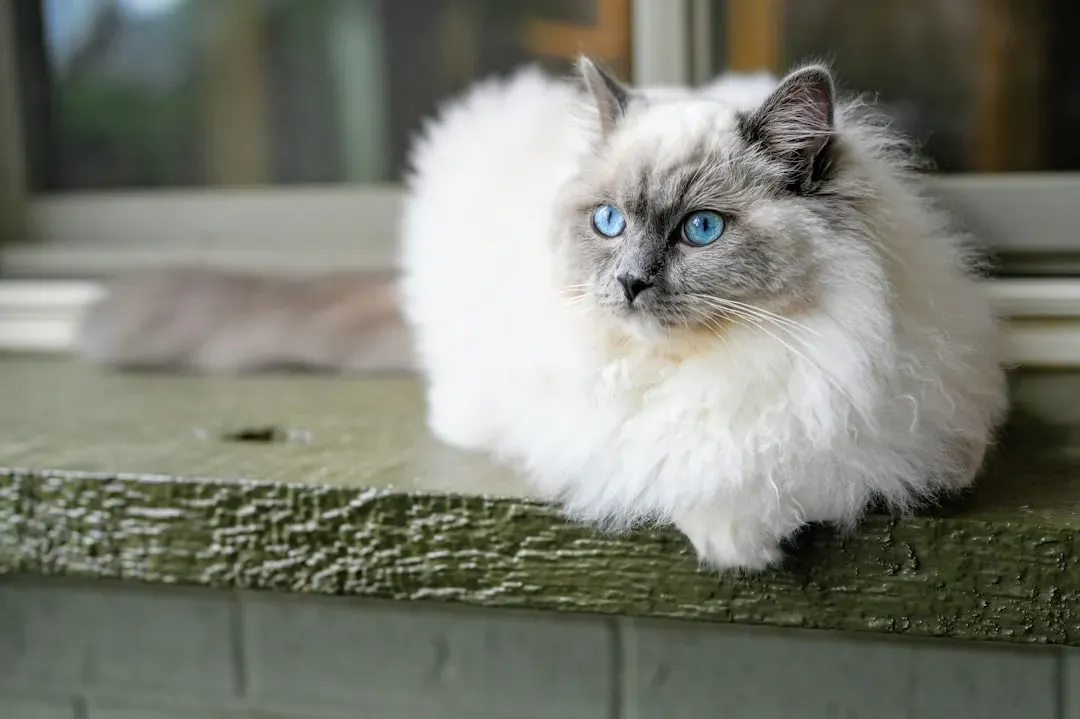
Ragdolls are cuddly and affectionate cats that enjoy being around their people, though they are quiet and docile, they also enjoy playtime. Their name comes from their tendency to go limp when you pick them up, making them one of the most relaxed breeds you'll ever encounter. They are quite docile, with a laidback temperament, making them easy for first-time owners to care for, and they don't get offended when their human family members are too busy to spend time with them.
What makes Ragdolls particularly wonderful for beginners is their forgiving nature. These cats do require brushing twice a week, but they'll handle the rest of their grooming needs. They're essentially low drama, high reward companions. Ragdolls are polite and generally kid-friendly, which makes them ideal if you're navigating the chaos of family life alongside learning cat ownership.
British Shorthair: The Independent Dignitary
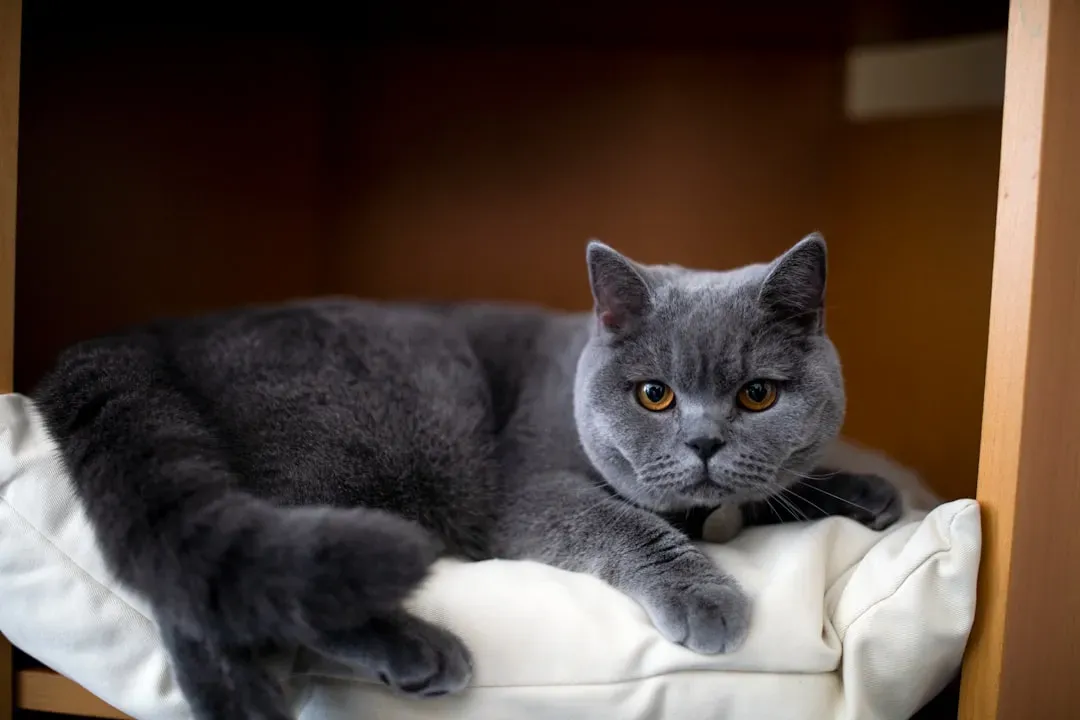
Calm, quiet, dignified and oh-so cuddly, the popular British Shorthair is a great pick for first-time pet parents, with low grooming needs and excel in relaxed, mellow households. Their dense coat barely requires more than a weekly brush, and their temperament is remarkably even-keeled. British Shorthairs are renowned for their calm and independent demeanor, known for being remarkably easy-going and self-sufficient.
These cats won't follow you around demanding attention every five minutes. These easygoing kitties are capable of being relatively independent, meaning they won't need constant fuss or supervision. Perfect for someone who works full time but still craves that feline companionship when they return home. Their round faces and plush appearance make them look like living teddy bears, which is just a bonus.
Maine Coon: The Gentle Giant
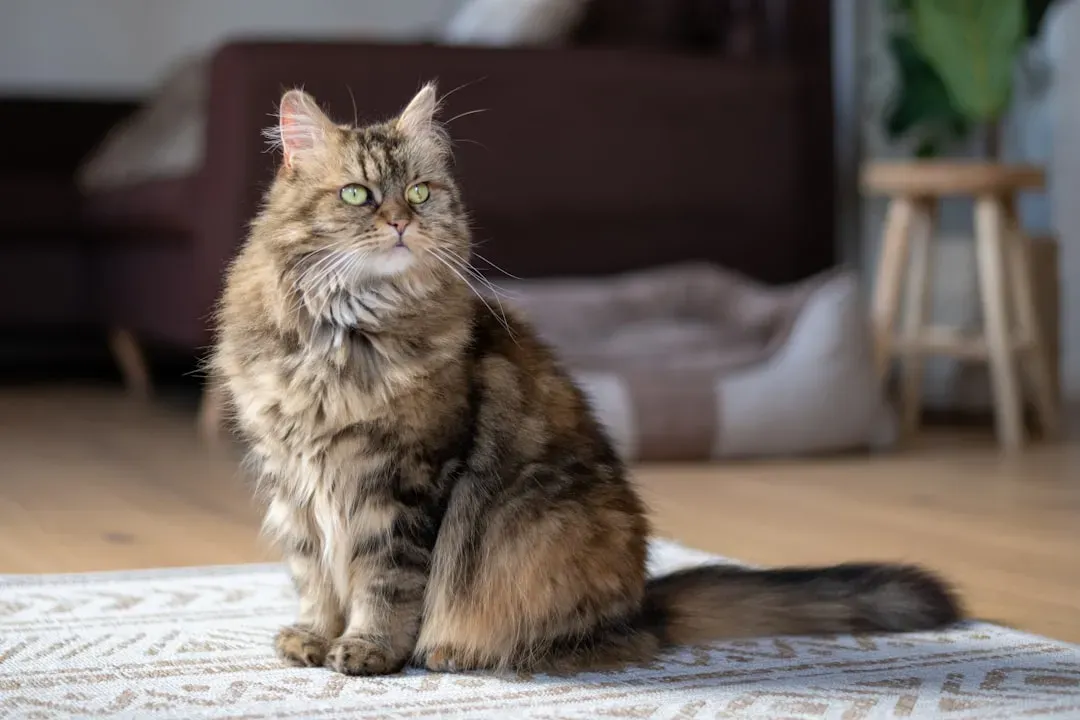
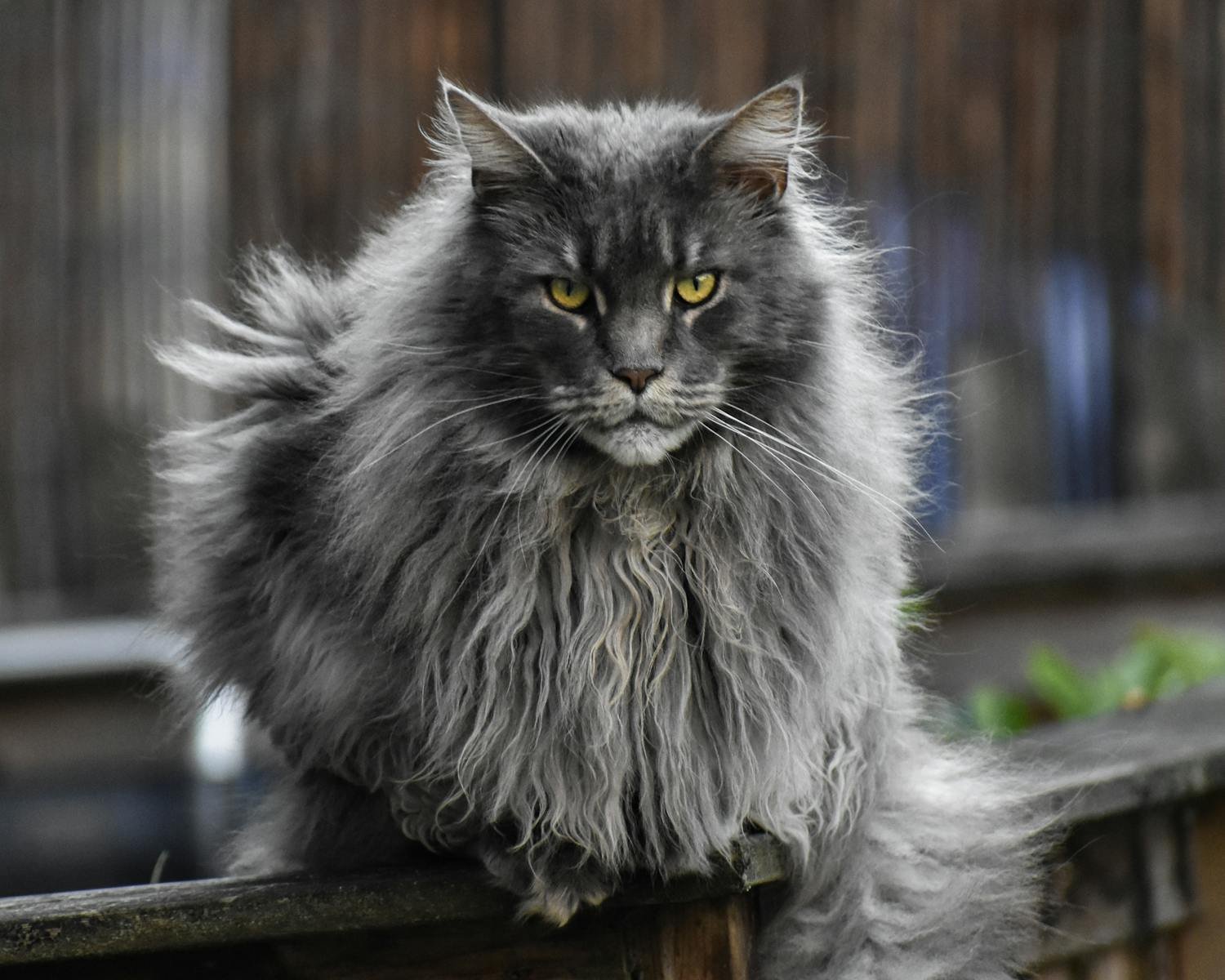
The Maine Coon is the coolest cat around, making them wonderful pets for first-time cat owners, as Maine Coons are the largest cat breed but they are known as "gentle giants" thanks to their famously mellow personality. Despite their impressive size, they're incredibly patient and adaptable. One of the largest of all the cat breeds, the Maine Coon is affectionate but not overly dependent, said to be dog-like, and enjoys following you around the house.
Here's what surprises most people: Maine Coon cats don't need a huge amount of exercise and they are content to go with the flow of the household, and the shaggy coat does need regular grooming but it's easy to keep it free from tangles by brushing two or three times a week. They get along brilliantly with children and other pets, making them versatile additions to various household dynamics. Their intelligence means they can even learn tricks if you're so inclined.
American Shorthair: The All-Around Easy Choice
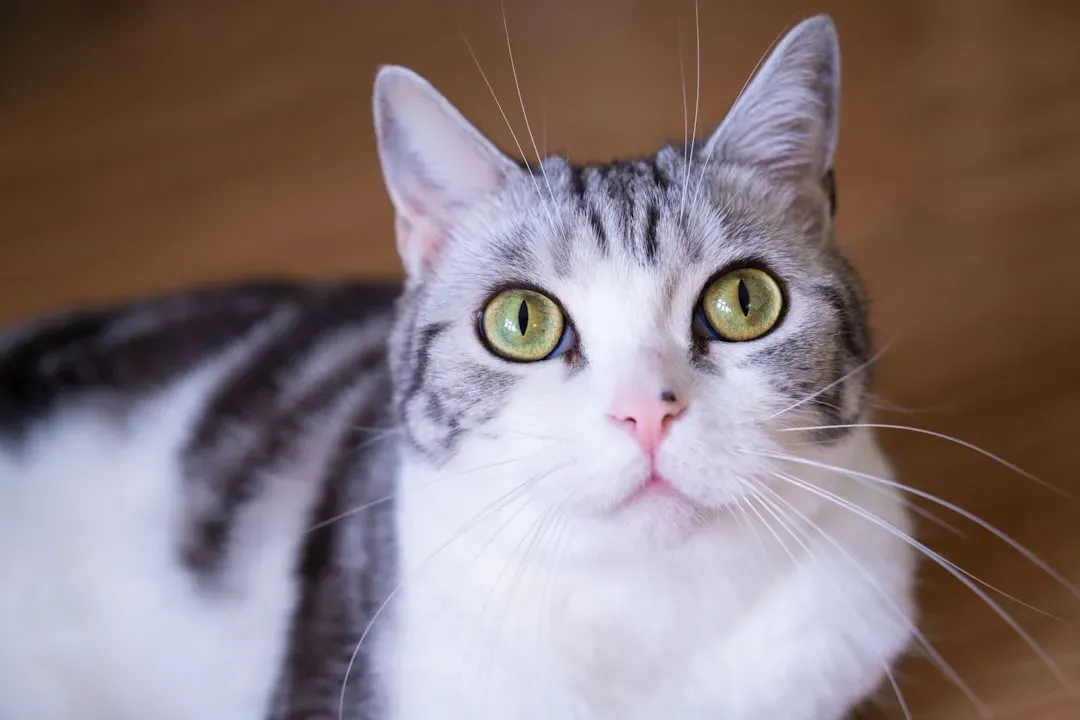
The American Shorthair is a great choice for first-time cat owners thanks to the breed's easy-going personality and affectionate nature, as American Shorthair is an adaptable cat that fits in seamlessly to almost any household. They're basically the reliable sedan of the cat world: not flashy, but dependable. American Shorthair cats are known for their easy-going personalities, good health, and low maintenance grooming requirements, great with children and other pets.
They are moderately active cats that love to play almost as much as they love to cuddle, and the short, soft fur needs only weekly brushing to stay in tip-top shape. Let's be real, when you're learning the ropes of cat ownership, you don't need a high-maintenance diva. The American Shorthair gives you all the joy without the unnecessary complications.
Siamese: The Chatty Companion

Siamese cats have big personalities that are impossible to ignore, as Siamese are adaptable, friendly, and extremely affectionate - if you like the idea of being hugged by a cat, this is the breed for you. Their sleek coats require virtually no grooming effort. They have short hair which means low-maintenance grooming, which is fantastic news for anyone who doesn't want to spend hours with a brush.
She is intelligent and playful, making her easy to train, but can also be demanding of attention. They're vocal, so expect conversations throughout the day. Siamese cats are an excellent choice for first-time owners, thanks to their remarkable intelligence and highly social nature, and their outgoing and playful demeanor makes them easy to bond with, often forming deep, loyal connections with their owners.
Exotic Shorthair: The Laid-Back Charmer
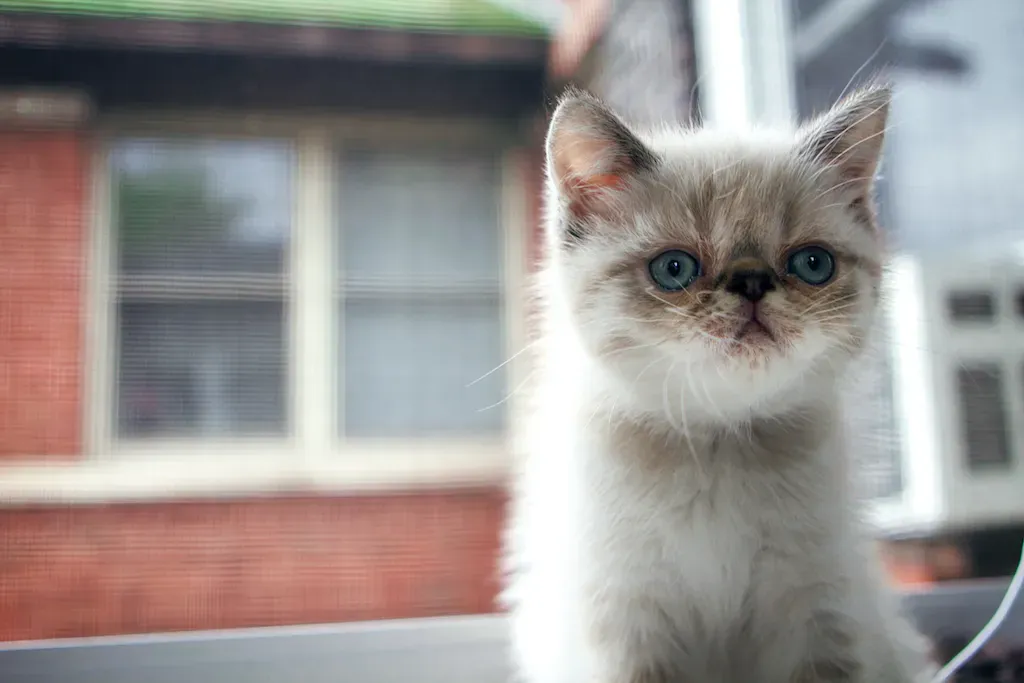
Exotic Shorthairs are easygoing companions that are loving with their family members but can be a little shy with visitors, and this kitty enjoys playing just as much as he likes to cuddle in your lap. Think of them as the Persian's easy-care cousin. He has a soft voice and is easy to groom, and this breed is generally pretty low-maintenance due to their short coat and low energy levels.
They're perfectly content with a quieter lifestyle, which suits first-time owners who may not be ready for a whirlwind of energy. Their rounded features and calm demeanor make them delightful companions who won't overwhelm you with demands. They strike a beautiful balance between affection and independence.
Scottish Fold: The Quirky Sweetheart

This smart kitty has a quirky personality and adorable folded ears, as Scottish Fold cats are curious, outgoing, and enjoy following you around the house. The Scottish Fold is a unique and endearing breed that is great for first-time owners seeking a calm and gentle cat, known for their easygoing, friendly nature, are relatively low-maintenance.
Their distinctive appearance makes them instantly recognizable, and their temperament is wonderfully suited to beginners. However, the Scottish Fold does need a lot of attention, so it needs an owner who spends plenty of time at home, and they cannot be left alone for long periods. If you're around frequently and seeking a devoted companion, this breed delivers in spades.
Russian Blue: The Quiet Elegant
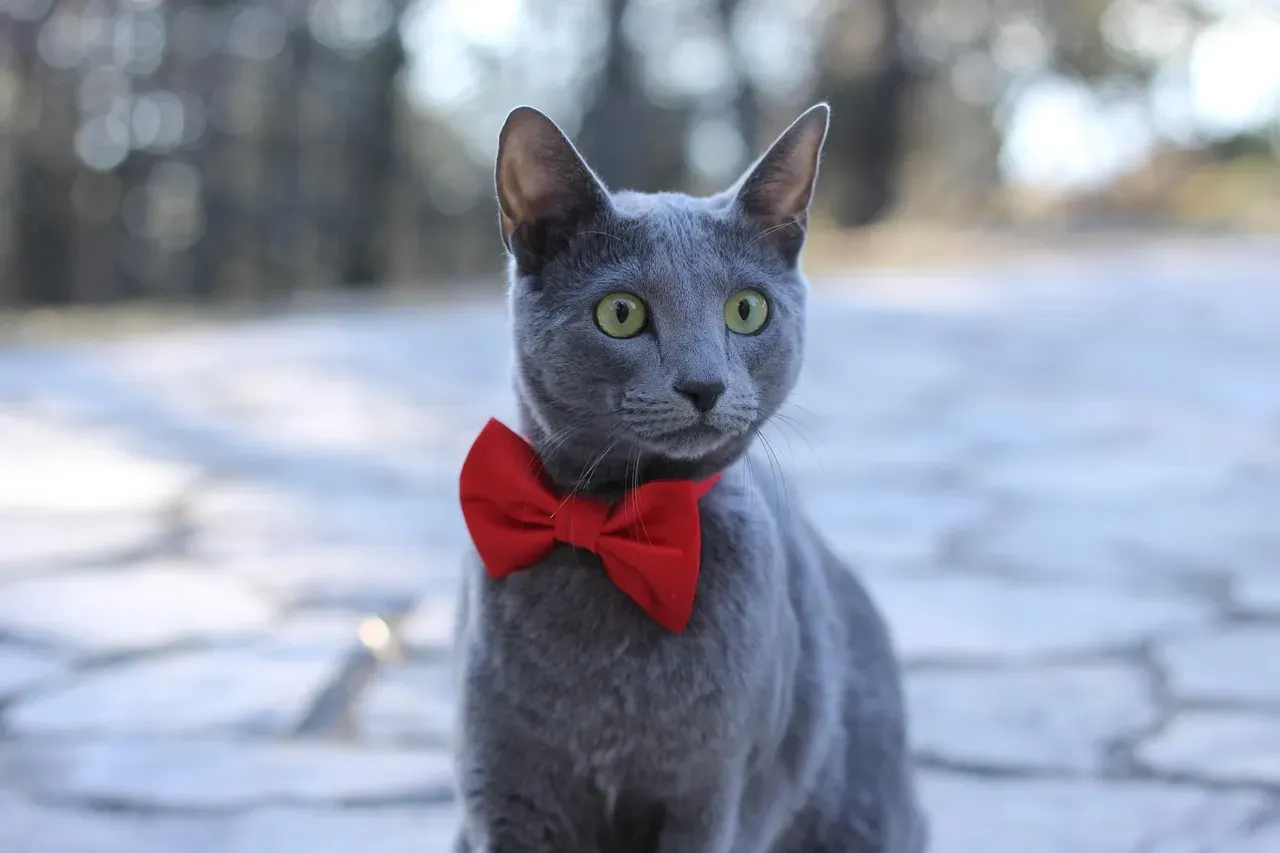
Russian Blues are striking in appearance with their blue coat and green eyes and are also known for being low-maintenance, and Russian Blues are also known for their gentle and quiet nature, making them an easy companion for first-time owners. Their short coat requires minimal upkeep. They have a short, dense coat that requires only occasional grooming.
These cats are somewhat reserved initially but form incredibly strong bonds once they trust you. Like the British Shorthair, the Russian Blue is known for its easygoing temperament. They're not demanding or overly needy, making them perfect for someone who appreciates a more subtle feline presence in their home.
Bengal: The Wild Child
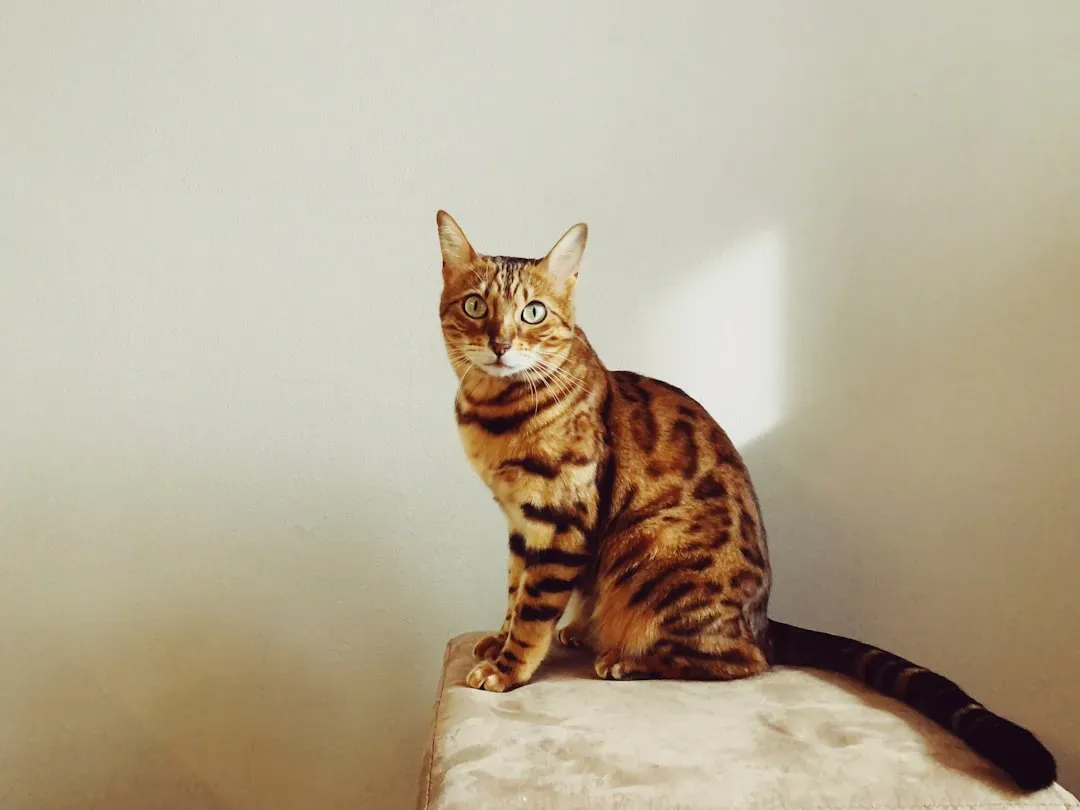
Now we're switching gears to breeds that demand experience. Bengal cats have wild ancestry and may exhibit high energy and a strong hunting instinct, requiring an experienced owner to manage their behavior. This also makes them energetic and athletic cats that might appear to have an aggressive streak while playing, but Bengals are affectionate and curious cats who spend most of their waking hours playing, climbing, and chasing things.
Bengals are high-energy kitties that require lots of playtime and attention, and they are intelligent, which can make them bored easily, so finding ways to keep a Bengal entertained is necessary to prevent behavioral issues. They're absolutely gorgeous, no question. They are like having a wrecking ball with a warped sense of humor in your home. First-time owners often underestimate just how much stimulation these cats require.
Persian: The High-Maintenance Beauty
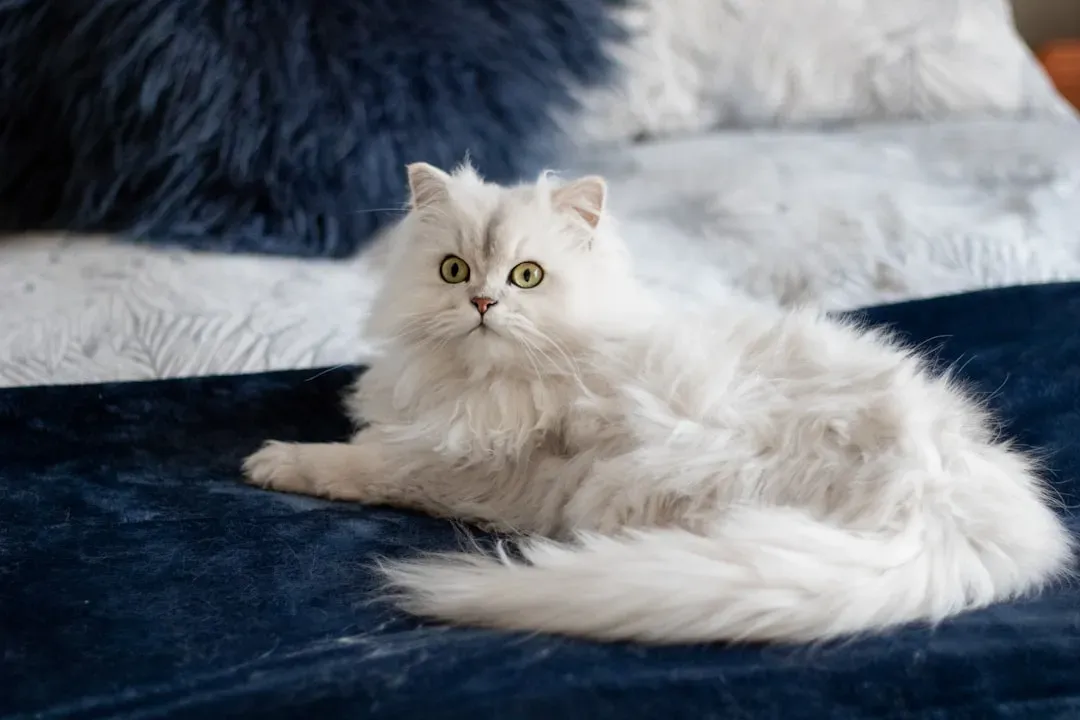
Persian cats have long, luxurious coats that require daily grooming to prevent mats and tangles, as well as potential for breed-specific health issues. This stunning coat requires daily grooming, and with their short snouts, Persians are known to struggle with keeping clean, so pay close attention to their eyes, noses, ears, and all the hard-to-reach areas.
They're gentle souls with calm dispositions, which is appealing. However, their grooming demands alone can overwhelm someone new to cats. Persians are known for their luxurious long coats, but that beauty comes at a cost, and they require daily grooming to prevent matting and excessive shedding, and additionally, they are prone to respiratory issues due to their flat faces, requiring extra health monitoring and care. Without experience, you might struggle to keep up with their needs.
Sphynx: The Attention-Demanding Enigma
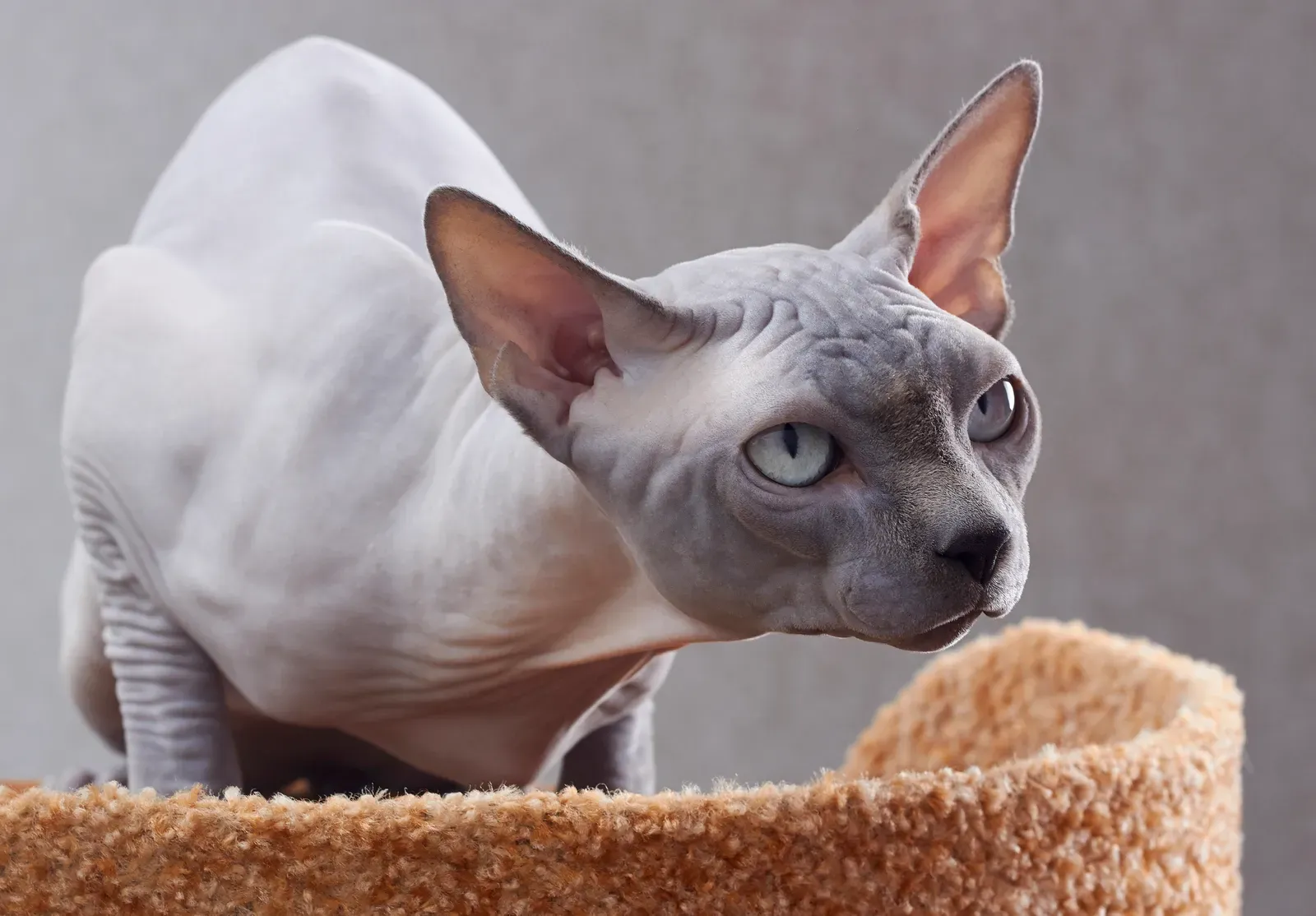
The Sphynx is hairless and requires regular bathing to remove oils that would normally be absorbed by fur, as well as protection from cold temperatures. Their hairless bodies require frequent bathing to remove oil buildup from their skin, and additionally, they are highly social and crave constant attention, which can be overwhelming for a first-time owner.
Their skin's natural oils can build up and collect dirt, which means weekly or bi-weekly baths are a must for these kitties, and they require sweaters and heaters when the weather is cold and are prone to sunburn if allowed outside. They're incredibly affectionate and personable, but their care requirements extend far beyond what most beginners anticipate.
Savannah: The Wild Card

Savannah cats are a hybrid breed with wild ancestry, making them highly energetic and difficult to train, and they have a strong prey drive and require lots of space and enrichment, making them a poor choice for apartment living or first-time owners. The first consideration with the Savannah cat is that they are not legal to own in all areas due to their close relation to the African Serval.
Their exotic appearance attracts many would-be owners, but few are prepared for the reality. These cats need enormous amounts of space and stimulation. They're not suited to typical apartment living and can be unpredictable. Unless you've got significant experience and resources, steer clear.
Turkish Angora: The Mischievous Athlete

The Turkish Angora is another uncommon cat breed you don't see every day, known for their mischievous but loyal and loving nature, and they are social with their people and are known as athletic cats that require lots of playtime. They are intelligent and good at solving problems, making them prone to getting into trouble, and like the Turkish Van, the Turkish Angora ranked high for aggressive tendencies.
These cats demand constant engagement. The Turkish Angora is another rare cat breed that's rarely spotted, famous for its playful yet devoted and affectionate demeanor, and these cats love being around their humans and are quite athletic - needing plenty of play to stay happy, and they're intelligent problem solvers, which can sometimes lead to mischief. Without proper outlets, they'll create their own entertainment, which rarely ends well for your belongings.
Singapura: The Skittish Tiny Package
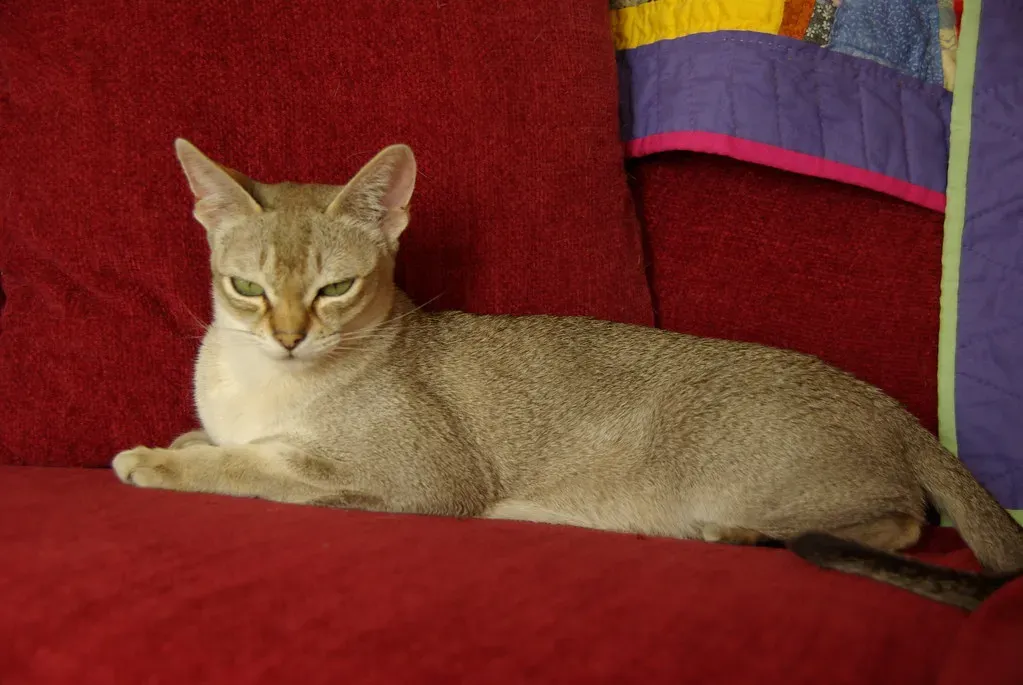
It may be tempting to adopt a Singapura, as their alien-like appearance makes them different from just about any other breed you could own, however, they're strong-willed and skittish, and if you surprise them, they can react with a flurry of claws and teeth. They also have a tendency to hide if not properly socialized, so you could find yourself owning a cat that you never actually see.
Their small size might seem manageable, but their temperament requires careful handling. They're quite stubborn and easily startled, and if you catch them off guard - they might respond with scratches and bites, plus, they tend to hide if they're not properly socialized so you might end up with a cat that's rarely seen. First-time owners often lack the finesse needed to work with such sensitive personalities.
Korat: The Jealous Companion

The Korat can make a fantastic cat in some homes due to their laidback and loving personality, along with their intelligence and quiet nature, and they are committed to their people and love the time and attention of their owners, but Korats are unsuitable for homes where people are gone for long periods since they can become stressed and depressed by being left alone.
This makes them relatively high-maintenance, and they can be stubborn and not very tolerant of other animals in the home, and overall, the Korat is not a good fit for inexperienced cat owners. They can become quite jealous if you give your other pets love and attention. Managing their emotional needs requires patience and understanding that many beginners simply haven't developed yet.
Devon Rex: The Food-Obsessed Acrobat
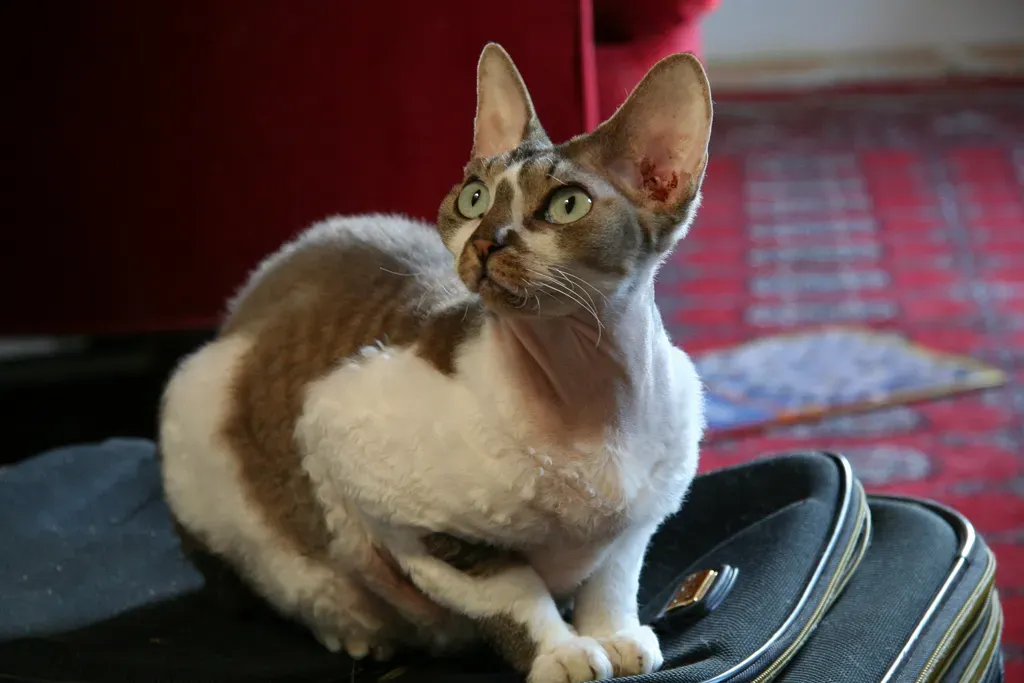
The Devon Rex is an incredibly energetic breed that requires lots of attention and stimulation; otherwise, unwanted behaviors can pop up, and the Devon Rex is tremendously social and needs a lot of time and attention from their owners. They are also known to be food hounds and are not picky about what they eat, so owners should be prepared to guard your dinner plate from the fast and crafty Devon in the house, and they never turn down a meal and would be happy to assist you with yours.
Devon rexes are also susceptible to hip dysplasia and patella luxation (a condition where the kneecap moves out of its normal location, which may require surgery to correct), and cats with hip dysplasia and patella luxation are more likely to develop osteoarthritis. Their health vulnerabilities paired with their demanding nature makes them unsuitable for novice owners.
Conclusion: Matching Experience to Breed

Choosing your first cat shouldn't feel like rolling dice. The breeds in the first half of this article offer forgiveness, adaptability, and manageable care requirements that allow you to learn as you go. They're companions who'll grow with you through the inevitable stumbles of first-time ownership.
The second group? They're incredible animals that deserve owners who know exactly what they're getting into. Their needs aren't impossible to meet, but they require knowledge, resources, and time that comes from experience. Rushing into one of these breeds without preparation often leads to frustration for both owner and cat.
What's your take? Did any of these breeds surprise you with their placement? Whether you're leaning toward a gentle Ragdoll or feeling adventurous enough to consider a Bengal down the road, make sure you're honest about your capabilities. Your future feline friend is counting on it.