8 Everyday Sounds That Drive Your Cat Absolutely Wild (and Why)
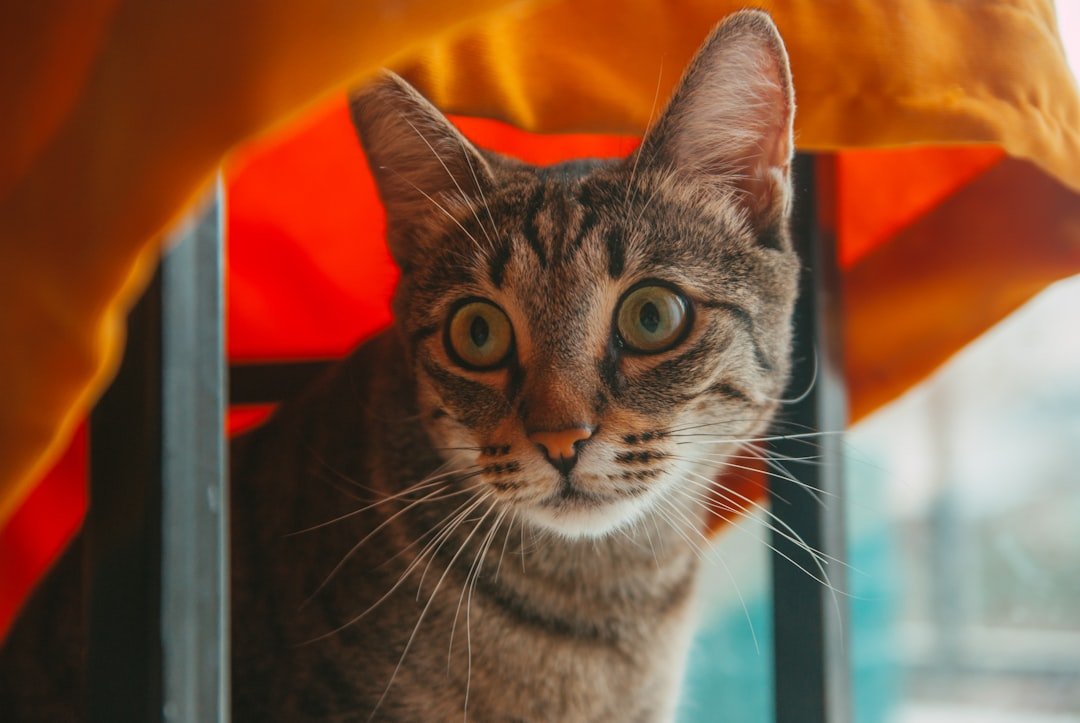
You're settled in for a quiet evening when suddenly your cat bolts from the room like they've spotted a ghost. Or maybe they freeze mid-grooming, ears swiveling toward something you can't even hear. Cats react to sounds in ways that can seem downright bizarre to us, ranging from panic to pure excitement. Here's the thing: their auditory world is completely different from ours.
What sounds ordinary to you might be overwhelming or thrilling to your feline companion. Understanding which everyday noises trigger these reactions can help you see your home through your cat's ultra-sensitive ears. Let's dive into the sounds that make your cat lose their cool, and more importantly, why these noises have such a powerful effect.
The Vacuum Cleaner's Roar

Your cat can perceive a running vacuum cleaner as startling and painfully loud, even though it might seem like reasonable background noise to you. The problem isn't just volume. Vacuum cleaners produce multiple layers of sound that assault feline senses all at once.
Mechanical whining noises from things like vacuum cleaners may be especially annoying to cats because they can hear at the ultrasonic level. Picture experiencing a sudden storm of overlapping frequencies, some you can't even detect, combined with unpredictable movements as the machine rolls closer. Let's be real, if something three times your size started rumbling toward you making otherworldly sounds, you'd hide too.
Research indicates that sounds above 80 decibels trigger stress responses in cats, and vacuums easily cross that threshold. The combination of noise, vibration, and motion creates the perfect recipe for feline panic.
Thunderstorms and Fireworks
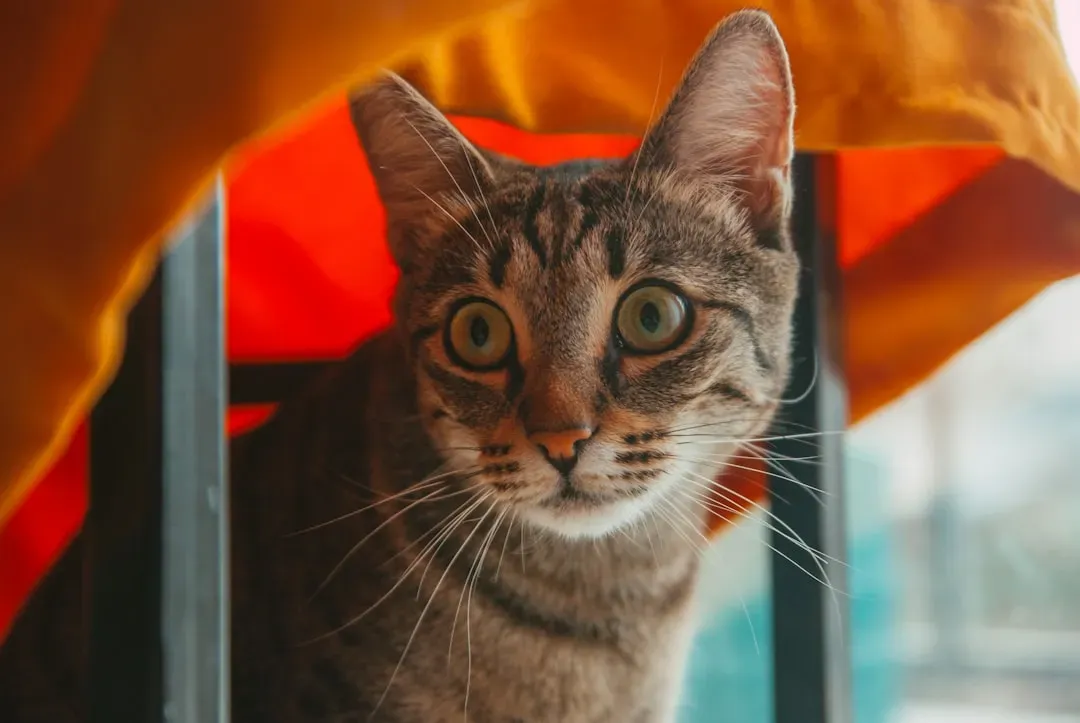
Thunder cracks and fireworks explosions represent some of the most distressing sounds your cat will encounter. These aren't just loud - they're sudden, unpredictable, and genuinely alarming even to human ears. For your cat, multiply that distress several times over.
Cats have a special reflex to minimize exposure to sounds that are too loud, where tiny muscles in a cat's middle ear can contract to protect the inner ear, but sudden loud noises like fireworks happen too quickly for this reflex to take effect. It's like trying to blink away a camera flash that's already happened. The protective mechanism your cat relies on simply can't react fast enough, leaving their sensitive hearing completely exposed to the blast.
Cats can be scared of a wide range of noises, including fireworks and thunder, often hiding or showing signs of genuine anxiety. I think what makes these sounds particularly traumatic is their randomness - your cat can't predict when the next boom will shake the windows.
High-Pitched Electronic Beeps
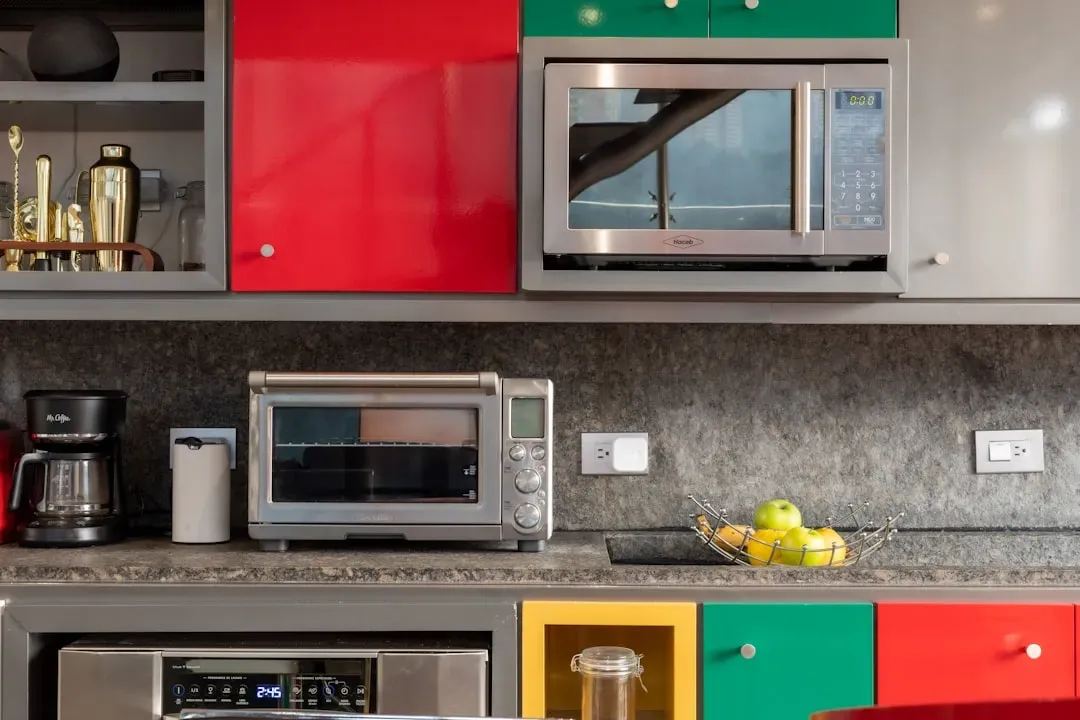
Cats are most sensitive to sounds of around 8,000 Hertz and can hear up to 64 kHz, which is 1.6 octaves above the upper range of human hearing. Your smoke alarm chirp, microwave beep, or phone notification exists in a frequency range where your cat's hearing is razor-sharp. What you barely notice might pierce right through their consciousness.
The 's'-sound operates at a higher frequency than most other human sounds, which makes it stick out to cats, and the same principle applies to electronic tones. These beeps aren't just audible - they're unavoidable to your cat. Imagine if every time your phone buzzed, it felt like someone was tapping directly on your eardrum.
Many electronic devices emit high-frequency sounds that cats can hear but humans cannot, and these ultrasonic sounds can cause stress or discomfort for cats. Your home might be filled with a constant electronic hum that only your cat perceives, creating a soundscape of irritation you're completely unaware of.
The Can Opener Symphony

Here's where things get interesting. Kitchen appliances like can openers send cats into a frenzy, with studies showing that 70% of cats react positively to these sounds, associating them with food. This isn't about fear - it's about Pavlovian conditioning cranked up to eleven.
Cats can hear over a range of about 10.5 octaves, among the broadest for any mammal, which means they can detect that distinctive metallic grinding from rooms away. The second that blade punctures the can lid, your cat knows exactly what it means. They've learned that this specific sound pattern predicts dinner, and their brains light up with anticipation.
The whirring and clicking of the can opener creates a unique acoustic signature that cats seem hardwired to recognize. It's not just loud - it's meaningful. Honestly, watching a cat materialize from nowhere the instant you reach for the opener never gets old.
Rustling Plastic Bags and Crinkling Paper
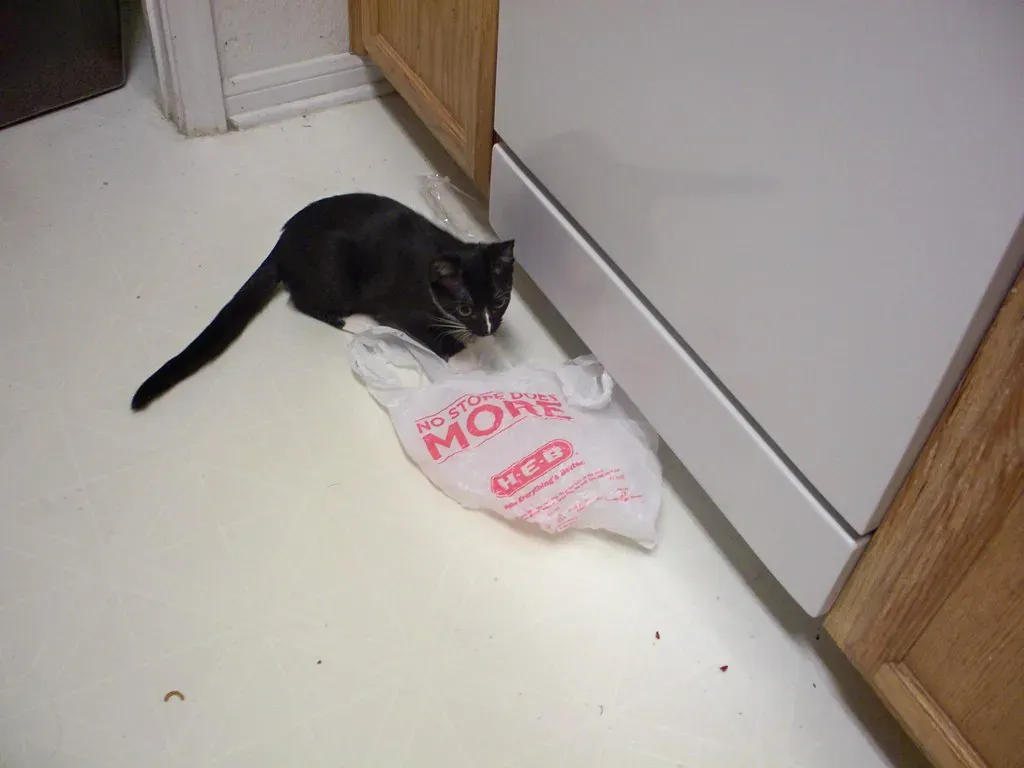
The 'pspspsps' sound and rustling noises trigger the predatory instinct in cats, imitating impressive insects, rustling leaves, birds ruffling their feathers, or mice trying to vanish in the tall grass. When you crinkle a plastic bag, you're accidentally mimicking the exact frequency of prey movement. Your cat's brain doesn't think "grocery bag" - it thinks "hunt."
This explains why cats will go absolutely wild batting at plastic bags or pouncing on crumpled paper. High-pitched noises often trigger an instinctive hunting response in cats, and the same sound that might seem innocuous to us can activate their predatory instincts and lead to them becoming alert, curious, or even agitated.
The unpredictability of these sounds adds to their appeal. Every crinkle is slightly different, keeping your cat's hunting instincts engaged. It's hard to say for sure, but this might be why your cat finds that random piece of wrapping paper more entertaining than their expensive toys.
Hissing and Spray Bottle Sounds

The hissing sound made by a spray bottle often upsets cats because cats hiss at other cats when they are threatened or frightened, and to a cat, this noise indicates a scary situation or a probable conflict - it is a triggering sound for them that usually means danger. You're essentially speaking their language of fear.
When you use a spray bottle for correction, you're not just startling your cat with an unpleasant sensation. You're triggering their fight-or-flight response by using their own warning signal against them. The psssht sound mimics aggressive cat communication, making your cat think another feline is about to attack.
There's a theory where sounds like 'pspspsps' signal to your feline that there may be a predator nearby, because when cats are angry or afraid they hiss, so when kittens grow up they learn that when mom makes that aggressive sound, they better stay close to her for shelter. This deep-seated association makes hissing sounds particularly effective at getting reactions - but not necessarily the ones you want.
Sudden Bangs and Crashes

Cats startle very easily, and any loud, abrupt sound is bound to stress them out because they aren't expecting the noise and aren't ready for it. When you accidentally drop a pan or slam a door, your cat's entire nervous system goes into overdrive. Their evolutionary programming doesn't distinguish between a falling book and a genuine threat.
Humans hear about 9.3 octaves, but cats' hearing is especially sensitive at the middle frequencies, and cats are easily distracted and easily startled by sounds. Think about it: your cat needs to be constantly alert for potential predators and prey. Any unexpected noise could signal danger, so their default response is to react first and assess later.
Sudden noises can startle cats, prompting unexpected reactions, and the sharp sound of something falling or a door slamming can send them scurrying for cover. That's why your cat might disappear for an hour after you drop your keys - they're genuinely spooked by what seems like a minor accident to you.
Doorbells and Knocking
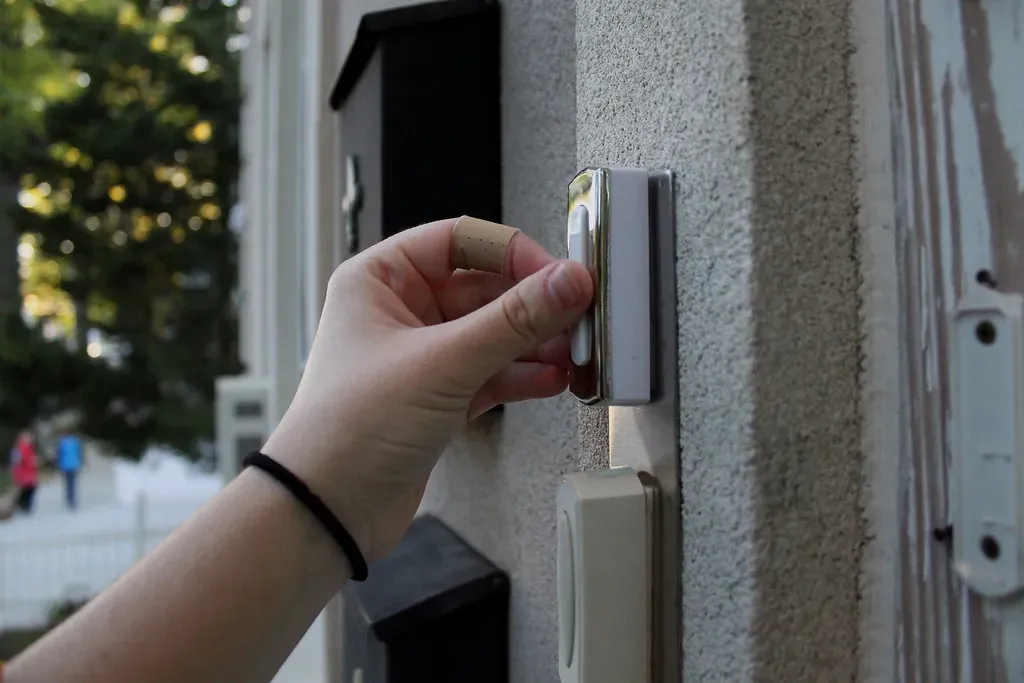
Cats can be scared of a wide range of noises, including doorbells, and this fear makes perfect sense when you consider what these sounds represent. Doorbells signal the arrival of strangers, disruption to routine, and potential territorial threats. Your cat has learned this pattern through repeated experience.
The doorbell's sharp, penetrating tone is specifically designed to cut through household noise and demand attention. It works just as effectively on cats, but without the social context that tells us it's just someone delivering a package. To your cat, it's an alarm system announcing an intruder.
Some cats will bolt and hide the moment they hear that familiar chime, while others might cautiously investigate from a safe distance. Cats need to be constantly aware of things changing in their environment and alert at all times, so they react to even the slightest sound. A doorbell represents a significant environmental change, triggering their natural vigilance into overdrive.
Conclusion
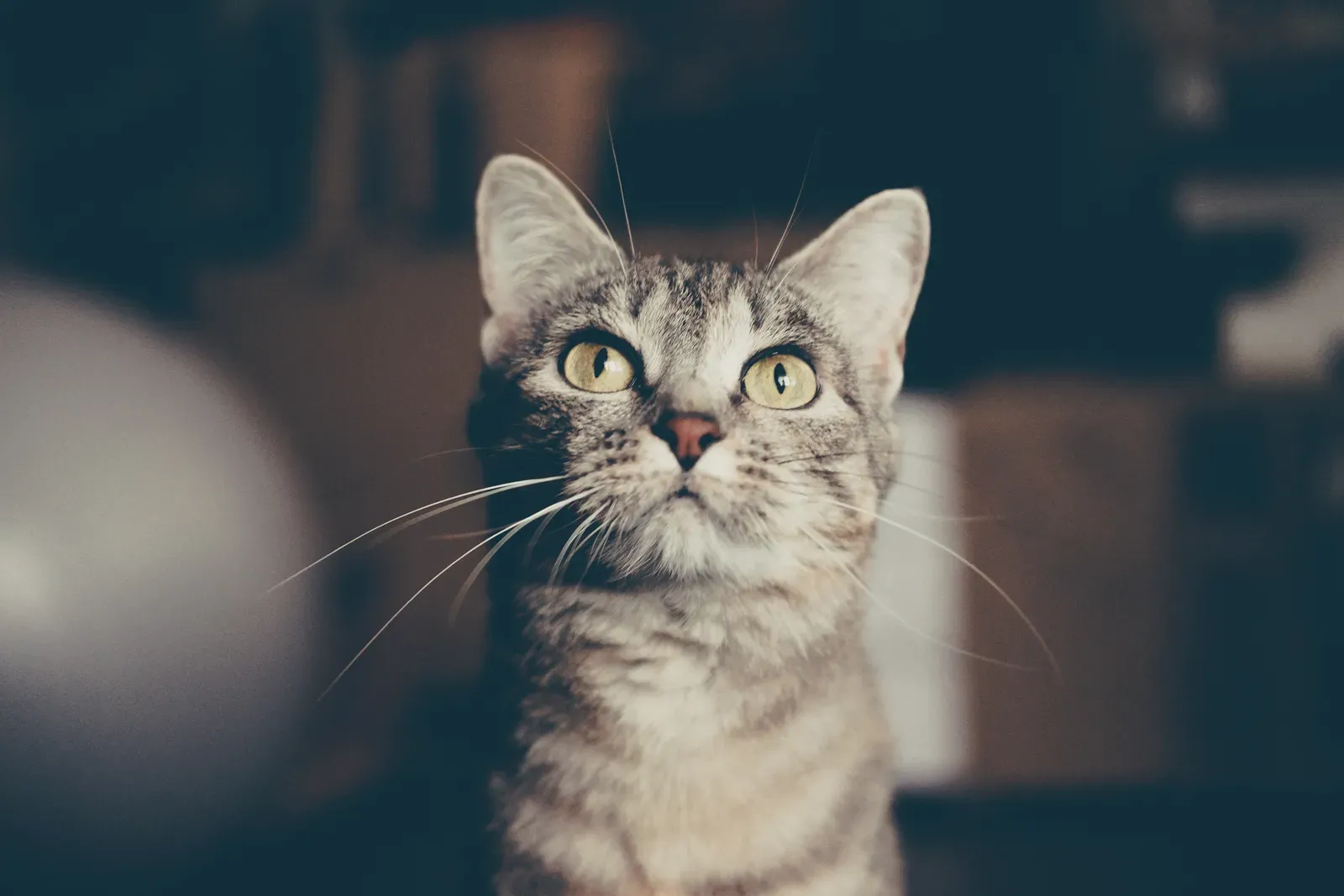
Cats can hear sounds from 48Hz to 85,000Hz and have one of the broadest mammal hearing ranges, which means they're experiencing an entirely different acoustic environment than we do. Every beep, rustle, and bang that we barely register might be a significant event in your cat's sensory world. Understanding these reactions isn't just about curiosity - it's about creating a more comfortable home for your feline friend.
Some sounds will always trigger your cat's instincts, whether it's the hunting response from crinkling paper or the fear response from sudden crashes. The key is recognizing which noises cause genuine distress versus excitement. You can minimize the stressful ones by providing quiet spaces, using sound machines during fireworks, or simply being more mindful about sudden loud movements in your home.
Next time your cat reacts dramatically to something you can barely hear, remember: to them, it's not an overreaction. What do you think - have you noticed your cat responding to sounds you didn't even realize they could hear? The world sounds completely different through those fuzzy ears.