Are You Accidentally Stressing Out Your Cat? Signs You Might Be Missing
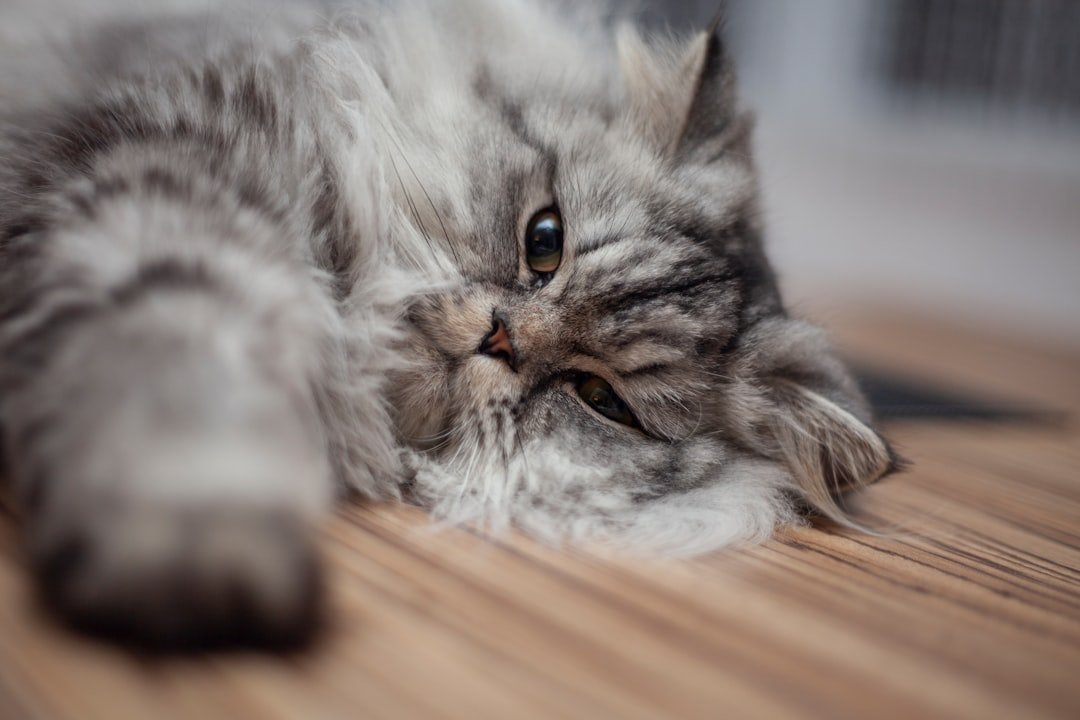
You love your cat and want nothing but the best for them. You've got the comfy bed, the fancy toys, the premium food. Yet somehow, your feline companion seems off lately. Maybe they're hiding more often or acting unusually clingy. Here's the thing: you might be unintentionally creating stress in ways you never imagined.
Cats show stress in much more subtle ways than dogs, and it can be difficult for us as humans to understand what our cats find stressful. That's what makes this so tricky. You're not doing anything malicious, of course. In fact, some of the most common stress triggers for cats are everyday activities and changes that seem completely harmless to us. Let's dive into the signs you might be missing and what you can do about it.
That "Helpful" Physical Affection Might Be Too Much
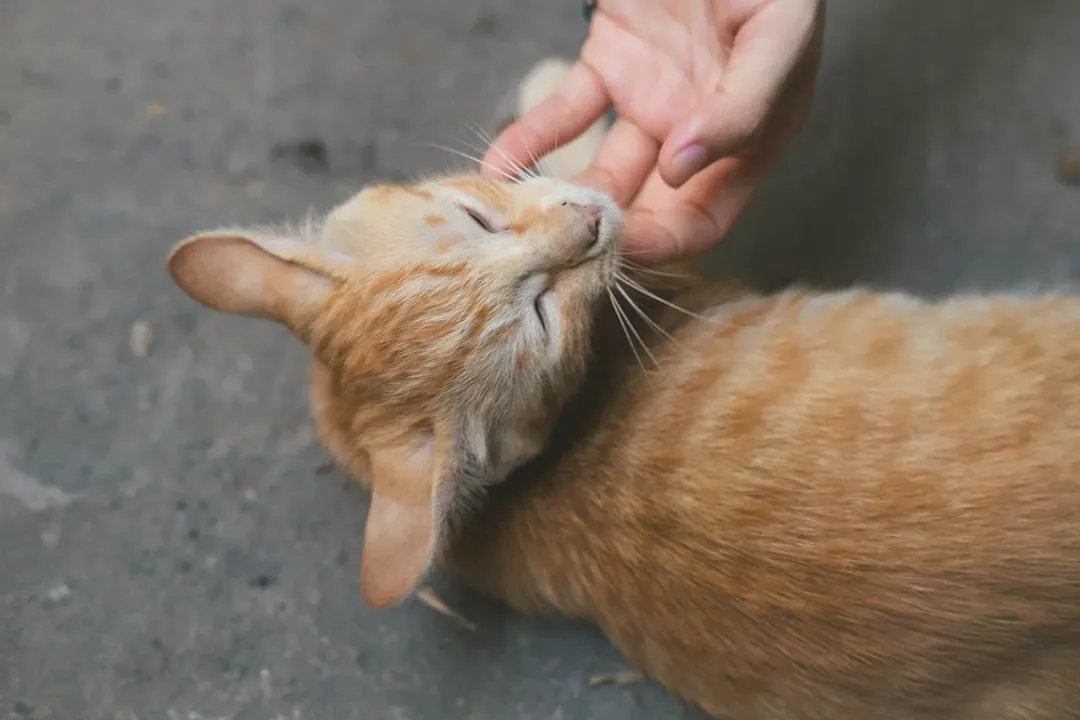
Being stroked or picked up when it's not wanted or enjoyed is stressful for cats. I know, it sounds counterintuitive. You adore your furry friend and just want to shower them with love, right? The truth is, cats are incredibly particular about when, where, and how they receive physical attention.
Some very young children can be overly enthusiastic when it comes to stroking cats and this persistent attention can become very stressful. Think about it from their perspective: being constantly reached for, grabbed, or held against their will feels invasive. Some owners can inadvertently play a part in increasing their cat's stress levels through wanting more contact than their cat is comfortable with (such as picking them up frequently). Pay attention to your cat's body language. If they're pulling away, flattening their ears, or tensing up, they're telling you they need space.
Your Unpredictable Behavior Is Freaking Them Out
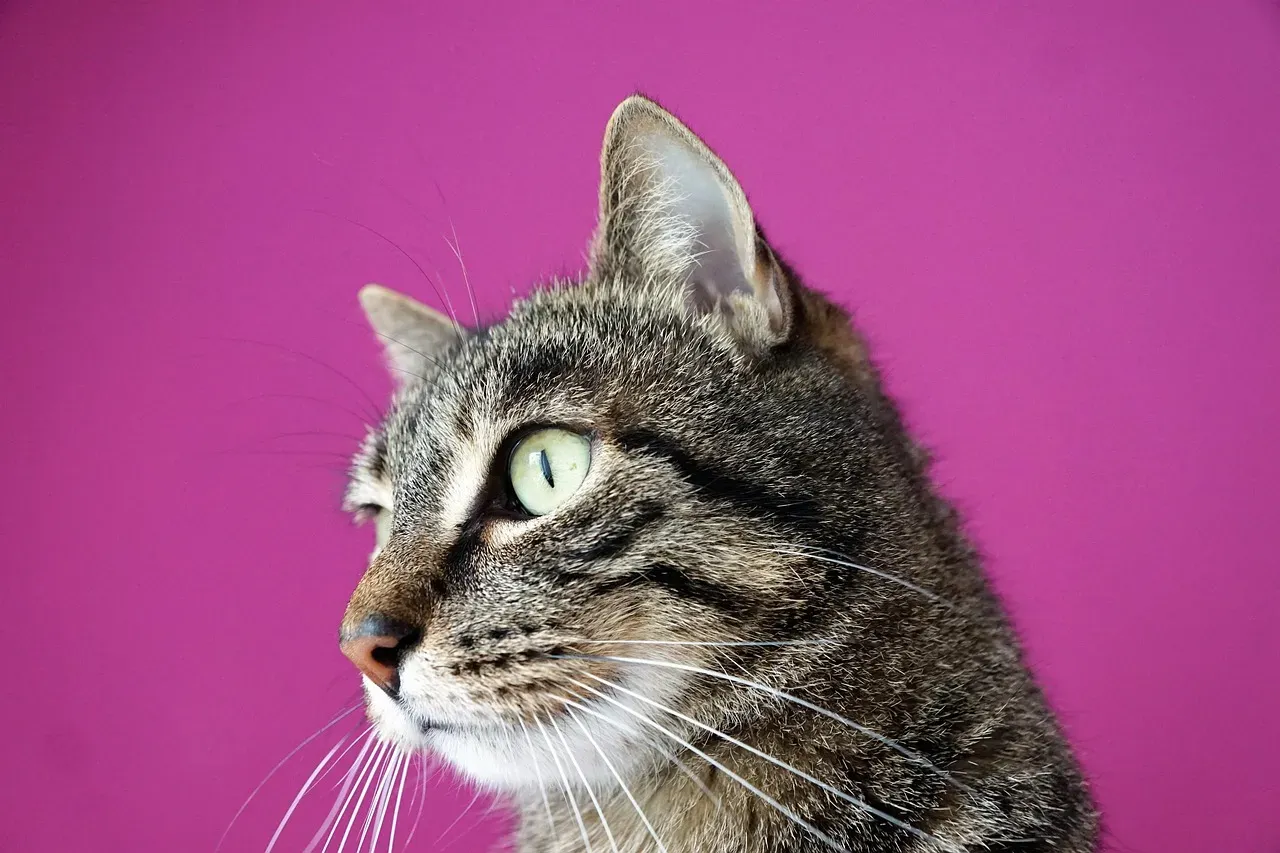
Cats thrive on consistency and routine. In the domestic environment, both changes in the husbandry routine and inconsistency in the owners' reaction to the cat behaviour may cause chronic stress. Let's be real: if you're the type of person who sometimes lets your cat on the counter and other times yells at them for it, you're creating confusion and anxiety.
If you are punishing your cat for something you don't want him to do, especially if that punishment does not coincide with the unwanted behavior, you are causing your cat stress. Though you might think your cat understands why you're freaking out, he doesn't. He only knows that you sometimes lose your cool and punish him. This unpredictability makes you seem like an unreliable, even scary person to them. This can damage the relationship between a cat and their owner, as the cat may view their owner as unpredictable and choose to avoid them or even act defensively by scratching or biting.
Those Subtle Behavioral Changes You're Dismissing
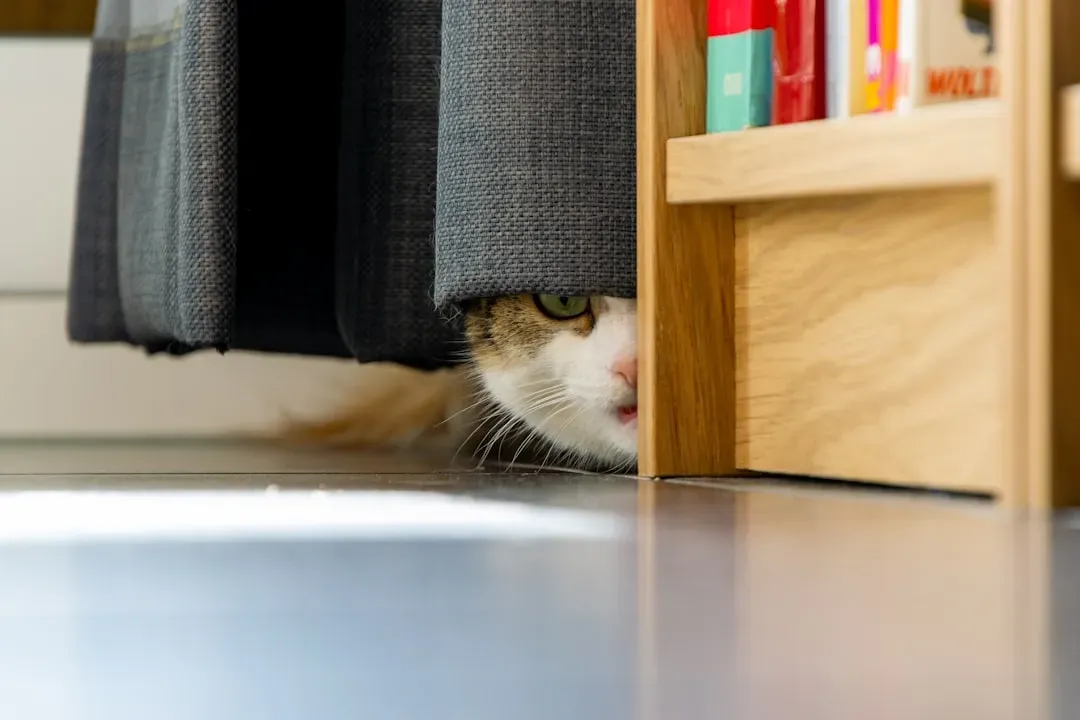
Although it's natural for cats to sleep 16 to 20 hours a day, a further reduction in your cat's activity level may indicate she's feeling stressed. Similar to hiding, increased sleeping and lower activity levels are a way for your cat to cope with stress by removing herself from an overwhelming situation. You might think your cat is just being lazy or getting older, when actually they're withdrawing.
Stressed cats may withdraw from interaction with other household pets, or their owners. If your cat suddenly disappears, and you find them hiding under the bed, behind furniture, or in small spaces, they may be stressed. Take note if your cat is aggressively grooming themselves, especially if it results in bald spots or irritated skin. Over-grooming is a classic stress response that owners often overlook until there's visible damage. Sometimes cats will even develop bald patches on their belly or legs from excessive licking.
Changes to Their Territory Are a Bigger Deal Than You Think
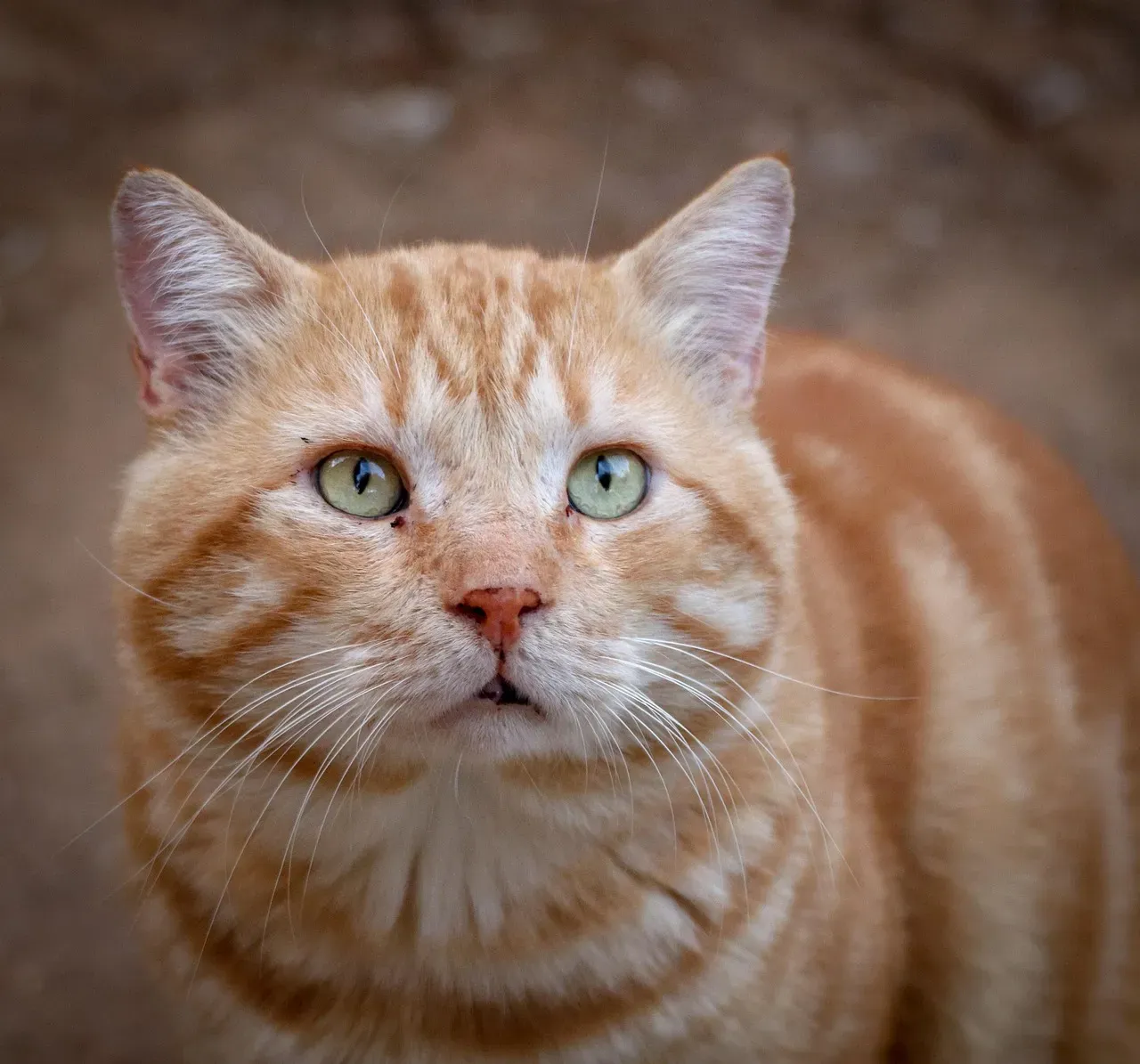
Cats are creatures of habit, which means that small changes to their environment can be enough to upset their routine. Common stress triggers could include environmental changes, such as moving to a new home, rearranging furniture, loud renovations and new people or pets in the household. That new couch you're so excited about? Your cat might see it as an invasion of their carefully controlled space.
Moving familiar objects. Changing the location of food and water dishes, litter trays or favorite furniture can disrupt your pet's environment. Even something as simple as moving their litter box to a different bathroom can trigger anxiety. If the litter tray you provide for your cat is too small, not cleaned out regularly enough or is placed next to a noisy area in the home or next to their food and water bowls, these factors can all cause stress. The quality and location of resources matter as much as having them available.
That Strong Cleaning Product Smell Is Overwhelming
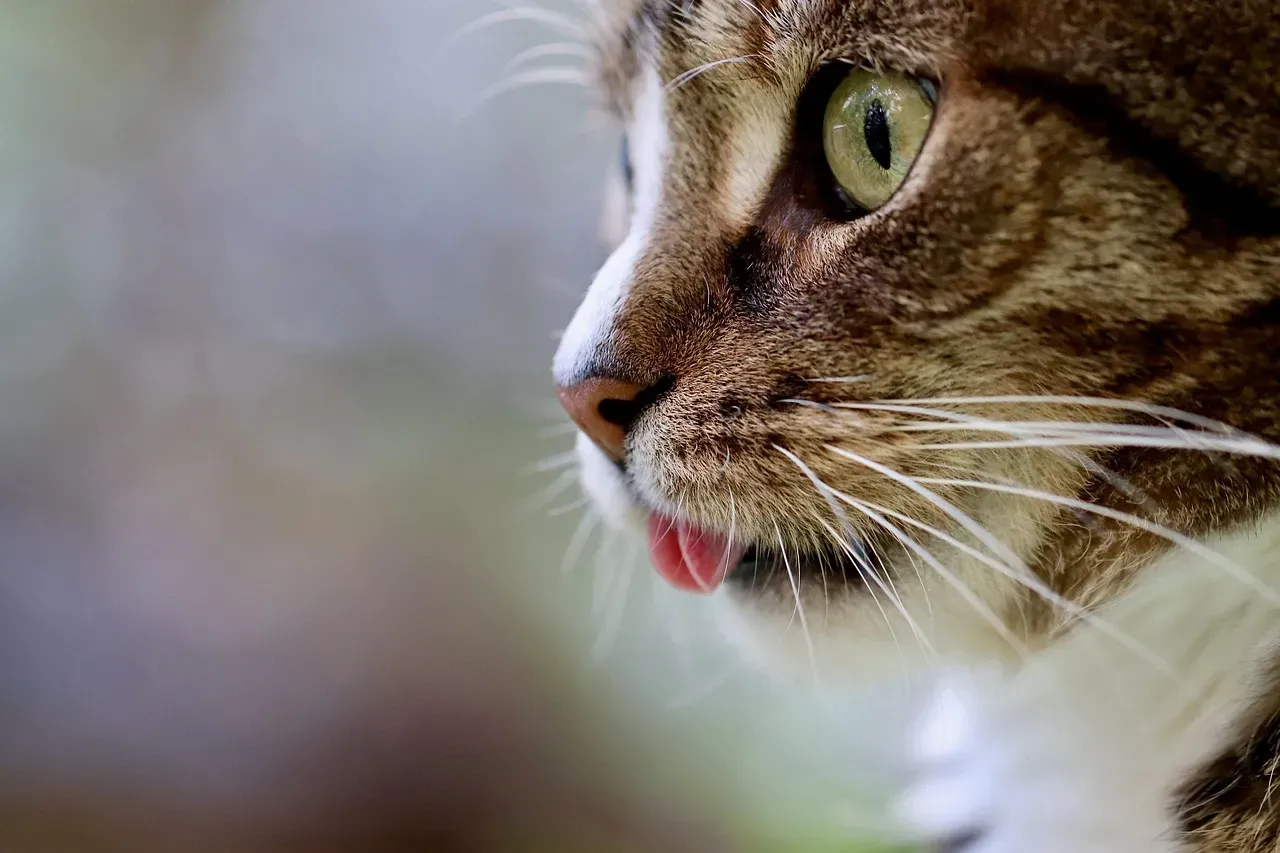
Cats have an incredible sense of smell which is much more powerful than ours. Significant changes to the smell of their home can be a real concern to cats, even though it may not be obvious to us. Your favorite citrus-scented cleaner or that new essential oil diffuser might be making your home feel fresh to you, while simultaneously stressing out your cat.
The smell of your favorite scented candle, lemon-scented cleaner, and even freshly-laundered clothes might make you feel relaxed, but your cat might not feel the same way. Because cats have such a powerful sense of smell, an offensive odor that they cannot escape can become an unexpected trigger. Honestly, it's hard to imagine how intense these smells must be for them. Their noses are designed to detect prey and predators, making them incredibly sensitive to chemical odors we barely notice.
Multi-Cat Households Without Enough Resources
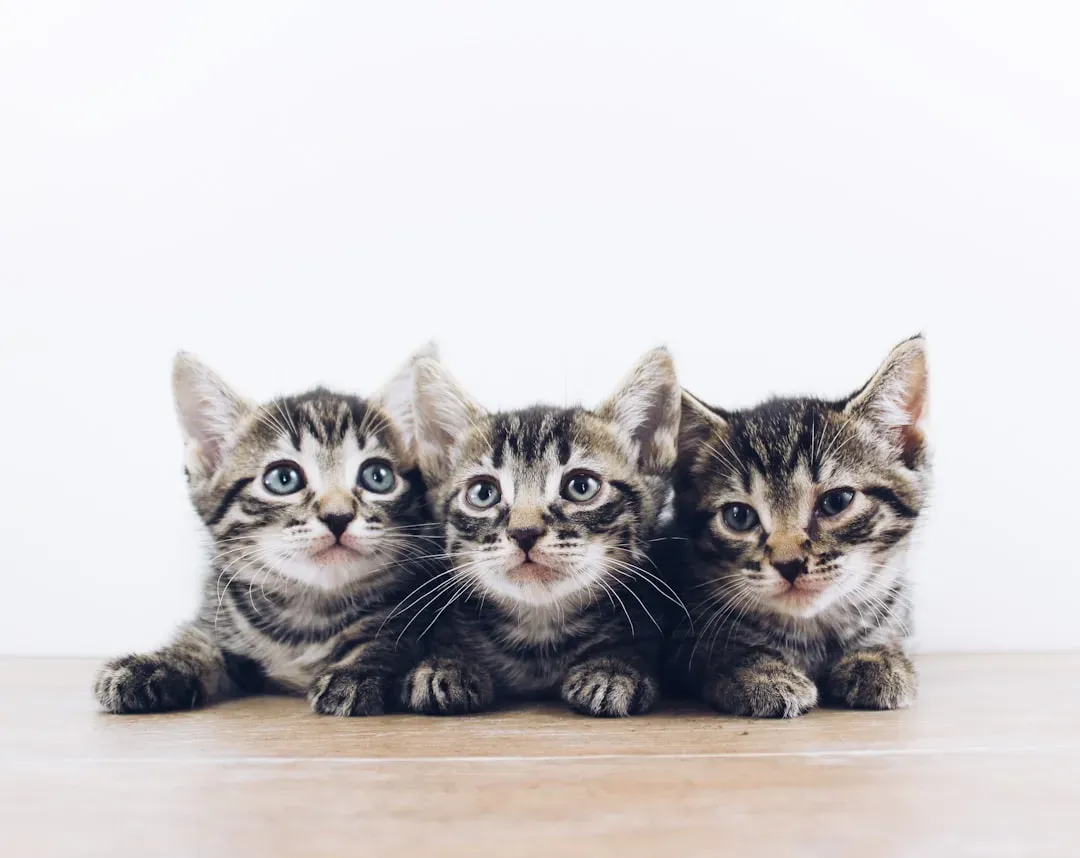
A large proportion of a cat's stress comes from interactions with other cats. If your cat is sharing key resources (litter trays, food and water bowls, scratching posts, beds, toys etc.) with cats they don't get on with, this can cause them a great deal of stress. You might think your cats are best friends because they tolerate each other, when in reality, there's underlying tension.
Owners may unwittingly heighten a cat's stress by making sudden changes in routine or living space, forcing contact on a reserved cat, or neglecting consistent access to litter, food, water, and secluded areas. Overcrowding pets or expecting them to share limited resources with other animals can also amplify tension. The general rule is one litter box per cat plus one extra. For a cat, sharing their important resources (such as food, litter trays, beds, human attention etc.) with another cat, especially if they haven't grown up together, can be really stressful.
Your Changing Schedule Is More Disruptive Than You Realize
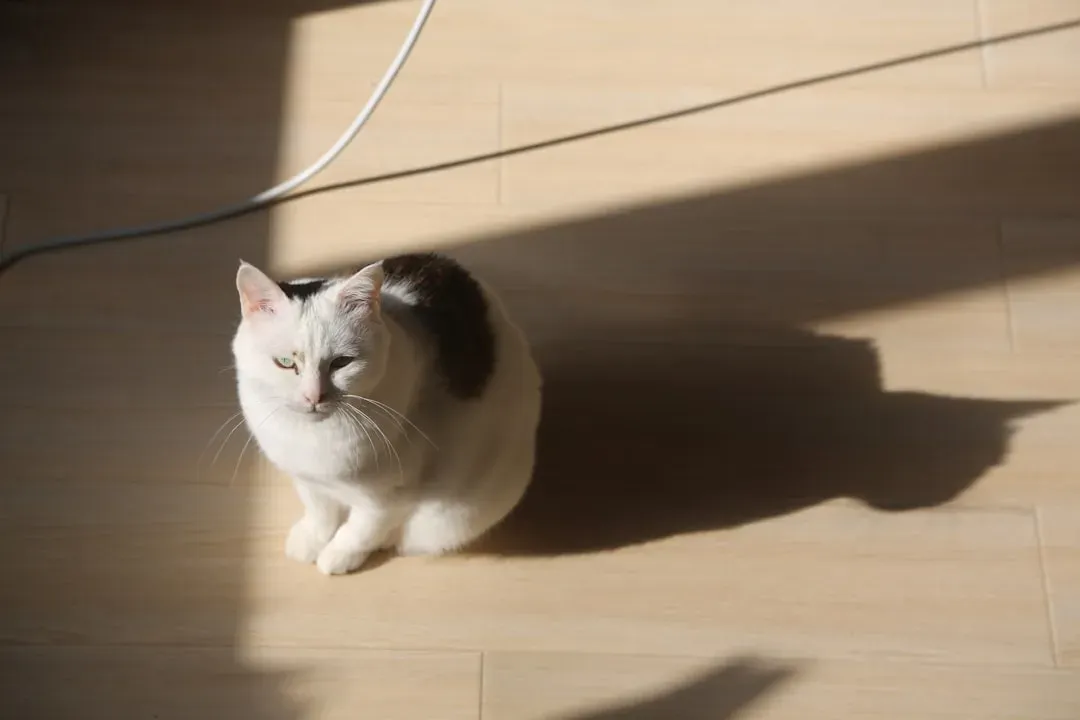
Cats can be very sensitive to any changes in their owner's routines, for example, if they start getting up earlier in the mornings or spending more time away from home. Unpredictability can be quite stressful for cats so, if your routines change, try to keep your interactions with your cat as consistent and predictable as possible. Maybe you recently started working from home, or perhaps you're suddenly back in the office after months at home.
A change in your household routine can cause stress for your cat. Examples include your children starting back to school or you or your spouse transitioning to work from home. Changing routines. Feeding time, your work schedule, playtime – these are routines your cat relies on. Cats develop expectations around when you'll feed them, when you'll play with them, and when you'll be available for cuddles. Disrupting these patterns can leave them feeling anxious and uncertain.
Not Providing Enough Mental Stimulation

Boredom is stressful for cats. In the wild, they're predators who must stalk and capture prey to live. When cats live indoors with us and don't need to hunt, they can sleep too much, become bored, and feel stressed. It might sound backward, but an under-stimulated cat is often an anxious cat.
Interactive play is a critical part of keeping your cat happy and his stress low. This type of game, where you use a toy to mimic the behavior of a bird or rodent to let your kitty act like a predator, is extremely stress-relieving for cats. Think about it: your cat's ancestors spent hours each day hunting. Being confined indoors, being bored, having restricted access to hiding places where the cat feels safe, or enough clean litter trays, for example, can all be very stressful for some cats. Without an outlet for these natural behaviors, the energy and frustration build up.
Recognizing the Physical Signs Before It's Too Late
One of the most common signs of stress in cats is urinating outside the litter box. Cats usually do this because the smell of their own urine is comforting for them, and litter absorbs the smell. This isn't vindictive behavior; it's a coping mechanism. Cats are more likely to vomit and have diarrhea when experiencing stress. If your cat is showing signs of a low appetite, low water intake, diarrhea, or vomiting, schedule a veterinary visit.
Stress plays a significant part in most common cat behavior problems and some diseases. It's important to be able to recognise the signs of stress in your cat and act accordingly to ensure they are not subjected to long or intense periods of stress, which would be detrimental to their welfare. Long-term stress can contribute to serious health conditions like feline idiopathic cystitis and upper respiratory infections. Low appetite and reduced water intake can reflect underlying stress in cats. They may hide or avoid mealtimes, leading to potential dehydration or weight fluctuations.
The reality is, your cat can't tell you when something's wrong with words. They communicate through behavior changes, physical symptoms, and body language. Did you catch all the signs you might have been missing? Maybe you've been accidentally creating stress without realizing it. The good news is that now you know, you can make changes. Start paying closer attention to your cat's routines, their reactions to your behavior, and the environment you're creating for them. Small adjustments can make a massive difference in their quality of life. What changes do you think you might need to make for your cat? Share your thoughts in the comments.