How To Care For an Ocelot
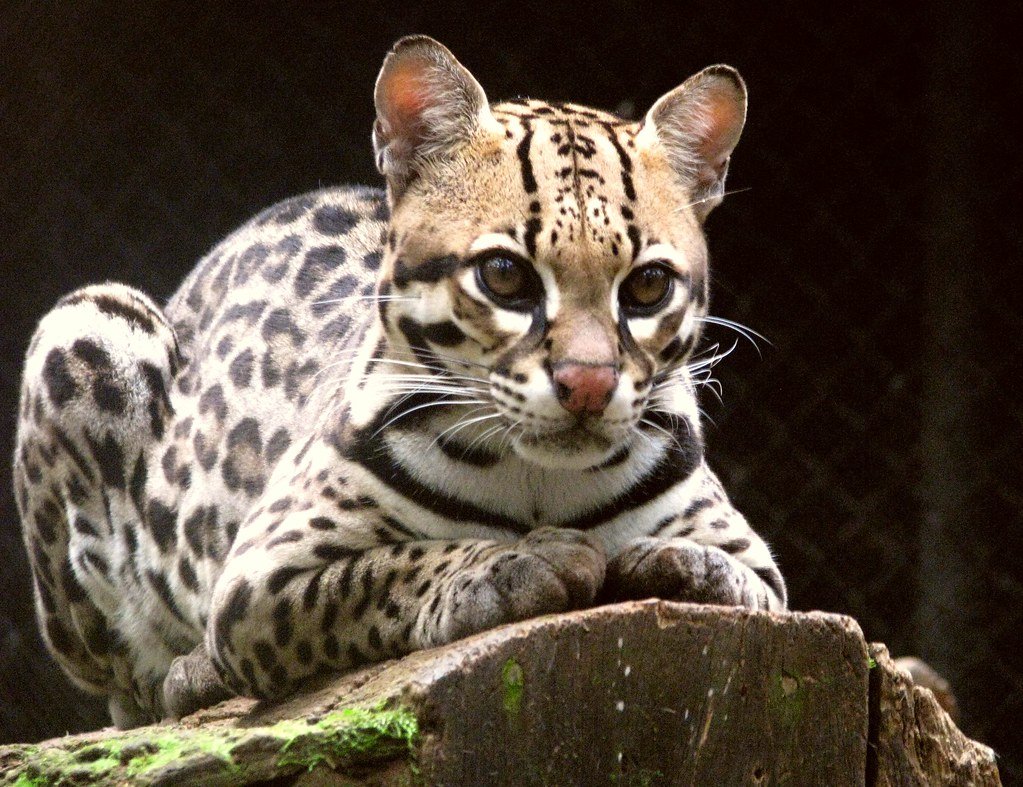
Picture this: a stunning wildcat with a spotted coat prowling through your living room, its golden eyes reflecting intelligence and mystery. Sounds appealing, right? For decades, wild cats have captured imaginations and even became fashionable pets among celebrities. Still, the reality behind caring for one is far more demanding than most people realize.
You're probably wondering what it actually takes to keep these magnificent creatures happy and healthy. The truth is, care involves navigating legal mazes, understanding wild instincts, and committing to a lifestyle most folks simply aren't prepared for. Before you get swept away by those mesmerizing spots and graceful movements, there's a lot you need to understand about what makes these cats tick.
Understanding the Legal Landscape Before You Begin

While some states, like South Carolina, allow private ownership of ocelots without specific restrictions, others, such as California and Colorado, have implemented bans on the private ownership of big cats, including ocelots. The legal situation varies dramatically depending on where you live. Ocelots may be regulated at the county, municipal, or local level even in states in which they are legal at the state level.
Alaska and many New England states have banned or heavily restricted them as pets. Here's the thing: just because something is technically legal at the state level doesn't mean your city or county agrees. You'll need to do serious homework before even thinking about bringing an ocelot home. Possession of Class II Wildlife, wildlife which is considered to present a threat to human safety, may require an annual permit fee of around $100-$150. The permit fees alone can add up quickly over the years.
Depending on where you plan to keep your ocelot, state laws might require liability insurance, which could cost between $10,000 and $15,000 per year. That's right, annual insurance costs could rival a decent used car payment. Honestly, the bureaucratic hurdles exist for good reason. These aren't domesticated house pets, no matter how cute they look.
Creating a Proper Habitat That Mimics the Wild
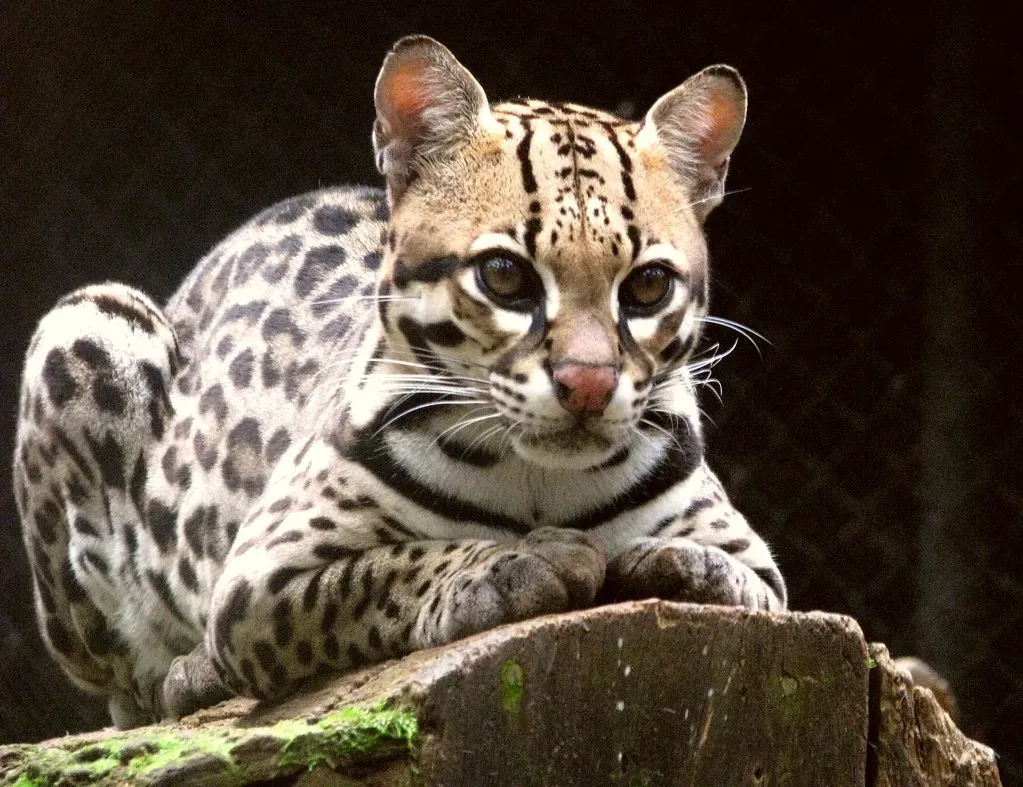
Ocelots are native to the rainforests of South and Central America, and when considering an ocelot as a pet, it is crucial to provide an environment that mimics their natural habitat as closely as possible, which means providing ample space for them to roam, climb, and explore. Think about where these cats come from. Dense vegetation, towering trees, hiding spots everywhere.
An outdoor enclosure of at least 800 square meters is recommended for the ocelot to live happily. That's a substantial area. Most backyards won't cut it. If kept outdoors, they will require a heated shelter in cold weather, and an enclosure that allows them room to exercise on the ground and to climb.
As these cats are excellent climbers, outdoor enclosures should have a roof, and enclosures are normally made from wooden posts and wire mesh. You can't just throw up a chain-link fence and call it good. It is recommended that the floor of outdoor enclosures is covered in a mulch-type substrate such as bark chips or wood chippings to provide interest for the cats. The setup costs alone can run into thousands before your ocelot even arrives.
Feeding Your Ocelot the Right Diet

It requires 600–800 g of food every day to satisfy its energy requirements. Let's be real: this isn't your average cat food budget. They are obligate carnivores, and must be fed fresh, restaurant-quality meat daily. We're talking about raw meat, whole prey items, and specialized supplements.
As pets, their diet should consist of a balanced mix of high-quality commercial cat food and raw meat, and it is essential to consult with a veterinarian or a qualified animal nutritionist to ensure that the ocelot's nutritional needs are met. On average, feeding your ocelot will cost between $1,000 and $1,500 annually, and they require a diet rich in protein, calcium, taurine, and iron.
A high quality complete cat food, or a varied meat diet, including some whole prey items such as rabbits or day-old chicks, may be provided, though the feeding of live vertebrate prey is prohibited. You'll need to source quality meat suppliers and learn proper nutrition balance. The feeding exclusively of moist cat food will lead to dental problems. It's hard to say for sure, but variety seems essential for their health.
Recognizing Their Wild Behavioral Patterns

Ocelots are primarily solitary, nocturnal predators, with activity peaks at dawn and dusk. This means when you're trying to sleep, your ocelot is wide awake and ready to hunt. As most felines, they are crepuscular animals, meaning they are at their most active during dusk and dawn, and during the hours when this cat is awake an average of 12 to 14 h, their main activity is hunting.
You might see or have an ocelot that looks domesticated, but wild instincts can kick in at every time and they are unpredictable. Even hand-raised ocelots retain powerful hunting drives. Other domestic animals in the surrounding areas can be prey for the ocelot if you have it at home, and dogs or chickens are commonly hunted by ocelots in semi-urban areas.
Like most New World cats, the ocelot's feces have a distinct strong smell, as well as a highly damp texture, and they are also prone to marking territory and can even do so in the places where they sleep. Territory marking isn't something you can train away. It's deeply ingrained behavior. Your house will smell, and there's not much you can do about it.
Providing Essential Enrichment and Mental Stimulation

Enrichment activities such as puzzle feeders, climbing structures, and interactive toys can help stimulate the minds and bodies of ocelots in a home environment, and engaging with their natural behaviors and instincts is key to keeping them mentally and physically active. Think of enrichment as non-negotiable, not optional.
The provision of enrichment items to provide interest and opportunity to exercise is extremely important for cats, as these species all enjoy climbing, and there should be plenty of opportunity to express this behaviour within the enclosure, which may be achieved by the use of trees, logs, platforms, suspended walkways or commercially available cat gyms.
They are naturally curious and intelligent creatures, which means they require mental stimulation and engagement to thrive in a home setting. Boredom leads to destructive behavior. Ocelots love jumping, climbing and digging, which is why you will need to be extra careful if you let your ocelot inside your house, making sure you get rid of any objects on display that this beautiful feline could accidentally drop when leaping around and any objects susceptible to nibbling and biting. Basically, anything breakable becomes a target.
Finding Specialized Veterinary Care
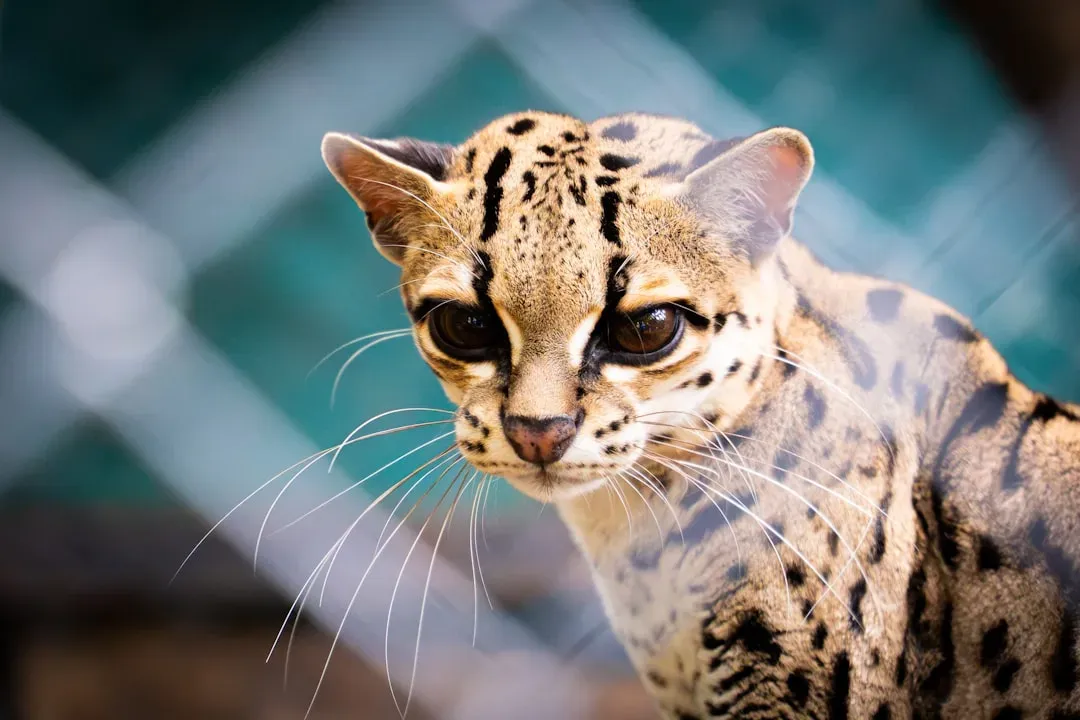
Ocelots, as well as other exotic pets, require special care that's beyond the scope and knowledge of your average veterinarian, and as such, you'll need to seek out a qualified exotic animal vet to deal with your ocelot, and naturally, these vets cost considerably more than vets specializing in companion animals. Standard vets won't have the expertise or equipment.
Unlike cats or dogs, ocelots are wild animals, which means that they'll need specialized veterinary care, and depending on where you're located, it may be difficult to find a vet that's capable of addressing your ocelot's needs. You might need to drive hours for appointments. As exotic pets, ocelots need specialized veterinary care from wildlife rehabilitation experts, and wellness exams, bloodwork, vaccines, dental cleanings, parasite prevention, and emergency visits quickly become costly.
A schedule of veterinary care, including vaccination and routine parasite control is required and the keeping of records of veterinary attention is essential. Regular checkups aren't optional. Ocelots are prone to certain health problems, including dental issues, respiratory infections, and gastrointestinal problems, and regular veterinary care can help prevent these issues and ensure that your cub grows up healthy and strong.
Understanding the True Financial Commitment

With everything considered, owning an ocelot will cost roughly $35,000 to $40,000 the first year you bring them home, and each year after, you can expect to pay around $10,000 to $15,000. That's not pocket change. As ocelots can live up to 20 years in captivity, this is a long-term financial commitment.
When totaled, average annual costs of owning an ocelot pet often reach $10,000 to $15,000 accounting for food, housing, vet bills, insurance, permits, and miscellaneous expenses, and with attentive care, ocelots can live 15 to 20 years or more, which translates to a $150,000 to $300,000 or greater commitment over an ocelot's lifetime. Most people don't realize they're signing up for a financial burden equivalent to sending multiple kids to college.
You'll need a small fortune to purchase an ocelot, as they can command prices up to $20,000. And that's just the purchase price before any setup costs. Setting up a proper outdoor habitat for your ocelot is also paramount. Factor in construction, materials, heating systems, and security features. The bills pile up fast.
Accepting the Limitations and Risks
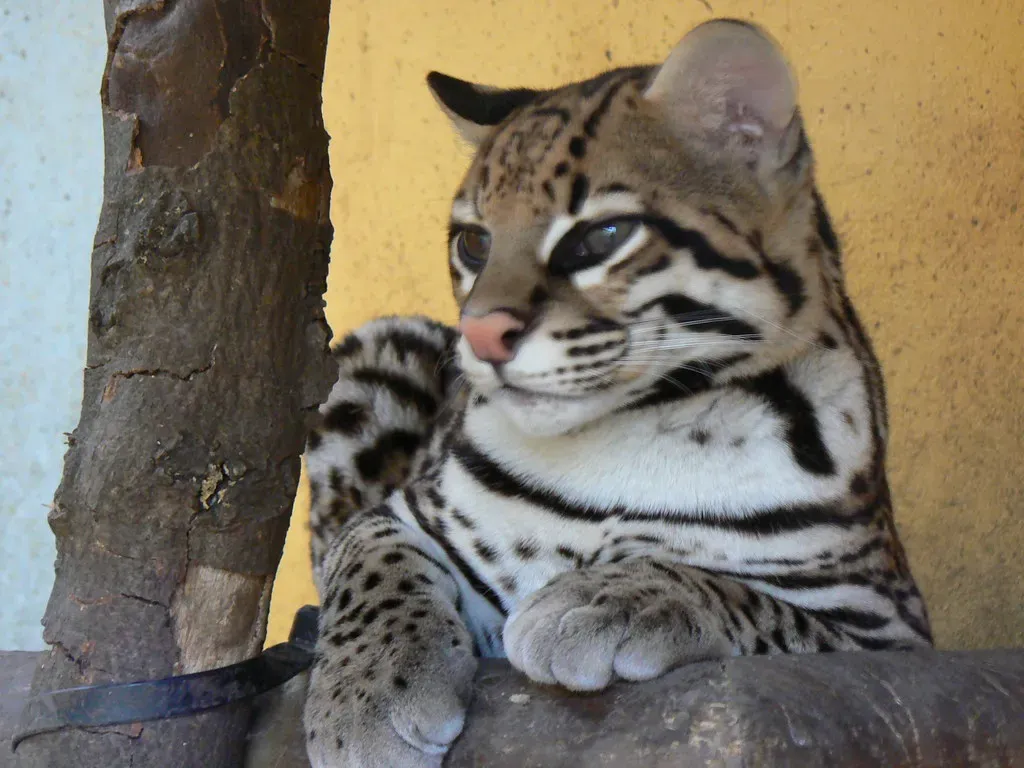
In general, professionals recommend against keeping ocelots as pets, as at the end of the day, ocelots are wild animals, and many of them will have a hard time thriving in a house-cat lifestyle. Even experts who work with these animals daily acknowledge the challenges. Tragically, ocelots are not big cuddlers either. If you're looking for affection, you'll be disappointed.
Ocelots are prone to biting, which is why you should keep small children away from them, and as many other small felidae, they will usually target specific areas of the body when attacking, such as the groin, elbow, armpit or neck, and they are also extremely fast and agile. That's genuinely frightening to think about. These aren't cuddly house cats when their instincts kick in.
Ocelots in general have a friendly temperament and like most cats, they are playful, but what sounds positive at first might be a drawback as well, as the cats are extremely needy and shout for attention all the time. They barely can be left alone and will start to cry immediately when their human is not around. You're essentially committing to never leaving home.
Conclusion: The Reality Behind the Beautiful Spots
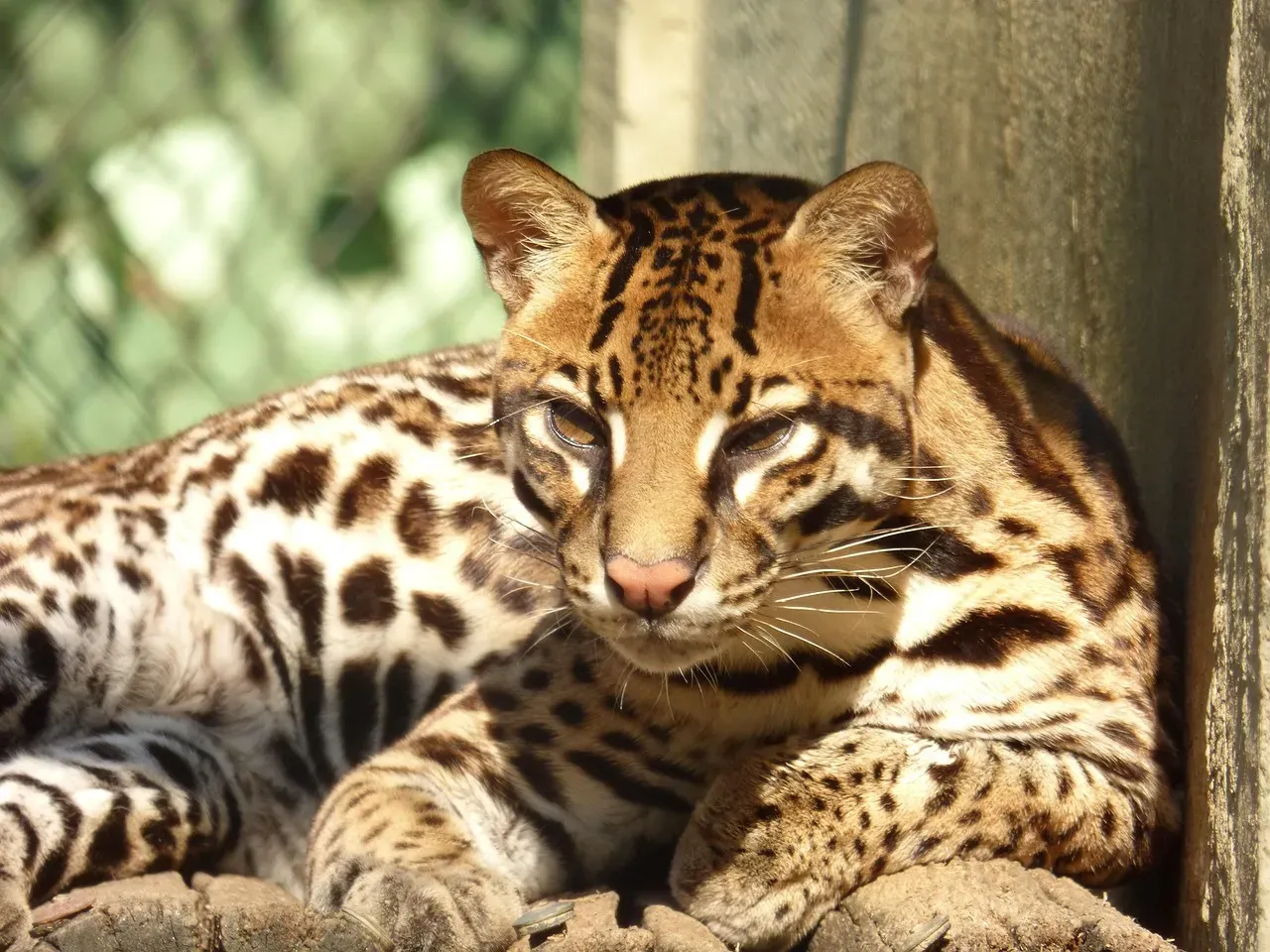
Caring isn't remotely like caring for a domestic cat, despite the superficial similarities. You're taking on a wild animal with complex needs, expensive requirements, and unpredictable behaviors. The financial burden alone makes it unattainable for most people, and that's before considering the time, expertise, and lifestyle changes required.
Honestly, the romantic notion of owning an exotic wildcat rarely matches the exhausting reality. These animals deserve environments that respect their wild nature, which typically means sanctuaries and conservation programs rather than private homes. If you're truly passionate about ocelots, supporting conservation efforts or visiting accredited facilities where these cats receive proper care might be the better path.
What's your take on keeping wild cats as pets? Do you think the challenges outweigh the appeal?