12 Ways Your Cat Shows You Are Their Favorite Human (and 12 Ways They Show You Are Just 'Okay')
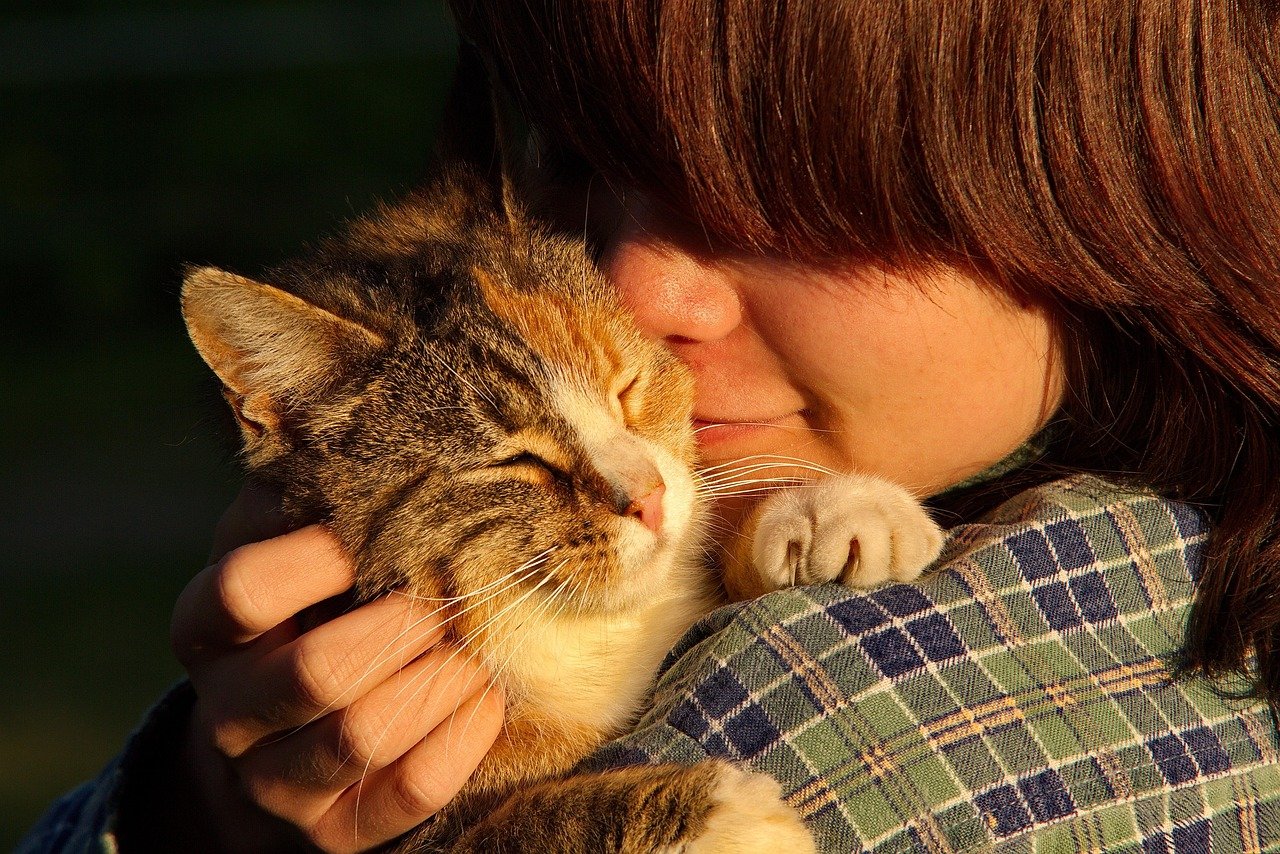
Ever find yourself staring at your cat, wondering if you're the love of their life or just the person who operates the can opener? You're not alone. Cats have mastered the art of mixed signals, leaving their humans constantly questioning where they stand in the feline hierarchy. The truth is, cats absolutely have favorite people, and they have very specific ways of showing their devotion. They also have ways of letting you know when you're merely tolerated. Let's crack the code on your cat's true feelings and see where you really stand.
The Slow Blink of Pure Love
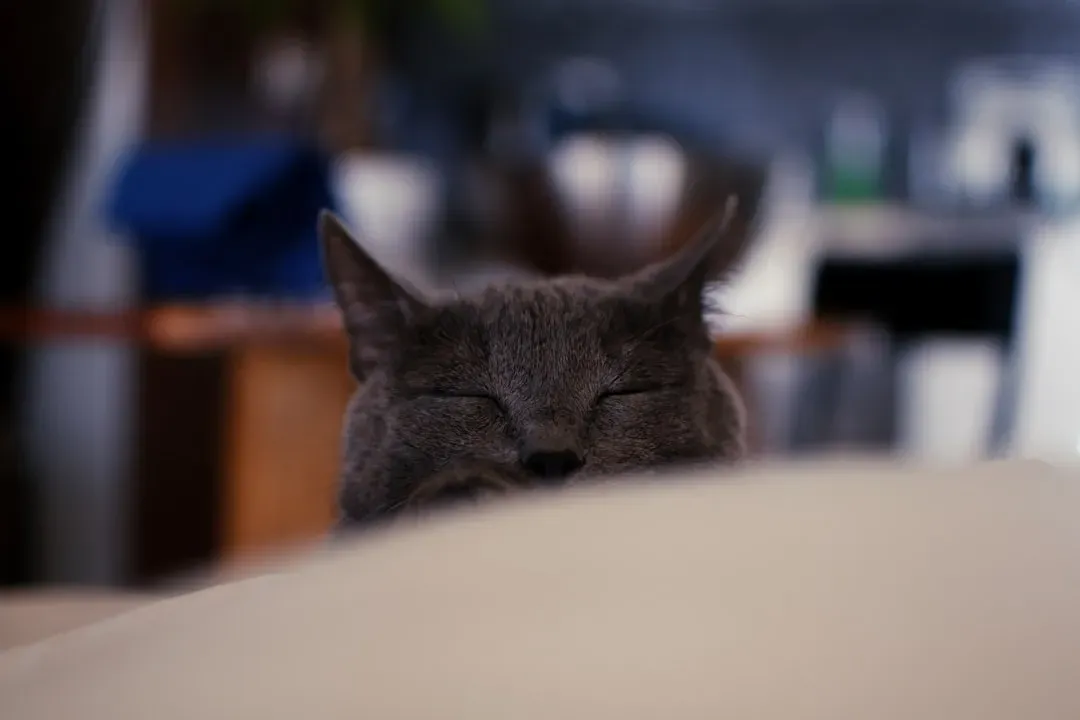
When your cat gives you a slow blink, they're showing complete trust and affection. This gesture is often called a "cat kiss" and it's not something they do lightly. Think of it as their way of saying they feel safe enough to close their eyes in your presence. If a cat blinks slowly at you, they are not threatened by you – in fact, they trust you. You can actually blink slowly back at them to strengthen your bond even more.
This might seem like a small thing, but it's actually huge in cat language. Wild cats would never close their eyes around a potential threat, so when your domestic feline does this, it's a genuine expression of vulnerability and love. Watch for those lazy, half-closed eyes next time you're hanging out together.
Following You Like a Shadow
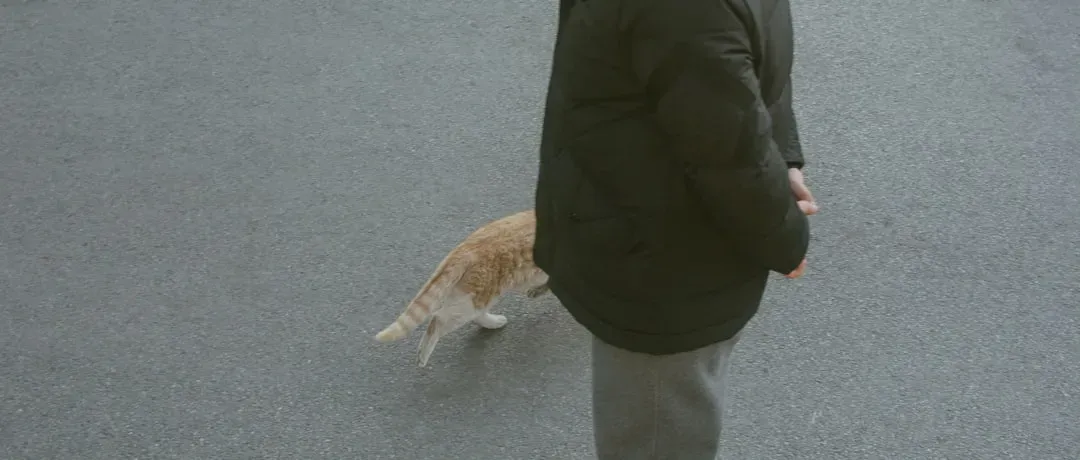
Cats often follow those they love and trust around the home, keeping you in sight at all times. If your cat trails you from room to room, including that awkward trip to the bathroom, congratulations. Many pet parents might find it odd that their cats follow them everywhere they go, but this just means that your cat wants to spend more time with you and feels comfortable around you. It's honestly one of the clearest signs you've been chosen.
Some cats take this to the extreme, waiting outside the bathroom door or appearing magically wherever you settle down. This behavior stems from genuine affection rather than just hunger or boredom.
The Head Butt of Affection
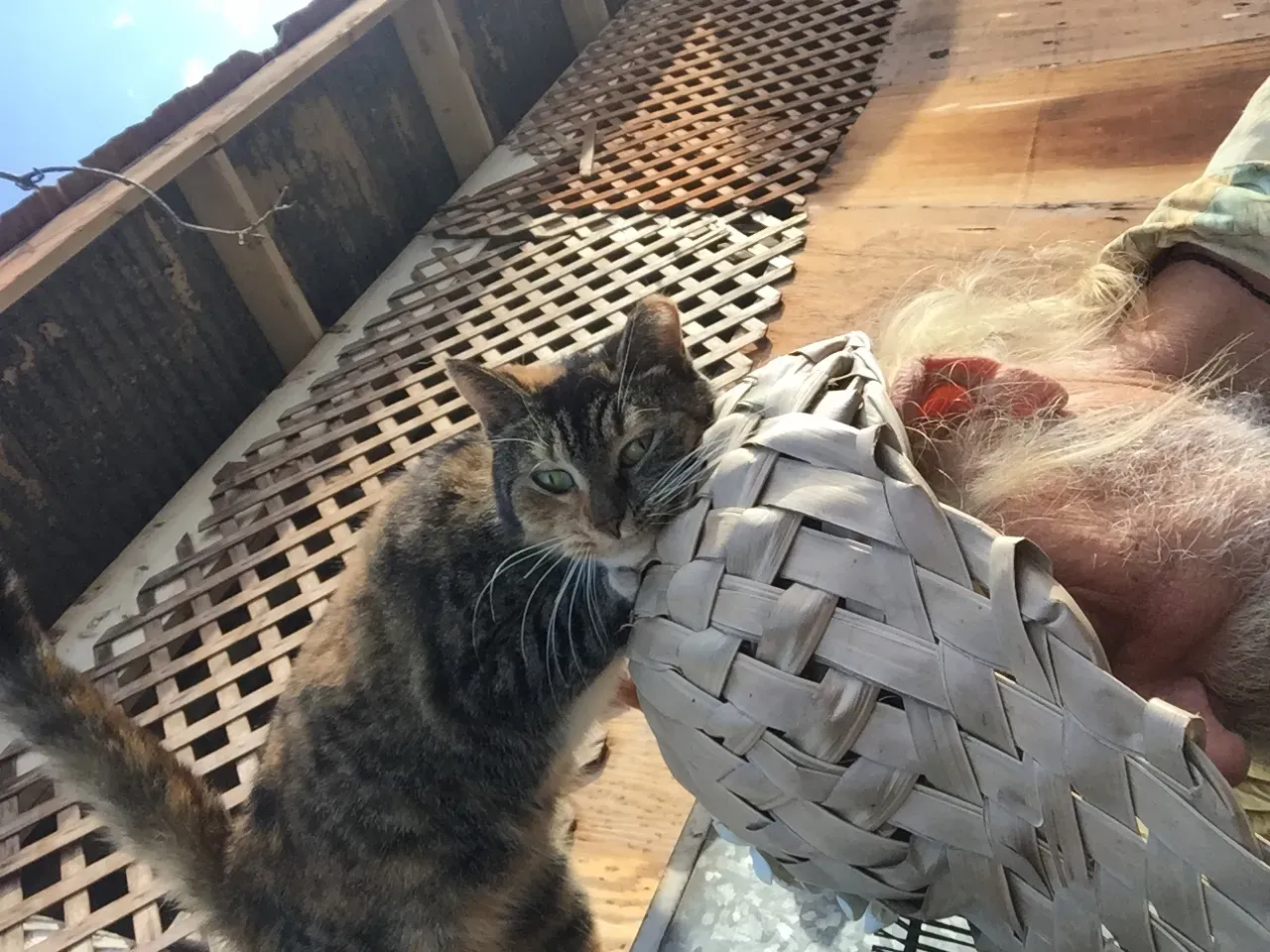
Your cat may bump their head against you or rub their cheeks against you to show affection, helping cats bond. This behavior, called bunting, is way more significant than it might appear. By head butting you, your cat is leaving pheromones on you to let everyone else know that you belong to them. You've essentially been claimed as property, which in the cat world is the highest compliment.
These scent glands around their face release pheromones that mark you as part of their territory and social group. It's their version of putting a ring on it. If your cat regularly headbutts your face, legs, or hands, you're definitely in their inner circle.
Kneading on You with Those Paws
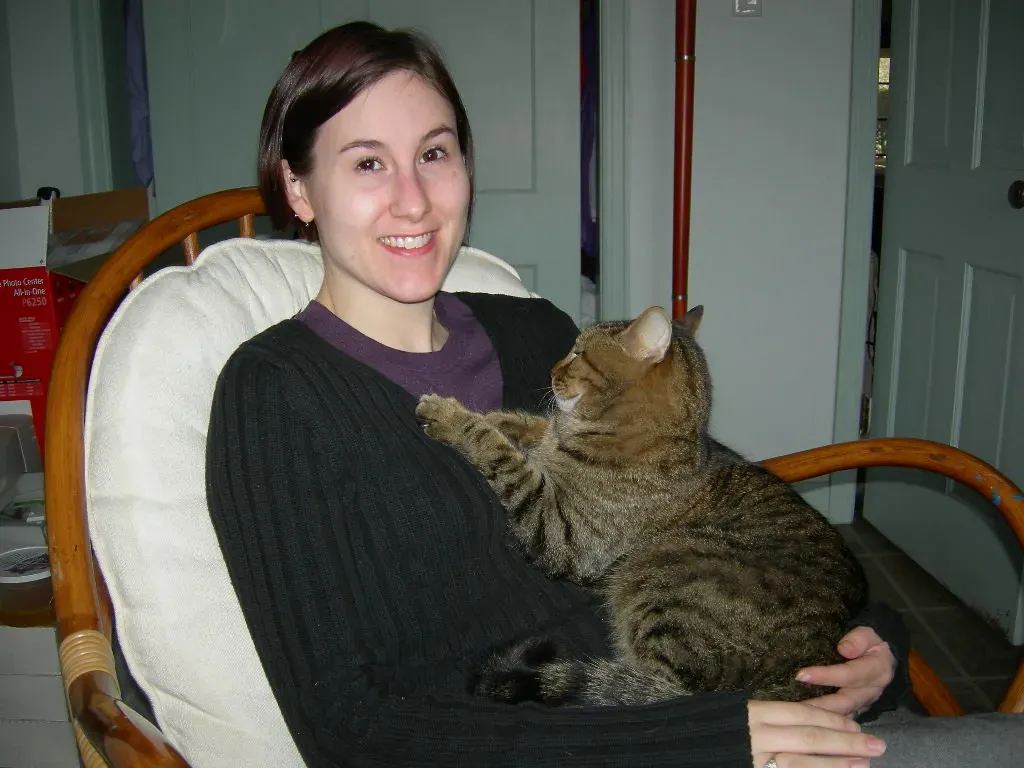
Kneading is a behavior that begins in kittenhood and is associated with nursing, believed to bring comfort by releasing endorphins. When your cat kneads on you, making those adorable biscuits with their paws, they're showing pure contentment. When your cat kneads you, they're being very clear that you make them feel loved and comfortable. It's a throwback to their kittenhood, when they would knead their mother to stimulate milk flow.
The fact that they're doing this on you means they associate you with that same level of comfort and security. Sure, those claws might dig in a bit, but try to appreciate the sentiment behind the poke.
Belly Exposure as Trust
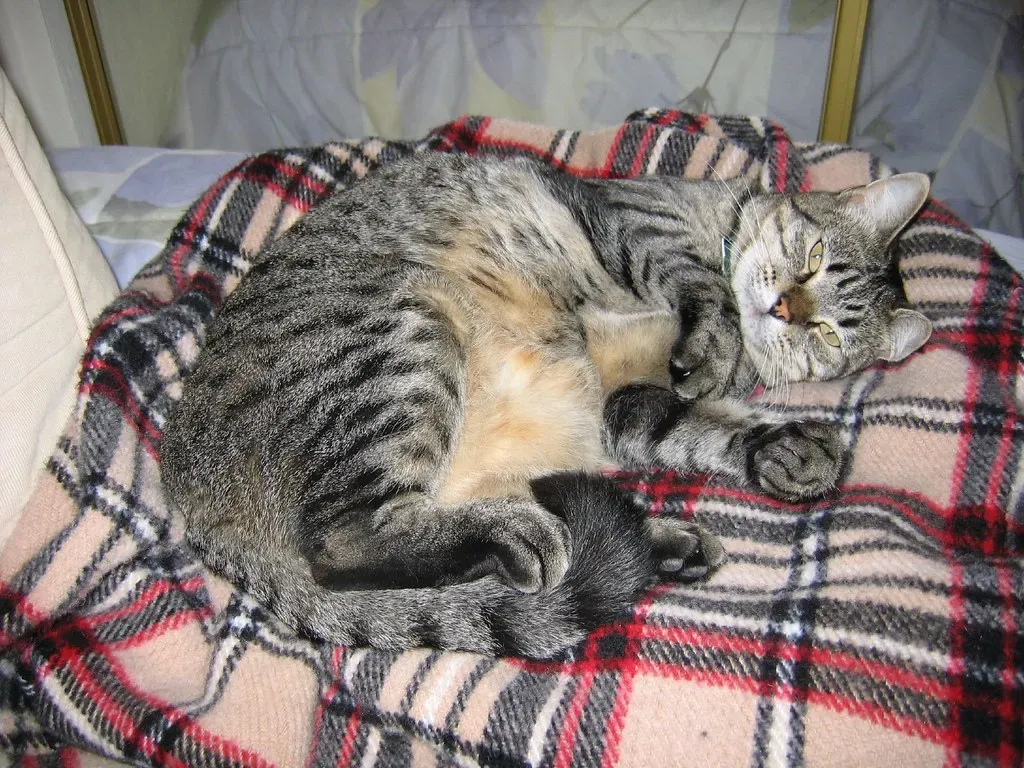
Showing their belly is often considered the ultimate sign of trust for a cat, as cats only lie on their backs when they are in their most relaxed state. The belly is one of their most vulnerable areas, so exposing it means they feel completely safe with you. However, here's the catch: this is not an invitation to pet or rub your cat's belly – they are simply communicating that they feel comfortable and safe.
Think of it as your cat saying they trust you completely, but boundaries still exist. Many people have learned this lesson the hard way, with a hand full of claw marks. Just appreciate the trust from a respectful distance.
Greeting You at the Door
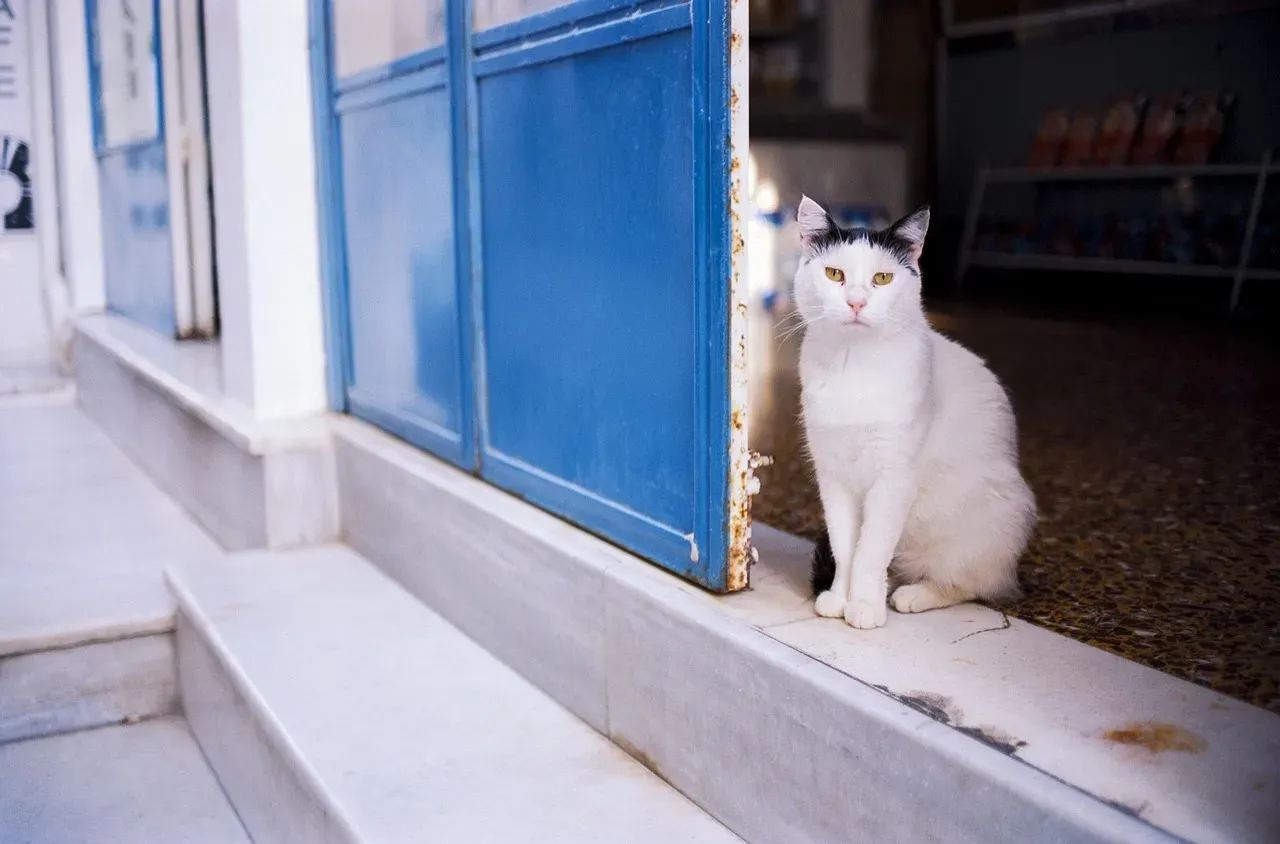
Your cat is trying to show you that they missed you when they greet you at the door, often walking in-between your legs and curling their tail around your legs. Pets that rush to the front door when it's opened, with a lot of meowing, are trying to say that they're happy to see you. This enthusiastic welcome isn't just about dinner time, though that might play a role.
If your cat consistently meets you at the door with an upright tail and happy chirps, they genuinely missed your presence. It's their version of the excited dog greeting, just delivered with more feline restraint and dignity.
Purring in Your Presence
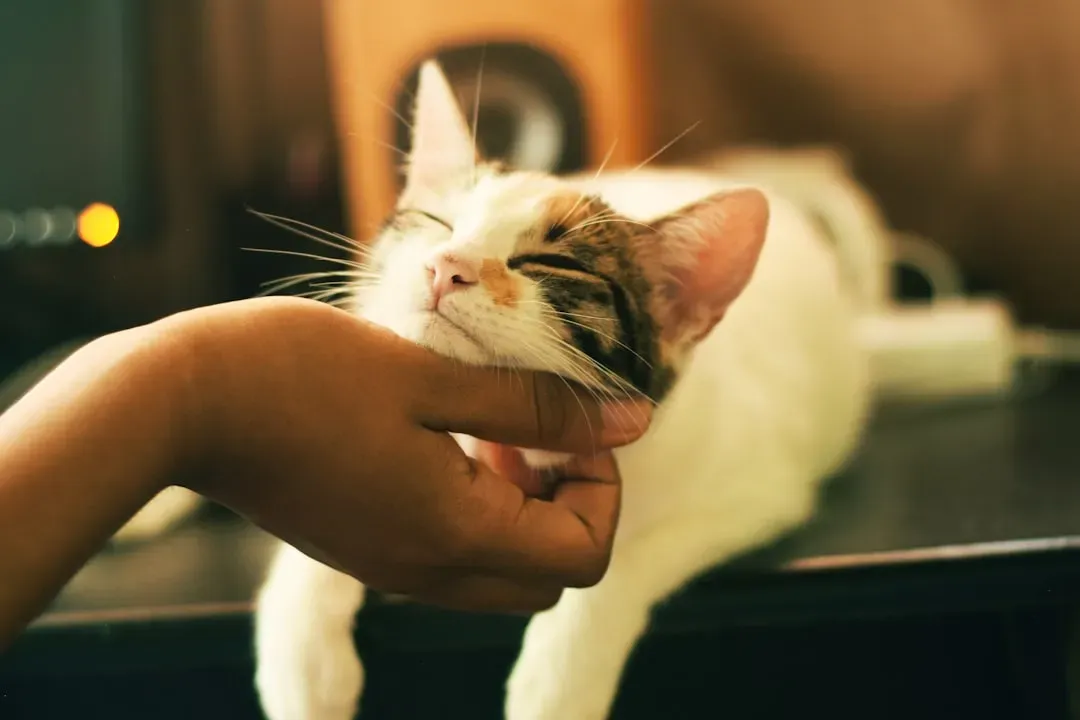
Cats often purr to show contentment when they are resting near you or when you're petting them. That rumbling motor sound is basically your cat's way of saying everything is perfect right now. While cats sometimes purr to soothe themselves if they are sick or scared, the context usually makes it clear when purring means happiness. When your cat curls up beside you and starts their engine, it's a sign of deep contentment.
The frequency of a cat's purr has even been studied for its calming effects on humans. So when your cat purrs near you, they're essentially sharing their zen state with you.
Grooming You Like Family
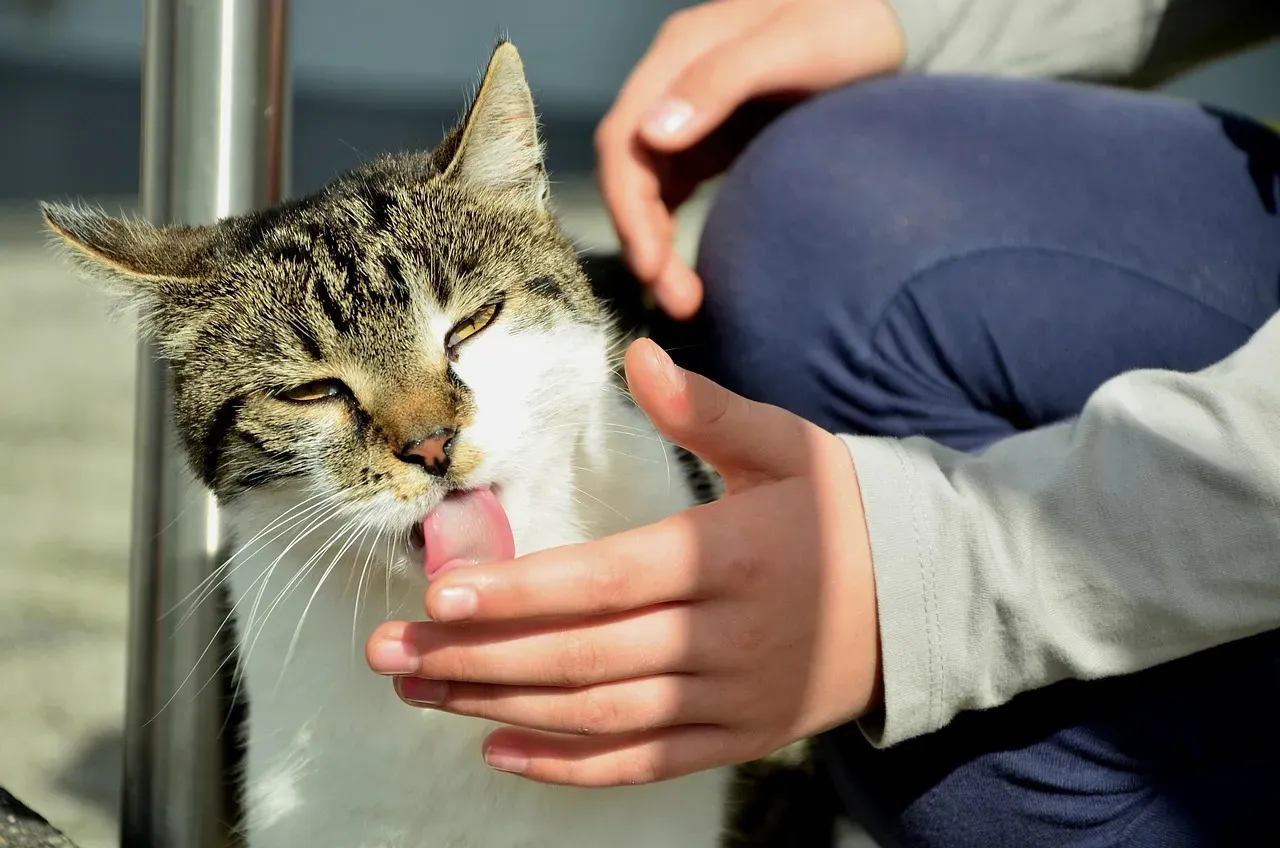
Cats groom each other as a display of affection, and this behavior extends to humans when trust is built, allowing them to mark each other and build their bond. When your cat licks your hair, face, or hands, they're treating you like a member of their cat family. Cats sometimes show humans affection in the same way by gently licking their favorites while cuddling.
Sure, their tongue feels like sandpaper and it's a bit weird, but it's genuinely sweet. They're incorporating you into their grooming routine, which is a huge honor in the feline social structure.
The Tail Tell
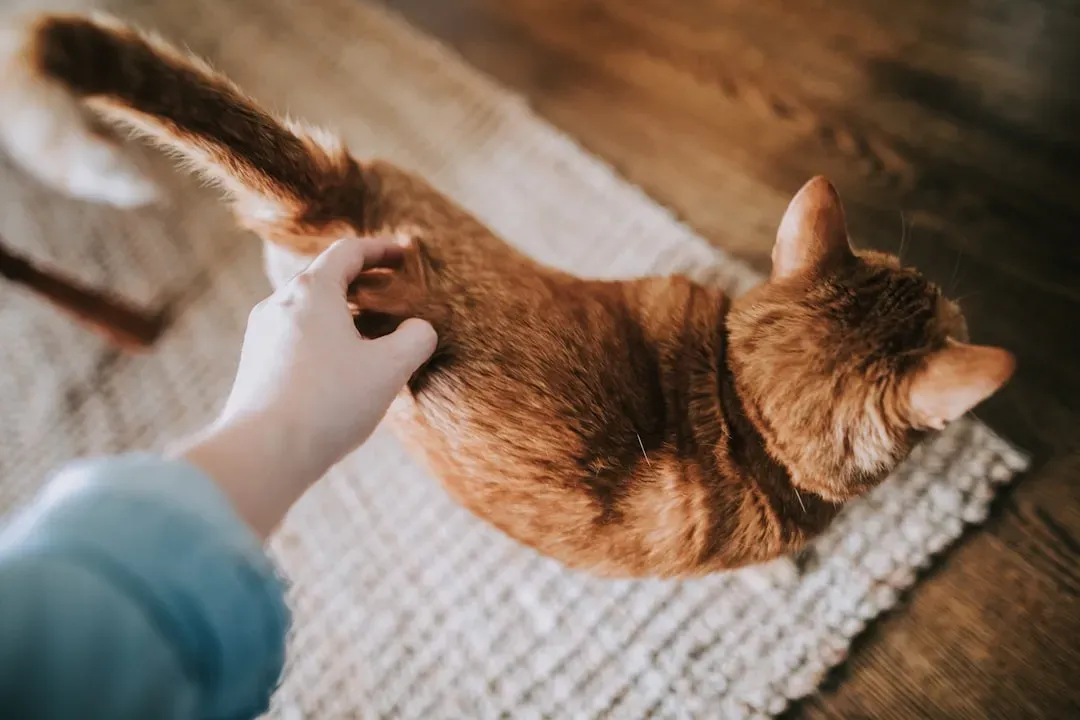
Cats often use their tails to express adoration, with a content cat holding their tail in an upright position with a C-shape or hook at the very top. When your cat approaches you with that question mark tail, you know you're the favorite. If your cat greets you at the door with their tail held high and the tip slightly bent, it's a sign of them being pleased to see you.
Tail language reveals so much about how your cat feels in the moment. That high, happy tail with the little curve at the top is basically your cat's way of waving a flag in your honor.
Sleeping on or Near You
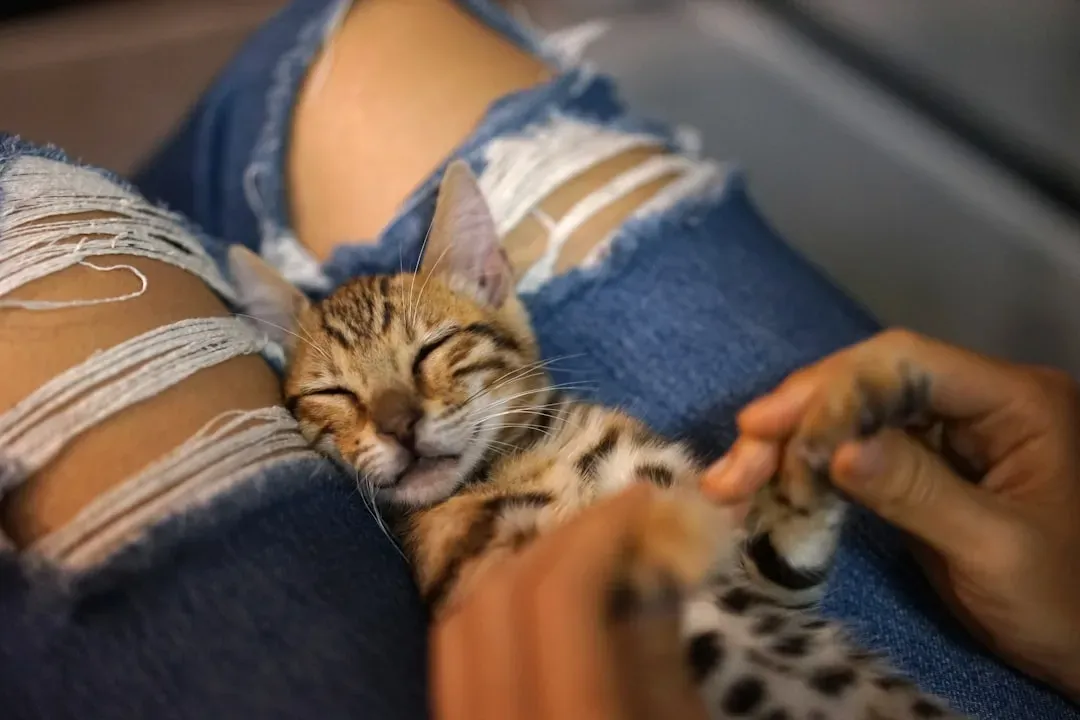
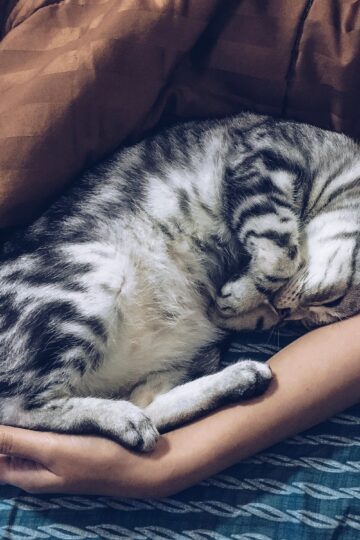
Cats are the most vulnerable when they're sleeping, so choosing to sleep on or next to you means your cat trusts you to protect them. Even if they just sleep in the same room rather than directly on you, it's still a massive compliment. If your cat hops into bed with you every night and snuggles against you, it's a clear sign they enjoy physical closeness.
When cats sleep, they're at their most defenseless. The fact that they choose to be near you during this vulnerable time shows incredible trust and affection. Plus, there's nothing quite like waking up to a purring cat on your chest, even if your legs have gone numb.
Bringing You "Gifts"
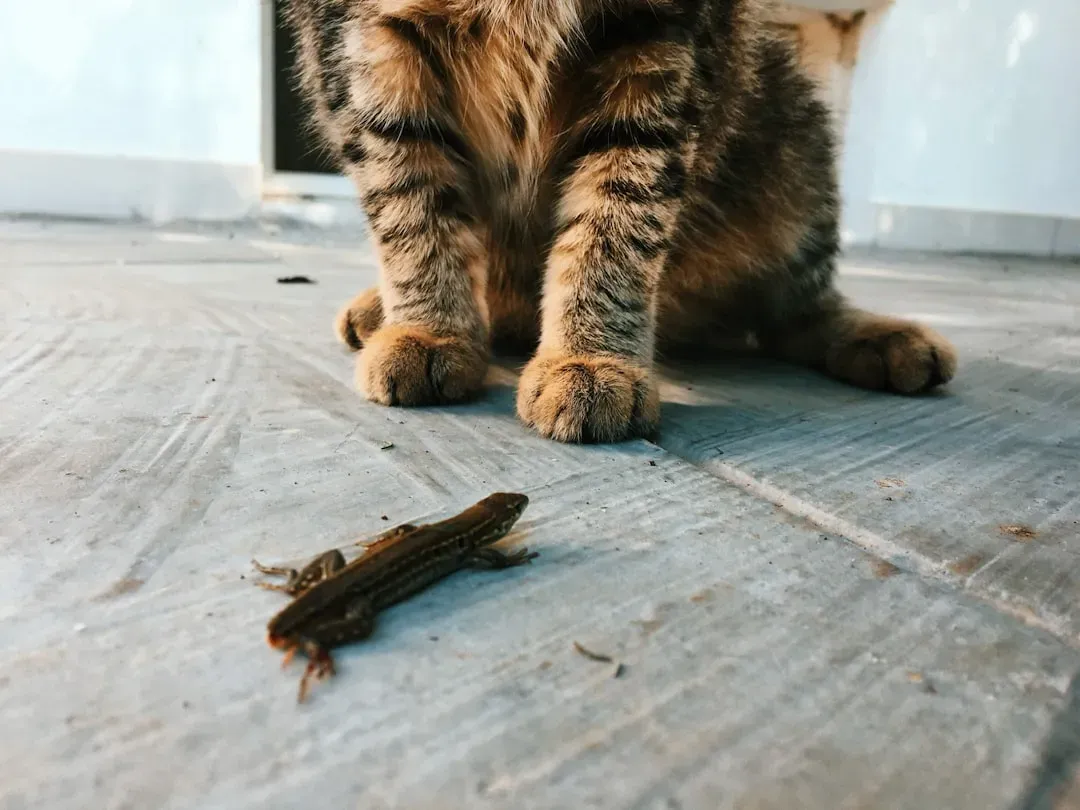
Cats are hunters at heart, and sometimes a cat that catches a mouse or insect will bring the remains back to their humans as a gift. Okay, this one is gross, but it's actually a huge sign of affection. Your cat is either trying to teach you to hunt or sharing their prize with you because they consider you family. It's disturbing to find a dead mouse on your pillow, but try to remember it comes from a place of love.
In your cat's mind, they're being incredibly generous and caring. They see you as a member of their group who needs to eat, so they're contributing to the household.
The Love Nibble
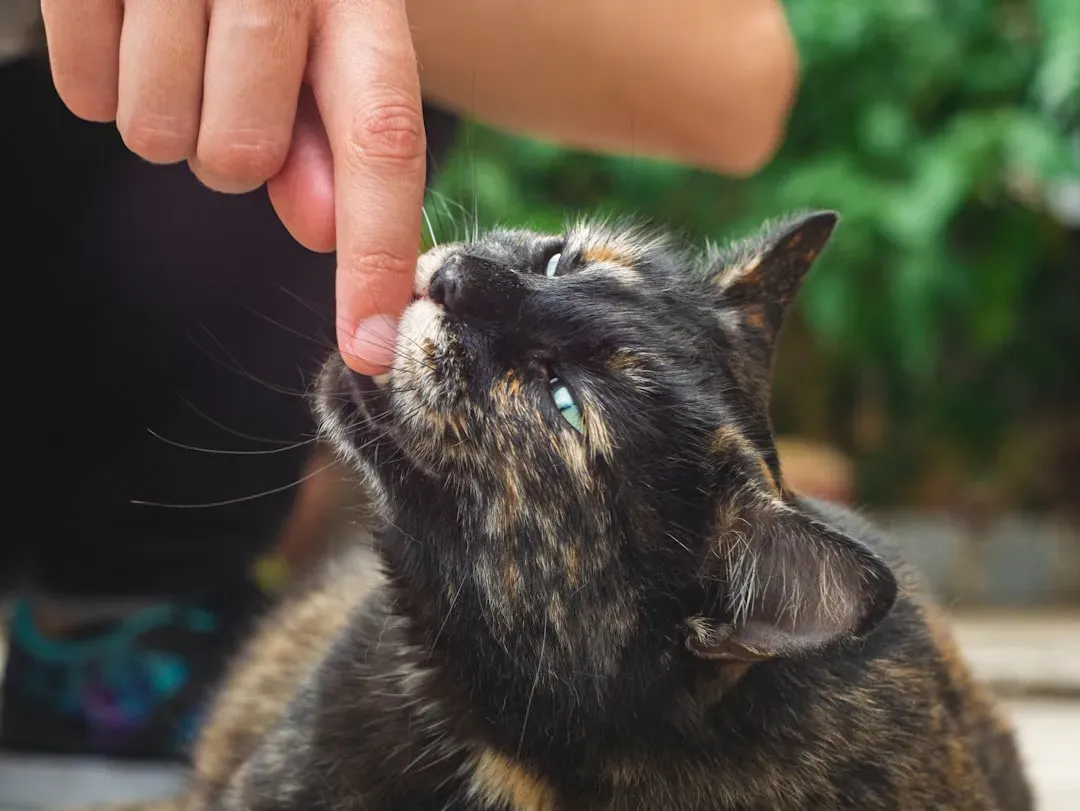
When your cat nibbles you playfully, they're really offering their affection, which is much different from a fearful or defensive bite meant to cause harm. These gentle little bites during petting sessions are called love nibbles. If a gentle bite is accompanied by lots of head butting and rubbing, it's a "love bite".
The key is reading the context. If your cat is relaxed, purring, and gives you a soft nibble, they're showing affection in their quirky way. It's different from the hard, aggressive bite of an angry or scared cat.
Avoiding Eye Contact
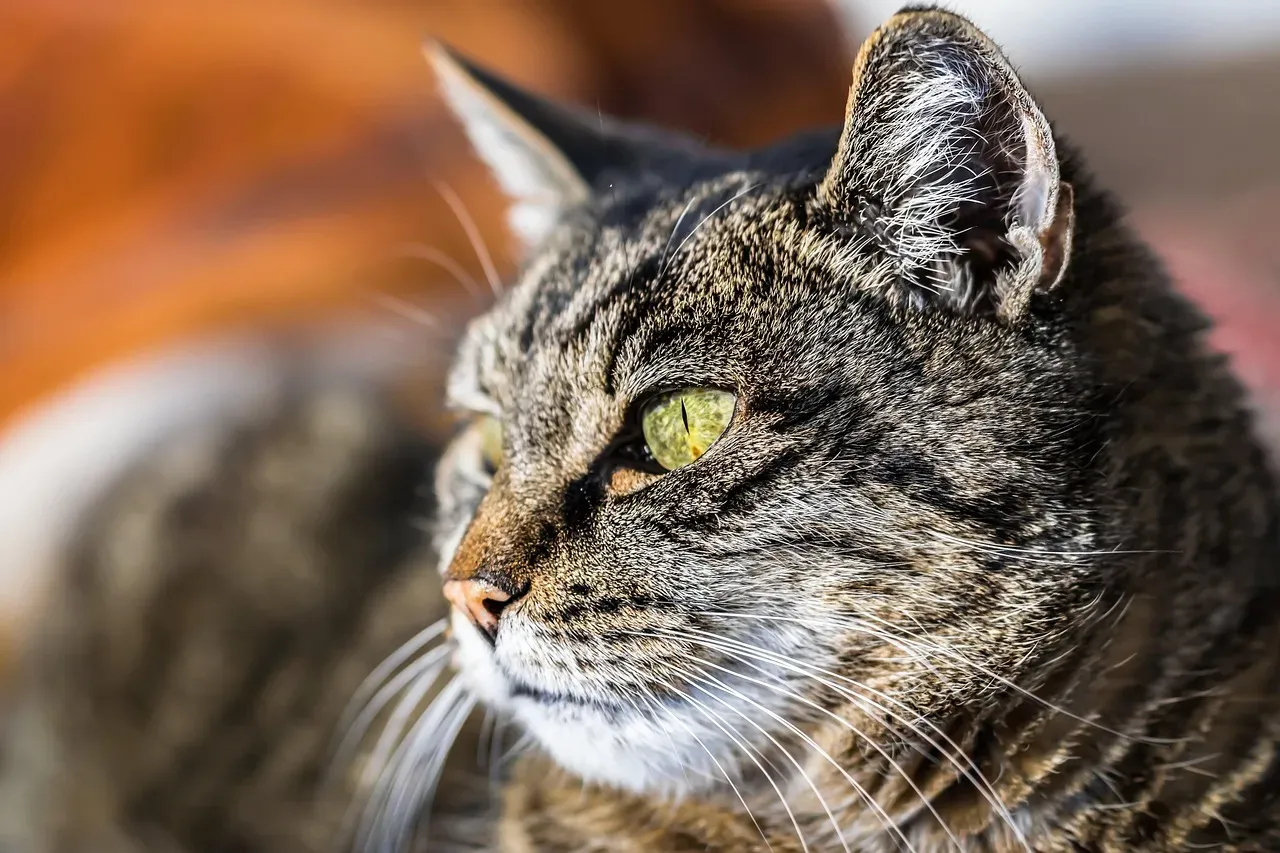
When your cat rarely makes eye contact with you or looks away quickly when you try to meet their gaze, it might indicate you're not their top pick. Cats who adore their humans will hold soft, loving eye contact and give those slow blinks we talked about earlier. If your cat consistently avoids your eyes, they might be keeping you at an emotional distance. It's not necessarily that they dislike you, but you're probably not their number one either.
Eye contact in the cat world is a big deal. They reserve their most intimate gazes for those they truly trust and love. If you're not getting those looks, you might be more of a roommate than a soulmate to your cat.
Only Approaching at Mealtime
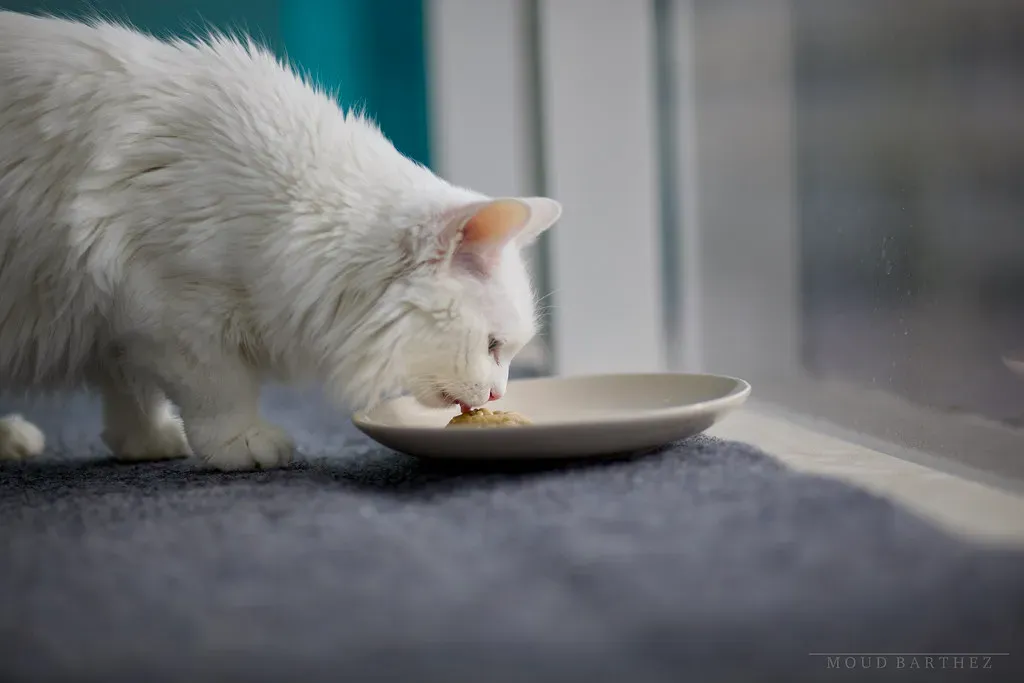
The real factor that shows whether a cat really likes you is the level of attention they provide you whether they're hungry or not, as almost all cats will behave sweetly as they get hungrier. If your cat only shows up when the food bowl is empty and disappears immediately after eating, that's a pretty clear message. You're essentially the butler, not the beloved companion. This is one of the most telling signs of mere tolerance.
Cats who genuinely love their humans will seek them out for attention, play, and cuddles throughout the day, not just at mealtimes. If your interactions are purely transactional, you're probably just okay in their book.
Minimal Purring Around You
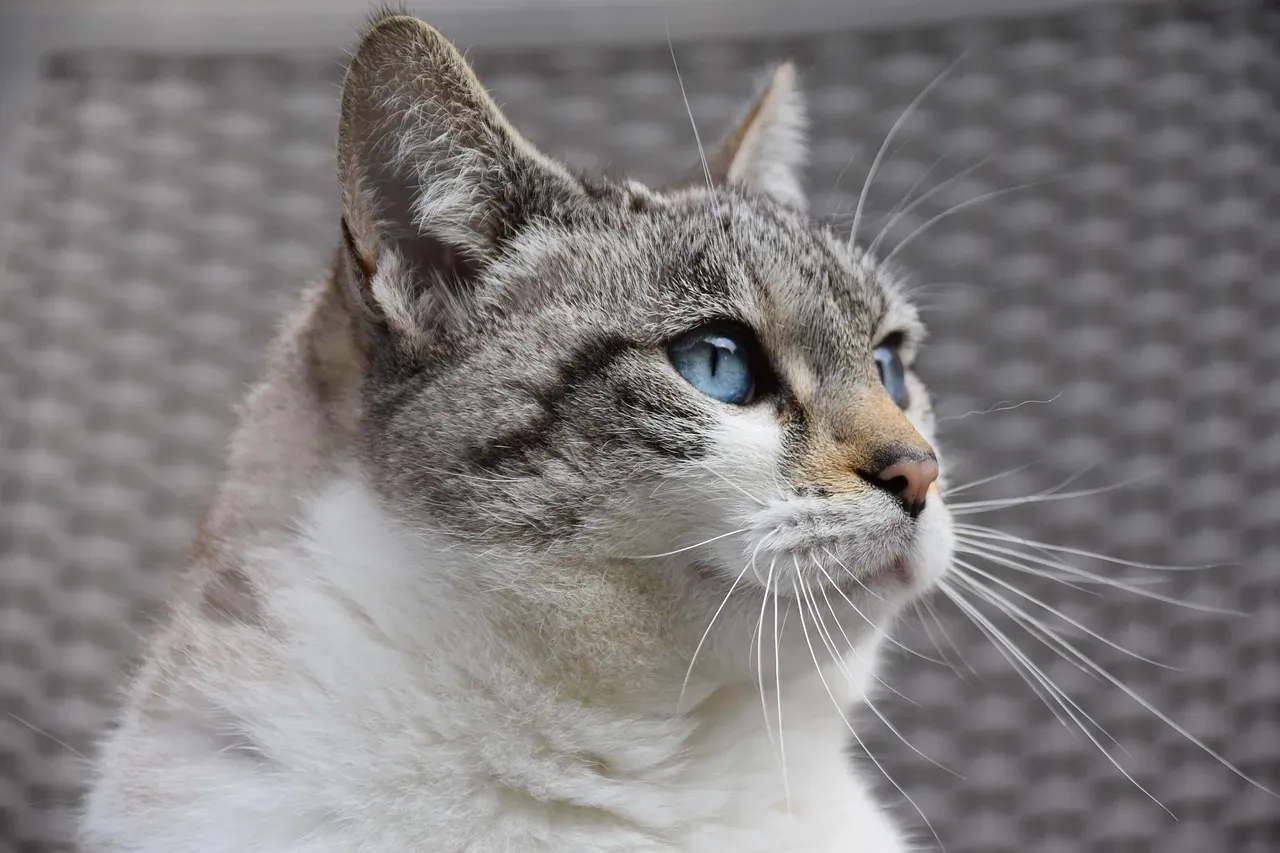
If your cat purrs for other family members but rarely purrs in your presence, it's a sign you haven't quite won them over. While cats can purr when stressed, they typically purr most enthusiastically around people they adore. A cat that stays quiet and reserved around you, saving their motor for others, is sending a clear message about their preferences. The absence of that rumbling contentment speaks volumes.
You might hear them purring from across the room when they're with someone else, making it even more obvious. It's hard not to feel a bit jealous when your cat saves all their affection for your partner or roommate.
Keeping Their Distance
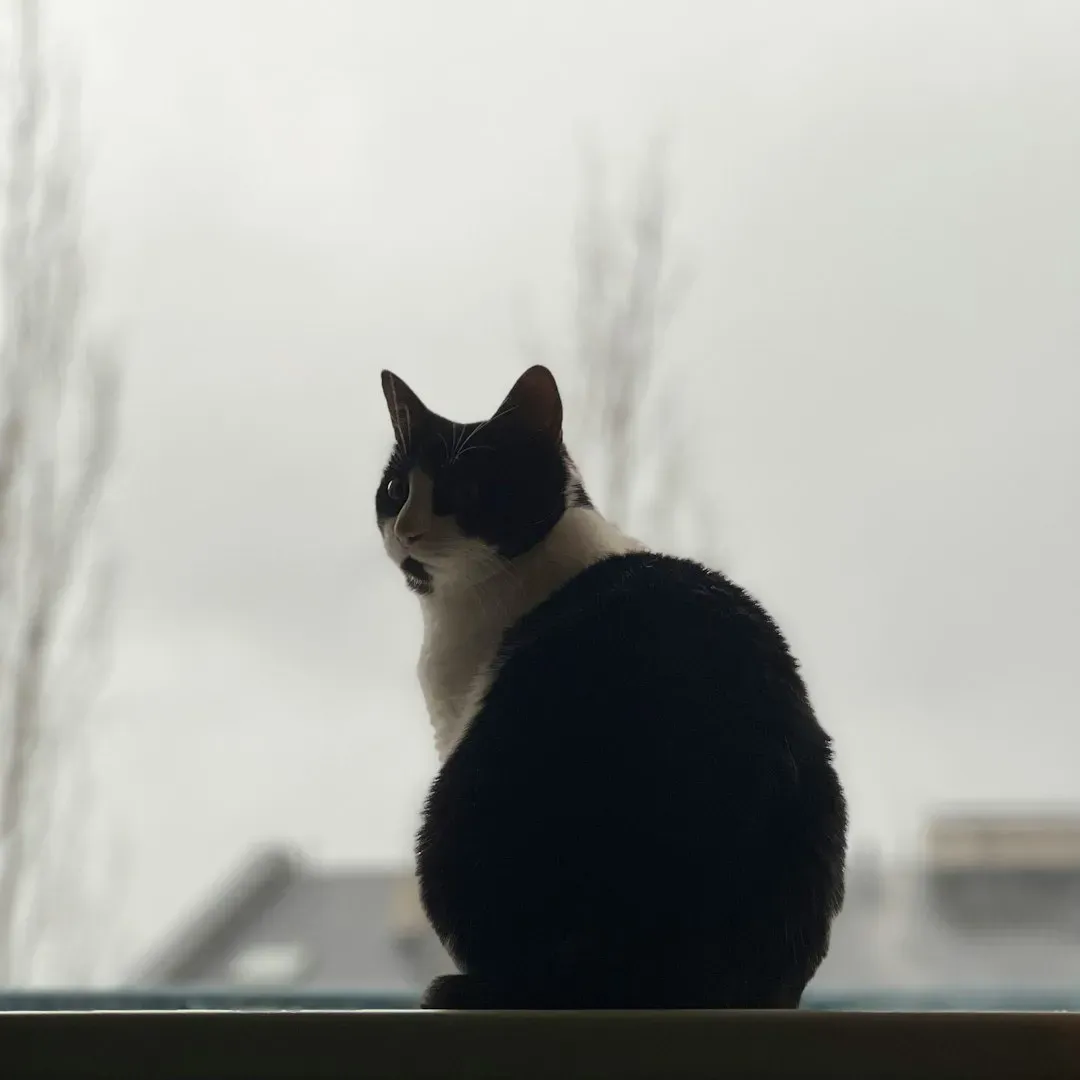
A cat that consistently maintains physical distance from you, choosing to sit across the room rather than beside you, is showing polite disinterest. They're comfortable enough to be in the same space, but they're not seeking your closeness. Cats who love you will naturally gravitate toward you, sitting on your lap or curling up next to you on the couch. Distance equals indifference in the feline world.
You might notice they're perfectly happy to snuggle with others while keeping you at arm's length. That's a tough pill to swallow, but cats are nothing if not honest about their preferences.
Quick Departures After Petting
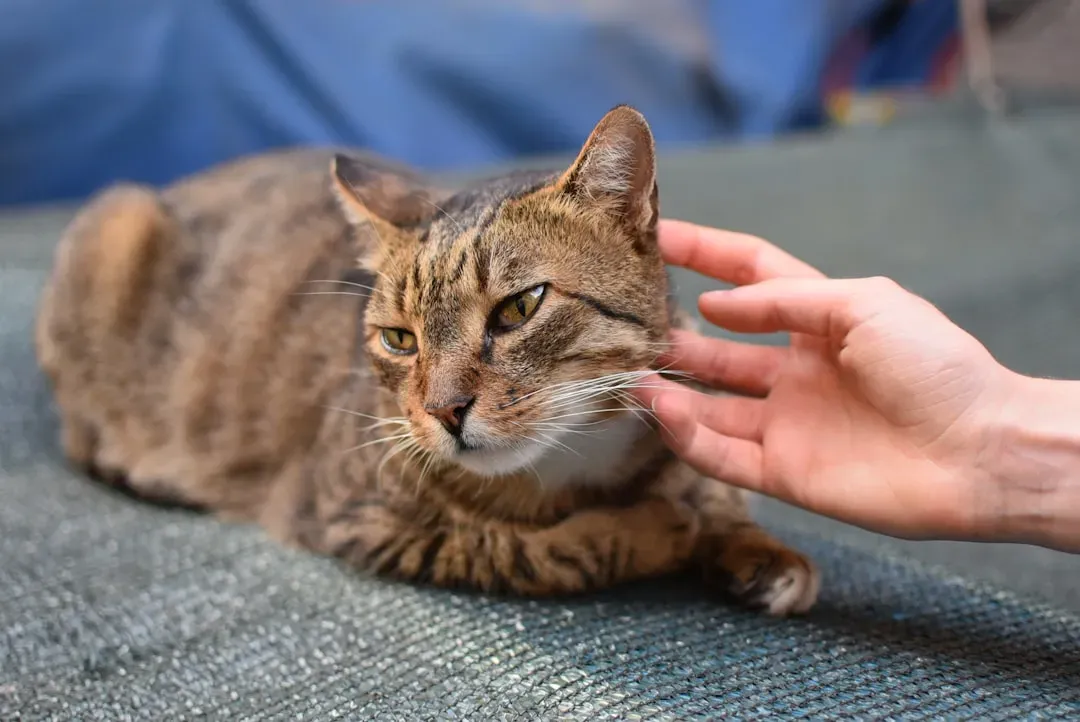
If your cat tolerates a few seconds of petting and then immediately walks away, you're getting the bare minimum of interaction. Cats who adore their humans will linger during petting sessions, leaning into the touch and often asking for more. A cat that grants you a brief audience and then leaves isn't particularly invested in bonding with you. They're doing the polite thing, but their heart isn't in it.
Watch how long your cat stays when you pet them versus how long they stay with others. The difference can be pretty revealing about where you stand in their hierarchy.
No Kneading or Grooming
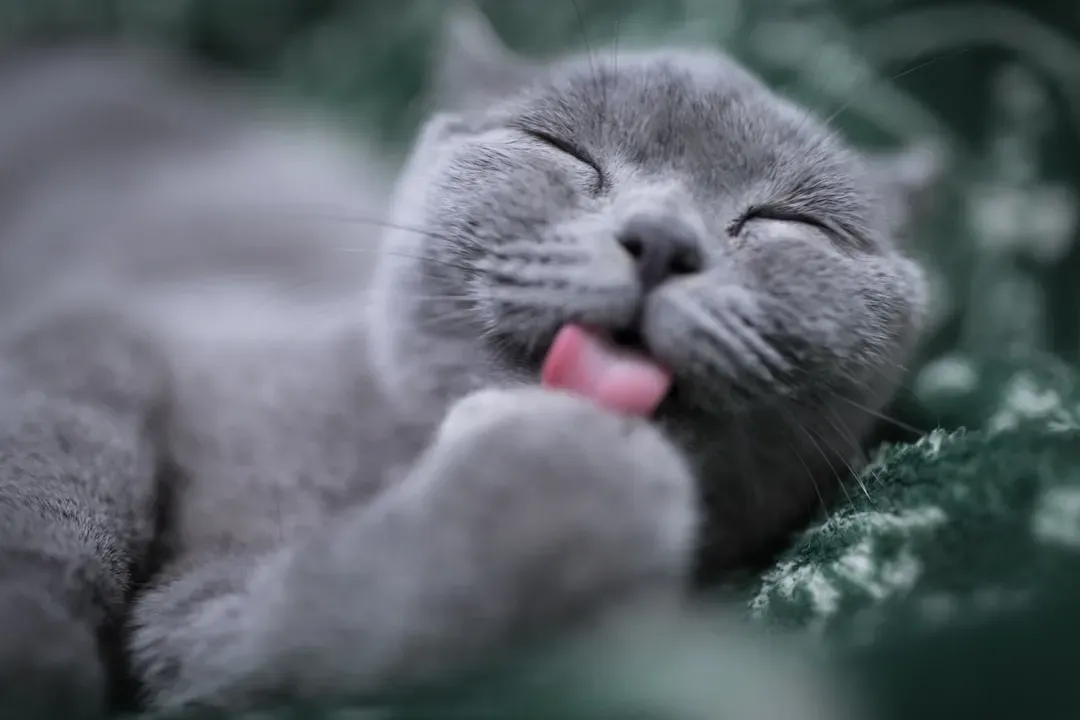
The absence of kneading or grooming behaviors directed at you is significant. These intimate behaviors are reserved for those cats feel deeply connected to. If your cat never makes biscuits on your lap or attempts to groom you, they simply don't feel that level of comfort and affection toward you. It's not personal, exactly, but it's definitely a sign you're not in the inner circle.
Meanwhile, they might knead and groom other family members regularly, making the distinction even more obvious. These behaviors can't be forced, they only happen when a cat genuinely feels loving toward someone.
Ignoring Your Calls
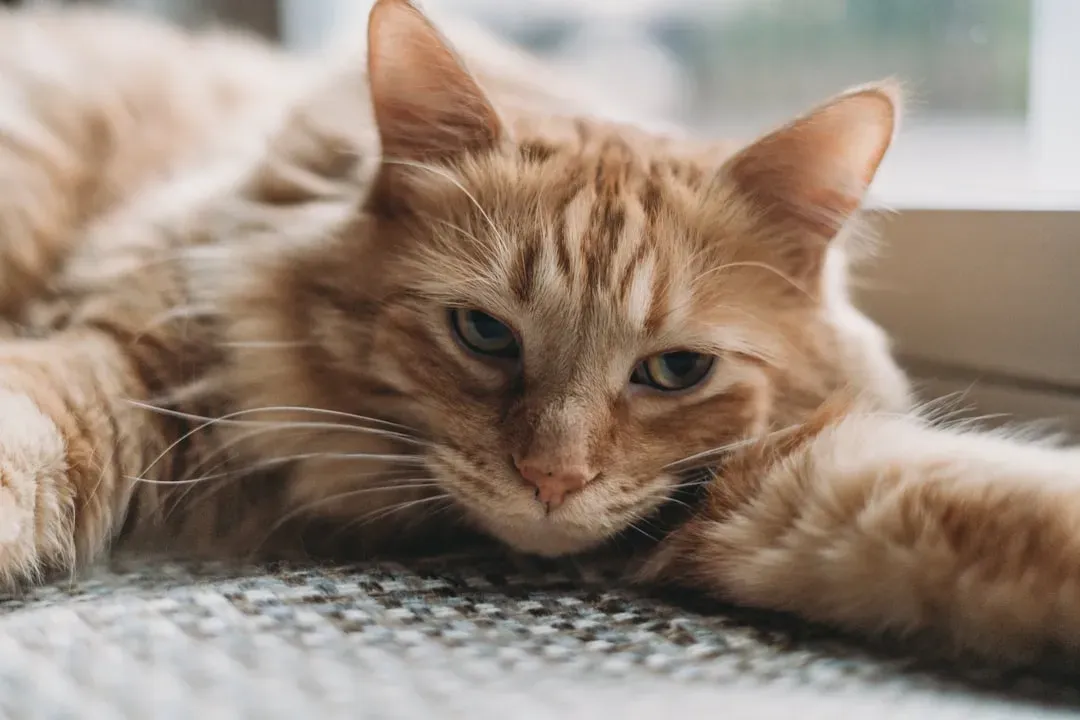
Though cats do recognize their owners' voices, they actively choose to ignore them. If your cat consistently ignores you when you call their name but responds immediately to someone else in the household, that's a pretty clear ranking system at work. Cats have excellent hearing and absolutely know when you're talking to them. Choosing to ignore you is a deliberate decision. It's their way of saying you're not a priority worth responding to.
This selective hearing can be frustrating, especially when you watch them perk up and run to someone else who calls them. Cats are masters of making their preferences known without saying a word.
Tail Flicking and Tension
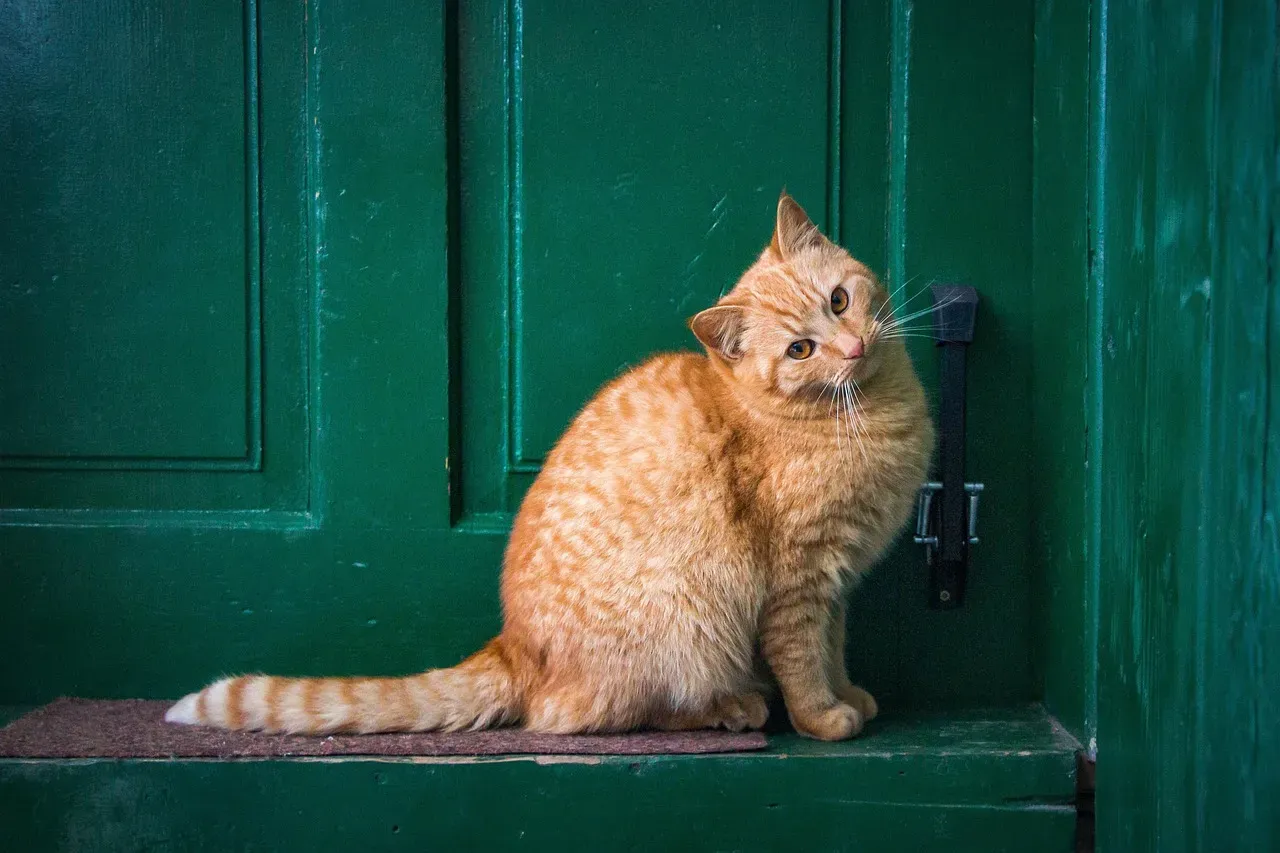
Tail flicking can be a sign of agitation or alertness, showing lack of receptivity, and when a cat flicks their tail during attention, it's time to back off. If your cat's tail is constantly twitching or thrashing when you're near them, they're not relaxed or happy in your presence. This body language screams discomfort or irritation. A cat who loves you will have a calm, gently swaying tail or that happy upright position.
The tail is basically a mood ring for cats. If theirs is always tense or moving erratically around you, you're causing stress rather than bringing comfort. It's worth paying attention to these subtle signals.
Hiding When You Arrive
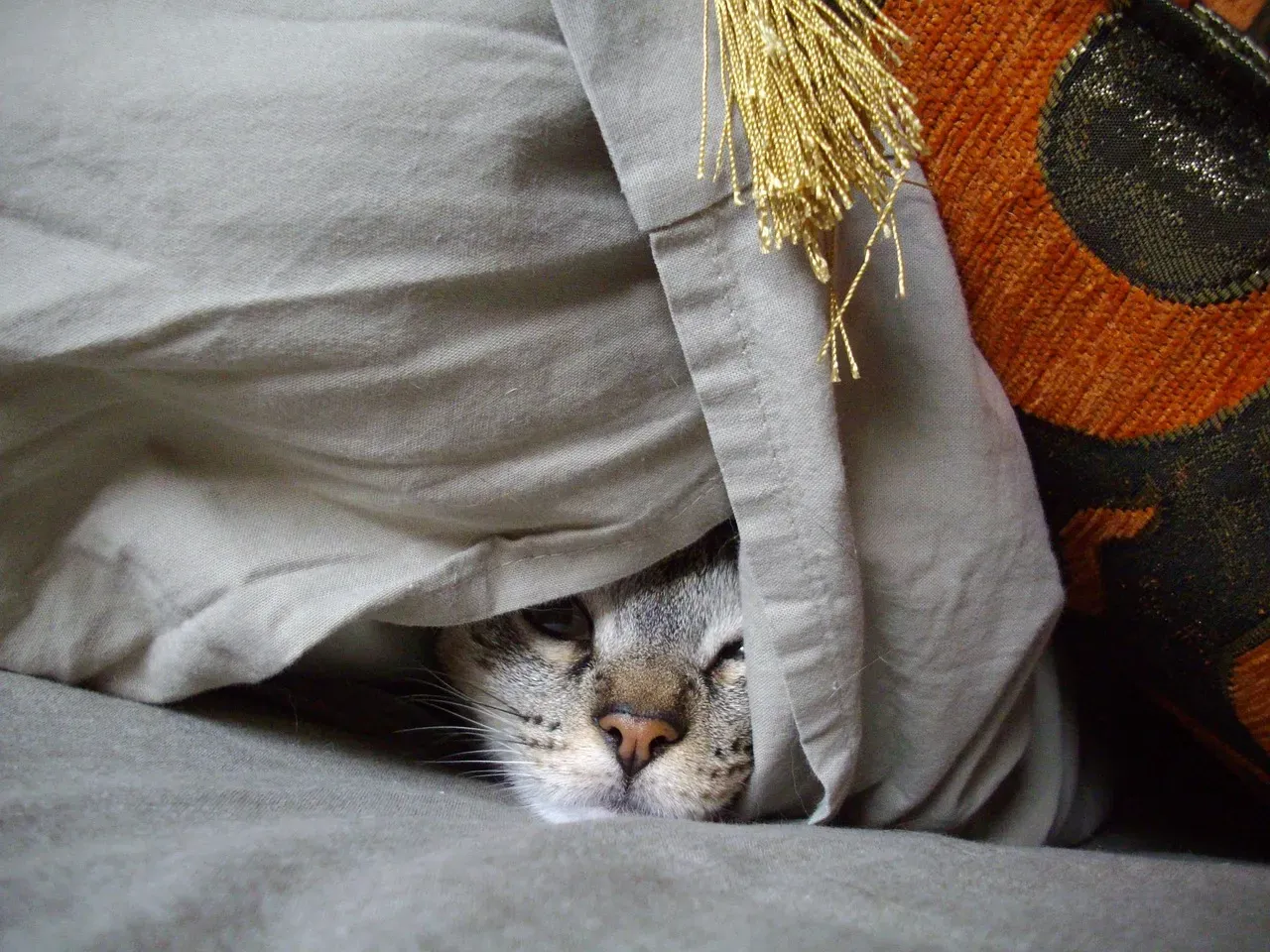
A cat that disappears under the bed or into another room when you come home is avoiding you on purpose. Compare this to the enthusiastic door greeting that favorite humans receive. If your arrival sends your cat into hiding mode, you're definitely in the "just okay" category at best. This avoidance behavior suggests they'd rather not interact with you at all.
It's especially painful if they greet other household members warmly while treating you like an intruder. Cats vote with their feet, and if theirs are always running away from you, the message is clear.
No Belly Exposure
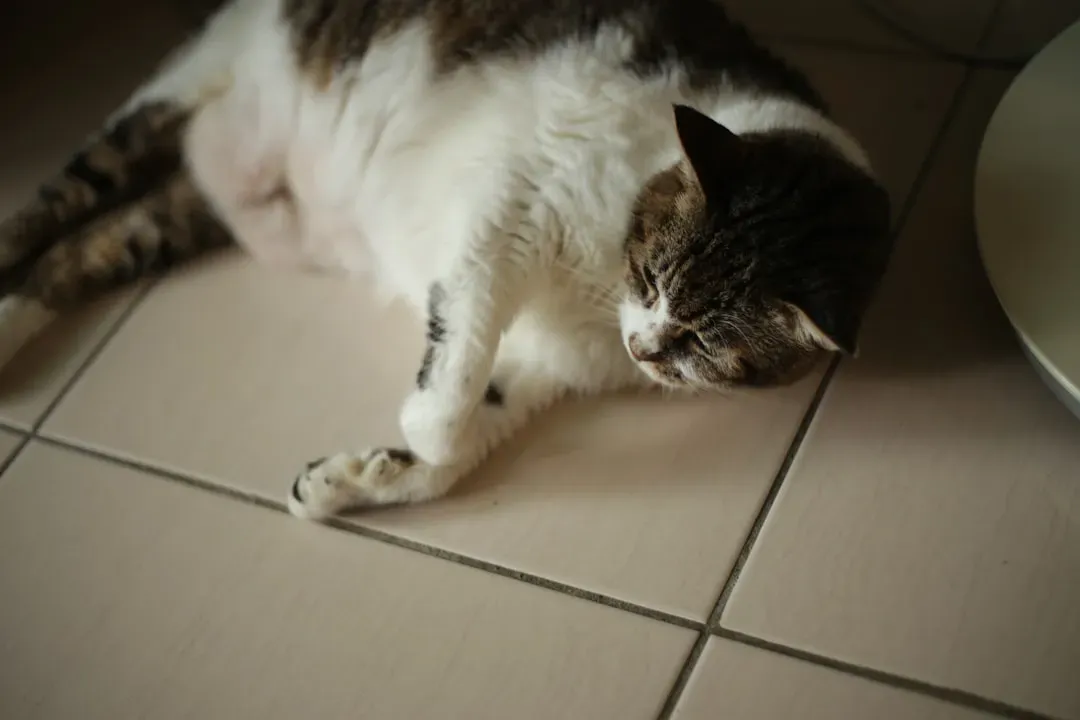
If your cat never shows you their belly, they don't trust you at that deep level. They might tolerate petting on their head or back, but they keep their vulnerable areas protected when you're around. This guardedness indicates they don't feel completely safe or comfortable with you. Cats who truly love and trust someone will eventually roll over and expose that fluffy tummy, even if they don't want it touched.
The absence of this vulnerability display means your cat is keeping their defenses up around you. They're not letting their guard down, which suggests the bond isn't as strong as it could be.
Preference for Other Family Members
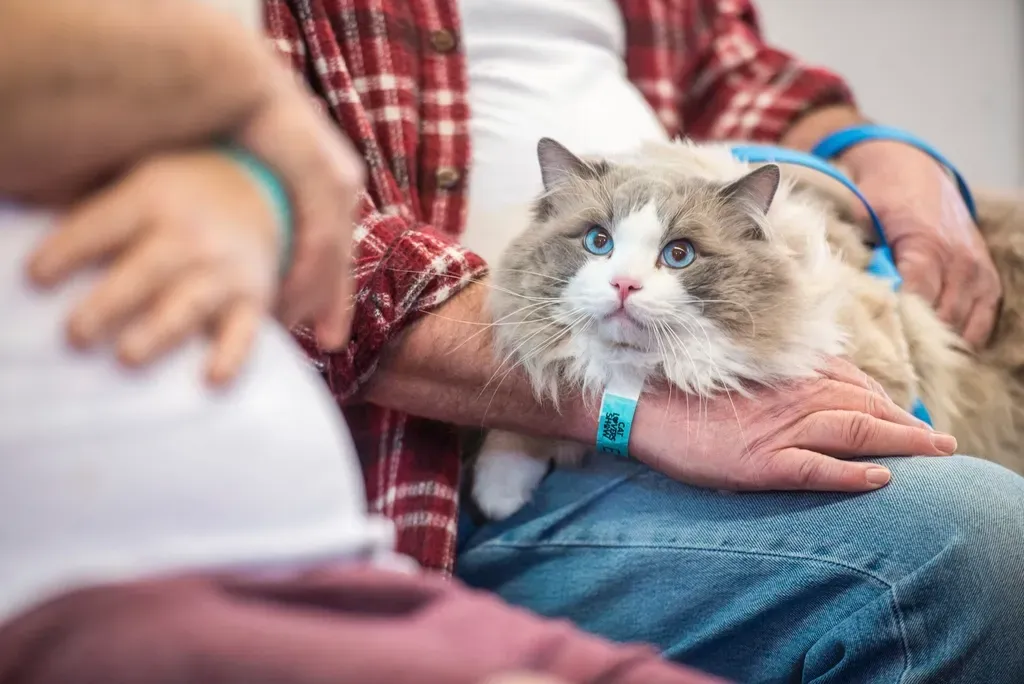
When your cat consistently chooses to sit with, sleep near, and seek attention from other people in the household instead of you, it's pretty obvious where you rank. Unlike dogs who largely love everyone, cats can be selective when it comes to their special human to love, based on whether they bonded with you and if you understand how they communicate. You might be tolerated, but someone else is clearly the favorite.
This preference can develop for various reasons, including who feeds them, who plays with them most, or simply whose energy they vibe with better. Unfortunately, once a cat has chosen their favorite, it's hard to change their mind.
Stiff Body Language During Handling
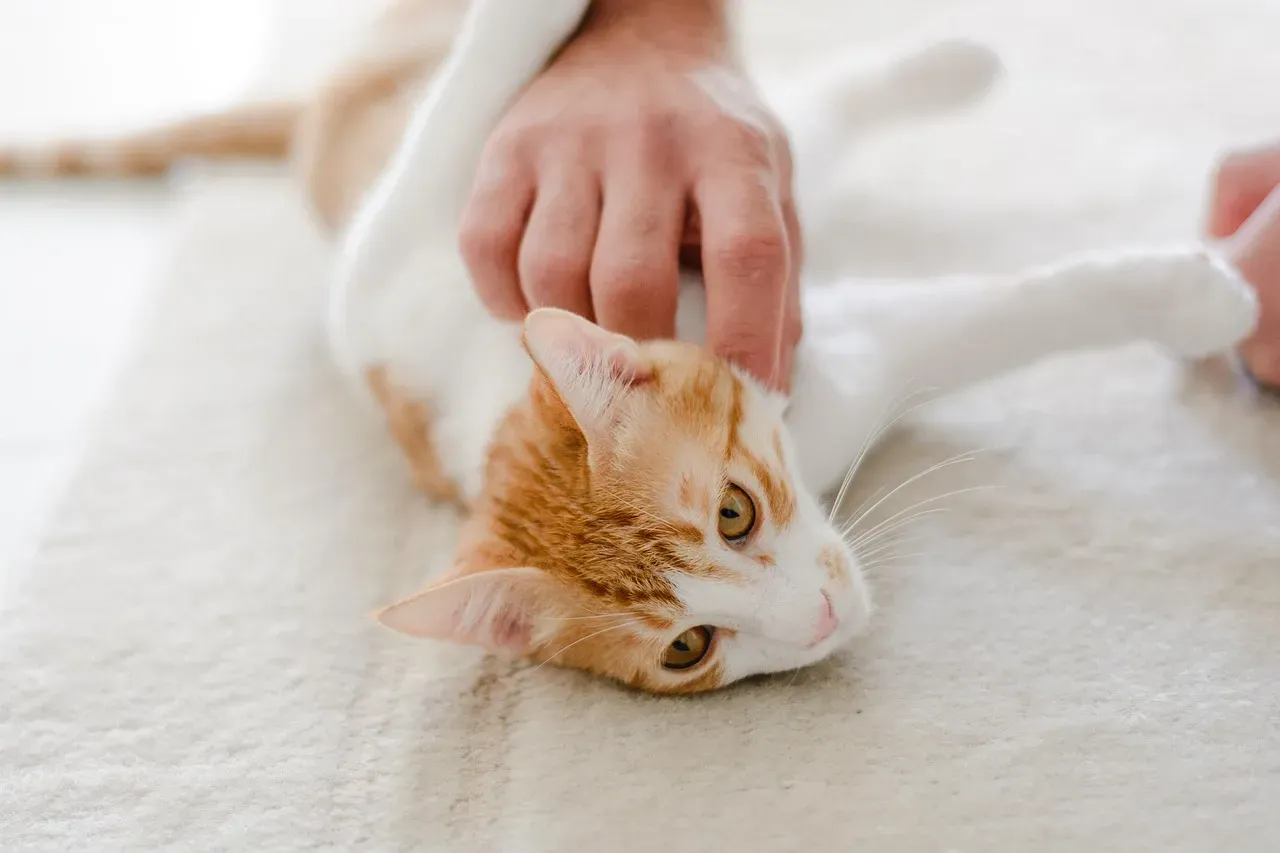
Cats whose relationship with their human isn't as tight show signs of stress, such as twitching their tail and licking their lips, either avoiding their caregiver or getting clingy. If your cat goes rigid when you pick them up or pet them, staying tense rather than relaxing into your touch, they're merely tolerating the interaction. Cats who love you will melt into your hands, going limp and happy. Tension means discomfort and a lack of that deep trust.
You can often feel the difference between a cat who's genuinely enjoying your touch and one who's just putting up with it. Their muscles will stay tight, ready to make an escape at any moment.
Conclusion: Understanding Your Ranking
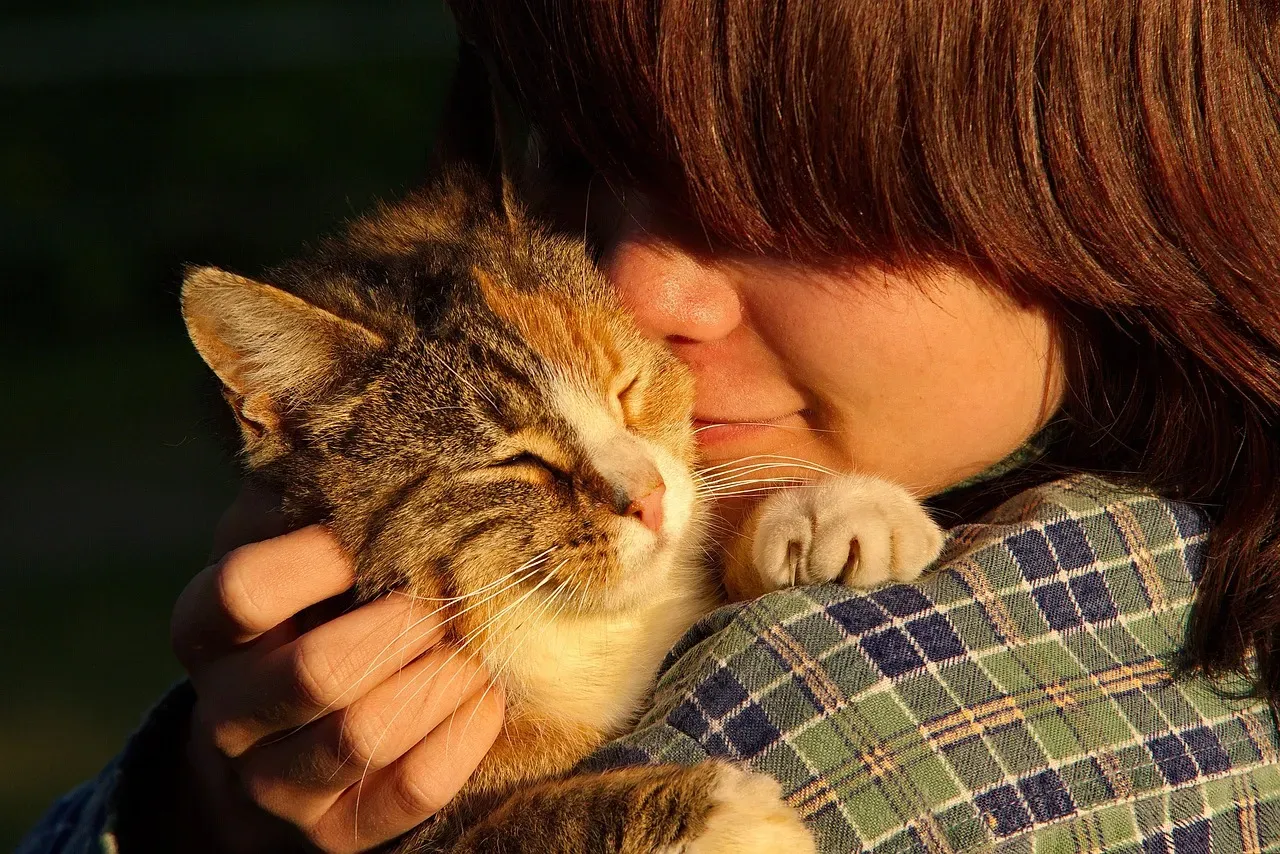
Whether you're the chosen one or just the okay human, understanding these signals helps you decode your cat's true feelings. The good news is that even if you're not currently the favorite, you can work on building a stronger bond. Respecting your cat's boundaries, understanding their body language, and providing consistent positive interactions can gradually shift their opinion of you. Cats form attachments based on trust and comfort, which can be developed over time with patience and genuine effort.
Let's be real though, some cats just have their person, and no amount of treats or playtime will change that hierarchy. Still, being merely tolerated by a cat is better than being ignored by one entirely. Have you noticed where you rank in your cat's world? Sometimes the truth stings a little, but at least now you know what to look for.