Vet Reveals How to Keep a Cat Clean Without a Bath

You've probably noticed your cat spending hours every day meticulously licking their fur. It's a ritual, almost meditative. They're obsessed with staying clean, which is lucky for you because most cats absolutely despise water. The idea of dunking your feline friend into a tub sounds like a recipe for scratches, yowls, and pure chaos.
Here's the thing though. Even the most fastidious groomer sometimes needs a little help from their human. Maybe your elderly cat can't reach those hard-to-groom spots anymore, or perhaps your long-haired beauty has picked up some dirt during an outdoor adventure. Whatever the reason, vets have plenty of tricks to keep your cat fresh and clean without ever turning on the faucet.
Understanding Your Cat's Natural Grooming Superpowers
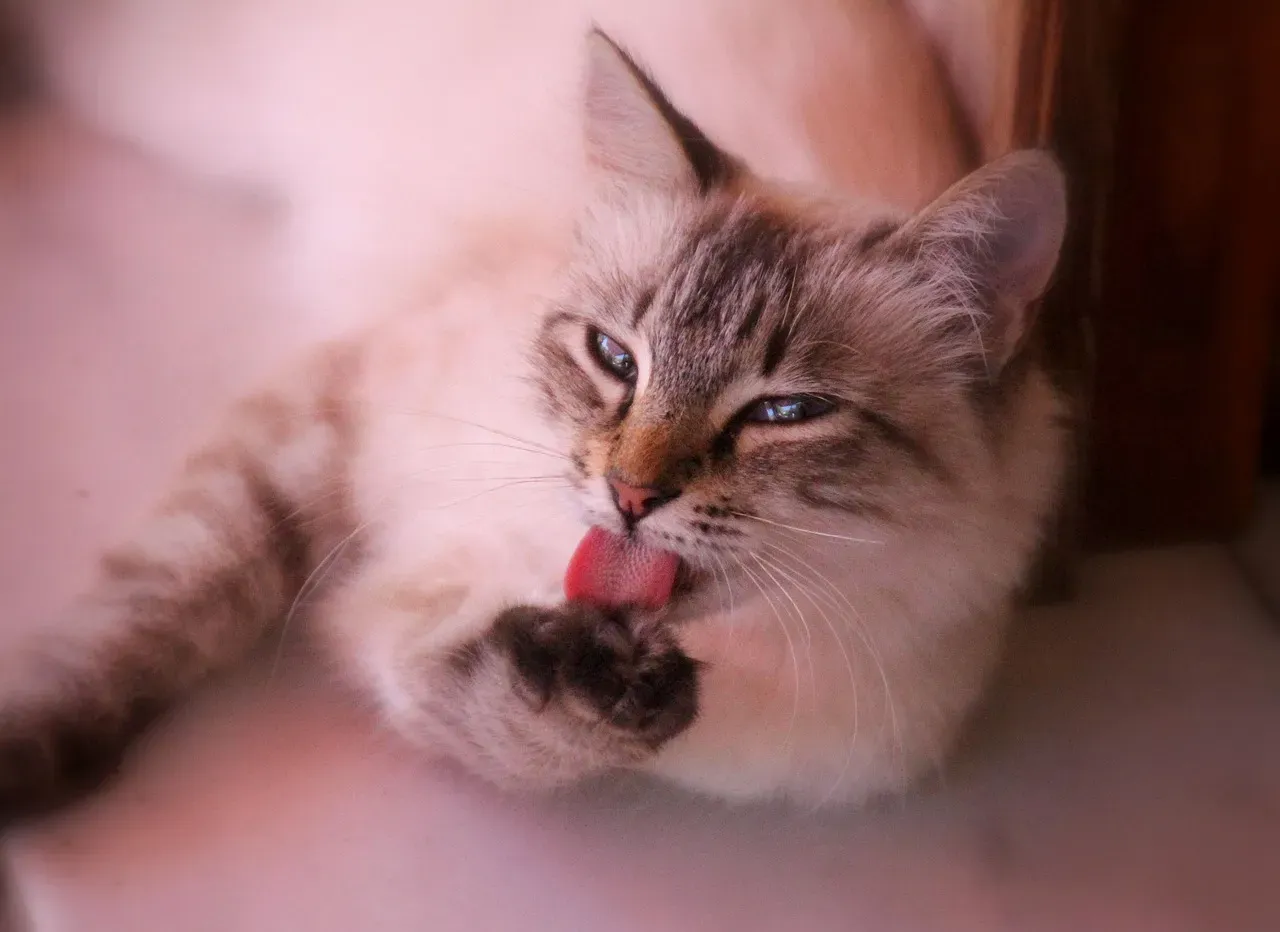
Cats are known for being fastidious groomers, and most spend many hours licking and washing themselves to keep their coats in clean condition. Cats spend 30 to 50 percent of their day in grooming activities. That's roughly a third to half of their waking hours dedicated solely to personal hygiene. Think about it. If humans were that committed to cleanliness, we'd never leave the bathroom.
The secret to their self-cleaning abilities lies in their anatomy. A cat's tongue consists of many small barbs or papillae made of keratin, which are facing backwards on the tongue. The barbs on the cat's tongue are useful in removing hair and foreign bodies. These tiny hooks act like a built-in brush, capturing dirt, loose fur, and debris with every lick. It's honestly quite brilliant when you think about the evolutionary engineering behind it.
Grooming helps to maintain healthy skin. Licking stimulates the production of sebum, an oily secretion produced by glands at the base of each hair. Sebum helps lubricate and waterproof the fur, making it shine. Your cat isn't just cleaning for appearances. They're maintaining their coat's health and functionality with every grooming session. This self-care routine also serves as a temperature regulation system and even helps them feel emotionally calmer during stressful moments.
The Magic of Regular Brushing Sessions
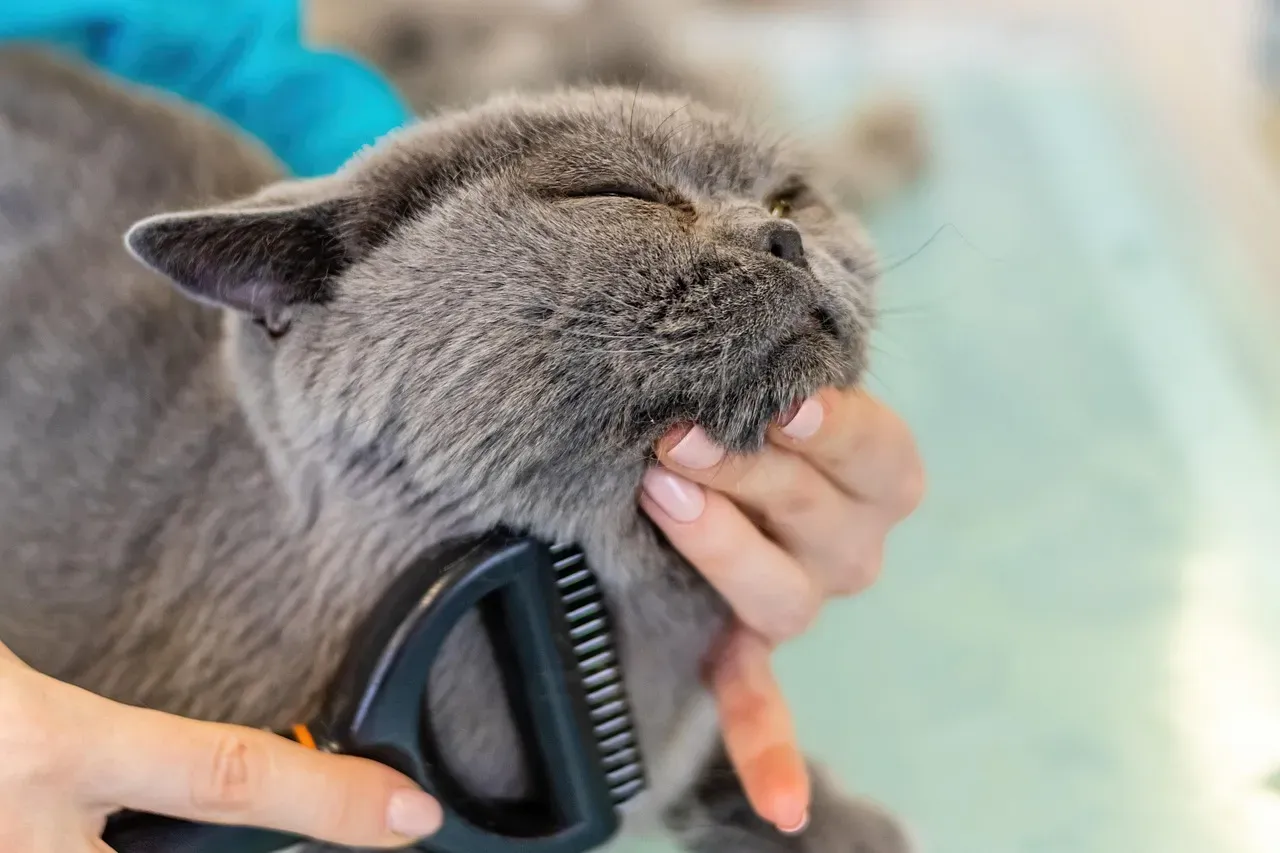
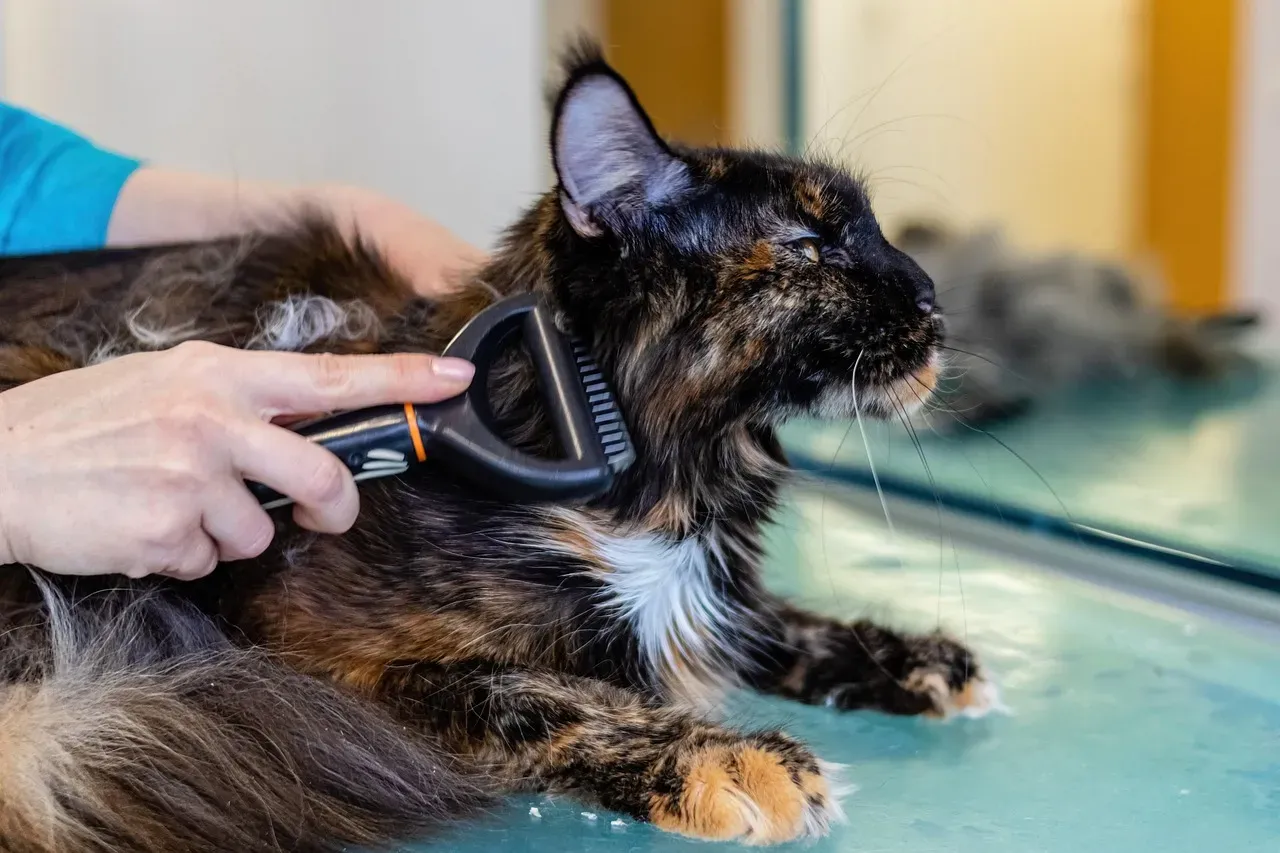
Regular brushing is another excellent way to keep your cat clean without a bath. Brushing helps to remove loose fur, dirt, and dander from your cat's coat, and it also helps to distribute natural oils, which can keep their fur shiny and healthy. Honestly, if you only implement one grooming habit from this article, make it brushing. It's simple, effective, and most cats actually enjoy it once they get used to the routine.
The type of brush you choose matters more than you might think. Stiff bristle brushes will help remove loose hairs from cats with short coats or sparse undercoats, while long-toothed metal combs or brushes, especially ones with rows of offset tines, are helpful to remove loose hair and smooth minor tangles in medium and long-haired cats. Some combs are designed to remove clumps of loose undercoat if your cat is undergoing a heavy seasonal shedding.
Start slowly if your cat isn't used to being brushed. The more you get your cat used to being groomed, the more comfortable your kitty will be with the process. If you're just starting out, focus on a small area to start with, and gradually build up as your cat tolerates it. And don't forget the power of positive reinforcement: Treats will help your cat create a positive association with grooming. You're essentially training them to love grooming sessions, one treat at a time. Pretty soon, they'll be reminding you when it's time for their daily brush.
Grooming Wipes Are Your Secret Weapon
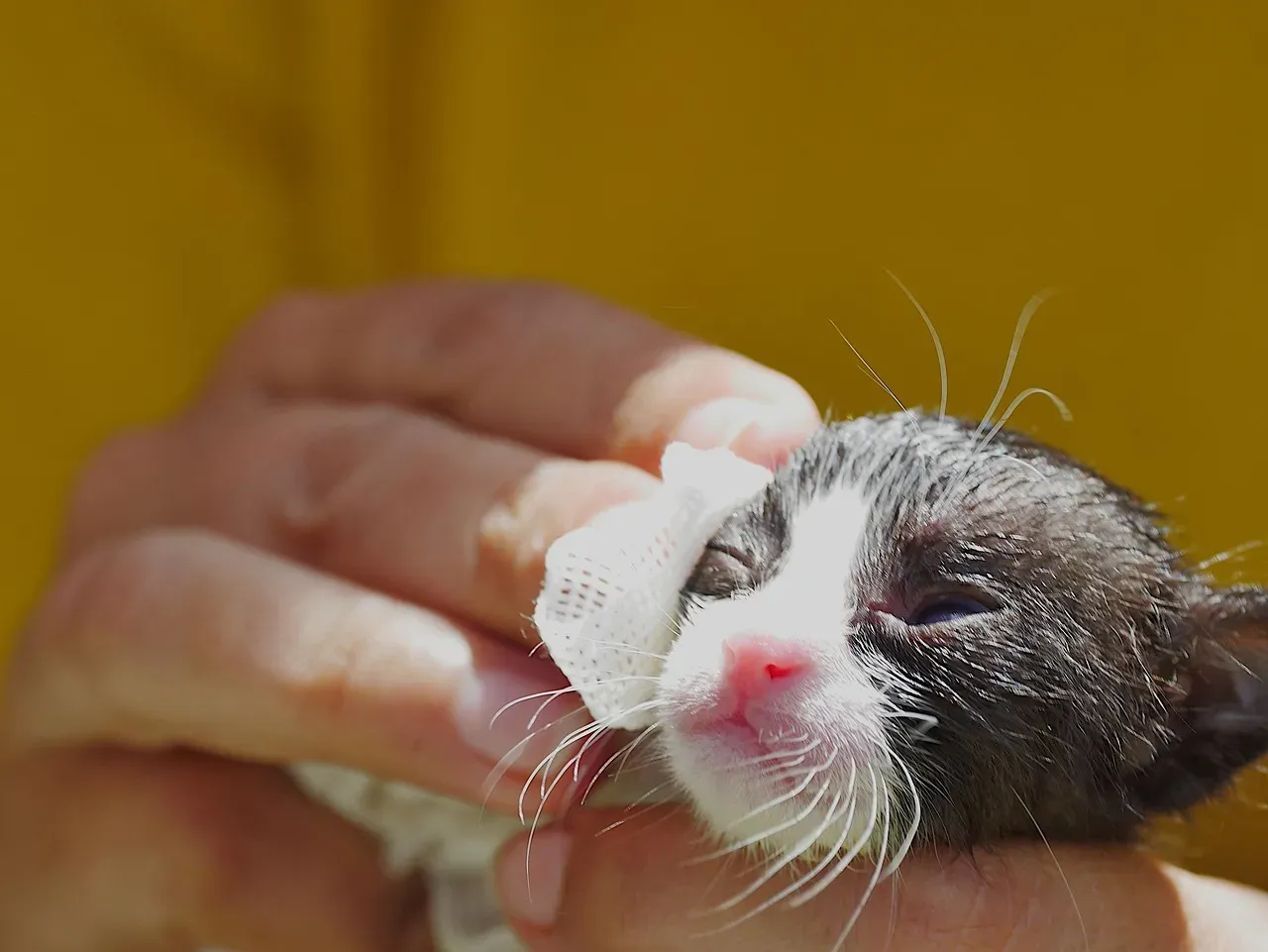
One of the most popular methods for cleaning a cat without bathing is using grooming wipes. These handy wipes are specially formulated to clean and deodorize your cat's fur without the need for water. Simply wipe down your cat's coat with a grooming wipe to remove dirt, oil, and odors. Grooming wipes are a convenient and easy way to keep your cat looking and smelling fresh between baths.
Let's be real here. Sometimes your cat gets into something questionable, and you need a quick fix. Maybe they explored under the couch where dust bunnies live, or they had a litter box mishap. Grooming wipes solve these problems without the drama of a full bath. They're gentle, quick, and most cats tolerate them much better than water.
For small areas of dirt on the coat, a damp washcloth, pet wipe, or water-based baby wipe might be sufficient to clean your cat. Keep a container of these wipes somewhere accessible. You'll thank yourself later when you discover your cat has tracked muddy paw prints across your clean laundry. A few quick swipes and the problem disappears before it becomes a bigger mess.
Dry Shampoo Works Wonders
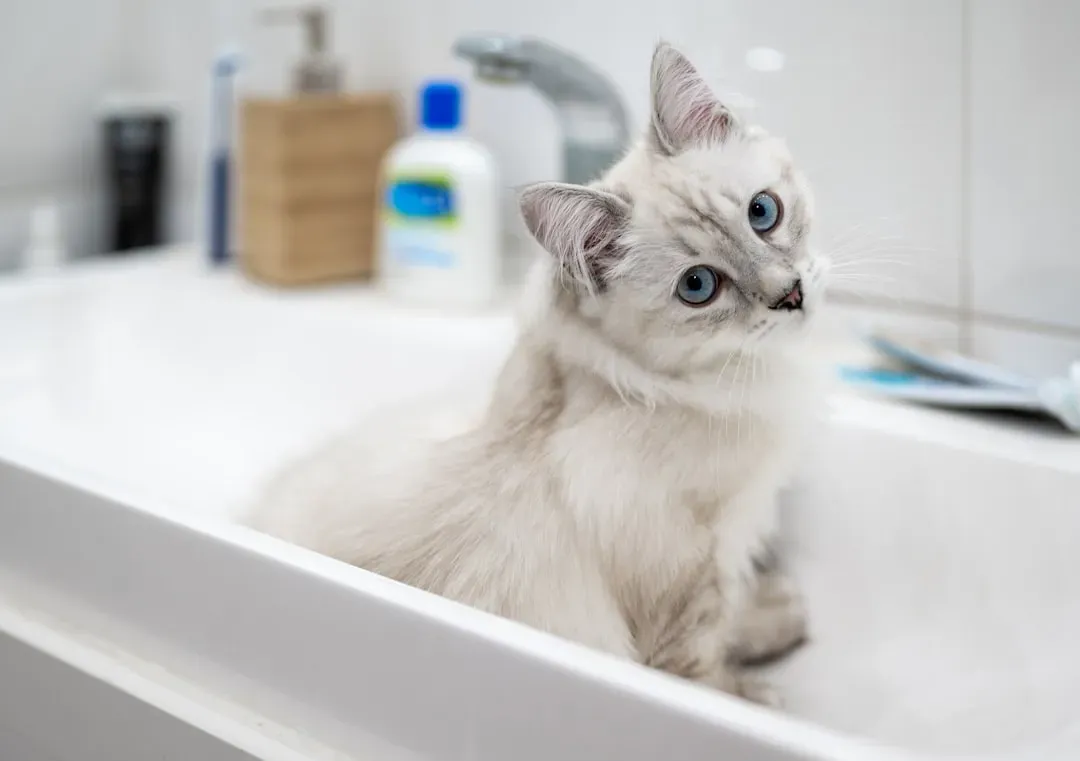
Waterless shampoos are a great option for cleaning cats without bathing, as they are designed to absorb oils and odors from your cat's fur without the need for water. Dry shampoo is a great option for cleaning your cat without water. These products come in powder or foam form and can be applied directly to your cat's fur. Simply massage the dry shampoo into your cat's coat, and then brush it out to remove any residue.
I think dry shampoo might be one of the most underrated grooming products for cats. It works similarly to dry shampoo for humans, absorbing excess oils and leaving the coat fresh. The application process is straightforward enough that even first-time cat owners can master it. Just sprinkle or spray, massage gently, then brush thoroughly.
Dry shampoo is particularly useful for cats who are sensitive to water or who have skin conditions that make bathing difficult. Be sure to choose a dry shampoo that is specifically formulated for cats to ensure it is safe for their skin and coat. The key word here is cat-specific products. Human shampoos and grooming products can upset the pH balance of your cat's skin, potentially causing irritation or worse. Always check the label before applying anything to your feline friend.
How Cat Sleep Patterns Support Self-Grooming
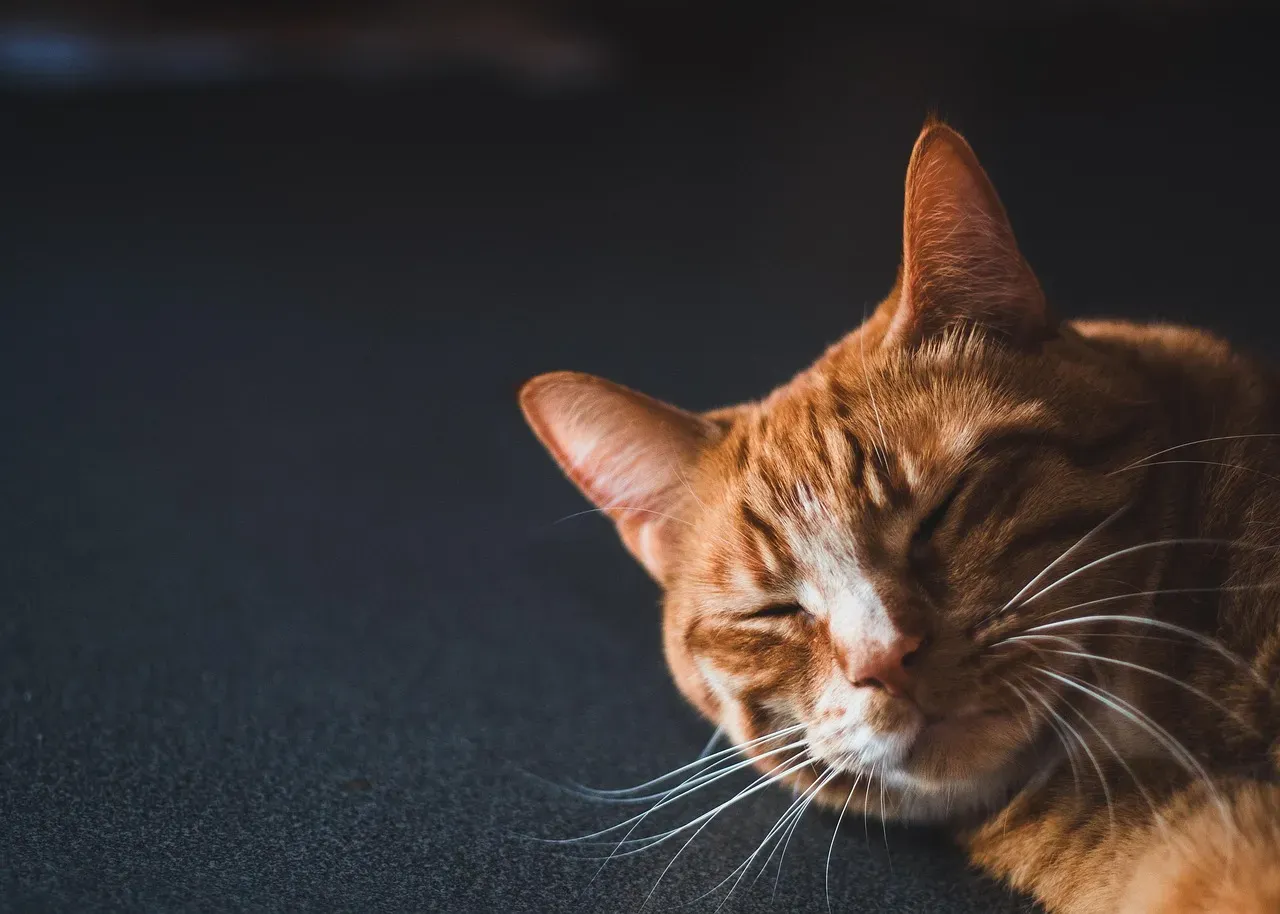
More than half of cats sleep between 12 and 18 hours a day, and nearly 40% of cats sleep more than 18 hours per day. You might wonder what all this sleeping has to do with keeping clean. Turns out, quite a lot actually. Sleep isn't just downtime for cats. It's when their bodies perform essential maintenance functions that directly impact their grooming abilities and overall hygiene.
Non-REM sleep allows for physical recovery, such as muscle repair, while REM sleep is essential for cognitive processes and emotional well-being. Adequate and uninterrupted sleeping habits are vital for a cat's overall health, as it helps consolidate memory, regulate mood, and boost the immune system. Think of sleep as your cat's internal spa treatment. Deep sleep helps with growth, cell repair, and maintaining a healthy immune system. A well-rested cat has the energy and physical capability to properly groom themselves.
It helps in maintaining their cognitive functions and emotional health. Cats, especially those in their active years, require these rest periods to process their sensory experiences and maintain their alertness and predatory instincts. When your cat isn't getting enough quality sleep, you might notice they groom less effectively or even stop grooming certain areas entirely. Cats who get proper amounts of sleep are prone to be healthier than those who do not. Better health equals better grooming habits, creating a positive cycle of cleanliness and wellness.
The Sleep-Hygiene Connection You Need to Know
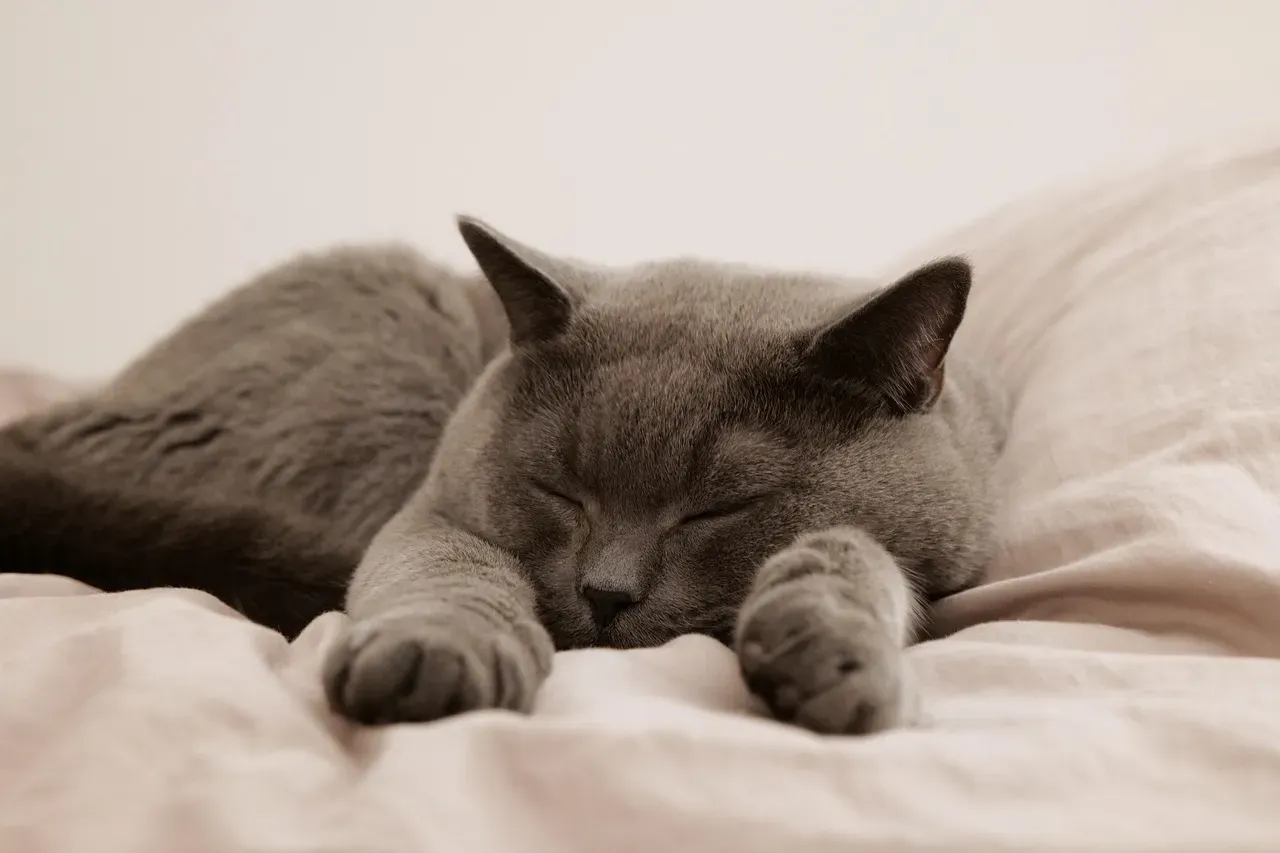
Even though our domesticated house cats may not have the same need to hunt for survival, the instinctual pattern of sleeping and preparing for a hypothetical hunt remains ingrained in their behavior. All that sleep helps them conserve energy for their next burst of activity, usually at dawn or dusk. But there's another benefit to this extensive rest period that often gets overlooked.
During those long sleep cycles, your cat's body is working overtime to maintain their coat and skin health. During sleep, a cat's body undergoes various physiological processes essential for well-being. It's a time when their body repairs itself, builds muscle and bone, and strengthens the immune system. A strong immune system means healthier skin, which directly translates to a cleaner, shinier coat. It's all connected.
Unlike humans, who usually sleep for one long stretch, cats have what's known as a polyphasic sleep pattern. Cats usually sleep between 12 and 16 these multiple rest periods throughout the day give their bodies frequent opportunities to reset and repair. Each nap is like hitting a refresh button on their system. Those catnaps aren't laziness. They're strategic wellness breaks that keep your feline functioning at peak grooming efficiency.
Spot Cleaning for Those Problem Areas
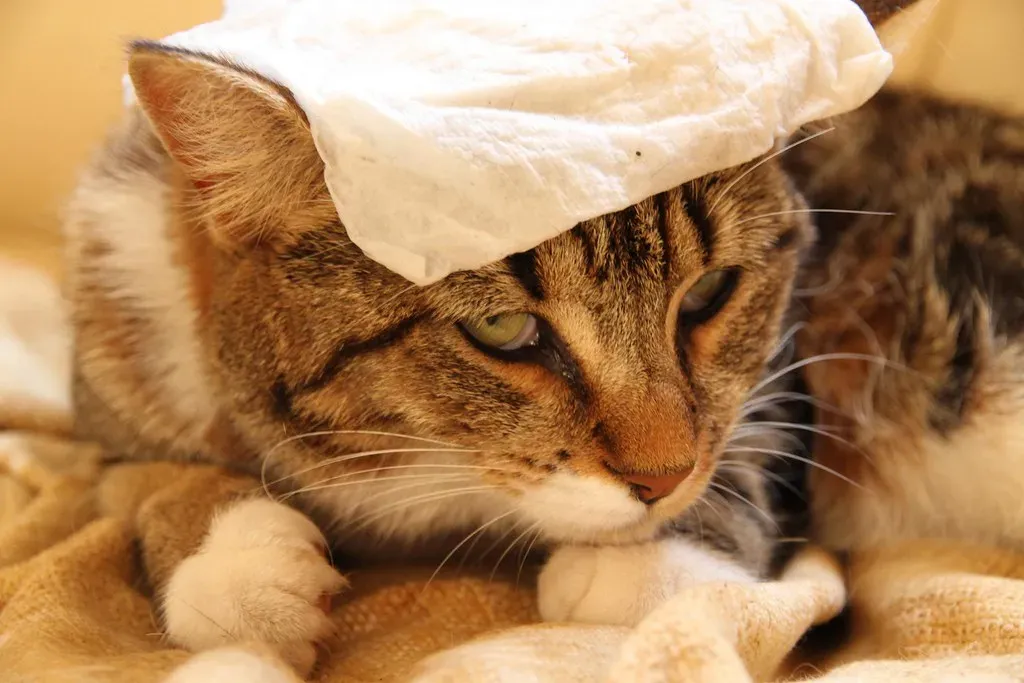
Sometimes you don't need to clean your entire cat. You just need to tackle one grimy spot. Start with gentle strokes and work gradually, focusing on one area at a time. This targeted approach is less stressful for your cat and more efficient for you. Areas around the face, paws, and rear end often need extra attention, especially for cats who are older or have mobility issues.
Use a damp cloth to gently wipe around your cat's ears and eyes, being careful not to get water or cleaning solution directly in these sensitive areas. Consult your veterinarian if you notice any discharge or irritation. The keyword here is gentle. These areas are delicate, and aggressive cleaning can cause more harm than good. Think of yourself as providing assistance, not giving a deep scrub.
Cats are meticulous groomers and will often clean their own paws. However, if your cat has been outdoors or in a dirty environment, you can use a damp cloth to wipe their paws and remove any dirt or debris. I've found that many cats actually appreciate having their paws wiped after using the litter box or coming in from outside. It saves them the trouble of doing it themselves and keeps your furniture cleaner too. Everyone wins.
When Sleep Disruption Affects Grooming Habits
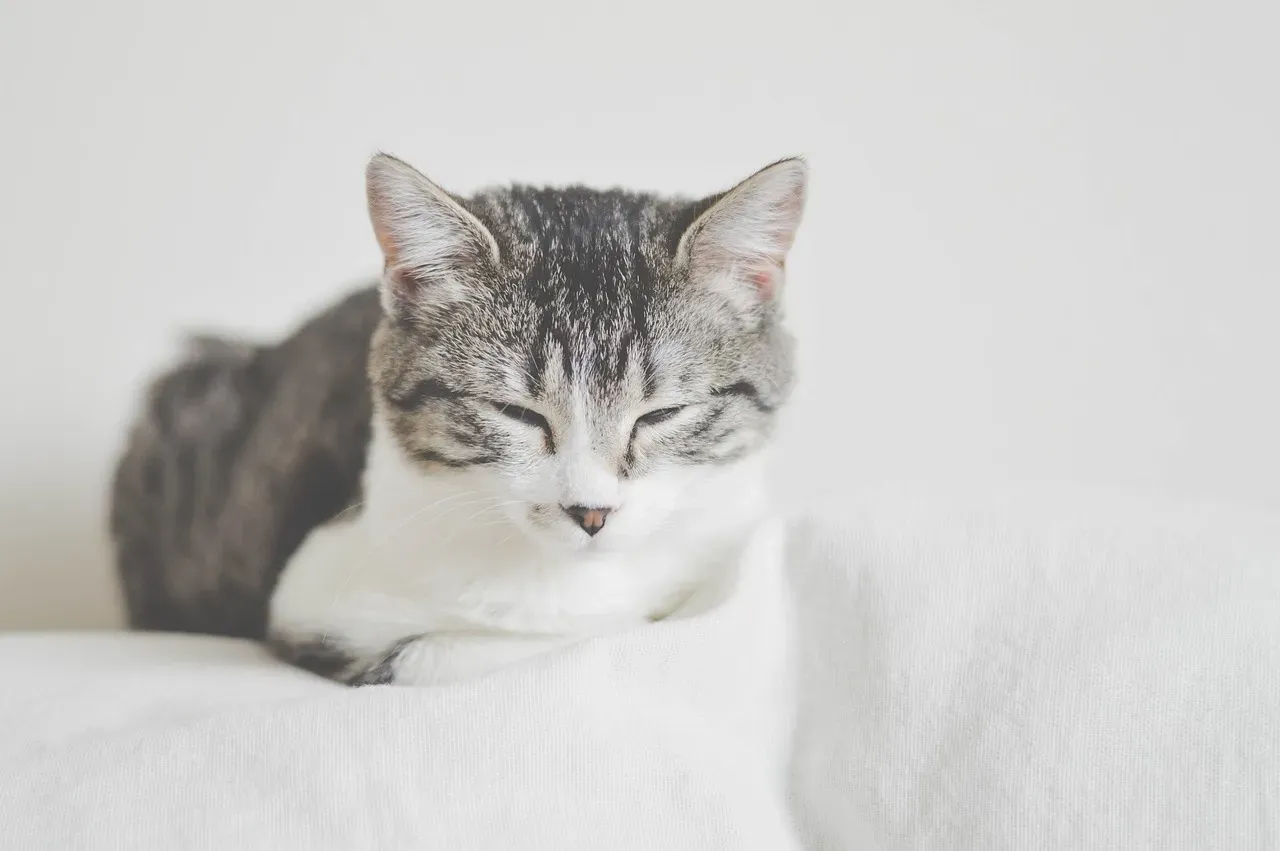
Cats who are sick or are experiencing issues will either have difficulty sleeping or sleep more than usual. They might have difficulty finding an optimal spot to rest. Pay attention to these changes because they often signal problems that will eventually affect your cat's ability to stay clean. Regular self-grooming will help your cat look good and feel good, but if she becomes ill, she may stop cleaning herself. This could be a sign of arthritis, pain, or dental problems.
Changes in sleep patterns may be normal but could also indicate illness in your cat. If you notice your cat is sleeping more or less than normal, plus displaying other worrisome behavior such as not eating, this could signal a serious health issue. A cat who suddenly stops grooming properly while also changing their sleep habits needs veterinary attention. These two behaviors are so interconnected that disruption in one almost always affects the other.
Stress and anxiety can have a profound impact on a cat's sleep. Changes in routine, introduction to new pets, or unfamiliar surroundings can all contribute to heightened stress levels, leading to disrupted sleep patterns. Creating a calm and secure space for your cat and engaging in regular play and bonding sessions can help alleviate stress and promote better sleep. Better sleep leads to better grooming, which keeps your cat naturally cleaner without requiring constant intervention from you. It's worth addressing sleep issues not just for your cat's rest, but for their overall hygiene too.
Creating the Perfect Grooming Routine
The frequency of cleaning your cat without bathing will depend on your cat's individual needs and lifestyle. Some cats may require daily grooming, while others may only need a touch-up once a week. You need to figure out what works for your specific cat. A long-haired Persian will have very different needs than a sleek Siamese. Age matters too. Kittens and senior cats often need more help than healthy adults.
To make grooming sessions more enjoyable for your cat, start by introducing grooming tools and products gradually, and always reward your cat with treats and praise for cooperating. Make it a bonding experience rather than a chore. Put on some relaxing music, set aside dedicated time, and approach it with patience. Your cat will pick up on your energy. If you're stressed and rushed, they'll resist. If you're calm and gentle, they'll eventually look forward to these sessions.
Schedule baths when your cat is at her most mellow. A play session with a cat dancer or other toy of choice can help tire out even the friskiest of felines. This advice applies to all grooming activities, not just baths. Timing matters enormously. Try grooming right after a meal when your cat is relaxed and satisfied, or after an energetic play session when they're tired and more cooperative. Work with your cat's natural rhythms instead of against them.
Your cat doesn't need a bath to stay clean, and honestly, they'll probably appreciate you more for avoiding that particular trauma. Between regular brushing, strategic use of wipes and dry shampoo, spot cleaning when needed, and ensuring they get quality sleep to support their natural grooming instincts, you've got everything covered. The secret is consistency and patience. Start these habits early, keep them positive, and your cat will remain clean, healthy, and happy without ever having to face the dreaded bathtub. What aspects of waterless grooming have worked best for your feline friend?