10 Reasons a Sphynx Cat Might Not Be Right for You (Consider These 5 Instead)

You've seen those photos online. The wrinkled, almost alien face staring back at you with massive eyes. The Sphynx cat is undeniably striking, maybe even adorable in its own peculiar way. People often assume that a hairless cat means less work, fewer messes, and a perfect companion for busy lifestyles or allergy sufferers. Here's the thing, though: that assumption couldn't be further from the truth.
Let's be real. Owning a Sphynx isn't like having your average tabby lounging on the couch. These fascinating felines come with a unique set of demands that can surprise even experienced cat owners. Before you fall head over heels for that wrinkly face, you need to know what you're really signing up for.
1. They Require Weekly Baths
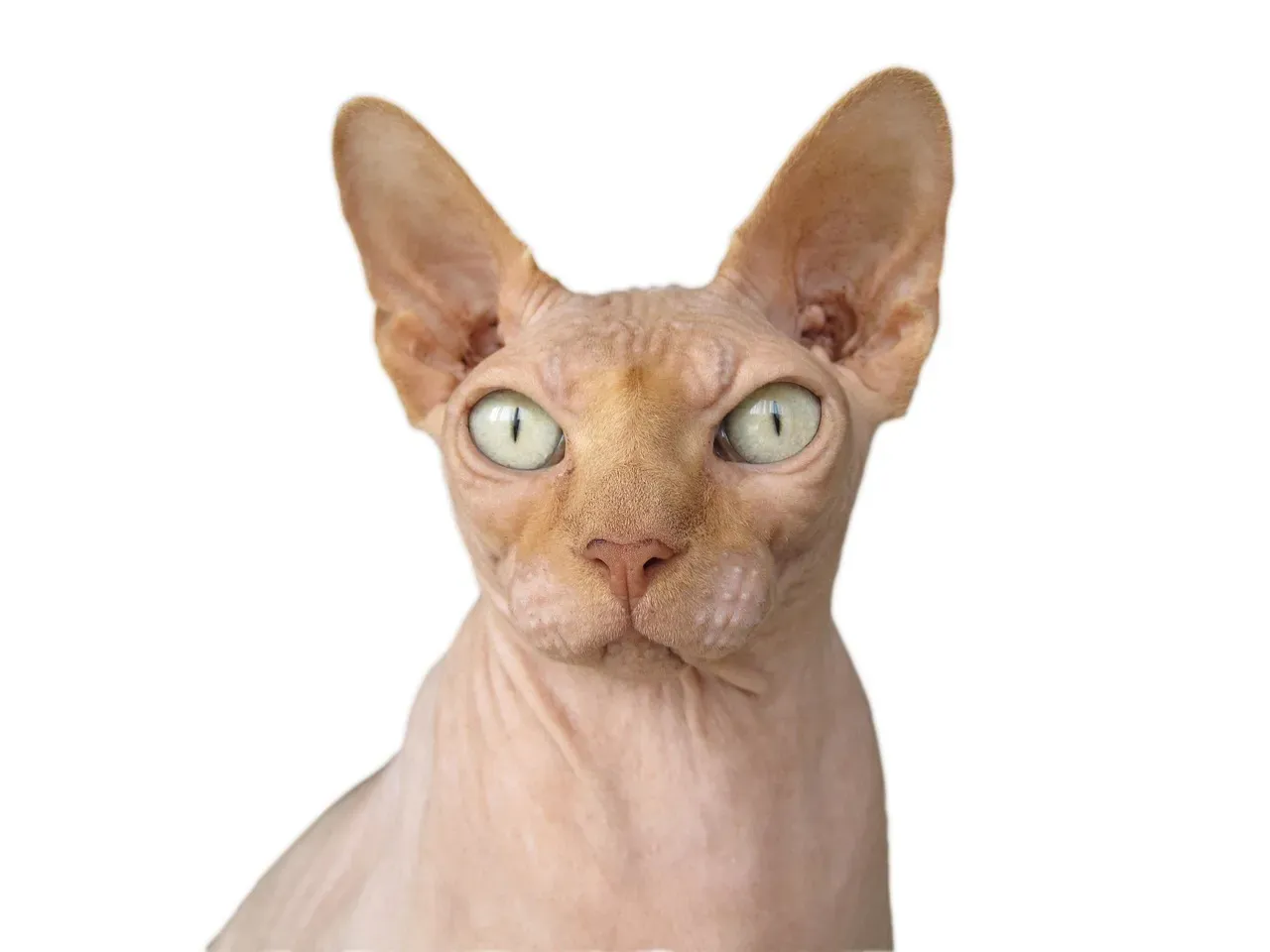
You might think a hairless cat means no grooming, but the opposite is true because a lack of fur means there isn't anything to absorb all that oil from their saliva, so a Sphynx usually needs a bath once a week. Most cats groom themselves, and their fur soaks up the natural oils. The Sphynx has no such buffer.
Even with regular bathing, your cat may leave reddish-brown oil marks on furniture, sheets, and white towels because of their oily sweat glands, which can cause this buildup on their skin. If you cannot handle the occasional greasy stain on your favorite cushions or finding oily patches where your cat napped, this breed will test your patience. Weekly baths aren't optional; they're essential for keeping your Sphynx healthy and your home presentable.
2. Their Grooming Goes Beyond Bathing
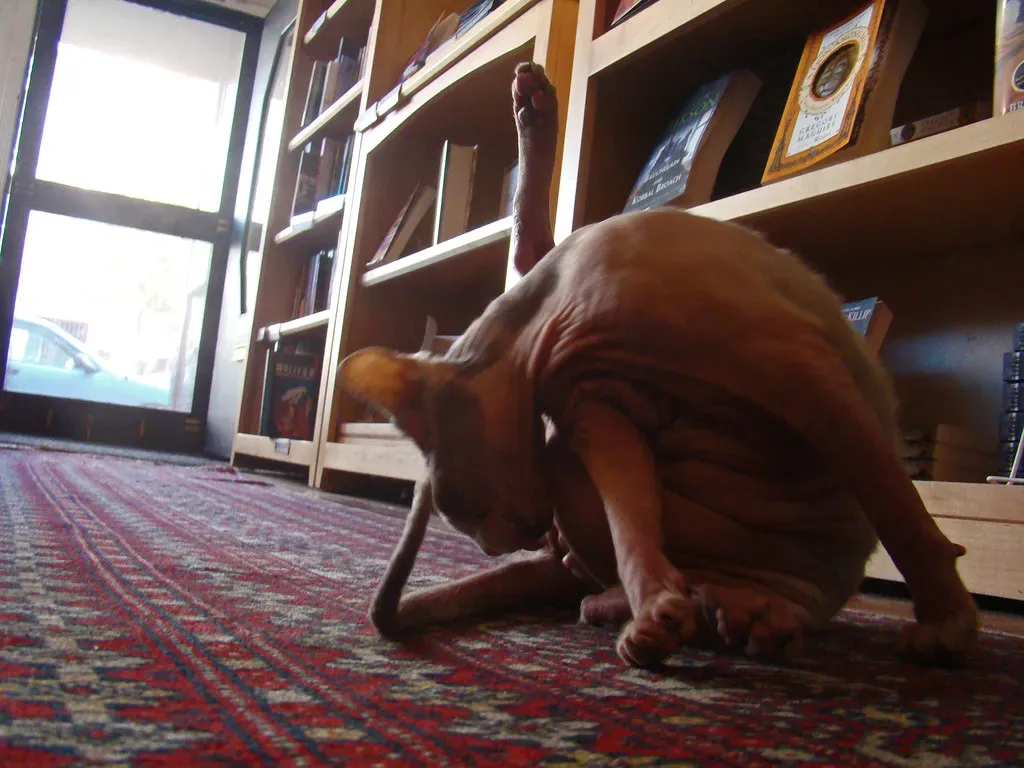
Sphynxes have no hair in their ear canals, which means dirt and debris collects in their ears more easily, and they produce copious amounts of dark earwax that is quite unsightly and can stain furniture and clothes. You'll need to clean those enormous ears at least weekly to prevent infections.
They need to be bathed regularly, once or twice a week, and you will need to clean Sphynx ears and clip their nails routinely. Think about it: if you struggle to trim your own nails regularly, adding a cat's nails to that list is one more chore. These grooming requirements stack up quickly, and skipping them can lead to health problems or damage to your belongings.
3. They Are Surprisingly Expensive to Maintain

A well bred Sphynx will cost you approximately seventeen hundred dollars or more initially and should have a legal contract with medical records, and if your cat gets sick, it's pricey or you need to pay monthly for cat health insurance. That's just the beginning.
They also eat twice as much as normal cats because of the need to maintain their body temperature. So you're not just dealing with higher upfront costs. You're facing an ongoing food bill that's nearly double what you'd expect from a typical cat. Add in regular vet visits for heart screenings, dental cleanings, and potential health issues, and the expenses can quickly spiral.
4. They Have Serious Health Concerns

Sphynx cats are more susceptible to certain health conditions, particularly hypertrophic cardiomyopathy (HCM), a form of heart disease, and they also face risks associated with their skin's vulnerability and other genetic issues. Heart disease is no joke. It requires regular monitoring through expensive echocardiograms to catch it early.
Sphynx cats are also prone to dental issues, they have pretty terrible teeth as far as cats go, and they need regular dental cleanings, and sometimes they need to have all of their teeth extracted, which can be very expensive. Honestly, dental extractions aren't cheap, and finding a vet skilled in feline dentistry can be challenging. You're looking at potentially thousands of dollars in veterinary care over your cat's lifetime.
5. Temperature Regulation Is a Constant Battle
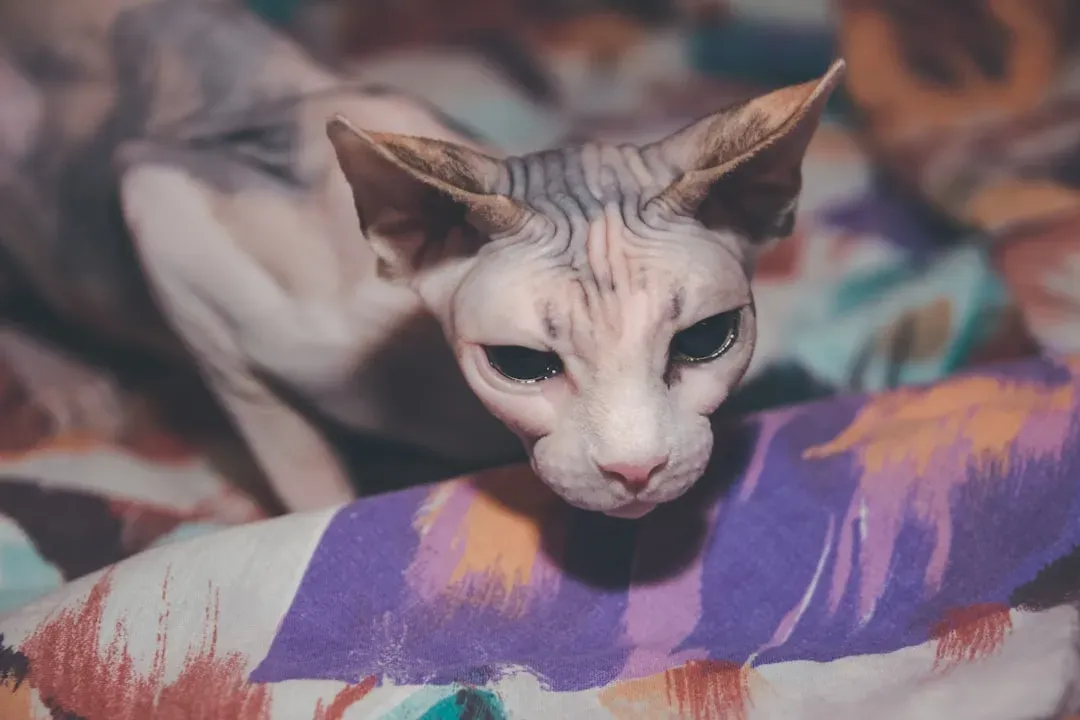
Their lack of coat means that they have to keep warm by artificial means, which is the main reason they are so cuddly and companionable around humans, however, they can overheat easily and so an owner needs to be very vigilant about room temperatures. You can't just set your thermostat and forget it.
Your Sphynx will seek out the warmest spots in your home, whether that's under the covers with you at night or perched on a radiator. In summer, they can overheat quickly. In winter, they get dangerously cold. This means adjusting your home environment constantly and possibly investing in cat sweaters or heated beds to keep your pet comfortable.
6. They Demand Constant Attention

Owning a Sphynx cat requires a significant time commitment, this breed thrives on attention and interaction and does not do well if left alone for long periods, and they are highly social and intelligent, often demanding mental stimulation and companionship. This isn't a cat that will tolerate your nine to five job without complaint.
Sphynx cats do not do well when left alone for long periods, lack of mental stimulation or interaction may lead to anxiety or destructive behaviors, and they may require companionship from humans or other pets to stay happy. If you travel frequently for work or enjoy spontaneous weekend getaways, a Sphynx will struggle. They're social butterflies trapped in a cat's body, and ignoring their needs can lead to behavioral problems you definitely don't want to deal with.
7. They're Not Actually Hypoallergenic
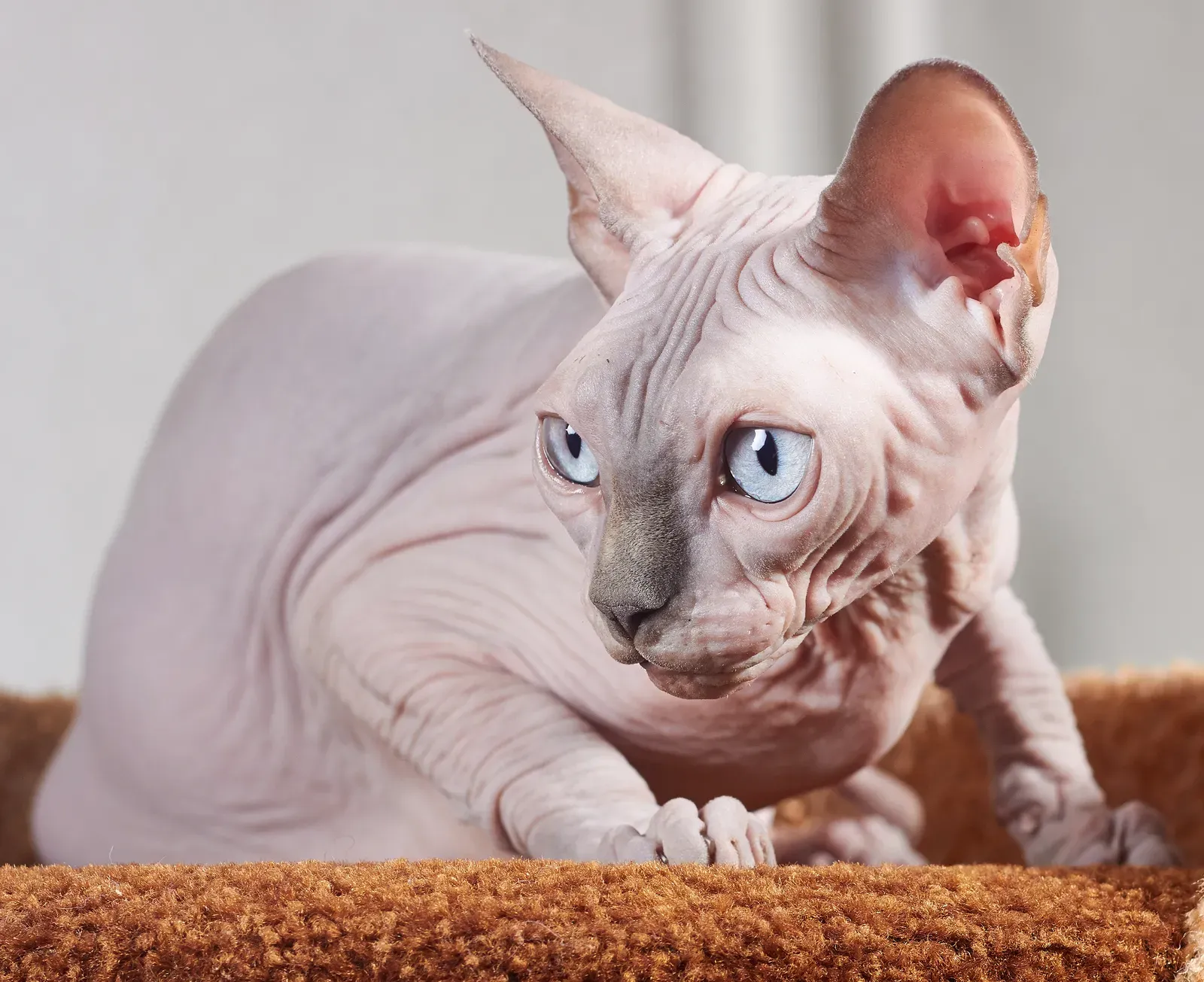
Many people adopt these cats because they think they are hypoallergenic, which is not the case as the lack of fur does not make them hypoallergenic, usually humans allergies are secondary to the allergens on cat skin, and it is even possible for people to be more allergic to hairless cats than long-haired cats. This myth has disappointed countless hopeful cat owners.
The allergens come from cat saliva and skin secretions, not the fur itself. Since Sphynx cats groom themselves constantly and their skin produces more oils, you might actually have a worse allergic reaction. If allergies are your primary reason for considering this breed, you need to spend extended time around a Sphynx before committing.
8. Their Skin Requires Special Care
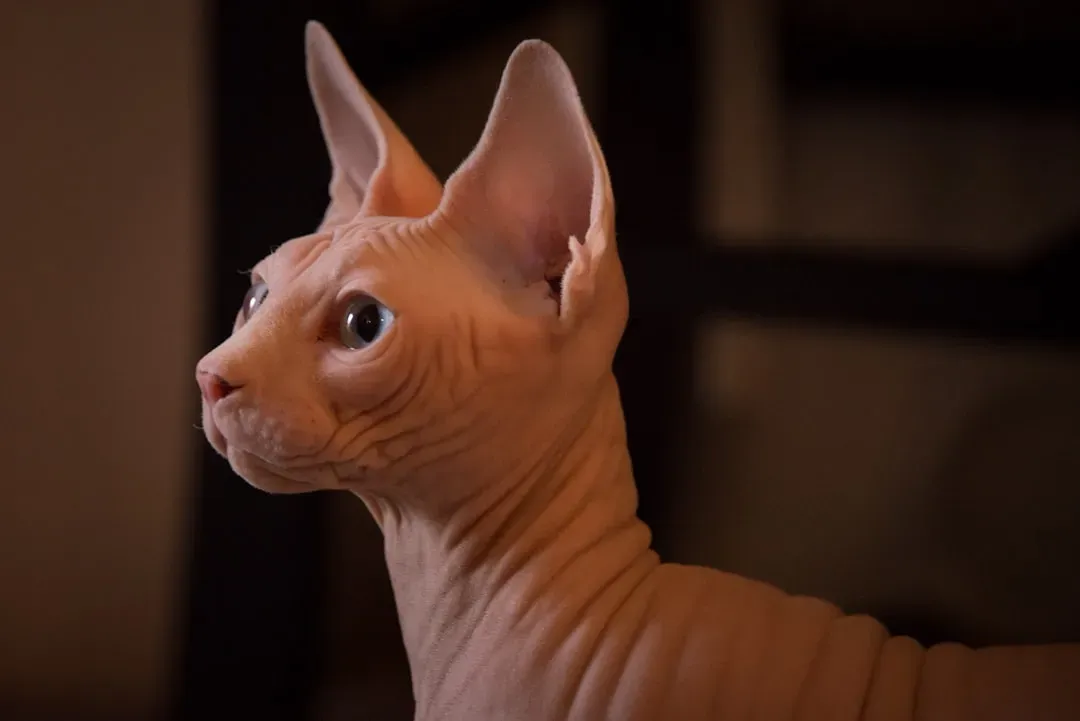
The absence of fur means Sphynx cats lack a natural protective barrier, and their skin is more prone to cuts, bruises, and abrasions, especially in active households or environments with rough surfaces. Think of all the places your cat might bump into or scrape against throughout the day.
They need frequent baths to keep their skin free from excess oils and dirt, which can lead to skin problems, and Urticaria pigmentosa is another Sphynx skin problem that results in red pigmented spots on the skin. Skin conditions are common in this breed, requiring vigilance and sometimes veterinary intervention. You'll need to inspect your cat regularly for any signs of irritation, infection, or injury.
9. They're Incredibly Vocal
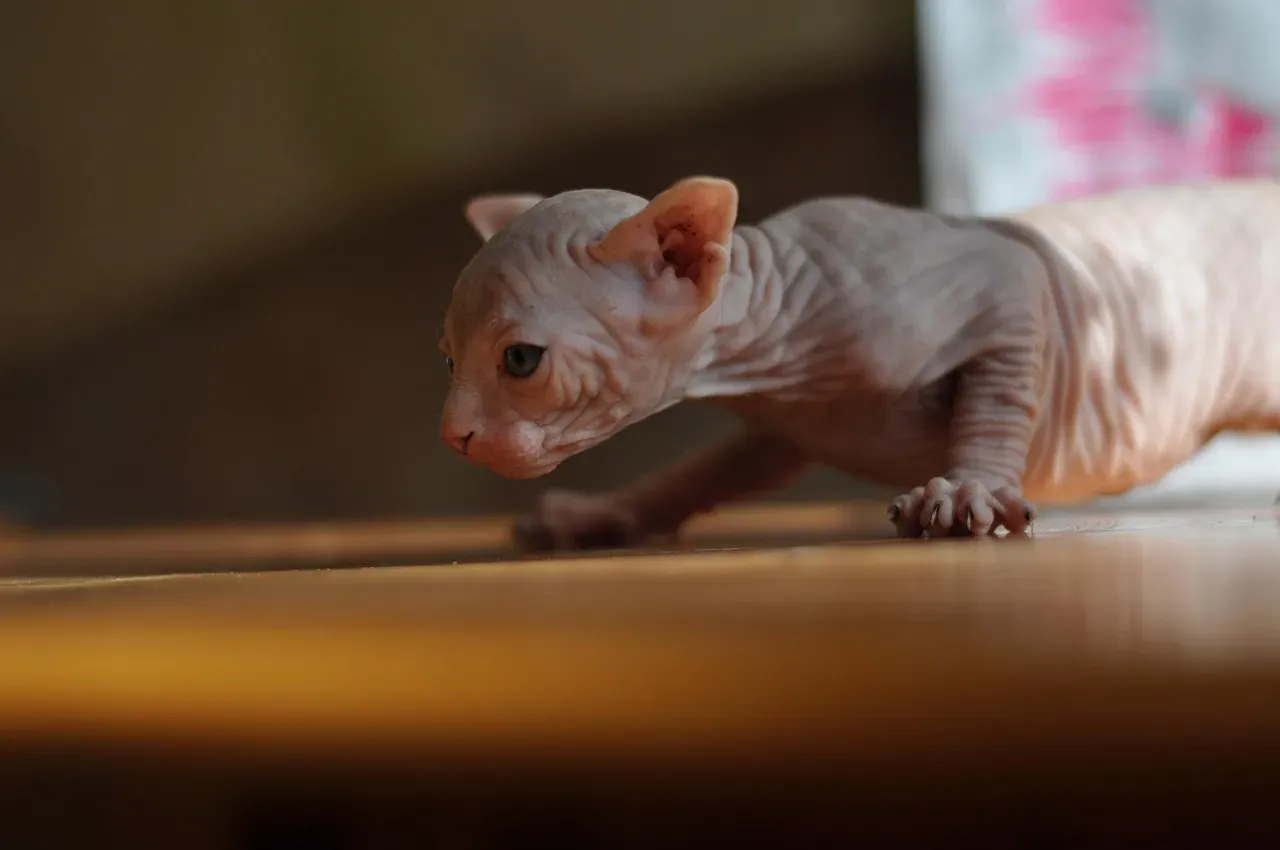
This loud breed is very talkative and will use a combination of squeaks, whines, and chirps to tell their loved ones how much they care. If you value peace and quiet, prepare to be disappointed. These cats have opinions about everything and aren't shy about sharing them.
Morning wake-up calls, demands for attention, commentary on your cooking, conversations about nothing in particular. Your Sphynx will want to chat constantly. Some people find this endearing. Others find it exhausting, especially when you're trying to focus on work or enjoy a quiet evening.
10. They Leave Greasy Marks Everywhere
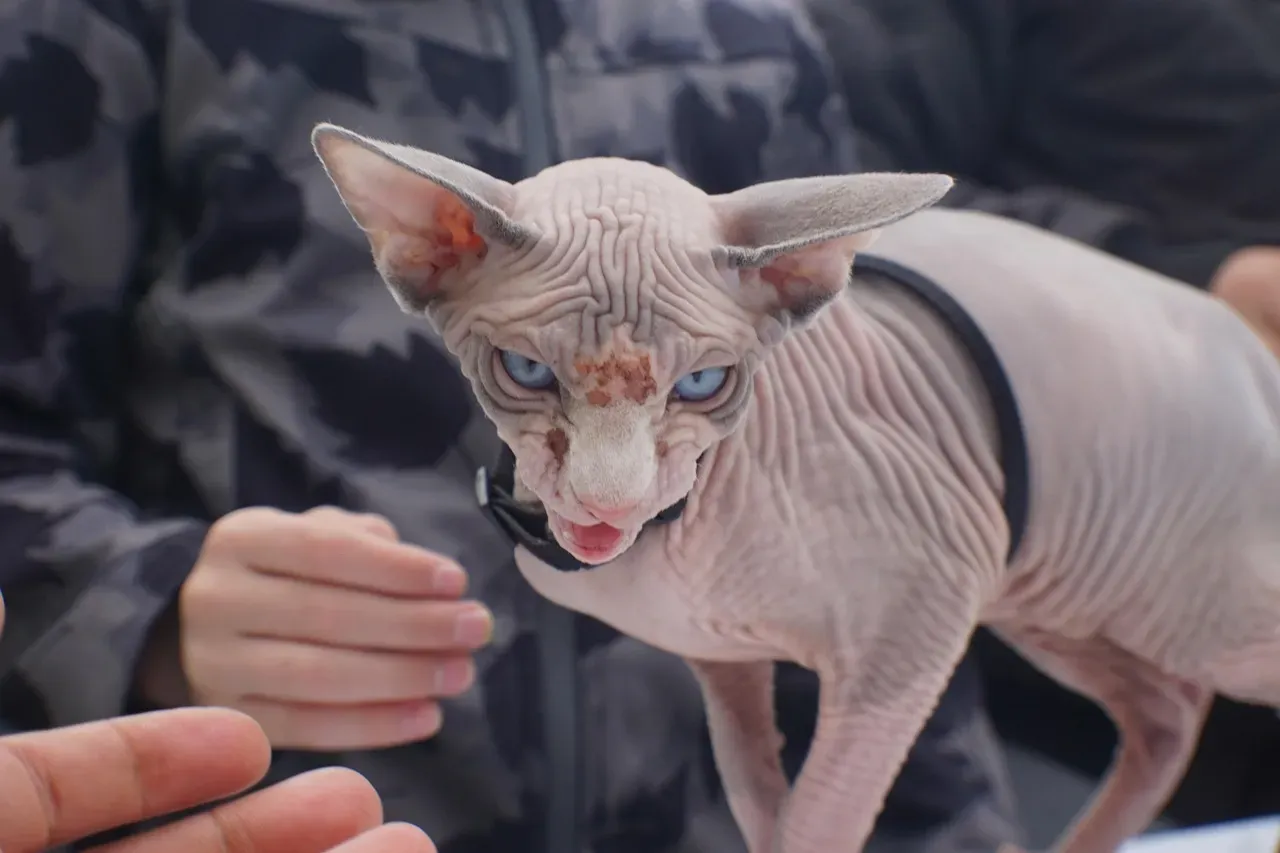
Did you know sphynx cats get greasy, you trade fur all over your clothes and furniture for brown grease spots that can't be lint rolled away. Those oil secretions we mentioned earlier don't just require bathing. They leave traces everywhere your cat goes.
Your light-colored couch, your bed linens, your favorite reading chair. Anywhere your Sphynx lounges will eventually show signs of their presence in the form of oily residue. If you're particular about keeping your home pristine or you have expensive furniture you want to protect, this reality can be frustrating. Regular cleaning becomes part of your routine whether you like it or not.
Consider the Ragdoll Instead

Named after their habit of going limp as a ragdoll when picked up, this breed is every bit as docile as that trait would suggest, and they are affectionate and relaxed to the max, being as child-friendly as you can get. They offer that companion feel without the intense maintenance.
Known for their strong attachment to humans, Ragdolls thrive on interaction and are less independent than many other breeds, making them perfect for those looking for a cat that enjoys cuddling and being close. These gentle giants give you the affection of a Sphynx without the bathing schedule or temperature concerns. Their long, silky coat does need brushing, but it's a manageable routine that most owners find relaxing rather than stressful.
The American Shorthair Might Be Your Match
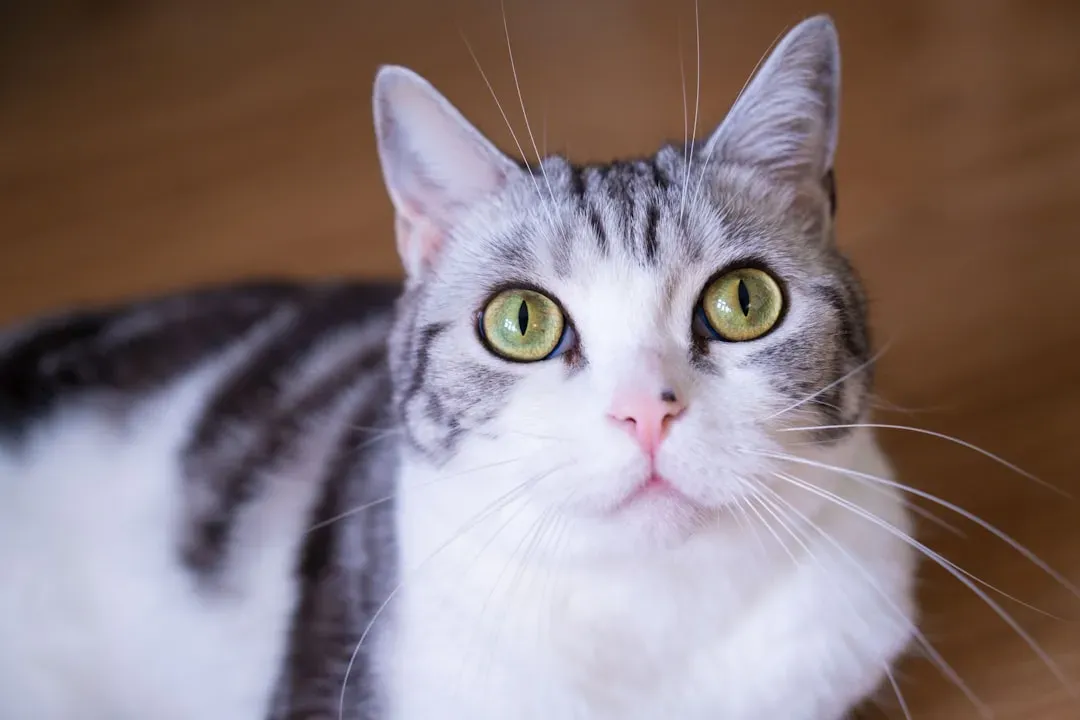
For busier professionals, the American shorthair is a terrific fit, you won't have to babysit your kitty constantly, and regular cuddles even just a couple times a day will satisfy American shorthairs quite nicely. This is the low-maintenance companion many people mistakenly think the Sphynx will be.
The American Shorthair is a great choice for first-time cat owners thanks to the breed's easy-going personality and affectionate nature, it is an adaptable cat that fits in seamlessly to almost any household whether individuals or families with kids, they are moderately active cats that love to play almost as much as they love to cuddle, and the short, soft fur needs only weekly brushing to stay in tip-top shape. You get a friendly, easygoing cat without the drama or demanding care routine.
Maine Coons Are Gentle Giants
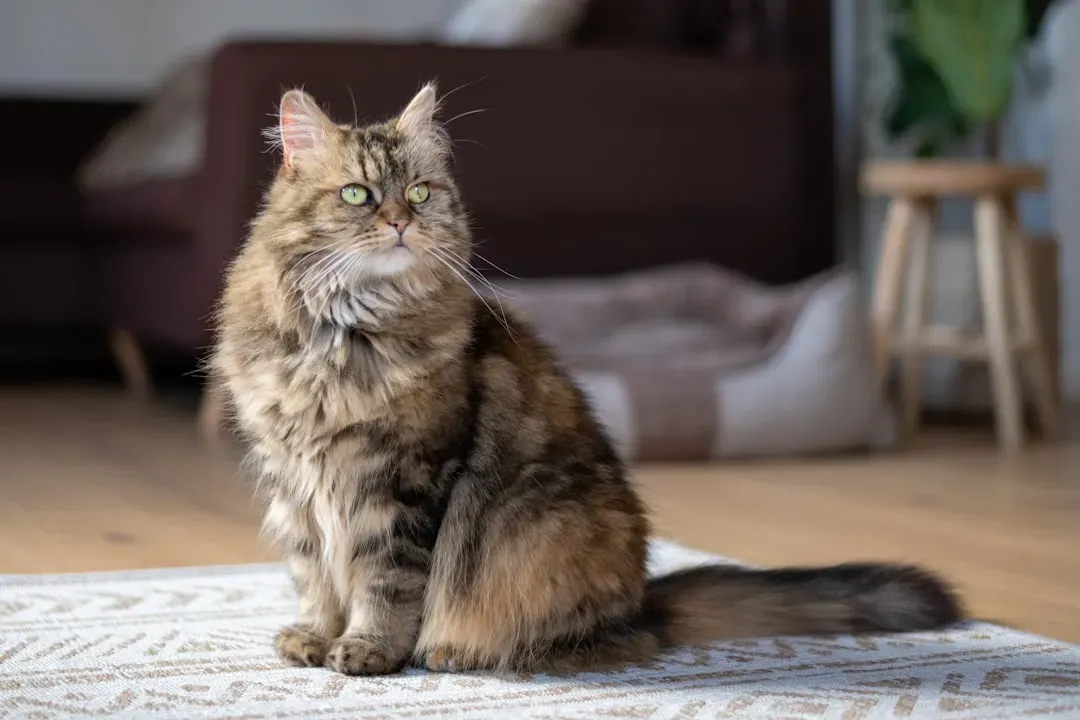
The Maine Coon is one of the largest domestic cat breeds, but don't let their size fool you, they are referred to as gentle giants because of their kind and loving nature, and Maine Coons are generally calm, sociable, and good with children and other pets, making them a great choice for families or first-time owners. Their impressive size might intimidate you at first, but their temperament is remarkably gentle.
Known for being a beastie of a bestie, the Maine coon is by far the biggest cat breed, but this cat tends to be a sweetheart through and through, and to keep your Maine coon happy and out of mischief, put a premium on socializing, as some Maine coons will even accept a leash, allowing you to take a stroll around the block together. They're social without being needy, affectionate without being clingy. Their thick coat requires regular brushing, but it's nothing compared to weekly baths.
Scottish Folds Offer Calm Companionship
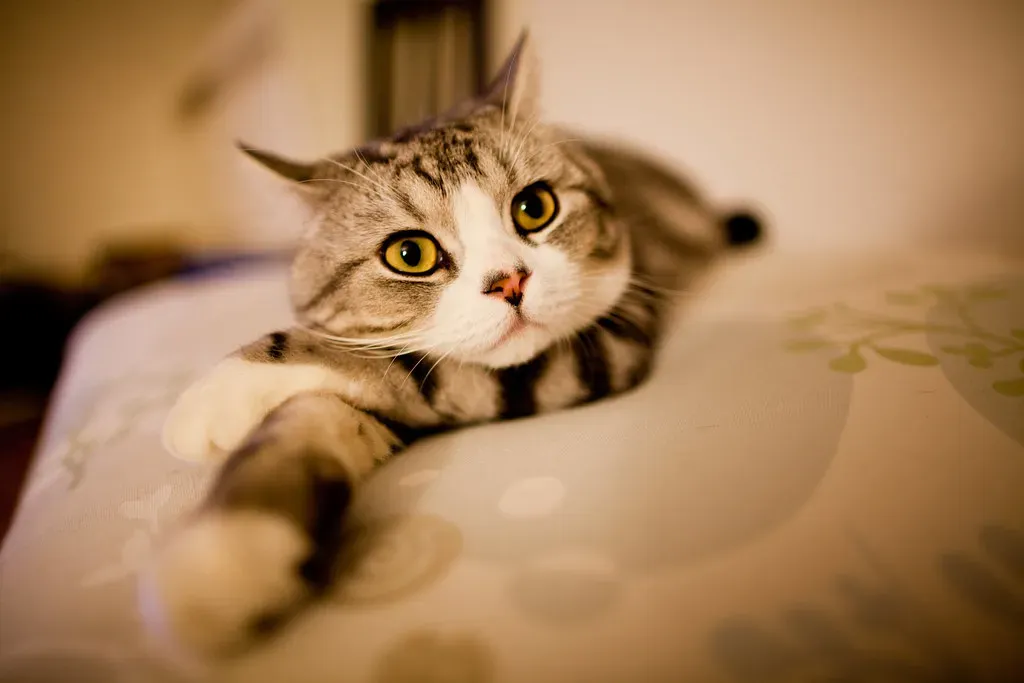
The Scottish Fold is a unique and endearing breed that is great for first-time owners seeking a calm and gentle cat, and Scottish Folds are known for their easygoing, friendly nature, are relatively low-maintenance, and tend to form deep bonds with their human companions, often becoming quite attached to their families. Their distinctive folded ears give them an adorable appearance that turns heads.
Scottish Folds are suited to quieter households, they enjoy lounging around and can adapt well to both apartment living and larger homes. If you want a cat that's content to simply be near you without constant demands for attention, a Scottish Fold might be perfect. They're affectionate without being overwhelming, making them ideal for people who want feline companionship without the high-maintenance lifestyle.
Siamese Cats Provide Interactive Companionship
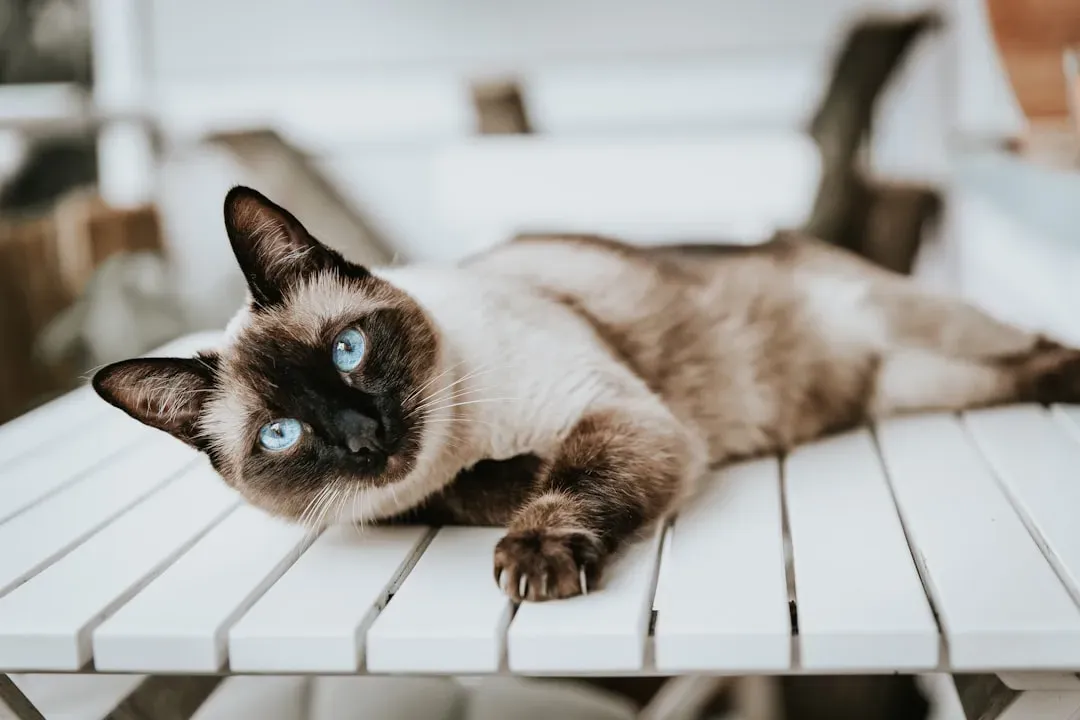
Siamese cats are an excellent choice for first-time owners, thanks to their remarkable intelligence and highly social nature, and known for their affectionate personalities, Siamese cats thrive on human interaction and love being the center of attention. Like the Sphynx, they're vocal and social, but they come without the extensive grooming needs.
The Siamese is a vocal and affectionate breed that loves attention, known for their striking blue eyes and sleek coats, Siamese cats thrive on interaction and enjoy being the center of attention, and while they are social and require a lot of engagement, they are also highly intelligent and can be trained quickly. If you love the idea of a chatty, interactive cat that wants to be involved in everything you do, a Siamese offers that experience with far less maintenance. Their short coat rarely needs attention, and they're generally healthy cats.
Conclusion: Choose Wisely for Your Lifestyle
The Sphynx cat is undeniably fascinating. Their unique appearance and dog-like personalities attract people who want something different from the typical feline. I think they're absolutely wonderful companions for the right person. That right person, though, needs to be prepared for intensive care, higher expenses, and a cat that demands almost constant attention.
Before you commit to a Sphynx, honestly assess your lifestyle. Do you work long hours away from home? Are you fastidious about keeping your furniture clean? Is your budget tight when it comes to veterinary care? If you answered yes to any of these questions, one of the alternative breeds we discussed might suit you better.
Remember, every cat deserves an owner who can meet their needs without resentment or struggle. There's no shame in recognizing that a high-maintenance breed isn't the right fit for your life. What do you think makes the perfect cat companion for your particular situation?