12 Cat Breeds Vets Say Live the Longest
Have you ever wondered why some feline companions seem to stick around for what feels like forever while others barely make it past their first decade? There's something deeply comforting about the thought of sharing decades with your purring friend, watching them grow from mischievous kittens into wise, slightly grumpy seniors.
Veterinarians have noticed patterns when it comes to longevity in cats. Some breeds simply seem to have won the genetic lottery. While proper care and nutrition play a massive role, certain cats are naturally equipped to live well into their twenties. The difference between a cat that lives twelve years and one that makes it to twenty is often more than just luck.
Burmese Cats: The Record Breakers
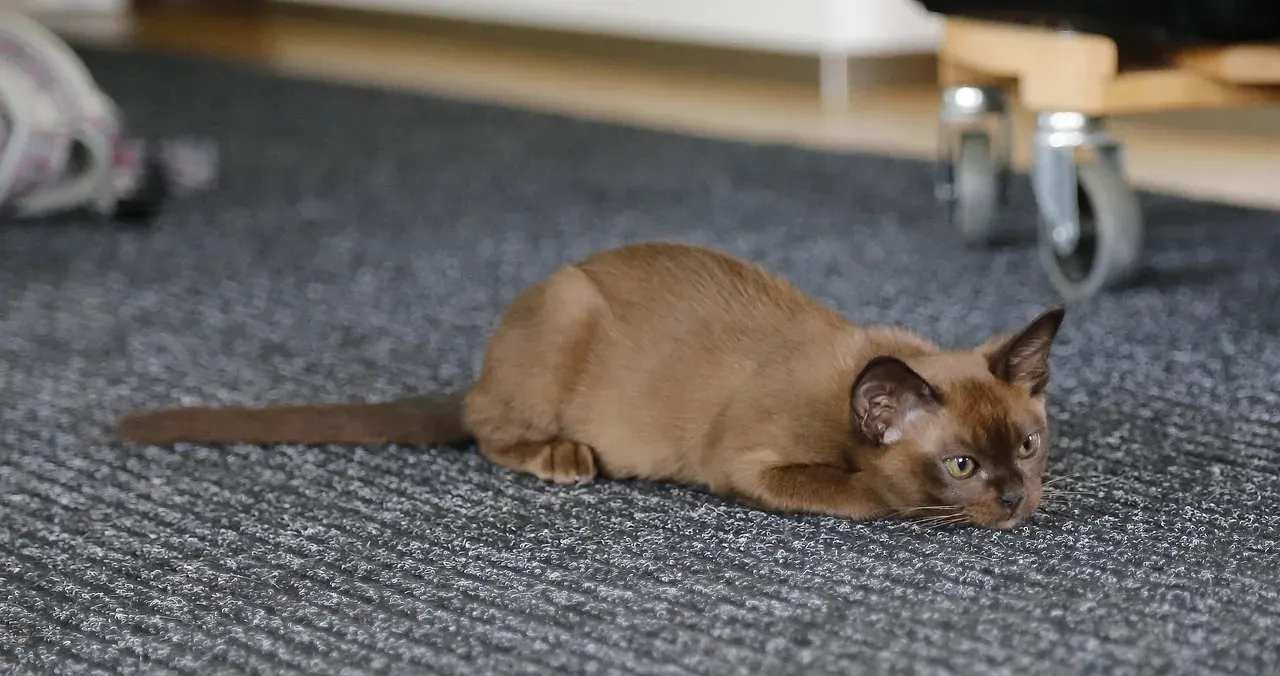
The Burmese breed holds an impressive distinction, with one individual reaching 35 years old, though most live between 18 to 25 years. These medium-sized beauties with gorgeous short coats aren't just long-lived, they're genuinely delightful companions. Burmese cats are energetic, playful, and people-friendly, adoring children and making ideal family pets.
What makes them so resilient? Their robust constitution and relatively few hereditary health concerns give them an edge. Sure, they might develop glaucoma or other occasional issues, but compared to many purebreds, they're remarkably healthy. Think of them as the marathon runners of the cat world.
These social butterflies need interaction and mental stimulation to thrive. They'll follow you around the house, demand attention, and basically act like they own the place. Their personality probably contributes to their longevity - staying engaged with life keeps them young at heart.
Siamese Cats: The Chatty Survivors

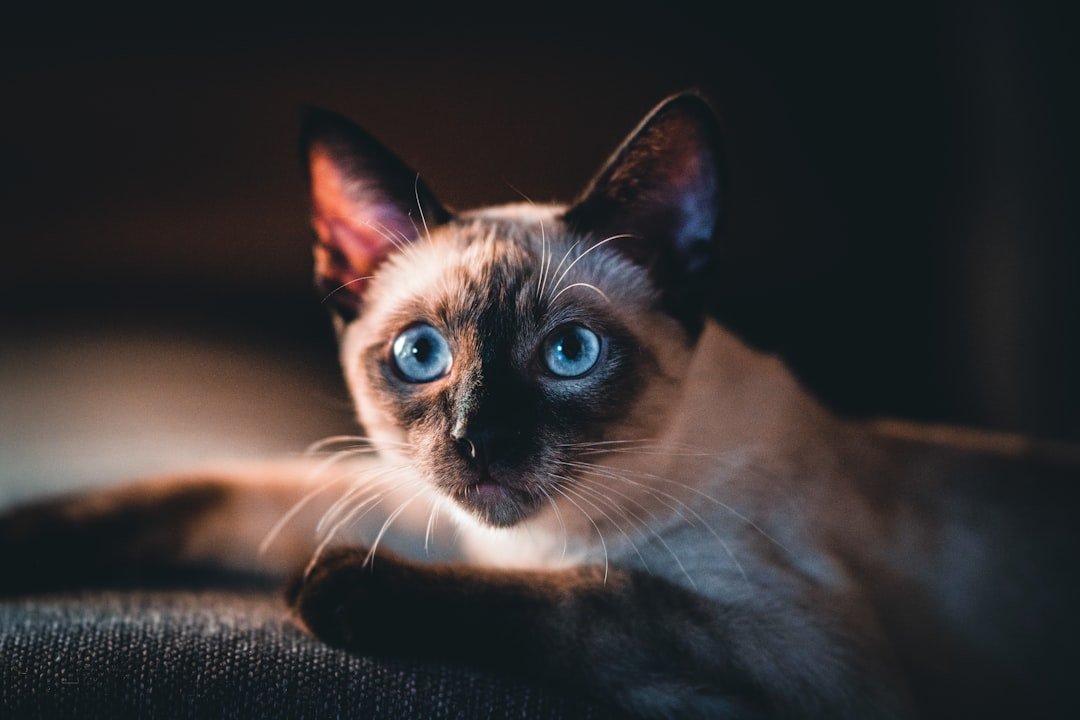
Siamese cats bond closely to their pet parents and can offer up to 20 years of companionship. Originating from Thailand, these striking blue-eyed felines have been charming humans for centuries. Siamese cats are known for their inquisitive and talkative nature, requiring enriching activities like ample playtime.
Here's the thing about Siamese cats: they're not low-maintenance wallflowers. They'll talk your ear off and expect you to respond. This vocal nature isn't just entertaining, it's actually a sign of their intelligence and engagement with their environment. They're prone to some health issues like dental problems and respiratory concerns, yet they consistently outlive many other breeds.
Their longevity likely stems from their active lifestyle and strong bonds with humans. A Siamese that's bored is an unhealthy Siamese. Keep them stimulated, and you might just have a companion well into your own twilight years.
Balinese Cats: Siamese With Extra Fluff
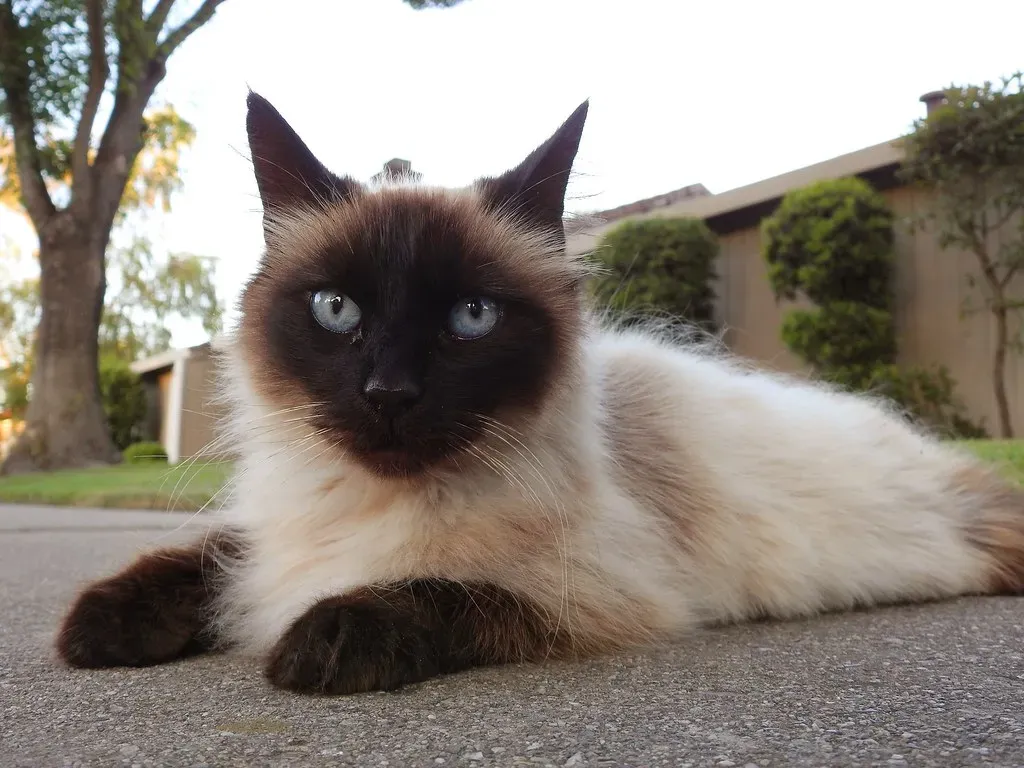
The Balinese is a variety of longhaired Siamese cat that's smart, social, and can live into their 20s, though the breed is prone to progressive retinal atrophy and hepatic amyloidosis. Essentially, they're Siamese cats who decided to grow out their hair. They share the same talkative, affectionate personality but with added elegance.
Balinese cats are described as outgoing, affectionate, active, intelligent, agile, and chatty, with healthy individuals reaching 18 to 22 years old. That's genuinely impressive when you consider the average cat lifespan hovers around 12 to 15 years. These cats demand attention and interaction, making them perfect for people who work from home or have active households.
Their health concerns are manageable with proper veterinary care. Early detection of eye issues and liver problems significantly improves outcomes. The key is staying vigilant without becoming paranoid.
Russian Blue Cats: The Quiet Intellectuals
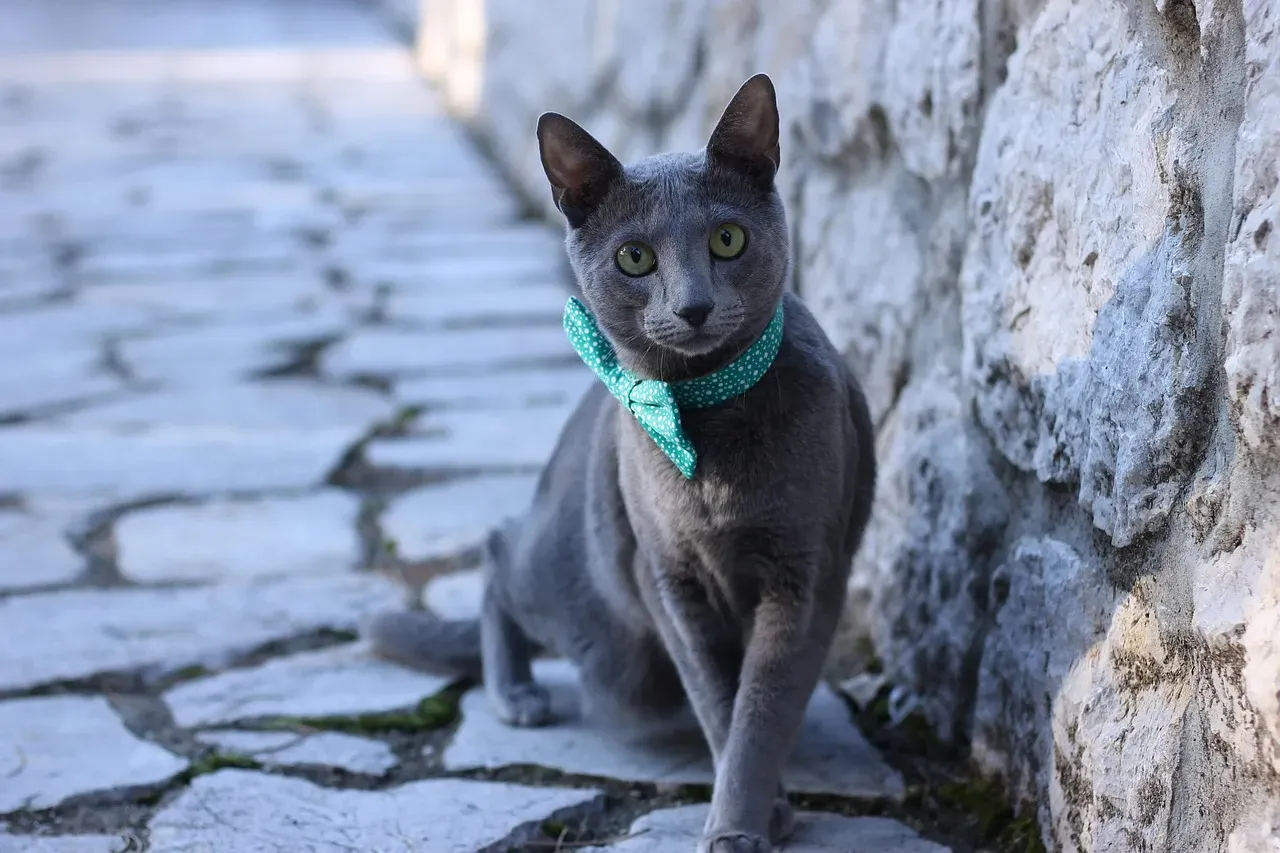
Russian Blues are reserved yet affectionate with a lifespan of 15 to 20 years, though they can experience bladder stones and eye problems. These stunning steel-gray cats with vivid green eyes are the introverts of the feline world. They're not standoffish, just selective about who gets their affection.
Russian Blue cats are gentle and easy to train, a bit shy around strangers but affectionate with their owners, enjoying typical indoor life and living up to 20 years on average. Their calm demeanor probably contributes to their longevity. Less stress equals better health, a principle that applies to cats as much as humans.
They're also remarkably low-maintenance compared to some breeds. Regular vet visits and decent nutrition are usually sufficient. Their biggest risk? Obesity. These cats can get lazy and have hearty appetites, so portion control matters.
Savannah Cats: The Wild Ones
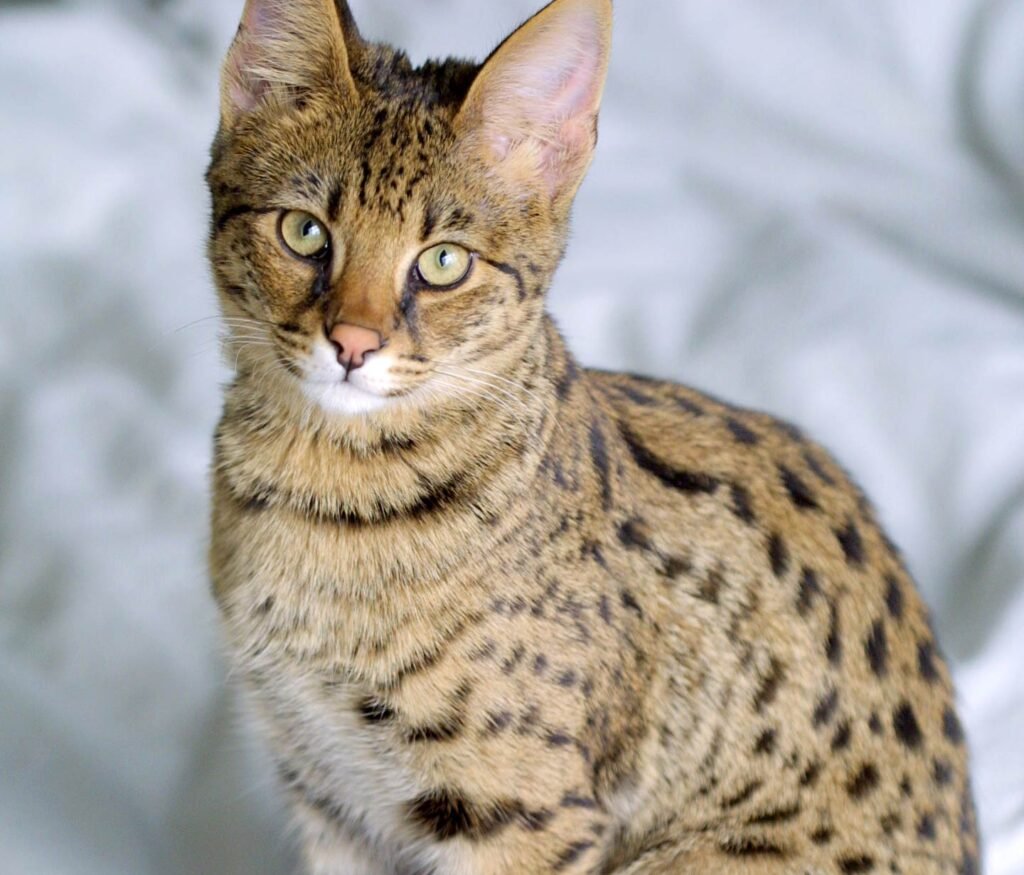
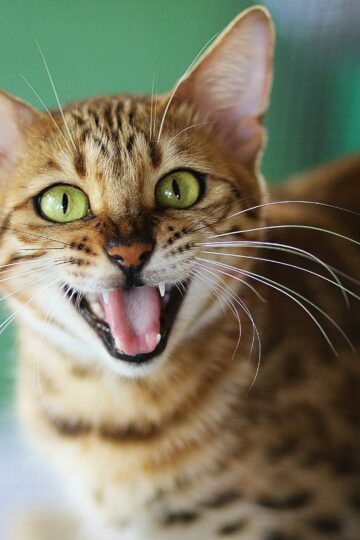
The Savannah cat descended from the African Serval has a tall, lanky physique, spotted coat, large ears, and a long lifespan reaching 20 years or more. These exotic-looking cats aren't for everyone. Savannah cats are recommended only for experienced owners, can be friendly with people despite not being fully domesticated, and tend to have unpredictable, active, and bold temperaments.
Here's the deal: Savannah cats are part wild cat, part domestic, which means they're unpredictable. They need tons of space, stimulation, and someone who understands feline behavior. Yet when properly cared for, they can live remarkably long lives. Their hybrid vigor likely contributes to their longevity.
Before you rush out to get one, check your local laws. The breed isn't legal to own in all areas, and how far removed a cat is from their Serval ancestor significantly impacts their care needs and personality. Think carefully about whether you're truly equipped for this commitment.
Persian Cats: The Fluffy Aristocrats
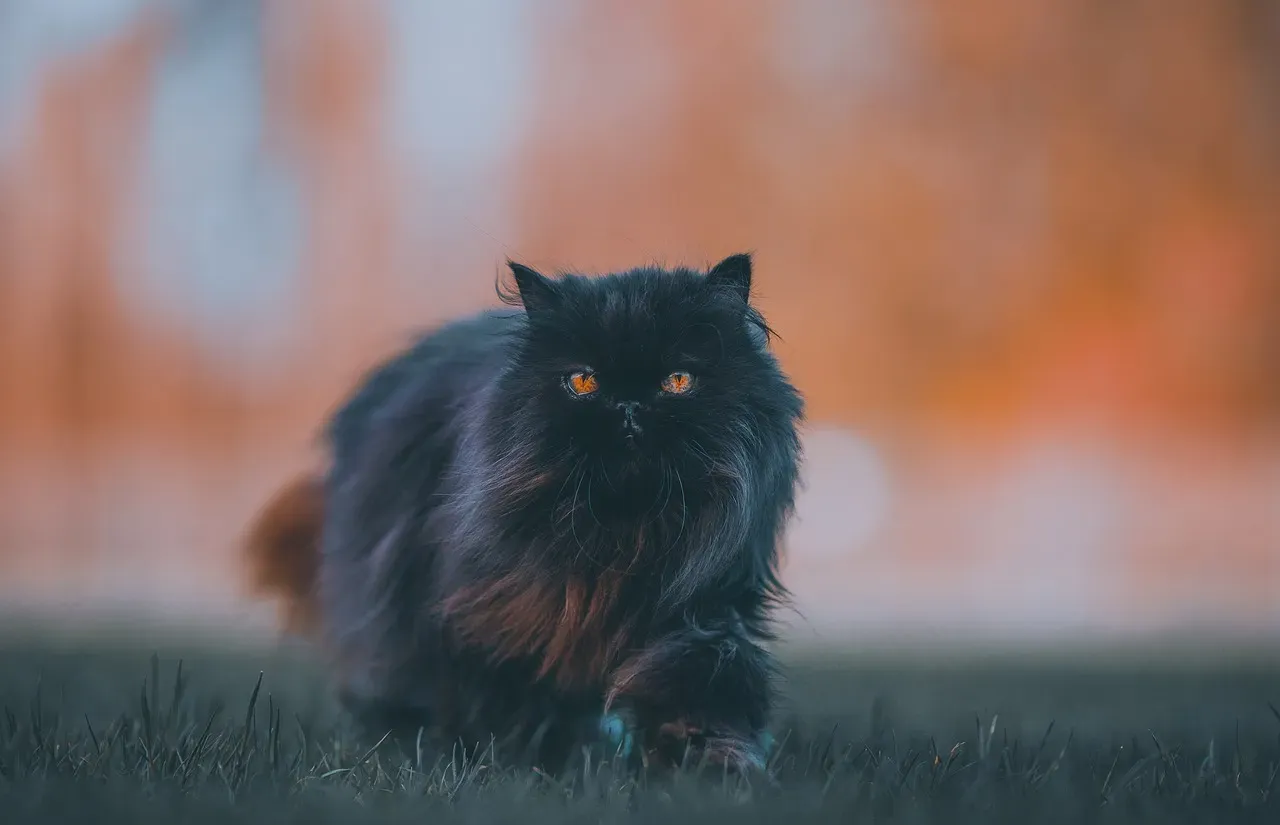
Persian cats have an average lifespan of about 15 to 20 years, and though they may look aloof and standoffish, these fluffy felines are friendly and love to cuddle. Their luxurious coats and flat faces make them instantly recognizable. They're the ultimate lap cats, content to lounge around looking beautiful.
Their grooming needs are intense. You have to brush and comb their fur daily to prevent matting, and though their long fur looks lovely, it can make your house messy if the Persian cat tends to shed excessively. If you're not prepared for daily maintenance, a Persian probably isn't your best choice.
Despite their health vulnerabilities - respiratory issues, eye problems, and digestive concerns - they consistently make the longevity list. Dedicated owners who stay on top of veterinary care find that Persians reward their efforts with years of companionship.
American Shorthair Cats: The All-Americans
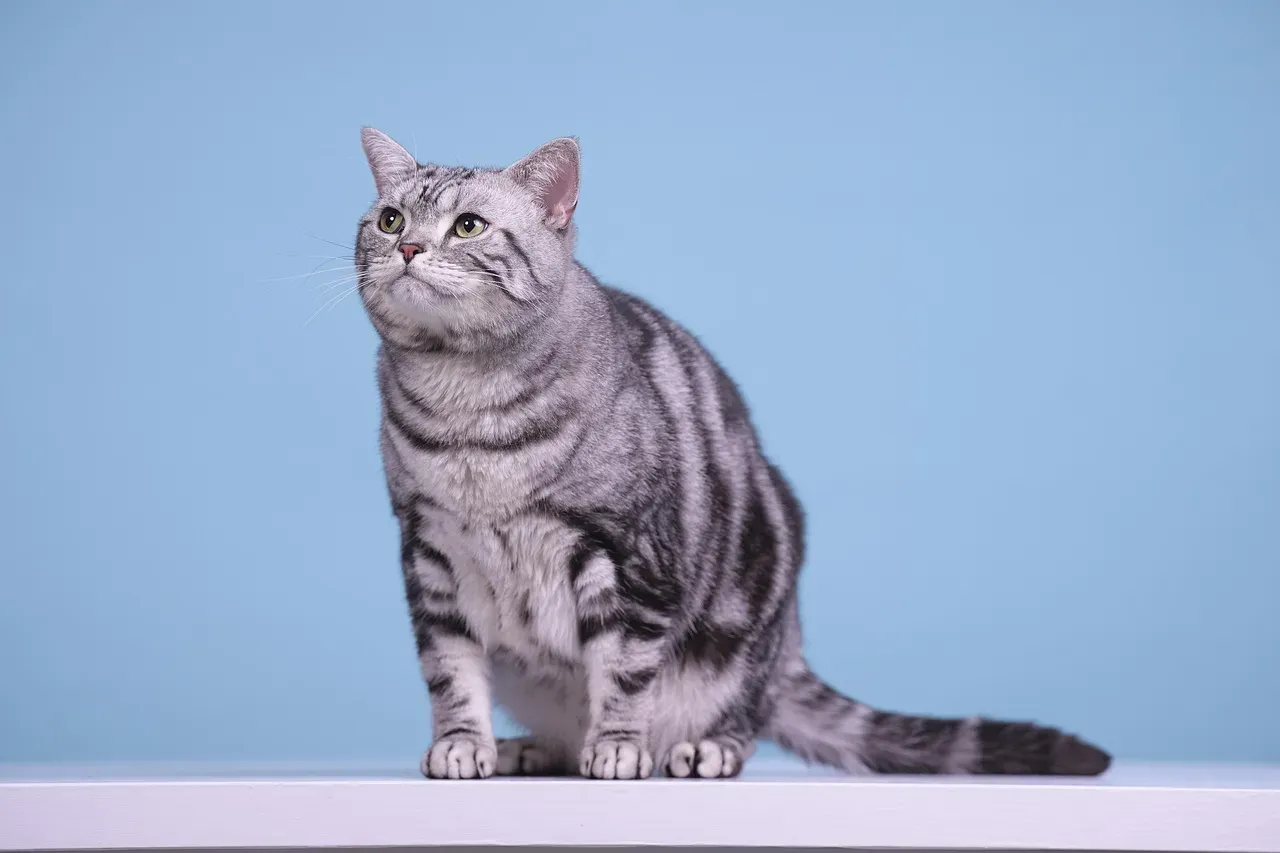
The American Shorthair is popular for families with children because of its playful and easygoing temperament, usually good at entertaining themselves, and they don't demand attention though they appreciate interactive play and socialization. The breed has an average lifespan of 15 to 20 years.
These natural cat breeds developed without intentional human breeding, which gives them genetic diversity and robustness. They're not fussy about food, don't require special grooming, and generally just get on with being cats. Their laid-back nature probably reduces stress-related health issues.
Most are generally healthy but can be prone to heart disease. Regular checkups can catch cardiac issues early. Otherwise, these are remarkably uncomplicated cats that integrate seamlessly into most households.
Ragdoll Cats: The Gentle Giants
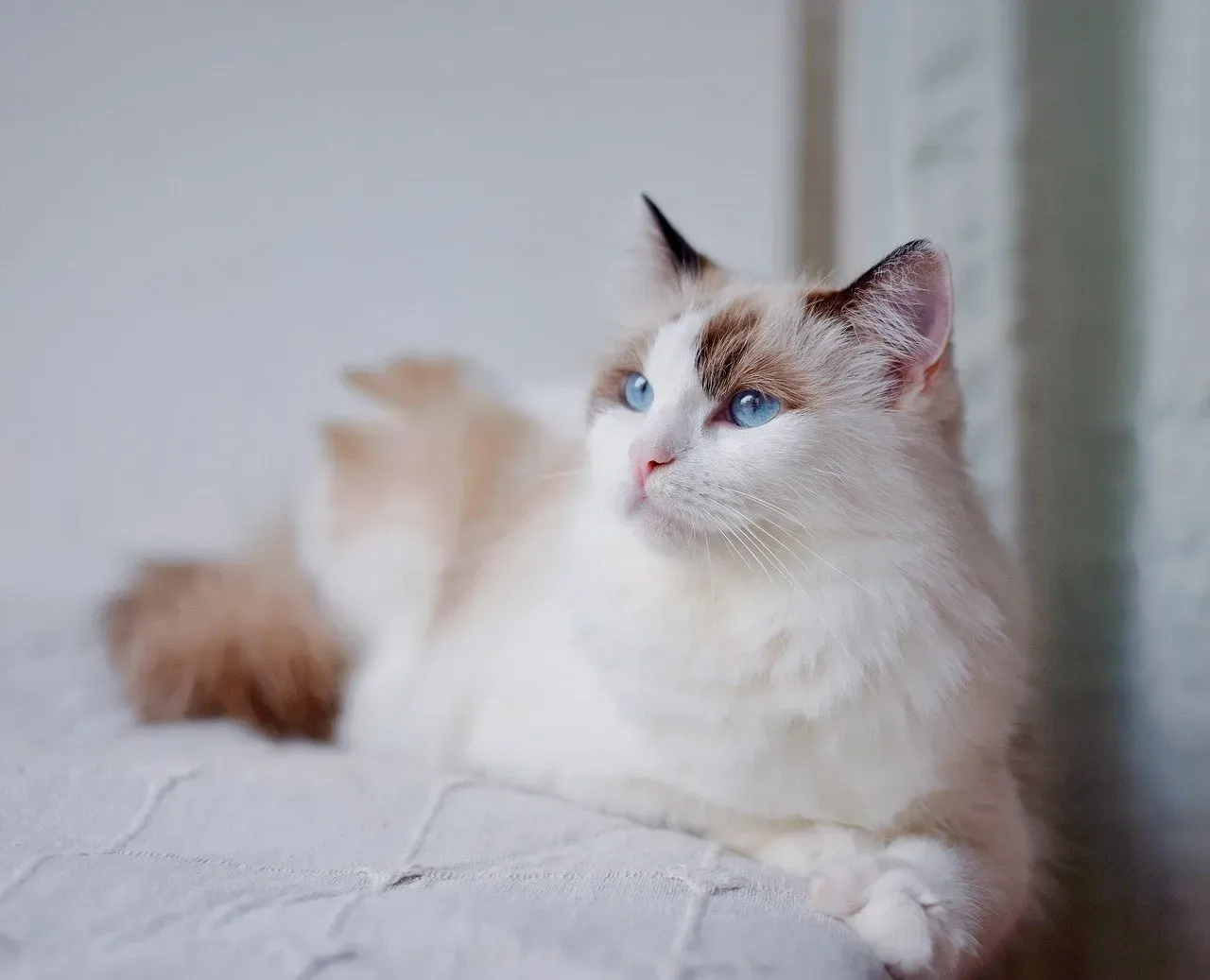
Ragdoll cats are famous for going limp when picked up, hence their peculiar name. The Ragdoll is calm and can go limp when held like a ragdoll toy, and despite their gentle appearance, they're sturdy and can live 15 to 25 years. These large, fluffy cats are incredibly docile and affectionate.
They're the kind of cats that greet you at the door, follow you from room to room, and generally act more like dogs than typical felines. Their trusting nature means they're exclusively indoor cats - they lack the street smarts for outdoor survival. Keeping them inside undoubtedly contributes to their impressive lifespans.
Ragdolls can suffer from hypertrophic cardiomyopathy and bladder stones, so regular veterinary monitoring is essential. Their size means they need quality nutrition to maintain healthy weight without becoming obese. Properly cared for, these gentle giants become treasured family members for decades.
Bombay Cats: The Miniature Panthers
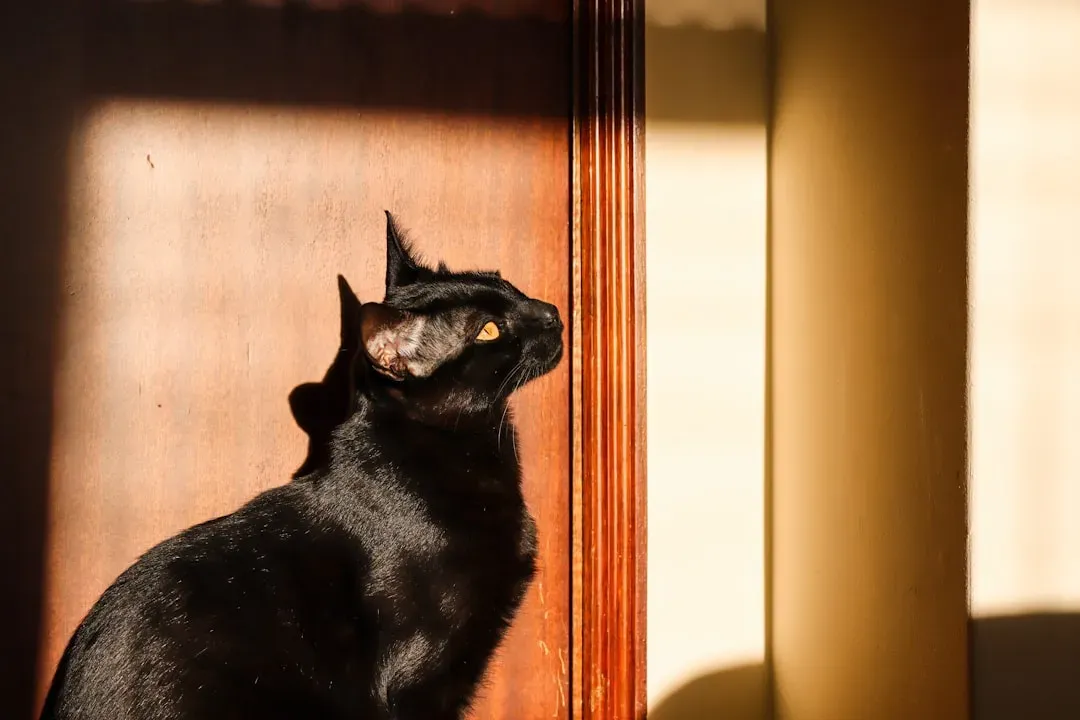
Bombay cats have a very beautiful jet-black coat giving them a mysterious look, love to interact with people including children or strangers, and are overall intelligent, playful, and attention-seeking. Bombay cats can live up to 20 years at best.
These sleek black beauties with gold eyes are relatively rare. Bombay cats can become good family companions without a doubt, but unfortunately they're quite rare and could be difficult to find one to adopt. If you do locate one, you're getting a cat that thrives on human interaction and attention.
Their longevity stems partly from their relatively clean genetic slate. Without major hereditary health issues plaguing the breed, they're free to live out their full potential lifespan. They're social, energetic, and demand to be the center of attention - personality traits that keep them engaged and active throughout their lives.
Sphynx Cats: The Hairless Wonders
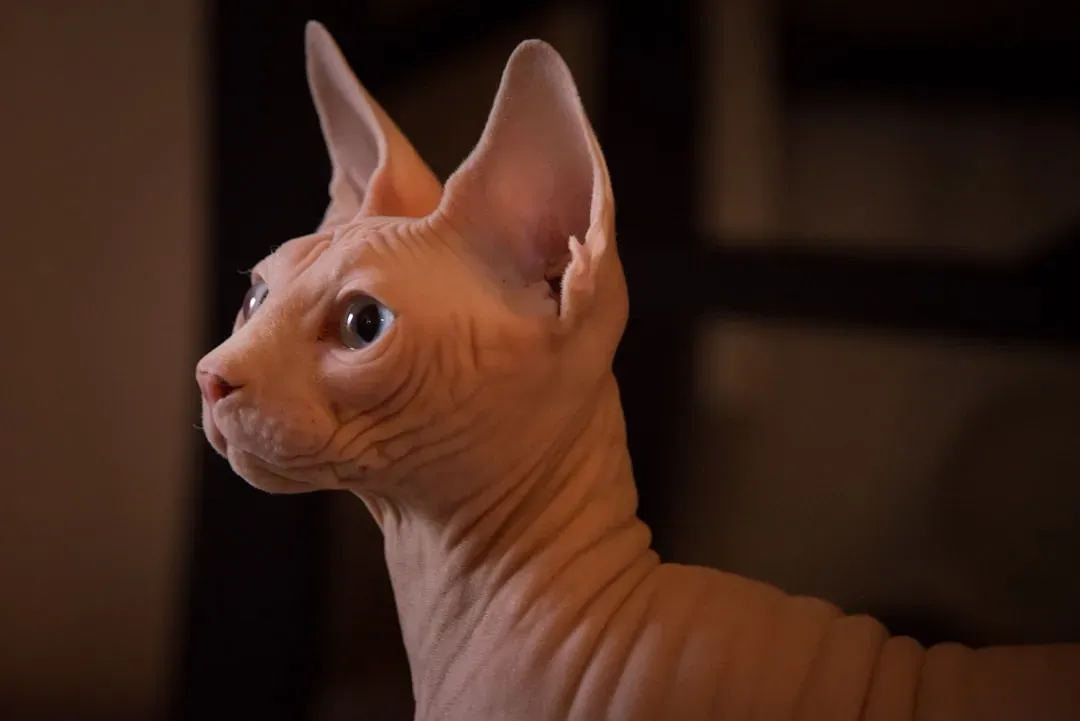
Despite having a slight alien appearance and lack of hair, Sphynx cats are quite popular and have an average lifespan of 15 to 20 years. Their unique appearance isn't everyone's cup of tea, but Sphynx enthusiasts are devoted to these warmth-seeking, affectionate cats.
Their hairlessness requires special care. They need protection from cold and sun exposure, regular bathing to remove oils from their skin, and often special diets. Yet this hands-on care probably contributes to their longevity - owners stay intimately aware of any health changes.
Sphynx cats are incredibly social and crave constant companionship. They're not cats for people who want independent pets. Their need for warmth means they'll burrow under blankets with you, sit on your lap whenever possible, and basically function as living hot water bottles. This close bond with humans likely contributes to their wellbeing and extended lifespans.
Manx Cats: The Tailless Marvels
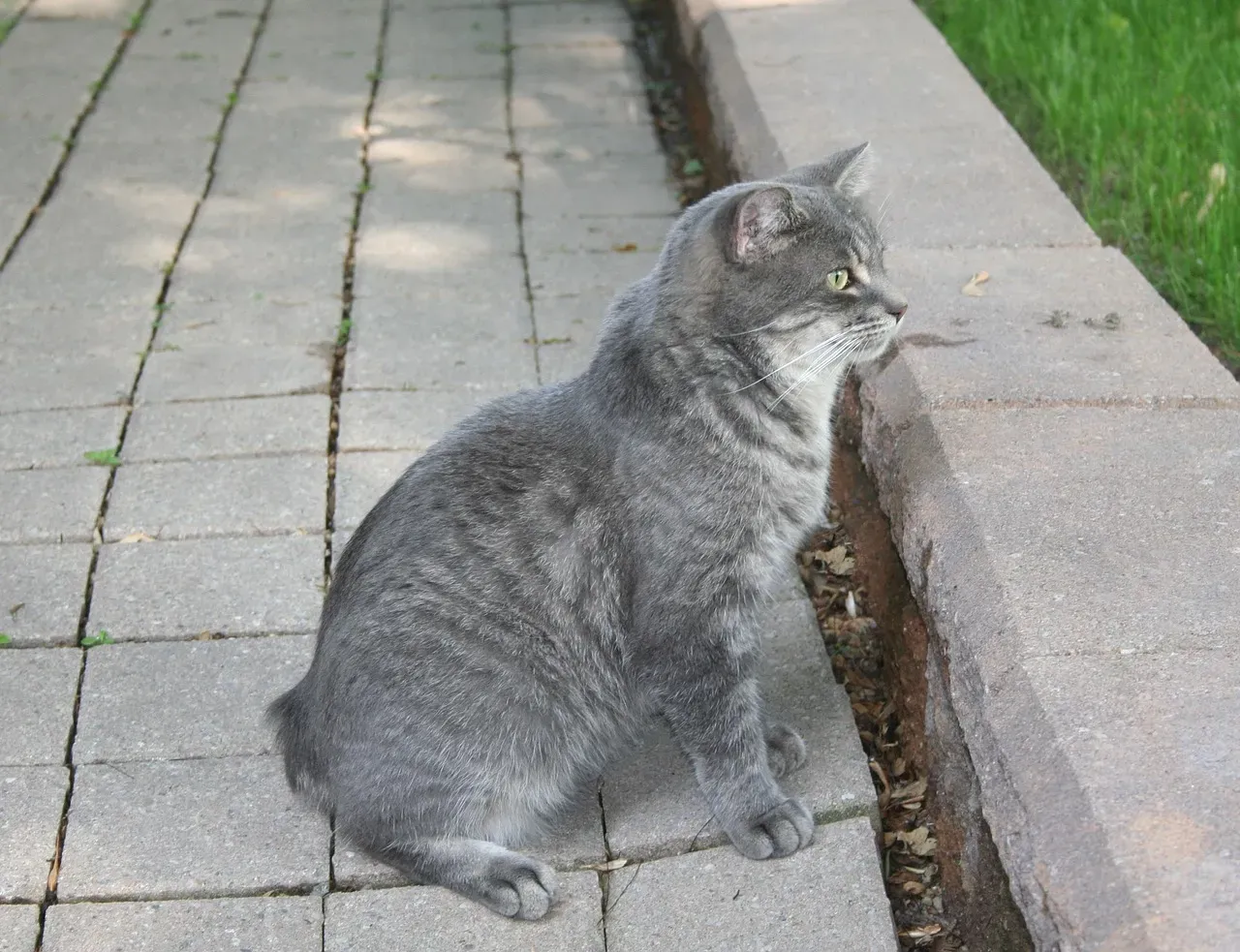
Manx cats are one of the handful of tailless cat breeds known to , are friendly and bond closely with their people and other pets, and though larger than average house cats and some prone to Manx Syndrome, typical individuals are loveable, round, healthy kitties that can live upwards of 20+ years.
Their taillessness results from a naturally occurring genetic mutation. Responsible breeding is crucial because that same gene can cause skeletal issues if not carefully managed. Healthy Manx cats from reputable breeders tend to avoid these problems and enjoy remarkably long lives.
They're adaptable, affectionate, and get along well with other pets. Their moderate energy levels and easy-going temperaments make them suitable for various household types. They're neither too demanding nor too aloof - just right for many cat lovers seeking a long-term companion.
Egyptian Mau: The Ancient Athletes

The Egyptian Mau is a beautiful cat with a characteristically spotted coat, generally comfortable with people, making themselves an integral part of the family and expecting to be treated as such, with an average lifespan of 12 to 15 years. While their lifespan might seem shorter than others on this list, they're remarkably healthy cats.
These spotted beauties are natural athletes, capable of incredible speed and agility. They're one of the few naturally spotted domestic cat breeds, and they know they're special. Their athletic nature keeps them fit and healthy throughout their lives, provided they get adequate exercise and stimulation.
They're social but on their own terms, forming deep bonds with family members while remaining slightly reserved with strangers. This balanced temperament probably reduces stress and contributes to their overall health. They're not prone to major genetic health issues, making them relatively straightforward to care for.
The Role of Sound in Cat Wellbeing

Here's something fascinating that doesn't get discussed enough: auditory stimuli significantly impact cat wellbeing and potentially longevity. Cats respond more positively to music made specifically for them, and tranquil behaviors can be achieved in veterinary clinical settings with the introduction of cat-specific music.
The potential benefits of music in animal wellbeing include environmental enrichment, stress reduction and behavioral modulation, and music can be beneficial in masking potentially sudden artificial and stressful noises as well as breaking silence in a monotonous environment. Think about how noise affects your own stress levels. Cats experience similar reactions, but with their superior hearing, they're even more sensitive.
Cat-specific music contains frequencies similar to cat vocal ranges and is composed to create an affiliative effect using pulses related to purring and suckling. Studies show these sounds genuinely reduce stress in clinical settings. Imagine how incorporating calming auditory environments at home might contribute to longer, healthier lives. Animals have nervous systems that respond to auditory stimuli, and certain sound frequencies and patterns can influence heart rate, cortisol levels, and overall stress responses, with species-specific sounds being particularly beneficial.
Reducing stress through environmental modifications like appropriate soundscapes represents one simple way to potentially extend your cat's healthy years. Combined with proper nutrition, veterinary care, and mental stimulation, attention to their auditory environment creates a comprehensive wellness approach that benefits cats regardless of breed.
Conclusion

The breeds we've explored share common threads: robust genetics, relatively few hereditary health issues, and temperaments that keep them engaged with life. Whether it's the chatty Siamese demanding interaction or the laid-back Persian content to observe from their perch, these long-lived cats teach us something important about wellbeing.
Longevity isn't just about genetics. Indoor living, quality nutrition, regular veterinary care, mental stimulation, and yes, even appropriate soundscapes all contribute to helping your feline friend stick around for decades. The cats that live longest often have owners who stay attentive without becoming obsessive, providing structure without restricting natural behaviors. Which of these remarkable breeds surprised you most with their impressive lifespans?