Why The Ragdoll Makes a Perfect Companion for Seniors
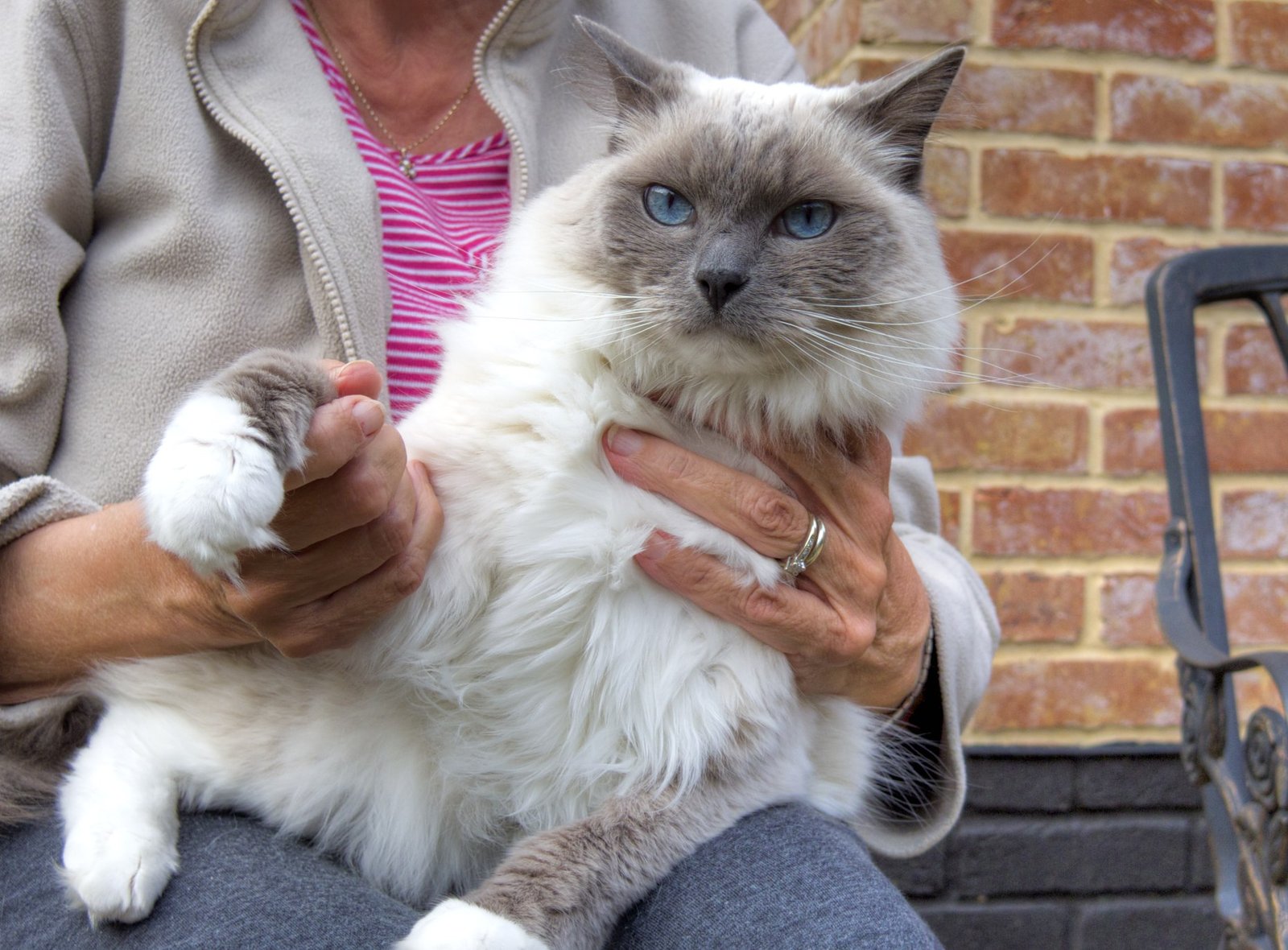
You've probably heard people say cats are aloof and independent. That couldn't be further from the truth when it comes to Ragdolls. This breed seems to defy every stereotype about felines. They're affectionate without being overbearing, calm yet playful, and surprisingly easy to live with despite their luxurious coats.
For folks who've reached their golden years, finding the right companion animal can feel like a meaningful decision. You want something that fits your lifestyle without demanding more energy than you have to give. I think that's where Ragdolls truly shine. Let me walk you through why this particular breed has become such a beloved choice for older adults seeking a furry friend.
The Gentle Giant With a Heart of Gold
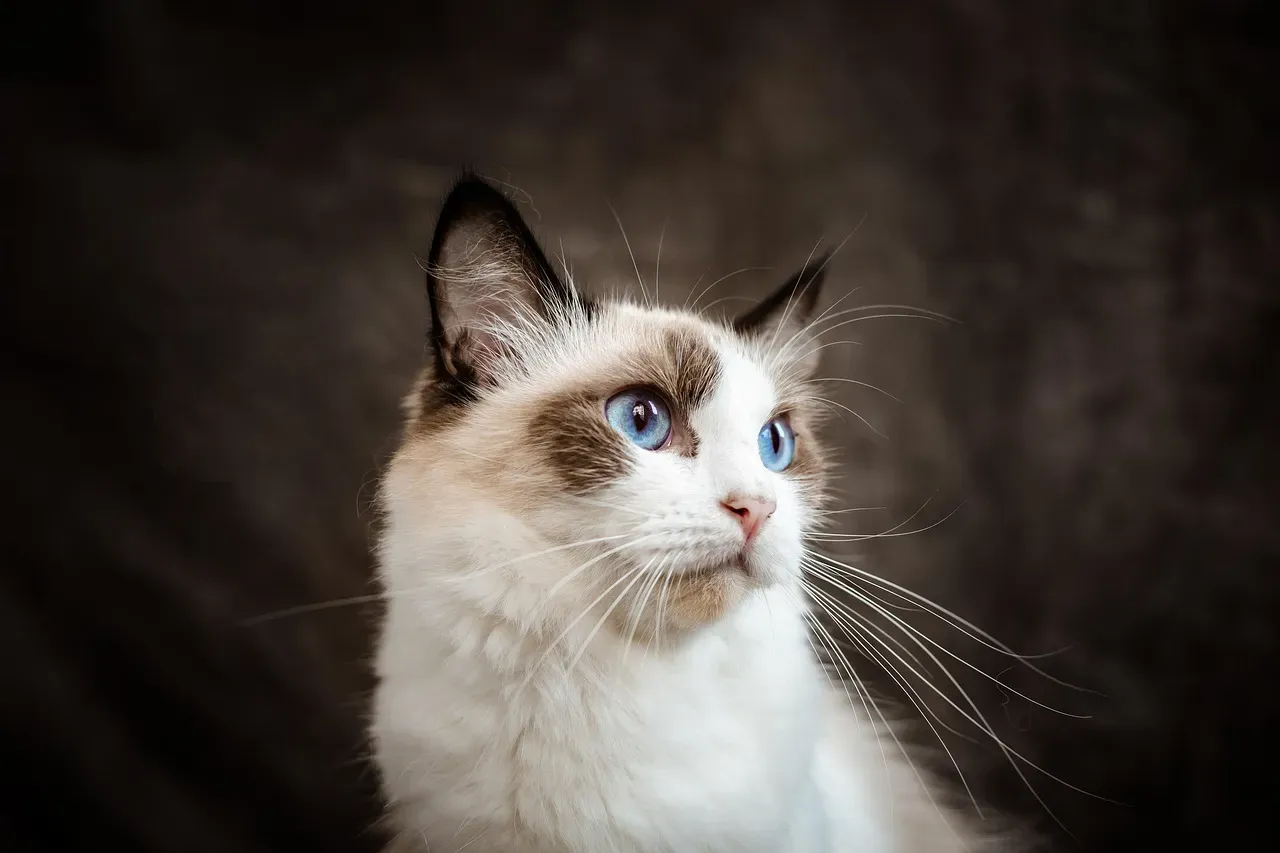
Ragdolls are described as affectionate, intelligent, relaxed in temperament, gentle, and an easy-to-handle lap cat. What sets them apart is their remarkably even temperament. They get along well with all family members, and changes in routine generally do not upset them.
This adaptability matters more than you might think. As we age, our routines can shift unexpectedly due to health appointments, visits from family, or simply changing needs. Many cats become stressed by disruptions, but Ragdolls typically take these in stride. Changes in routine generally do not upset her, making her an ideal companion for those in apartments.
That Famous Floppy Personality
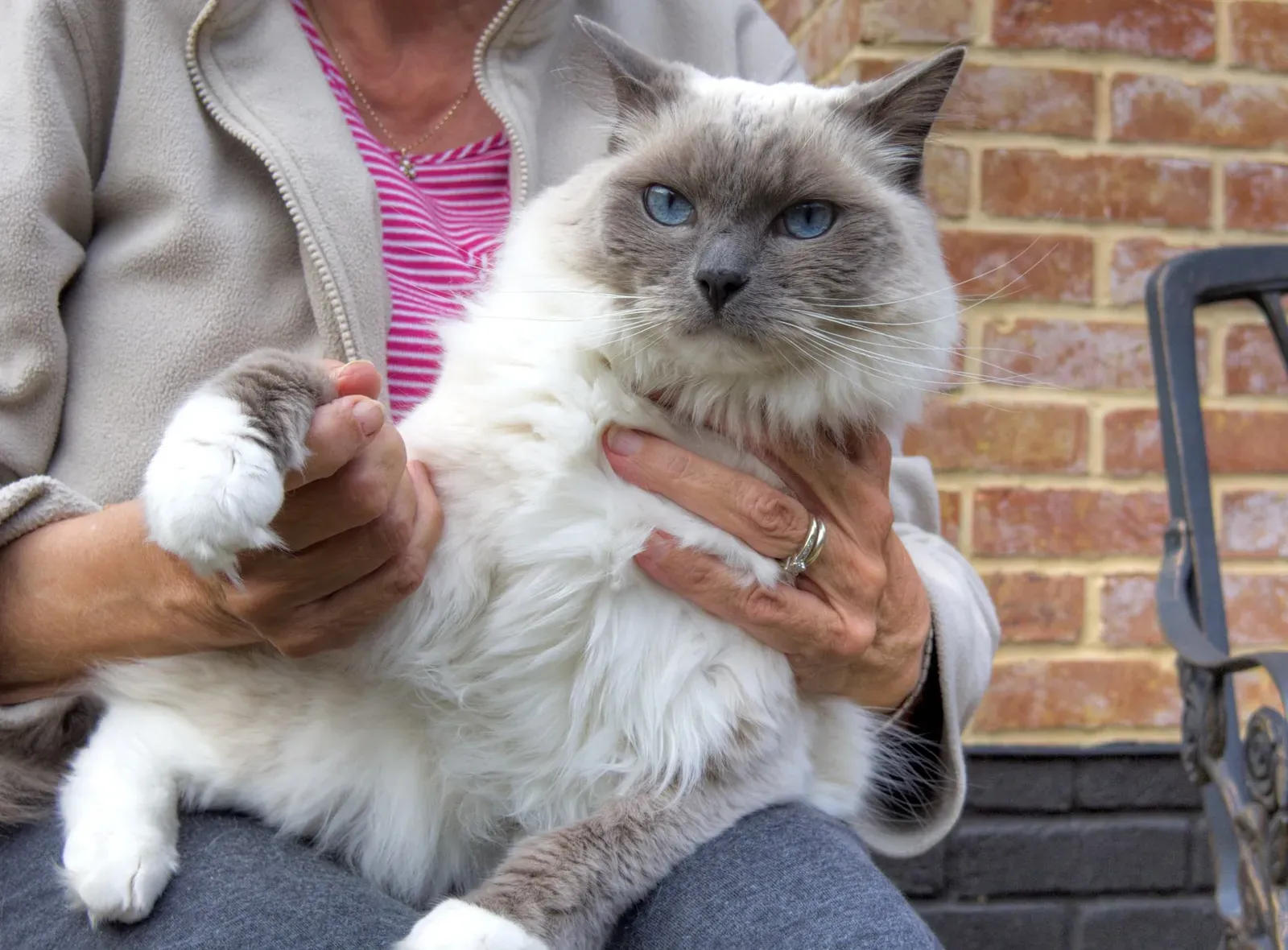
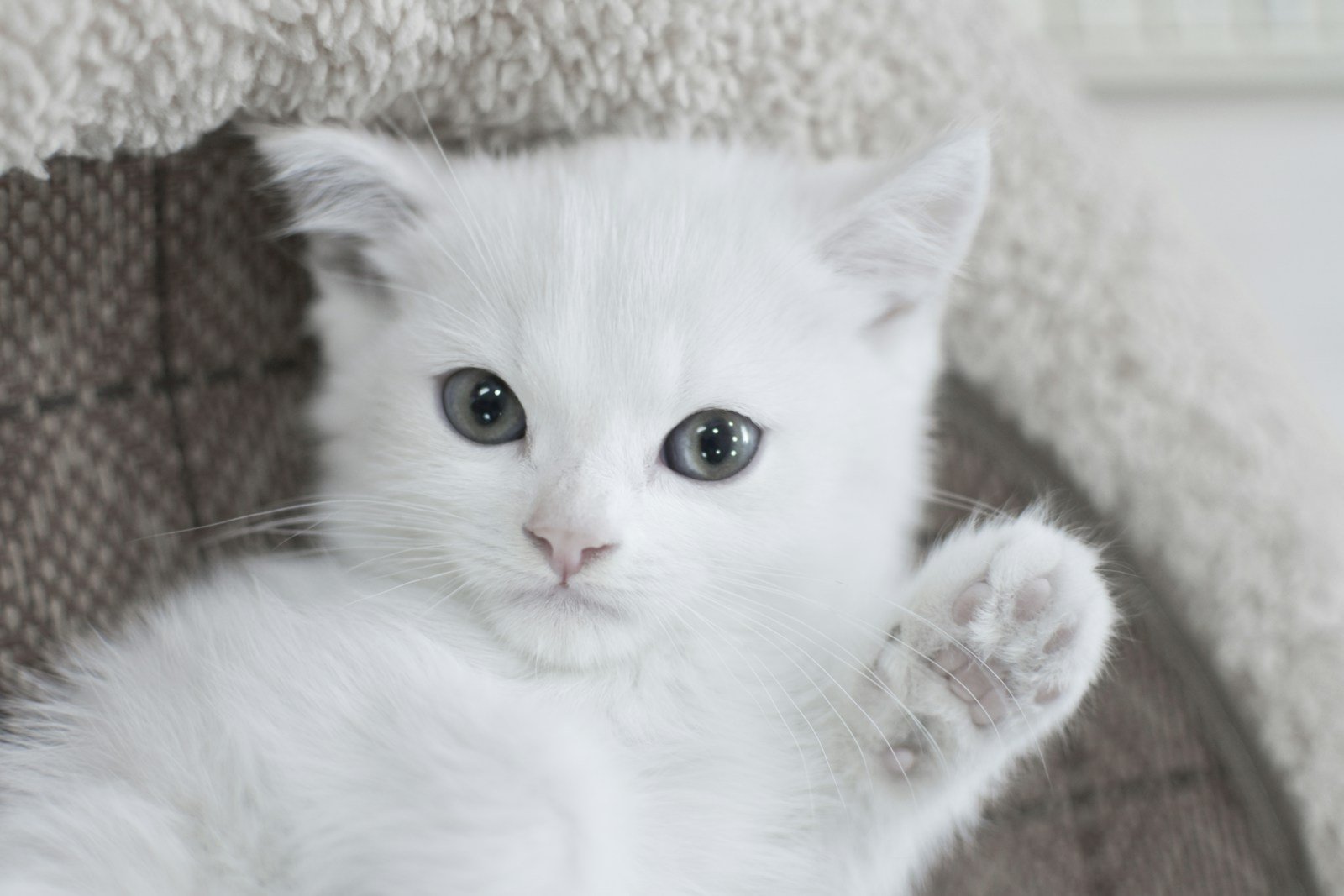
The name Ragdoll is derived from the tendency to go limp and relaxed when picked up. It's hard to say for sure, but this behavior seems to reflect their deep trust in humans. One of the most iconic traits is their tendency to go completely limp when picked up - much like a child's doll, these cats often relax their muscles entirely when cradled in your arms.
For seniors with limited mobility, this docility is a genuine blessing. You won't find yourself chasing a Ragdoll around the house or struggling to handle a squirming cat during grooming sessions. Ragdolls are usually laid back and relaxed, contributing to the story of their name because many owners feel they have these living dolls around the house. They're content to be wherever you are, offering companionship without complications.
Puppy Cats That Follow You Everywhere
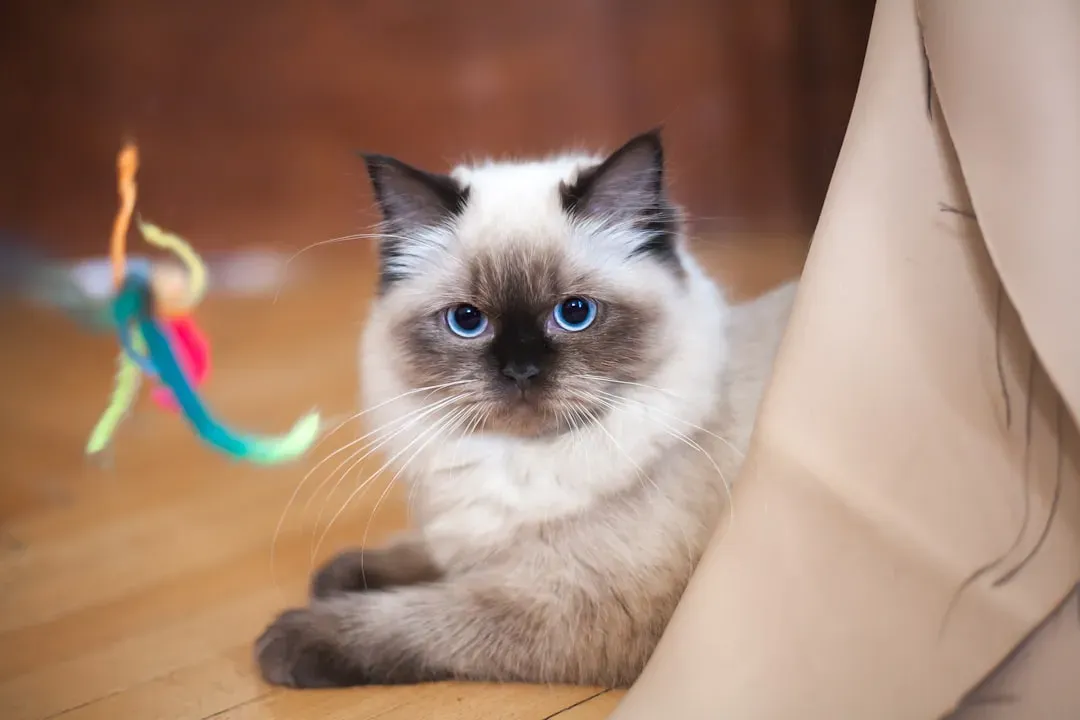
Here's the thing about Ragdolls: they are often known as puppy cats or dog-like cats because of their placid nature and affectionate behavior, with the cats often following owners from room to room. If loneliness has crept into your life, this breed notices and responds to your presence in ways that feel genuinely comforting.
Ragdolls crave human companionship and will follow you from room to room, often greeting you at the door, waiting outside the shower, or curling up on your lap during movie nights. Think of them as your shadow, but one that never judges your choices or demands conversation. Their quiet company can fill empty spaces in daily life without overwhelming you.
Easy Care Despite Those Luxurious Coats
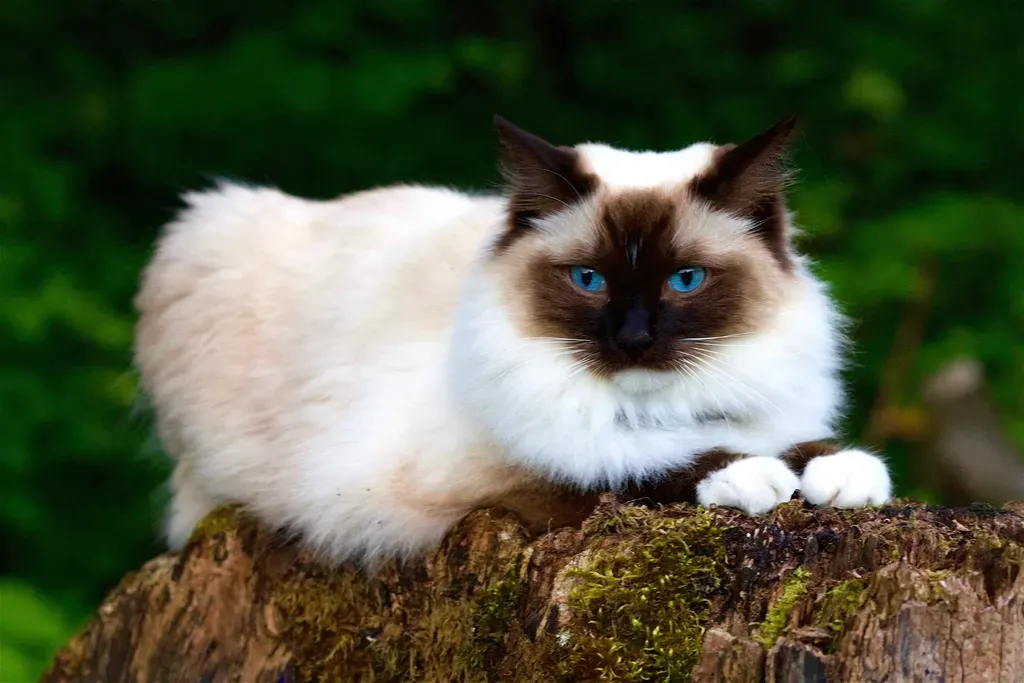
You might look at a Ragdoll's silky coat and assume grooming would be a nightmare. Surprisingly, that's not the case. Due to their coats tending to be long, they usually require brushing at least twice a week. Honestly, twice a week feels manageable compared to some other long-haired breeds.
Despite their longer fur, Ragdoll cats are relatively low maintenance, and the coat benefits from regular brushing with a steel comb to prevent tangles from forming. Their coats don't mat as easily as Persian or Himalayan coats because they lack a thick undercoat. Weekly grooming sessions can even become a bonding ritual, something peaceful to look forward to.
Quiet Companions Who Communicate Softly
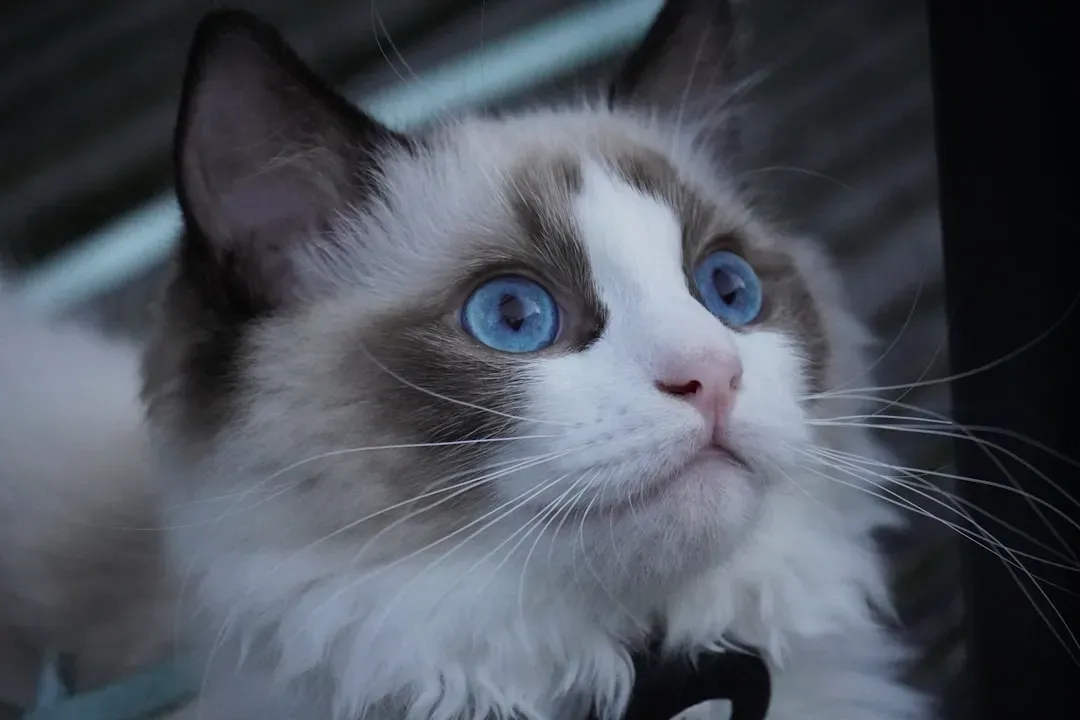
Let's be real: constant meowing can grate on anyone's nerves, especially when you're trying to relax or concentrate. Ragdolls rarely meow loudly, and when they do, it's a soft, sweet chirp - never shrill or demanding. This makes them ideal for noise-sensitive households.
You'll notice your cat is quiet and rarely vocal, although this can vary between individual cats, and instead they like to rub against your legs, walk around with their tail raised, making eye contact to communicate their wants. Their gentle communication style feels respectful rather than demanding. They seem to understand that less is more when it comes to getting your attention.
Health Benefits Beyond Companionship
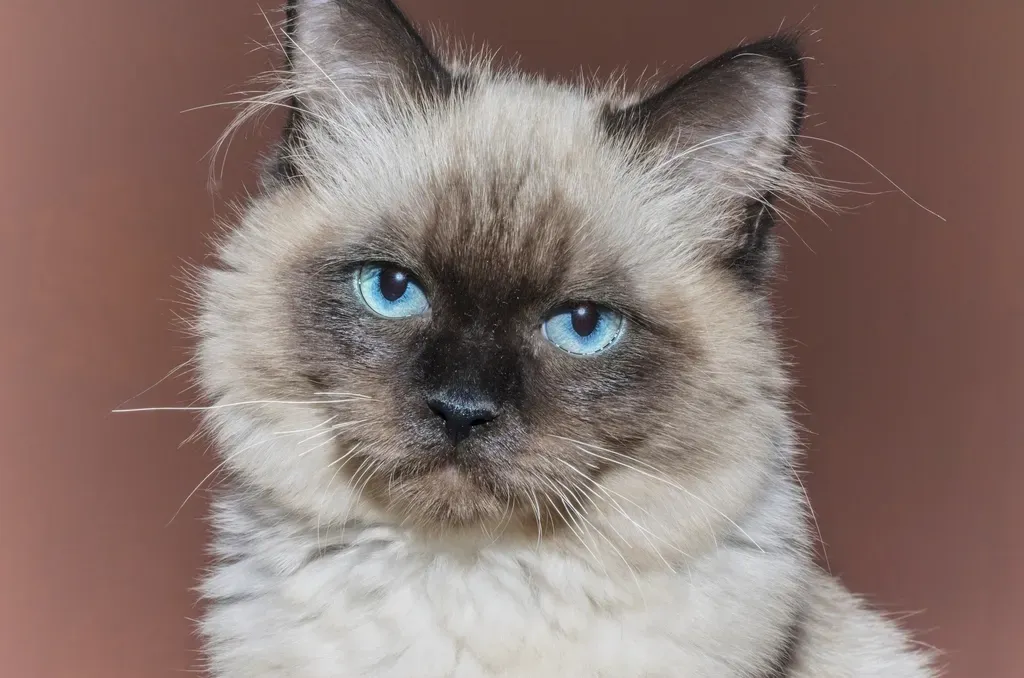
Seniors can benefit both mentally and physically from owning a cat, as cats provide loving companionship to their owners, which can help relieve stress, lower blood pressure, and help keep your brain sharp. The simple act of stroking that plush coat releases feel-good hormones that reduce anxiety.
Having a Ragdoll cat can provide a sense of purpose and responsibility, as taking care of a pet can provide structure and routine to a senior's life. Feeding schedules, grooming appointments, and playtime create gentle anchors throughout the week. It's routine without rigidity, companionship without dependency.
Adaptable to Apartment and Senior Living
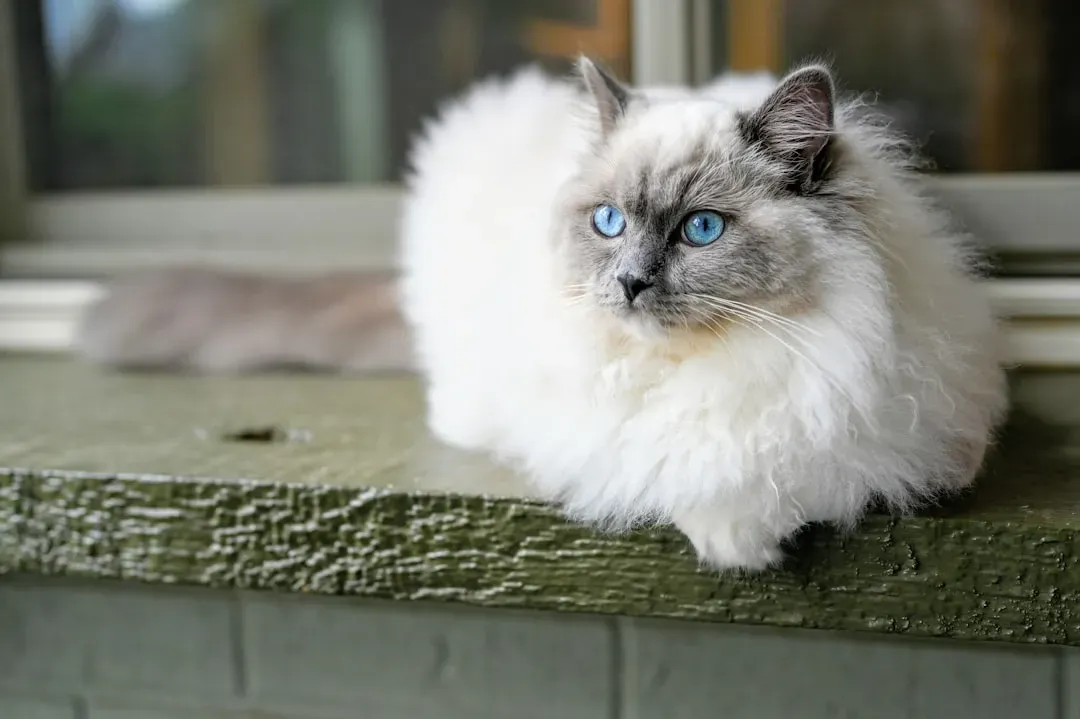
Ragdolls are adaptable and typically content living in different environments, including apartments. Ragdolls are adaptable to different living environments, making them well-suited for life in a retirement community. Whether you're downsizing to a smaller space or moving into assisted living, these cats adjust remarkably well.
Their moderate activity level means they don't need massive amounts of space to run and play. Moderately active, Ragdolls appreciate play sessions but do not insist upon them, and they adapt easily to most environments. They're equally content in a cozy studio or a spacious house, as long as they're near you.
Realistic Considerations Before You Commit
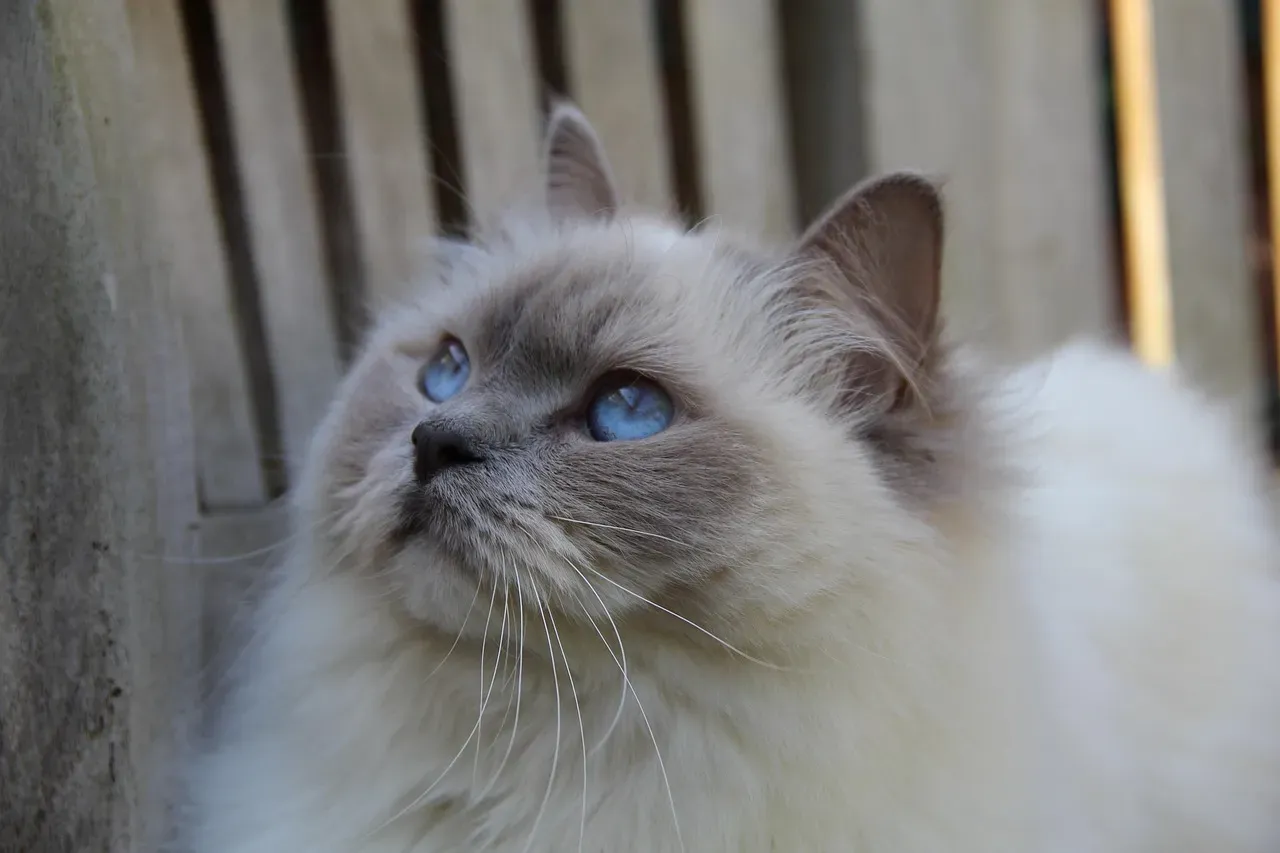
Still, I'd be doing you a disservice if I didn't mention some practical realities. Ragdolls are a larger breed, so they may be difficult for a weaker senior to handle. Males can weigh up to twenty pounds, which is substantial if you need to transport them to the vet or lift them for any reason.
Unlike aloof breeds, Ragdolls thrive on attention and may become depressed if left alone for long periods, and they may develop separation anxiety. If you're frequently away from home or travel often, this breed might not suit your lifestyle. They genuinely need your presence to thrive emotionally. Think of them as companions who've chosen you just as much as you've chosen them.
Bringing a Ragdoll into your life can transform your daily experience in ways both subtle and profound. Their gentle nature, low-maintenance grooming needs, and deep affection for their humans make them particularly well-suited for the senior years. You gain a loyal friend who asks for little beyond your company and offers unconditional love in return. That silky coat, those vivid blue eyes, and that tendency to go limp in your arms all add up to something special - a companion who makes the quieter chapters of life feel fuller and warmer. Have you ever considered how much joy one gentle cat could bring into your home?