Is Your Home Cat-Friendly or Cat-Confusing? Simple Tweaks for Feline Harmony
You love your cat, and you've done your best to make your home comfortable for your furry companion. Yet sometimes, despite your best efforts, things feel off. Maybe your cat is scratching the furniture more than usual, hiding under the bed for hours, or suddenly refusing to use the litter box. Before you blame your cat's personality, consider this: your home might be sending confusing signals to your feline friend.
The truth is, most human homes aren't naturally designed with cats in mind. We organize our spaces for our convenience, not theirs. Think about it from their perspective. Your cat is trying to navigate a world built entirely for creatures twice their size, with needs completely different from theirs. Let's explore how you can transform your space into a true feline sanctuary with some surprisingly simple adjustments.
Understanding Your Cat's Territorial Instincts

Your cat's home plays an important role in their happiness as a territorial species. Unlike dogs who often adapt easily to whatever environment you provide, cats have deeply ingrained needs that stem from their wild ancestry. They're hardwired to patrol, mark, and control their territory.
Without an environment that provides the right natural behavioral opportunities, cats can develop physical and emotional problems associated with boredom, frustration, anxiety and lack of activity. This explains why some cats become destructive or withdrawn. They're not being difficult. They're struggling in a space that doesn't meet their fundamental requirements. Your sofa-scratching menace might simply be desperately trying to mark territory in a home that offers no appropriate alternatives.
The Magic of Vertical Space
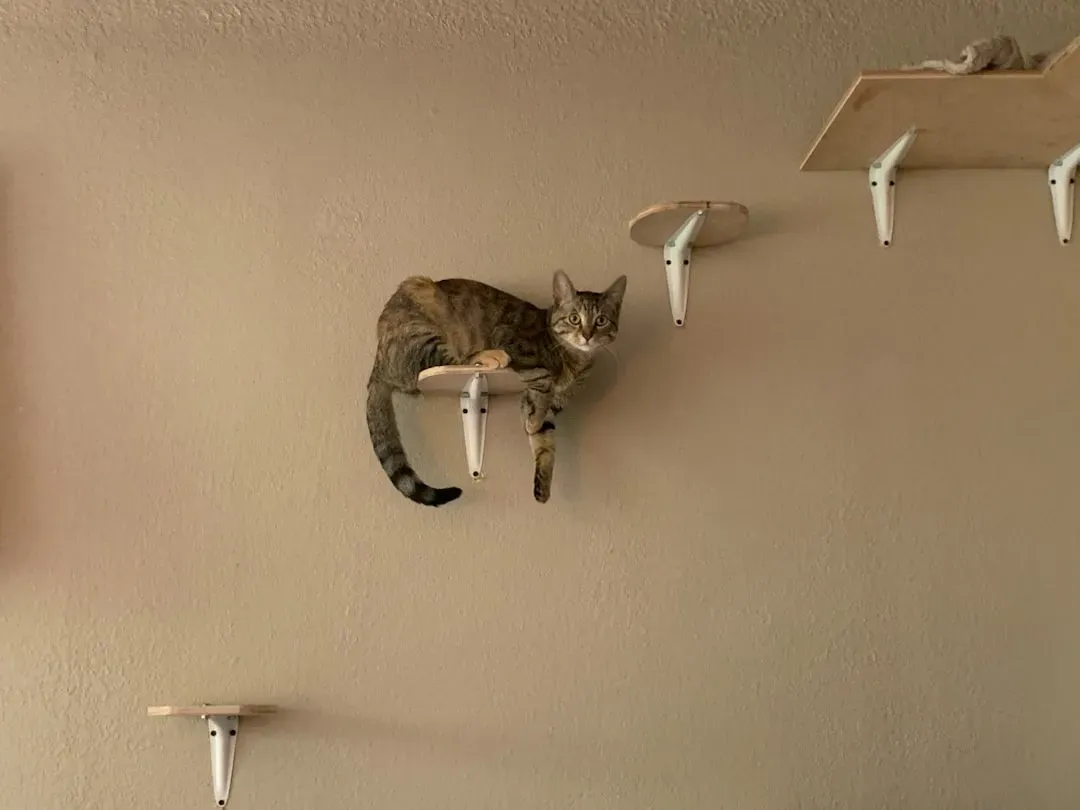
Here's something many cat owners overlook: The creation of vertical space is HUGE for cats. While we humans live horizontally, moving from room to room on the same level, cats experience their world vertically. In the wild, climbing trees gives them safety from predators and vantage points for hunting.
The need to climb is so deep-rooted in your cat's genetic makeup that they will seek out high places even in a home where they know they are safe and well cared for. Installing cat trees, wall-mounted shelves, or even clearing the tops of bookcases gives your cat the elevated territory they crave. Position these near windows if possible. It opens up their territory, makes it easier for cats in a multi-cat household to get along, lets your cats survey their world from on high, and encourages exercise. Honestly, if you only make one change to your home, this should be it.
The Resource Distribution Problem
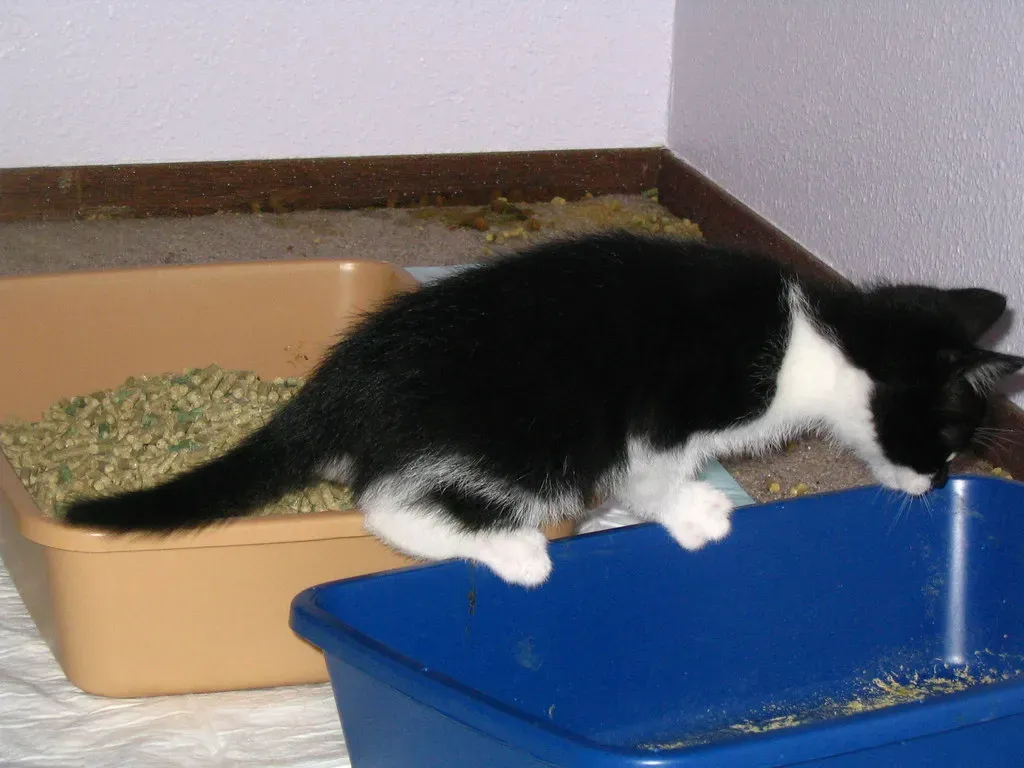
Cats in the wild are solitary hunters, and having access to resources without competition decreases stress for indoor cats. This means your carefully chosen feeding station in the kitchen corner might actually be creating anxiety if it's too close to the litter box or water bowl.
The golden rule? The number of litter boxes should be one more than the number of cats in your household. Spread these resources throughout your home in quiet, low-traffic areas. Your cat shouldn't have to walk past the noisy washing machine or navigate around rowdy children to reach their bathroom. Place food bowls, water stations, and litter boxes in separate locations. It might seem excessive, but remember: in nature, cats wouldn't eat where they eliminate. They're just asking for the same consideration indoors.
Creating Safe Hiding Spots

Let's be real - sometimes your cat just wants to disappear. Every cat needs a safe and secure place where she can retreat to and feel protected, and your cat should be able to enter and exit from this space from at least two sides if she feels threatened. This is especially crucial if you have dogs, young children, or multiple cats.
A simple cardboard box on its side with a soft blanket inside works perfectly. Most cats prefer the safe space to be big enough to only fit themselves, have sides around it, and be raised off the ground. Consider placing these refuge spots on different levels of your home. Your cat will know exactly where to go when the vacuum cleaner comes out or visitors arrive. These aren't signs of unfriendliness. They're essential decompression zones that help your cat regulate stress levels naturally.
The Scratch Surface Situation
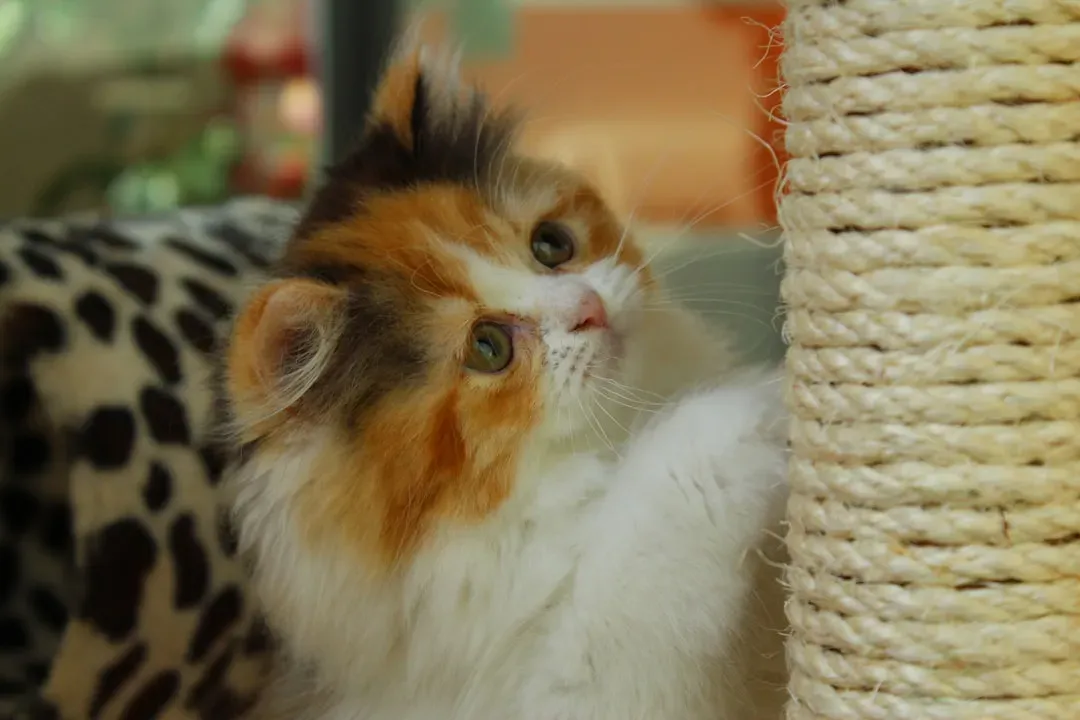
You might think scratching is purely destructive behavior, but it serves multiple important functions for cats. Face-rubbing and scratching surfaces leaves your cat's scent, and marks the territory with a personal touch. It's their way of saying "this is mine" and creating a familiar, comforting environment.
Provide both vertical and horizontal scratching surfaces in various textures - sisal, carpet, cardboard. Place them strategically near sleeping areas (cats love a good stretch-and-scratch after napping) and entrance points to rooms. If your cat is attacking your favorite armchair, put a scratching post right next to it. You're not giving in to bad behavior. You're redirecting a natural instinct to an appropriate outlet. Some cats prefer tall posts they can really stretch against, while others like flat scratching pads on the floor.
Respecting Your Cat's Sensitive Nose
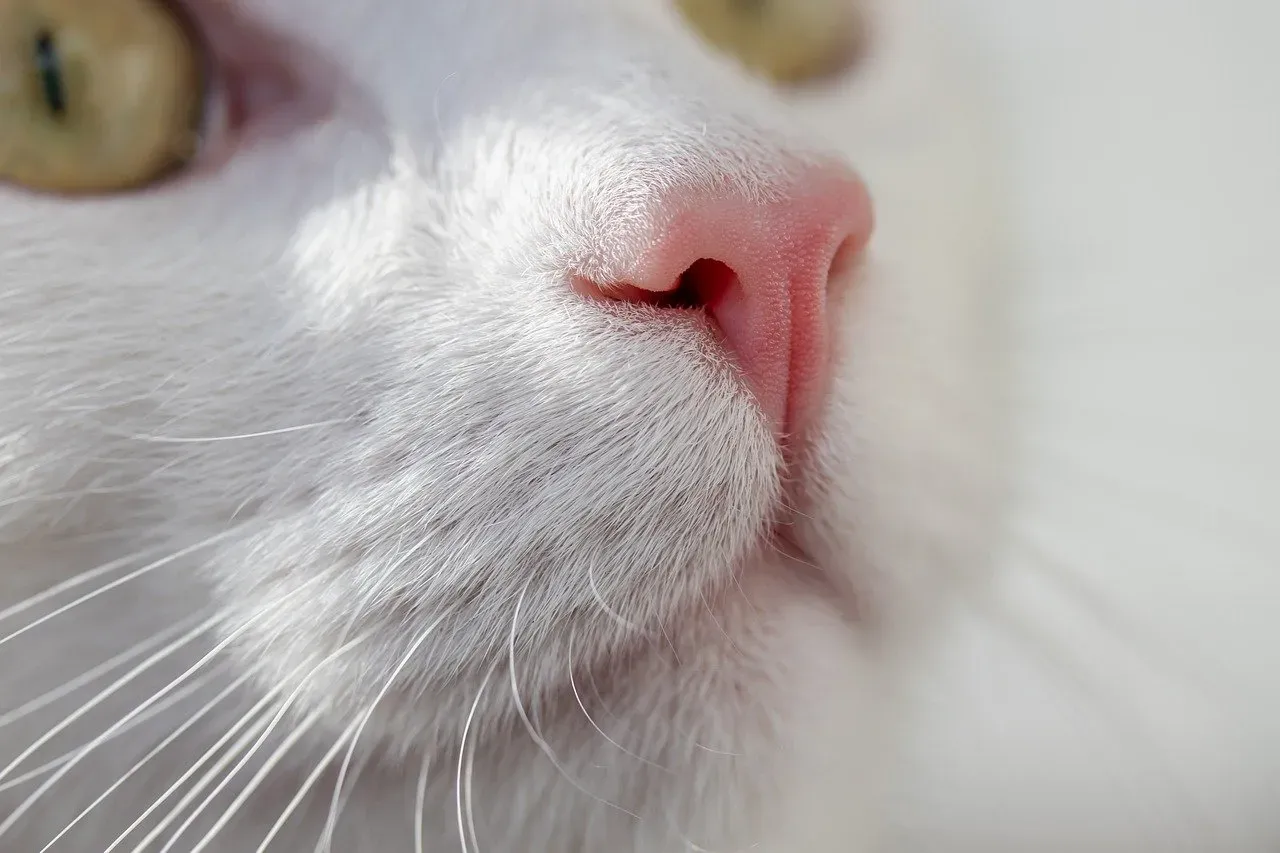
Cats depend on their sense of smell to make sense of their environment and perceive threats, and disrupting normal scent cues can lead to unwanted behaviors. Those lovely scented candles, plug-in air fresheners, and strongly perfumed cleaning products? They might be overwhelming your cat's sensitive olfactory system.
Strong smells, such as cleaning products or perfumes, incense, smoke, and scented candles, should be avoided. When you constantly mask or eliminate the scent markers your cat has carefully placed around your home, you're essentially erasing their identity from the space. Switch to unscented litter, avoid harsh chemical cleaners, and think twice before lighting that heavily fragranced candle. Your cat will feel more secure in a home that smells like, well, home - including their own familiar scent.
Maintaining Predictable Routines
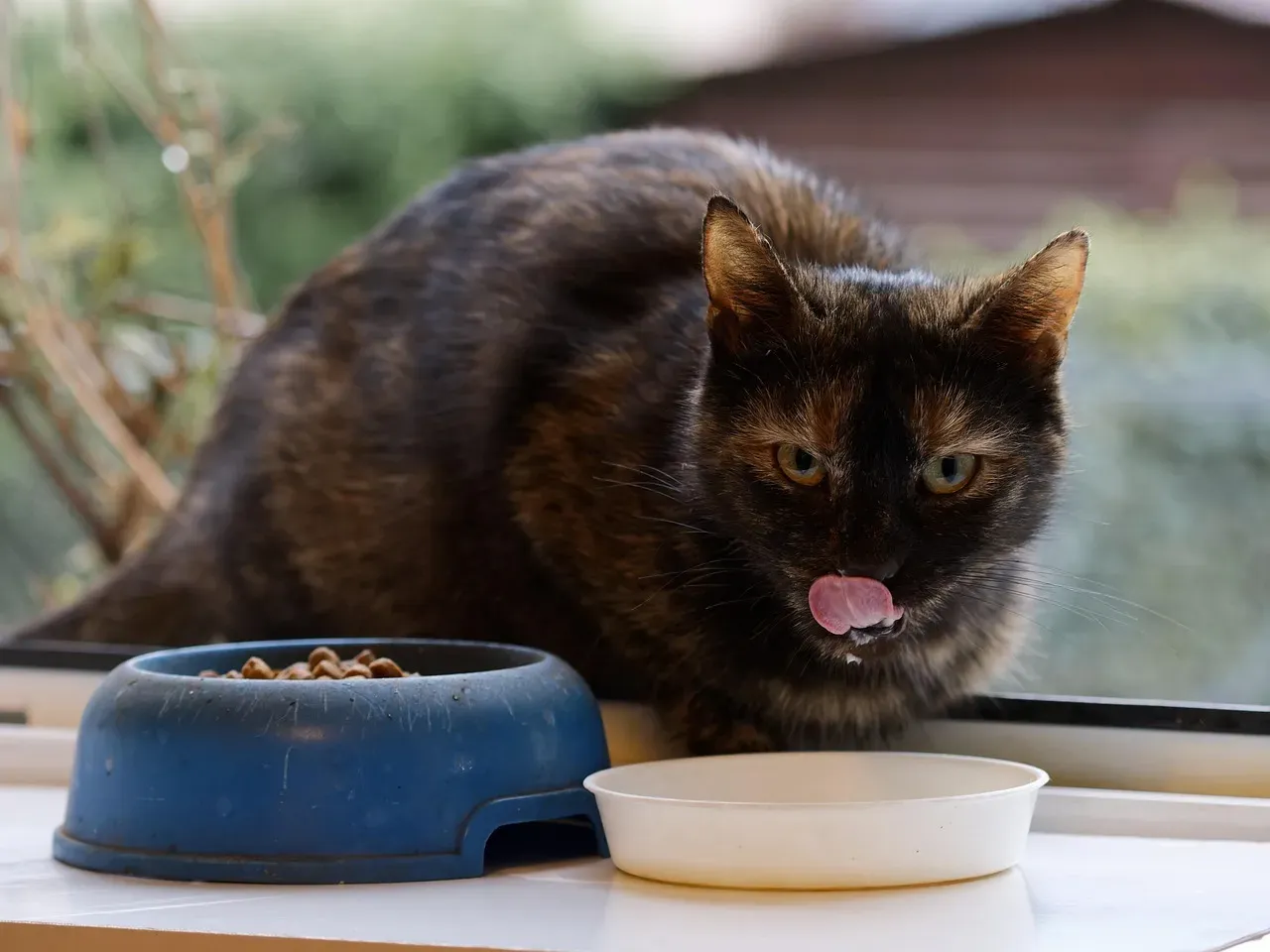
Cats are creatures of habit, and they depend on us to keep their surroundings stable and safe. That impromptu furniture rearrangement might seem minor to you, but it can genuinely unsettle your cat. Consistency matters enormously to these creatures.
Creating a routine that is beneficial to managing cat anxiety and stress includes sticking to normal bedtime, wake time, and meal schedules because you are meeting your cat's needs in a predictable way, that doesn't leave them on edge waiting for their next meal or time to rest. Feed at the same times each day. Play before bedtime. Keep litter boxes in consistent locations. If you must make changes - moving house, bringing home a new baby, remodeling - introduce them gradually whenever possible, and provide extra enrichment and attention during transition periods.
The Play and Predation Connection

Without the challenge of hunting and exploration, cats will fill their time with activities that are available to them, such as sleeping and eating, which can lead to physical problems associated with a sedentary lifestyle. Your indoor cat still has hunting instincts screaming to be satisfied.
Provide opportunity for play and predatory behavior, as allowing cats opportunities to exhibit these instinctual behaviors helps prevent stress and unwanted behaviors. Interactive wand toys that mimic prey movements, puzzle feeders that make cats "work" for their food, and rotating toys to maintain novelty all help. Here's the thing: ten minutes of focused play twice daily can dramatically improve your cat's mental and physical health. It's not optional enrichment. It's meeting a fundamental need that indoor living denies them.
Conclusion: Small Changes, Big Impact
Creating a cat-friendly home doesn't require expensive renovations or turning your living room into a feline theme park. It requires seeing your space through your cat's eyes and understanding their evolutionary needs. Add some vertical territory. Spread out resources. Provide hiding spots and scratching surfaces. Respect their sense of smell and maintain predictable routines.
These adjustments acknowledge who your cat really is - not a small, furry human, but a unique creature with specific requirements shaped by thousands of years of feline evolution. When you meet these needs, behavioral problems often disappear, seemingly on their own. Your cat becomes more confident, playful, and affectionate.
The question isn't whether your home is perfect. It's whether you're willing to make it better for the cat who shares it with you. What's one simple change you could make today?