7 Common Cat Habits That Are Actually Secret Health Indicators You Shouldn't Ignore

You've probably watched your cat do something odd and thought, well, that's just cats being cats, right? Here's the thing though. Those quirky little behaviors might be more than just feline weirdness. They could be your cat's way of waving a red flag at you, signaling that something's not quite right beneath that fluffy exterior.
Cats have evolved to hide signs of illness and pain, a survival instinct inherited from their wild ancestors. This makes it tricky to spot when they're feeling unwell. The truth is, by the time your cat shows obvious signs of distress, they might have been suffering for quite some time. Let's dive into those everyday habits that deserve a closer look.
Sudden Changes in Drinking Water
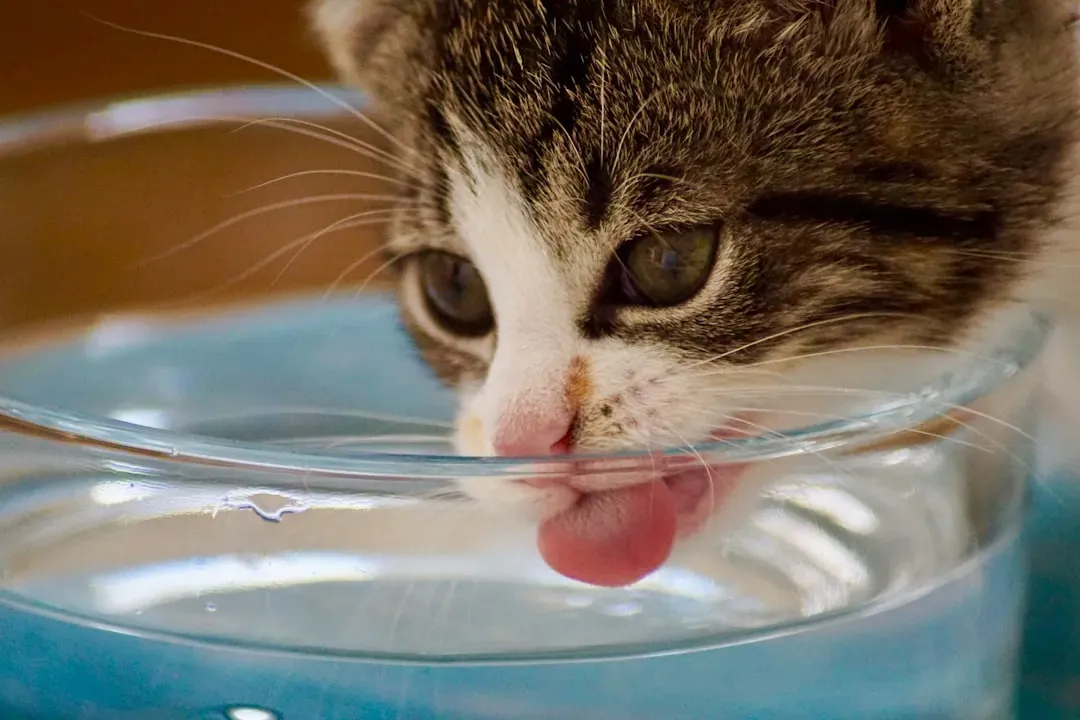
Have you found yourself refilling your cat's water bowl way more often than usual? Increased thirst may suggest kidney disease, diabetes, or hyperthyroidism. It's surprisingly easy to miss this change if you have multiple pets or if your cat drinks from various sources around the house. Try keeping a mental note of how frequently you top up that bowl.
On the flip side, a decreased interest in drinking water can also be a warning sign of sickness. Dehydration is a common problem in cats that are not well, and you can check for it by gently pinching the skin near their shoulder blades. If the skin stays tented up instead of snapping back immediately, your cat might be dehydrated and needs veterinary attention pronto.
Hiding More Than Usual

Sick cats usually become withdrawn and may hide, though this depends on your individual cat's personality. If your normally social kitty suddenly starts spending hours under the bed or tucked away in closets, take notice. If your pet is spending more time than unusual hanging out under the bed, in a closet, or in another out-of-the-way place, it may be sick or in pain.
Let's be real, some cats are naturally more reserved than others. The key here is change. A cat who usually greets you at the door but now vanishes when you come home is telling you something important. Think of it as their version of pulling the covers over their head when they don't feel well.
Grooming Habits Going Haywire
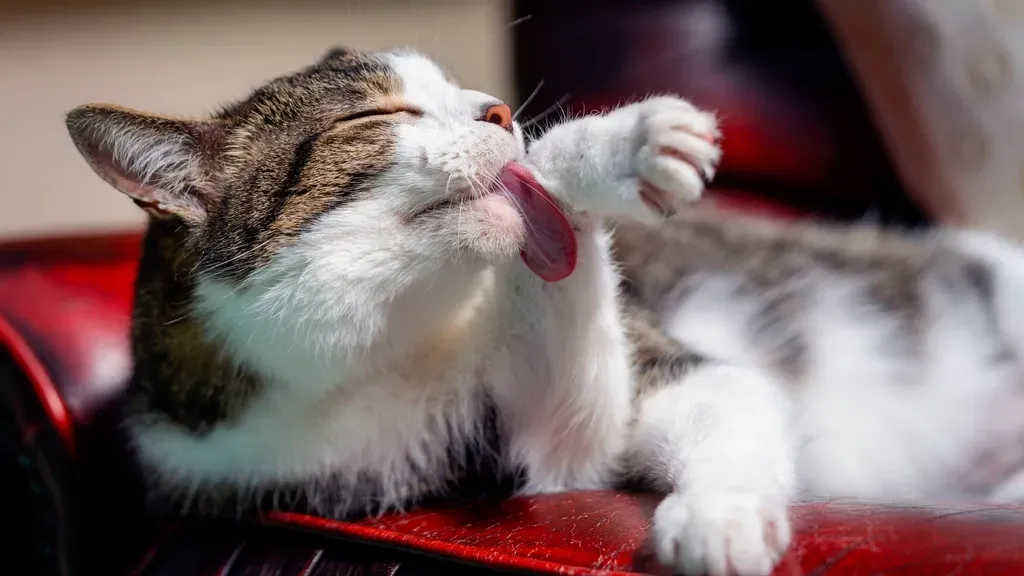
Typically, cats are fastidious groomers, and any change in this behavior is significant. Cats are known for being fastidious groomers, and if they are feeling sick, they may groom less frequently or stop grooming altogether. If your cat's coat suddenly looks dull, matted, or greasy, something might be up.
Interestingly, the opposite can also be problematic. Excessive grooming can be a behavioral response to stress, allergies, skin issues, or even pain, leading to bald patches or raw skin. I think it's worth noting that both under-grooming and over-grooming deserve equal attention. Watch for hair loss, redness, or any signs your cat is focusing obsessively on one particular spot.
Litter Box Behavior Changes
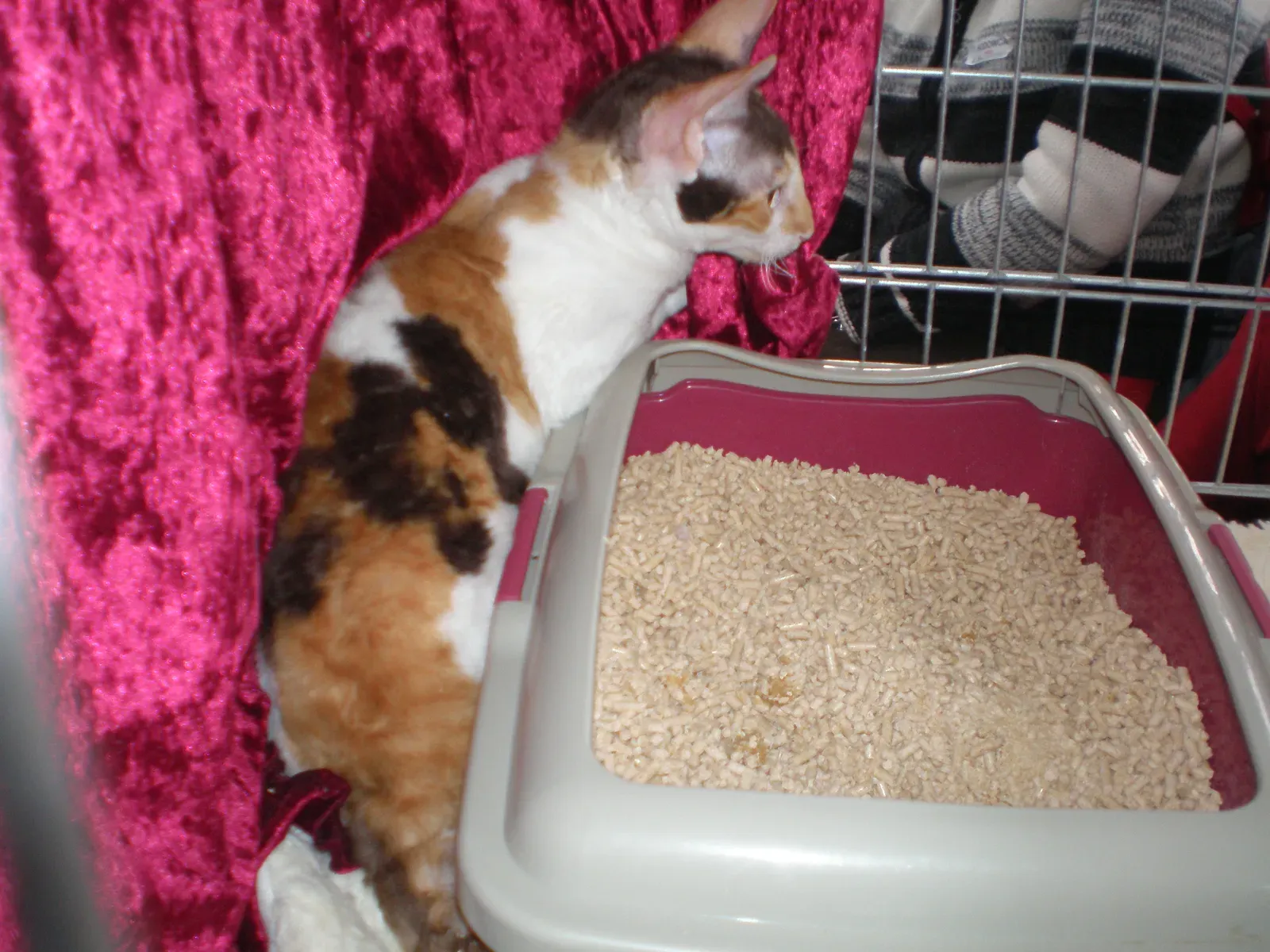
Nobody loves talking about litter boxes, but honestly, they're gold mines of health information. Litter box issues might signal urinary tract infections, bladder stones, or crystals in the urine. If your perfectly house-trained cat suddenly starts having accidents or straining in the box, don't write it off as a behavioral quirk.
A cat that is urinating inappropriately may have any number of conditions associated with the behavior, including lower urinary tract disease, kidney disease, urinary tract infection and diabetes mellitus. It can also be a sign of arthritis, which makes it difficult for the cat to get into the litter box, or even signal a veterinary emergency if there's a urinary blockage. Pay attention to frequency, straining, or any blood you might spot.
Activity Level Shifts
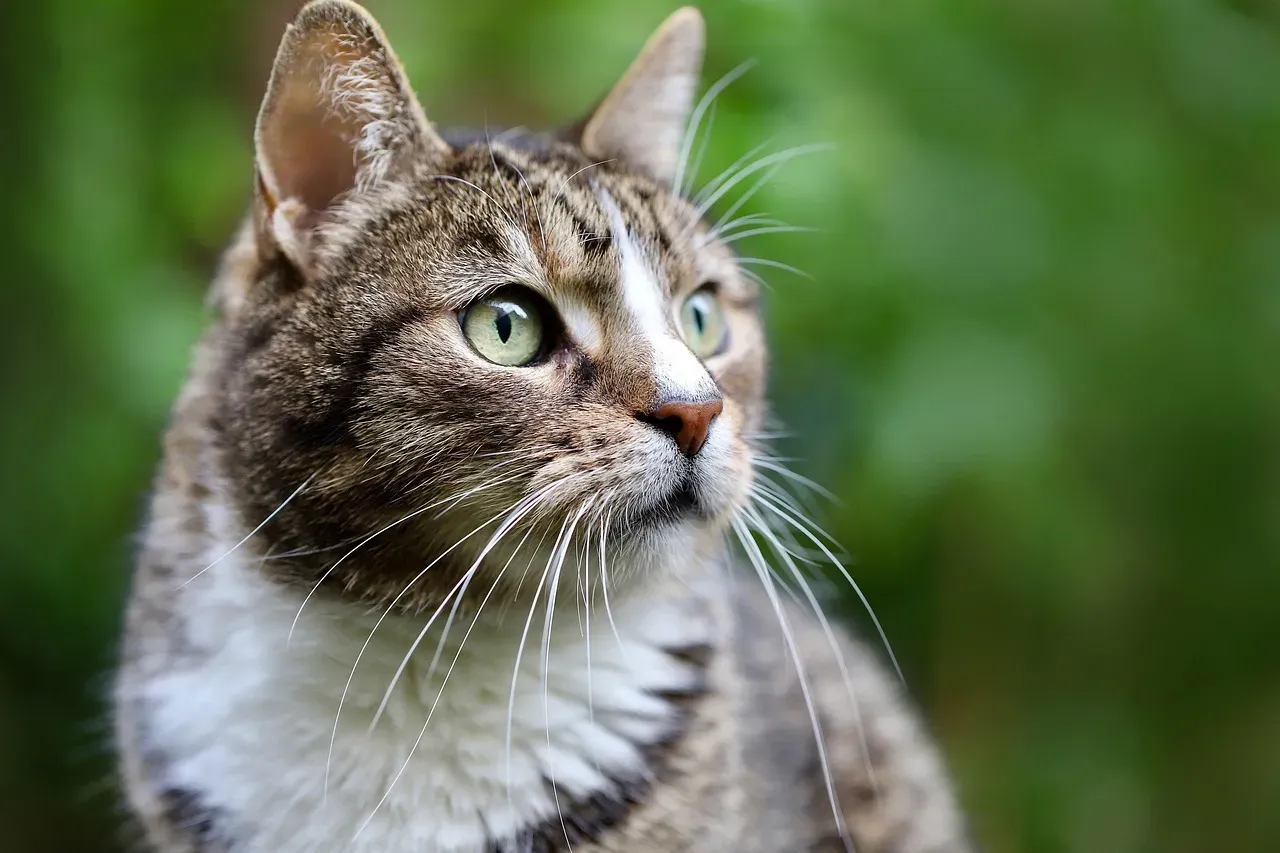
A decrease or increase in activity can be a sign of a number of conditions, including arthritis or systemic illnesses. Your typically playful cat becoming a couch potato isn't just about getting older. It's important to understand cats usually don't slow down just because they are old.
Conversely, increased activity is often seen with hyperthyroidism. With some diseases, especially hyperthyroidism, your cat's energy level may seem to increase to the point of hyperactivity, and they might suddenly start howling at night or acting restless. Any dramatic shift in your cat's usual activity patterns warrants a conversation with your vet.
Appetite and Eating Pattern Alterations
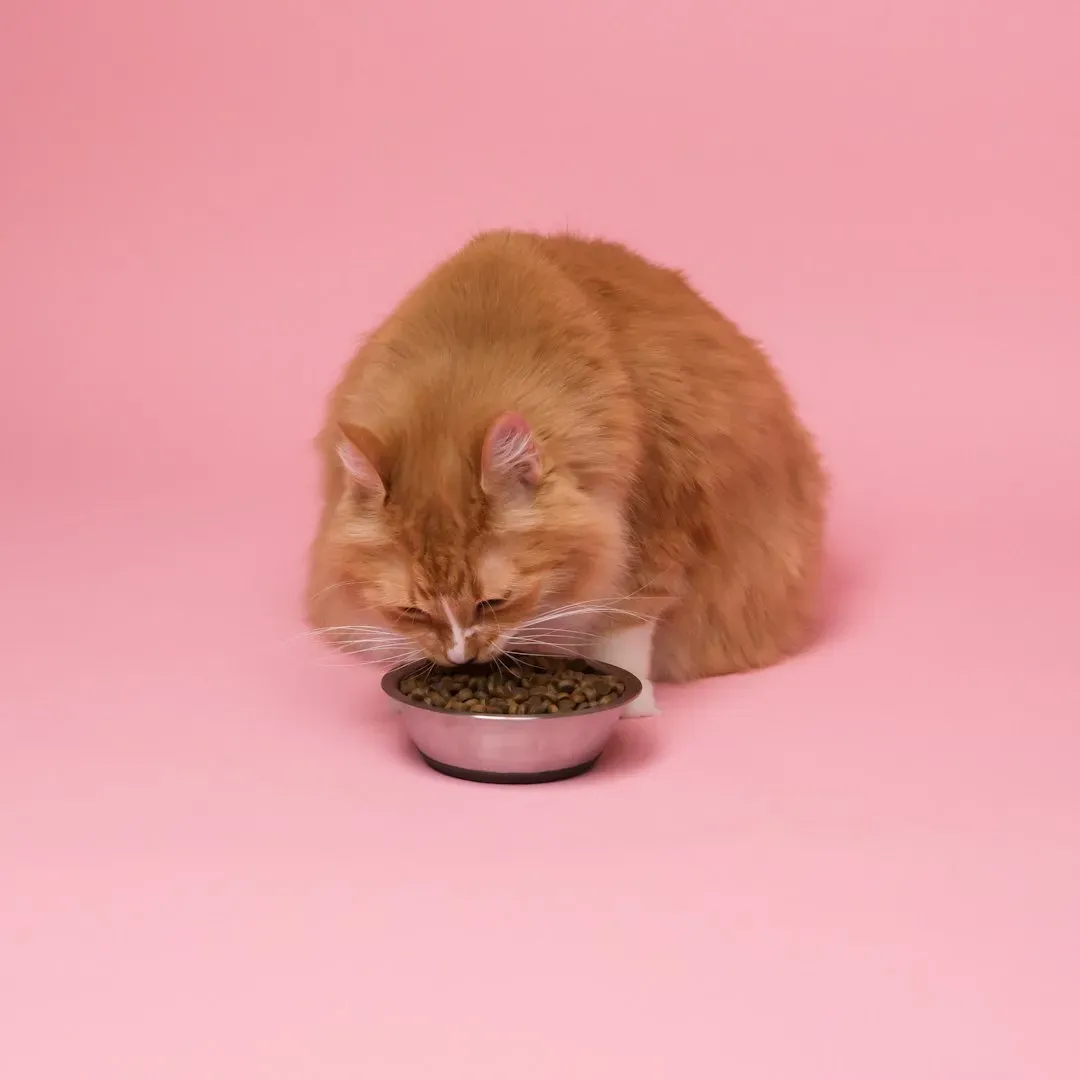
Cats can be finicky eaters, sure, but sudden changes are different. When a cat suddenly loses their appetite, it could be a sign of upset stomach, stress, dental problems, intestinal parasites, a cardiac problem, ingestion of a toxic substance, or intestinal blockage. If your cat goes to their food dish and backs away without eating, nausea might be the culprit.
What's surprising is that when cats suddenly have ravenous appetites, this could be a sign of either psychological distress or medical conditions that include diabetes, hyperthyroidism, or poor food absorption in the gastrointestinal system. A change in weight does not necessarily correlate with a change in appetite, so you might notice weight loss even when your cat seems to be eating normally.
Vocalization Changes
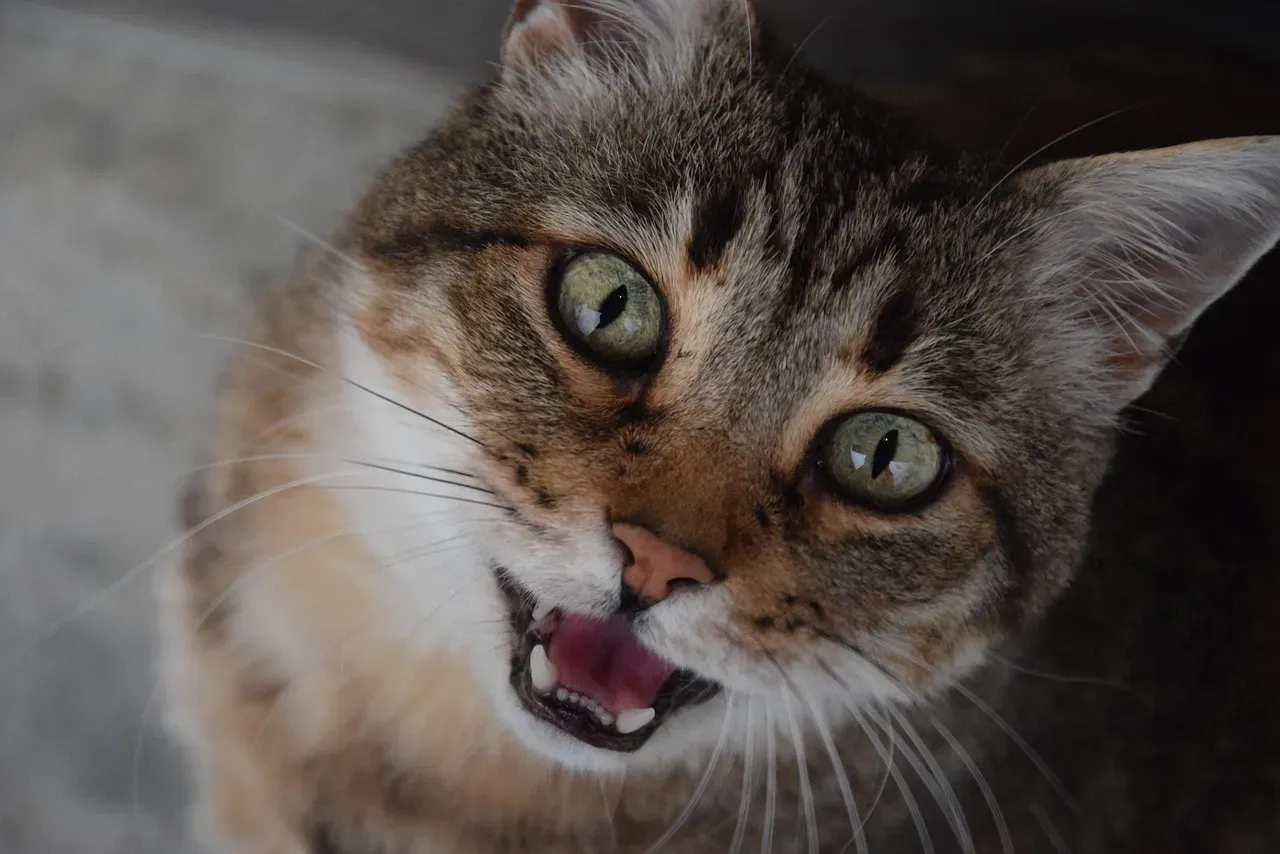
Changes in a cat's vocalization can indicate health issues when they deviate from their normal behavior. If your typically quiet cat suddenly becomes a chatterbox, or your vocal feline goes eerily silent, something could be wrong. Changes in vocalization may indicate illnesses such as asthma or an upper respiratory infection, while yowling may signal hearing loss.
Excessive and persistent meowing can be a sign of distress or a potential health issue, and changes in tone might express pain, fear, nausea, or even dementia-like symptoms in senior cats. Listen closely to not just how much your cat vocalizes, but how they sound when they do it.
Conclusion
Changes in normal physical condition or behavior can indicate something is wrong. The subtle shifts in your cat's daily habits are like pieces of a puzzle, and when you put them together, they can reveal important information about your furry friend's health. Remember, you know your cat better than anyone else, and if something feels off, it probably is.
Watch your pet for subtle changes in behavior that others may not notice and monitor any changes in your cat's usual demeanor or body language. Early detection can make a world of difference in treatment outcomes. What seemingly insignificant behavior have you noticed in your cat lately? What would you think about it now?