8 Common Human Habits Cats Quietly Hate (But Tolerate For Your Sake)
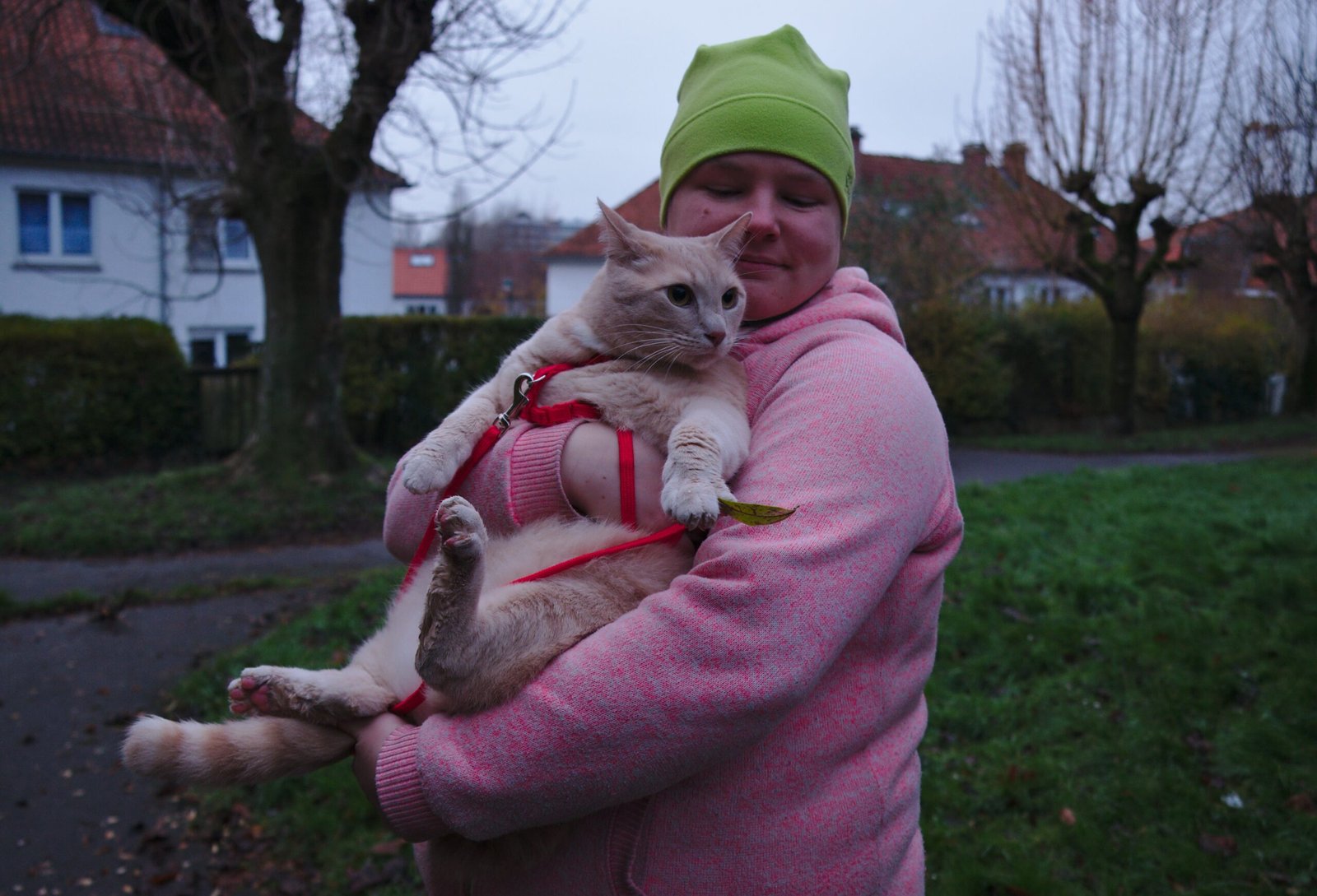
You love your cat. Of course you do. You've mastered the art of decoding those subtle meows, you've perfected the timed delivery of dinner at exactly 6:17 PM, and you've probably even found yourself baby-talking to your furry companion more than you'd like to admit. Here's the thing, though. While your feline friend may tolerate plenty of your quirks with remarkable patience, they're probably secretly plotting their next passive-aggressive move every time you commit certain everyday offenses. Let's be real, cats are masters of concealment, especially when it comes to their feelings about us humans.
Think about it this way. Your cat can't exactly hand you a list of grievances or schedule a heart-to-heart chat over coffee. Instead, they communicate through subtle body language cues that we often completely miss or misinterpret. That tail flick? That prolonged stare? That sudden sprint across the living room at 3 AM? They're all part of an intricate language we're only beginning to understand. So, what if I told you that some of your most affectionate gestures might actually be driving your cat absolutely bonkers? Ready to discover which of your loving habits might be secretly annoying the whiskers off your feline companion? Let's dive in.
Squeezing Them Into Unwanted Hugs
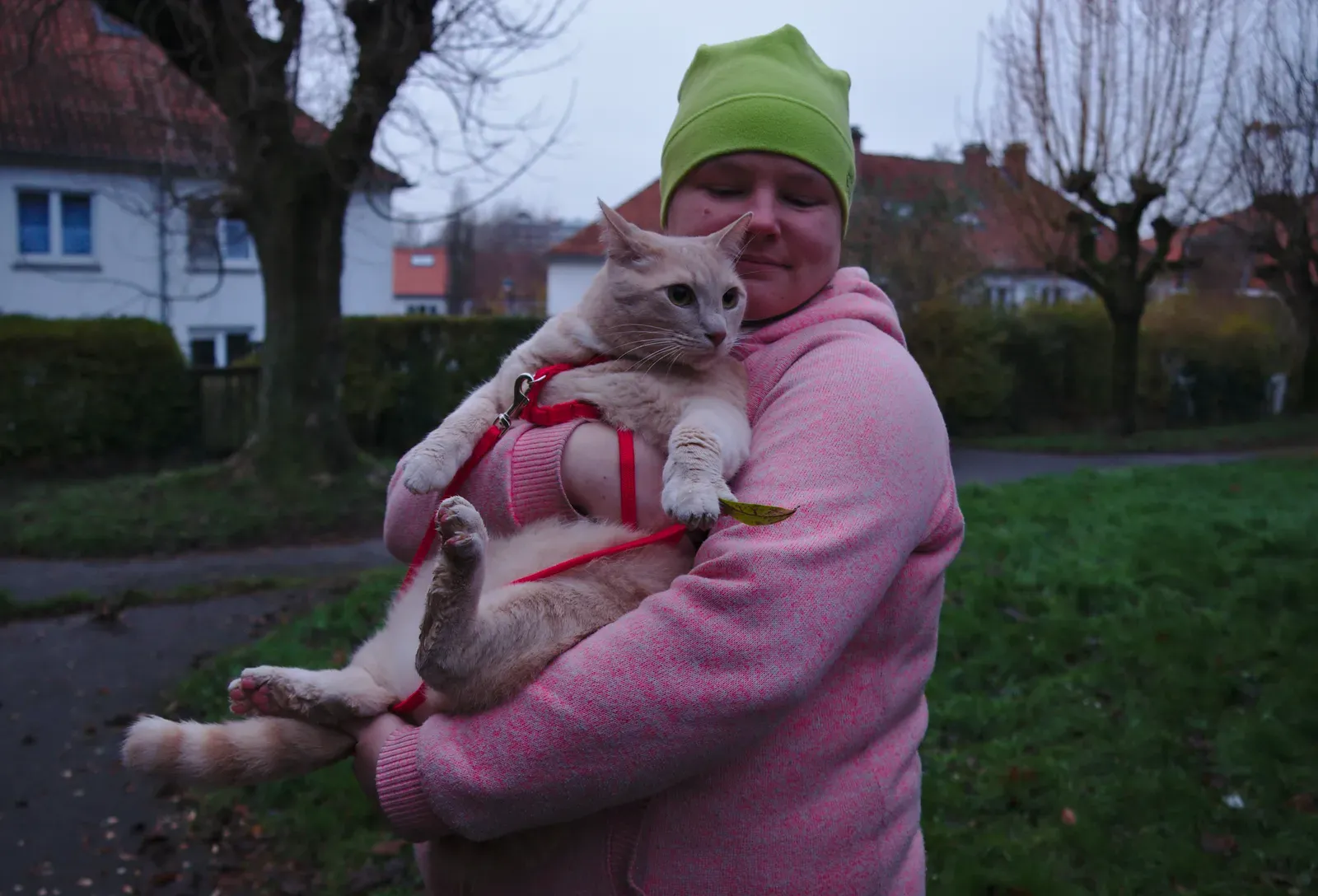
Most cats do not enjoy being hugged, and when our pets try to get away, we often have a tendency to try even harder to hug them. It's hard to resist, I get it. Those soft little bodies practically beg to be squeezed. The problem is, hugging isn't a natural behavior in the feline world. Hugging isn't a natural behavior for cats, so they may find it uncomfortable or unwanted.
When you wrap your arms around your cat, they might feel trapped or vulnerable. While many cats enjoy being held, others feel more comfortable with their paws firmly on the ground. For those who do like being held, they often have specific preferences about how they're positioned in your arms. Watch closely next time you go in for a cuddle. Does your cat immediately try to wriggle free? Do their ears flatten slightly? These are signs they're tolerating your affection rather than enjoying it. Let them come to you instead, and you'll be amazed at how much more willing they are to snuggle on their own terms.
Forcing Affection When They're Clearly Not In The Mood
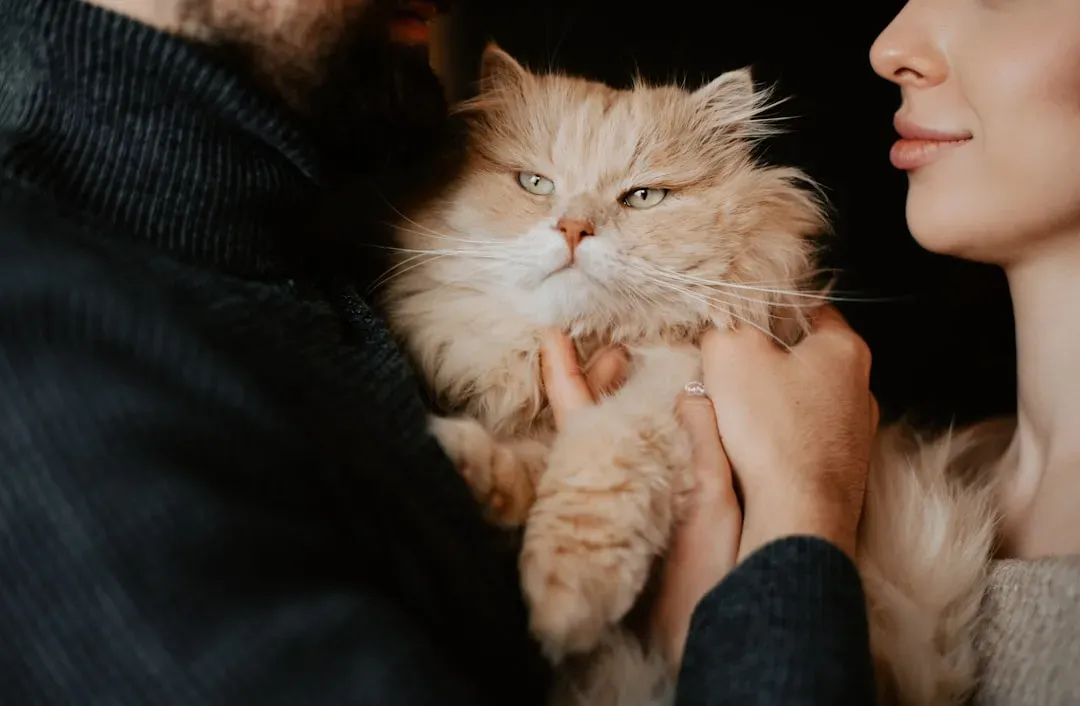
Cats dislike having attention forced on them and will become hostile or actively avoid humans that force interactions. Your cat might be lounging on the windowsill, peacefully watching birds, when suddenly you decide it's petting time. Honestly, imagine if someone interrupted your favorite TV show just to demand you give them attention. Pretty annoying, right?
Cats crave control over their social interactions. Cats are social animals but they, just as with humans, need personal space and the choice of whether to interact or not. Forcing cats to interact can lead to them learning to avoid you in the future. Allow cats the choice of whether to engage and for how long. The best approach? Wait for your cat to seek you out. When they rub against your leg or jump onto your lap uninvited, that's when the magic happens. Respect their boundaries, and you'll build a much stronger bond based on mutual respect rather than forced affection.
Drowning Them In Strong Scents And Perfumes
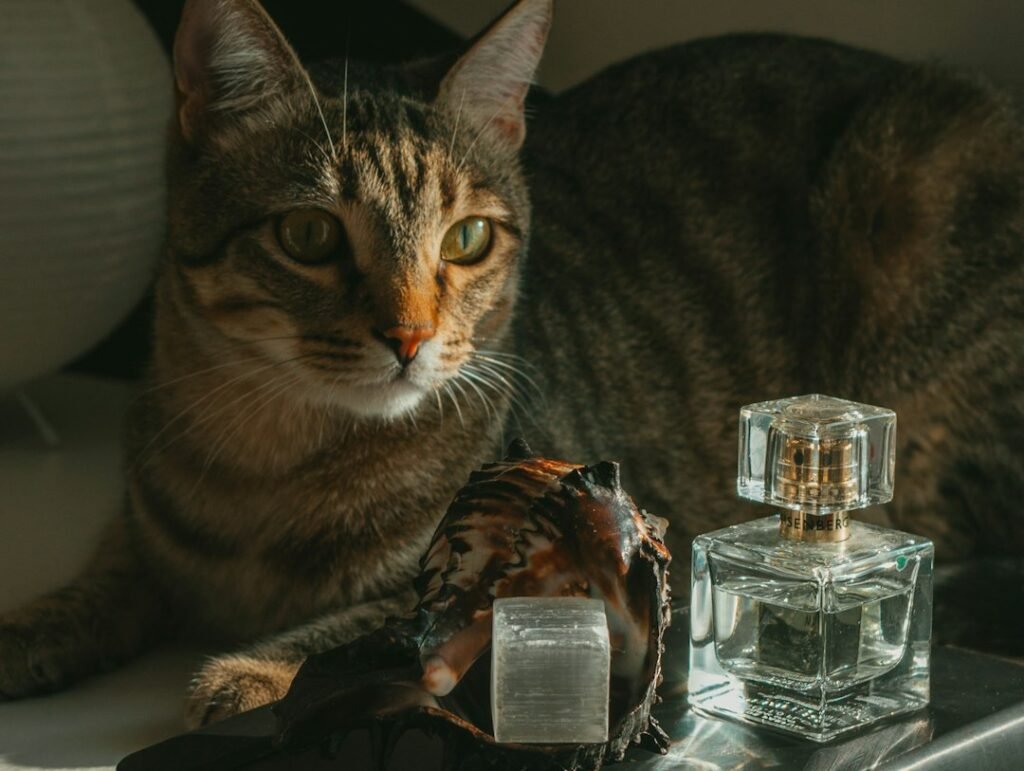
Does your cat give you the cold shoulder after you've spritzed on your favorite perfume? There's a good reason for that. They have excellent noses, and things with a strong odor, such as perfume or deodorizers, may be off-putting, and cats may avoid locations with these scents. Imagine having a sense of smell that's about 40 times stronger than ours, and then someone walks past you wearing an entire bottle of eau de anything.
For cats, those artificial smells are offensive. Even your perfume and hand lotion can irritate a cat's sensitive sense of smell. That lemon-scented floor cleaner you love? Your cat probably thinks it's chemical warfare. Those heavily fragranced air fresheners meant to make your home smell like a tropical paradise? To your cat, they might as well be nasal assault weapons. Consider switching to unscented or very lightly scented products, especially in areas where your cat spends most of their time. Your feline friend will breathe easier, literally.
Creating Chaos With Loud Noises
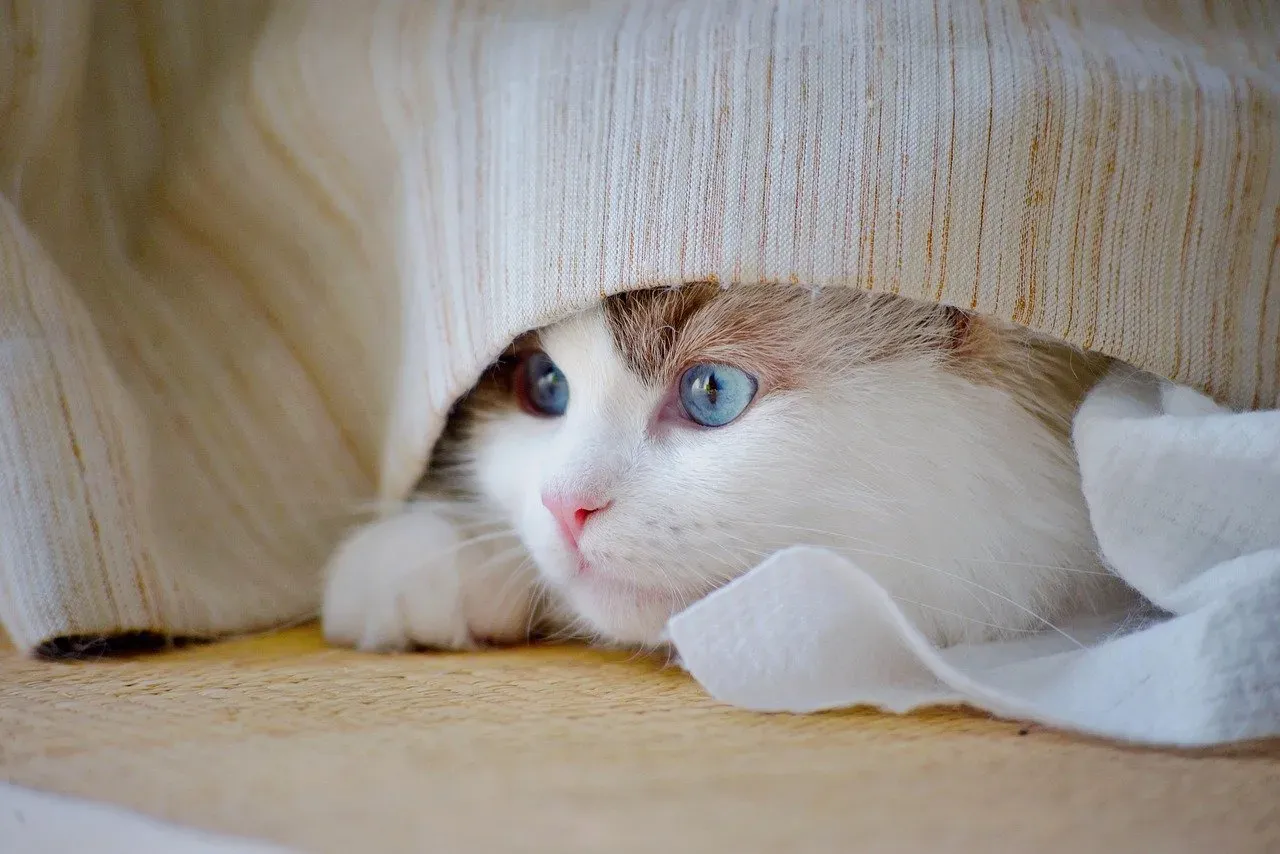
Let's talk about your weekend vacuum cleaning sessions. Their keen hearing also means that sudden or sustained loud noises can startle or grate on your cat's nerves. Washing machines, loud conversations, blaring music, fireworks, parties, and yelling are all sounds that can stress your cat. While you might be rocking out to your favorite playlist at full volume, your cat is probably hiding under the bed wondering when the torture will end.
Many cats are terrified of fireworks, thunder and loud car noises such as honking, backfires and screeching tires. Raucous parties and arguing humans are also on the list of things that disturb cats. Even a very loud sneeze from you can spook a skittish kitty. Cats have inherited their wild ancestors' acute hearing, which helped them detect both prey and predators. In your modern home, this superpower becomes a curse when you're running the blender for your morning smoothie. Try to give your cat a heads-up before you start noisy activities, or provide them with a quiet retreat where they can escape the commotion. A little consideration goes a long way.
Staring Directly Into Their Eyes
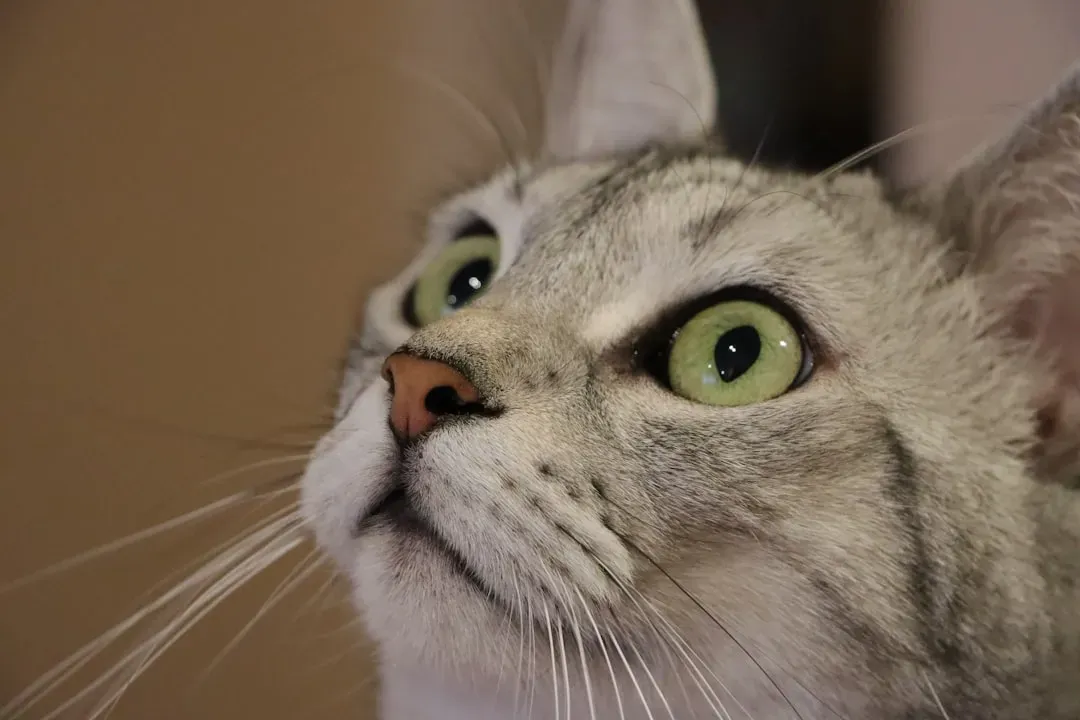
Cats can find direct eye contact quite threatening. They wouldn't look another cat straight in the face unless they were fixing for a fight. So when you gaze lovingly into your cat's eyes, thinking you're sharing a tender moment, they might actually be interpreting it as a challenge or threat. Kind of ruins the romantic vibe, doesn't it?
Here's a better approach. When your cat's relaxed, they might look at you with a peaceful gaze or half closed eyes. A slow blink is your cat's way of saying they love you. Practice saying it back by relaxing your face and slowly and exaggeratedly closing your eyes to blink back at them. The slow blink is essentially cat language for affection and trust. Next time you want to show your cat some love, try giving them a slow blink instead of a prolonged stare. They'll appreciate the more culturally appropriate gesture of feline affection.
Disrupting Their Sacred Sleep Schedule
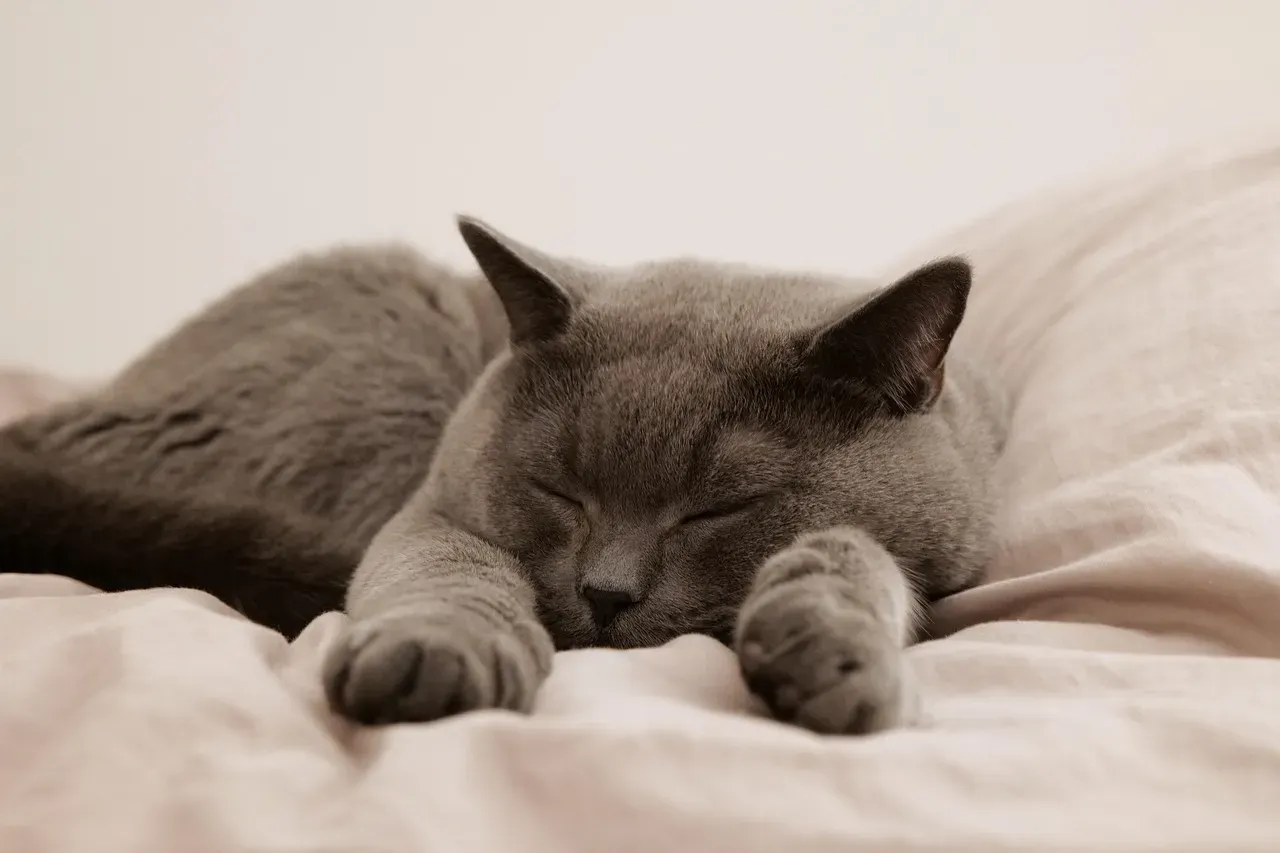
Cats sleep between 15 and 20 hours a day, and they value every single one of those z's. Yet how many times have you seen your peacefully sleeping cat and thought, "This is the perfect time to pet them"? You wouldn't love it, and neither does your cat. This is often called the second-best way to annoy your cat, after a dirty litter box.
Sleep is serious business for cats. It's not just laziness. Their bodies are hardwired to conserve energy for those bursts of hunting activity, even if the only thing they're hunting these days is the red dot from your laser pointer. When you interrupt their rest, you're essentially messing with millions of years of evolutionary programming. Look for signs like ears back or flat, tail flicking, and even growling or hissing. This is an indication to stop and give them their space. You are pestering your cat while they are trying to rest or don't want to play. Let sleeping cats lie. They'll be much more pleasant companions when they wake up naturally.
Neglecting Their Litter Box Standards
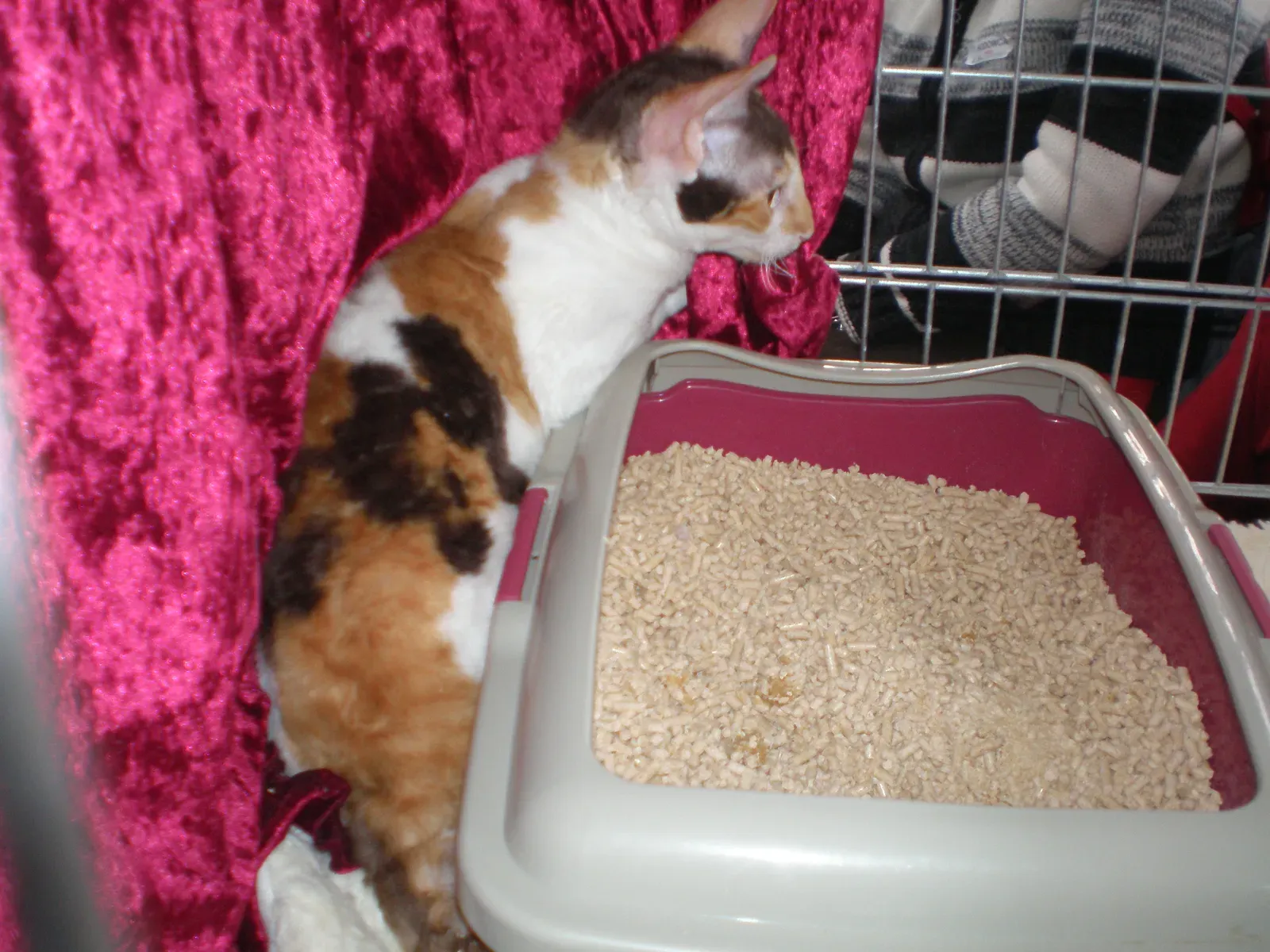
Here's something we don't like to think about, but it matters immensely to your cat. When you consider that cats have about 40 times as many odor-sensitive cells as humans, it should be obvious that a stinky litter box will annoy your fastidious feline. Honestly, would you want to use a bathroom that hasn't been cleaned in days? Neither does your cat.
The most important of these tasks is cleaning out the litter box. If the litter goes a few days without being cleaned, trust us, your cat will not be happy. Cats are incredibly clean animals who take pride in their grooming habits. When their bathroom situation becomes less than pristine, it's genuinely distressing for them. This isn't just about comfort either. A dirty litter box can lead to behavioral problems, including your cat choosing alternative bathroom locations around your house. Make scooping a daily habit. Your cat will notice, and they'll show their appreciation by actually using the box consistently instead of leaving you unpleasant surprises elsewhere.
Constantly Changing Their Routine And Environment
Cats are definitely creatures of habit, and sudden changes in their environment or everyday life can be distressing. Maybe you rearranged the furniture on a whim, switched their food brand because it was on sale, or moved their favorite sleeping spot. To you, these seem like minor adjustments. This ranges from the introduction of a new pet, moving to a new home, change in food or litter brand, or rearranging furniture. Even events that people view as very minor can be stressful for unsuspecting cats.
Cats thrive on predictability. Their entire worldview is built around knowing what to expect and when to expect it. When you suddenly introduce chaos into their carefully structured universe, it can cause genuine anxiety. A new baby counts as change, one of the biggest your cat will encounter, but pretty much any change is met with some side eye or disapproval. Even moving the litter box will throw them for a loop, and should be done slowly if at all. If you must make changes, introduce them gradually. Move the food bowl a few inches at a time over several days rather than relocating it across the room overnight. Your cat will adapt far better to slow transitions than sudden upheavals.
Conclusion
Understanding what makes your cat uncomfortable isn't about changing who you are. It's about learning to speak their language and respecting their boundaries. Sure, your cat might tolerate your enthusiastic morning hugs and your habit of vacuuming at odd hours, but just because they're not complaining loudly doesn't mean they're thrilled about it. Remember, cats are remarkably patient creatures who've adapted to living with us humans despite our many peculiarities.
The beautiful thing about this knowledge is that small adjustments can dramatically improve your relationship with your feline companion. Wait for them to initiate affection. Keep their environment stable. Maintain a clean litter box. Use gentler scents. These aren't huge sacrifices, yet they can transform your cat from a tolerant housemate into an enthusiastic companion. Have you noticed any of these behaviors in your own cat? What changes might you try making today to create a more harmonious home for your whiskered friend?