10 Surprising Ways Your Cat Shows You Undying Loyalty (Even When You Least Expect It)
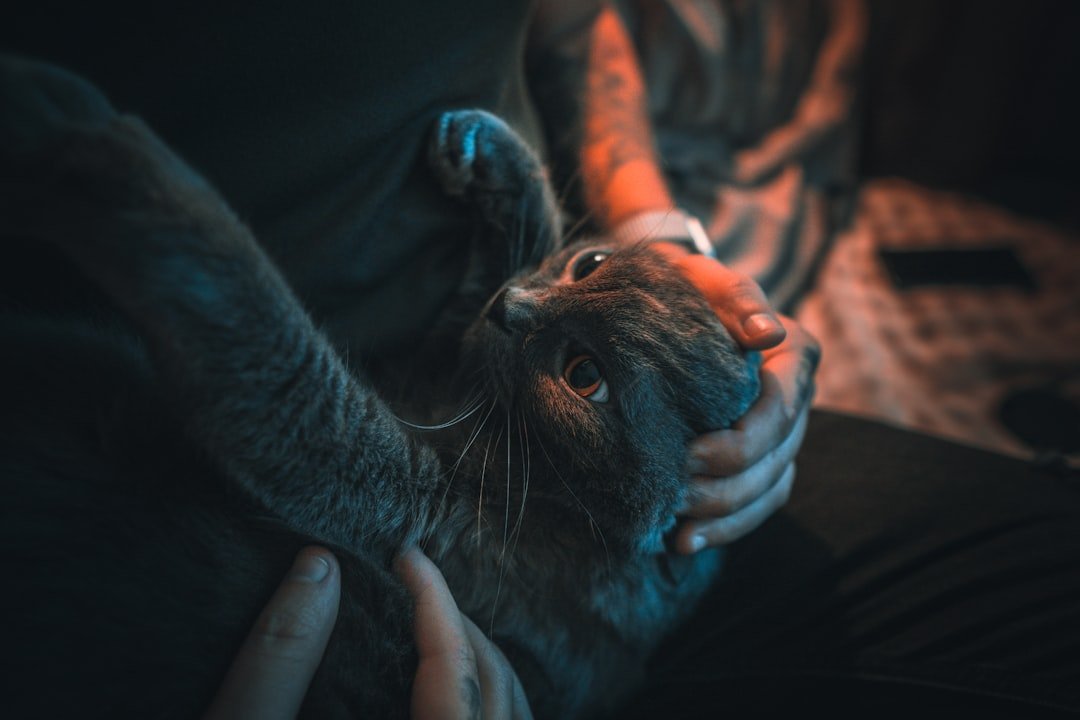
You've probably heard it a thousand times. Cats are aloof. Cats only care about themselves. Cats would probably forget you exist if the food bowl stayed full. Let's be real, though - that couldn't be further from the truth.
Your feline companion has been silently demonstrating devotion this entire time. The catch? Their loyalty doesn't look like a dog's tail-wagging enthusiasm or a child's tight hug. It's subtler, quieter, and honestly, a lot more mysterious. Think of it like this: your cat speaks a different emotional language, one that requires you to pay closer attention to decode the message. So let's dive in and uncover the secret ways your cat has been saying "I'm loyal to you" all along.
They Follow You From Room to Room
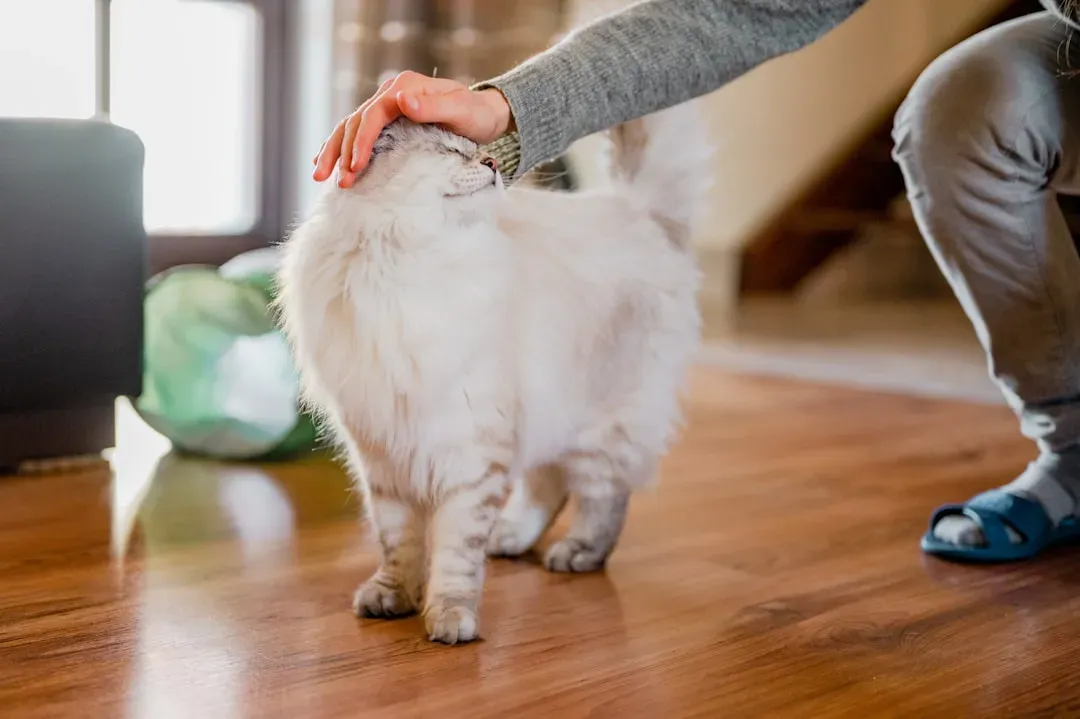
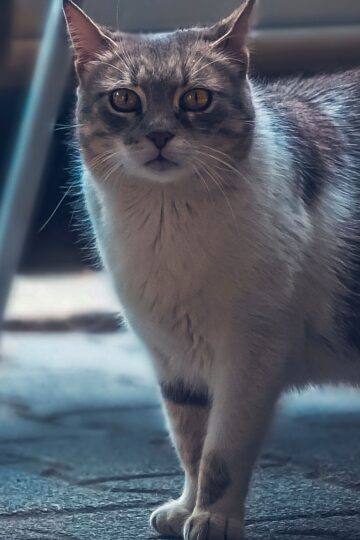
Ever notice your cat appears in every room you enter, almost like a furry shadow? This behavior isn't just about wanting food or being anxious - in many cases, your cat simply enjoys your company and wants to be with you. Your cat may choose to accompany you wherever you go, showing a desire to stay close and be part of your daily activities, which indicates they enjoy your presence and feel secure when you're nearby.
It's their way of staying connected and involved in your life. When your cat consistently seeks your company, whether lounging beside you or following you from room to room, it's a clear sign they value your presence and feel safe and comfortable around you. This shadowing behavior might seem clingy at first glance, yet it reveals how much they prioritize your companionship over solitude.
The Slow Blink "Cat Kiss" That Melts Your Heart
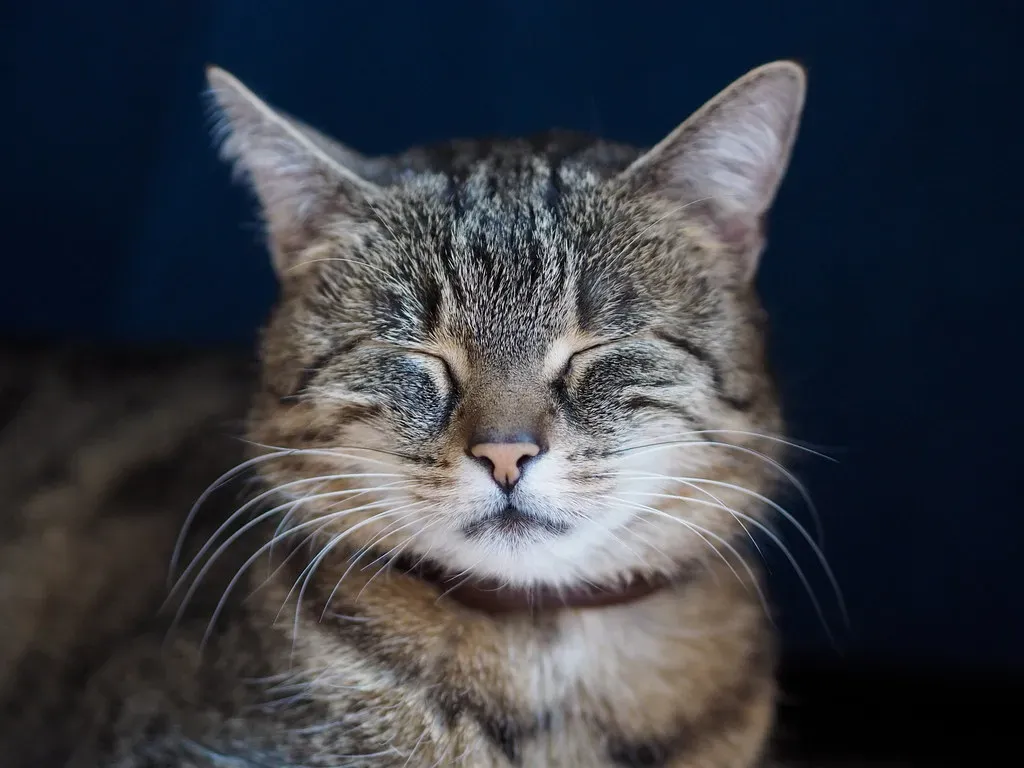
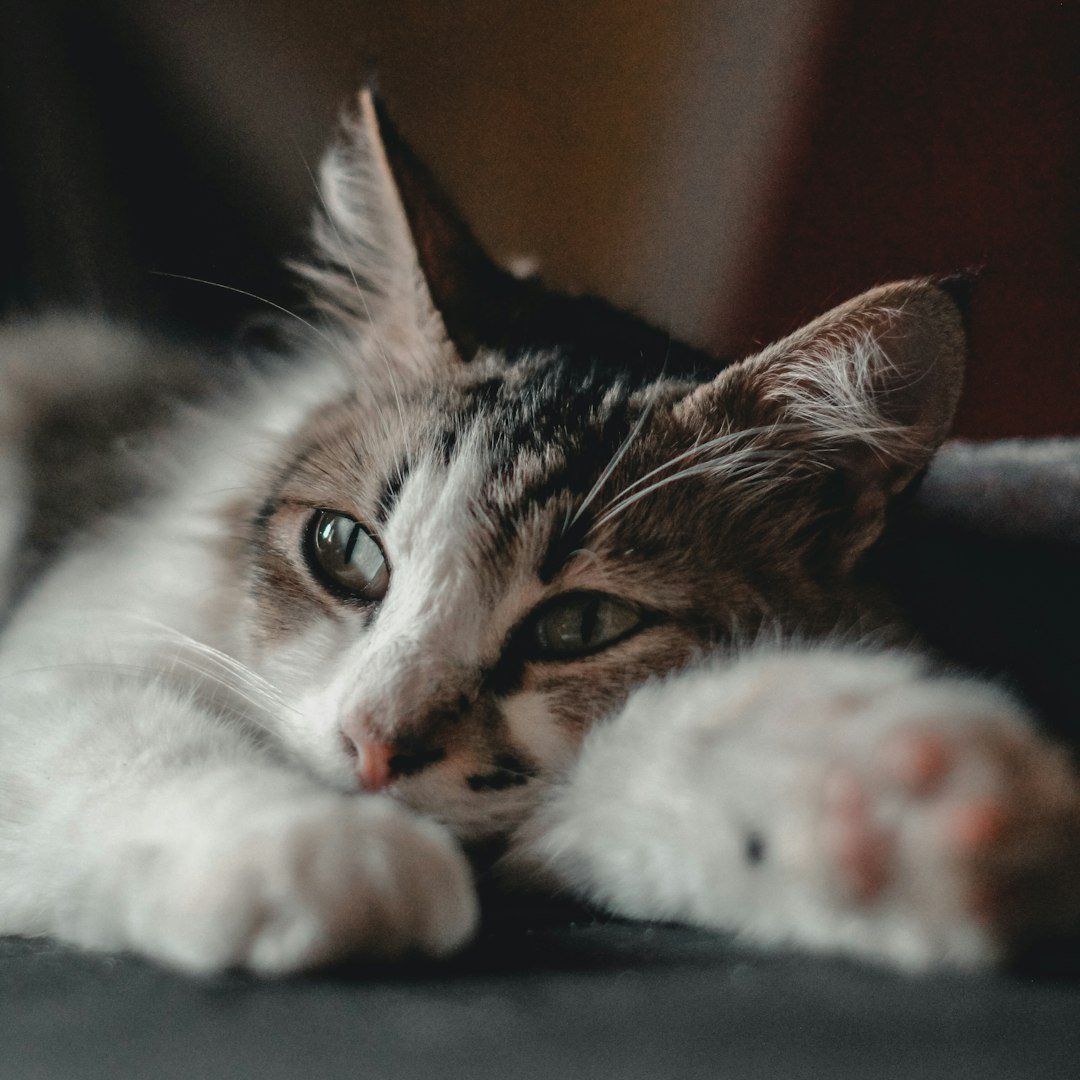
If you spot your cat giving you a long, drawn-out blink in the middle of their gazing at you, they are comfortable letting their guard down in your presence and are displaying trust and affection. When your cat looks at you deliberately and softly closes and opens their eyes, they are communicating that they feel safe and at ease with you - a behavior often called a cat kiss.
This gesture speaks volumes about their emotional state. A slow blink from your cat is a sign of trust and affection, akin to a kitty kiss that says they feel safe with you, and when your cat gazes at you and slowly closes their eyes, it's their way of communicating comfort and contentment. Try slow-blinking back at them to strengthen your mutual bond and reassure your cat of your affection.
They Bring You "Gifts" (Yes, Even the Dead Ones)
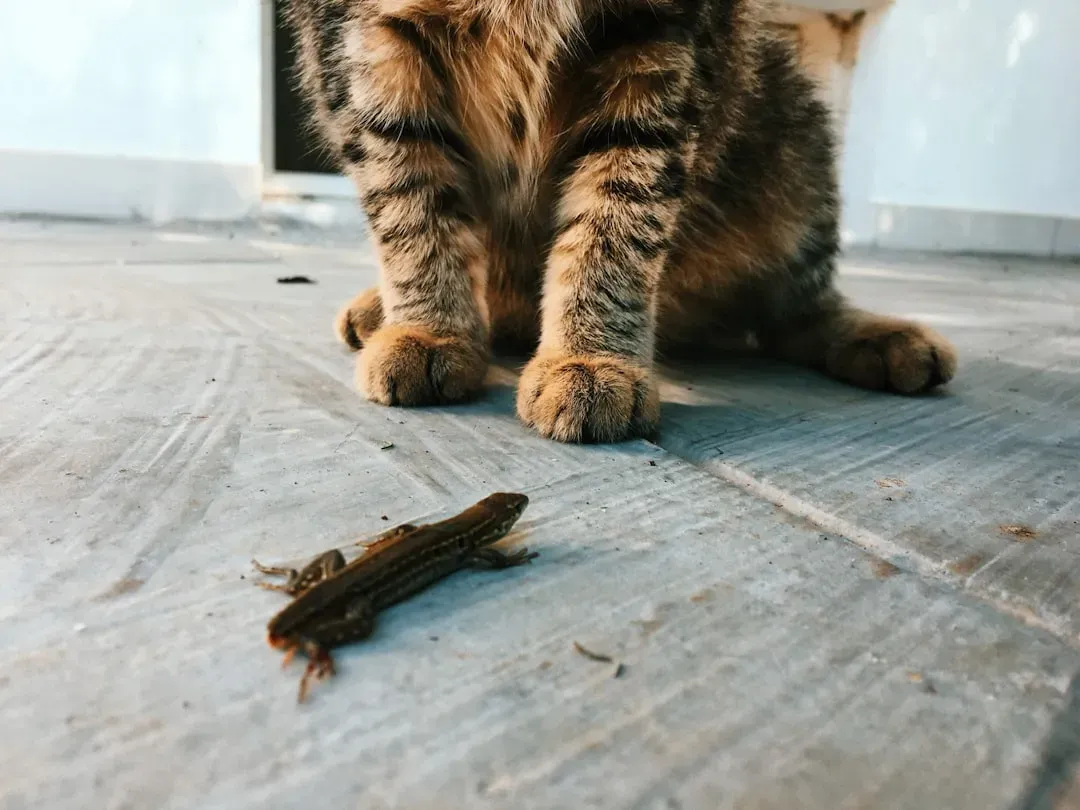
Here's one that might make you squeamish. Cats are hunters at heart, and sometimes a cat that catches a mouse or insect will bring the remains back to their humans as a gift - though this may turn your stomach, it truly is a sign of love and pride. While it might be unpleasant to find a dead mouse or bird at your doorstep, this behavior is a sign of love and trust from your cat, as in the wild cats bring prey to their families.
Whether it's a favorite toy or occasionally a less desirable present, your cat's offerings are their way of sharing and caring for you, stemming from their natural hunting instincts extended towards you as part of their family. Even unwanted gifts demonstrate their trust and willingness to provide for you.
Head-Butting and Cheek Rubbing Mark You as "Theirs"
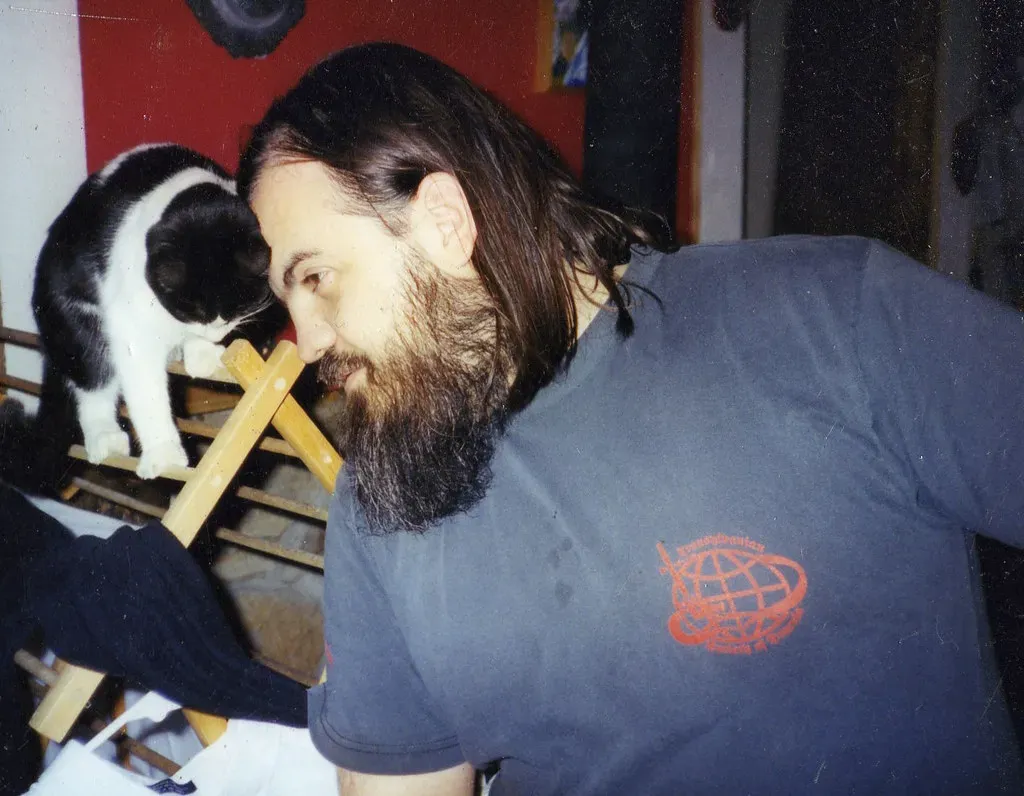
Cat behaviorists maintain that head-butting can be a very strong form of affection, known as head bunting, and it's usually reserved for members of a cat's colony. When a cat comes up and rubs its face or body on you, that's a sign of love and connection called bunting, and essentially it's how the cat marks you as theirs.
Your cat may bump their head against you or rub their cheeks against you to show affection - this is a social behavior formed in kittenhood through headbutting other kittens and their mother, and it's often an attempt to mark you with their scent to claim you as one of their own. This tender gesture not only shows affection but also strengthens the connection between you and your cat.
Purring When They're Near You

Feline behaviorists have found that cats purr for a variety of reasons, but purring first starts as a form of communication and bonding mechanism between kittens and their mothers - it's also a common indicator of comfort and ease, so if your cat purrs contently when they are around you, there's a good chance they also feel bonded with you and is relaxed in your presence. That rhythmic rumbling sound is basically a little motor of happiness.
Still, context matters here. Cats purr for many reasons, including happiness or contentment, but also for pain or sickness - however, if your cat's just hanging out at home and they're near you, and suddenly you hear the motor go on, that's a pretty good sign that they love you. It's a comforting soundtrack to your shared moments together.
Kneading Your Lap Like Dough
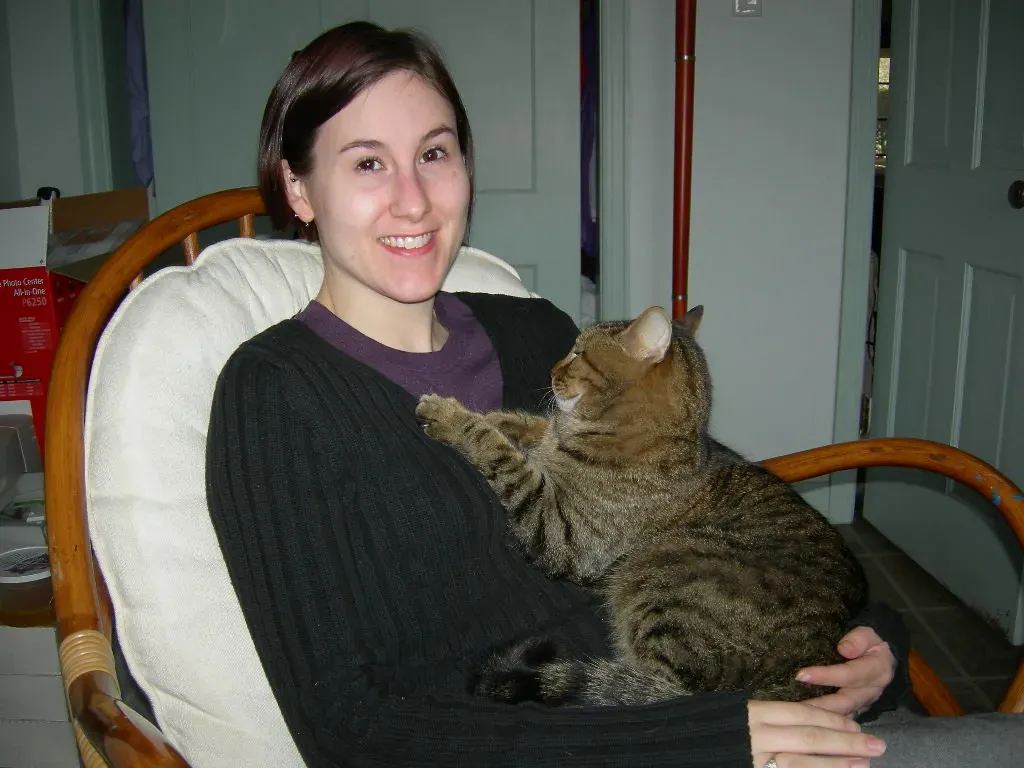
When a cat kneads with their paws, it's a sign of comfort and a throwback to kittenhood - it's similar to them kneading on their mother's stomach for milk, and when adult cats do it, it's another way for them to mark their territory. If kneading is involved, you better believe your cat views you as family - there are multiple theories as to why cats knead, and almost all have to do with comfort and affection.
When your cat kneads your lap or chest, they're expressing comfort and contentment, much like how they felt as kittens with their mother - this rhythmic pressing of their paws is a sign of happiness and security in your presence. Just be mindful of their sharp claws during these affectionate moments.
Sleeping On or Near You
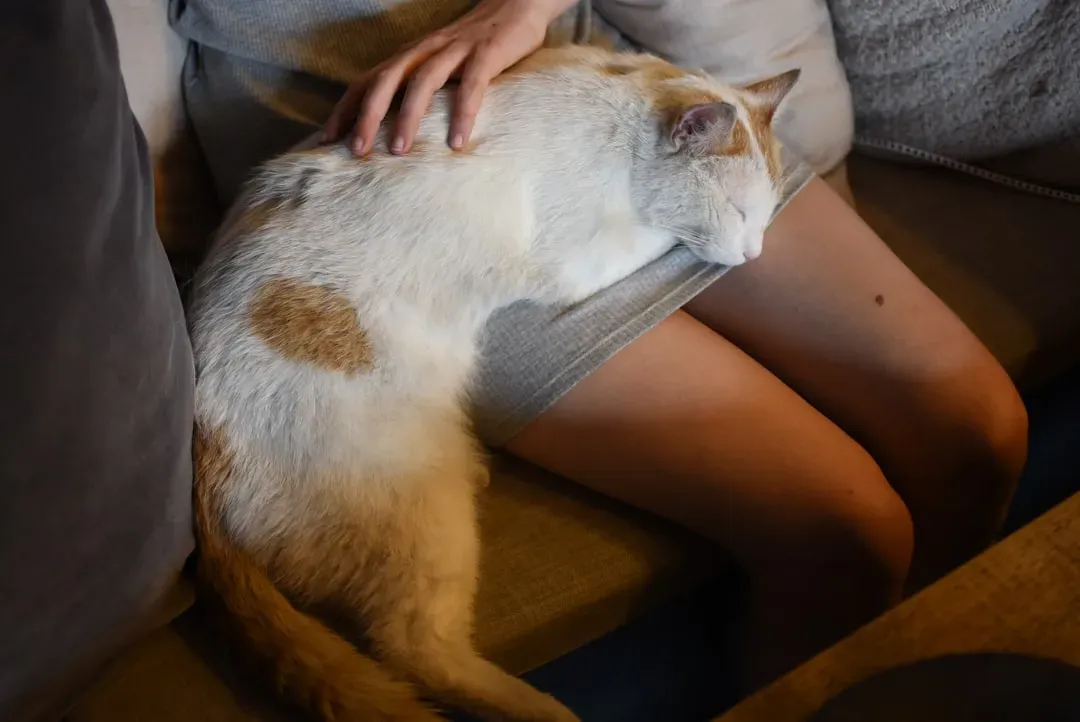
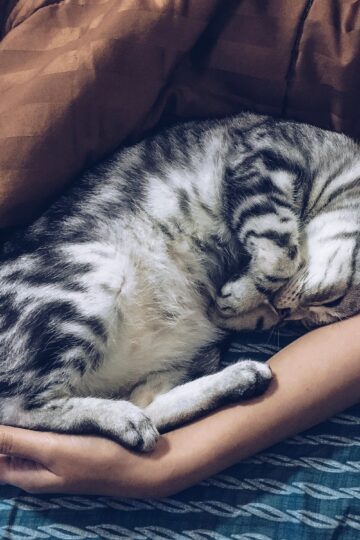
A cat who chooses to sleep on or close to you is showing their love and trust in you - even if they choose to lie just out of reach for petting, this means that they feel safe and trust that you will protect them, or that they will protect you if danger appears. Cats can sleep anywhere from 10 to 15 hours each day and are most vulnerable while sleeping, choosing places that are safe and secure - there is no better compliment to you than a cat who chooses to fall asleep on you, as this means they are completely comfortable with you and trust they are in safe and loving hands.
Honestly, it's hard to say for sure, but I think this might be one of the highest compliments a cat can give. Choosing you as their safe haven during their most vulnerable moments says everything about how they view your relationship.
Meowing Specifically at You
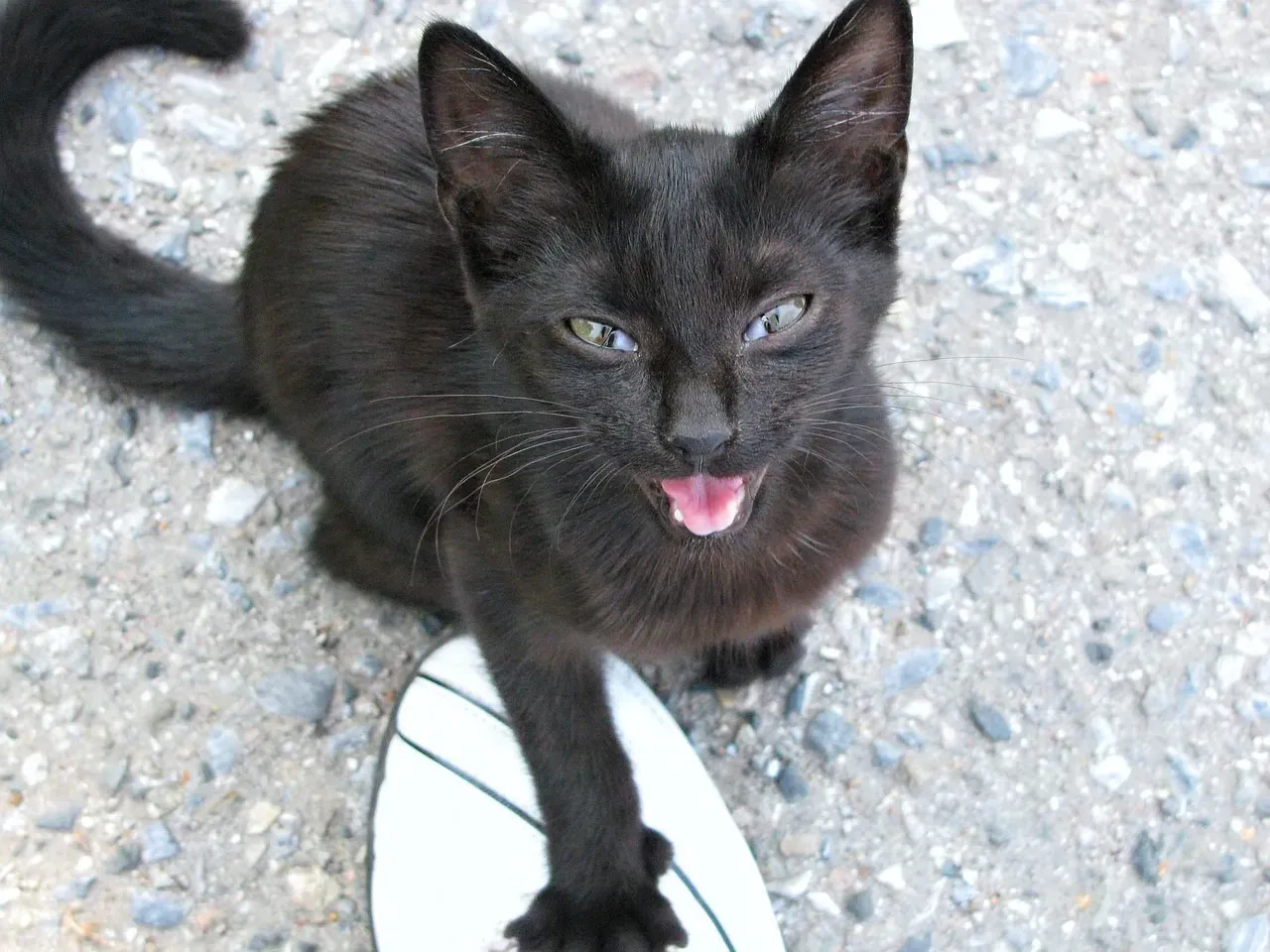
Normally, cats do not communicate with each other through meowing - primarily, they save this vocal behavior to their interactions with humans. Cats may develop a meow language unique to their owners - your cat may greet you with happy meows when you get home and give you shorter, more persistent meows when he wants your attention, and it's all a sign of love and camaraderie.
Engaging in regular meowing or other vocalizations specifically directed at you shows they're trying to communicate and maintain a bond - each sound your cat makes can convey different emotions and needs, fostering a deeper understanding between you, and this vocal interaction is a way for your cat to express affection, seek attention, or share their feelings.
Grooming You Like a Fellow Cat
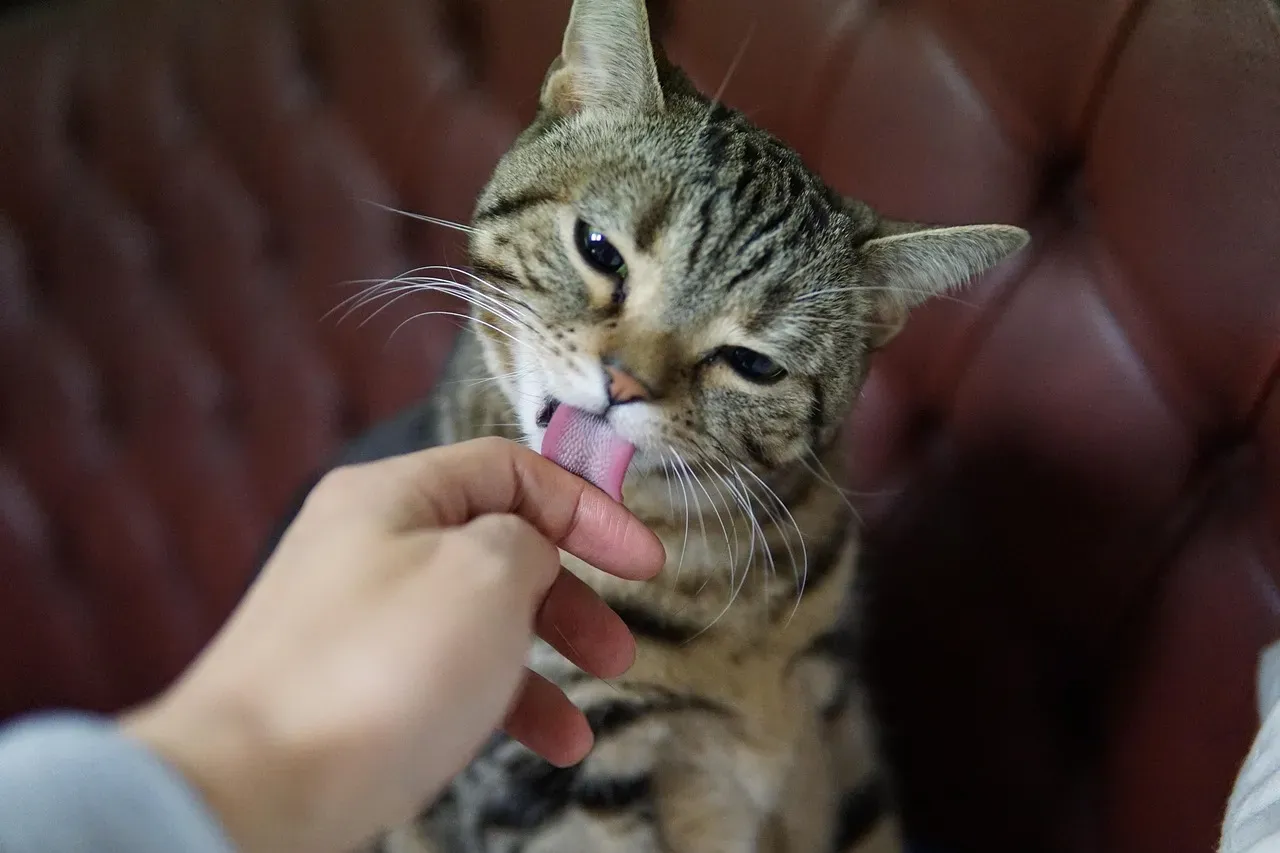
Cats groom each other as a display of affection, and this behavior will extend to humans when trust is built - cats will often lick their people or allow them to brush them, and licking is similar to the grooming cats perform on their feline friends, allowing them to mark each other and build their bond. Grooming is another way cats show their affection - when a cat licks your skin or hair, it's mimicking the grooming behavior they use with other cats, and this action signifies that they see you as part of their social group and trust you enough to share this intimate behavior.
When your cat licks your skin or hair, they're extending their grooming behavior, which is a sign of affection and trust - grooming is a social activity in the feline world, usually reserved for those they hold dear. This seemingly simple act carries profound meaning in the world of cat communication.
Seeking You Out During Tough Times
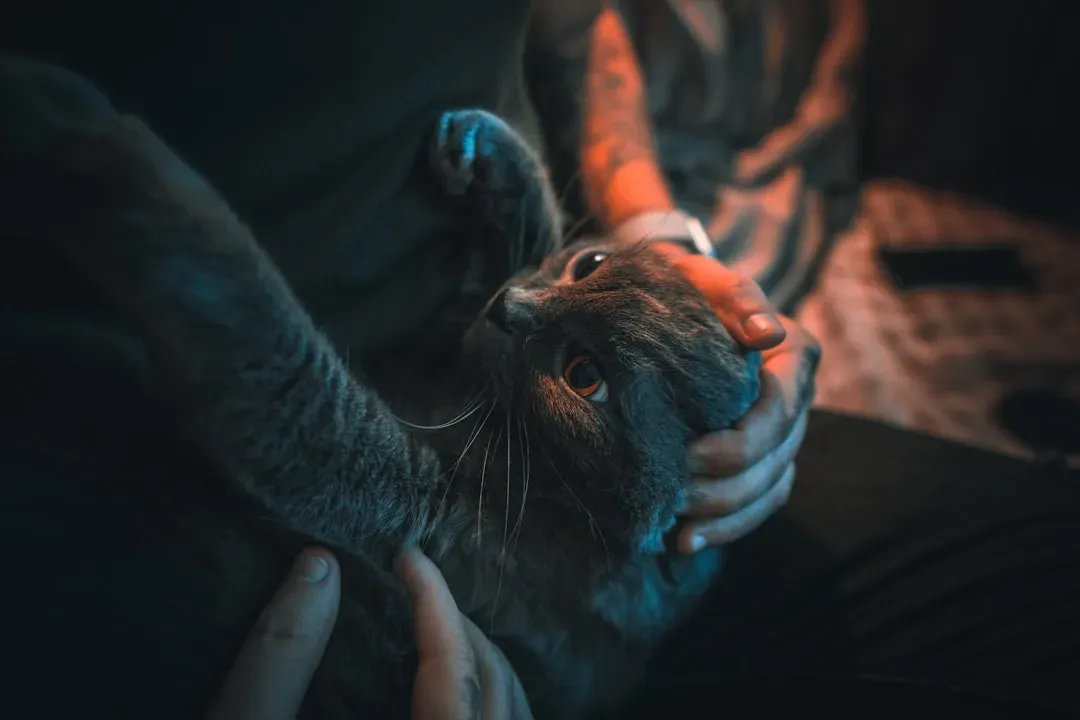
If your cat seeks you out during times of stress or sadness, it reflects their empathetic nature and loyalty to your well-being - they may sit close, purr soothingly, or simply stay by your side to offer comfort, and this supportive behavior demonstrates that your cat is attuned to your emotional states and wants to help you feel better. When a cat appears anxious or distressed when you leave, it's a strong indicator of their emotional attachment and reliance on your presence - they may exhibit behaviors like excessive meowing, destructive actions, or changes in eating habits, and this stress reflects how much they depend on you for comfort and security.
Their presence can be a source of solace and reassurance during tough times. Let's be honest - there's something deeply comforting about having a warm, purring companion choose to sit with you when life gets overwhelming.
Conclusion: The Quiet Devotion You've Had All Along
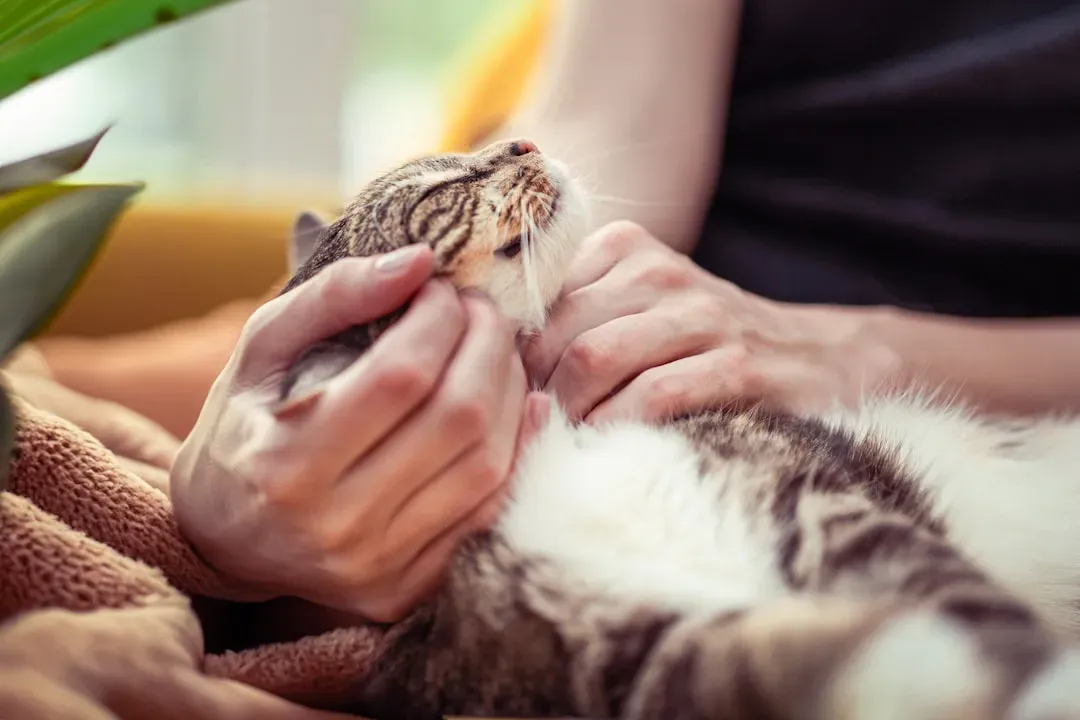
A study published in Current Biology found that cats form attachment bonds to their human caretakers in very much the same way that dogs and human children do - after observing key secure attachment behaviors in over 65 percent of cats and kittens involved in the study, researchers concluded that we may be underestimating cats' socio-cognitive abilities. Your cat's loyalty has been there all along, wrapped in soft paws and whispered through slow blinks.
Cats genuinely do care about their owners - research indicates otherwise from the claim that cats only like a hand to feed them, as cats are capable of feeling emotions and bonding with their caretakers, with studies showing that cats are deeply devoted to their caregivers. Cats can form deep attachments with their humans, similar to those of dogs, and in our experience - supported by quality research - cats are as capable of loving their owners as much as any dog.
So the next time someone tells you cats aren't loyal, you'll know better. Their devotion runs deep, even if it doesn't always look the way we expect. Did you recognize any of these behaviors in your own feline friend? What surprising ways does your cat show loyalty to you?