Are Cats Good For Kids
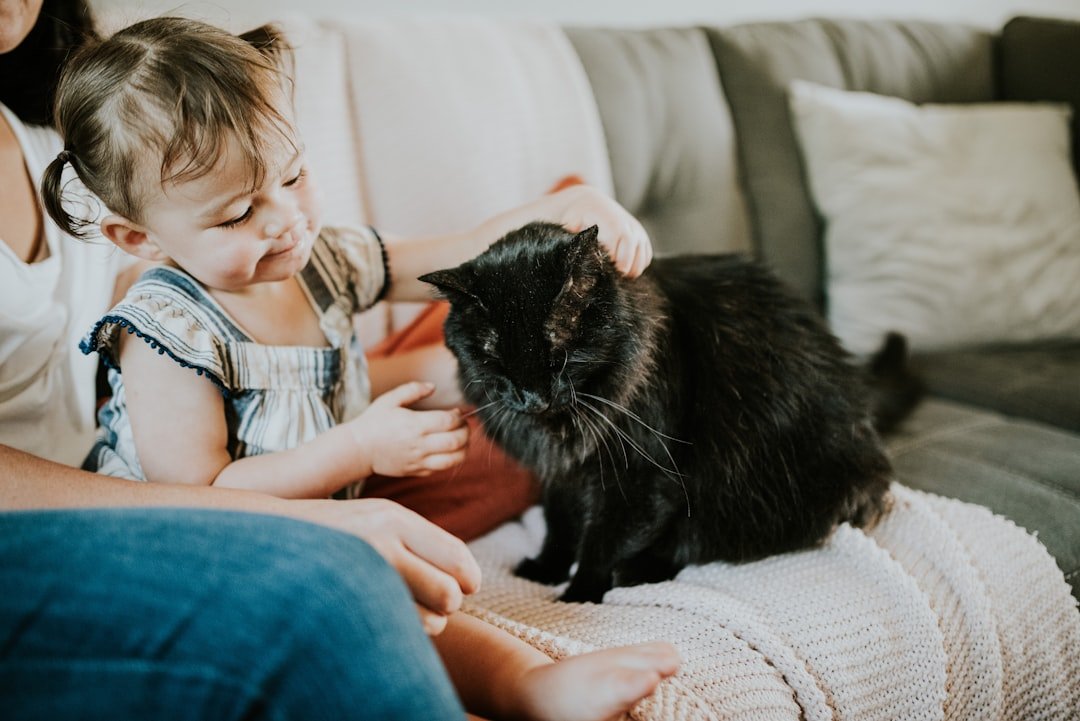
You've probably watched your child's eyes light up at the sight of a fluffy kitten or heard them beg endlessly for a feline friend. Maybe you're hesitant, wondering if bringing a cat into your home with young ones running around is truly a wise decision. Let's be real, the idea sounds lovely in theory, yet the reality involves scratching, hissing, and potential chaos. Still, there's something magical about the bond between children and cats that goes far beyond the surface.
Cats aren't just adorable companions that purr and nap in sunny spots. They can actually shape your child's development in surprising ways. From teaching patience to boosting emotional intelligence, these independent creatures offer lessons that you simply can't find in a textbook. So let's dive into what really happens when you bring a cat into your child's world.
Building Emotional Intelligence Through Feline Friendship
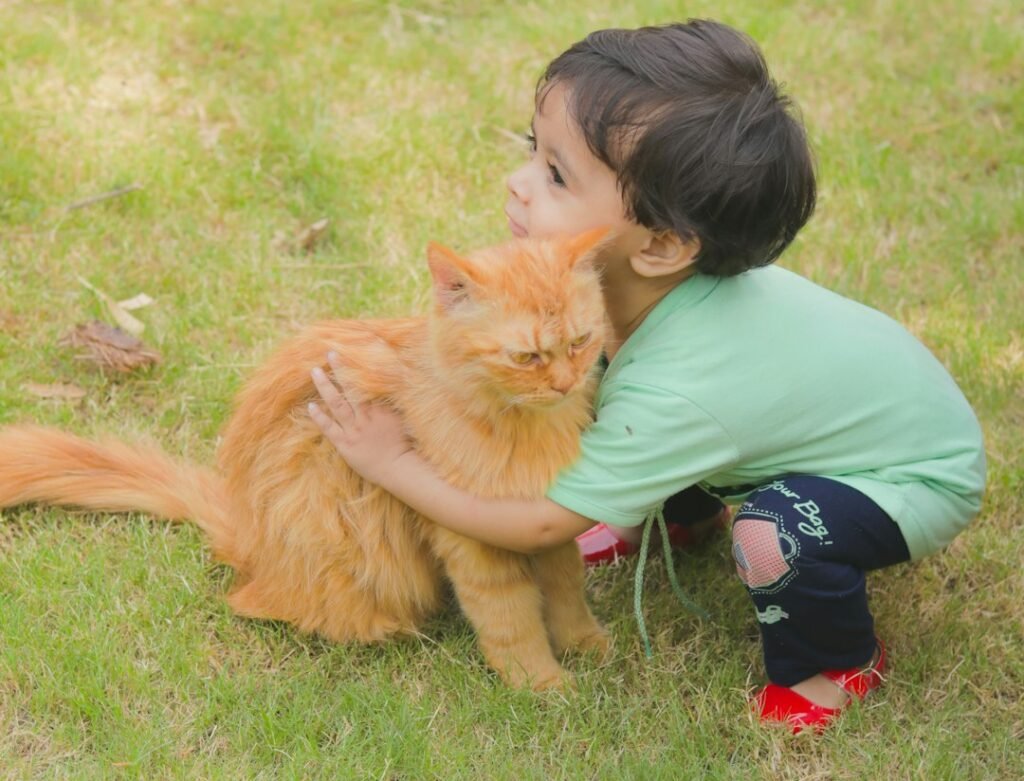
Companion animals like cats help kids understand non-verbal communication and intentions, which can lead to improved emotional understanding. Think about it: your child learns to read a cat's body language, noticing when those ears flatten back or when that tail starts twitching. This skill transfers directly to human interactions.
Kids who grow up with cats become more empathetic adults. It's hard to say for sure how this transformation happens, yet watching your child observe their cat's moods and respond accordingly is pretty remarkable. By understanding what your cat wants and needs from behaviors teaches your children empathy and to understand emotions by imagining how their pet feels.
The emotional support cats provide goes deeper than surface-level cuddles. Cats can comfort children navigating difficult feelings, including those related to trauma. Your child might confide in the family cat about struggles at school or friendship drama, creating a safe emotional outlet. Cats provide emotional comfort and can help children develop social and emotional skills, particularly for those who may struggle with anxiety or sensory sensitivities.
Teaching Responsibility Without Overwhelming Demands
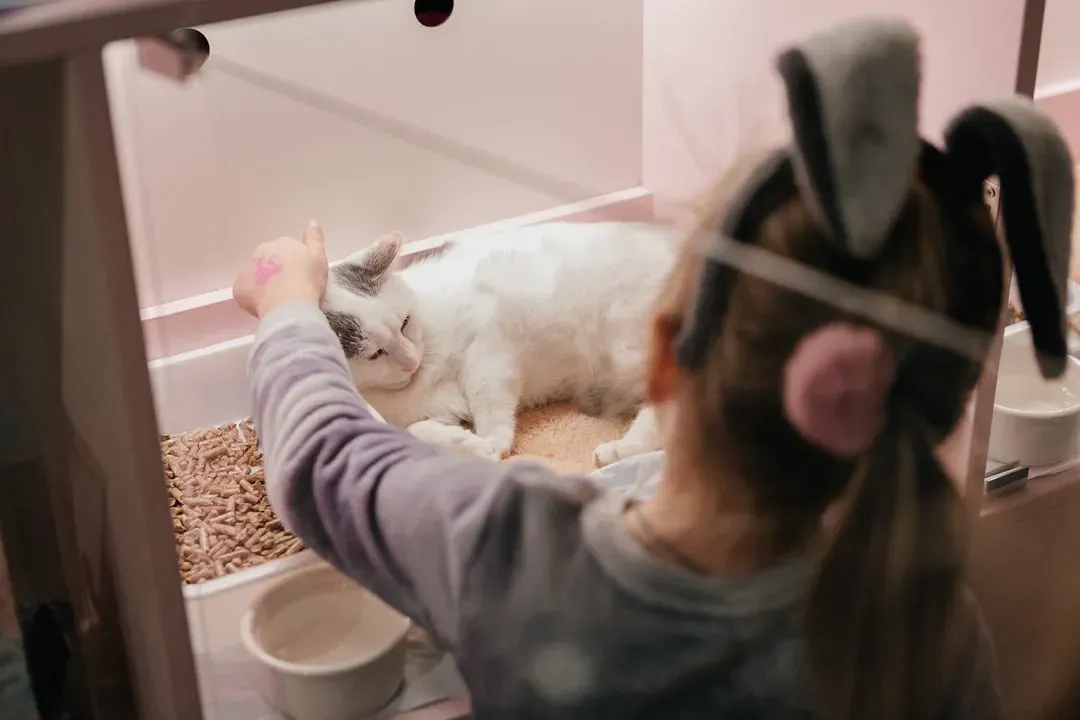
Here's the thing about cats: they require care without being completely high-maintenance. By participating in feeding the cat, cleaning the litter box, and weekly grooming, kids learn important lessons like creating and sticking to habits, having pride in their work, and how to maintain the health of another living being. You can start small with age-appropriate tasks.
Felines provide a chance for children to learn responsibility, and depending on your child's age, you can task them with feeding your pet every day, cleaning the litter box or making sure they get enough play and exercise. The beauty is in the gradual progression. Your five-year-old might simply help fill the food bowl, while your ten-year-old takes on litter box duties.
The act of caring for a cat, involving a structured routine of feeding, grooming, and playtime, contributes significantly to the development of executive functioning skills in children. Those daily routines build time management and organizational abilities. Honestly, watching a child remember to feed their cat before heading to school demonstrates growth that spills into other areas of life.
Strengthening Physical Health and Immunity
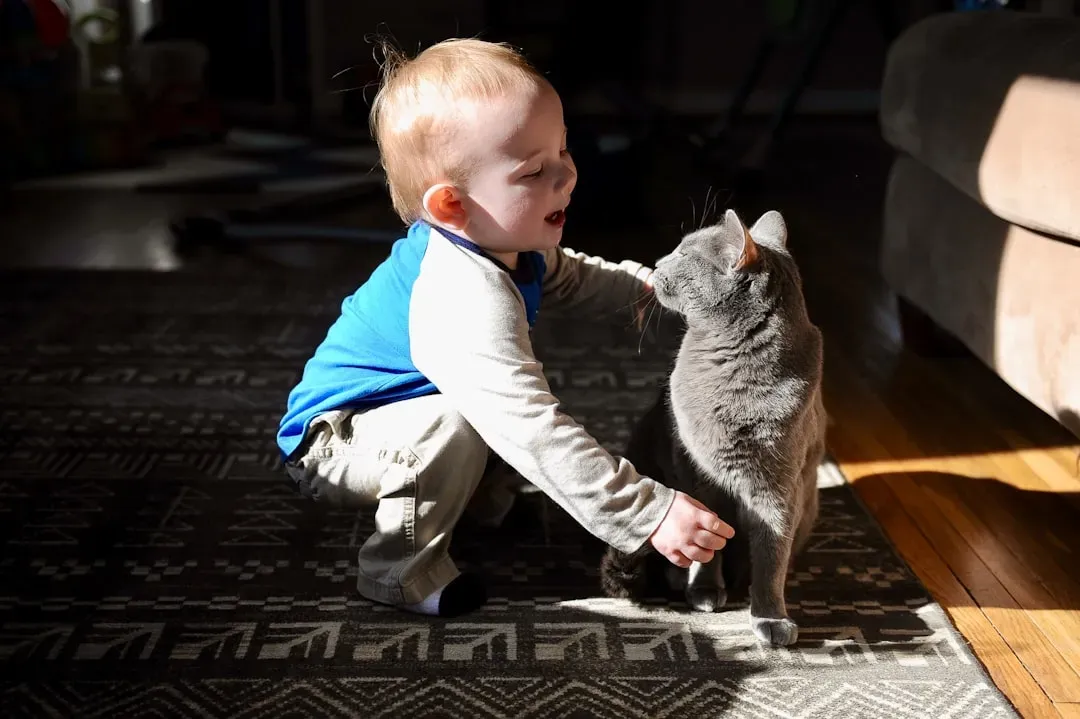
You might worry about allergies when considering a cat for your home. Surprisingly, the opposite might be true. Children who grow up around a cat during the first year of life are less likely to develop cat allergies. Early exposure seems to prime the immune system.
Being around animals can help children reduce the risk of allergies and asthma as they get older, and early exposure to cats may help reduce the risk of allergies. I know it sounds counterintuitive when you're worried about sniffles and sneezes.
Playing with cats encourages physical activity too. Cats love to chase toys around and children can engage in interactive play with them, which promotes physical activity, coordination, and motor skills as children learn and grow. Those sessions with feather wands and laser pointers get your child moving away from screens.
Fostering Social Skills and Communication
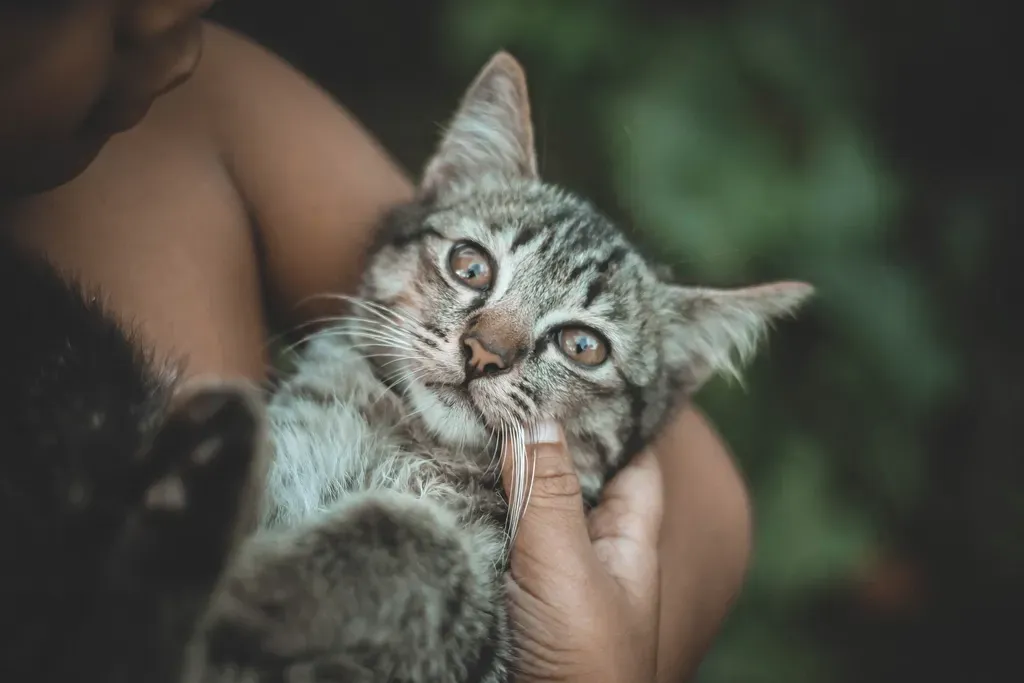
Attachment to a cat may promote healthy social interaction, communication and play in kids. The relationship your child forms with their feline companion becomes a training ground for human friendships. They learn give-and-take, boundaries, and reading social cues.
Children learn to understand their cat's body language, purring, and even their meows, which can improve their ability to communicate effectively with others and understand non-verbal cues. This translation of feline communication sharpens observation skills. Your child starts noticing subtle signals in classmates and family members too.
Cats in particular can also teach patience, as they are often solitary and skittish animals around active, loud kids, meaning your kids will need to learn when it's playtime and when it's alone time. That lesson in respecting boundaries is invaluable. Cats can be independent and children often have to be patient with them, and learning to respect their cat's boundaries and not push their limits helps children develop patience and self-control.
Boosting Self-Esteem and Confidence
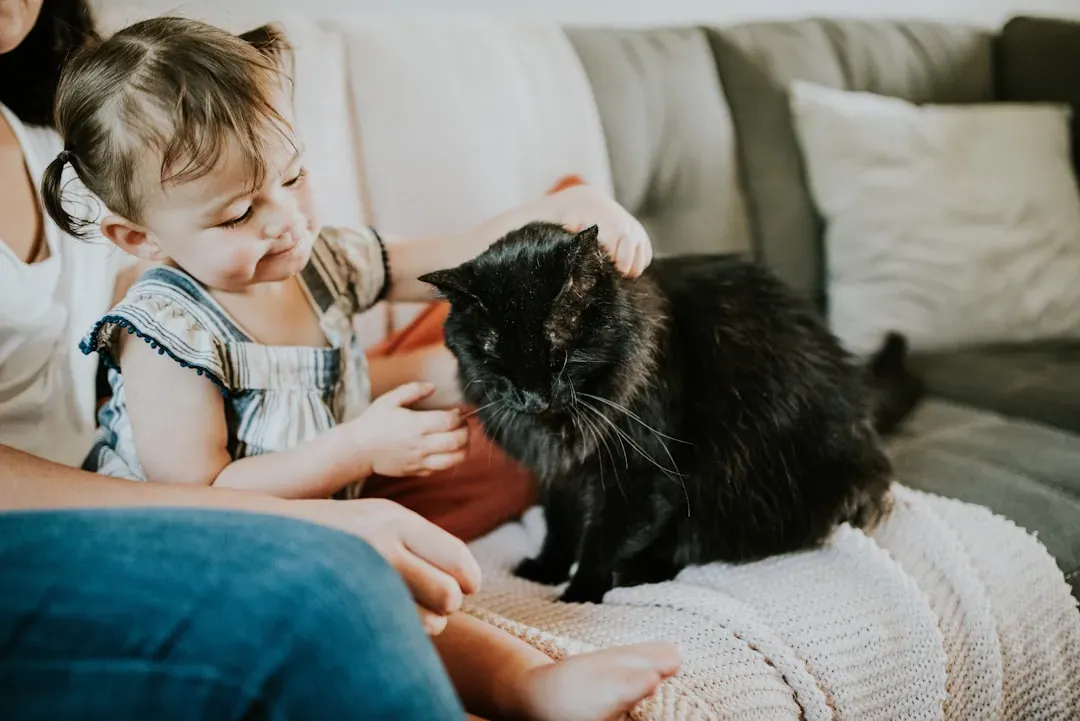
Caring for a cat is correlated with self-worth. When your child successfully completes their cat care duties, they experience genuine accomplishment. That daily feeding routine or successful grooming session builds confidence brick by brick.
Caring for a pet can build a child's confidence, and completing daily responsibilities, such as feeding the cat and cleaning the litter box, gives them a sense of accomplishment and pride. It's different from academic achievements or sports victories. This responsibility connects directly to the wellbeing of a living creature they love.
The unconditional acceptance cats offer also matters tremendously. Your child might struggle with friendships or school performance, yet their cat doesn't judge. The cat doesn't care about her grades or her popularity, giving positive attention that makes a big difference to self-esteem.
Creating Structure and Routine in Daily Life
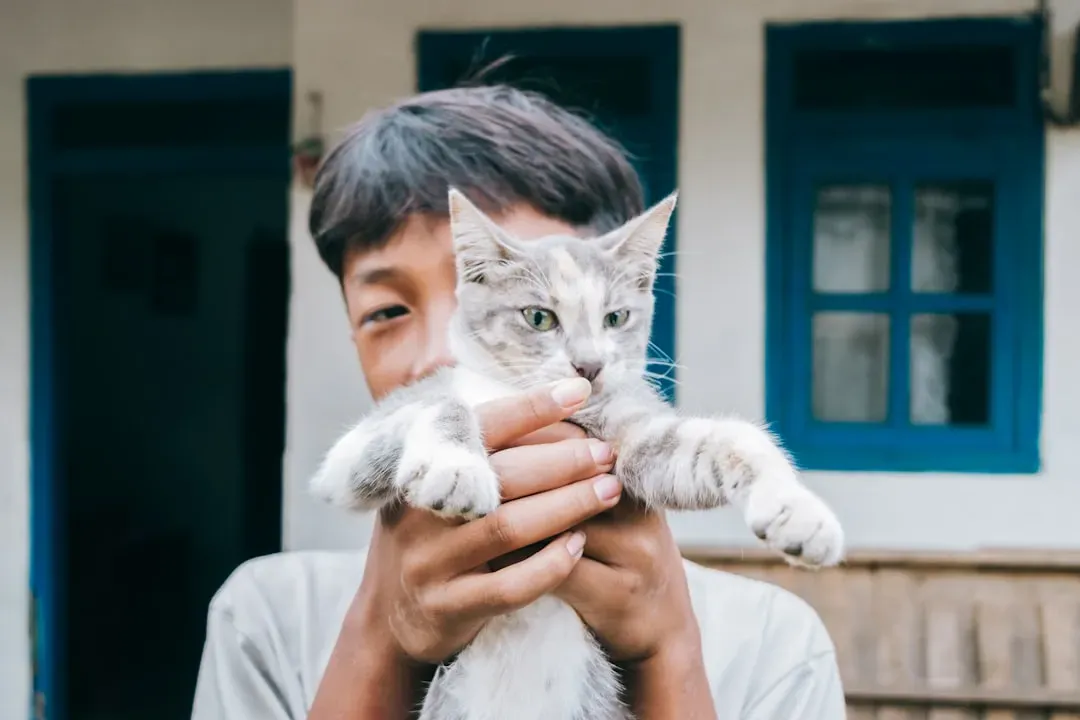
Cats thrive on predictable schedules, which naturally creates structure for your entire household. Cats can't tell time, but they can stick to a schedule, as crepuscular, felines generally eat, sleep and play around the same times of the day each day. This regularity teaches your child about consistency.
The daily rhythms of cat care become anchors in your child's day. Morning feeding, evening playtime, and regular grooming sessions create touchpoints that organize their time. Practicing pet responsibilities at the same time each day helps because cats love routine and predictability to make them feel secure and content.
This structured approach spills into homework schedules, bedtime routines, and other responsibilities. Your child learns that certain tasks happen at certain times, building executive functioning skills that serve them throughout life. Honestly, the ripple effects of this simple routine are pretty remarkable.
Understanding Safety and Proper Interaction
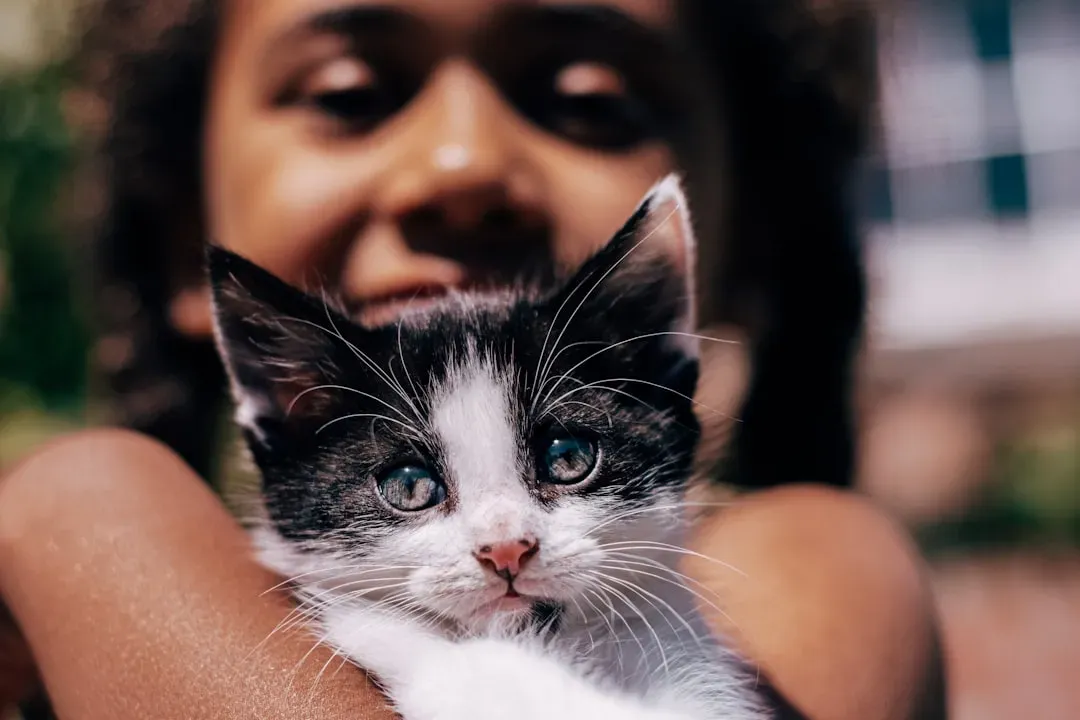
Let's be honest, not every interaction between cats and kids goes smoothly. Babies, children and cats should never be left together unsupervised, and it is important an adult supervises them at all times. You play a crucial role in teaching proper handling and respect.
Teaching your children to respect your cats starts with explaining that cats have boundaries and emotions just like humans, and encouraging gentle interactions while discouraging tail-pulling or rough play. Those early lessons in gentle touch prevent both scratches and fear.
Very young children ages 0-5 years will naturally have very limited impulse control and lack the ability to follow direction consistently from adults, and even if your young child is typically very polite and calm with your cat, you cannot guarantee that they will always be so, as it only takes one misstep to negatively affect the relationship. Supervision becomes your insurance policy against accidents. Your vigilance protects both your child and your cat, creating a safe environment where their bond can flourish.
Preparing Your Child for Life's Emotional Challenges
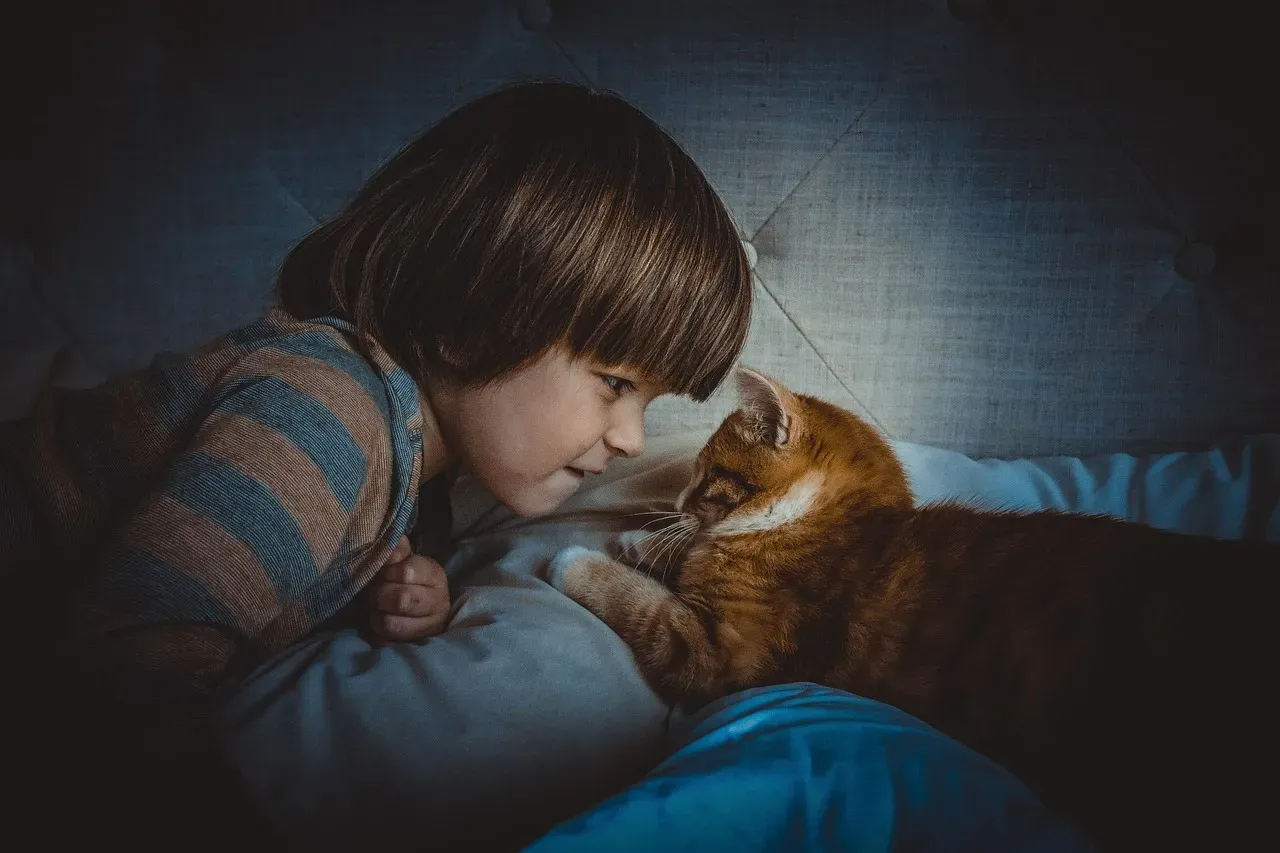
Growing up with a cat prepares your child for difficult life experiences. When a pet is unwell or gets older, children experience feelings of worry and sadness, and guiding children through these tough moments can deepen their sense of compassion, helping them understand that being supportive and gentle is part of caring for someone they love. These moments, though painful, build resilience.
The experience of caring for an aging or sick cat teaches your child about unconditional love and commitment. They learn that love means showing up even when it's hard. This long-term commitment will teach your child valuable lessons about relationships and the reward of being a responsible pet owner: a long life with a loving cat.
Having a feline companion is emotionally beneficial for all ages, as children that bond with their cat are more likely to be attentive and happier, and it's amazing how cats improve the mental health of everyone around them. The emotional growth that happens through this relationship extends far beyond childhood. Your child develops coping mechanisms and emotional regulation skills that become lifelong tools.
So ? The evidence suggests they're not just good, they're transformative. From emotional intelligence to practical responsibility, from physical health to social skills, cats offer lessons that shape your child's development in profound ways. The relationship requires supervision, guidance, and patience from you as a parent. Yet watching your child learn empathy by reading a cat's body language or seeing them beam with pride after completing their pet care duties makes every litter box cleaned worthwhile. What aspects of child development do you think matter most when considering a family pet?