10 Cat Breeds That Require Constant Mental Stimulation to Stay Happy
Have you ever watched your cat stare out the window for hours, wondering if they're truly content, or just... bored? The truth is, many cat owners underestimate how much mental exercise their feline friends actually need. Some breeds are especially wired for activity, constantly seeking new puzzles to solve and games to master. Without proper stimulation, these clever kitties can become restless, destructive, or even depressed.
Let's be real, not all cats are created equal when it comes to their need for engagement. While some breeds are perfectly happy lounging around all day, others have minds that never stop working. If you've chosen one of these brainy breeds, understanding their unique needs becomes essential to creating a harmonious home. Recognizing the subtle signs that your cat is under-stimulated will help you build an environment where they can truly thrive.
1. Abyssinian: The Detective Who Never Stops Investigating
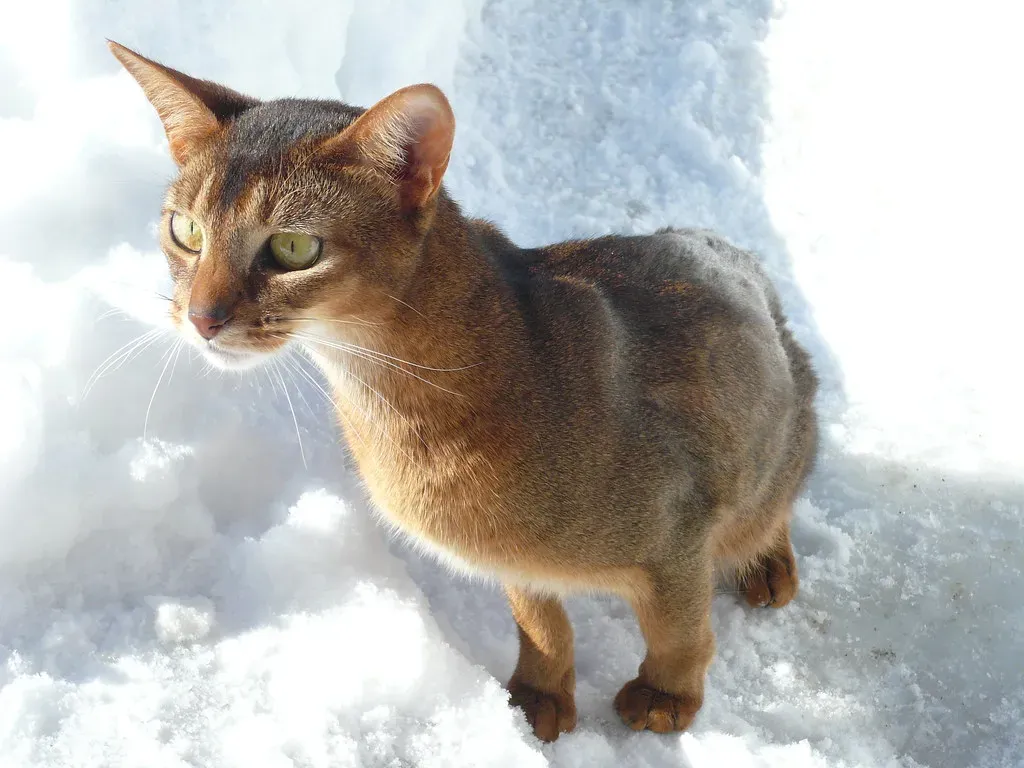
Your Abyssinian is known as one of the smartest cat breeds due to their inquisitive nature and exceptional detective skills. These cats don't just walk through your home, they investigate every corner like they're solving a mystery. You'll notice your Abyssinian following you everywhere, not out of neediness, but pure curiosity about what you're doing.
Thanks to their super intelligence, Abyssinians can get bored easily, so you'll need to give them plenty of opportunities to exercise their mind and bodies. Watch for signs like excessive climbing, opening cabinets you thought were secure, or creating their own games with household items. When your Aby starts inventing mischief, it's their way of telling you they need more challenges. Interactive toys, puzzle mats, and agility training courses are all viable options to keep this precocious feline happy.
2. Siamese: The Vocal Genius Demanding Your Attention
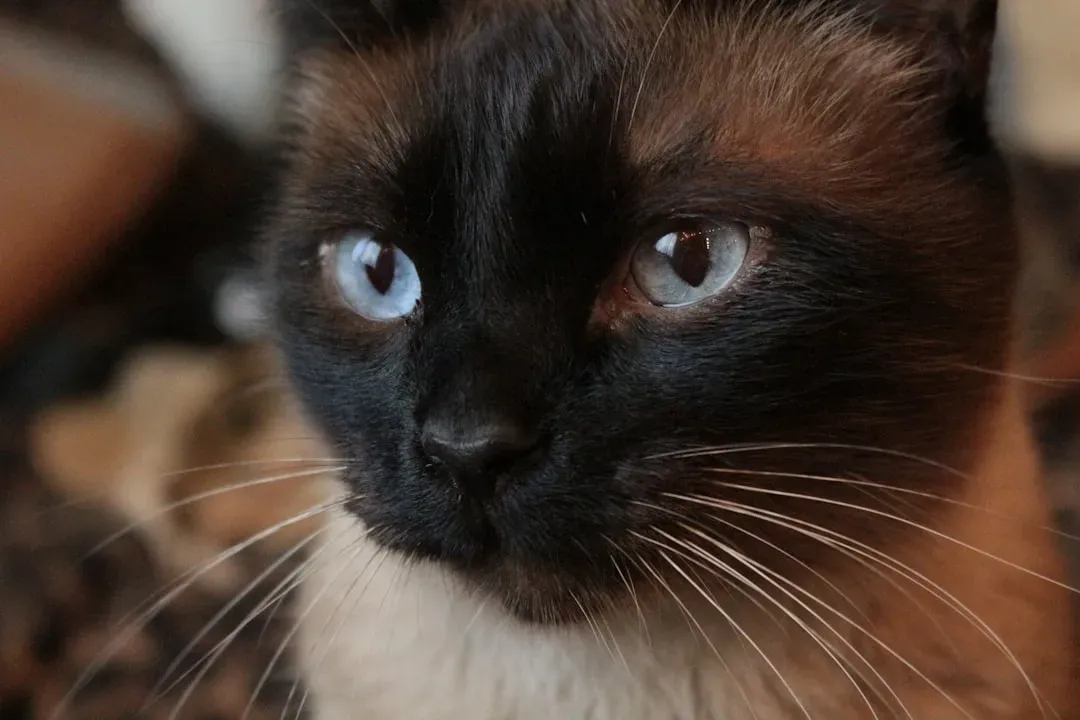
Due to their intelligence, the Siamese requires significant mental stimulation to keep busy, craving exploration and learning and discovery. If you've ever lived with a Siamese, you know they're not shy about expressing their opinions. These cats will literally tell you when they're bored, often through persistent meowing that can sound almost conversational.
As an energetic breed, failure to provide this stimulation often results in destructive behavior and mischief as the Siamese attempts to entertain itself through various means. Your Siamese will show their frustration through behaviors like knocking items off shelves or getting into places they shouldn't be. They're quick to learn tricks and should have plenty of feline-friendly enrichment to keep them occupied, and if they're bored, they'll loudly let you know. Honestly, a bored Siamese is one of the most persistent creatures you'll ever encounter.
3. Bengal: The Wild Child With Endless Energy
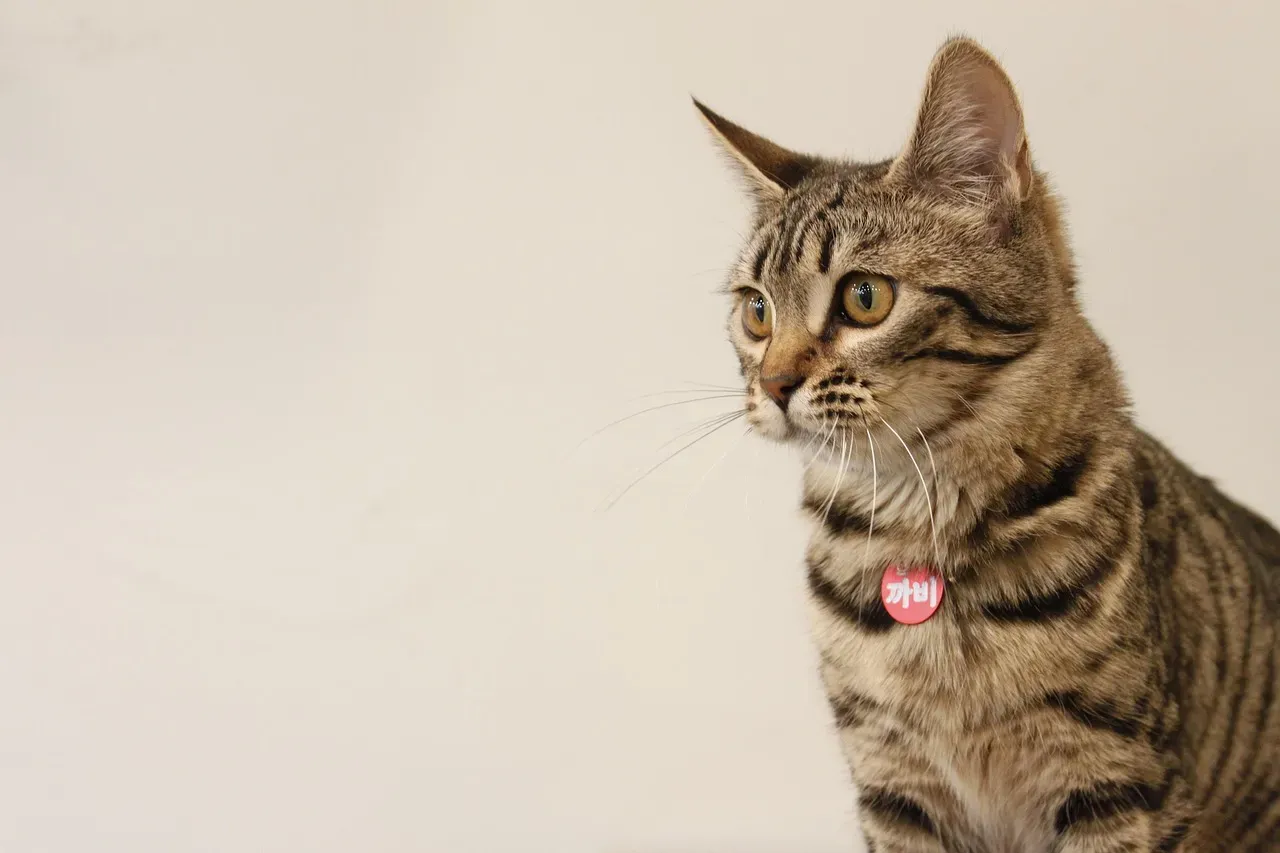
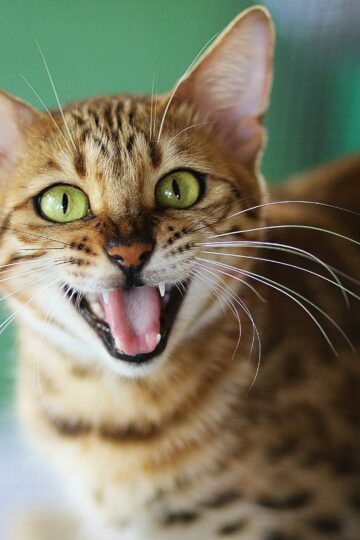
Bengal cats thrive on physical and mental stimulation and are quick learners, making them a great breed for pet parents wanting an active and social pal. These miniature leopards aren't content to simply exist in your home. They need to conquer it. You'll notice your Bengal attempting acrobatic feats, jumping to impossible heights, and figuring out how to open doors or turn on faucets.
Bengals have strong problem-solving skills and excel at puzzle toys, unfortunately also opening things they shouldn't, like your well-secured snack drawer. When your Bengal becomes under-stimulated, you might see them becoming aggressive during play or developing obsessive behaviors. Because they are highly active, they need plenty of mental and physical stimulation, with regular training sessions helping prevent boredom and destructive behaviors.
4. Savannah: The Exotic Adventure Seeker

Savannah cats are very intelligent and curious, and they can be taught tricks and are known for being mischievous when bored. These tall, elegant cats with their wild ancestry need far more than the average house cat. You'll see your Savannah attempting to follow you everywhere, not because they're clingy, but because they want to be part of the action.
Savannah cats are highly intelligent and need constant mental and physical stimulation, being excellent problem solvers who can quickly learn how to open doors, turn on faucets, and even manipulate objects to get what they want. Signs of boredom in your Savannah include excessive vocalization, pacing, or attempting daring escapes. They'll show you they're under-stimulated by creating their own entertainment, which might include redecorating your home in ways you didn't authorize. Many owners find success with leash training, as these cats genuinely enjoy exploring new environments.
5. Cornish Rex: The Curly-Coated Acrobat
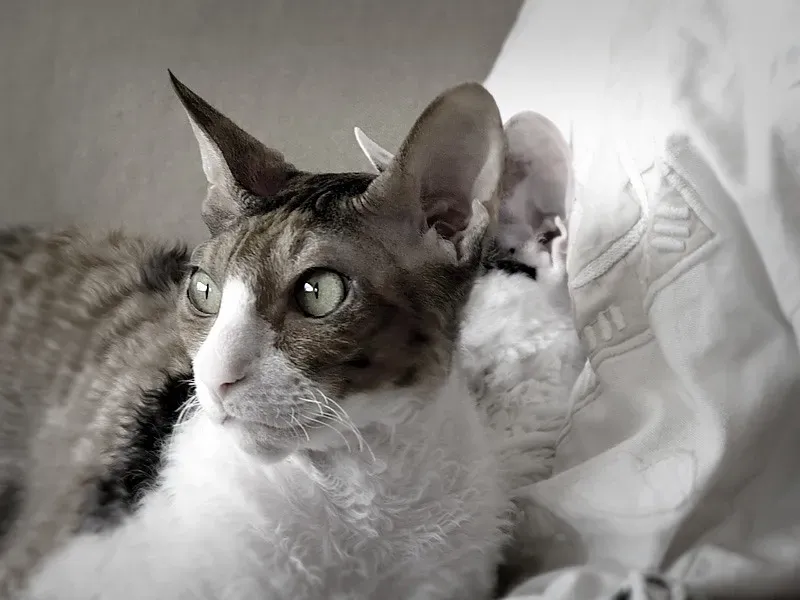
Their high intelligence means this smart cat breed needs plenty of mental stimulation and can easily learn to perform tricks or play fetch. Your Cornish Rex's distinctive wavy coat is matched only by their equally distinctive personality. These cats are perpetual motion machines, always jumping, climbing, or investigating something new.
As an intelligent breed, the Cornish Rex requires mental stimulation on a daily basis to prevent boredom, with puzzle games and advanced toys that challenge the breed to think critically being the best option. You'll notice your Rex becoming restless if they don't have enough to do, often expressed through increased vocalization or attention-seeking behavior. It's a breed that thrives on mental stimulation and needs a rotating selection of interactive toys to stay happy. Here's the thing: a bored Cornish Rex will find ways to entertain themselves, and you might not always appreciate their creativity.
6. Maine Coon: The Gentle Giant With a Clever Mind
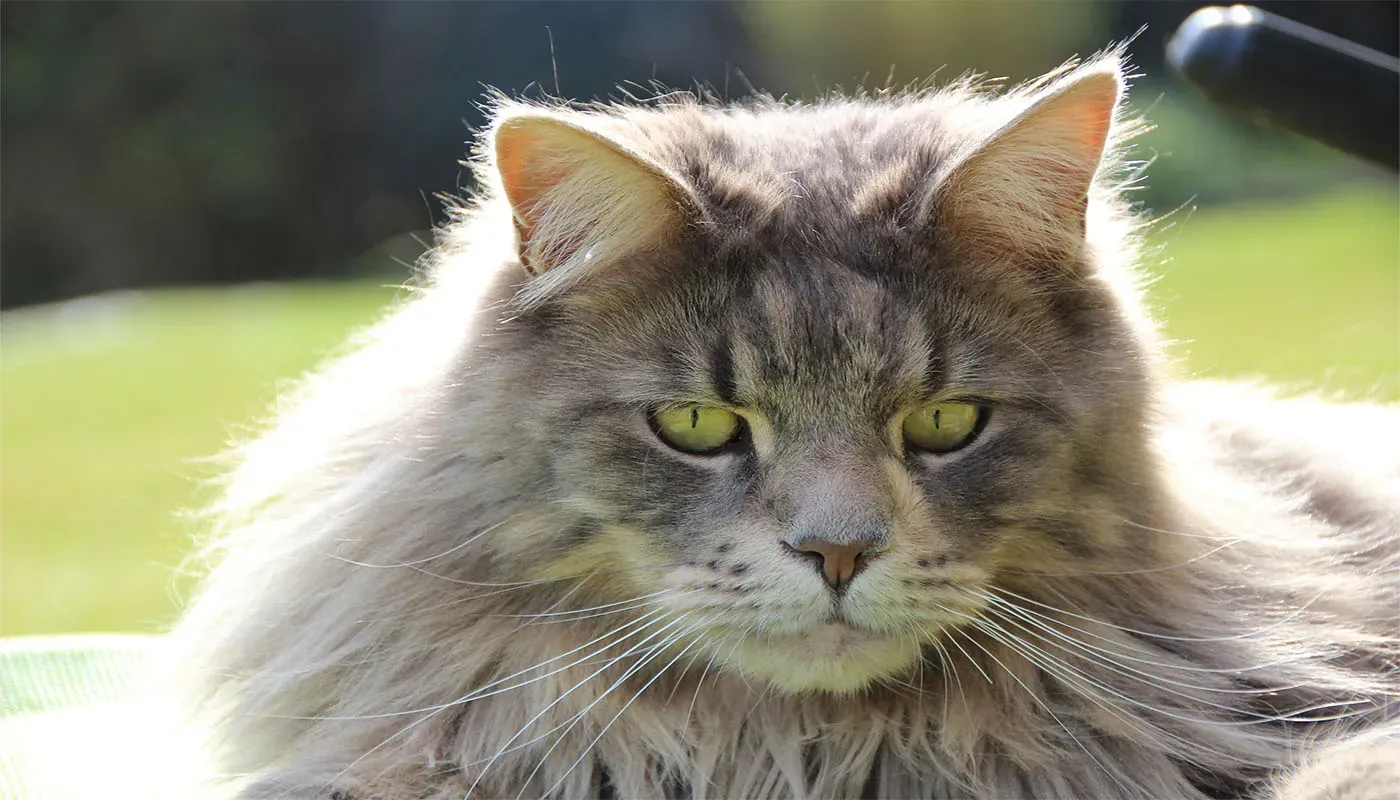
Maine Coons are excellent problem-solvers, often figuring out how to open latches or turn on faucets. Despite their large size and laid-back reputation, Maine Coons possess impressive intelligence that requires regular engagement. You might catch your Maine Coon watching you intently, studying your routines and learning patterns you didn't even know you had.
Maine Coons are particularly special for their ability to learn tricks such as fetching, demonstrating their dog-like intelligence and trainability, enjoying regular exercise and responding well to interactive play sessions that challenge both their bodies and minds. When under-stimulated, your Maine Coon might become withdrawn or develop a fixation on food as entertainment. They're remarkably patient cats, which means by the time they show obvious signs of boredom, they've probably been under-stimulated for a while.
7. Burmese: The Dog-Like Companion Craving Interaction
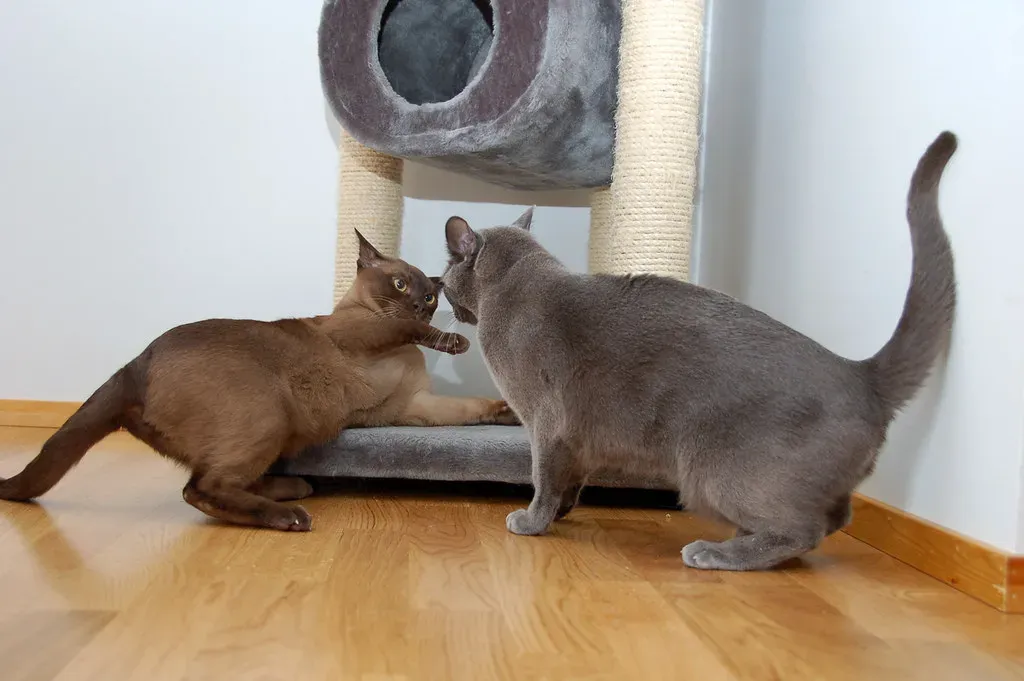
Burmese cats are popular, affectionate kitties who typically have a high level of intelligence, being playful, trainable cats who crave human attention. Your Burmese isn't just a pet, they're a shadow who wants to participate in everything you do. These cats form incredibly strong bonds with their humans and need constant interaction to feel fulfilled.
Because of their intelligence, they require mental stimulation to stay happy and prevent boredom-related mischief. You'll notice your Burmese showing signs of under-stimulation through excessive following behavior or becoming overly demanding of attention. Many Burmese cats can be taught to fetch, respond to their names, and even walk on a leash. When they're bored, they won't suffer in silence. They'll make sure you know something's missing from their day.
8. Scottish Fold: The Quiet Observer With Hidden Depths
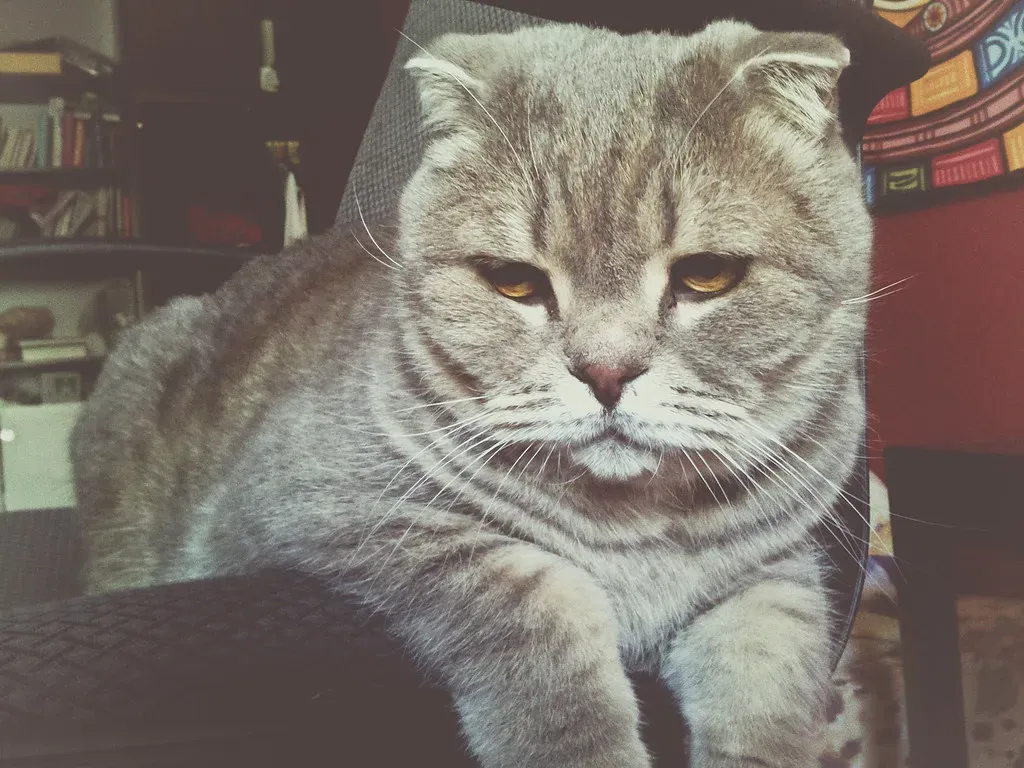
Known for their distinctive ears, Scottish Folds' quiet demeanor belies their intelligence, bonding deeply with their humans and showing high intelligence in subtle ways like anticipating routines or learning through observation. Don't let their calm appearance fool you. Your Scottish Fold is constantly processing information and needs mental challenges just as much as more obviously active breeds.
The Scottish Fold cat breed is playful, moderately active, and likes cat toys that challenge their intelligence, like puzzle toys. You might notice your Fold becoming more vocal or clingy when they need more stimulation. They have a high level of intelligence and playfulness, gaining energy from human interaction and being keen problem solvers who enjoy interactive play. The subtle signs matter most with this breed. A Scottish Fold who's content will engage with their environment, while a bored one becomes almost invisible.
9. Korat: The Emotionally Intelligent Empath

Korats are highly intelligent and curious, enjoying solving puzzles, playing with interactive toys, and learning tricks. These silvery-blue beauties possess an almost uncanny ability to read your emotions. Your Korat doesn't just live with you, they tune into your emotional state and respond accordingly.
Because of their intelligence, they need mental stimulation to prevent boredom, so owners should provide plenty of playtime and activities. When under-stimulated, your Korat might become overly sensitive or develop anxiety-related behaviors. Korats bond deeply with their families and can be sensitive to changes in their routines, so be mindful when introducing new things. They need consistency paired with variety, a delicate balance that requires attention to their subtle behavioral cues.
10. Turkish Angora: The Athletic Free Spirit
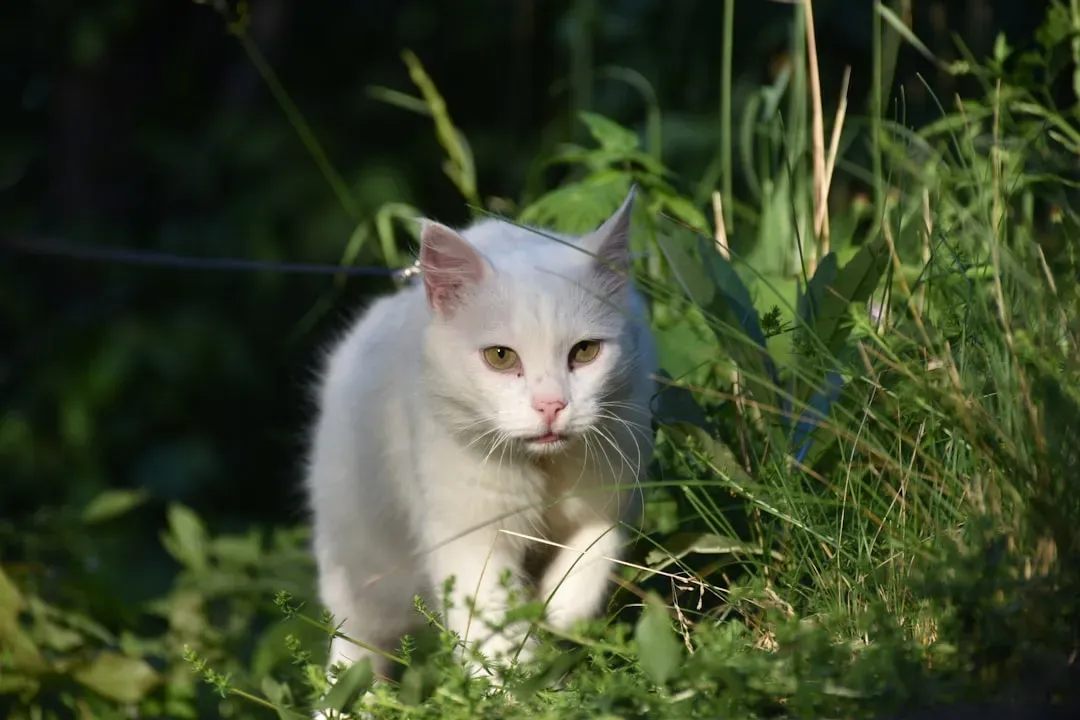
Turkish Angoras are highly intelligent and athletic with a keen sense of independence. These elegant cats possess both grace and brains, needing opportunities to use their impressive physical and mental abilities. Your Turkish Angora will demonstrate their intelligence through their problem-solving skills and ability to learn complex behaviors.
These kitties also love water and are known for being excellent problem-solvers. You'll notice your Angora showing signs of boredom through increased restlessness or attempting to create their own entertainment in creative ways. These smart cats respond well to positive reinforcement and love being involved in everything their humans do. They need both physical outlets for their athleticism and mental challenges to keep their clever minds occupied. Without both, they'll let you know something's missing through persistent attention-seeking behavior.
Conclusion: Creating a Thriving Environment for Your Brainy Cat
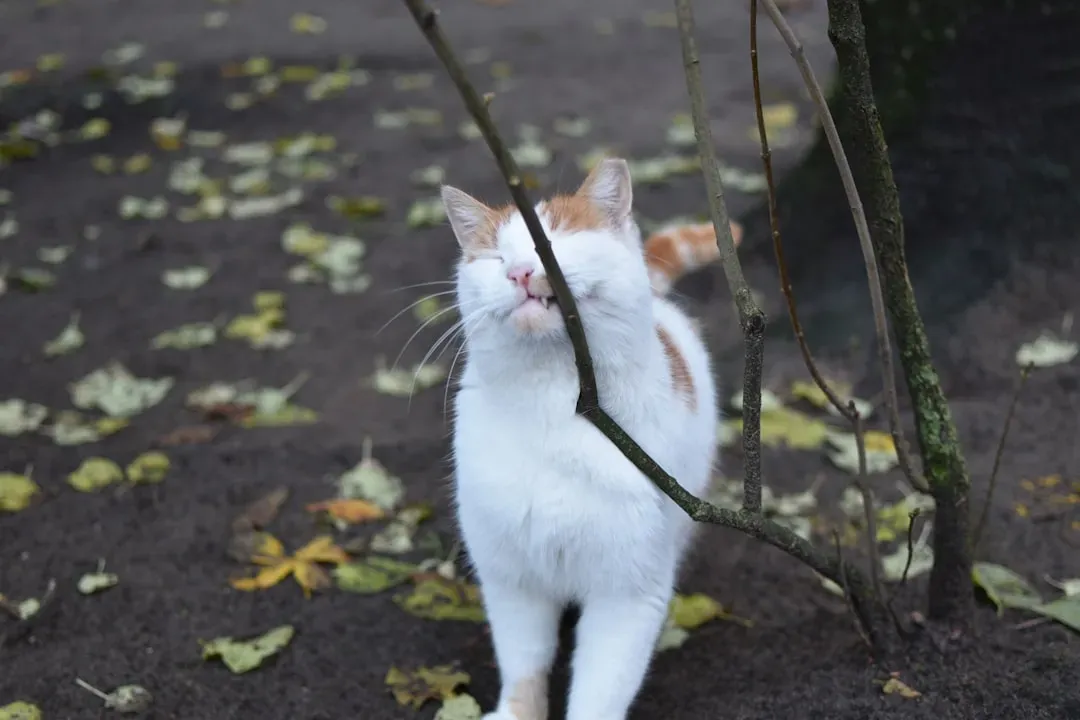
Cats are naturally intelligent, curious, and athletic hunters that require plenty of mental and physical stimulation, and without the ability to hunt, climb, and explore, many cats become understimulated, leading to behavioral issues, excessive sleeping, overeating, and more. Understanding your cat's breed-specific needs helps you spot the subtle indicators that they're not getting enough mental exercise.
The beauty of having an intelligent cat lies in building that deeper connection through enrichment activities. Mental enrichment shouldn't be thought of as a treat for your cat, but as a requirement for their care. When you notice changes like over-grooming, destructive behavior, or your normally playful cat becoming lethargic, these are messages telling you adjustments are needed.
Creating a stimulating environment doesn't have to be expensive or complicated. Rotate toys regularly, introduce puzzle feeders, provide vertical spaces, and most importantly, dedicate time for interactive play. Your cat's happiness shows in their bright-eyed curiosity and playful energy. What subtle signs have you noticed in your own cat that tell you they're content versus bored? Share your observations in the comments below.