The Silent Language of Your Cat's Tail Swishes: More Than Just Moods
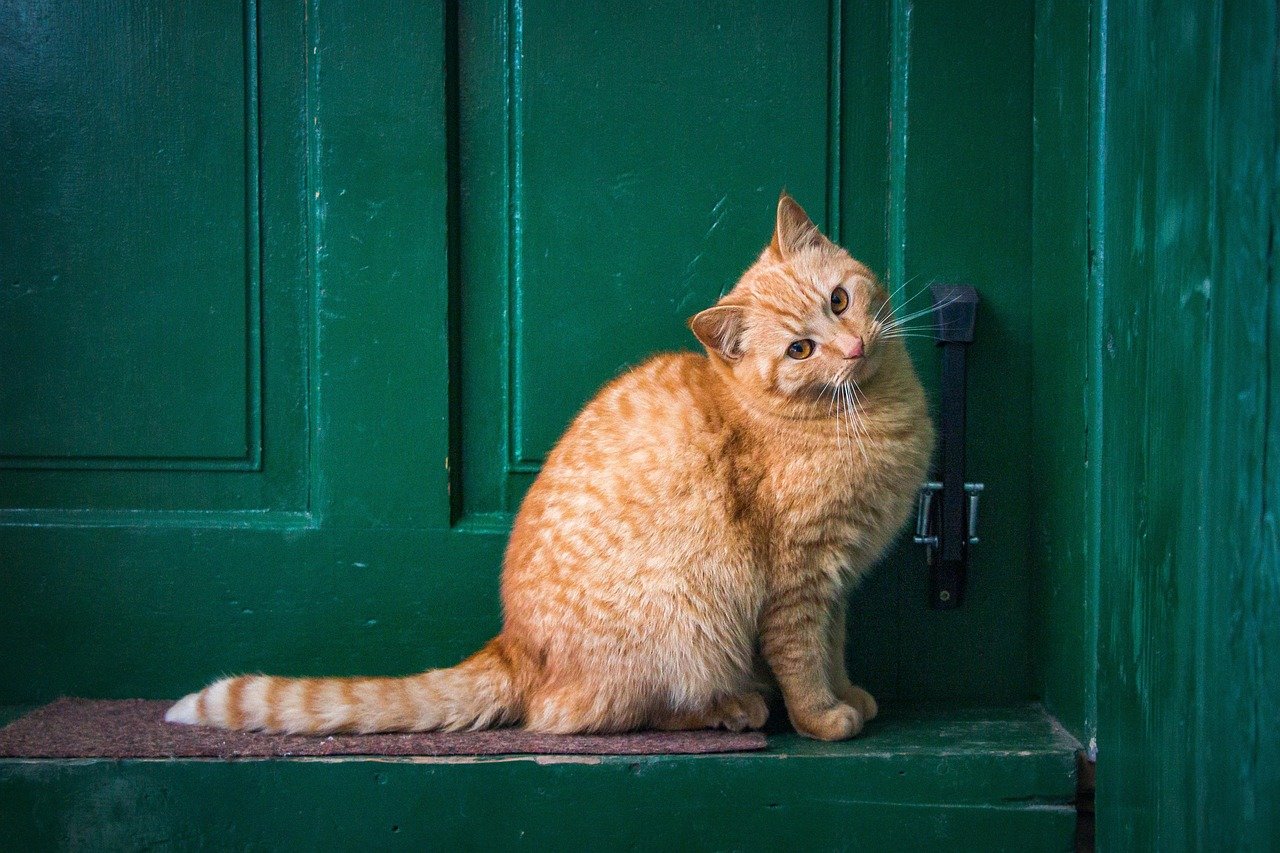
You watch your cat lounging in a sunbeam, seemingly at peace with the world. Then you notice it: that rhythmic tap tap tap of their tail against the floor. Maybe they're dreaming, you think. Or perhaps they've spotted something interesting through the window.
Honestly, your cat's tail is way more complex than you might imagine. It's not just wagging around for fun or balance. Every flicker, every swish, every subtle curve tells you something specific about what's happening inside that fuzzy little head. Let's be real, if you've been treating all tail movements as the same signal, you've been missing out on half the conversation.
The Anatomy Behind the Movement

Your cat's tail contains between 18 to 23 smaller bones called caudal vertebrae, surrounded by muscles. Think about that for a second. That's an incredibly sophisticated piece of biological engineering packed into what looks like a simple furry appendage. This unique combination allows a cat's tail to have such a large range of subtle voluntary and involuntary motions, such as side-to-side movements, extension, and flexion.
Here's where it gets interesting. Your cat's tail is made up of tendons, ligaments, and nerves, making it one of her most sensitive parts. It's a highly responsive communication tool that reacts to both conscious decisions and involuntary responses. Some tail movements your cat controls deliberately, while others happen automatically through their nervous system.
When Slow Swishing Means Deep Focus
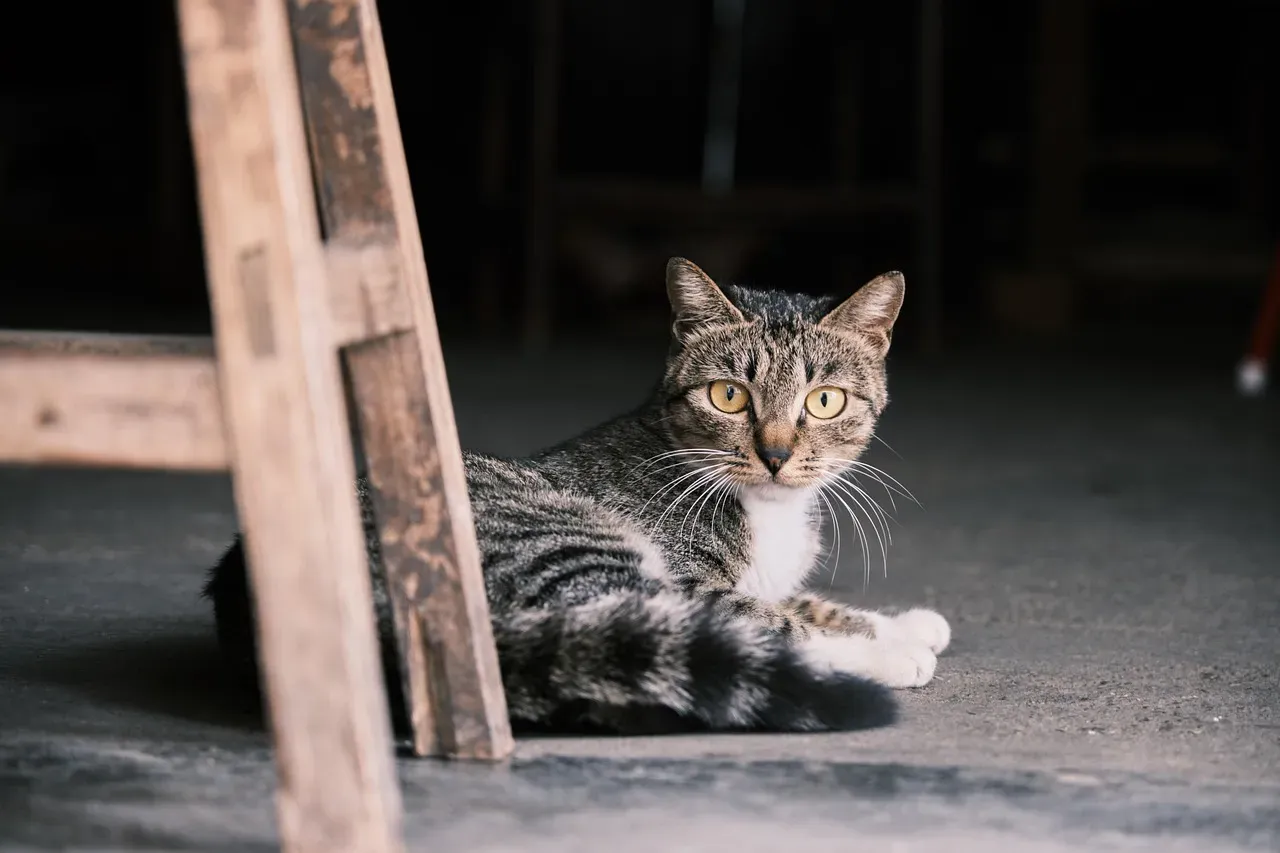
Swishing tails slowly from side to side in a soft, fluid manner indicate cats who are relaxed, calm and perhaps mildly interested in something. You might observe this when your cat watches birds through the window or tracks a dust particle floating through the air. A tail that sways slowly from side to side usually means your cat is focused on an object, and you might see this tail position right before your cat pounces on a toy or a kibble of cat food that's tumbled outside the food bowl.
But there's a catch. Context matters enormously here. The same slow swish can shift meaning depending on what else your cat's body is doing. Cats twitch the end of their tails when they are hunting and playing, as well as when they are mildly irritated and frustrated, so you need to read the scene and look for other clues to their mood.
The Tapping Tail Paradox
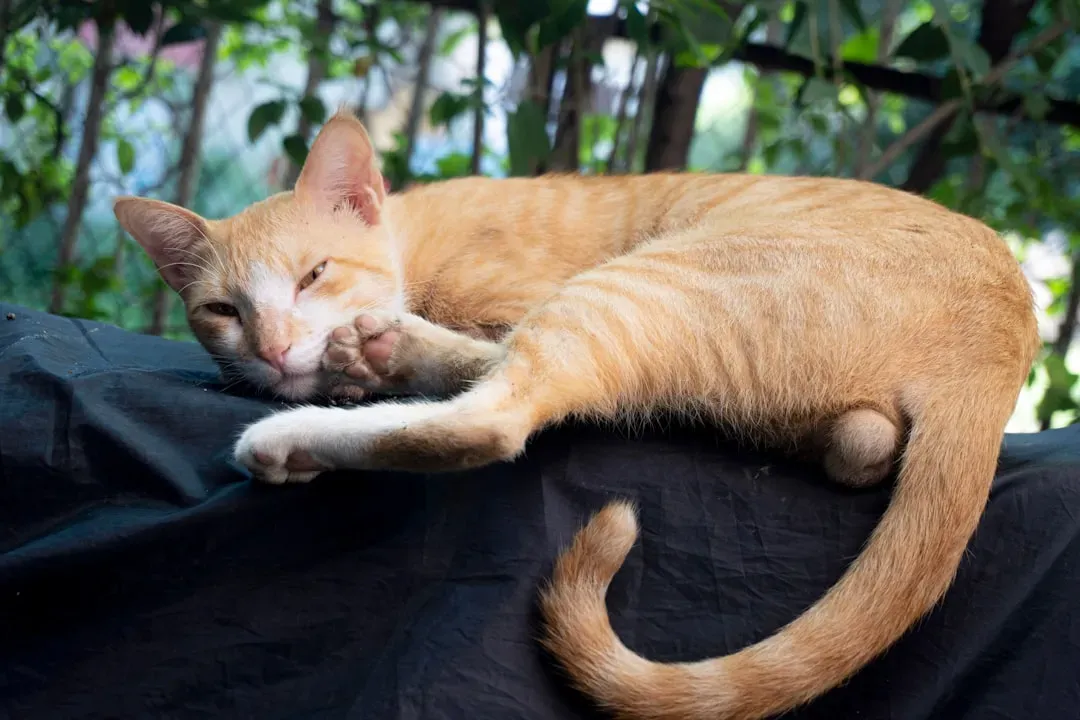
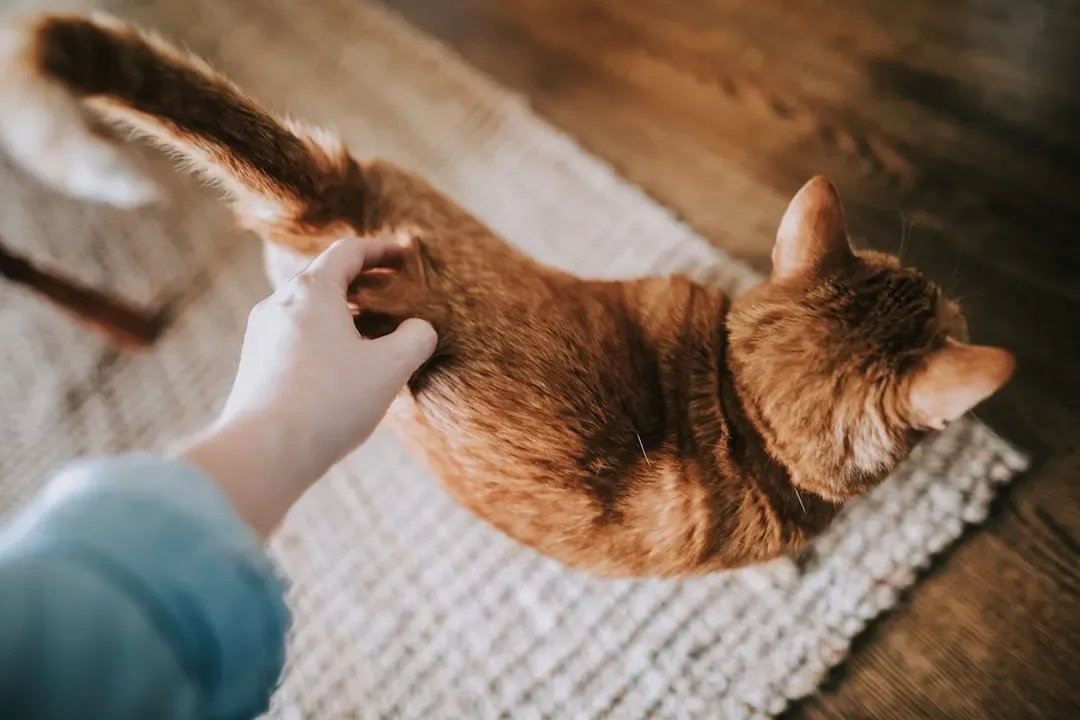
Ever pet your cat while they're lounging, only to see their tail start tapping? That's not random. The napping cat with the tapping tail is relaxed overall but paying attention to something happening around him, a sound or movement, so he's peaceful but hardly asleep on the job. Your cat isn't fully checked out, even when they appear to be resting.
I think this is one of the most misunderstood signals. People assume a resting cat with a moving tail must be annoyed, but that's not always accurate. When your cat is in a relaxed position and tapping the end of his tail, it means he's slightly annoyed or contemplating something. The key is recognizing the difference between light, periodic tapping and aggressive thrashing.
Thrashing Versus Twitching
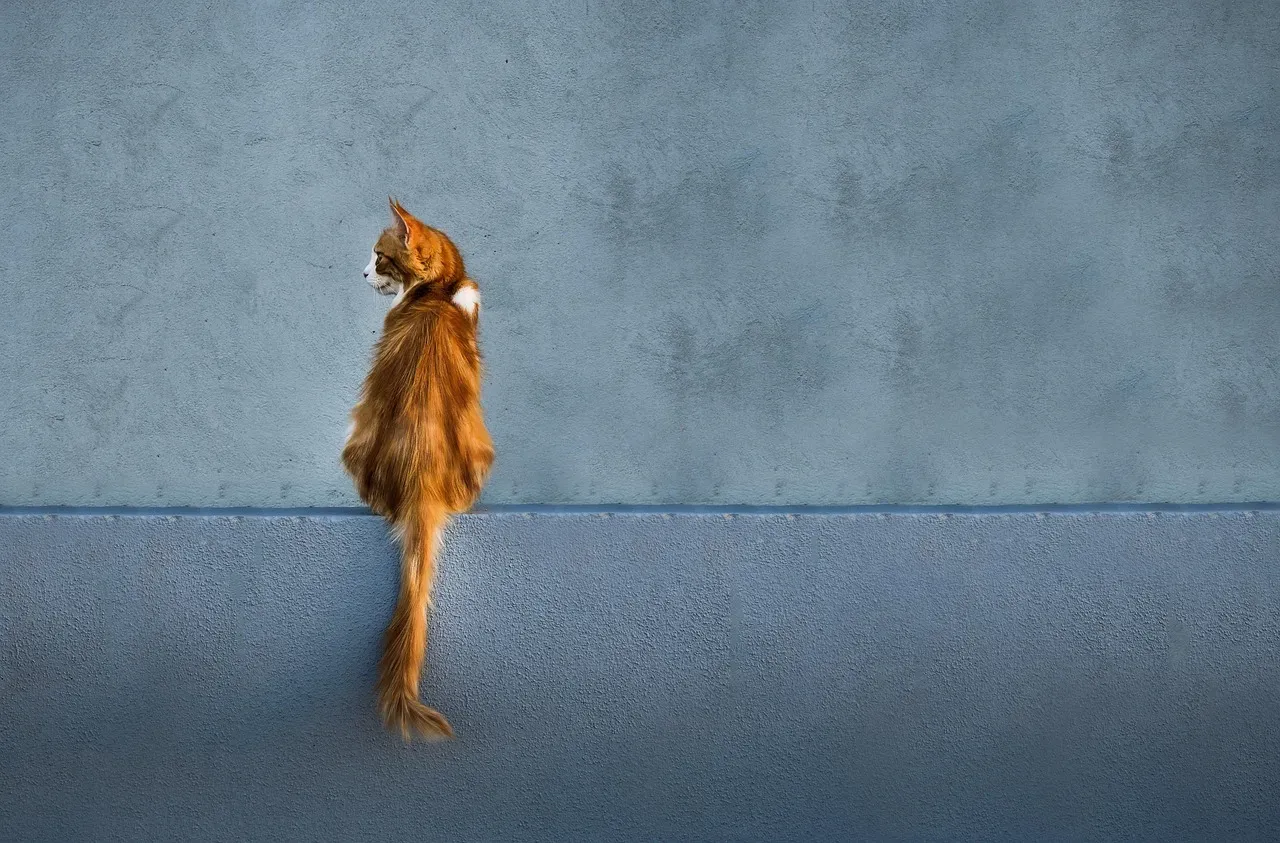
When your cat thrashes their tail or is thumping it on the ground, they are irritated, annoyed, or angry, and this tells you that something is bothering your cat. This is dramatically different from a gentle twitch. If you are petting your cat and they start thrashing their tail, they are trying to tell you to stop, and if you don't, then the thrashing tail may be a prelude to hissing, growling, swatting, or biting.
The intensity matters. A thrashing tail involves the whole tail moving forcefully, often slapping against surfaces. If your cat is lashing their tail, it means they're really ticked off about something, and something really bad has to happen for a feline to act without a warning, so there's often a lot of posturing, vocalizing, and tail lashing before claws come out and fur flies.
The Quiver of Excitement
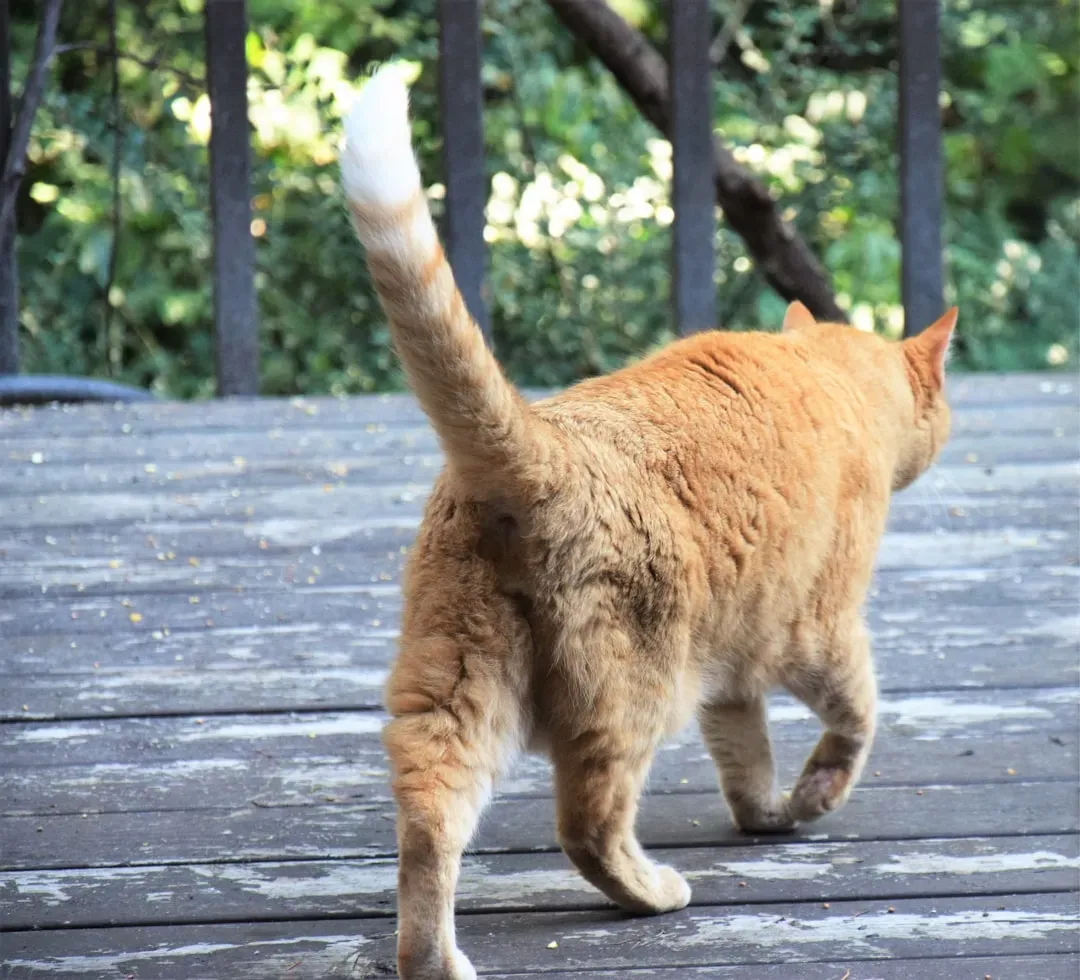
The tail quiver is quite possibly the cutest tail action, as it means that they're excited to see you, and your cat will approach you with their tail high up in the air and the tip will do a little quivering movement, similar to how a rattlesnake shakes their tail. This rapid vibration at the tip signals pure joy and anticipation. A cat who is shaking or quivering their tail when they see you is generally excited.
There's an important distinction to make here, though. A cat who shakes or quivers their tail while backing up to a vertical surface is likely urine marking, and if urine marking is a new behavior for your cat, you should contact your veterinarian. Same movement, completely different meaning based on body position and context.
Tail Wrapping as Feline Affection
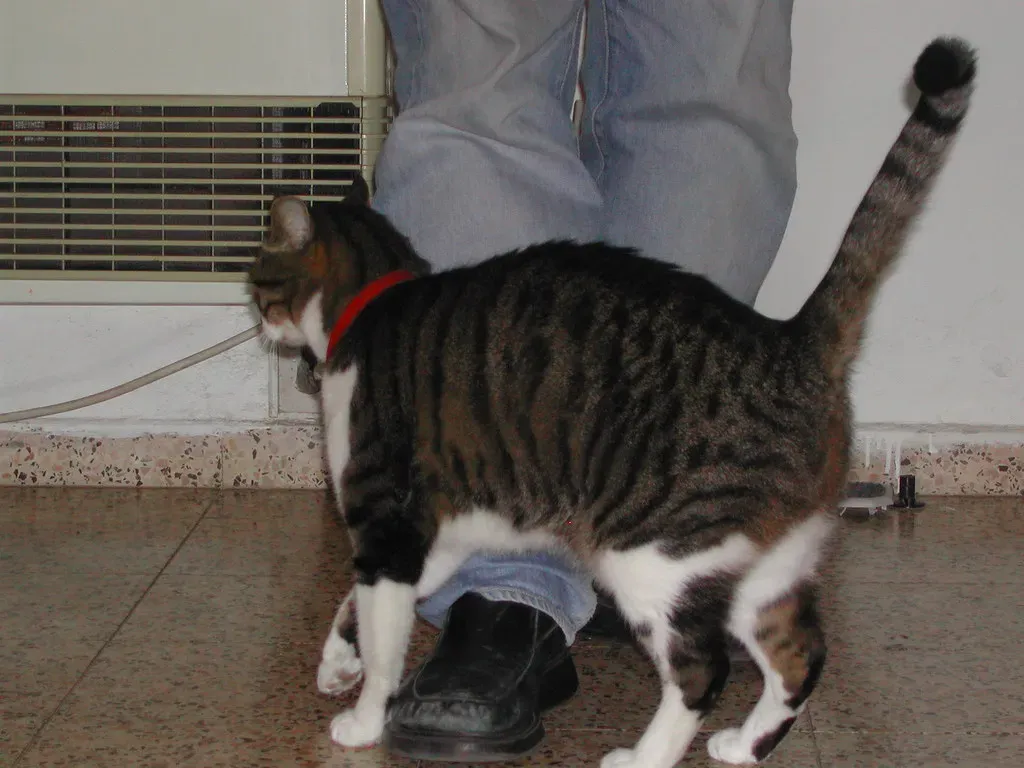
When your young cat approaches you, bumps up or rubs against you and wraps their tail around your leg or arm, this is a sign of affection. It's basically a cat hug. When your cat wraps his tail around you, he's basically giving you a kitty hug, and a cat's scent glands are in his tail, so when he wraps his tail around you, he's sharing his scent with you: a sure sign of affection.
Cats may greet by curling their tails around people and by intertwining their tails with other cats, and tail wrapping is an affiliative behavior that demonstrates a willingness to interact. This behavior extends beyond humans to other cats in the household. When you see bonded cats walking with intertwined tails, you're witnessing a genuine friendship display.
Reading the Whole Picture
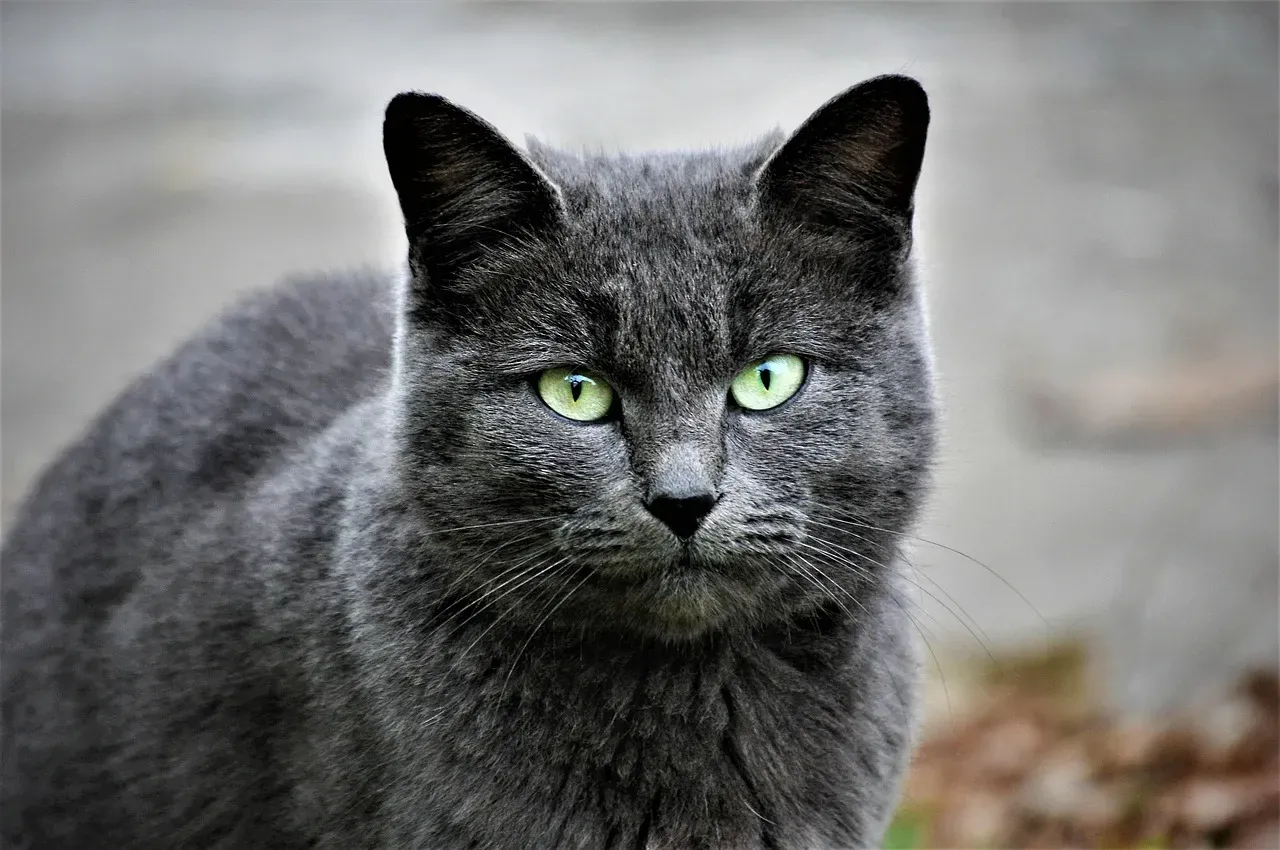
Analysis of tail-ears configurations shows clearly that the position of the ears is more important than tail position for both cats when they interact. Your cat's tail doesn't work in isolation. You have to take the whole body into account when reading tail signals. Looking only at the tail while ignoring ear position, pupil dilation, body posture, and vocalizations will give you an incomplete picture.
When it comes to reading feline body language, don't just look at the tail position, and pay attention to things like ear position, back, and full body posture to get a better idea of your cat's current behavior and mood. This holistic approach prevents misinterpretation. A tail movement that signals playfulness in one context might indicate irritation in another.
When Tail Movements Signal Problems
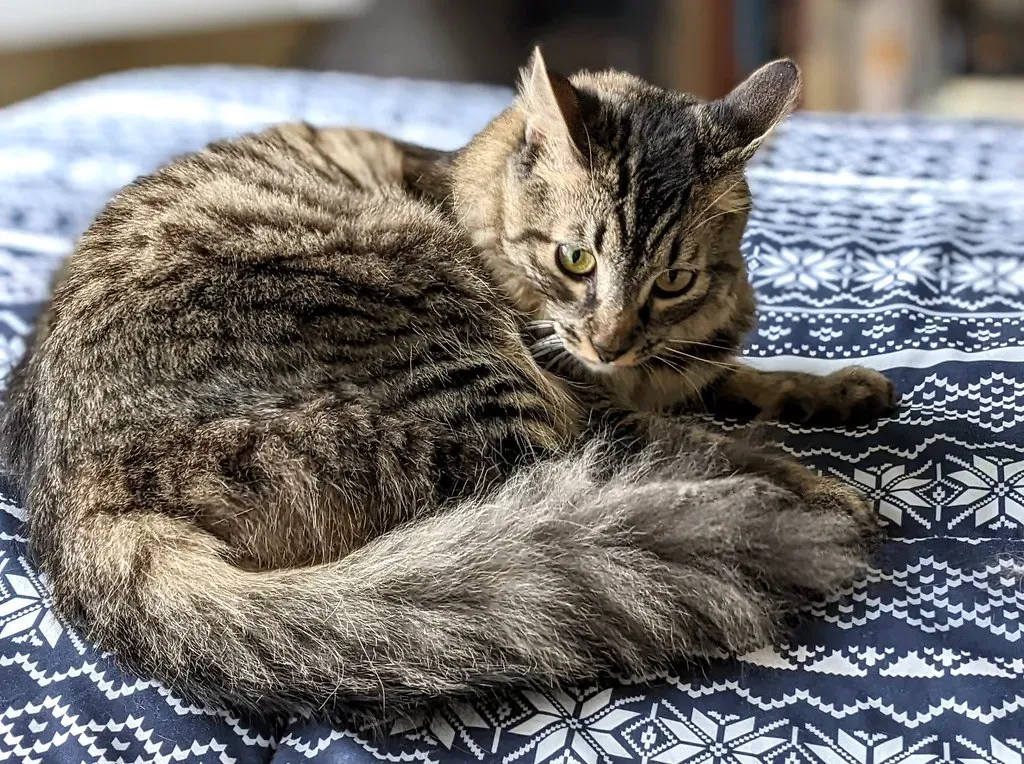
Some cats will experience flicking or tail quivers paired with skin rippling down the back, and this is a sign of the disease hyperesthesia, so if you notice both tail quivers and skin rippling in your cat, contact your veterinarian. Feline hyperesthesia syndrome, also known as twitchy cat syndrome, is a rare condition that causes increased sensitivity to touch and uncontrollable muscle contractions, and it is most often attributed to neurological, psychological, or dermatological causes.
A drooping tail often indicates something is wrong, as a cat holding it in an unnatural position may have fractured or otherwise injured it somehow. Pain changes everything about how cats communicate with their tails. If you notice sudden changes in your cat's typical tail language or positions that seem uncomfortable, that's your signal to schedule a veterinary visit.
Conclusion: Becoming Fluent in Tail
Although you should look at more than just their tail movements to fully understand your cat's emotional state, the tail may be the most expressive part of a cat's body language, and better understanding your cat's body language will surely improve your bond with your cat.
Learning this silent language transforms your relationship with your feline companion. You'll know when to approach for cuddles and when to give space. You'll recognize the difference between playful excitement and genuine distress. Most importantly, you'll understand that those tail swishes aren't random at all; they're deliberate messages waiting for you to decode them. Have you been missing what your cat's been trying to tell you all along?