You’ve probably heard that your cat is watching over you at night, patrolling the house while you sleep. That quiet padding of paws across the floorboards or the sudden meow in the darkness isn’t random behavior. Your feline friend is actually keeping watch, ensuring everything is safe and secure in their territory. It’s a comforting thought, isn’t it? The idea that your cat sees themselves as a guardian of your shared space, checking on you and making sure no intruders have slipped past the front door.
Here’s the thing, though. As cats grow older, that protective instinct can sometimes shift into something else entirely. What once felt like gentle guardianship might start to look more like defensiveness. Some cat breeds, in particular, are known for developing what many owners describe as a meaner streak with age. Let’s be real, it’s hard to say for sure, but there are patterns that emerge when you look at different breeds and how they handle their senior years.
Persian Cats and the Grumpy Senior Phase
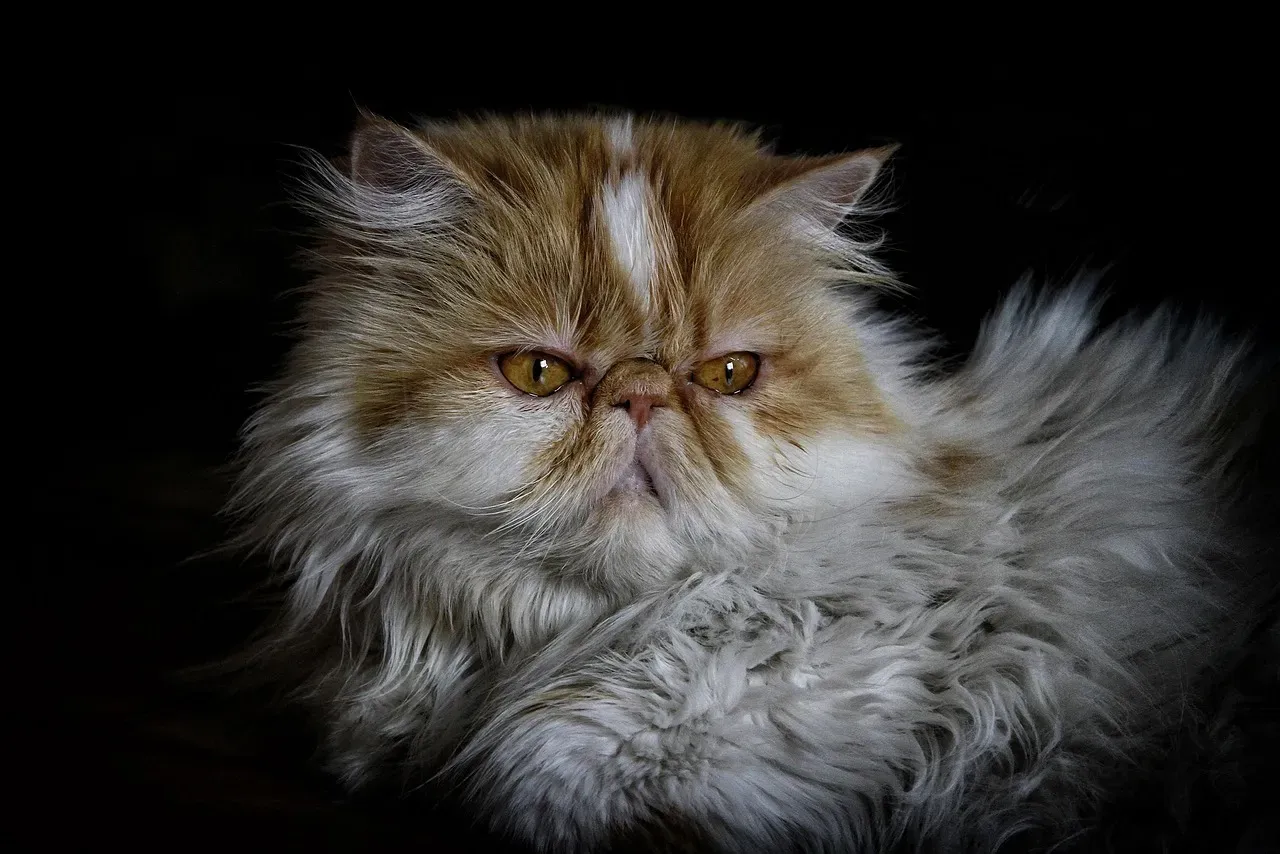
Persian cats are known for their luxurious coats and flat, expressive faces. They’re typically calm and rather dignified, spending most of their younger years lounging elegantly on furniture. Yet as they age, many Persians become noticeably less tolerant of disruptions to their routines.
Their pain and discomfort from conditions like arthritis can make it harder for them to act as they used to, leading to increased sensitivity and irritability. A Persian who once enjoyed being brushed might suddenly swat at your hand. The grooming sessions that used to be peaceful bonding moments can turn into battles of will. It’s not that they’re trying to be difficult, honestly. Vision and hearing loss can cause them to easily startle, making them suddenly appear aggressive.
Their flattened faces can also contribute to dental issues as they age, and tooth pain has a way of making anyone cranky. When your mouth hurts constantly, you’re not exactly in the mood for cuddles or playtime.
Siamese Cats Becoming Vocal and Defensive
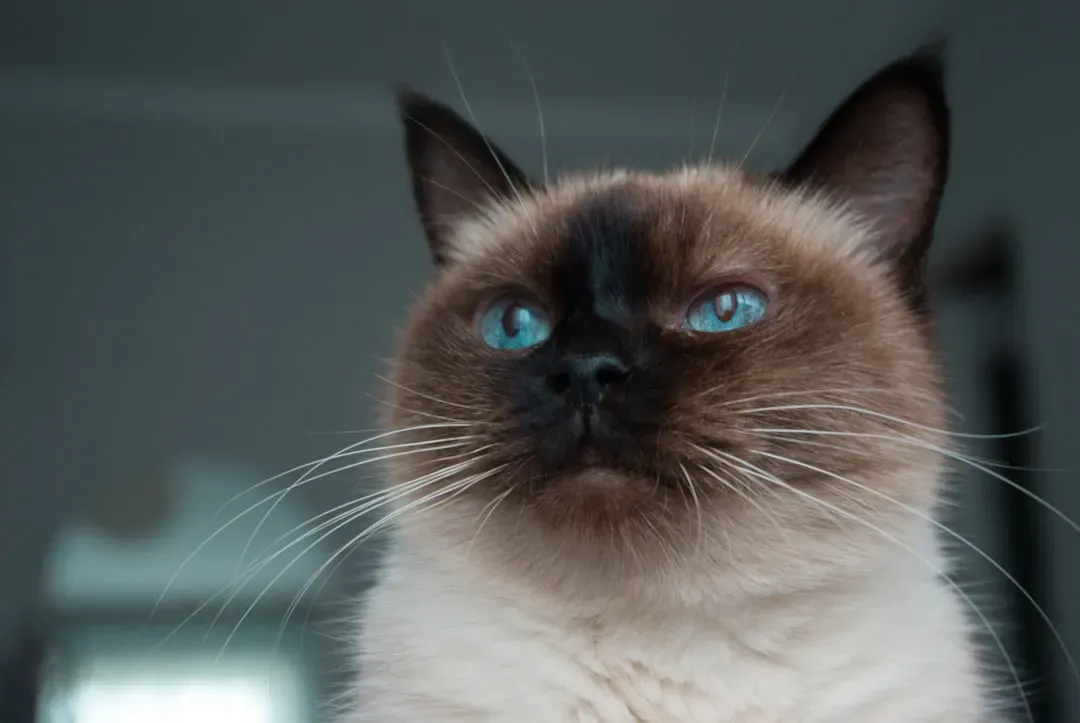
Siamese cats are already one of the most talkative breeds out there. They’ll chat with you about everything from their empty food bowl to the bird outside the window. That vocal nature doesn’t diminish with age. In fact, it often intensifies.
Older cats may vocalize excessively for a number of reasons, including disorientation and loss of hearing, and feline cognitive dysfunction generally increases vocalizations related to anxiety and disorientation. Your Siamese might start yowling at odd hours, especially at night. They can become more territorial too, hissing at other pets or even family members who get too close to their favorite spots.
I think part of this stems from their incredibly social nature. When their senses start to decline, they feel more vulnerable. That vulnerability translates into defensiveness. A senior Siamese might lash out simply because they didn’t hear you approaching and you startled them. What looks like aggression is really just fear dressed up in fur and claws.
Maine Coons and Their Protective Territoriality
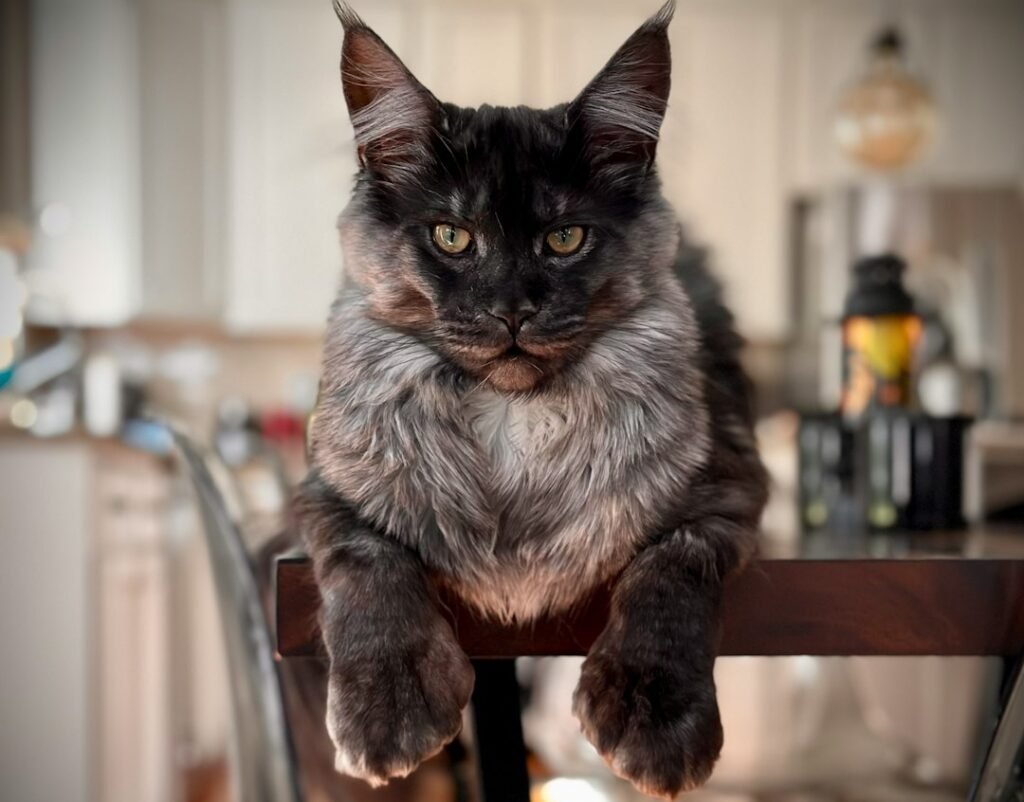
Maine Coons are gentle giants for most of their lives. These massive cats often act more like dogs than typical felines, following their owners around and displaying remarkable patience. Yet something shifts when they enter their senior years.
Cats will fiercely guard their territory if they feel it is under threat, and if an invading cat or group of cats tries to join, it can take a long time for them to be accepted. Maine Coons, with their size advantage, can become particularly formidable when they decide to defend their space. They might block doorways or stairwells, preventing other pets from accessing certain areas of the house.
Cats are very territorial animals, and every corner of the house is considered their territory, with regular patrols ensuring the safety of this territory and solidifying their domain. Your Maine Coon is essentially conducting security sweeps. The problem is that as they age and feel more vulnerable, those patrols can turn aggressive. They’re not being mean for the sake of it. They’re trying to maintain control in a world where their body isn’t working quite as well as it used to.
Scottish Folds and Joint Pain Irritability
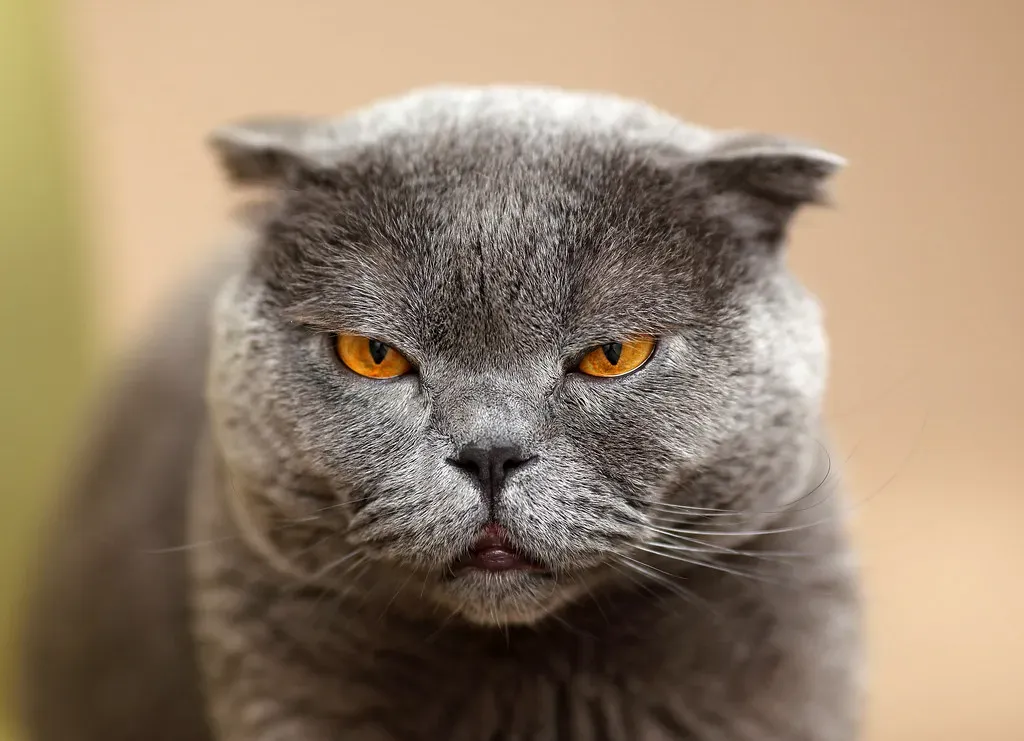
Scottish Folds are recognizable by their adorable folded ears and round faces. They’re typically sweet-natured and enjoy human company. The breed has a genetic predisposition to joint problems, though, and that becomes increasingly problematic as they age.
Arthritis is a painful condition, and if your cat seems less enthusiastic about you petting her, it could be because her joints are bothering her. Scottish Folds often develop arthritis earlier and more severely than other breeds. When every movement hurts, patience wears thin quickly.
A Scottish Fold who once welcomed being picked up might suddenly bite when you reach for them. It’s not a change in personality. It’s anticipation of pain. They’ve learned that being lifted means discomfort, so they defend themselves preemptively. You’d probably do the same if someone kept doing something that hurt you, even accidentally.
Bengal Cats Losing Their Playful Edge
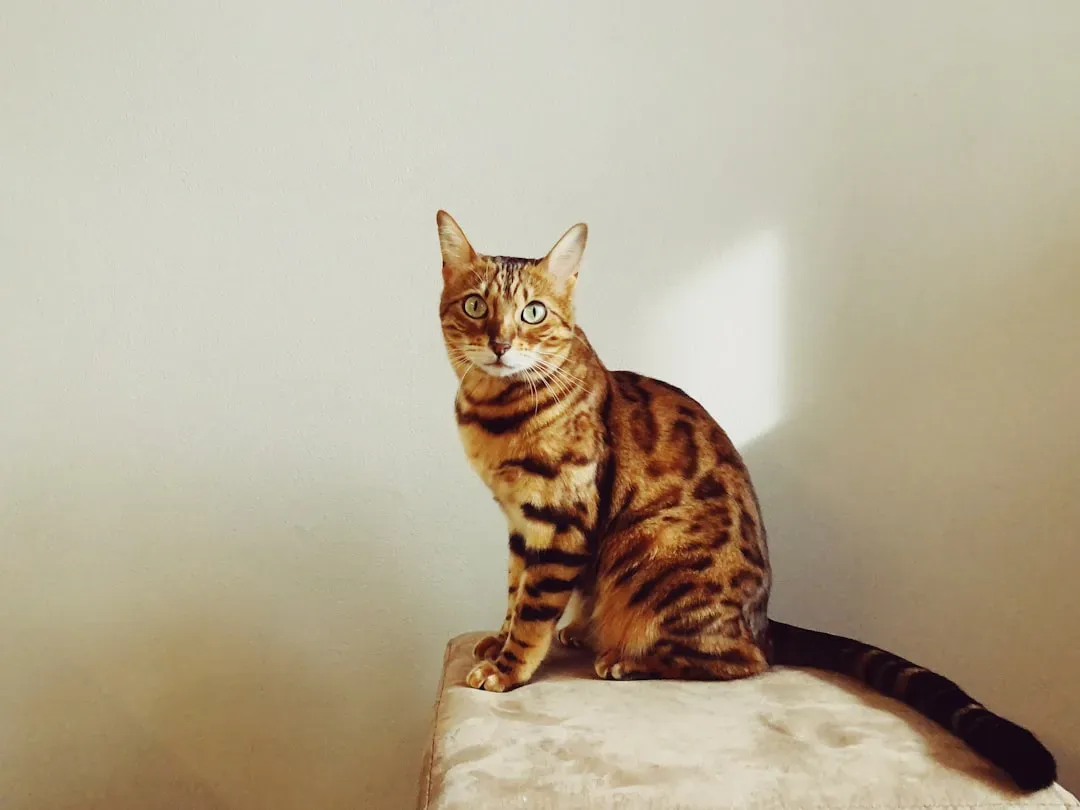
Bengals are high-energy cats with wild ancestry still visible in their spotted coats and athletic builds. They’re extremely active and intelligent, requiring plenty of stimulation to stay happy. As they age, their bodies can’t keep up with their minds, creating frustration.
They might be in pain, making it harder to act as they used to, and loss of memory, awareness, hearing or sight may cause them anxiety. A Bengal who can no longer leap to their favorite high perch might become aggressive toward the younger cat who takes that spot. They remember being able to do things they can no longer manage, and that loss can manifest as irritability.
Their hunting instincts remain strong even when their physical abilities decline. This mismatch between desire and capability can lead to redirected aggression. They might swat at you for seemingly no reason, but really they’re just frustrated that their body won’t cooperate anymore.
Russian Blues and Their Anxiety in Old Age
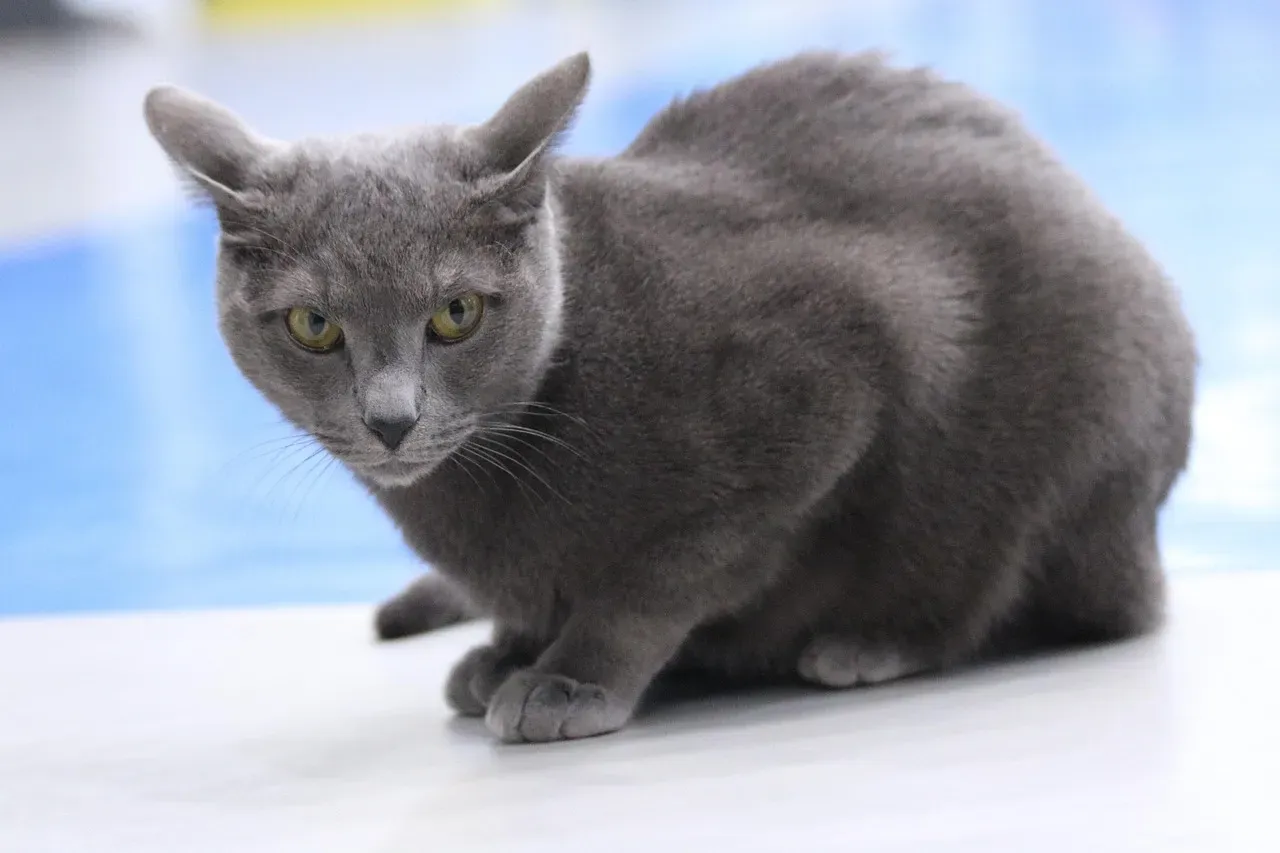
Russian Blues are known for being somewhat shy and reserved, forming strong bonds with their chosen people. They’re creatures of habit who thrive on routine and predictability. Aging disrupts everything they rely on.
Stress and anxiety can cause territorial behavior in cats because those emotions trigger feelings of insecurity and even fear, with stressed cats often choosing safe places to hide and guard. Russian Blues become increasingly anxious as their senses deteriorate. They can’t see as clearly or hear as well, making the world feel unpredictable and threatening.
This anxiety frequently translates into what looks like meanness. They might hiss at visitors they once tolerated or refuse to let other pets near their food bowl. Cats’ territorial nature and evolutionary development as both predator and prey species give them natural guarding instincts, with acute senses and strong bonds driving them to monitor and respond to potential threats. Your Russian Blue is essentially trying to control whatever they can in an increasingly confusing world.
Ragdolls Becoming Less Tolerant
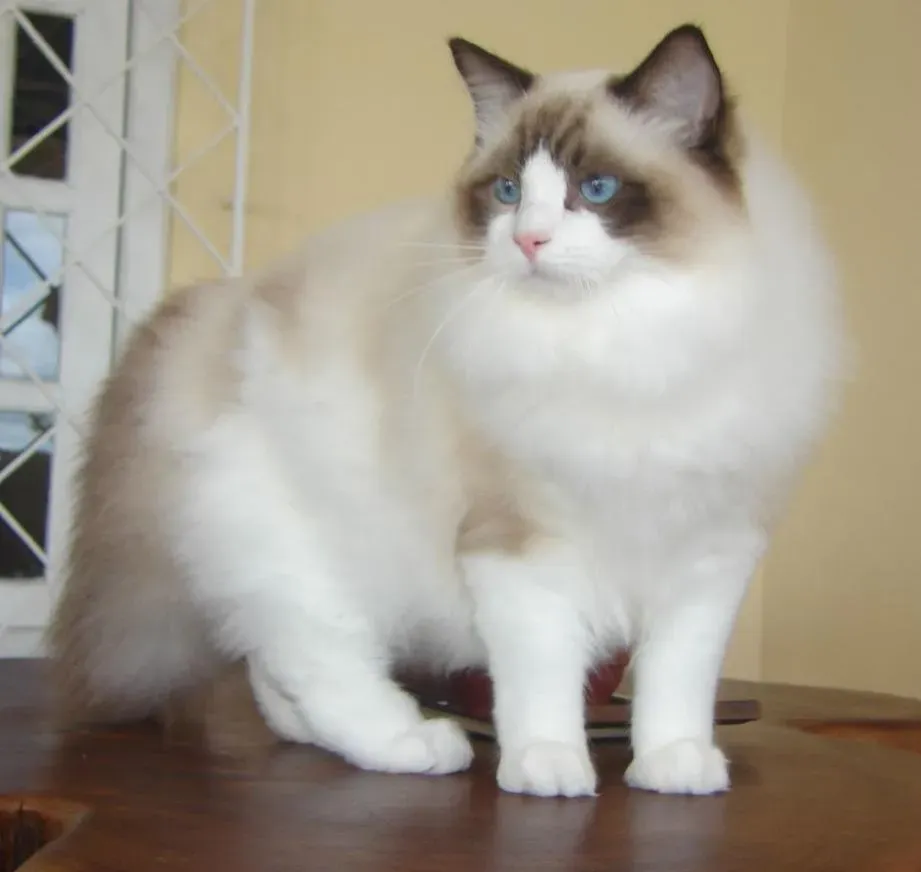
Ragdolls earned their name from their tendency to go limp when picked up, like a child’s toy. They’re famously docile and affectionate, often described as the perfect lap cat. That legendary patience doesn’t always last through their senior years, though.
With reduced senses of hearing, vision, and smell, cats are less able to sense people or things coming into their personal space and can become startled more easily than in their younger days. A Ragdoll who once tolerated being carried around by children might start biting when approached. It’s not malice. They simply can’t predict what’s about to happen anymore, so they react defensively.
Their laid-back nature also means they’re less likely to move away from situations that make them uncomfortable. Instead of walking away, an older Ragdoll might just lash out. They’ve reached their limit and don’t have the energy to physically remove themselves from whatever is bothering them.
British Shorthairs and Decreased Social Interest
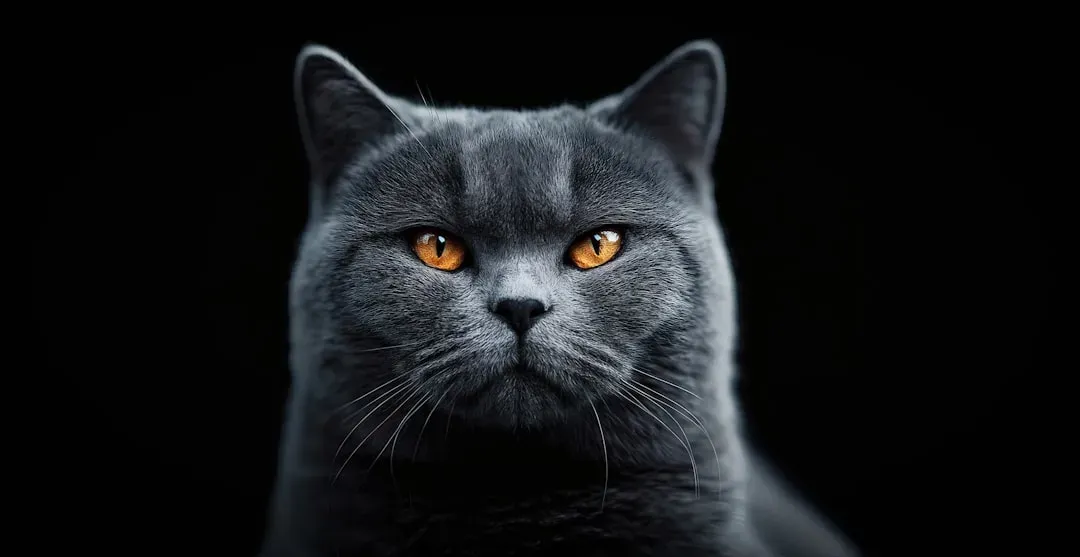
British Shorthairs are sturdy, independent cats with round faces and plush coats. They’re affectionate on their own terms and generally get along well with other pets. As they enter their senior years, many become noticeably more aloof and irritable.
Cognitive dysfunction can make cats less interested in petting, interactions, and greeting people or familiar pets, while also changing their social relationships with both humans and other animals. Your British Shorthair might stop greeting you at the door or ignore other pets they once played with. This social withdrawal can be accompanied by aggressive reactions when others don’t respect their new boundaries.
They’re essentially drawing inward, conserving energy and minimizing interactions that feel taxing. When someone pushes past those boundaries, they respond with hisses or swats. It’s their way of saying they need space, even if it comes across as mean.
Abyssinian Cats and Cognitive Decline Issues
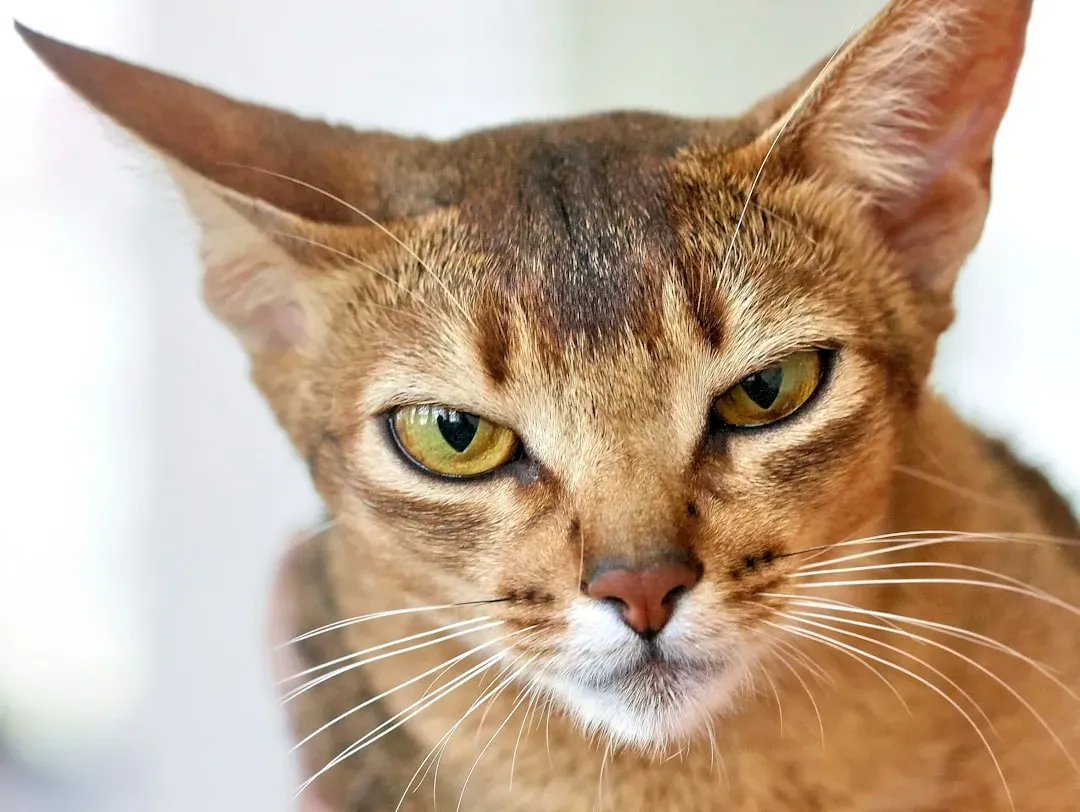
Abyssinians are incredibly active and curious cats, always investigating everything around them. They’re intelligent and form strong bonds with their families. Cognitive decline affects more than half of cats aged 11 to 15 years and as many as 85 percent of cats over age 16, and Abyssinians seem particularly affected by these changes.
Cognitive dysfunction can increase their anxiety and tendency to react aggressively. An Abyssinian who once explored every corner of the house might become disoriented in familiar spaces. That confusion breeds fear, and fear often looks like aggression. They might lash out because they don’t recognize where they are or who you are in that moment.
Their high intelligence might actually work against them here. They’re aware that something is wrong, that their mind isn’t working the way it should. That awareness can be frightening, leading to defensive behaviors that seem out of character.
Exotic Shorthairs Developing Painful Conditions
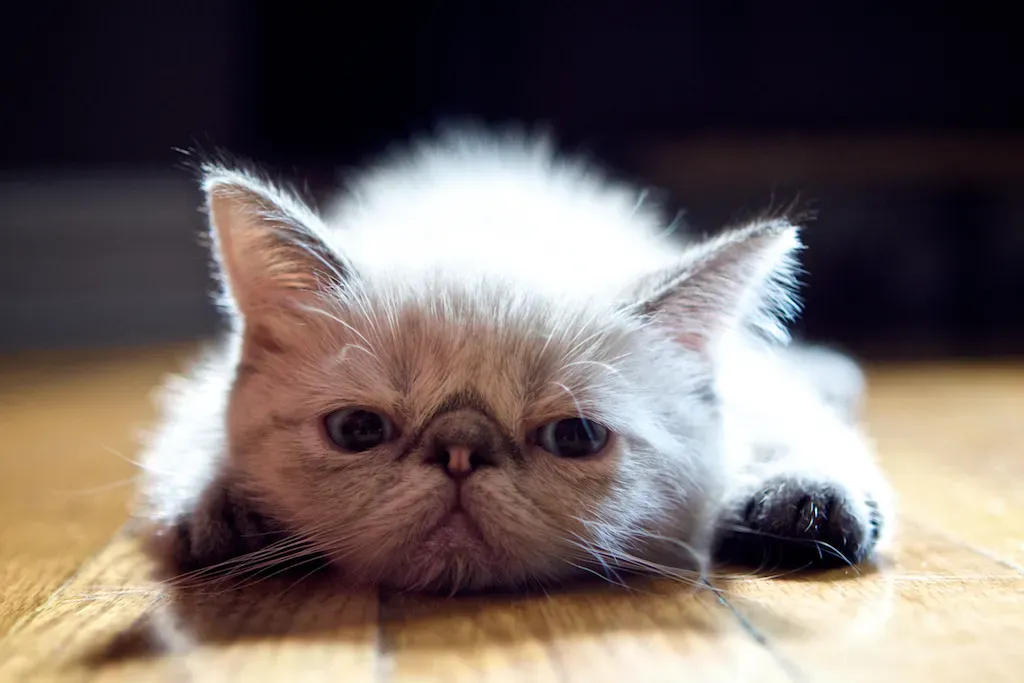
Exotic Shorthairs are essentially short-haired Persians, with the same flat faces and calm temperaments. They’re often described as easier to care for than their long-haired cousins. Unfortunately, they share many of the same health problems, particularly related to their brachycephalic facial structure.
Hyperthyroidism can cause irritability, so new grumpiness should warrant thyroid hormone testing. Exotic Shorthairs are prone to this condition as they age, along with kidney disease and dental problems. When you’re dealing with multiple health issues simultaneously, your patience understandably wears thin.
Their breathing difficulties can worsen with age too. Imagine trying to stay calm and friendly when you can’t get enough air. Everything becomes more difficult and more stressful. A senior Exotic Shorthair might become snappy simply because they’re exhausted from the constant effort of breathing.
Burmese Cats and Heightened Sensory Sensitivity
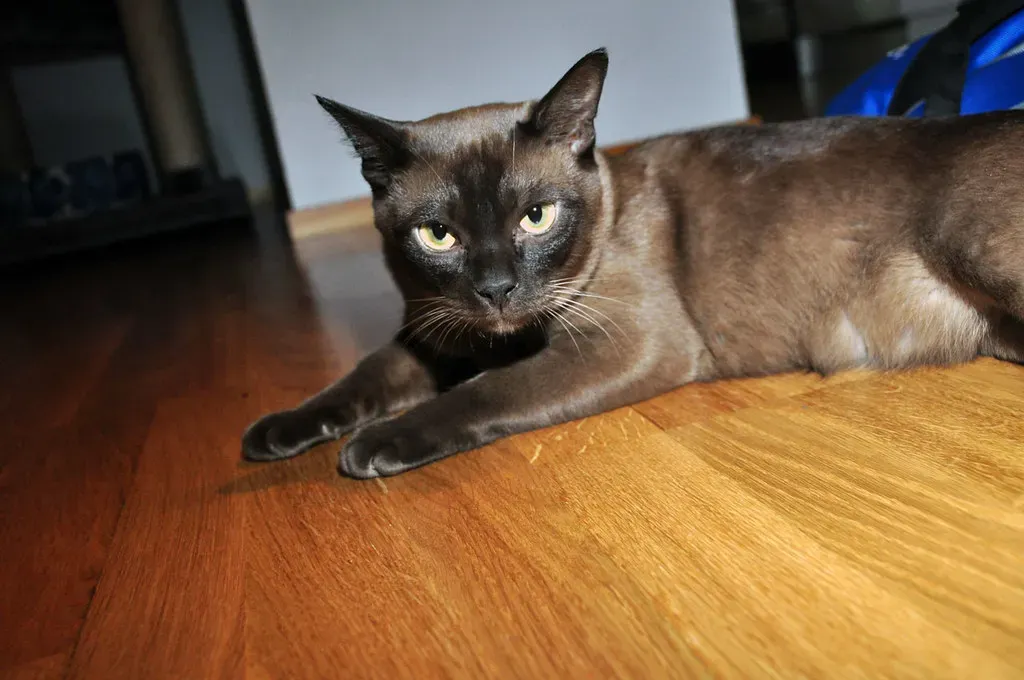
Burmese cats are social, playful, and people-oriented. They’re often called dog-like because of how closely they bond with their owners. As they age, their sensory experiences change dramatically, affecting their behavior.
Medical or degenerative illness that causes pain, discomfort or decreased mobility can lead to increased sensitivity and irritability and increased aggression because cats may choose to threaten and bite rather than move away. A Burmese experiencing hearing loss might be startled by touch when they didn’t hear you approaching. That startle response can include scratching or biting.
Their strong social needs don’t disappear with age, but their ability to engage comfortably does. They want interaction but find it overwhelming or painful. This creates a frustrating contradiction for them, leading to seemingly contradictory behavior. They might seek you out and then hiss when you pet them, confused by their own conflicting needs.
Sphynx Cats Becoming Clingy and Aggressive
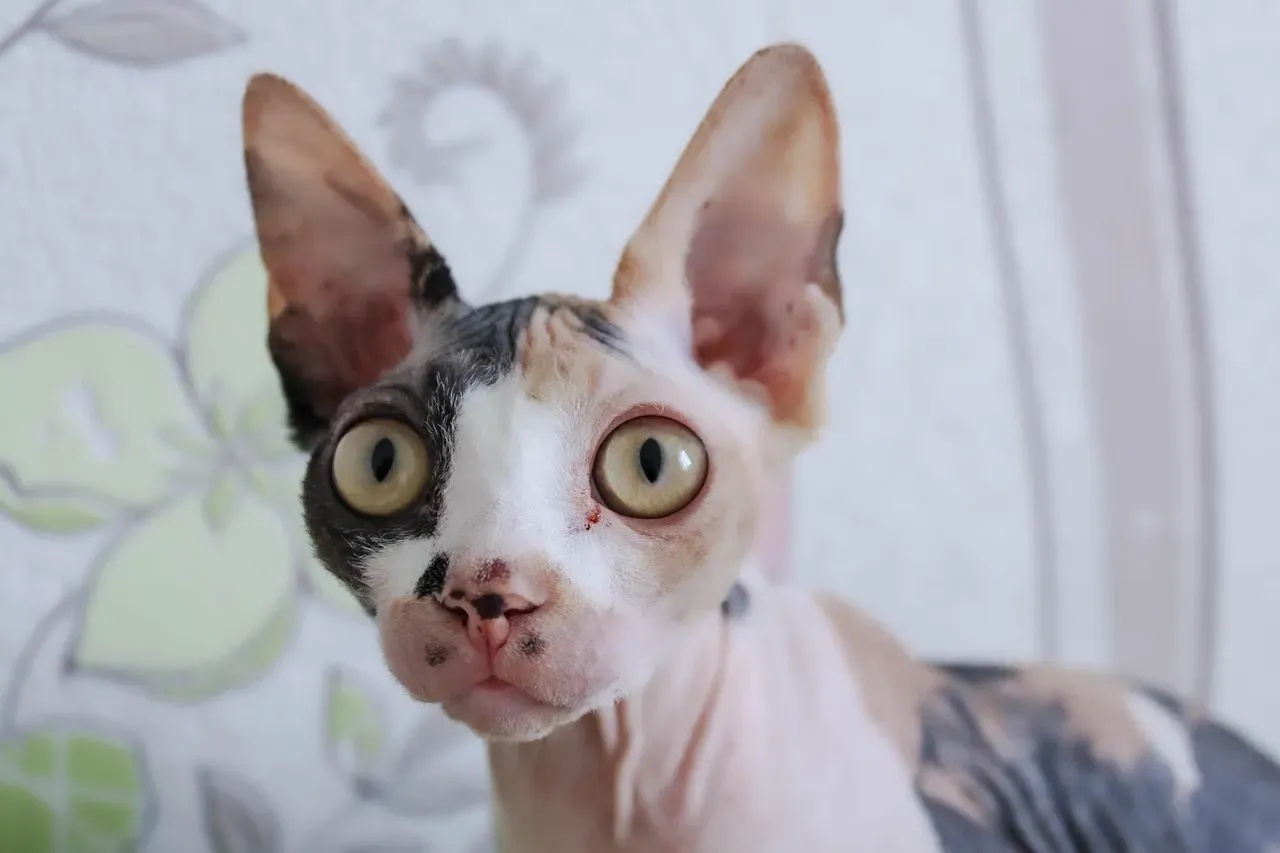
Sphynx cats, the hairless wonders of the cat world, are known for being extremely affectionate and attention-seeking. They’re warm to the touch and often sleep under blankets with their owners. Their neediness can intensify dramatically as they age, sometimes crossing into aggressive territory.
A previously aloof cat can become clingy and overly dependent, following you around the house or meowing plaintively and constantly and feeling the need for constant physical contact. The reverse is also true. A Sphynx might become aggressive when their heightened attachment needs aren’t met immediately. They feel vulnerable without their fur, and that vulnerability increases with age.
Senior cat anxiety may be a symptom of cognitive dysfunction, where cats forget the locations of important resources and struggle to cope with stress as their capacity declines with age. Your Sphynx might follow you obsessively while also lashing out unpredictably. It’s confusing behavior, but it stems from genuine distress rather than meanness.
Understanding the Shift from Guardian to Grump
So where does this leave you with your aging cat? It’s hard to watch a companion who once greeted you warmly become defensive or withdrawn. The reality is that what looks like meanness is usually fear, pain, or confusion. Sudden changes in behavior are usually related to pain, illness, or cognitive decline rather than negative feelings.
Your cat is still trying to protect their territory and their family. They’re still patrolling, still watching over you at night. The difference is that now they’re doing it from a body that doesn’t work as well and a mind that might be confused. Many cats will patrol the house they live in as a way to check on their territory, periodically rubbing their bodies on everything to mark it as theirs. That fundamental instinct doesn’t disappear. It just gets filtered through the challenges of aging.
Regular veterinary checkups become crucial in these senior years. Many aggressive behaviors in older cats can be managed or eliminated once underlying medical issues are addressed. Pain management, environmental modifications, and patience can help your cat navigate their golden years with more comfort and less defensiveness. Did you expect your sweet kitten to turn into a grumpy senior? Most of us don’t, but understanding why it happens makes all the difference in how we respond.