You love your cat. There’s no question about that. Those whiskers, that purr, the way they choose your lap over anyone else’s in the room. Yet sometimes, adding another furry friend to the household can trigger unexpected chaos. Some feline personalities simply don’t mesh well with dogs, other cats, or even hamsters minding their own business. It can feel like living with a tiny dictator who’s convinced every other creature is a threat to their kingdom.
Let’s be honest, though. It’s rarely ever truly for “no reason.” Cats have reasons, even if those reasons seem ridiculous to us. Territorial instincts, jealousy, a powerful prey drive, or just plain stubbornness can turn your peaceful home into a battleground. Maybe your cat interprets a wagging dog tail as a challenge. Or perhaps they simply refuse to share your affection with any other living being. So let’s dive in and explore which breeds are most likely to stir up trouble when you bring home that adorable new puppy or kitten.
Siamese
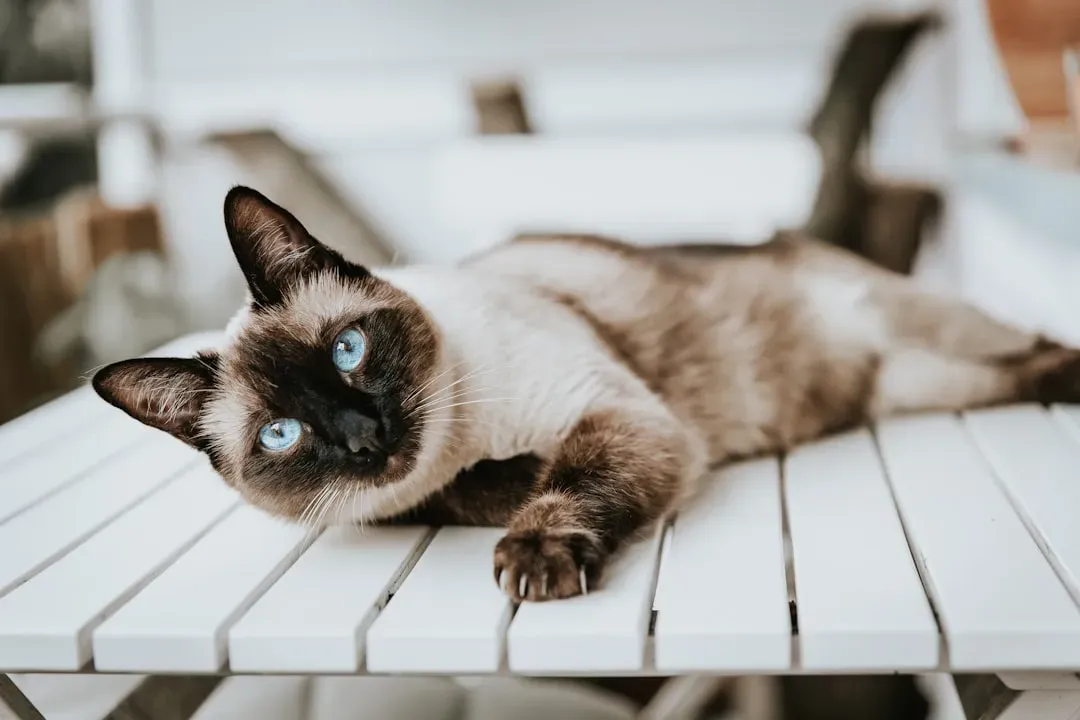
Siamese cats are known for being one of the most aggressive and territorial out of them all. They’re stunning, sure, with those piercing blue eyes and elegant coats. Their intelligence is off the charts, which sounds great until you realize they use it to manipulate situations in their favor. If you own other pets, it is crucial to understand that Siamese cats are very jealous and will take a long time to get used to them. Siamese cats are very needy, so if they feel like they are not receiving enough attention from their owners, they will potentially lash out.
Think of them as the drama queens of the cat world. They’re vocal about everything, and that includes their displeasure when you pet the dog. Vocal and opinionated, Siamese cats demand center stage in your home. They become jealous when dogs receive attention, sometimes expressing their displeasure through dramatic howling. This breed forms incredibly strong bonds with their humans, but that loyalty comes with possessiveness. If another pet enters the picture, your Siamese may view them as competition rather than a companion.
Bengal
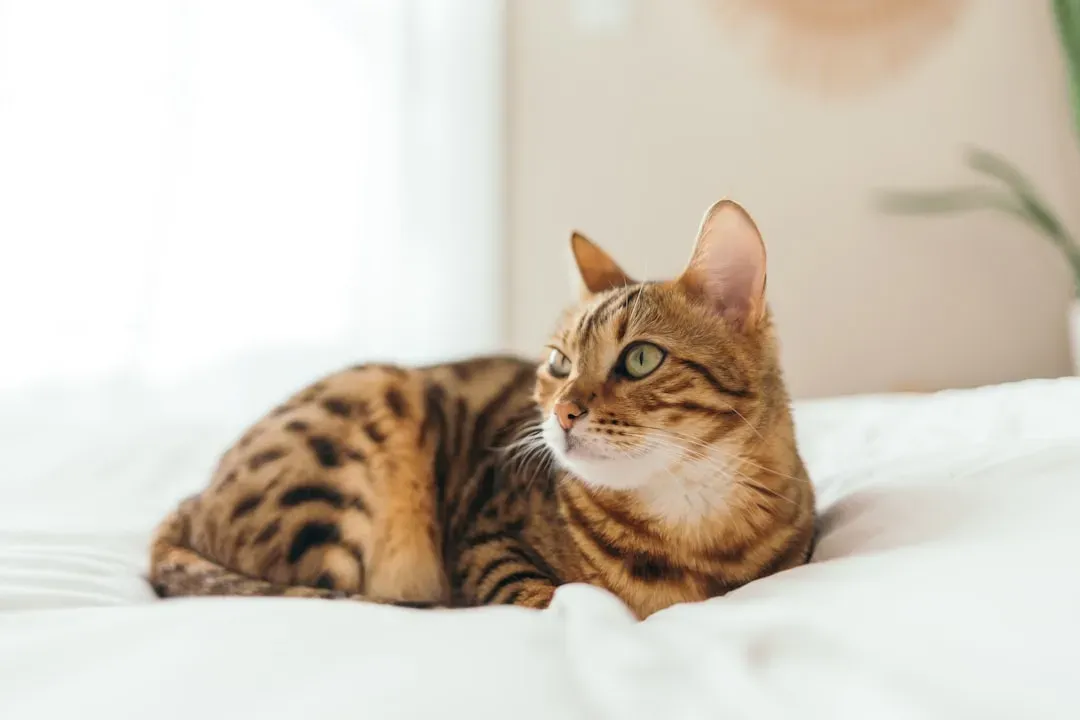
Bengals are absolutely gorgeous with their wild leopard-like markings. That exotic appearance isn’t just for show, though. Introducing the Bengal, a unique hybrid cat that inherits its striking spotted appearance from the Asian leopard cat. With its wild ancestry, it’s no wonder Bengals can show some feisty traits. Their genetic connection to wild cats means they’ve retained some seriously intense instincts that don’t always play nice with household harmony.
They can develop behavioral issues like territorial spraying or extreme play aggression if their basic needs are not met. They have more needs than other cats, including a lot of exercise. Honestly, Bengals need constant stimulation and activity. When they’re bored, they can redirect that pent-up energy toward other pets in ways that look downright hostile. Their high prey drive also means smaller animals might trigger their hunting instincts, which never ends well for anyone involved.
Turkish Van
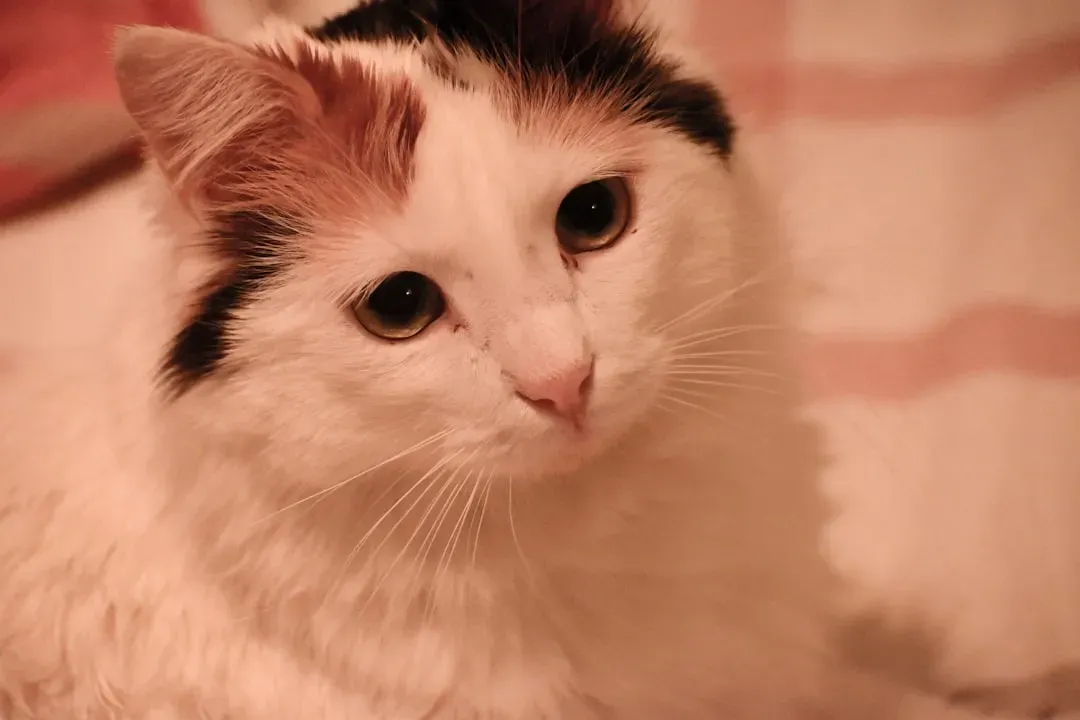
Turkish Vans commonly showed aggression toward both humans and other cats. These striking cats are famous for their love of water, which is unusual enough. What’s less charming is their territorial nature that borders on obsessive. Turkish Vans are very territorial and people typically find them staring out the windows for long periods of time. This breed requires plenty of attention from their owners because they like being pampered.
They’re essentially watching their kingdom, making sure no intruders dare cross into their domain. Adding another pet into a Turkish Van’s established territory can feel like an invasion to them. They tend to form strong attachments to their favorite person but remain suspicious and even aggressive toward newcomers, whether those newcomers have two legs or four. These cats don’t share easily, and they certainly don’t forgive quickly.
Sphynx
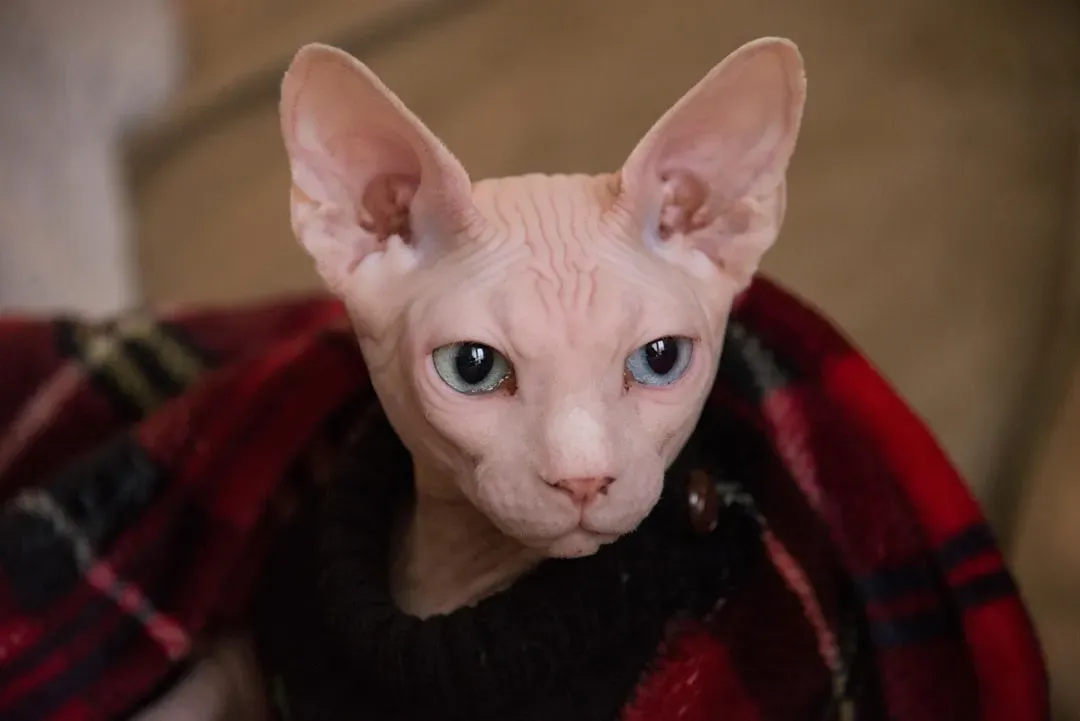
The hairless wonder of the cat world comes with a personality as distinctive as their appearance. Sphynx cats are intelligent, but they have a very independent streak and can be aggressive because of it. This breed also has a high energy level that causes this cat to get into fights with other pets around it. They’re hyperactive, demanding, and incredibly smart, which creates a perfect storm when other animals are involved.
Sphynxes are hyperactive cats that need plenty of playtime, and they are also incredibly intelligent. This means that they are capable of learning tricks, with some owners saying that they have successfully taught their Sphynx to play fetch. Their playfulness can quickly turn rough, and they don’t always read the room well. When a Sphynx gets overstimulated or doesn’t receive enough attention, they can become aggressive toward other pets as an outlet for their frustration. It’s like living with a toddler who never learned boundaries.
Bombay
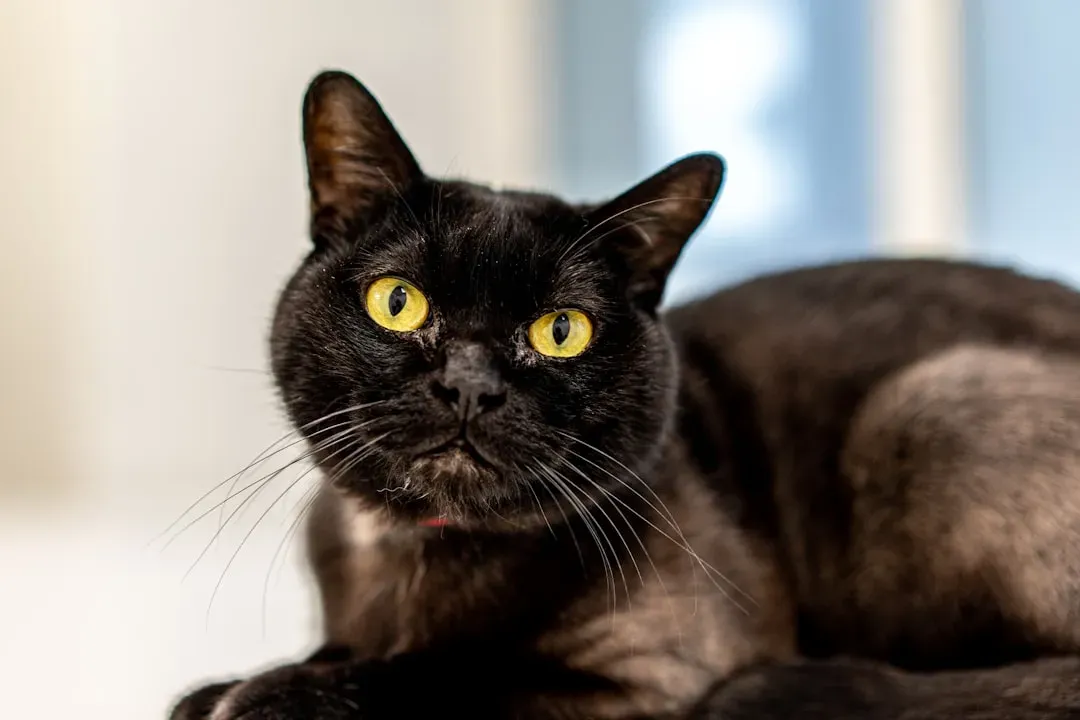
Bombays are highly intelligent, playful, and affectionate, but they can also be possessive and territorial. If they don’t like someone (human or animal), they’ll make it very clear – sometimes with a warning growl or an unexpected swat. These sleek black cats look like miniature panthers, and sometimes they act like it too. Their strong personalities mean they want things their way, period.
As the Bombay breed is a hybrid mix, they have numerous strong behavior traits. Much like the Siamese and Sphynx cat, the Bombay requires a significant amount of attention, which, when not met, can come out in aggressive tendencies. They’re intensely social with their chosen humans but can be downright hostile toward animals they perceive as threats. If your Bombay decides they don’t like your new dog, good luck changing their mind. They’re stubborn as anything and will hold grudges like nobody’s business.
Scottish Fold
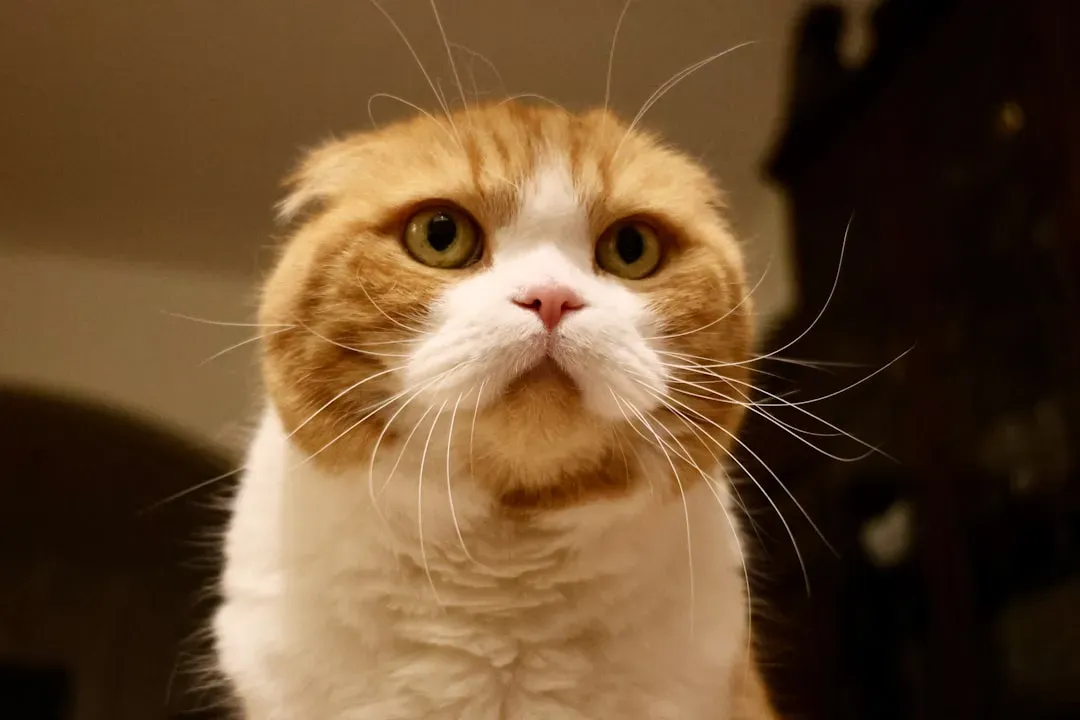
Those adorable folded ears make Scottish Folds look perpetually sweet and innocent. Don’t be fooled. This breed is quite sensitive to change and may become aggressive when new pets are brought home. This cat is also not the friendliest toward babies and children. The Scottish Fold doesn’t like to share the attention and is also fond of rough petting. They want your undivided attention and aren’t thrilled about competition.
Scottish Folds are known to be affectionate and cuddly creatures, but they can be pretty territorial in their established space. This can cause issues if you plan to introduce a new cat into your home. Their sensitivity to change means even a small disruption, like a new pet, can trigger defensive or aggressive behaviors. They might not start the fight, but they certainly won’t back down from one either.
Somali
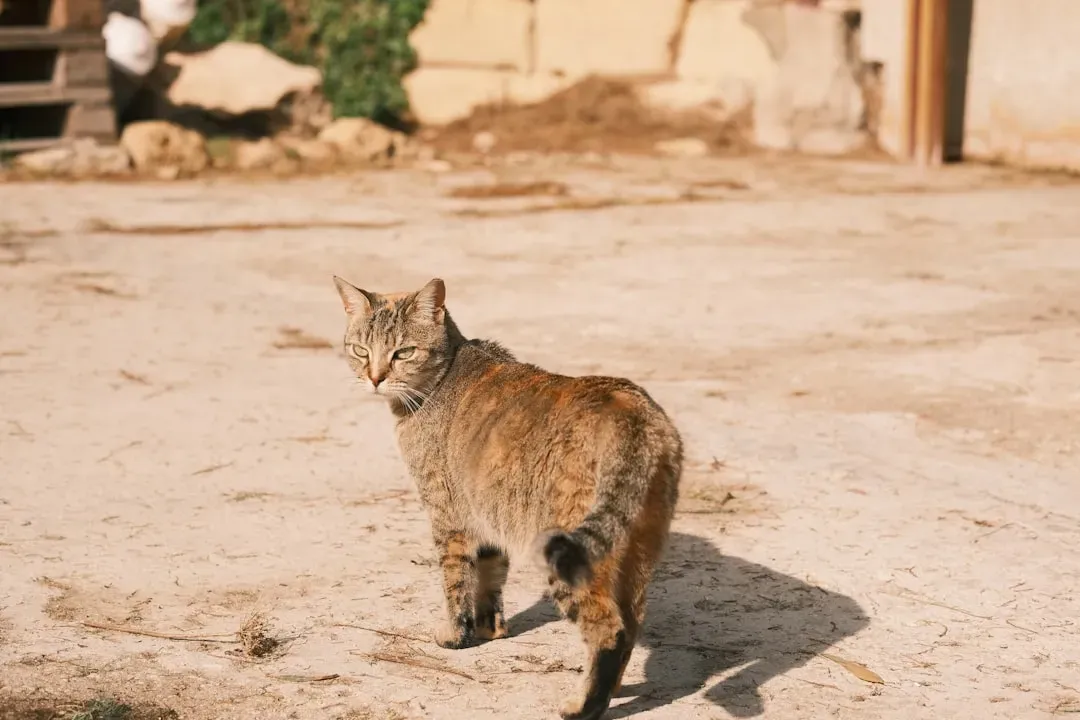
Somali cats are one of the most dominant breeds among domestic cats that are kept as pets. These cats love being put in charge because they are natural-born leaders. If an owner does not establish themselves as the alpha presence in a house full of animals, these cats will become aggressive towards other pets or even humans. They’re beautiful, bushy-tailed cats that basically think they should run the entire household.
Their need for control creates obvious problems in multi-pet homes. Somali cats don’t want to share authority or resources with other animals. They’ll challenge other pets for dominance, which can escalate into serious conflicts. If you don’t set clear boundaries early, a Somali will absolutely take charge and make life miserable for any other pets who dare challenge their rule.
Korat
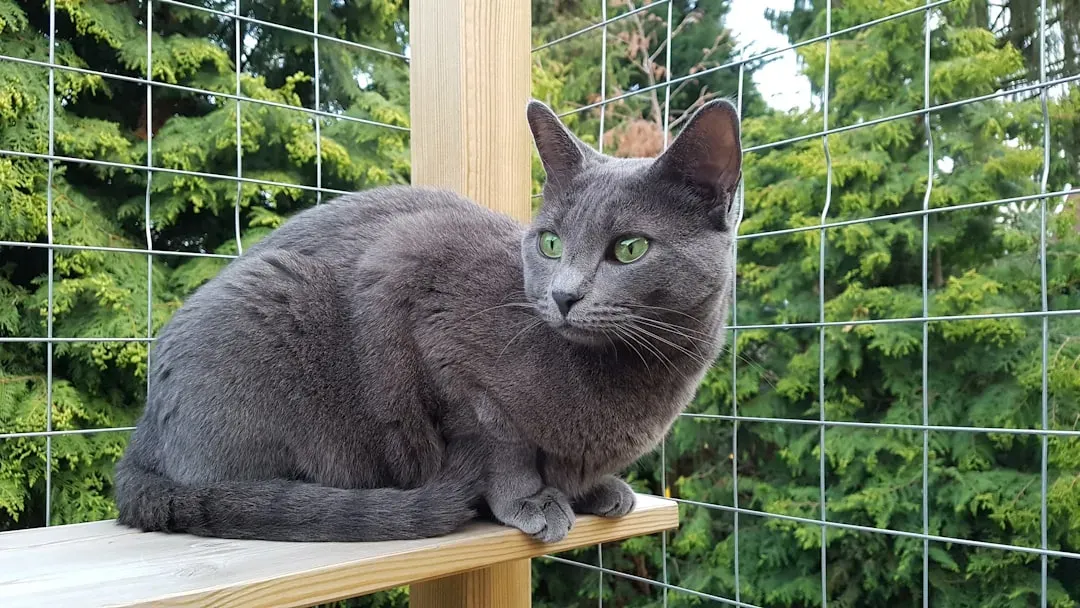
These silver-blue beauties are considered good luck charms in their native Thailand, but luck doesn’t always extend to peaceful multi-pet households. Highly sensitive to disruptions, Korats thrive on routine and predictability. A dog’s spontaneous play sessions or barking fits can send these composed cats into hiding for hours. Their strong bond with humans makes sharing attention particularly difficult. They’re incredibly attached to their favorite person and don’t appreciate having to share that person with anyone else.
However, if this cat is kept exclusively indoors then he can become aggressive towards other pets or even humans in his home. It is important for an owner to spend plenty of time playing with his pet so that he does not lash out at everyone around them. Korats can develop aggressive tendencies when they feel their routine or relationship with their owner is threatened by another animal. They’re sensitive souls who express their stress through aggression.
Egyptian Mau
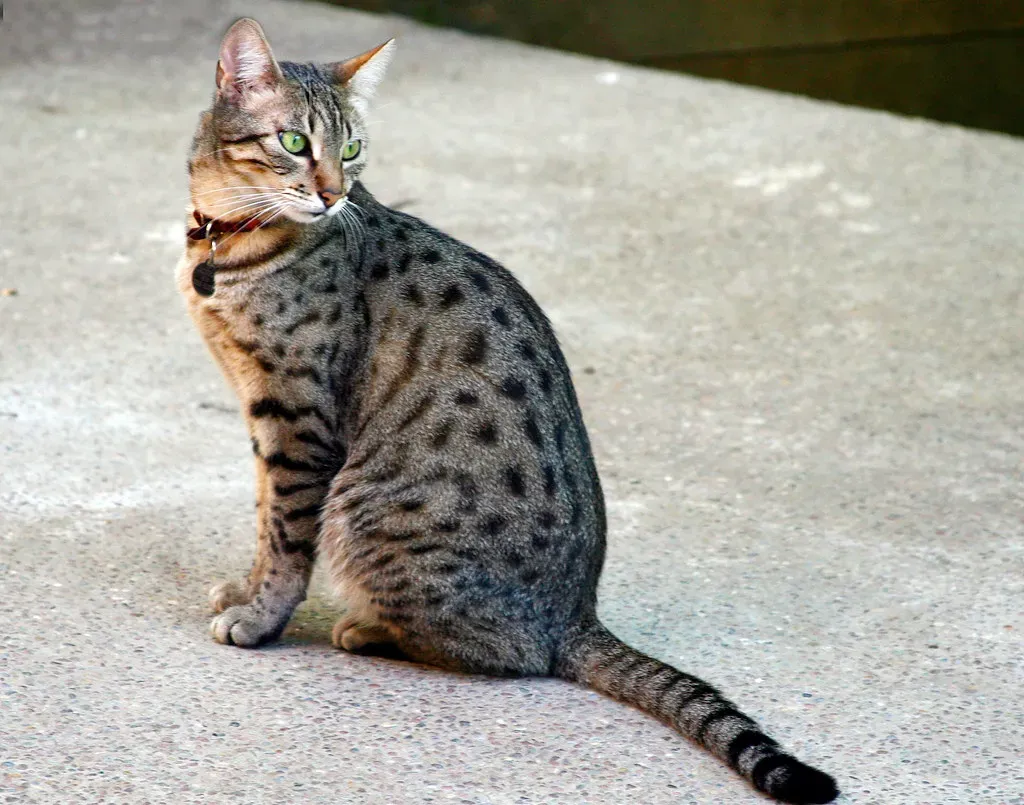
These gorgeous spotted cats have been around for thousands of years, and they’ve perfected the art of being selectively social in that time. This elegant and striking cat has a very strong bond with its family. While they appear gentle with loved ones and even shy with strangers, the Egyptian Mau may become a bit mean if you try to take their food or toys. They’re possessive about their belongings and their space.
Egyptian Maus are intelligent and loyal, almost dog-like in their devotion to their owners. That sounds wonderful until another animal enters the picture and threatens their established order. They can be aggressive when they feel their resources are at risk, whether that’s food, toys, or your attention. Their high intelligence means they also get bored easily, and a bored Egyptian Mau might pick fights with other pets just for something to do.
Pixie Bob
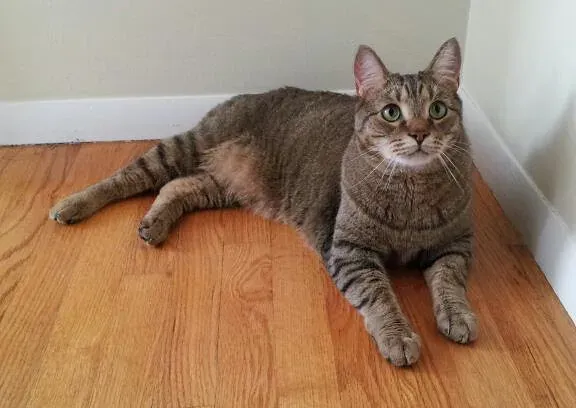
While they are playful, intelligent, and affectionate, Pixie Bobs also have a strong hunting instinct and a dominant personality. They can be territorial and bossy, especially if they feel challenged by other pets. While they usually get along with humans, they don’t tolerate being manhandled and may let you know with a firm bite or scratch if they’re not in the mood. They look like tiny bobcats, and sometimes they act like wild animals who just happen to live indoors.
More so, Pixie Bobs are very suspicious of strangers. You will probably hear the Pixie Bob growling at strangers when they visit your home. While not violently aggressive, this cat will let you know how they are feeling with their unique vocals. Their suspicion extends to new pets as well. They’re not necessarily vicious, but they’re vocal and assertive about their displeasure. If they feel another pet is encroaching on their territory or challenging their status in the household, they’ll make sure everyone knows about it.
What Can You Do About It?
So you’ve got one of these feisty breeds and you’re considering adding another pet. It’s not impossible, honestly, but it takes patience and strategy. Slow introductions are crucial. Never just throw animals together and hope for the best. Start with scent swapping, then visual contact through barriers, and gradually work toward supervised interactions.
Pay attention to body language and don’t rush the process. Some cats need weeks or even months to adjust. Make sure each pet has their own space, resources, and quality time with you. Jealousy often fuels conflicts, so ensure no one feels neglected. If aggression persists despite your best efforts, consulting with a veterinary behaviorist can provide tailored solutions. Remember that not all cats will ever be best friends with other pets, and that’s okay too. Sometimes peaceful coexistence is the best you can hope for. What’s your experience been with introducing new pets to territorial cats? Did any of these breeds surprise you?