Ever wonder why your home sounds like an amateur opera house when the moon rises? You’re not alone. Cat owners around the world have learned to navigate the unique symphony of feline vocalizations, especially during those precious hours when humans typically crave silence. Some cat breeds have simply mastered the art of nighttime conversation better than others.
Let’s be real, there’s nothing quite like being jolted awake at three in the morning by a cat who sounds like they’re auditioning for a dramatic role. Cats are crepuscular creatures, naturally wired to be most active at dawn and dusk, which means your peaceful slumber might not align with their internal clock. Certain breeds take this nocturnal chatter to an entirely different level, transforming your quiet home into a 24-hour talk show.
The Siamese: The Reigning Champion of Cat Chatter

The Siamese sits at the absolute top of the vocal cat breed ladder. Honestly, if there were an award for the most talkative feline, this breed would win every single year. They’re widely regarded as the most vocal of all cat breeds, known for their loud, expressive, and persistent meows.
Siamese cats are highly social and intelligent, using vocalization to communicate with humans and express their needs, thoughts, and feelings. Their distinctive voice has even been compared to a baby crying, which makes ignoring them nearly impossible. These cats will meow when they wake up, when they’re excited, when they want pets, when they want food, and basically whenever they feel like having a conversation. You get the picture.
This breed is known for wanting constant attention from their humans, but also for seemingly relentless chattering. At night, this becomes particularly challenging for sleep-deprived owners. While there are ways to manage the amount of nighttime vocalization your Siamese cat does, the Siamese will never be a quiet cat breed. Their heritage as temple and palace cats in Thailand seems to have instilled a sense of importance that demands vocal expression.
The Bengal: Wild Sounds in a Domestic Package
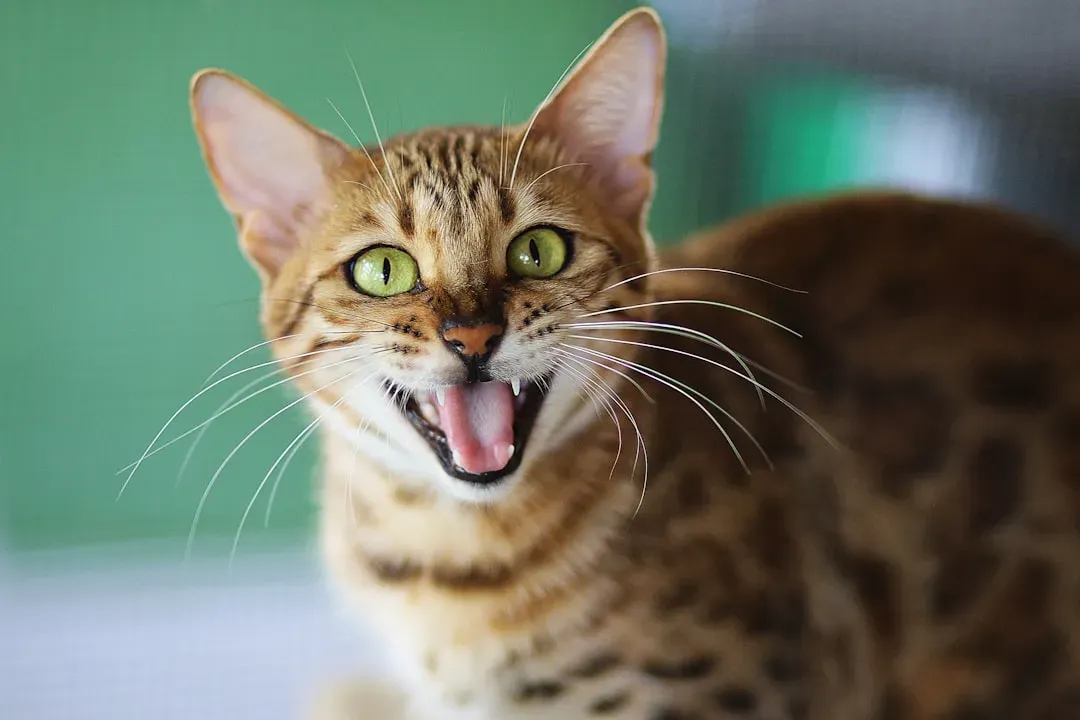
Bengals are absolutely beautiful cats, and not only do they enjoy a nice meow, they also like to be really loud. Bengals have a similar behavior to watch dogs, so they will meow when strangers come to the door. Think of them as the security system you never asked for.
Because Bengal cats are highly intelligent and high-energy, they are more likely to become bored, increasing their chances of meowing too much out of boredom. This is especially true at night when your Bengal has stored up energy from napping all day. They can be vocal with a distinctive voice which has been described as a cooing or chirping, or as a strange gravelly sound.
When they talk, they have various different pitches that can range from a really soft and gentle type of meow that often expresses their love for you to very loud and noisy meows. Cries out of boredom or loneliness usually start after you go to bed and continue until you respond or she gets tired of calling out for attention. I’ve seen Bengal owners describe their cats as having full-blown midnight concerts.
The Oriental Shorthair: Opera Singers of the Feline World
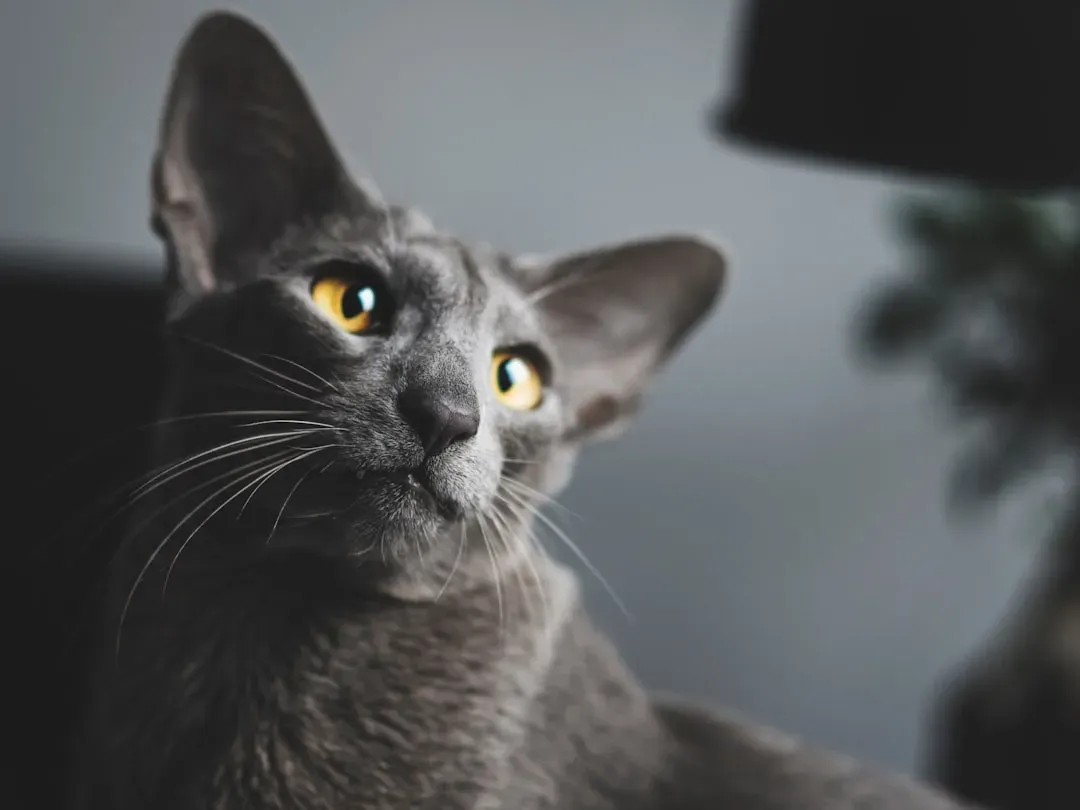
Knowing that the Oriental is essentially a Siamese cat in different colors, it shouldn’t surprise you that this breed is also one of the most vocal. These cats are basically Siamese cousins with a broader color palette and an equally impressive vocal range.
An Oriental Shorthair won’t allow you to ignore them. In fact, if they’re feeling slighted, they’re sure to let you know with a vocalization that sounds more like a little goose honk than a cat meow. It’s almost comical until you realize it’s happening at two in the morning. When it comes to vocal prowess, the Oriental Shorthair is the Pavarotti of the feline world. These cats don’t just meow; they perform full-on arias that could rival any opera singer. Their purrs can sound like a truck rumbling by, and their meows are loud and raspy, ensuring they are always heard.
If you’re a homebody who needs a quiet atmosphere, the Oriental shorthair’s honk and adorably chipper chatter may be a bit too “extra” for you. The breed is absolutely not for light sleepers or anyone who values their eight uninterrupted hours of rest.
The Maine Coon: Gentle Giants with Big Voices
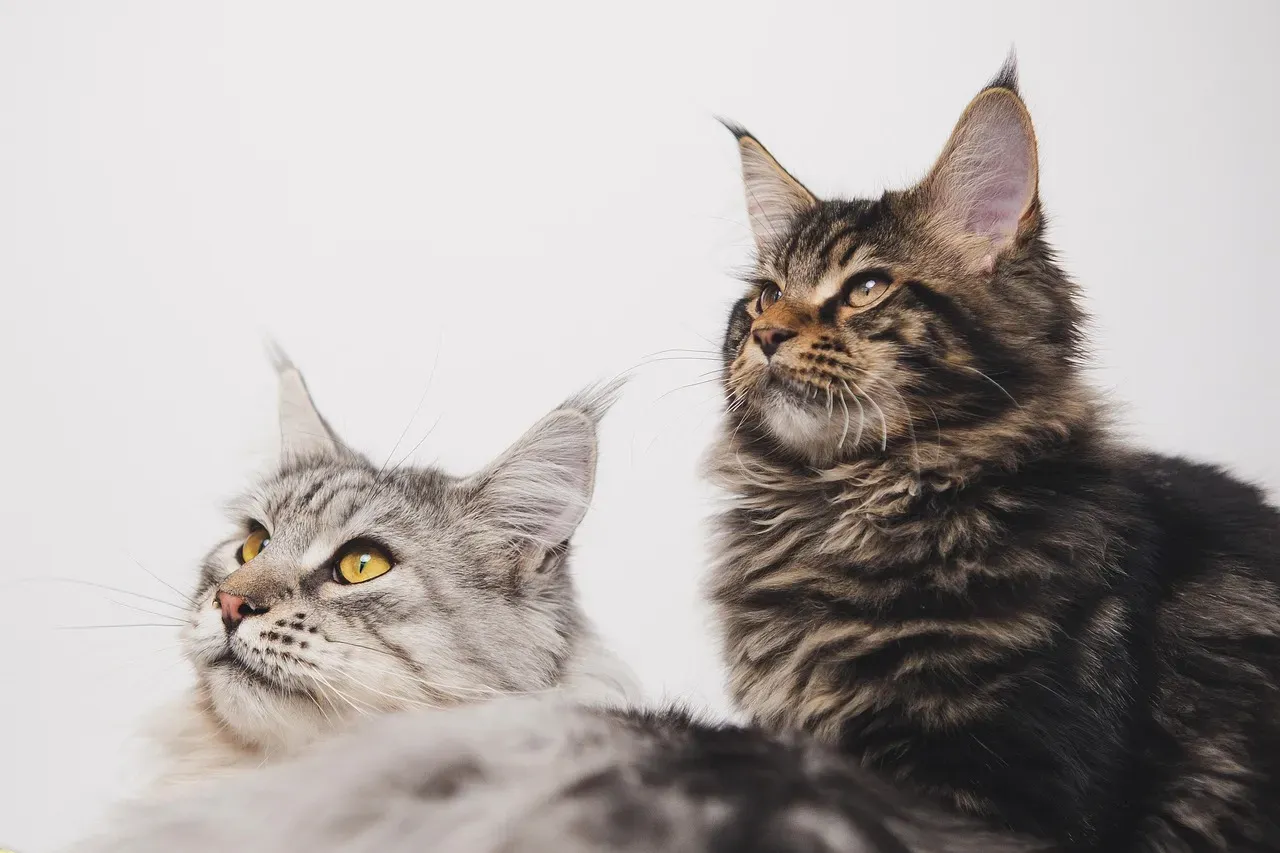
Here’s the thing about Maine Coons: they’re enormous, fluffy, and surprisingly chatty. Maine Coons, despite their large size, have soft and gentle murmurs but are still quite talkative. They bring a touch of the wild with their unique vocal range, including melodic chirps and trills.
When it comes to vocal cats, the Maine Coon is a true chatterbox. These gentle giants are known for their melodic chirps and trills, rather than the typical meows you might expect. It’s almost as if they speak in questions, with the inflection rising at the end of each trill. This unique vocalization makes them stand out in the feline world.
If your Maine Coon isn’t letting you sleep at night, he’s probably just hungry or wants to play to use up some of his excess energy. To get a good night’s sleep, you can make sure he’s active during the day, and you keep a tight meal schedule. Unlike some breeds that scream into the void, Maine Coons tend to have a more conversational approach to their nighttime vocalizations. Still, that doesn’t mean they’re quiet.
The Sphynx: Hairless But Never Voiceless
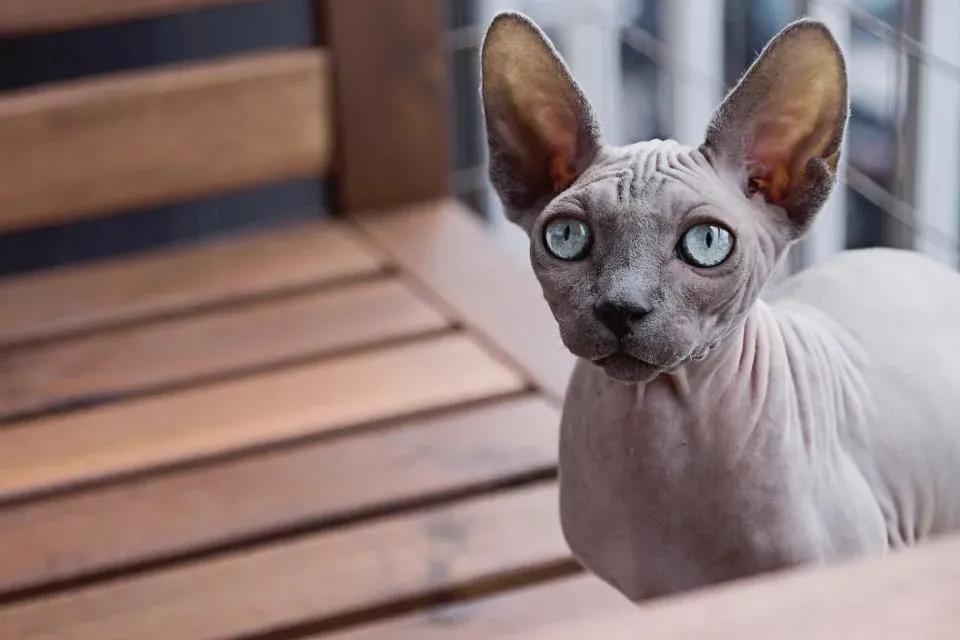
Vocal breeds include Siamese, Bengals, Sphynx, and Tonkinese. The Sphynx may lack fur, but they certainly don’t lack personality or volume. Sphynx cats are known to have a rather raspy voice. This breed can be quite demanding and insistent with their vocalization – they purr, meow, sing and chirp in a range of tones. With Sphynx cats being so warm and affectionate, they are very dependent on their owners and crave active involvement in their lives, which is why they tend to ‘talk’ a lot.
Energetic cats who are known to have quite raspy voices, they can be vocal and demanding of attention and do not do well if left on their own for long periods of time. Because of that, they do best in homes where someone can be around most of the day to keep them company. At night, when you’re trying to sleep and they’re feeling lonely, expect a full concert.
These cats seem to genuinely believe that their raspy meows will solve all problems, from needing attention to wanting a warmer blanket. Honestly, their persistence is both admirable and exhausting. You’ll learn quickly that a Sphynx will not be ignored, especially during those late-night hours when the house is quiet and they decide it’s time for a chat.
The Burmese: Sweet Voices, Relentless Conversations
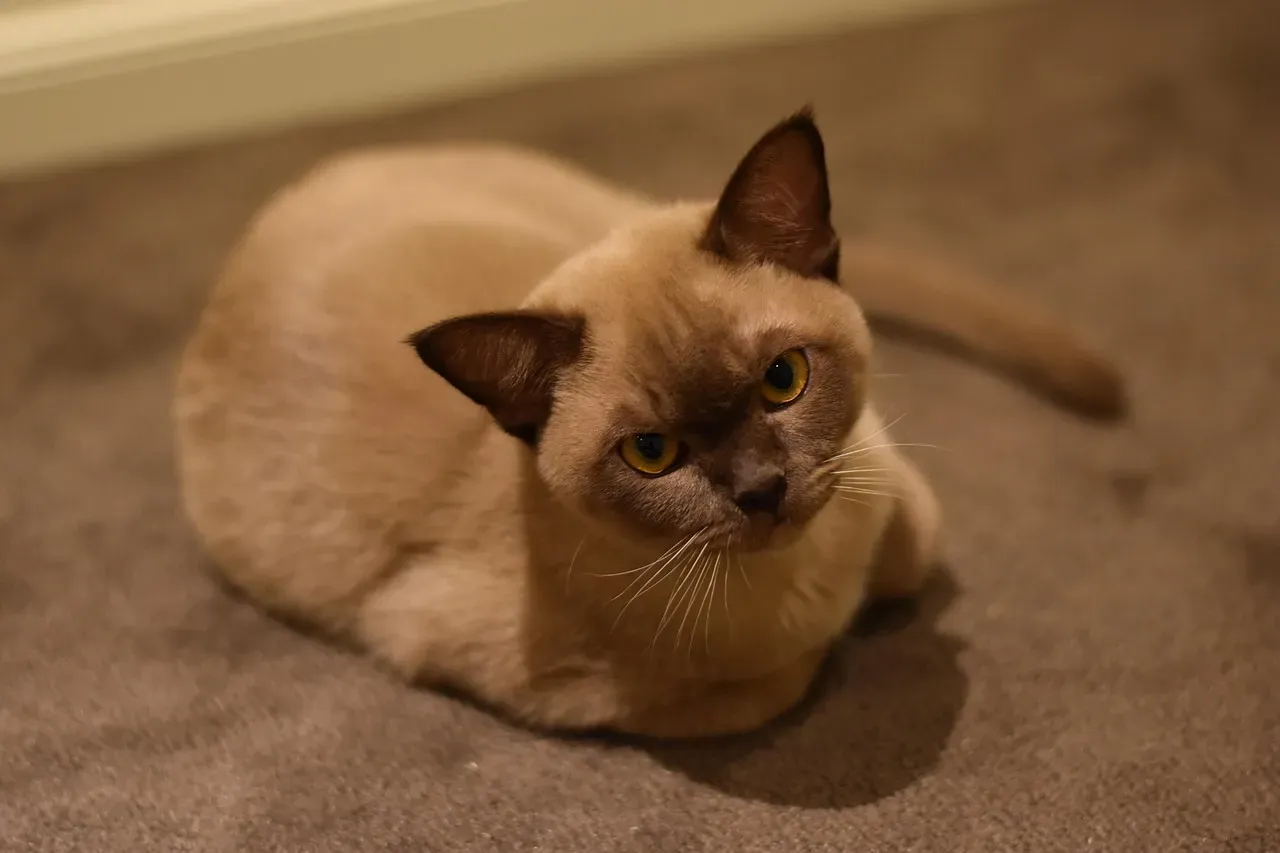
These cats are not just talkative; they are full-on conversationalists. Unlike their Siamese cousins, who might sound like they’re auditioning for a drama, Burmese cats have a softer, more musical meow. That doesn’t mean they’re quiet, though.
Burmese cats are known for their sweet, soft voices, which they frequently use to communicate with humans. The spunky Burmese is a popular breed with a reputation for converting even the most adamant self-proclaimed cat haters into feline-loving fans. Like the Siamese, they are extremely vocal and can be high-maintenance and demanding, so they’re certainly not a cat for those in search of a quiet life. However, if you don’t mind lots of talking, these sweethearts will reward you by being a wonderfully sensitive, affectionate, and family-oriented pet.
At night, their gentle yet persistent meows might lull you into thinking they’re easy to manage. You’d be wrong. Burmese cats know exactly how to use their melodic voices to get what they want, whether that’s a midnight snack or simply your company at an ungodly hour.
The Tonkinese: The Social Butterflies Who Never Sleep

Vocal breeds include Siamese, Bengals, Sphynx, and Tonkinese. Tonkinese cats are known for their talkative and social nature, making them the perfect companions for those who love a chatty feline friend. These cats are basically a blend of Siamese and Burmese, which means they inherited the best (or loudest) traits from both sides.
The Tonkinese is a handsome cat – the result of breeding the Siamese with the Burmese. Loving, playful and affectionate, the Tonk (as they’re often affectionately called) is often active during the day and enjoys being a cuddly lap cat at night. However, their definition of “cuddly lap cat at night” often includes several vocal announcements about their needs.
Their chattiness doesn’t shut off just because you’ve turned off the lights. In fact, nighttime seems to inspire a whole new round of conversations. They’ll meow to let you know they’re bored, hungry, or just want to make sure you’re still alive in the next room. It’s hard to say for sure, but their commitment to communication is unwavering.
The Balinese: Long-Haired Drama Queens
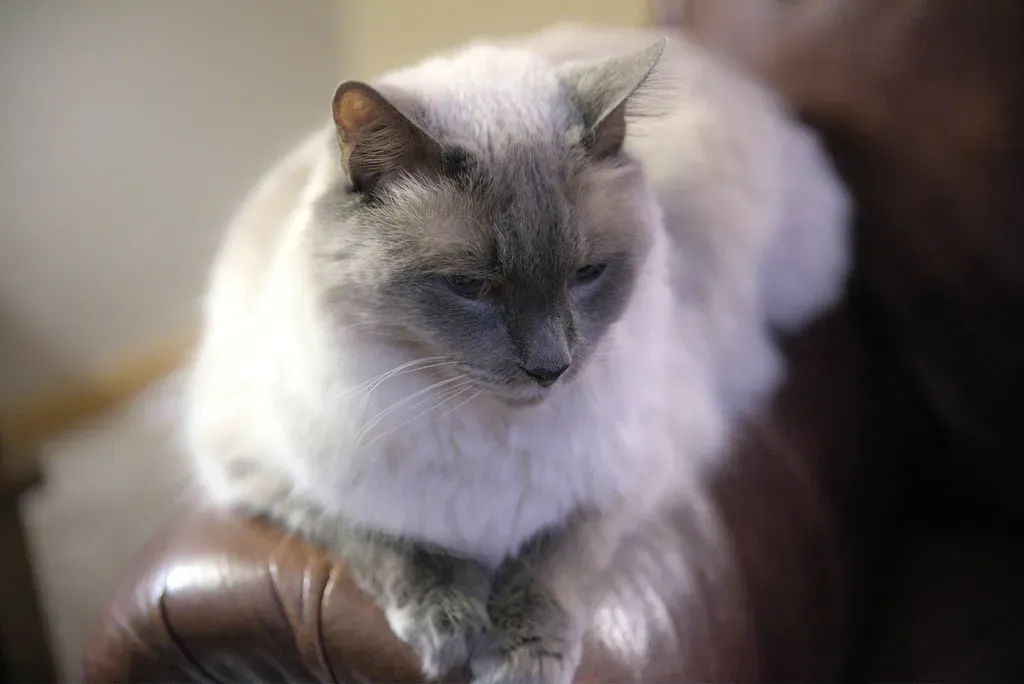
Like the Oriental, the Balinese were also developed from Siamese cats. It’s thought that the breed descends from long-haired Siamese kittens born in the 1950s due to a genetic mutation. Essentially, they’re Siamese cats with fabulous long coats and equally fabulous vocal cords.
Given their Siamese heritage, it’s no surprise that Balinese cats are exceptionally vocal. They carry the same loud, persistent meowing tendencies as their short-haired relatives, but with an added touch of elegance. Their long, flowing coats might give them a regal appearance, yet they’re not above waking you up at four in the morning to discuss their feelings.
These cats thrive on attention and social interaction. When nighttime rolls around and you’re trying to catch some sleep, your Balinese may decide that’s the perfect time to share every thought that crosses their mind. Their vocalizations range from soft trills to loud, demanding yowls, depending on how urgently they need your attention.
The Siberian: The Surprising Chatterboxes
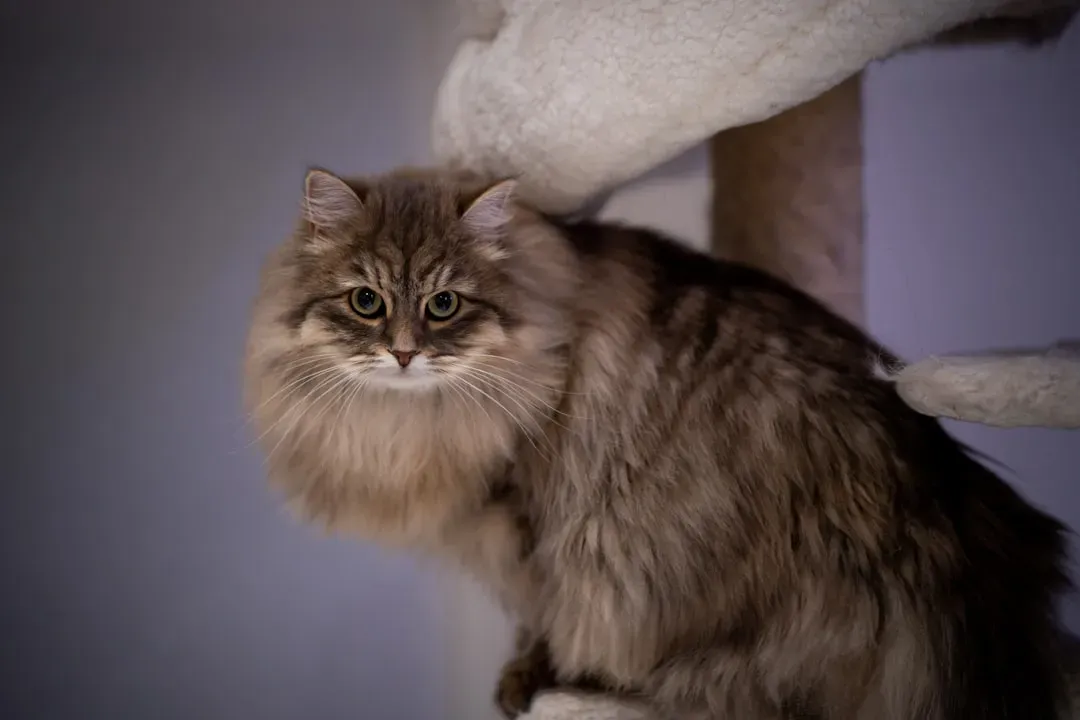
Owners of Siberians report having cats meow for extended periods or yowl in the early morning hours, or even being silent! It’s a bit of a lottery with this breed. You might get a quiet, majestic fluffball, or you might get a cat who believes three in the morning is prime conversation time.
A loyal and affectionate kitty who loves to be in the company of their inner circle, the fluffy Siberian is known for its intelligent, playful, and patient temperament. While they’re not clingy lap cats, they don’t like being left alone for long periods of time so do best in homes where someone is around for most of the day – otherwise, be prepared for them to vocalize their displeasure when you return.
The unpredictability of their vocalizations can be challenging. Some Siberians are relatively quiet, while others seem determined to narrate every single moment of their lives, including their nocturnal adventures through the house. If you happen to get one of the chatty ones, expect to be serenaded throughout the night.
The American Bobtail: Chirping Through the Night

When they vocalize, American Bobtails produce sounds beyond just the traditional meow. Listen for an excited American Bobtail to trill, click, and chirp instead. Vocal in an adorable way, the American Bobtail will chat away using chirps, clicks, trills, and meows. Those who are lucky enough to have one of these kitties in their family describe them as loyal and playful companions. Bold and sociable, they’re often referred to as the golden retriever of the cat world thanks to their friendly and affectionate nature.
Their unique vocalizations might sound charming during the day, but at night, those chirps and clicks can become an unexpected alarm clock. American Bobtails are highly social and love interacting with their family members, which means they’re not particularly interested in respecting your sleep schedule.
These cats will happily chirp at you when they want to play, when they’re hunting a toy, or when they simply feel like making noise. Their playful and curious nature means they’re often active during the hours when you’re trying to rest, and they’re not shy about letting you know what they’re up to.
Conclusion
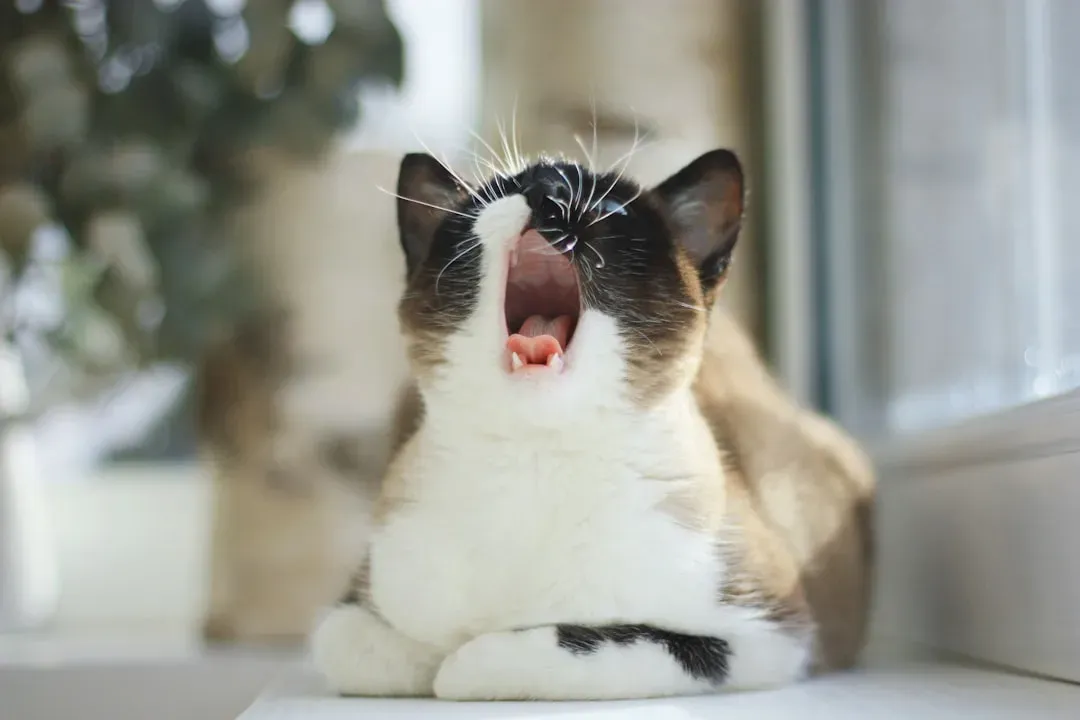
Living with a vocal cat breed can be both a blessing and a test of your patience, especially when those meows echo through the house at two in the morning. From the relentless Siamese to the chirping American Bobtail, these breeds have mastered the art of nighttime communication in ways that leave no room for silence. Their vocalizations are part of their charm, a way they express love, need, and personality.
Understanding why your cat is so chatty can help you manage their behavior and strengthen your bond. Whether it’s ensuring they’re well-fed before bed, keeping them entertained during the day, or simply accepting that you’ve adopted a tiny, furry opera singer, there’s always a way to coexist peacefully. Or at least, more peacefully. What’s your experience with vocal cats? Do you embrace the midnight serenades, or have you found clever ways to encourage a quieter night?