Your feline companion has been by your side through countless moments. You’ve witnessed their playful pounces as a kitten and their independent explorations as an adult. Now, you’re noticing subtle shifts in their behavior. Perhaps your cat hesitates before jumping onto their favorite perch, or they seem to sleep just a bit more than usual.
These aren’t just random changes. Your senior cat is entering a remarkable phase of life that requires a new understanding from you. Cats are now considered mature once they reach seven years, senior between 11 and 14 years, and super senior when they’re 15 years and older. This isn’t about your beloved pet growing old. It’s about discovering their hidden world of evolving needs that they can’t tell you about directly.
When Your Cat Officially Becomes a Senior
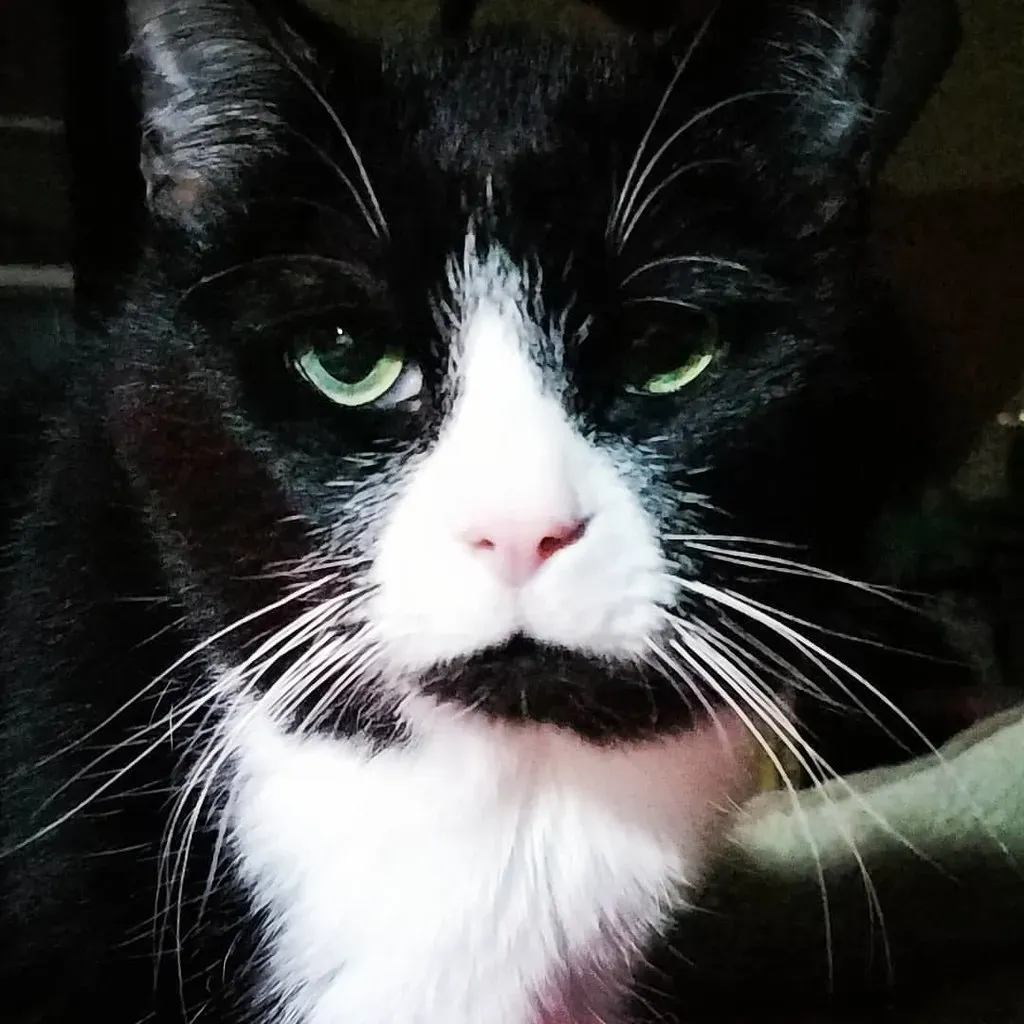
Let’s be real, age is more than just a number when it comes to your furry friend. Thanks to improved nutrition, living indoors, and advances in veterinary medicine, cats live longer and are now considered older at 12 to 14 years. However, the aging process isn’t quite as straightforward as you might think.
The first two years of a cat’s life equate to 24 human years and every year thereafter is equivalent to four human years. For example, a sixteen year old cat would be equivalent to an eighty year old human. This perspective helps you appreciate just what your cat is experiencing physically and mentally. The changes aren’t always visible on the surface, making them easy to overlook until they become more pronounced.
The Subtle Behavioral Shifts You Might Miss
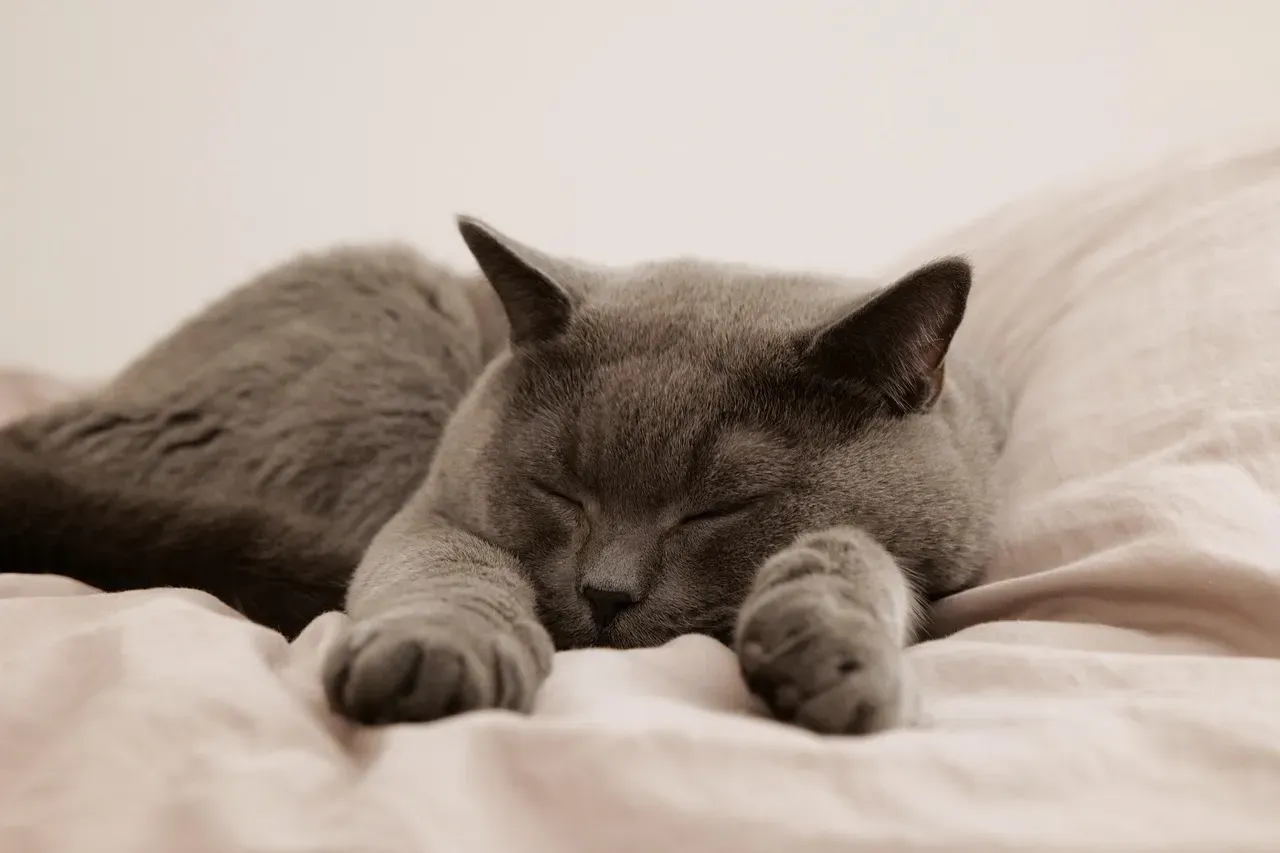
Older cats tend to be less active and playful, they may sleep more, gain or lose weight, and have trouble reaching their favorite places. You might dismiss these signs as your cat simply slowing down. Actually, these behavioral changes can signal specific medical conditions that deserve your attention.
Here’s the thing. Feline cognitive dysfunction affects over half of cats between the ages of 11 and 15, and as many as 85 percent of cats over age 16. Your cat might seem confused by familiar objects or forget where their litter box is located. They may become fussy with their food or have a reduced appetite, be less keen to play, groom themselves less, and be more vocal. Sometimes your senior cat becomes more clingy and affectionate, seeking warmth and reassurance from you in ways they never did before.
Nutrition Needs Transform Dramatically
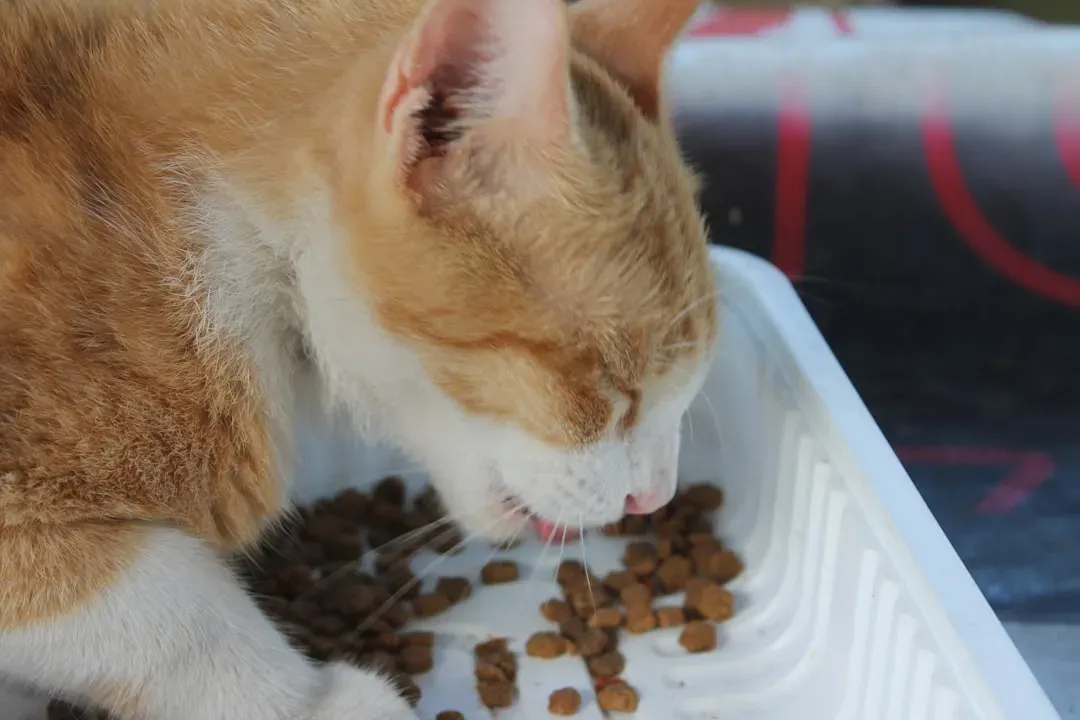
You’ve been feeding your cat the same food for years, right? Well, their digestive system has other plans. Energy or calorie requirements in cats initially decrease in their senior years but energy requirements start to increase around 11 years of age. This increase is because as cats age some show difficulty digesting fats proteins and energy.
The protein question becomes particularly critical. Both energy needs and protein requirements progressively increase as cats age starting at age 10 to 12 years. Geriatric cats should receive diets that will provide at least six to eight grams and preferably more of high quality protein per kilogram body weight per day. This contradicts older advice about restricting protein for senior cats, which recent research has challenged.
Kidney function frequently deteriorates in older cats. Consider mixing canned and dry food to let your cat absorb the water canned food offers. Hydration becomes absolutely essential because many senior cats develop an impaired sensitivity to thirst, putting them at risk for dehydration and related complications.
The Hidden Pain of Arthritis
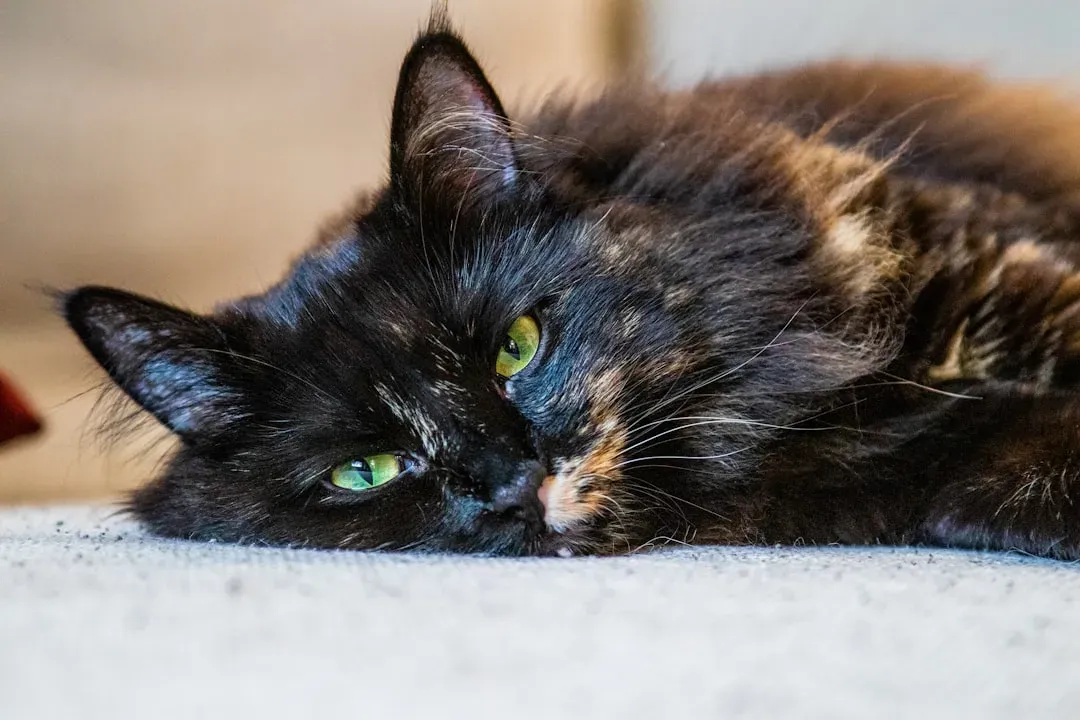
Roughly 30 percent of cats over the age of eight suffer from arthritis. Another study found that 90 percent of cats aged 12 and over showed radiographic signs of arthritis. Those are staggering numbers, yet most cat owners have no idea their pet is suffering.
Your cat won’t limp dramatically or cry out in pain. Instead, many cats with arthritis will urinate or defecate right next to the litter box. This may be a signal that your kitty is trying to do it right but just can’t. They might stop grooming certain areas because reaching them has become uncomfortable, or they avoid jumping to high places they once loved.
As many as nine out of ten senior cats show evidence of arthritis when X rayed yet most of us with senior cats have no idea. The pain is real, constant, and silently eroding your cat’s quality of life. Treatment options now include medications specifically designed for feline arthritis, supplements, heated beds, and environmental modifications that make movement easier.
Kidney Disease: The Silent Threat
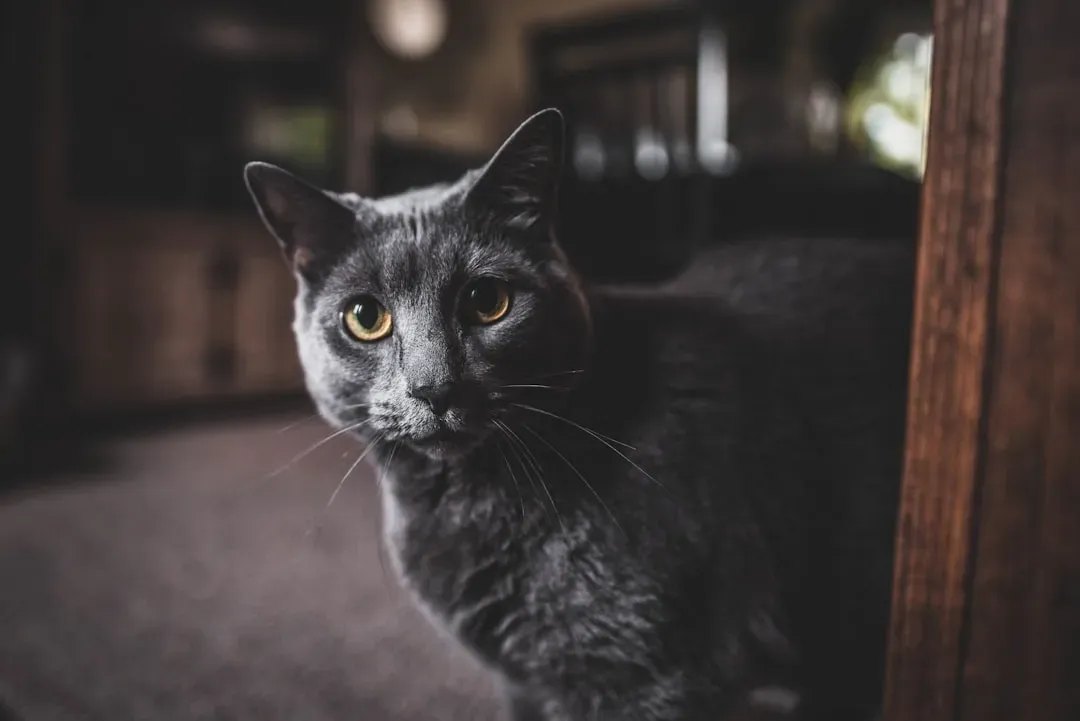
Chronic kidney disease is one of the most prevalent diseases in older cats affecting up to 40 percent of cats over the age of 10 and 80 percent of cats over the age of 15. This isn’t just a statistic. It’s probably the single most important health issue you need to watch for in your senior cat.
In the early stages of chronic kidney disease it is very common for cats to show no obvious clinical signs as their body is able to compensate for the decrease in kidney function. As the kidneys lose their ability to concentrate urine effectively cats may begin to urinate greater volumes and drink more water to compensate. You might notice your cat visiting the water bowl more frequently or producing larger clumps in the litter box.
The challenge is that by the time obvious symptoms appear, significant kidney damage has already occurred. Early detection through regular veterinary blood work can catch this disease before it progresses to advanced stages, giving you and your vet time to implement management strategies that can extend your cat’s comfortable years considerably.
Creating a Senior Friendly Home Environment
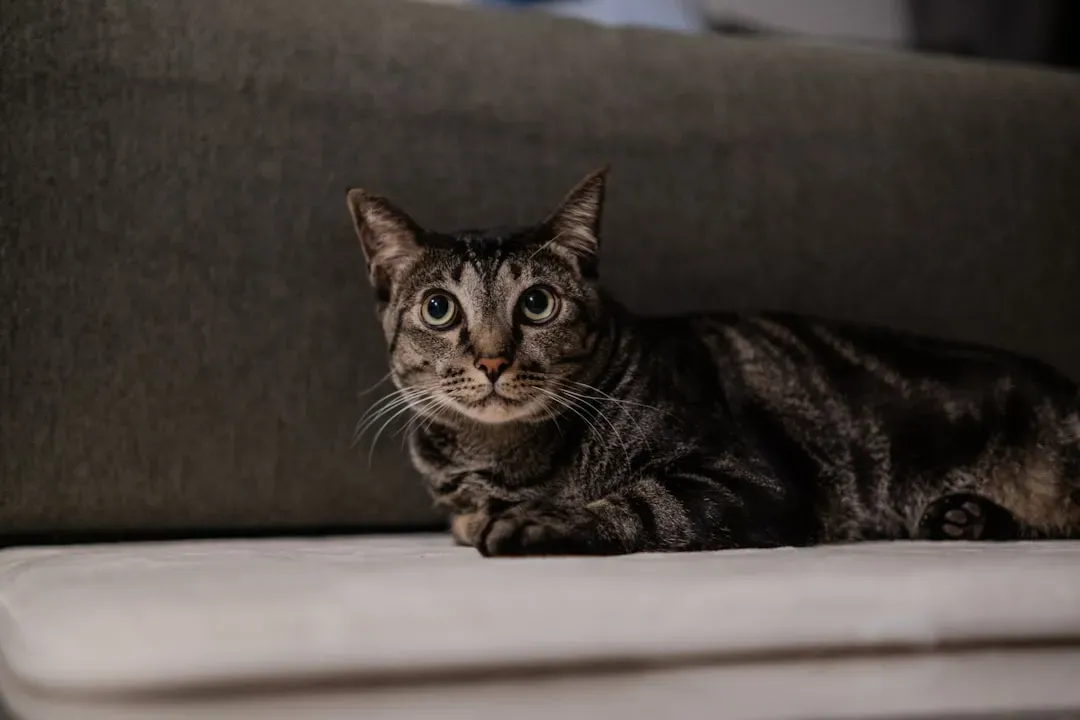
As cats age they are more prone to getting arthritis and may have reduced control over their bowels and bladder. It’s a good idea to install litter boxes on every floor to make them easy to reach. Simple environmental modifications can dramatically improve your senior cat’s daily comfort and independence.
Consider providing ramps or steps to their favorite elevated spots. Make sure your older cat’s favorite soft bed or resting place is not in a drafty area of your home. Too much heat though can potentially burn a cat who can’t move quickly so be sure to think warm not hot. Lower sided litter boxes eliminate the need for painful jumping in or out.
Water stations should be available on every level of your home. Food bowls benefit from being slightly elevated to reduce neck strain during eating. These aren’t expensive interventions, yet they make an enormous difference in your cat’s ability to maintain their dignity and comfort as their mobility changes.
Dental Health Can’t Be Ignored
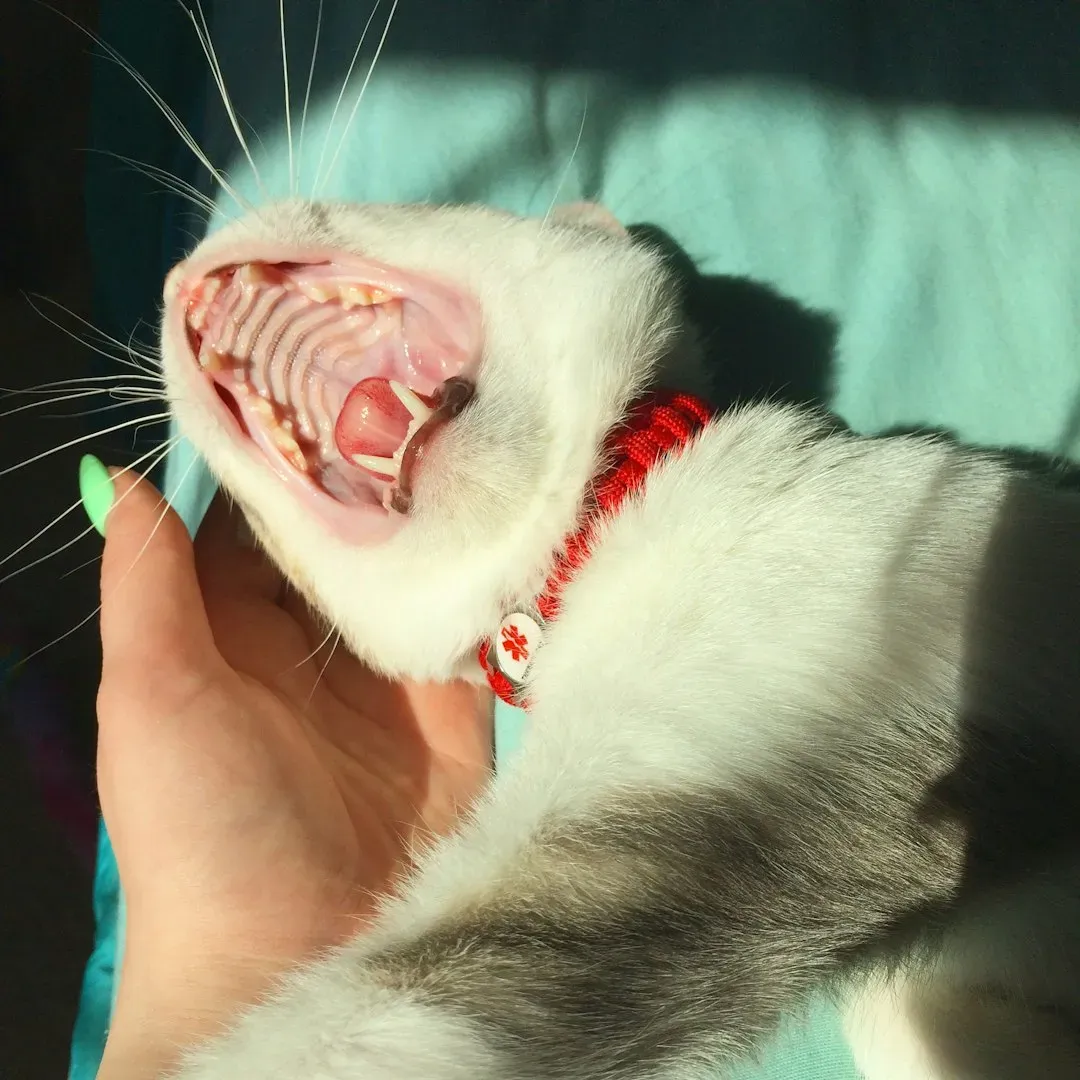
Dental disease is extremely common in older cats and can hinder eating and cause significant pain. Your cat’s mouth might be harboring infections that spread bacteria throughout their body, affecting organs including the liver, kidneys, and heart.
The signs aren’t always obvious. Although many different diseases can cause a loss of appetite in healthy senior cats a decreased sense of smell may be partially responsible for a loss of interest in eating. However the discomfort associated with dental disease is a more likely cause of reluctance to eat. You might notice your cat preferring softer foods, dropping food while eating, or pawing at their mouth.
Regular dental checkups and cleanings under anesthesia can prevent these painful conditions from developing or worsening. Yes, anesthesia carries risks for older cats, but modern veterinary protocols have made these procedures much safer than in the past, and the benefits typically far outweigh the risks when dental disease is present.
Grooming Becomes Your Responsibility
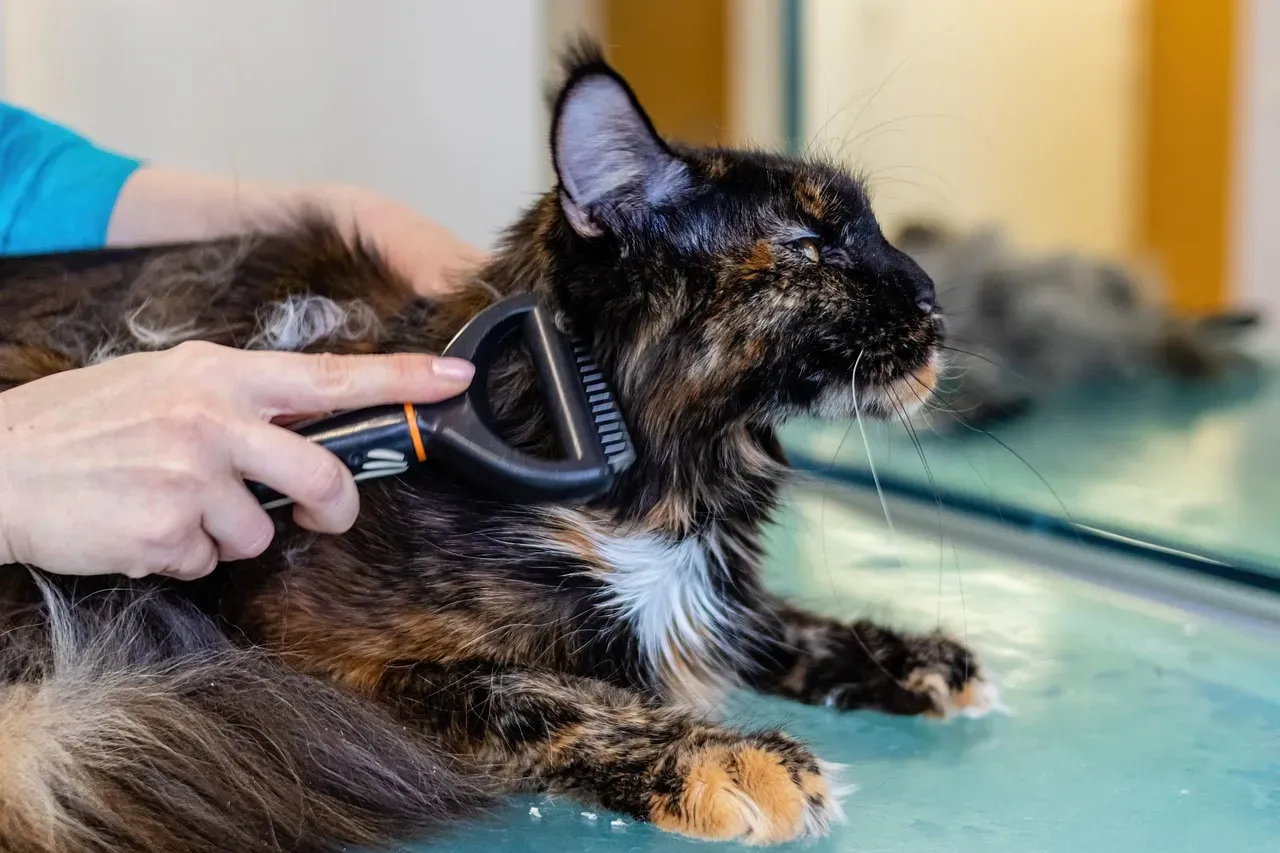
Older cats groom themselves less effectively than do younger cats sometimes resulting in hair matting skin odor and inflammation. The claws of aging felines are often overgrown. Your previously fastidious cat might develop mats along their back or hindquarters simply because they can no longer twist and reach those areas comfortably.
As cats age and become less flexible they often struggle with maintaining their usual grooming routine. You may notice some matting over the lower spine and hindquarters. Decreased grooming behaviours may indicate chronic pain from arthritis or dental disease. This means you need to step in and help.
Regular brushing sessions serve multiple purposes beyond just preventing mats. They give you hands on time to check for lumps, bumps, skin changes, and areas of tenderness that might indicate underlying problems. Nail trimming becomes essential because older cats use scratching posts less frequently, leading to overgrown claws that can curl into paw pads or snag on fabrics.
The Importance of Routine Veterinary Care
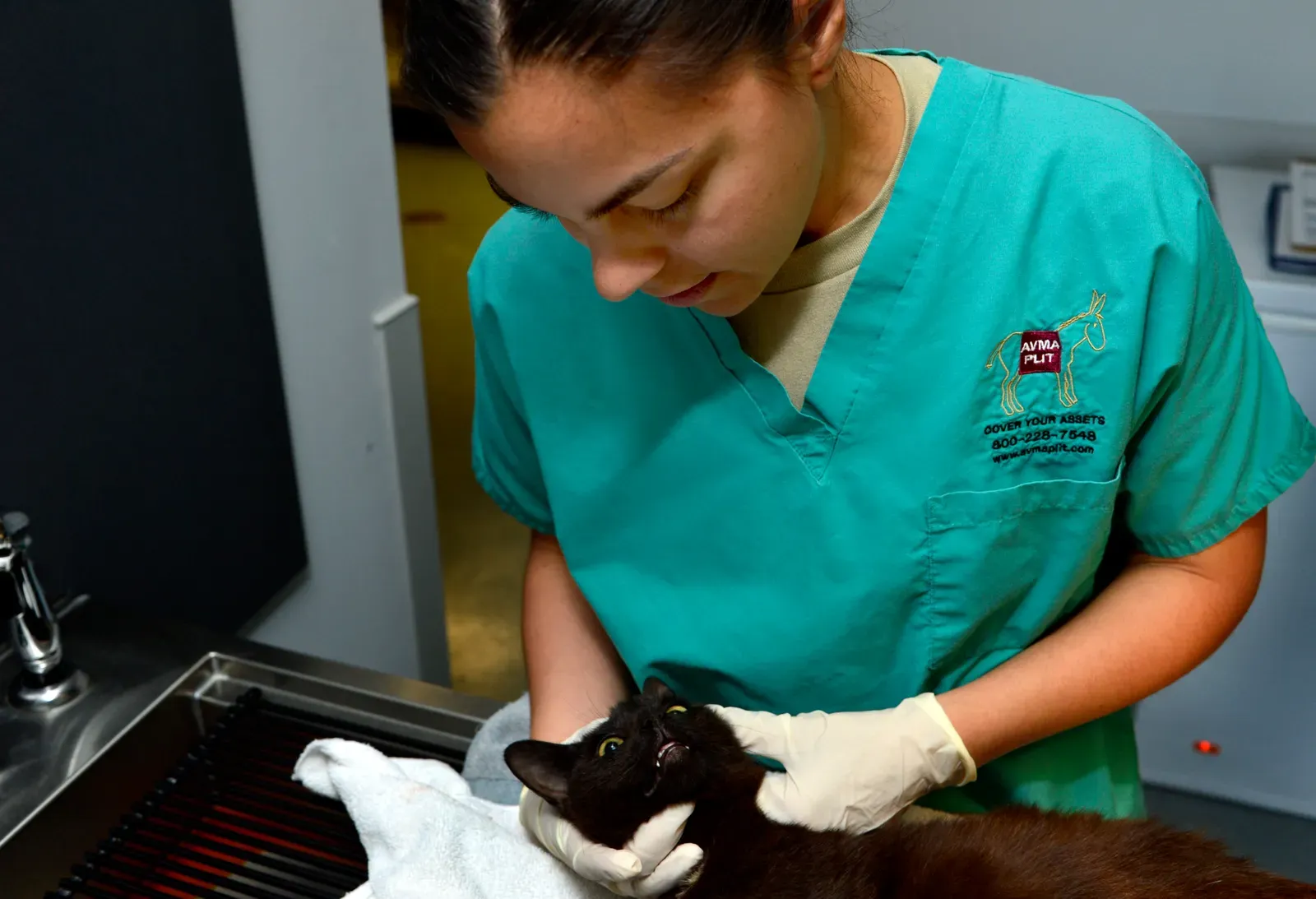
Ideally cats over 11 years of age should see the veterinarian every six months. Blood work done during these visits can detect the onset of health issues like kidney disease while there’s still time to make medical changes that will improve and extend your cat’s life. These aren’t just checkups. They’re opportunities for early intervention.
Don’t chalk up health or behavior changes often gradual to old age however. Such changes can be signs of common diseases or dental problems that should be addressed by your veterinarian. Many conditions that seem like normal aging are actually treatable medical problems when caught early enough.
Blood work, urine analysis, blood pressure monitoring, and thyroid testing should become routine parts of your senior cat’s healthcare. These tests provide baseline values that allow your veterinarian to track subtle changes over time, catching problems before they become crises.
Understanding Their Emotional Needs
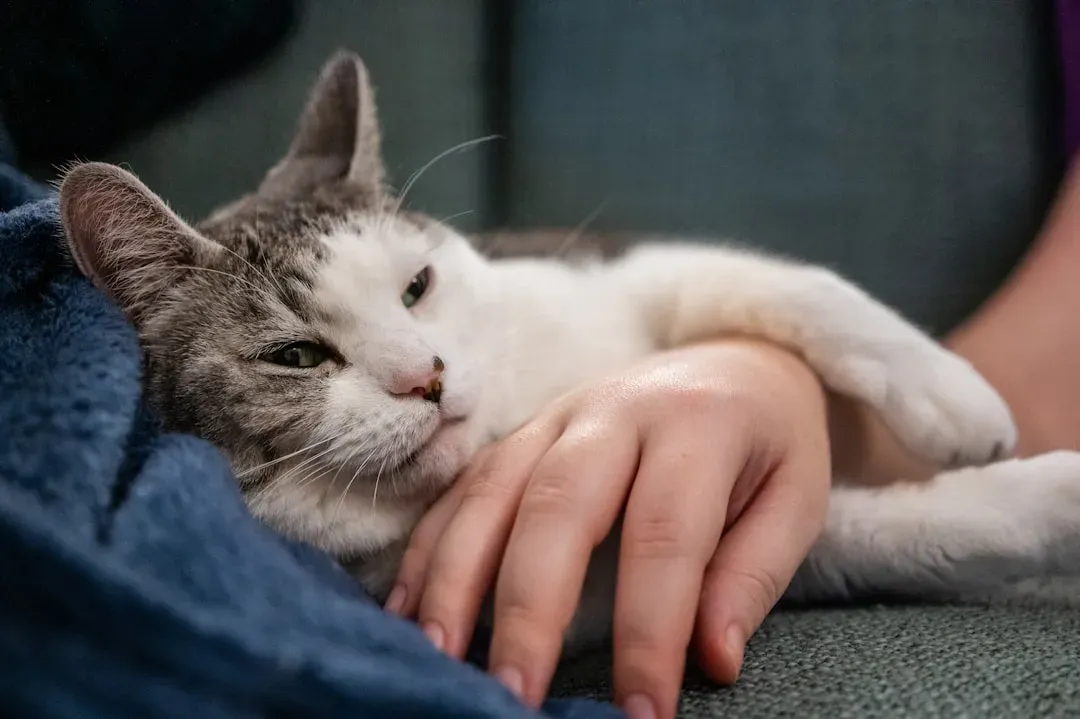
Older cats cherish predictable days more than younger cats do. Just as we become set in our ways as we get older cats do too. Your senior cat finds comfort in routine and consistency. Sudden changes in household dynamics, schedules, or environments can cause significant stress.
Some cats may need more emotional support as they age and others may prefer to be left alone. They may become more dependent on relationships and require more attention. You might notice your previously aloof cat now following you from room to room or seeking lap time more frequently. This isn’t clingy behavior. It’s your cat seeking reassurance and security as their world becomes less predictable to them.
Patience becomes your most valuable tool. Your senior cat may need more time to respond to your calls, may become startled more easily if their hearing or vision has declined, and may appreciate gentler handling if arthritis makes them sensitive to touch. Respecting these new boundaries while providing loving companionship creates the emotional safety your aging cat needs.
Your senior cat’s golden years are a gift, though they come with responsibilities you didn’t have when they were younger. These changes in their bodies, behaviors, and needs aren’t something to fear. They’re simply the next chapter in your shared life together. By understanding what’s happening beneath the surface, you can provide the specialized care that allows your beloved companion to thrive rather than merely survive. Their needs have evolved, and honestly, isn’t that exactly what love does? It evolves right alongside them, meeting them exactly where they are.