You love your cat. Of course you do. Those soft paws, that purring, the way they curl up beside you on cold evenings. Life with a feline companion is usually pretty delightful, until you step in something wet on your carpet at three in the morning. Then reality hits you square in the face.
Your beautiful furry friend might be one of those notorious breeds with litter box habits that could make you question your life choices. Some breeds are just more challenging when it comes to bathroom behavior, and it’s not always their fault. Let’s be real, if you’re considering adopting one of these breeds or already share your home with one, you’re going to want to know what you’re dealing with. So let’s dive in.
Persian Cat: The Long-Haired Challenge
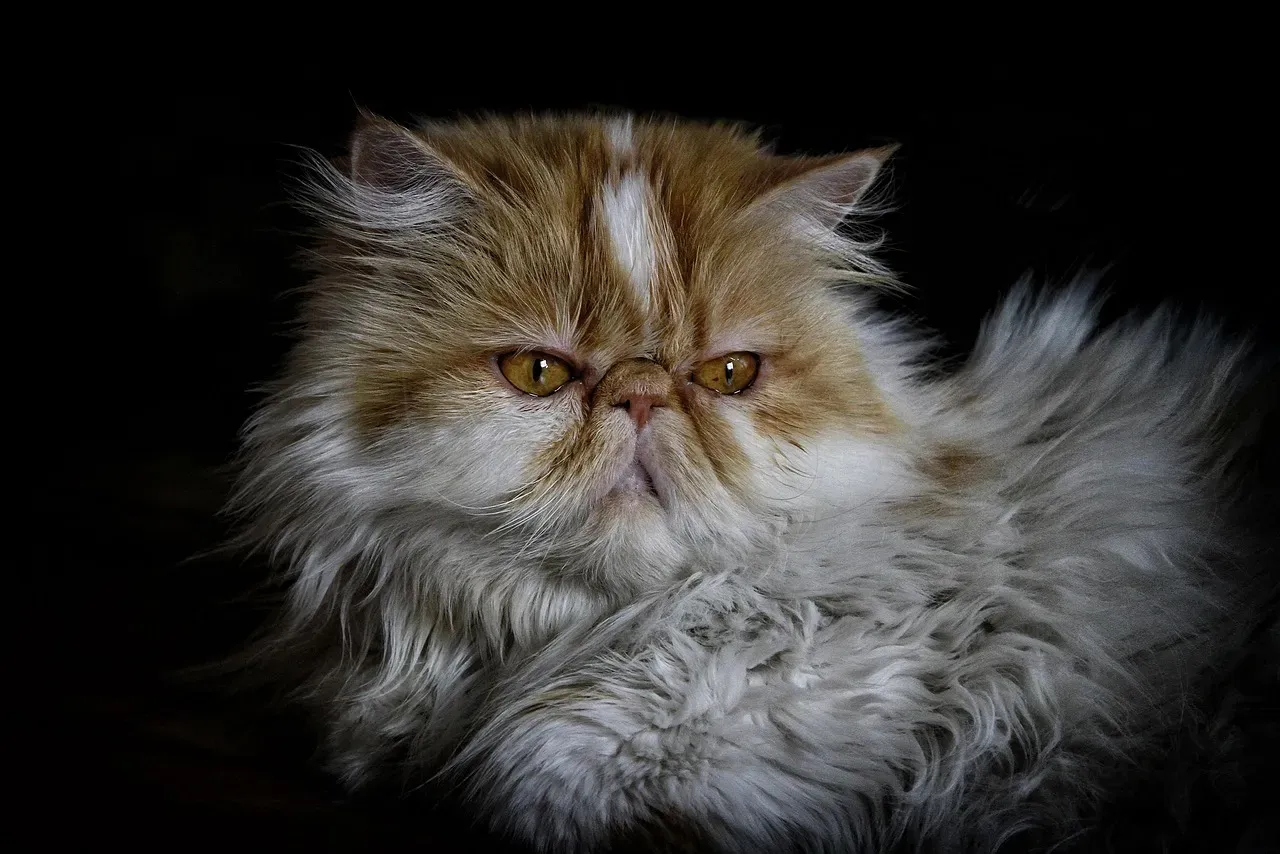
Let’s start with a breed that looks like royalty but sometimes acts like a rebellious teenager. Persians have been reported in multiple studies to exhibit more house soiling than other breeds. Why is that exactly? Well, their gorgeous long coat is part of the problem.
Persian cats are known for their unique flat noses, and the breathing issue can cause litter box troubles because almost every type of cat litter has some dust. Think about it. If you had a smooshed face and every time you went to do your business you inhaled a cloud of dusty particles, you’d probably find somewhere else to go too. Their flat facial structure makes breathing through dusty litter uncomfortable, leading many Persians to simply avoid the box altogether.
Poop may become attached to the fur around their anus, and because they have tufts of fur between the toes, they may pick up urine-soaked litter on their paws which also causes discomfort. Imagine walking around with clumps of wet litter stuck to your feet and, well, other areas. Not exactly pleasant, right? This discomfort creates a negative association with the litter box, and before you know it, your Persian is doing their business on your favorite rug.
Maine Coon: Too Big for Standard Boxes

A standard cat litter tray is often too small for most Maine Coons, leading to issues ranging from accidental overshooting to chronic avoidance of the tray. These gentle giants are absolutely massive compared to your average house cat. When a Maine Coon tries to squeeze into a regular litter box, it’s like asking a basketball player to use an airplane bathroom. Cramped, awkward, and just plain uncomfortable.
Here’s the thing about Maine Coons. Their large size requires trays longer than 26 to 32 inches, and they lift their rear higher than typical cats while urinating, which means low-sided trays cannot contain the urine, leading to overshooting. So even if your Maine Coon is trying their best to be polite, physics just isn’t on their side.
The good news is that this is usually fixable with the right setup. The bad news is you might need to invest in what basically amounts to a small swimming pool as a litter box. Worth it though, because these cats are absolute sweethearts when they’re not accidentally peeing over the edge of their too-small box.
Bengal: The Intelligent Rebel
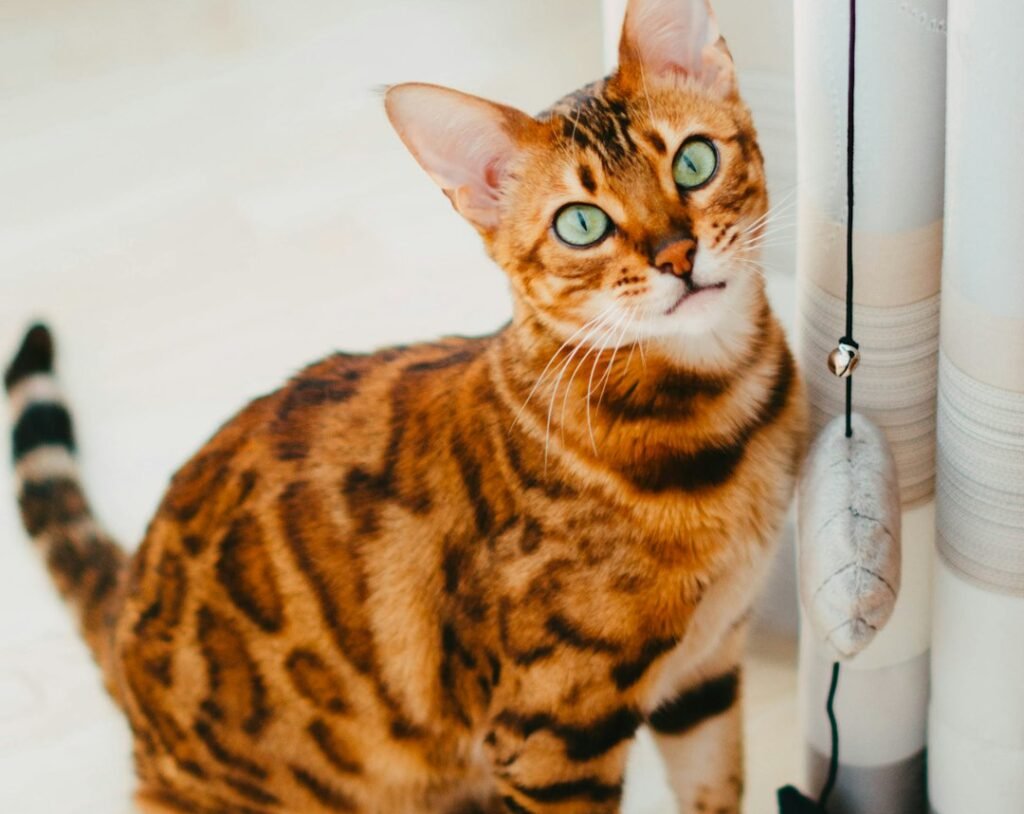
Bengals are smart. Like, really smart. Too smart sometimes. Their high intelligence means they get bored easily, and a bored Bengal can develop some pretty creative ways to get your attention. Sometimes that involves rejecting the litter box entirely.
These cats are active, curious, and honestly a bit demanding. If the litter box doesn’t meet their exact specifications, they’ll let you know by finding alternative bathroom locations. Maybe your potted plant suddenly becomes appealing, or perhaps that pile of laundry in the corner looks like a suitable spot.
The Bengal scored the highest in house soiling, followed by breeds such as the Landrace cat, Oriental, Norwegian Forest cat, and Persian and Exotic. Their athletic build and adventurous nature means they need mental stimulation, and if they’re not getting it, bathroom rebellion is often the result. It’s frustrating, sure, but you have to admire their determination to make their point known.
Siamese: The Vocal Protester
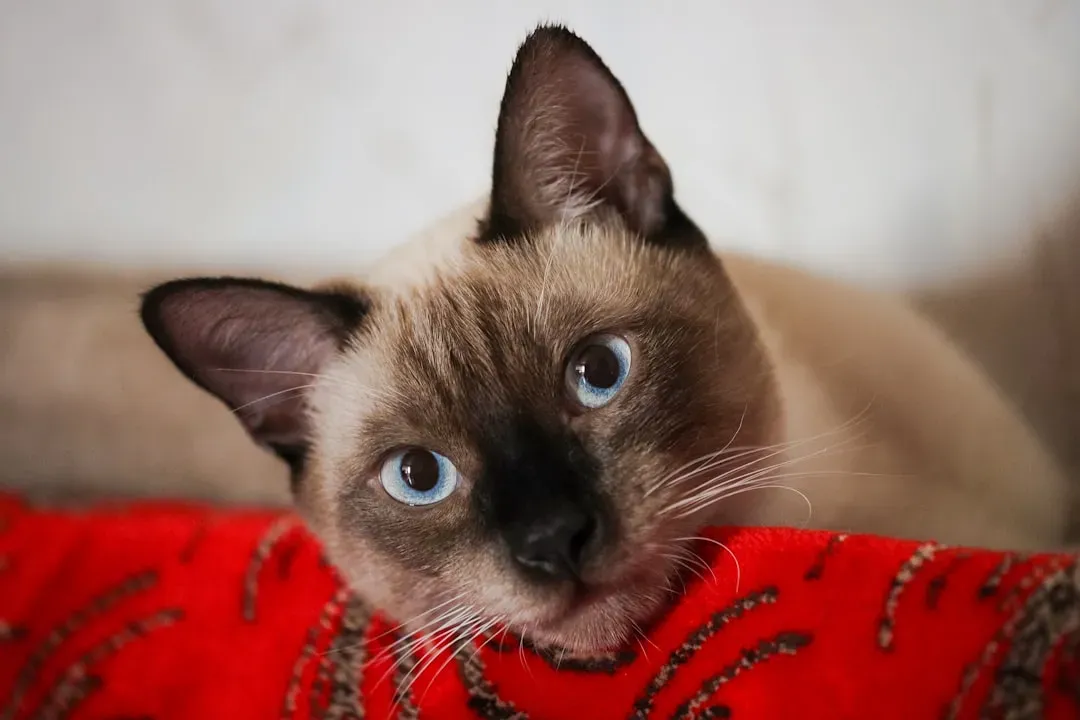
Siamese cats are famously talkative, and they’ll absolutely tell you when something isn’t right. If their litter box situation doesn’t meet their standards, expect loud complaints followed by pointed demonstrations of their displeasure. They’re not being difficult on purpose; they’re just exceptionally communicative about their needs.
Cats who have grown accustomed to a certain litter might decide that they dislike the smell or feel of a different litter. Siamese cats in particular can be incredibly sensitive to changes. Switch brands? They notice. Move the box three feet to the left? They’re not happy about it. These cats thrive on routine and consistency.
Their intelligence also works against them sometimes. A Siamese might decide the litter box is unacceptable for reasons that seem completely arbitrary to you but make perfect sense in their feline brain. The texture feels wrong. The location lacks privacy. There’s a strange smell they detected that you can’t even perceive. Whatever the reason, they’ll make sure you know about it, usually at high volume.
Exotic Shorthair: Persian Problems Without the Grooming
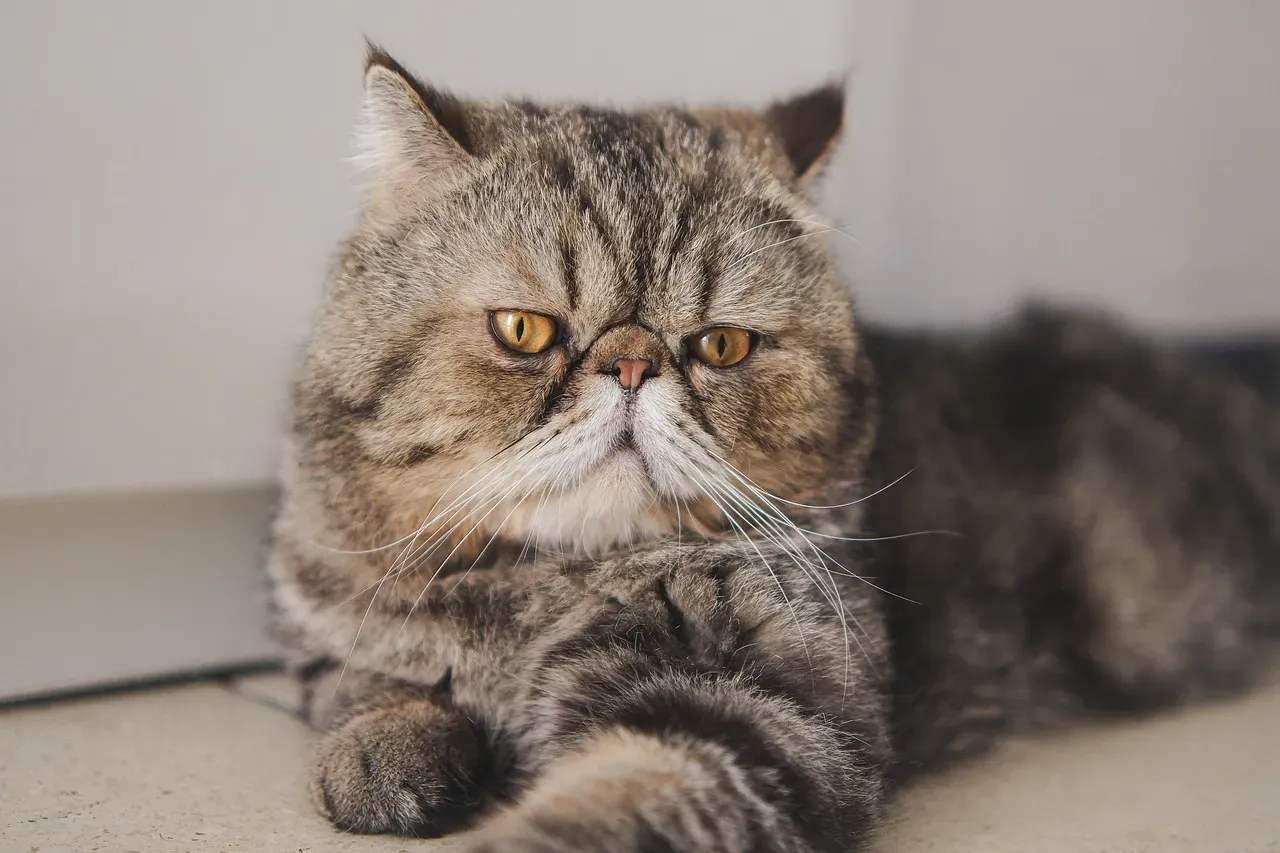
Think of Exotic Shorthairs as Persians in a more manageable package. They have the same flat faces and similar personalities, but with shorter coats. Persian and Exotic breeds both showed higher rates of house soiling. Unfortunately, they inherited the Persian’s litter box quirks along with that adorable smooshed face.
Exotic Shorthair cats essentially are Persian cats with a short coat, and they share the predicament of breathing difficulties due to their flat noses. The dust issue persists even without the long fur, and these cats can be just as picky about their bathroom arrangements as their long-haired cousins.
At least you don’t have to worry about litter clumping in their fur quite as much. Small victories, right? Still, their sensitivity to dusty litter and tendency toward house soiling means you’ll need to be extra careful about litter selection and box maintenance.
Himalayan: The Persian-Siamese Double Whammy
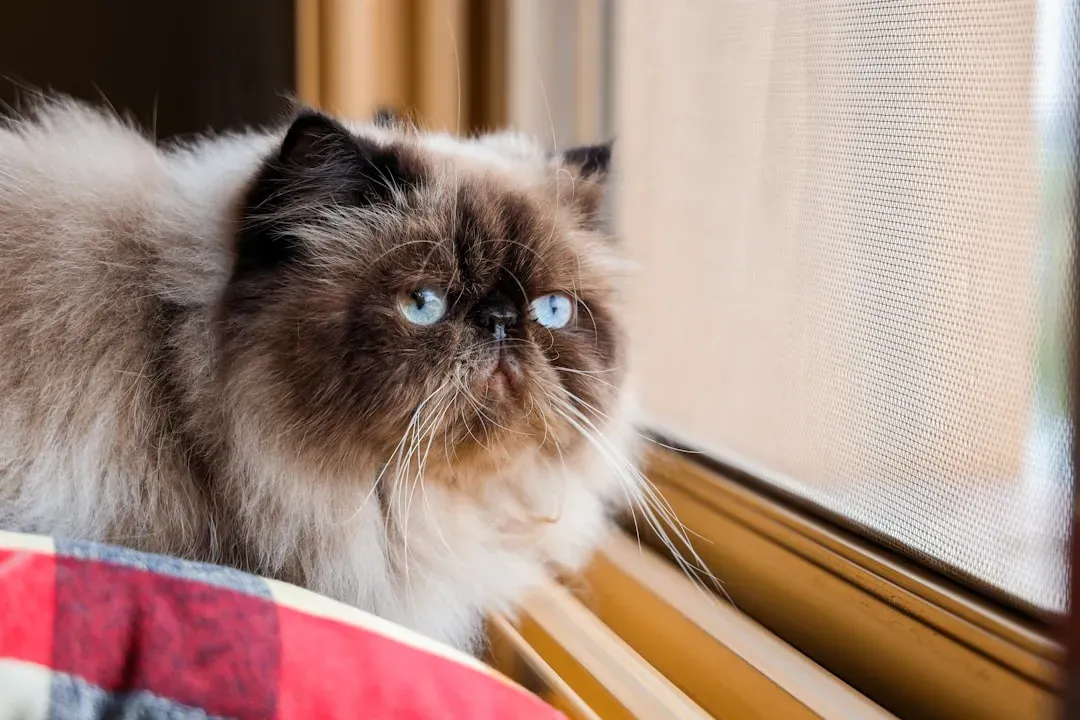
Himalayans are basically Persians with Siamese coloring, which means they got a genetic double dose of litter box challenges. Himalayan cats are Persian lookalikes with a colorpoint pattern and share the same flat-nose breathing issues. Combine the Persian’s physical challenges with the Siamese’s particular nature, and you’ve got a recipe for bathroom drama.
These beautiful cats face the same dusty litter problems as Persians, plus they can inherit the Siamese tendency to be vocal and demanding about their preferences. It’s honestly impressive how they managed to combine the most challenging traits of both parent breeds when it comes to litter box behavior.
Their long, luxurious coat means dealing with the same hygiene issues that plague Persians. Litter gets stuck everywhere, causing discomfort and creating negative associations with the box. Regular grooming around their back end becomes absolutely essential if you want to avoid accidents.
Ragdoll: The Gentle Giant’s Dilemma
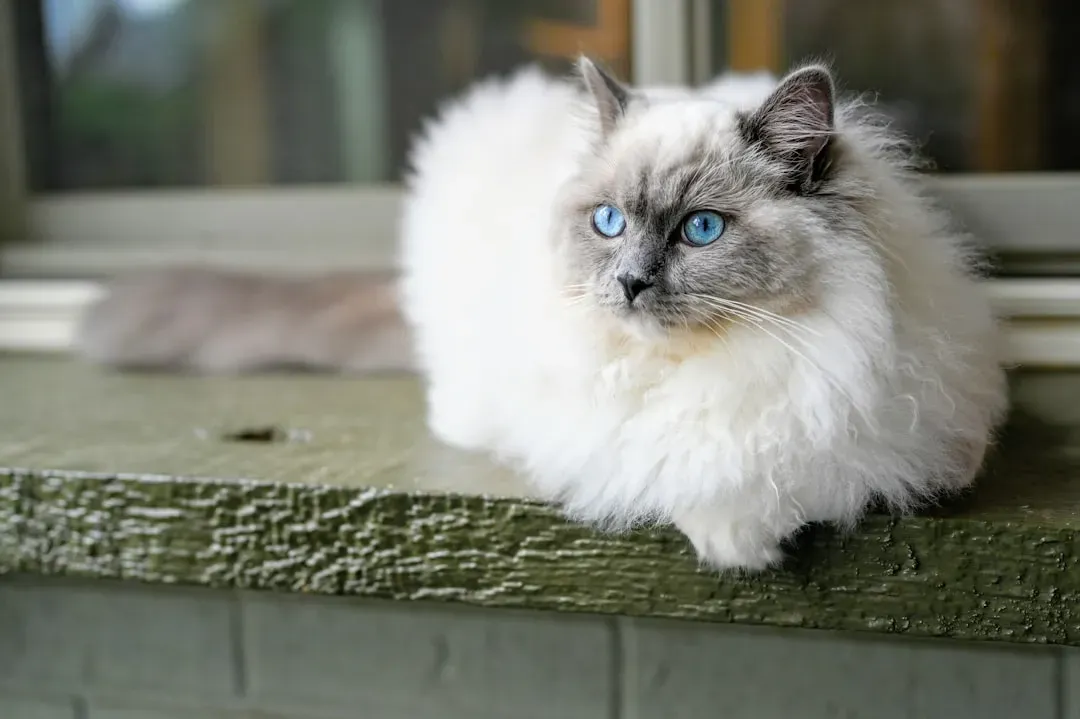
Ragdolls are known for being laid-back and affectionate, but their large size creates practical problems. Like Maine Coons, they need appropriately sized litter boxes, and standard options just don’t cut it. These cats are so easygoing that they might not even complain when the box is too small; they’ll just quietly find somewhere else to go.
Your cat’s litter box is too small for her. For large breeds like Ragdolls, this becomes a serious issue. They need space to turn around comfortably and position themselves properly. When they can’t do that, accidents happen, even with the best-behaved cats.
Their placid temperament can actually work against them here. A more assertive cat might make their displeasure known immediately, giving you a chance to fix the problem. Ragdolls, being the sweethearts they are, might just adapt by finding alternative locations without raising much of a fuss until it becomes a deeply ingrained habit.
Scottish Fold: The Stubborn One

Scottish Folds are adorable with those folded ears and round faces, but they can be surprisingly stubborn about their preferences. These cats know what they like and what they absolutely will not tolerate. If the litter box doesn’t meet their exacting standards, good luck convincing them otherwise.
Fearful cats are more prone to both forms of litter box issues than nonfearful individuals. While Scottish Folds aren’t necessarily fearful by nature, they can be sensitive to changes and stress in their environment. This sensitivity sometimes manifests as litter box avoidance when things aren’t quite right.
Their compact body structure and sometimes arthritis-prone joints as they age can make certain litter box configurations uncomfortable. They might struggle with high sides or find certain litters painful to dig in. When physical discomfort combines with their stubborn streak, you’ve got a cat who’s decided that couch cushion looks like a much better option.
Oriental Shorthair: The Anxious Overachiever

Oriental breeds showed elevated rates of house soiling along with Bengals and Persians. These sleek, elegant cats are intelligent and energetic, but they can also be prone to anxiety. When an Oriental Shorthair gets stressed, bathroom habits often go out the window.
They’re incredibly social cats who bond deeply with their humans. Changes in household routine, new people, or even you spending too much time away can trigger stress-related litter box problems. It’s like they’re so emotionally invested in their relationship with you that any disruption throws their entire world into chaos.
Their high energy levels mean they need lots of stimulation and interaction. A bored or anxious Oriental Shorthair might start eliminating outside the box as a way to communicate distress or simply because they’re not getting enough mental and physical exercise. Honestly, it’s exhausting keeping up with their needs sometimes.
Sphynx: The High-Maintenance Hairless
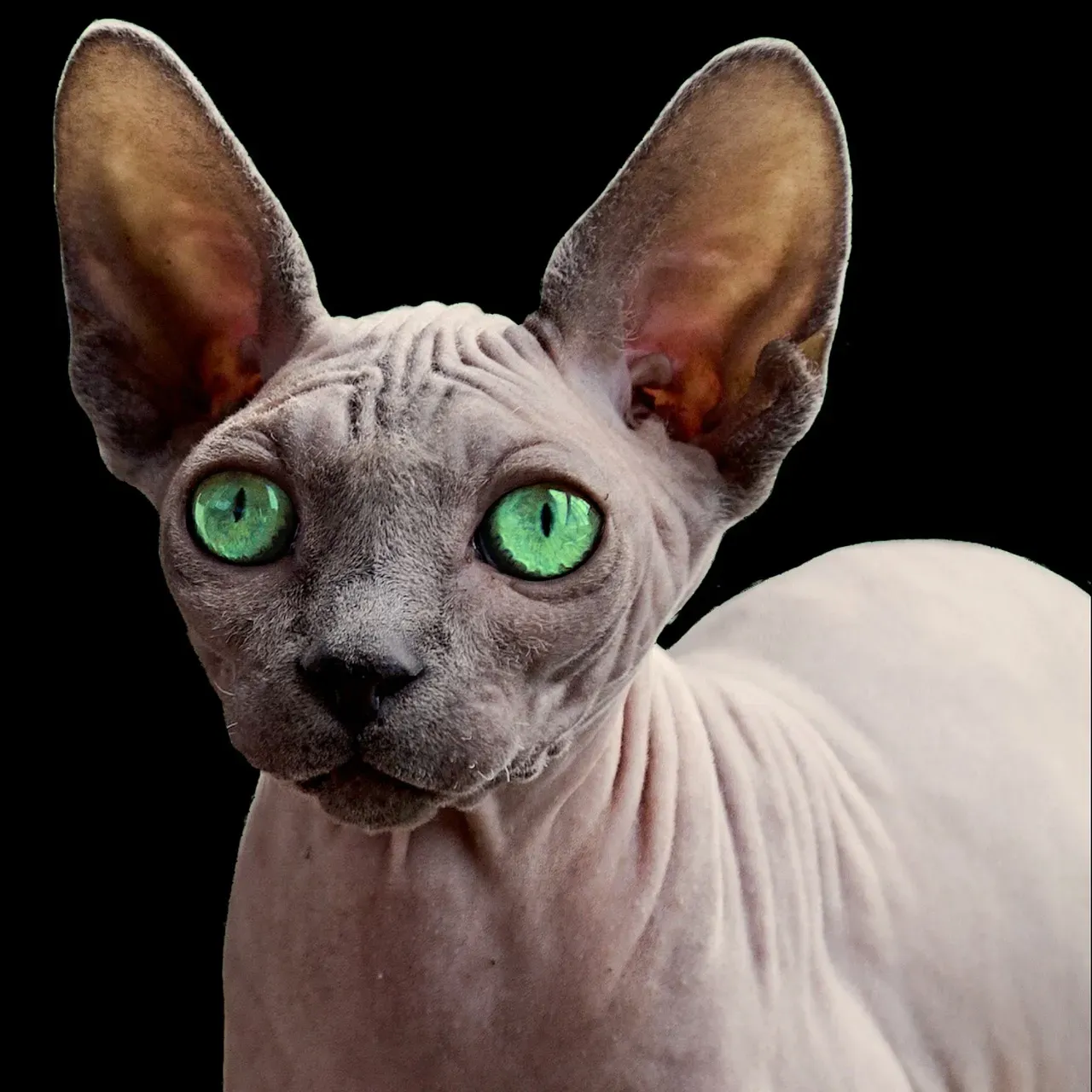
You might think a hairless cat would be easier to manage, but Sphynx cats come with their own unique set of challenges. Their skin produces the same oils as a fully furred cat, but the oil is not spread or hidden in the fur, and some sphynx cats will get dirtier more frequently than others. This oiliness can make litter stick to their paws and body, creating an unpleasant experience.
The buildup of natural oils on a Sphynx cat’s skin can lead to several skin issues, including acne and blackheads. When their skin is uncomfortable or irritated, the last thing they want is to sit in a box of abrasive litter. Can you blame them?
These cats require weekly baths and constant skin care, and if you’re not keeping up with their grooming needs, they can develop skin problems that make using the litter box genuinely uncomfortable. They’re high-maintenance in ways that might surprise first-time Sphynx owners. Beautiful and unique? Absolutely. Easy? Not so much.
Russian Blue: The Fastidious One
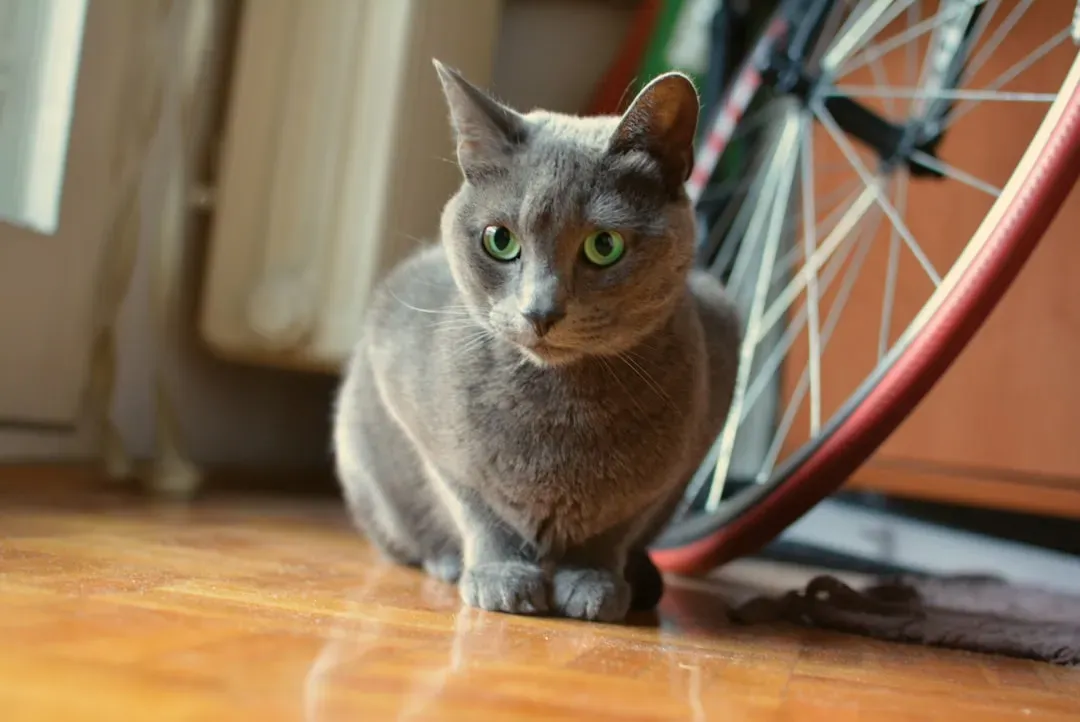
Russian Blues are naturally clean cats with extremely high standards for hygiene. You haven’t cleaned your cat’s litter box often or thoroughly enough. While this applies to all cats, Russian Blues take cleanliness to another level entirely. The slightest bit of waste in their box, and they’re done with it.
These cats are also quite sensitive and can be shy around strangers or in chaotic households. Stress manifests quickly in their bathroom behavior. Move the furniture around? They notice. Have guests over? They’re stressed. That stress translates directly into litter box avoidance.
Their gorgeous blue-grey coat requires regular grooming, and they’re meticulous self-groomers who despise feeling dirty. If the litter box area isn’t immaculate, they’ll find somewhere cleaner in their estimation. Your freshly laundered clothes, perhaps. Or that nice clean bathroom rug you just bought.
Burmese: The Social Butterfly With Issues
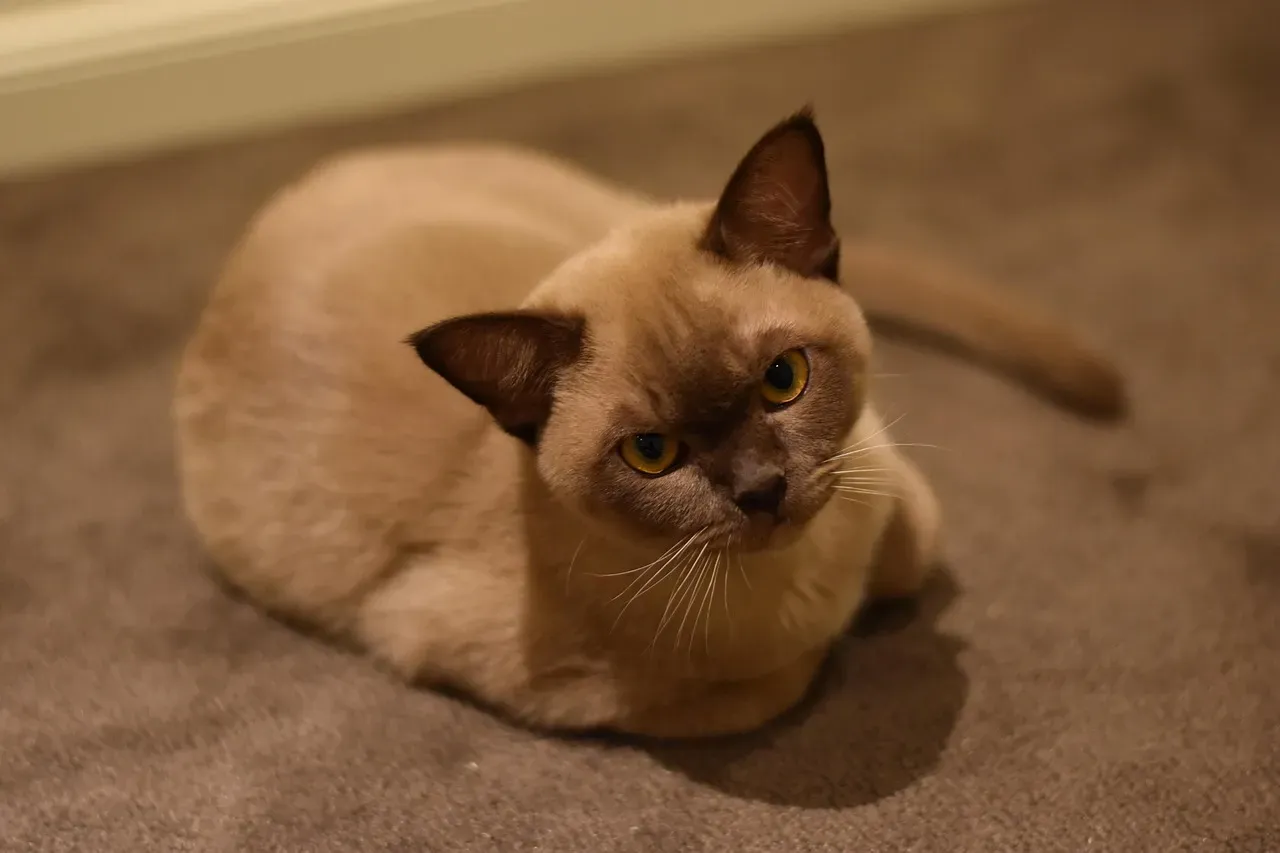
Burmese cats are incredibly social and affectionate, which sounds wonderful until you realize how deeply they feel changes in their environment. Changes in the household or home environment can cause cats to feel stressed, leading to inconsistent litter box usage. For Burmese cats, who are so people-oriented, these changes hit particularly hard.
They crave attention and interaction, and when they don’t get enough, behavioral problems emerge. Litter box avoidance is a common way for a neglected or stressed Burmese to communicate their unhappiness. It’s not manipulation exactly, more like a desperate cry for help that happens to involve your carpet.
Many times, litter box issues arise when a cat feels bullied or insecure about territory. In multi-cat households, Burmese cats can struggle with territorial disputes despite their generally friendly nature. If another cat is guarding the litter box or making them feel unsafe, they’ll simply go elsewhere. Problem is, “elsewhere” is rarely convenient for you.
Conclusion: Understanding Is Half the Battle
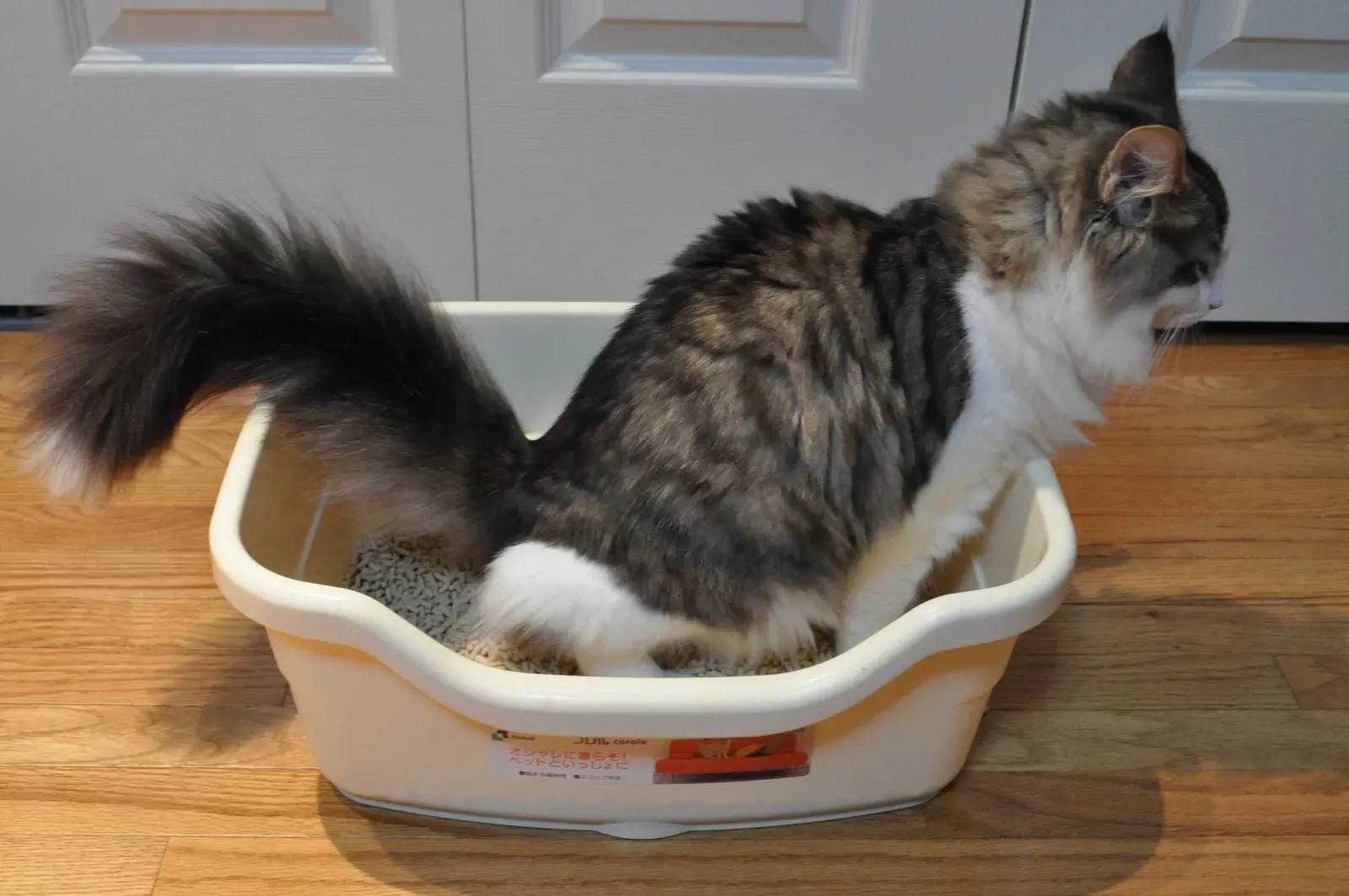
Look, dealing with litter box problems is nobody’s idea of fun. Stepping in a surprise puddle or discovering an unwelcome deposit behind your couch can test even the most devoted cat lover’s patience. These twelve breeds present particular challenges, whether due to their physical characteristics, personality traits, or sensitivity levels.
The key thing to remember is that cats don’t eliminate outside the litter box out of spite or to punish you. Your cat is choosing not to use the litter box to communicate in the clearest way they know how that they are struggling. They are not doing it because they are being spiteful or vindictive. This behavior is the cat equivalent of holding up a huge neon sign that says HELP.
With the right setup, proper maintenance, and understanding of your cat’s specific needs, most litter box problems can be managed or even solved completely. It takes patience, experimentation, and sometimes a bigger litter box budget than you anticipated. Was this what you expected when you fell in love with that adorable kitten? Maybe not, but they’re worth it, messy bathroom habits and all. So what do you think? Does your cat make the list?