You probably think every fluffy feline is just waiting to curl up in your lap and purr sweetly. That’s what they want you to believe. The truth is, some of the most adorable cat breeds out there have a surprisingly feisty side lurking beneath those innocent eyes and soft coats.
These cats might look like angels, but their behavior tells a different story entirely. When your cat gives you that sideways glance or suddenly pounces on your ankle, they might be trying to communicate something important. Understanding these breed-specific tendencies helps you interpret what your feline friend is really saying through their actions. Let’s dive into the world of these deceptively aggressive breeds.
1. Siamese Cats: The Vocal Divas With Serious Attitude
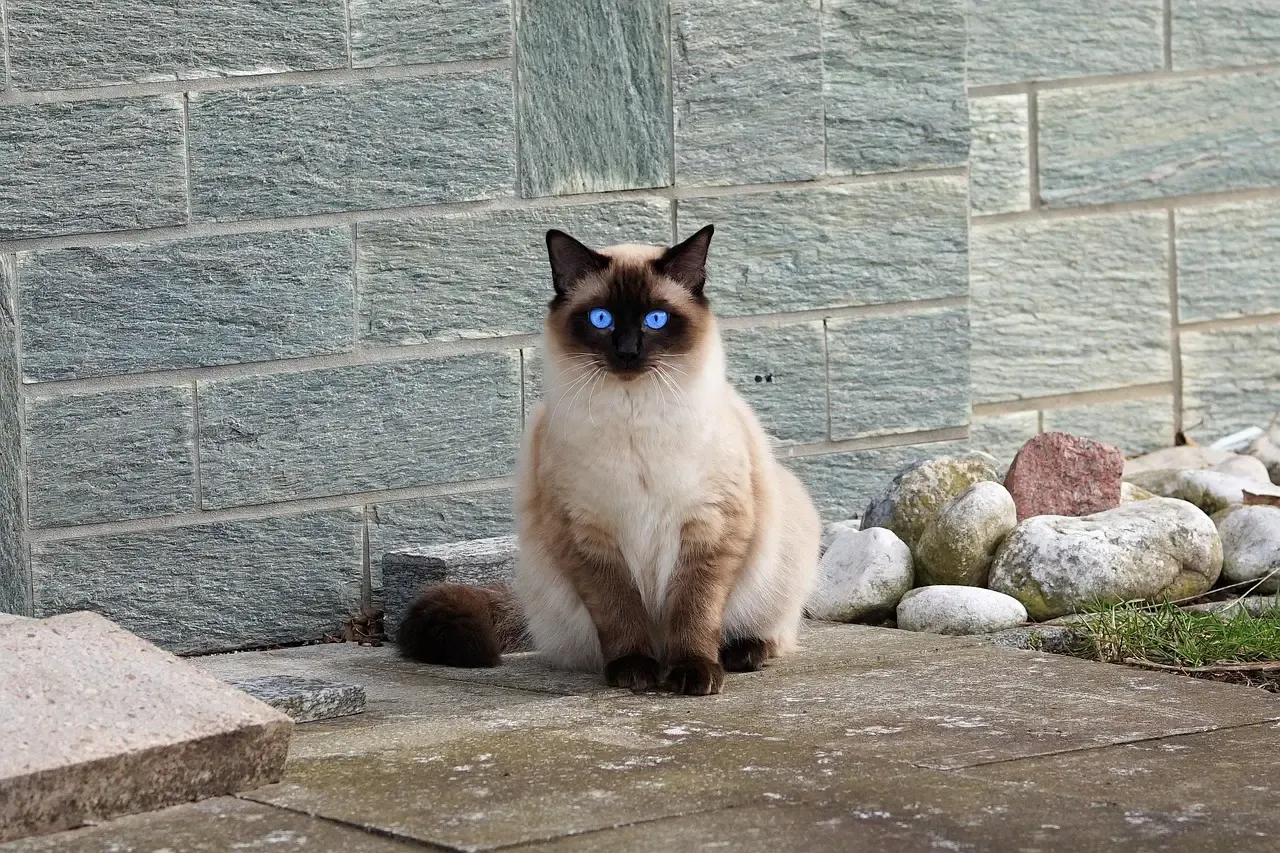
These striking blue-eyed beauties are hyperactive attention seekers, prone to jealousy and territorialism. Your Siamese might follow you everywhere, demanding constant interaction, but ignore them for too long and you’ll witness their darker side. Siamese cats have earned a reputation for being more aggressive than other breeds.
They can get jealous of new pets and people, and being hyperactive, Siamese cats can become over excited while playing and start biting. When your Siamese suddenly attacks during playtime, they’re communicating that the excitement has reached a boiling point. Siamese cats are generally more aggressive and territorial than other breeds. Their violence isn’t malicious, it’s their way of expressing overwhelming emotions.
2. Bengal Cats: Miniature Leopards With Wild Instincts
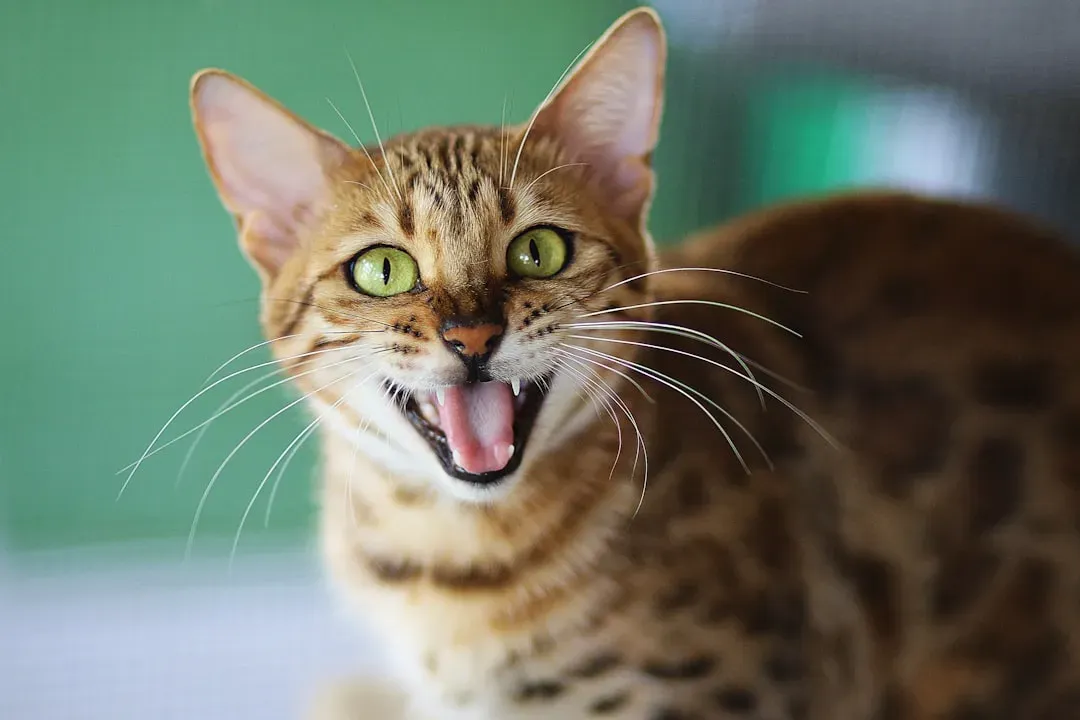
Those gorgeous spotted coats make Bengals look like jungle cats you’d see on a nature documentary. Bengals are territorial, and they can be aggressive toward other cats. Your Bengal’s sudden aggression toward household pets is them marking their domain and establishing who’s boss.
Like many other cats, Bengals will resort to aggression when they feel angry, frustrated, or bored, and they tend to be hyperactive from the moment they are born. When your Bengal knocks things over or attacks your feet, they’re desperately communicating their need for stimulation. Their wild instincts make them territorial and aggressive, as well as horribly effective hunters.
3. Sphynx Cats: Demanding Attention In The Nudest Way
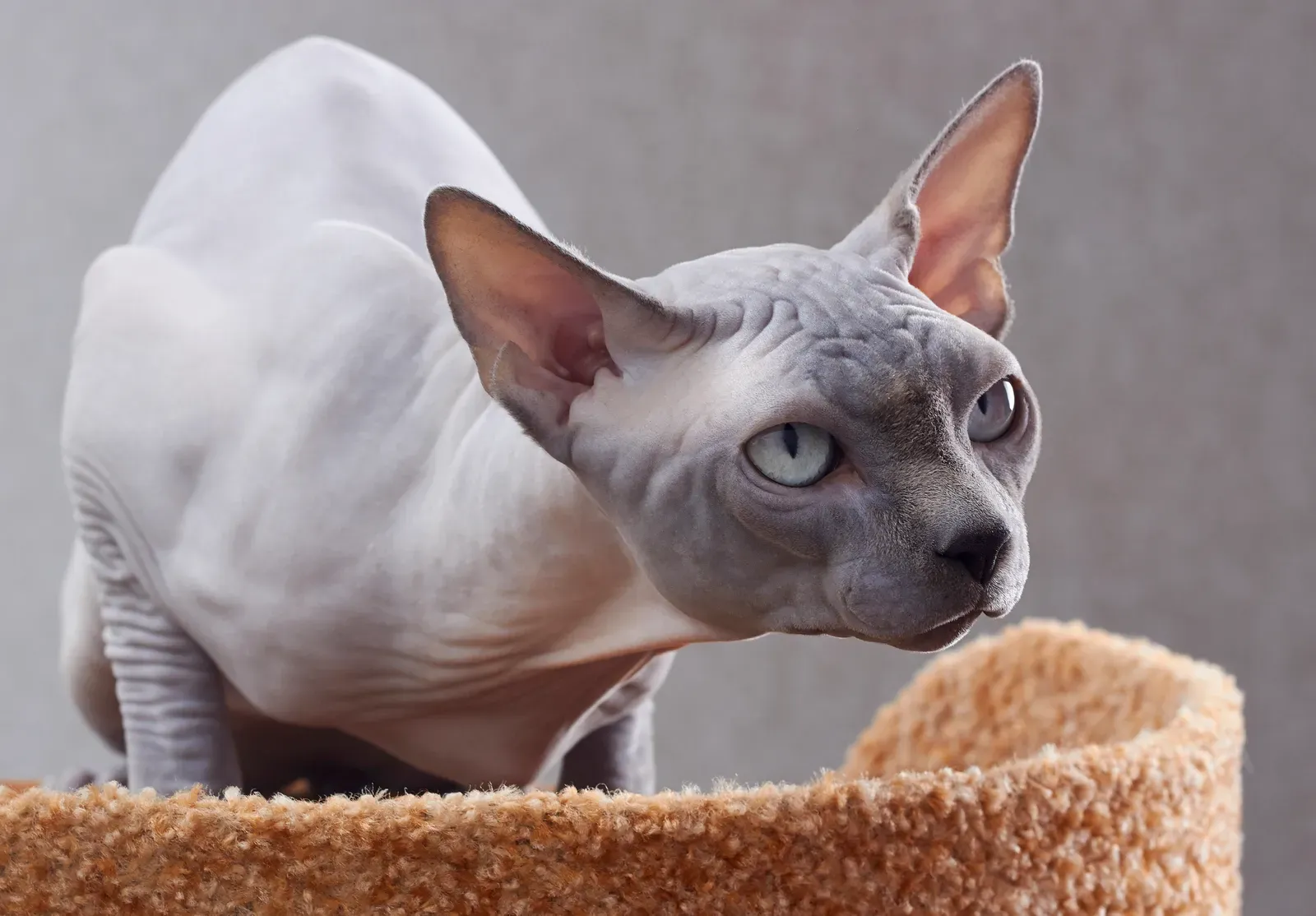
Let’s be real, you wouldn’t expect a hairless cat to pack much of a punch. These cats are feisty, energetic, and sometimes downright demanding, and unlike other aggressive breeds that lash out due to territorial instincts, Sphynx cats can become nippy or hyperactive when they’re not getting enough attention.
Your Sphynx following you into the bathroom isn’t adorable clinginess anymore when they start nipping at your ankles. They’re literally biting to tell you they feel ignored. These cats hate being alone for a long period and will follow their humans everywhere, demanding love, warmth, and a constant source of entertainment. That sudden swat during cuddle time? Your Sphynx communicating they’ve had enough physical contact for now.
4. Egyptian Mau: Speed Demons With A Cautious Streak
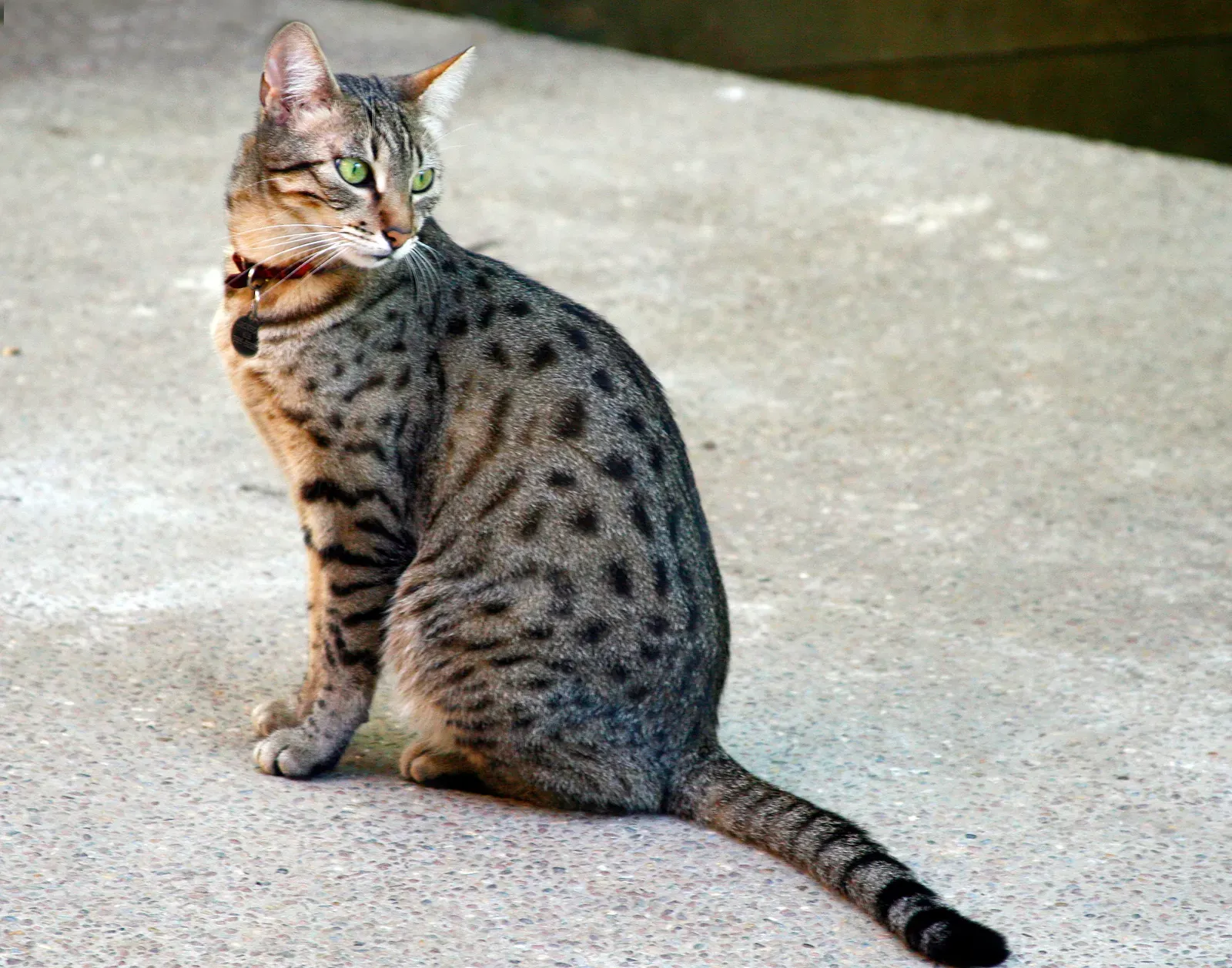
These felines hold the title of the fastest domestic cat, reaching speeds of up to 30 mph. Your Egyptian Mau zipping through the house at breakneck speed isn’t just play, it’s them burning off their intense energy and showing their predatory heritage.
While affectionate with their humans, they can be cautious around strangers, and if they feel threatened, they won’t hesitate to give a warning swat or take off at lightning speed. This breed may require some teaching to learn that having fun should not be aggressive, as they have a tendency of getting over-excited when they are having fun. When your Mau suddenly scratches during play, they’re communicating pure overstimulation.
5. Bombay Cats: The Panther Wannabes With Possessive Tendencies
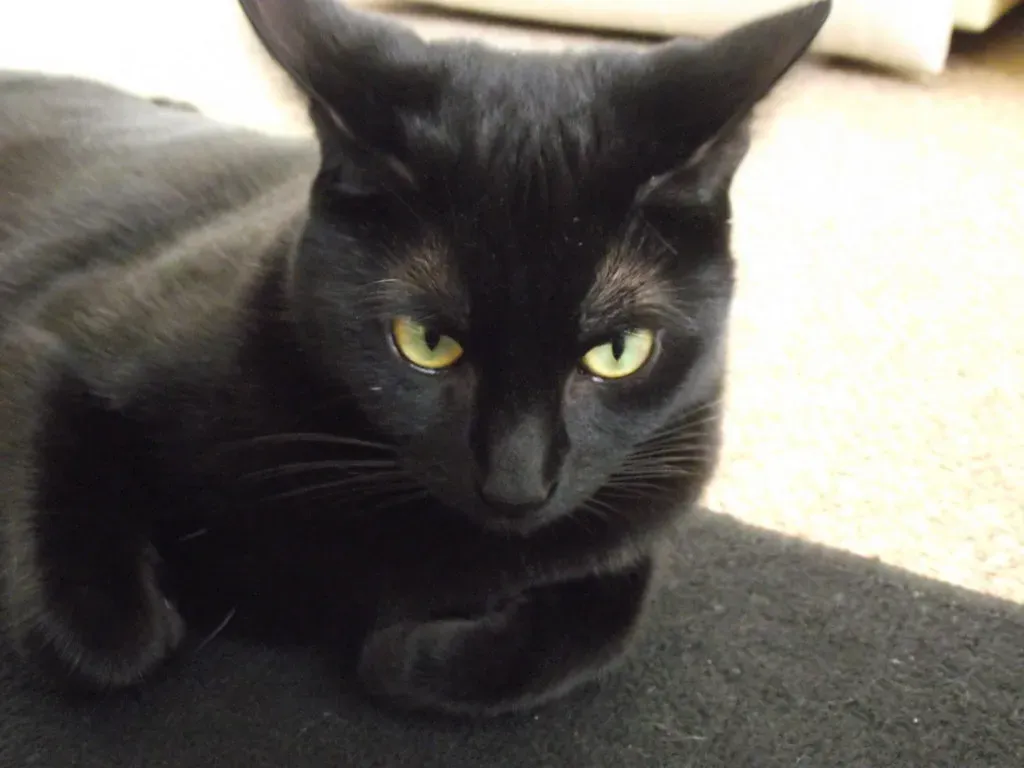
With their sleek, short black coat, piercing copper eyes, and muscular build, they look like they strutted right out of the jungle, but while they may be stunning, they also have a bit of a spicy personality. Your Bombay’s gorgeous appearance hides their surprisingly territorial nature.
Bombays are highly intelligent, playful, and affectionate, but they can also be possessive and territorial, and if they don’t like someone (human or animal), they’ll make it very clear – sometimes with a warning growl or an unexpected swat. Their aggression stems from their intolerance of loud noises and sudden movements, and children and the outdoors are not a good match for Bombay cats.
6. Singapura Cats: Tiny Troublemakers With Big Attitudes
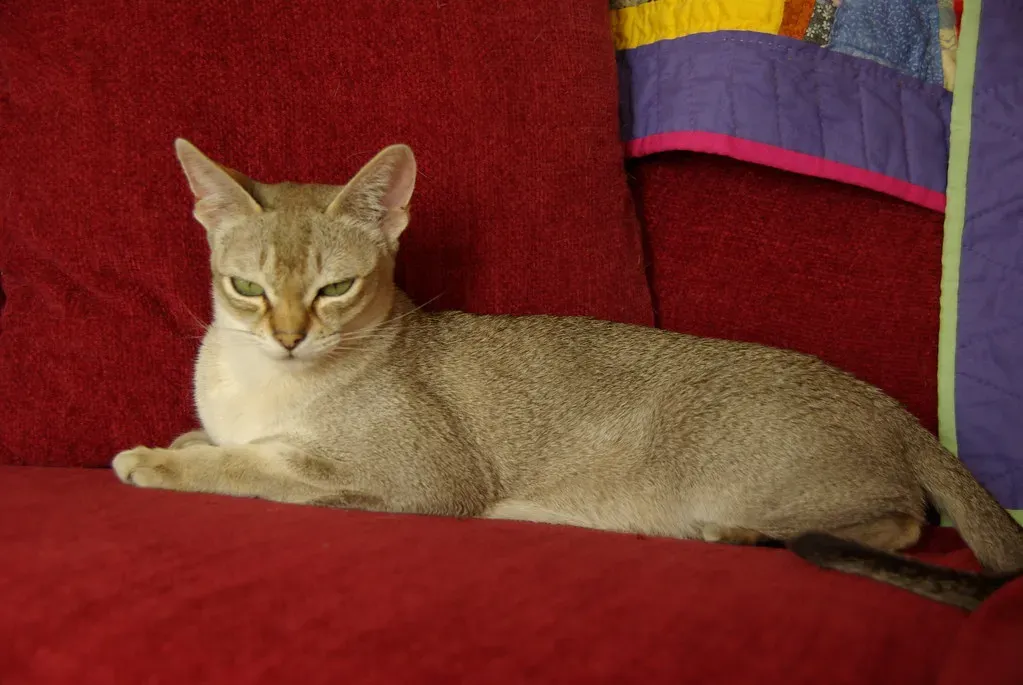
The Singapura is one of the smallest cat breeds, but don’t let their petite size fool you into thinking they’re docile. Their over-cautious behavior towards strangers can lead to aggression if they feel they are in danger. When your Singapura hisses at visitors, they’re communicating fear disguised as fierce protectiveness.
Singapura cats, well-known for impish-like behavior, are extremely mischievous and require a ton of attention and supervision. That knocked-over plant or shredded paper? Your Singapura telling you through destructive behavior that they need more interactive playtime. Their small stature doesn’t stop them from ruling your household with an iron paw.
7. Manx Cats: Tailless Protectors With Guard Dog Mentality
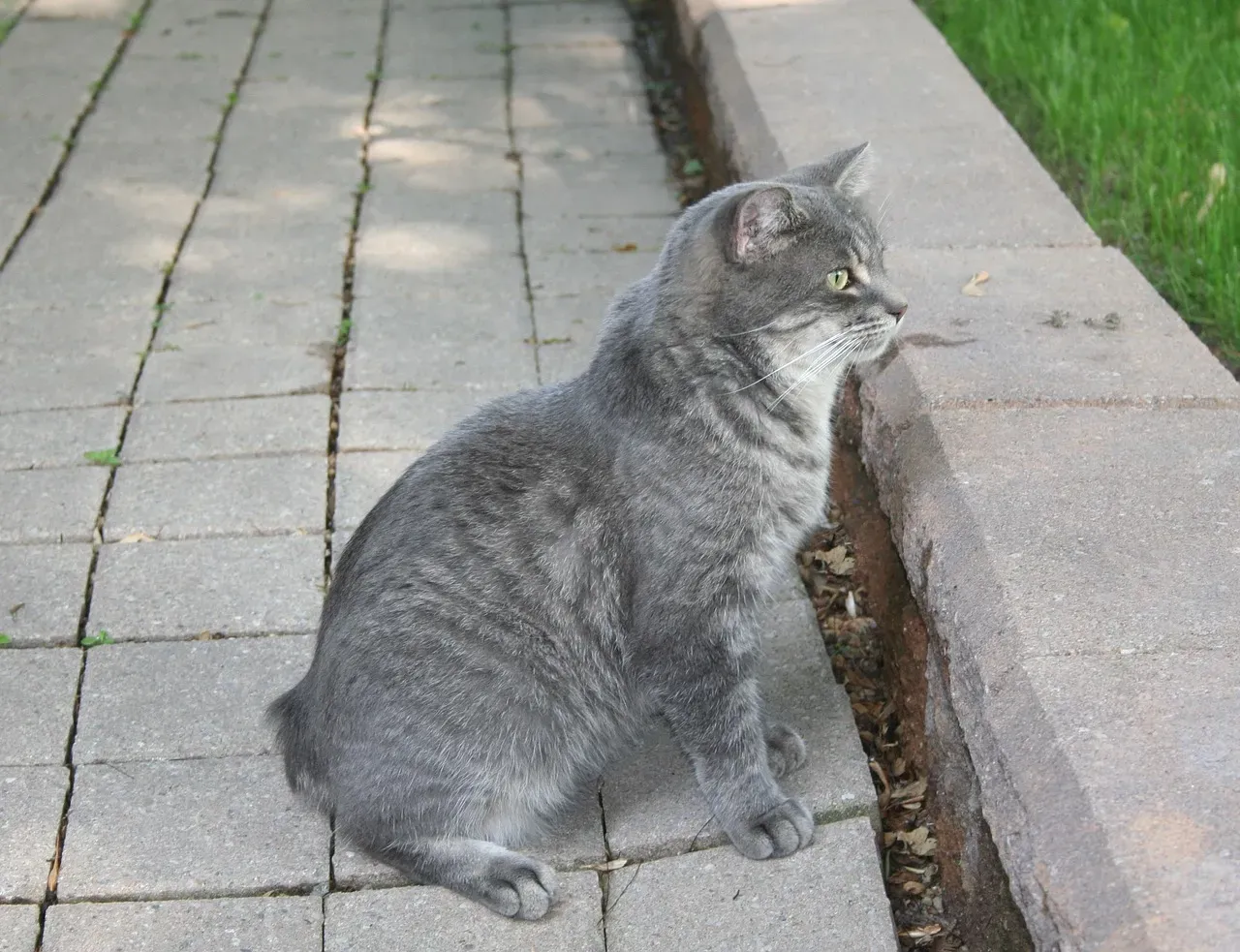
These unique cats are famous for their bobbed tails or complete lack of tails. Typically playful, this intelligent breed has been compared to dogs, as they love to run, play, and follow their owners. Your Manx following you around isn’t just affection, they’re keeping watch over their territory.
The downside to this cuddly breed is that they are wary of strangers and will become extremely aggressive if they feel that their owners are in danger. When your Manx suddenly attacks a houseguest, they’re communicating what they perceive as a threat to your safety. Their protective instinct runs deeper than most breeds.
8. Scottish Fold: Adorable Ears Hiding Stubborn Streaks
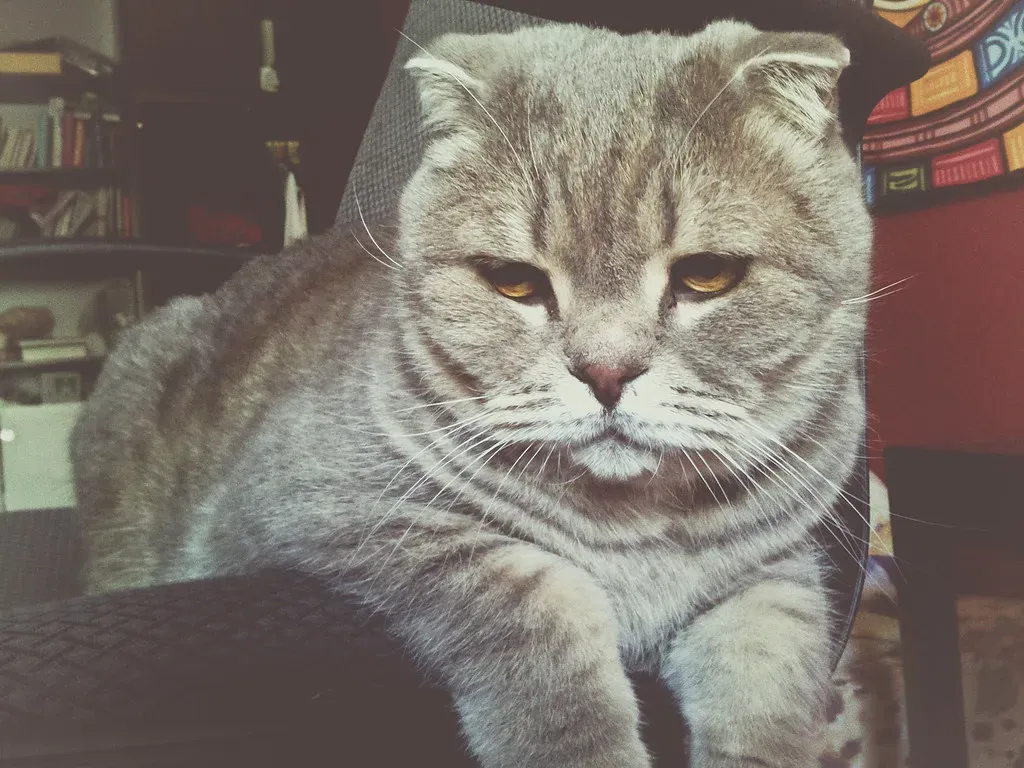
Those folded ears make Scottish Folds look perpetually surprised and impossibly cute. Their sweet appearance masks a surprisingly strong personality underneath. These cats form incredibly tight bonds with their chosen human, which sounds lovely until they decide everyone else is competition.
Your Scottish Fold might seem content lounging around, but they’re silently judging every interaction you have with other pets or people. When they suddenly swat at another cat approaching you, they’re clearly communicating possessiveness over their favorite person. Their stubbornness shows up during training too, as they’ll simply refuse commands they don’t feel like following.
9. Abyssinian Cats: Hyperactive Climbers With Boundary Issues
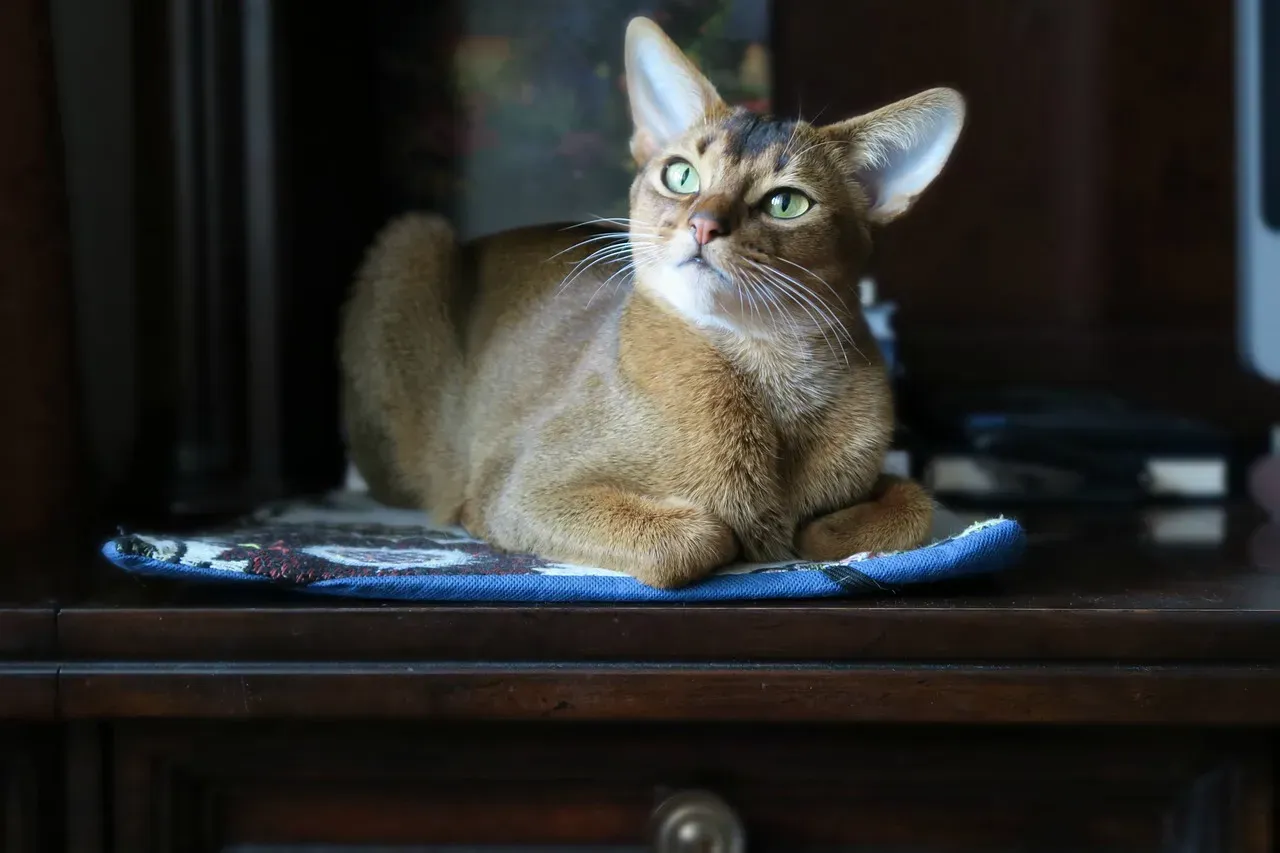
Abyssinians are stunningly beautiful with their ticked coats and alert expressions. These cats are basically the athletes of the feline world, constantly moving and exploring every inch of your home. Their energy levels are off the charts, which creates problems when they can’t burn it off properly.
Your Abyssinian scaling your curtains at three in the morning is them communicating desperate boredom and pent-up energy. They’ll knock things off counters, open cabinets, and generally cause chaos when understimulated. Their occasional aggression toward other pets stems from their need to dominate play sessions. These cats want to be in charge of all activities.
10. Cornish Rex: Playful Clowns Who Don’t Know Their Own Strength
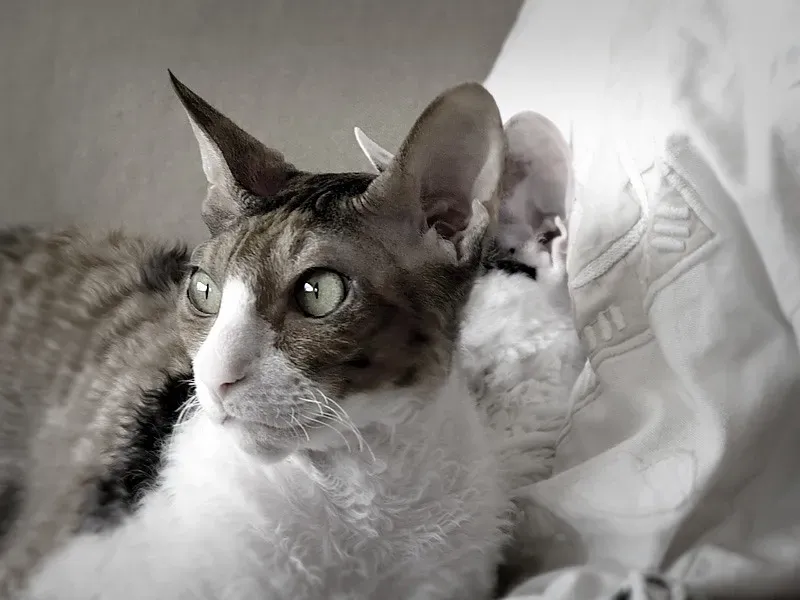
The Cornish Rex has a distinctive curly coat and an almost alien appearance with their large ears and slender build. These cats are incredibly playful and mischievous, earning them the nickname “the clowns of the cat world.” Their problem is they simply don’t understand when play crosses into aggression.
Your Cornish Rex pouncing on you from behind furniture thinks it’s hilarious fun. They’re communicating through rough play, but their sharp claws and teeth don’t distinguish between toy and human skin. They become overstimulated easily during interactive sessions, leading to sudden biting and scratching. Their high intelligence means they also get bored quickly, resulting in destructive behavior throughout your home.
11. Turkish Angora: Elegant Beauties With Control Issues
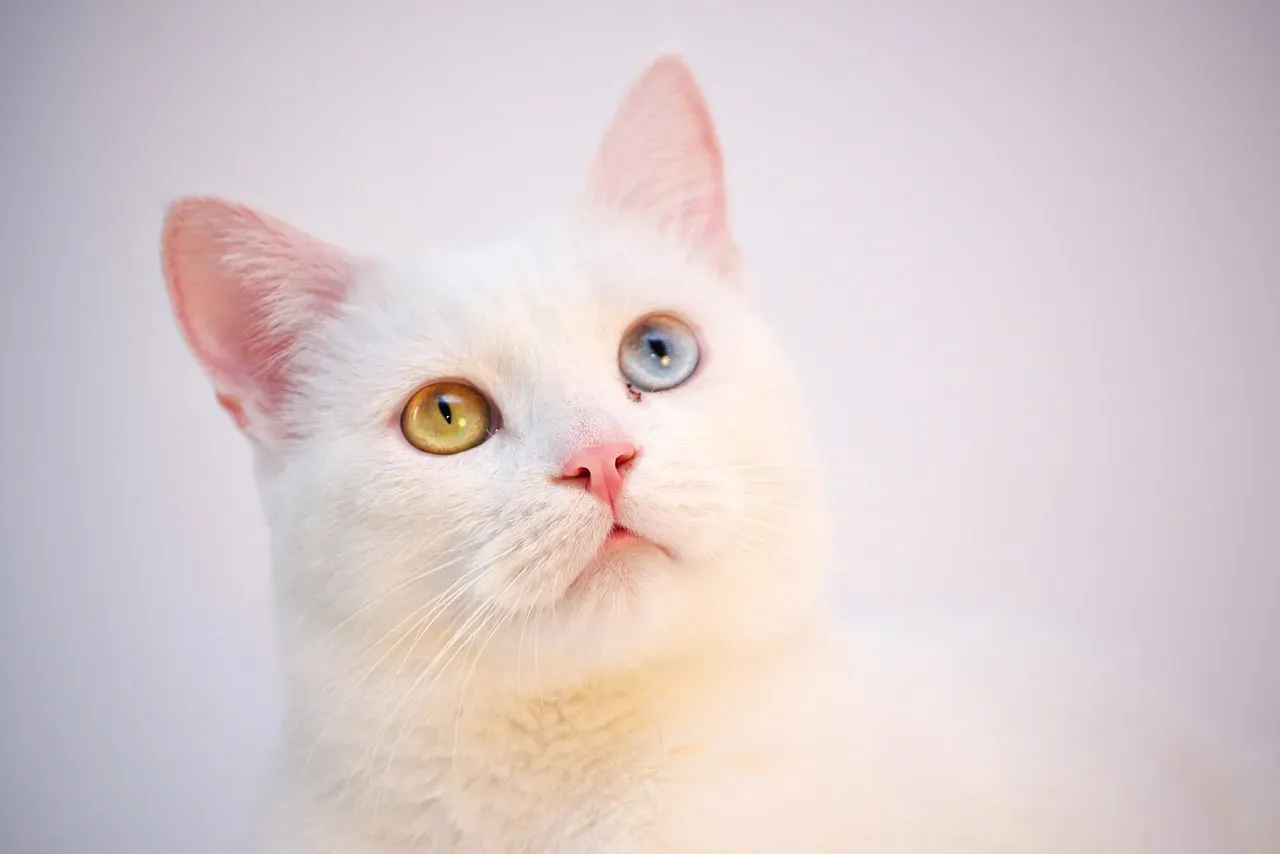
Turkish Angoras are gorgeous longhaired cats with silky coats and often striking blue or odd-colored eyes. They carry themselves with an aristocratic air that matches their stunning appearance. These cats are highly intelligent and extremely opinionated about how their household should operate.
Your Turkish Angora meowing insistently at closed doors is them communicating their displeasure at being excluded from any room. They demand access to everything and everyone at all times. Their aggression emerges when things don’t go according to their preferences. They’ll swat at other pets who dare use “their” favorite sleeping spot or knock over water bowls when dinner is late. These cats truly believe they’re royalty.
12. Russian Blue: Shy Sweethearts With Hidden Claws
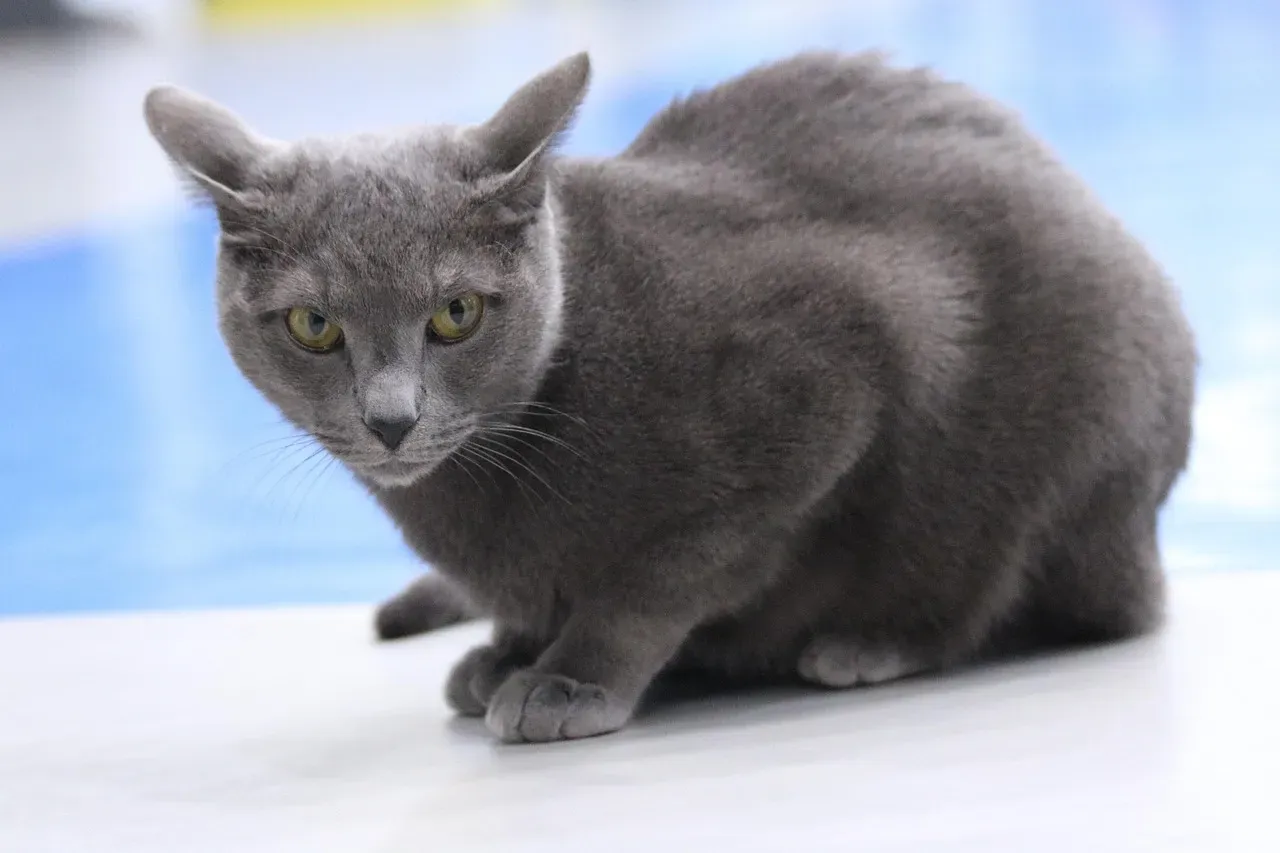
Russian Blues are known for their gorgeous silvery-blue coats and bright green eyes. These cats have a reputation for being gentle and reserved, which makes their aggressive moments particularly shocking. They’re incredibly sensitive to their environment and routine disruptions.
Your Russian Blue hiding when guests arrive seems timid, but corner them and you’ll discover their defensive aggression. They’re communicating through avoidance that they want space, and ignoring those signals leads to scratches and bites. They bond intensely with one or two people, viewing everyone else with suspicion. Changes in routine stress them out tremendously, leading to litter box issues and aggressive outbursts toward other household pets.
Conclusion
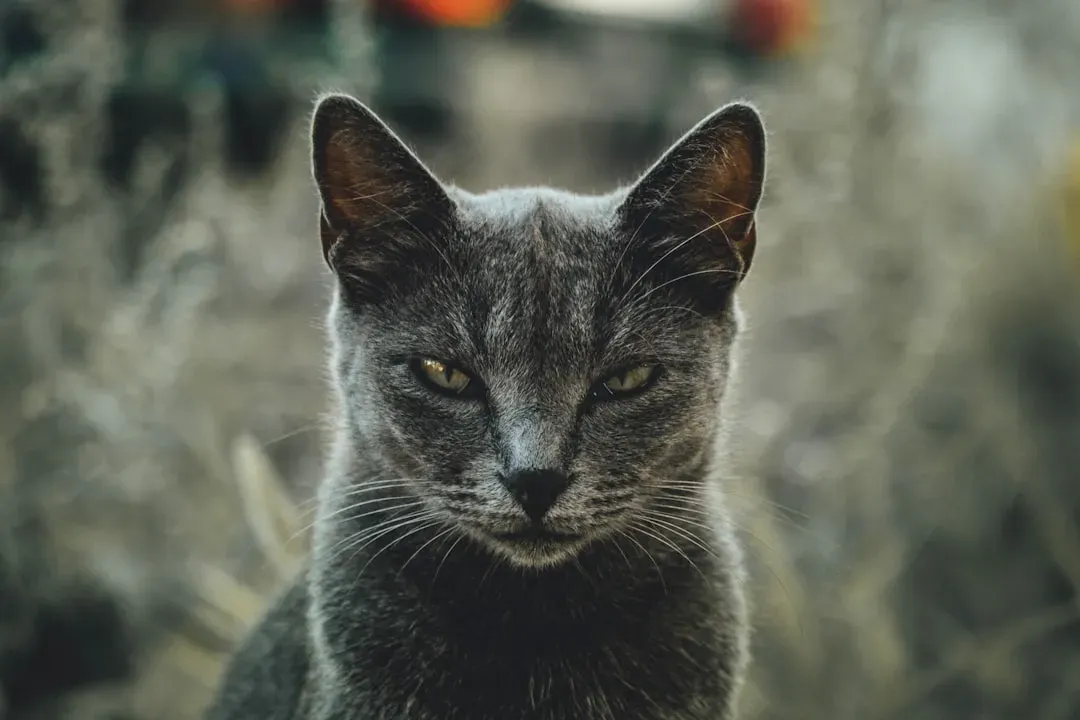
These twelve breeds prove that cute appearances can be seriously deceiving. Your cat’s aggressive behavior isn’t random violence, it’s meaningful communication about their needs, boundaries, and emotional state. Understanding breed-specific tendencies helps you interpret what your feline friend is really trying to tell you through their actions.
Each swat, bite, or hiss carries a message about overstimulation, territorial concerns, fear, or frustration. By recognizing these signals, you can respond appropriately and strengthen your bond with your cat. Remember that proper socialization, adequate mental stimulation, and respecting their boundaries goes a long way in managing aggressive tendencies. Which of these breeds surprised you the most?