You love your cat with all your heart. The playfulness, the affection, the way they curl up beside you. Then the clock strikes 2 A.M., and suddenly your peaceful companion transforms into a furry tornado careening through your home. Sound familiar?
Cats are actually crepuscular, meaning they’re most active during dawn and dusk, not strictly nocturnal like many people assume. Still, certain breeds seem especially prone to late night antics that can leave exhausted owners bleary-eyed the next morning. Whether it’s genetic wiring, high energy levels, or an intense prey drive, some cats just can’t resist the urge to zoom around when you’re trying to sleep. Let’s explore which breeds are the most notorious nighttime troublemakers and what makes them tick after dark.
1. Bengal Cats: The Midnight Marathon Runners
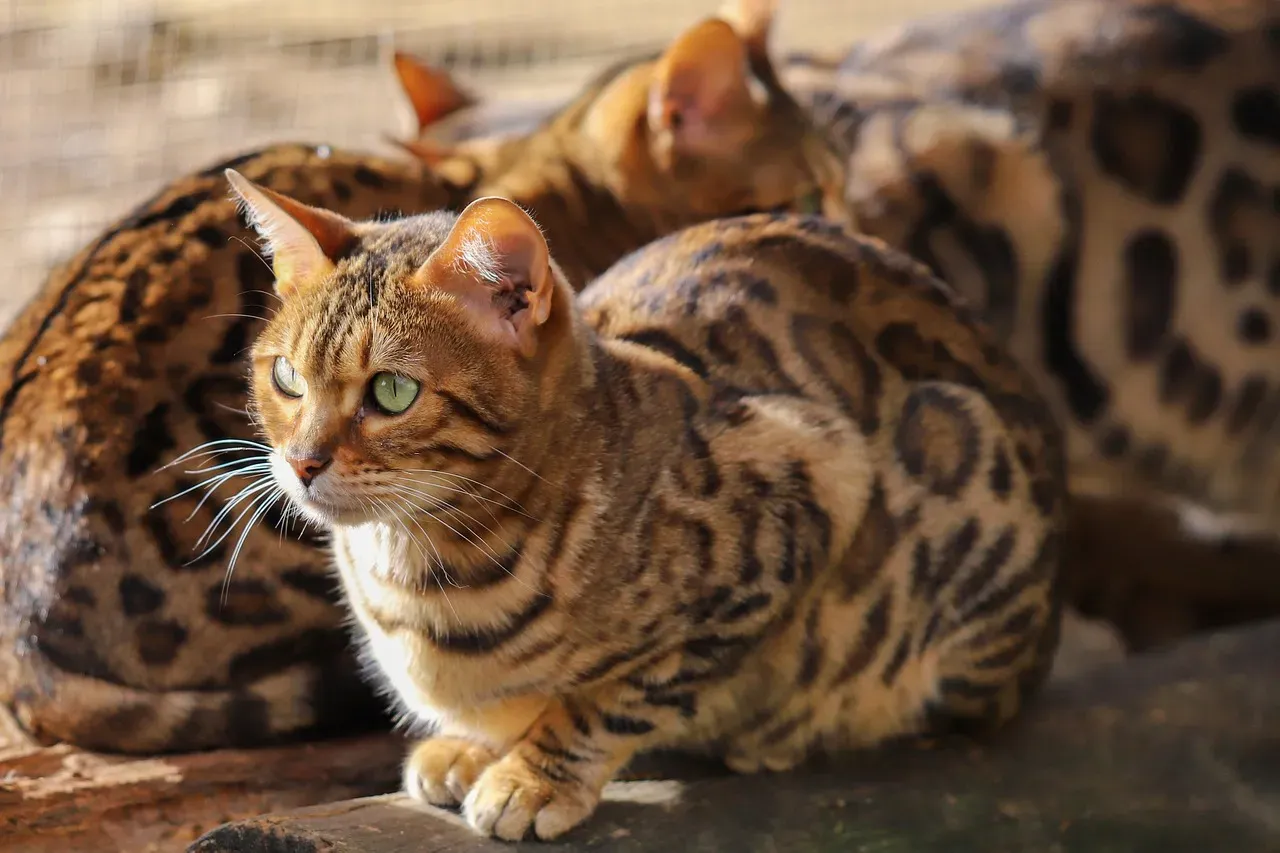
Bengal cats often have high energy levels at night and are naturally energetic and love to play, especially at night. If there’s one breed that takes the crown for nighttime hyperactivity, it’s probably the Bengal. These stunning cats with their wild leopard-like markings carry a genetic legacy that fuels their nocturnal escapades.
Their nocturnal energy spikes can be attributed to their wild ancestry, meaning that even though they’re domestic pets, there’s something primal driving them to patrol and pounce when darkness falls. Some breeds, such as Siamese and Bengal cats, are known for their high energy levels and may be more prone to getting zoomies at night. Owners often report finding their Bengals racing across furniture, knocking things off counters, and generally acting like tiny wildcats hunting invisible prey around 3 A.M.
2. Siamese Cats: The Vocal Night Warriors
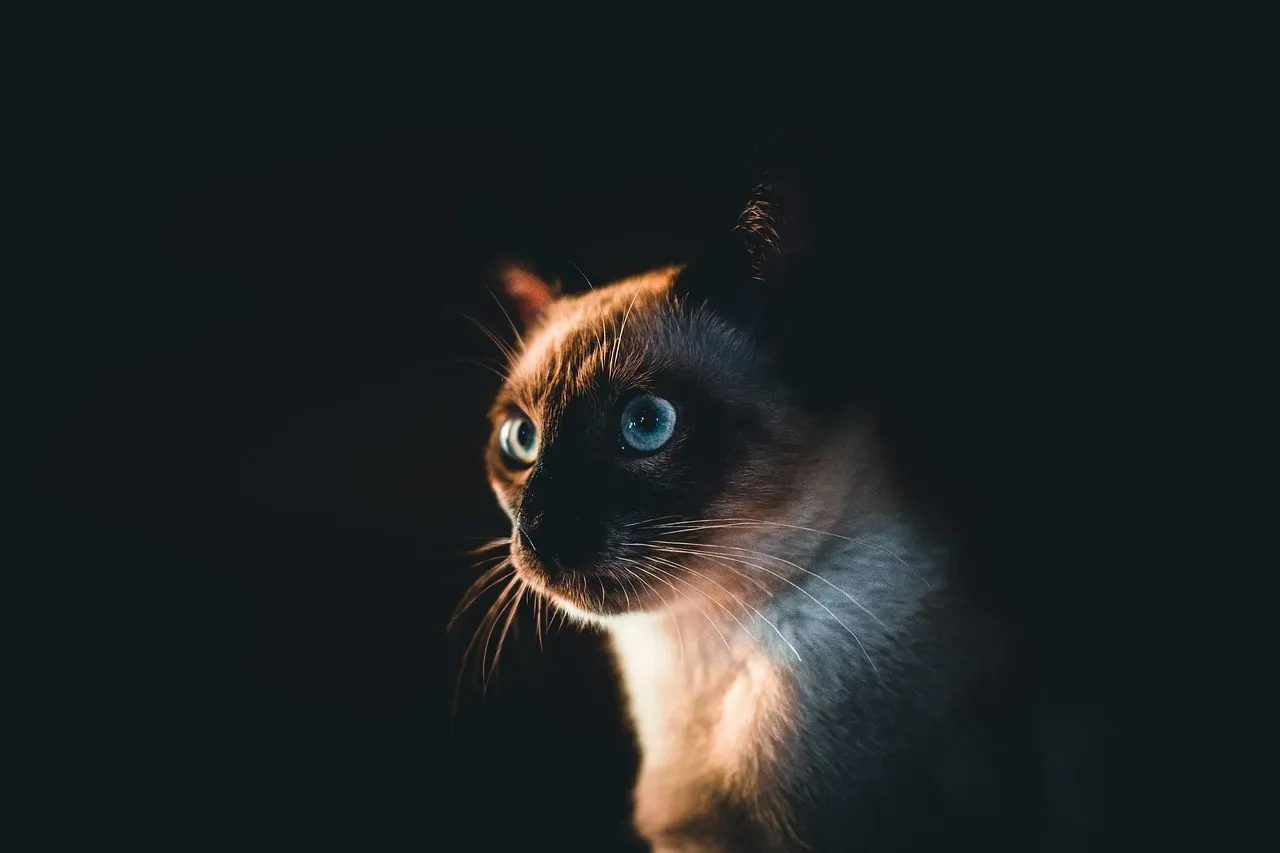
Siamese cats don’t just stay active at night; they announce their presence with gusto. Certain cat breeds, such as Siamese and Bengal cats, are known for being more vocal and active than others. These incredibly social and intelligent felines form deep bonds with their owners, which unfortunately means they might decide that the middle of the night is the perfect time for a conversation.
It is completely normal for young Siamese kittens to have bursts of energy during the night, often called the nighttime crazies. They’re notorious for their distinctive yowling, which can wake the soundest sleeper. Beyond the noise, Siamese cats are also exceptionally playful and might bring you toys or paw at your face demanding interaction when you’re desperately trying to get some rest.
3. Abyssinians: The Restless Explorers
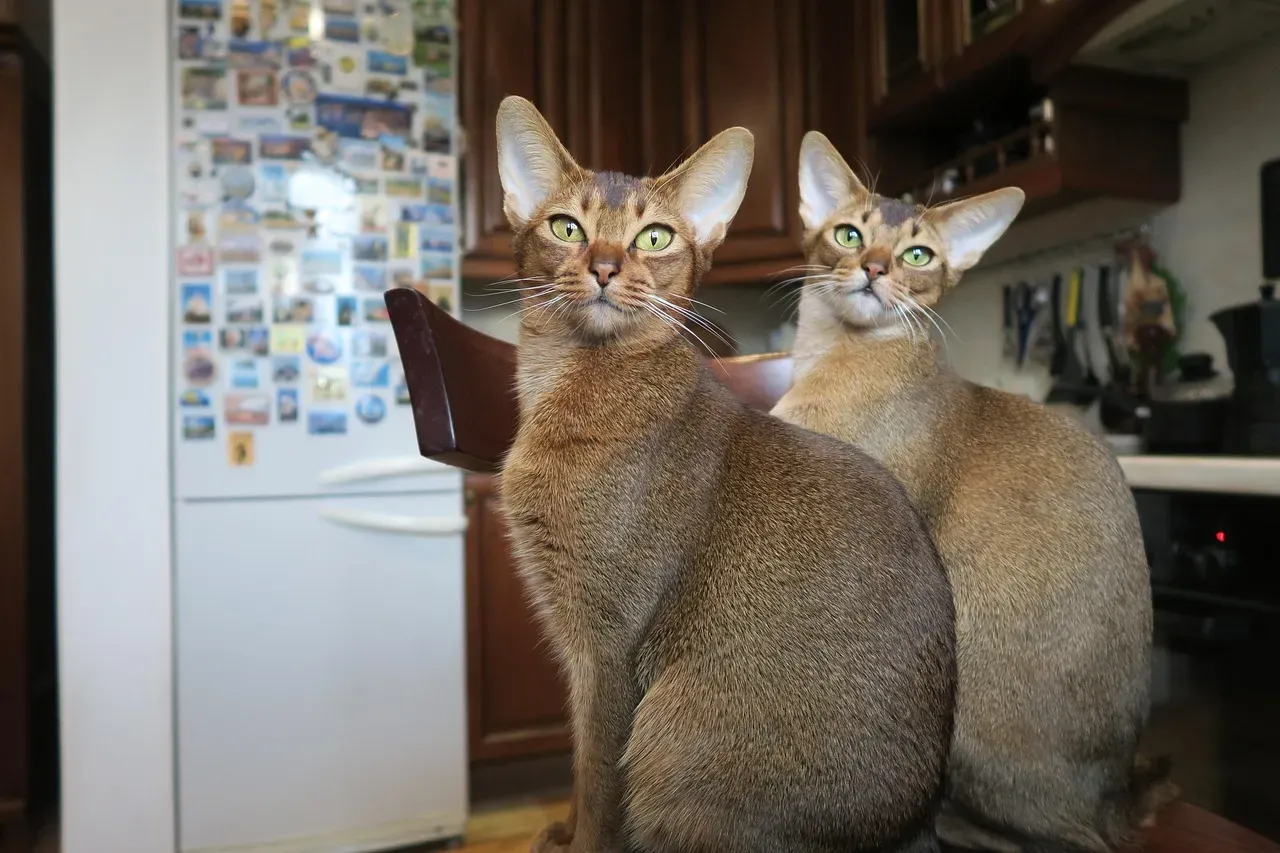
Abyssinians are incredibly curious cats with an athletic build that seems designed for late-night adventures. These agile felines love to climb, jump, and investigate every nook and cranny of their territory. When everyone else is asleep, an Aby might see it as the perfect opportunity to explore without interference.
Their high intelligence means they get bored easily, and nighttime can become their personal playground if they haven’t had enough stimulation during the day. You might wake to the sound of cabinets being opened, objects being batted around, or your Abyssinian performing acrobatic leaps from one piece of furniture to another. Honestly, they’re like tiny, furry parkour athletes who refuse to acknowledge human sleep schedules.
4. Oriental Shorthairs: The Energetic Extroverts
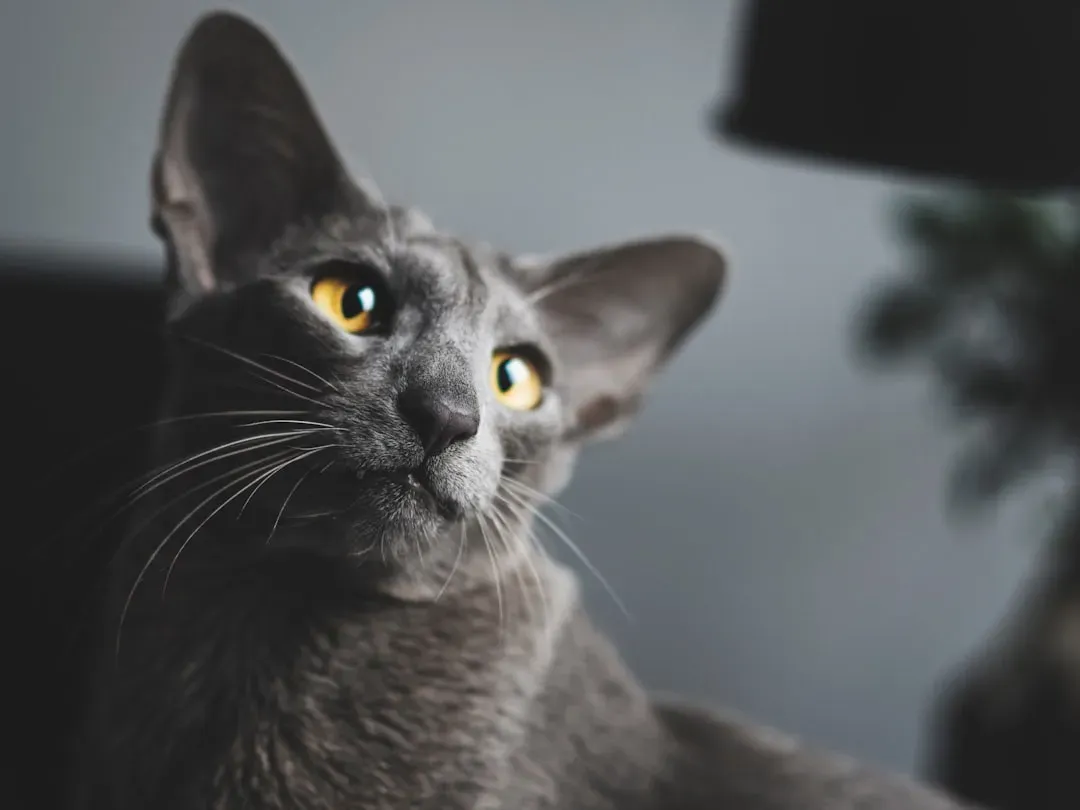
Related to the Siamese, Oriental Shorthairs share many of the same traits, including a propensity for nighttime activity and vocalization. These sleek, elegant cats have personalities that are anything but subdued. They demand attention and interaction, and they’re not shy about letting you know when they feel neglected.
Oriental Shorthairs are highly social and don’t do well when left alone for extended periods. If they’ve been by themselves all day while you’re at work, expect them to make up for lost time once the sun goes down. Their athletic nature means they can maintain high activity levels well into the night, jumping, running, and playing with seemingly endless energy reserves.
5. Sphynx Cats: The Warm-Seeking Night Creatures
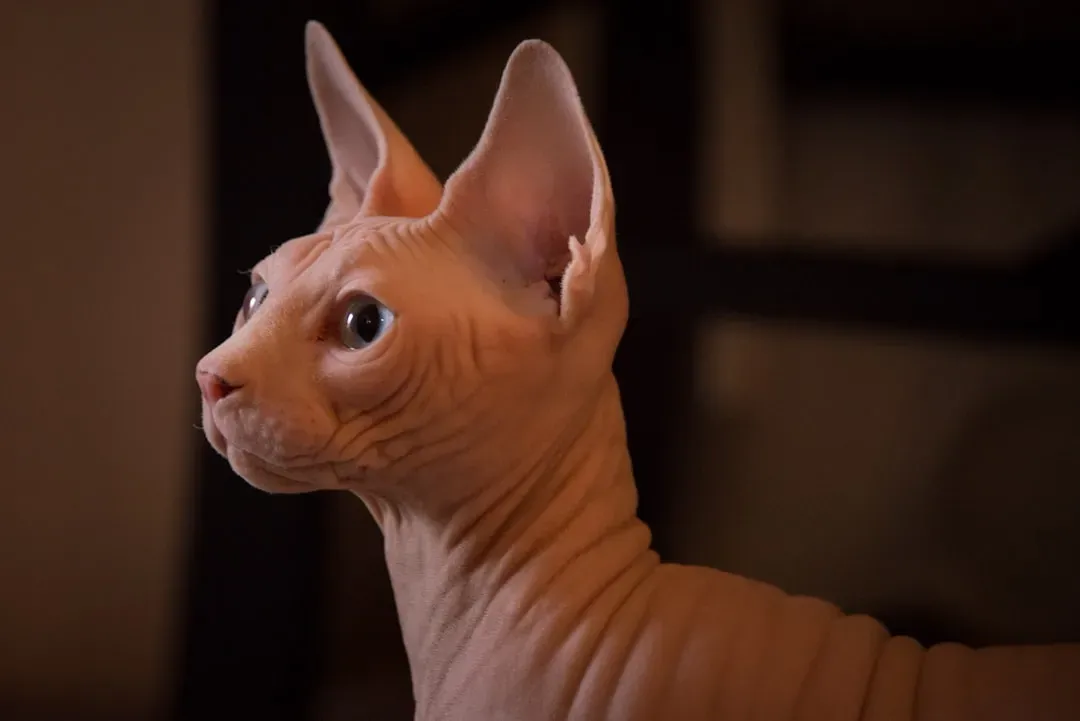
The hairless Sphynx might seem like an unlikely candidate for this list, but their unique physiology actually contributes to nighttime restlessness. Because they lack fur, Sphynx cats are always seeking warmth, and your bed under the covers seems like prime real estate to them. The problem is they don’t just quietly snuggle in.
Sphynx cats are also incredibly playful and social. They’ll wake you up by kneading on you, licking your face, or trying to burrow under the blankets. Their high metabolism means they need to eat more frequently than other breeds, so hunger might also drive them to wake you for a midnight snack. Let’s be real, these affectionate aliens won’t take no for an answer when it comes to getting your attention.
6. Devon Rex: The Mischievous Night Monkeys
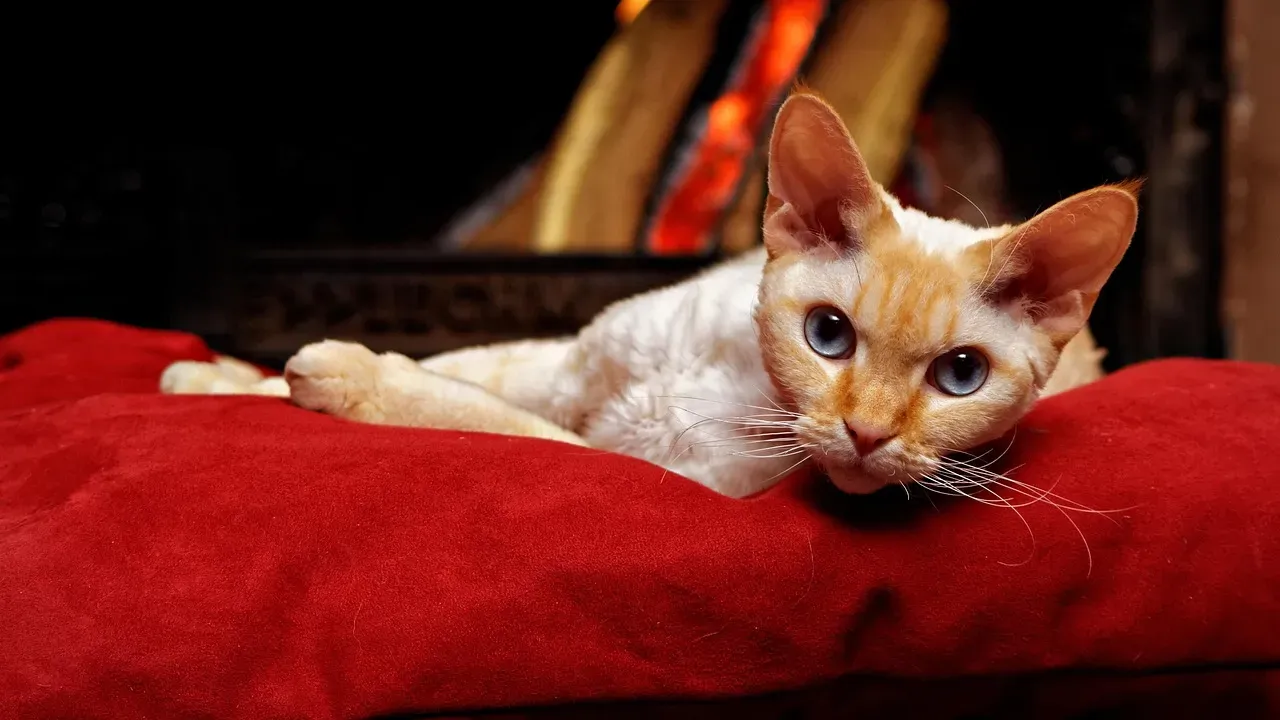
Devon Rex cats are playful tricksters with an almost dog-like devotion to their owners. These curly-coated characters have boundless energy and an insatiable curiosity that doesn’t shut off when the lights go out. They’re known for their acrobatic abilities and love of high places, which can lead to some impressive but noisy nighttime stunts.
These cats are incredibly social and don’t like being separated from their people. If you close your bedroom door, a Devon Rex will likely protest loudly or find creative ways to get your attention. Their playful nature means they see nighttime as just another opportunity for games, and they might bring you toys or initiate play sessions at thoroughly inconvenient hours.
7. Cornish Rex: The Perpetual Kitten
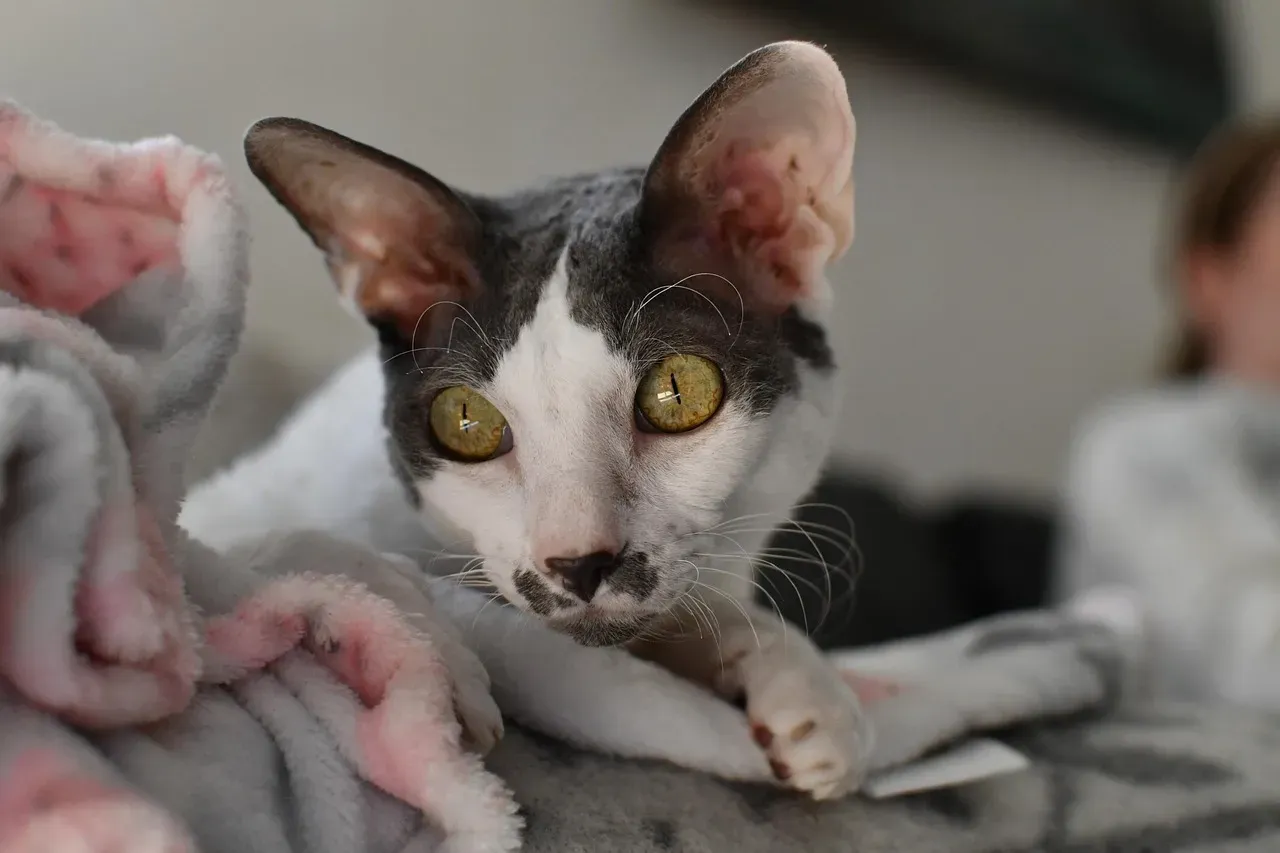
Like their Devon cousins, Cornish Rex cats retain a kitten-like playfulness well into adulthood. Their slender, athletic bodies allow them to perform impressive jumps and twists, and they seem to have energy that never quite depletes. These cats are affectionate and want to be involved in everything their owners do, including sleeping.
The Cornish Rex’s high energy levels and social nature mean they might wake you up simply because they’re bored or want companionship. They’re also incredibly intelligent and can figure out how to open doors or get into places you’d rather they didn’t. Nighttime might be when they choose to test their problem-solving skills on your closed bedroom door or that cabinet you thought was cat-proof.
8. Turkish Angora: The Graceful Insomniacs
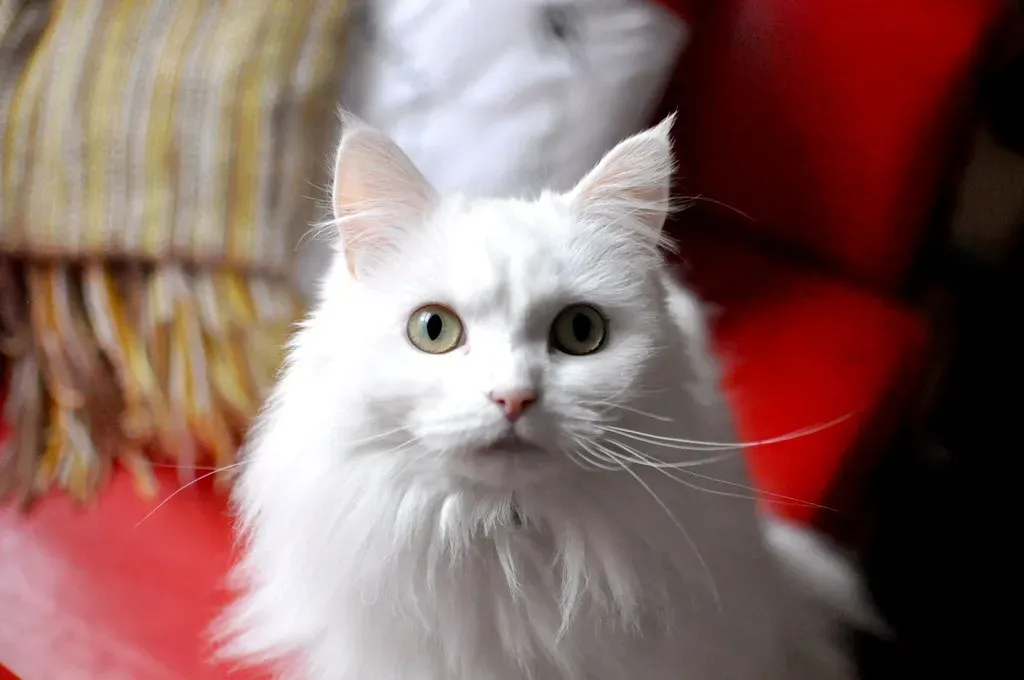
Turkish Angoras are elegant, intelligent cats with a playful streak that rivals much younger felines. These beautiful white cats are known for their athleticism and love of water, which can lead to some unusual nighttime behaviors like playing in water bowls or turning on faucets. I know it sounds crazy, but many Turkish Angora owners report exactly these behaviors.
Their intelligence and curiosity drive them to explore their environment thoroughly, and nighttime offers fewer distractions and human interruptions. Turkish Angoras can be quite vocal when they want something, so if they decide it’s playtime at 3 A.M., you’re likely to know about it. Their graceful movements don’t prevent them from making noise when they’re racing around your home in pursuit of imaginary prey.
9. Burmese: The Demanding Companions
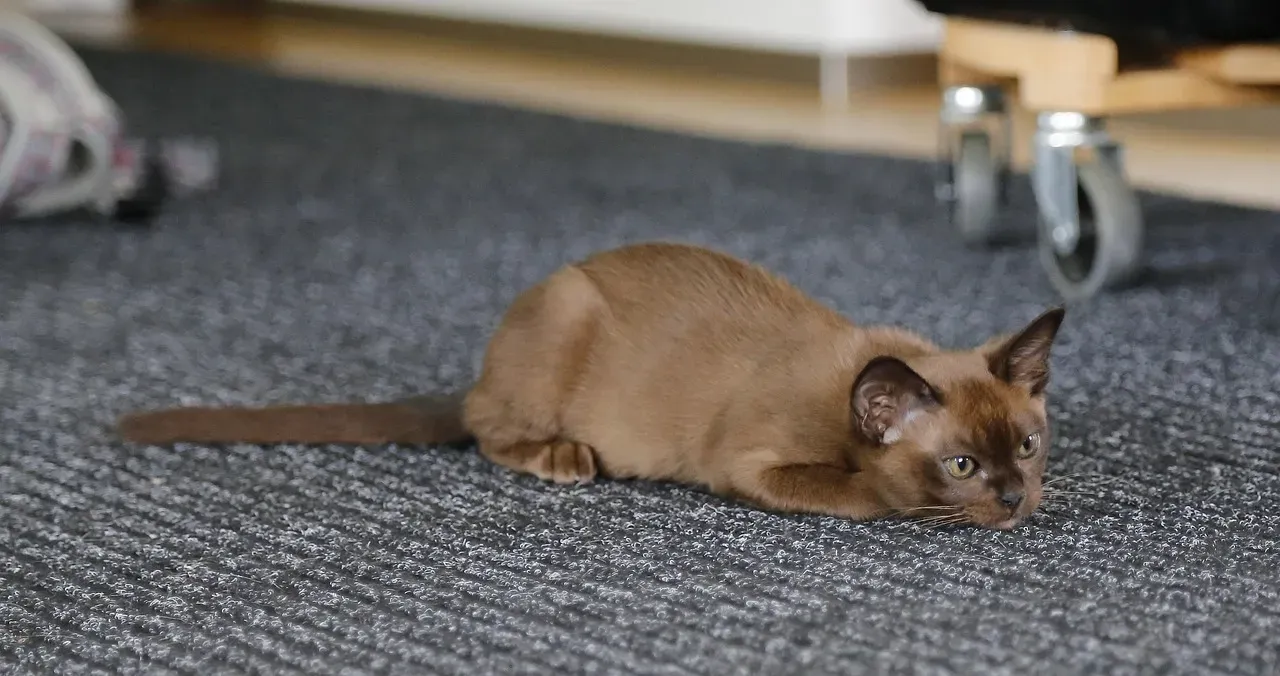
Burmese cats are incredibly social and form strong attachments to their human families. While this makes them wonderful companions during waking hours, it can also mean they’re reluctant to let you sleep peacefully through the night. These cats crave interaction and may wake you up simply because they want company.
Burmese cats are also quite playful and maintain kitten-like energy levels throughout their lives. They’re strong and muscular despite their compact size, which means their nighttime zoomies can be surprisingly loud. If a Burmese decides to launch into a play session at 2 A.M., you’ll definitely hear them bounding across the floor or leaping onto furniture.
10. Ocicat: The Spotted Night Hunter
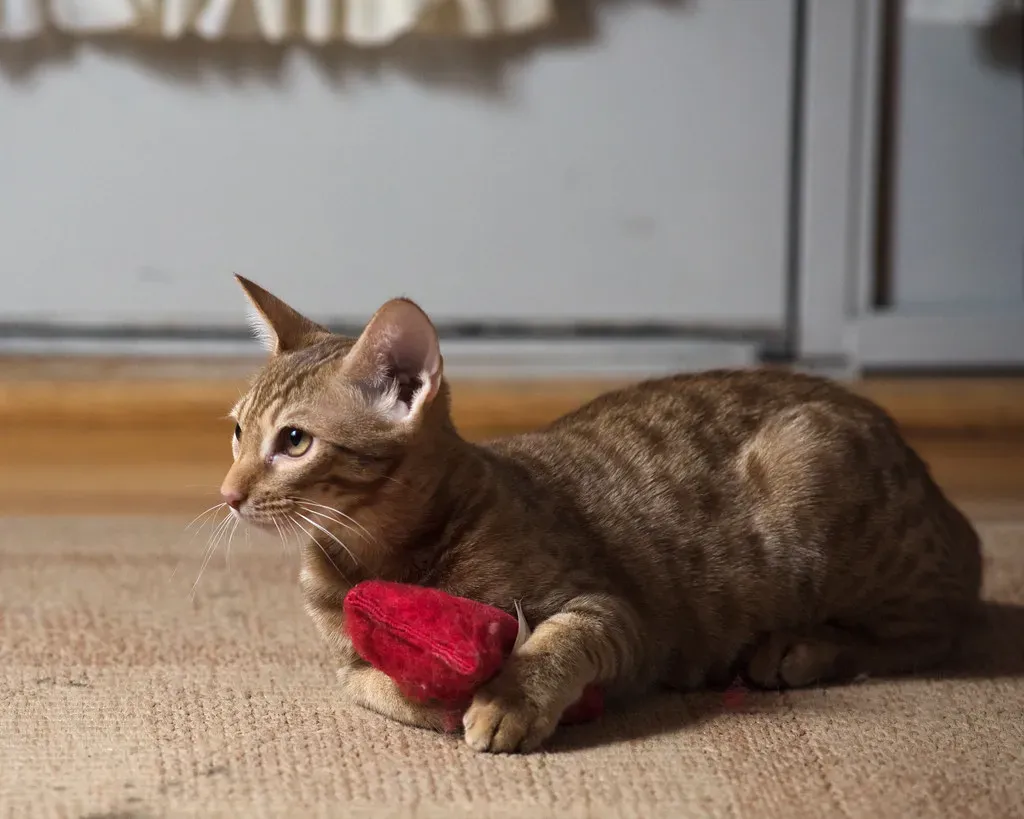
With their wild appearance and spotted coats, Ocicats look like they should be prowling the jungle rather than your living room. Cats are crepuscular because they have evolved to hunt at dusk and dawn, as birds and mice are very active at dawn and cats evolved to take advantage of this. The Ocicat’s strong prey drive manifests in vigorous play sessions that can easily extend into the night.
These athletic cats need significant physical and mental stimulation to stay happy. Without adequate exercise during the day, an Ocicat is likely to release pent-up energy through nighttime activities. They’re also quite social and don’t like being alone, which can result in attention-seeking behaviors when you’re trying to sleep. Their muscular build means that when they do get the zoomies, it’s an impressive and often noisy spectacle.
11. Egyptian Mau: The Ancient Speedsters
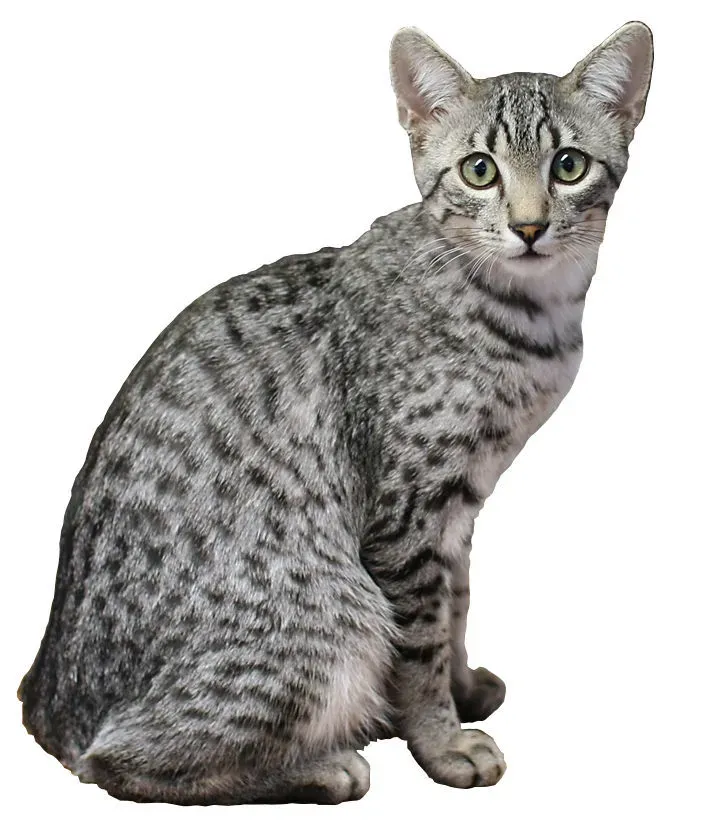
Egyptian Maus are one of the fastest domestic cat breeds, capable of running at speeds up to thirty miles per hour. This natural athleticism, combined with a strong hunting instinct, makes them prone to explosive bursts of energy, especially during twilight hours. When the household settles down for the night, an Egyptian Mau might interpret the quiet as the perfect time to practice their sprinting skills.
These spotted beauties are also quite vocal and will communicate their needs loudly if they feel ignored. Their intelligence and curiosity drive them to explore and play, and they might decide that the middle of the night is ideal for these activities. Egyptian Mau owners often report being awakened by the sound of their cat racing through the house at breakneck speeds.
12. Tonkinese: The Social Butterflies Who Never Sleep

Tonkinese cats are a cross between Siamese and Burmese breeds, inheriting the most energetic and social traits from both. These cats are incredibly people-oriented and don’t do well with being left alone or separated from their owners, even during sleep hours. They’re known for their playfulness and retain a kitten-like demeanor throughout their lives.
The scientific name for this phenomenon is Frenetic Random Activity Periods or FRAP, which lets cats release pent-up energy by energetically sprinting around the house. Tonkinese cats might wake you with their vocalizations, by pawing at your face, or by initiating elaborate play sessions. Their social nature means they genuinely don’t understand why you’d want to sleep when you could be interacting with them instead.
Conclusion
Understanding why certain cat breeds are more prone to nighttime activity can help you better manage these behaviors and maintain your sanity. Adjusting your cat’s daytime schedule and activities, including more frequent but smaller meals and a play session before bedtime, might do the trick. The key is working with your cat’s natural instincts rather than against them.
Whether you share your home with a hyperactive Bengal or a chatty Siamese, remember that their nighttime antics stem from natural behaviors that have helped cats survive for thousands of years. With patience, proper enrichment during the day, and strategic feeding times, you can help even the most nocturnal breeds settle down when you need sleep. The bond you share with your feline friend is worth the occasional 2 A.M. wake-up call, right?
What’s your experience with nighttime cat chaos? Have you found any tricks that actually work to calm your night owl down?