You’ve seen your feline friend doing that weird thing again. Sprawled out like a starfish on the cool kitchen tile. Seeking shade under the porch at noon. Panting like a tiny, annoyed dragon. If you live anywhere from Dallas to Miami, you know summer isn’t just a season – it’s basically a lifestyle challenge for everyone, furry friends included.
Not all cats cope equally well with sweltering heat. While their wild ancestors roamed hot climates, centuries of breeding mean some modern house cats handle triple-digit temperatures better than others. Picking the right breed can mean the difference between a miserable kitty who won’t leave the AC vent and a content companion who struts confidently through those steamy afternoons. Let’s dive into which cats truly flourish when the mercury climbs.
Siamese: The Original Heat Lover
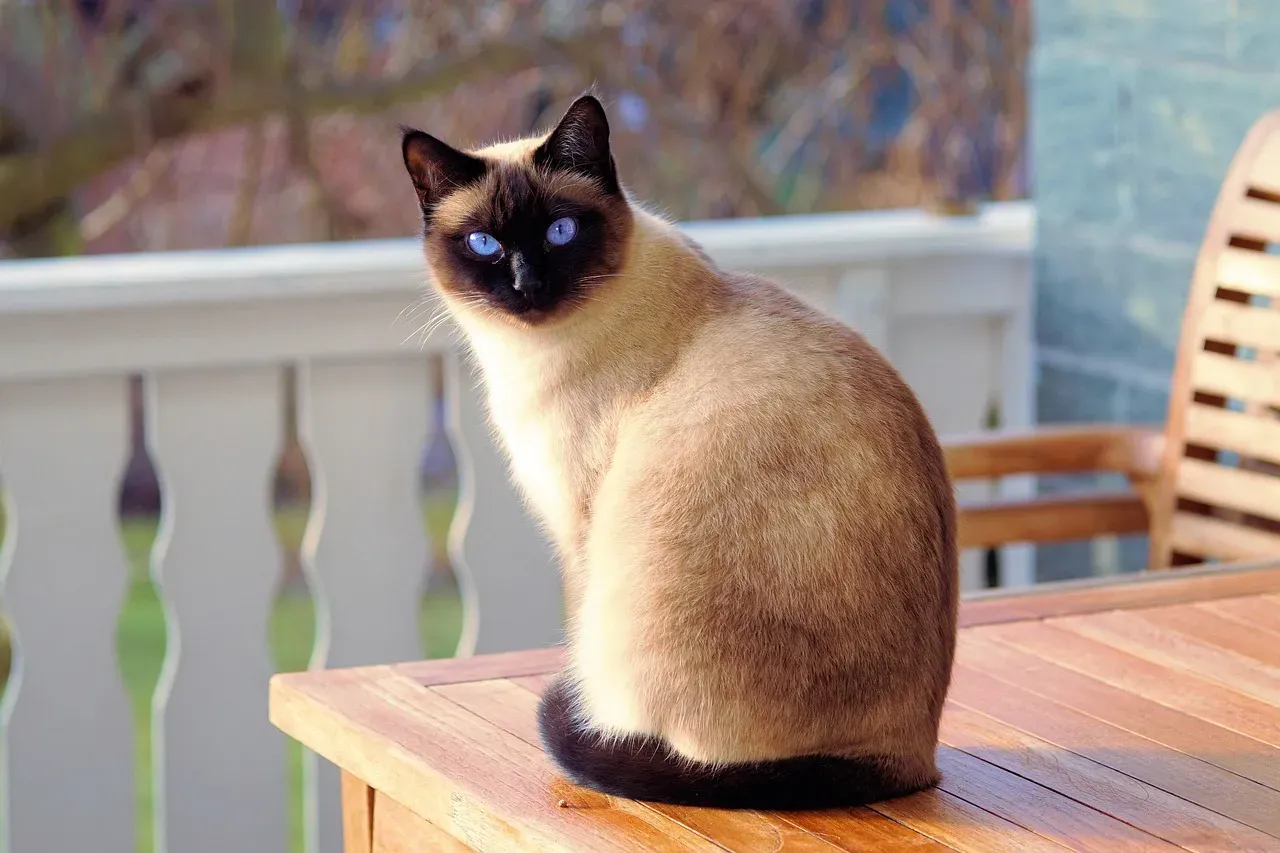
The Siamese cat, originating from Thailand – known for its tropical climate – is naturally adept at living in warm conditions. Their sleek, short coat functions like athletic wear designed specifically for hot environments. Their short, fine coat and slender body allow for effective heat dissipation, and their light-colored coat reflects sunlight, reducing heat absorption.
Think of them like natural solar panels in reverse. Those striking blue eyes aren’t just for show, either. Their short coat helps them stay cool, and their sociable and vocal nature ensures they’re always the center of attention. Be prepared though, because Siamese cats will absolutely tell you when they need fresh water or a cooler spot. Honestly, they’ll tell you about everything.
Bengal: Wild Looks, Tropical Tolerance
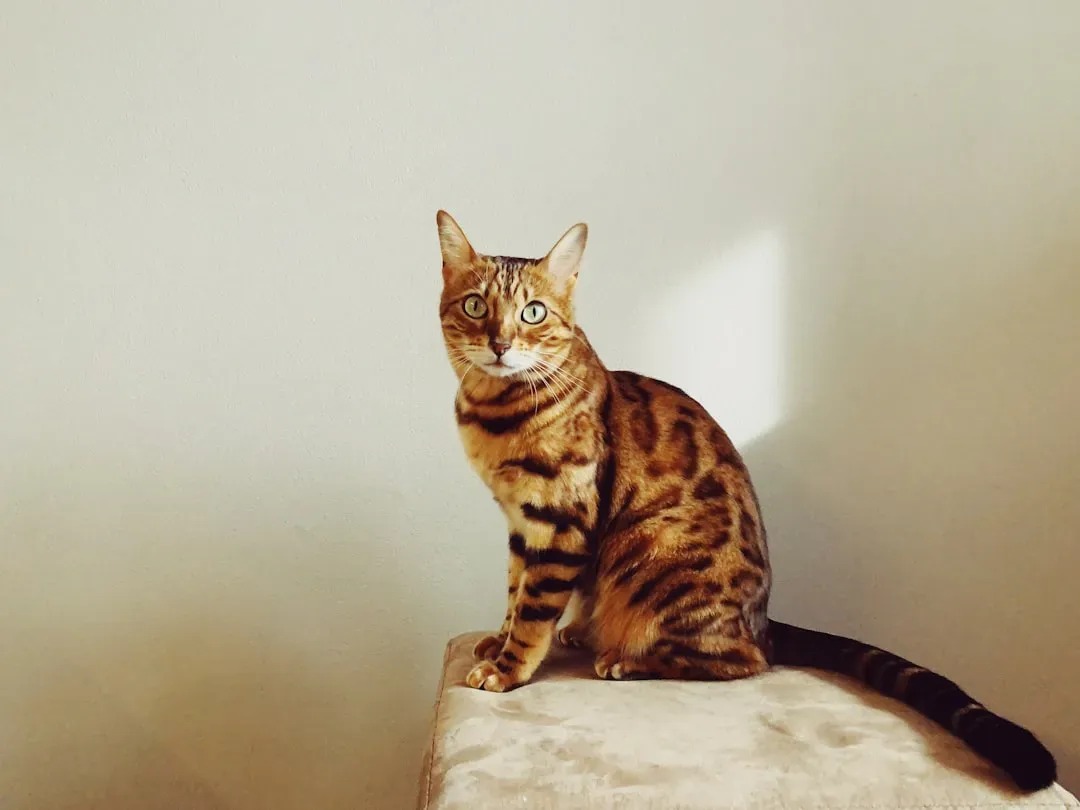
The Bengal cat, with its wild ancestry tracing back to the Asian leopard cat – a species accustomed to warm environments – thrives in hot climates. Their ancestors prowled hot jungles, so your air-conditioned living room is basically luxury to them. Bengals have a sleek, short coat that minimizes heat retention, and they love water, which can be both a fun playtime activity and a way to keep temperatures down.
Here’s the thing about Bengals: they’re not just heat-tolerant, they’re ridiculously energetic. You’ll find them jumping on cabinets, investigating ceiling fans, maybe even joining you in the shower. Their spotted coats are stunning, giving your home that exotic vibe without the liability insurance concerns of owning actual wild animals.
Abyssinian: Desert Royalty
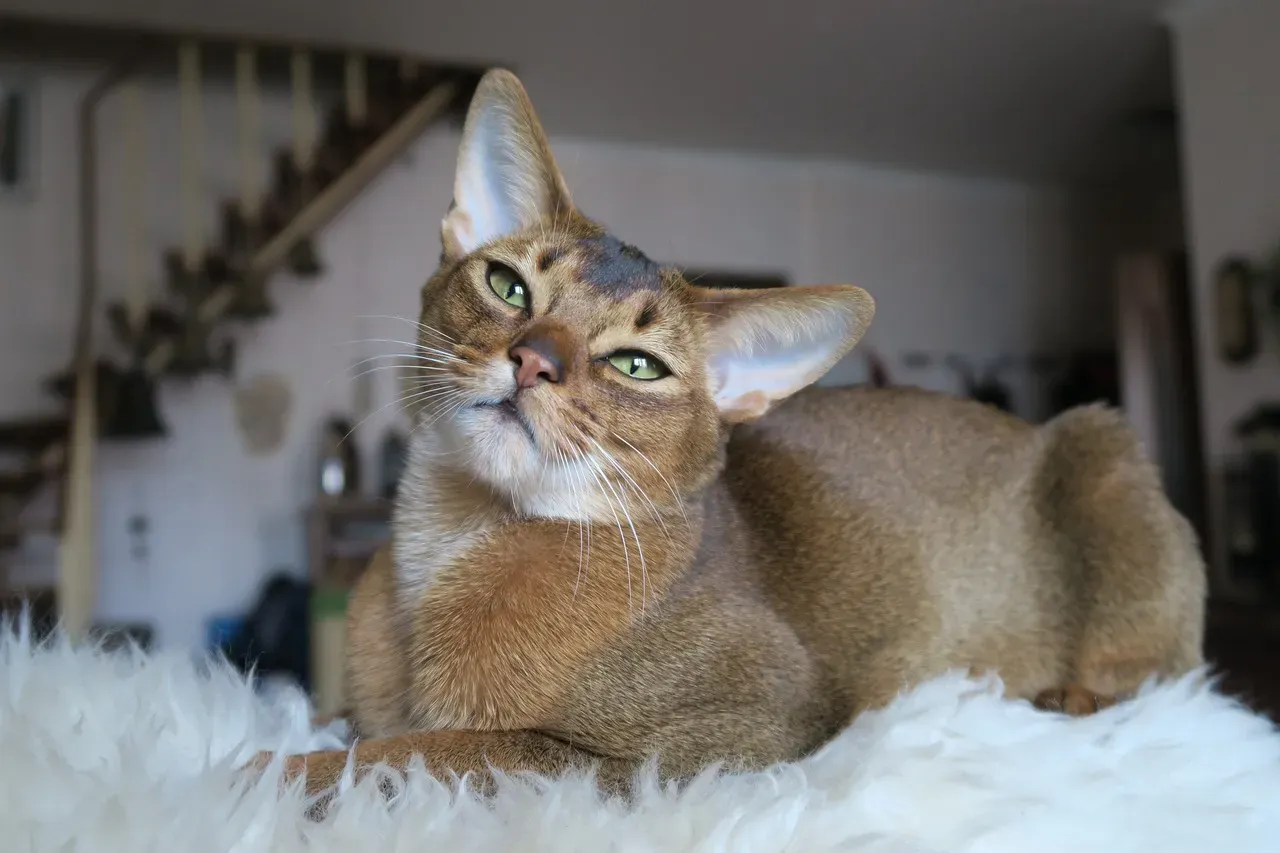
The Abyssinian thrives in warm climates thanks to its short, fine coat that helps in heat dissipation. Their ticked coats shimmer in sunlight, and their athletic build means they’re built lean and efficient. Their large ears, short furs, and slender bodies help them stay cool in places where most other breeds would suffer from heat stroke.
What really sets Abyssinians apart is their personality. These cats are insatiably curious. They’ll follow you everywhere, inspect every shopping bag, and generally act like they’re auditing your daily activities. That high energy level means they generate body heat, but thankfully their physiology handles it beautifully.
Burmese: Southeast Asian Survivor
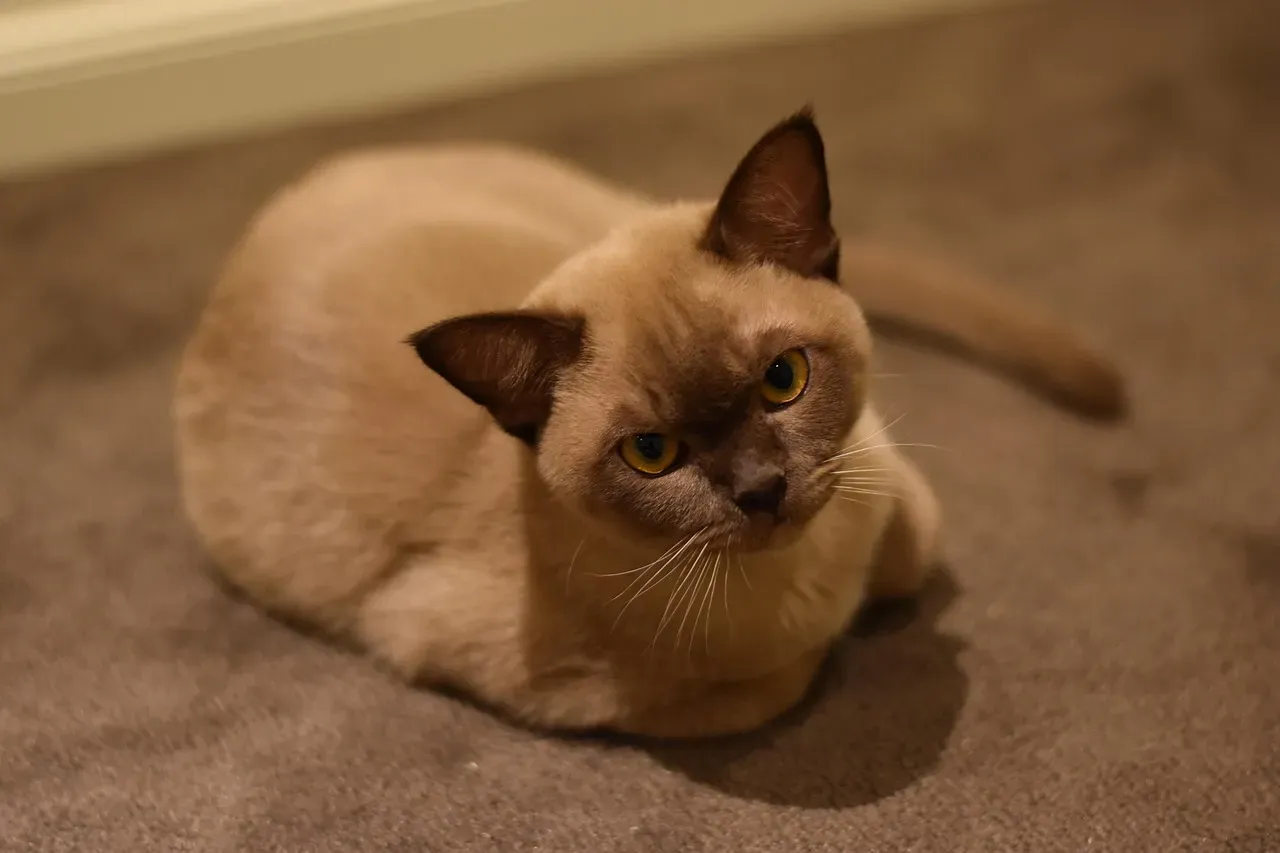
Burmese cats originated in the territory of former Burma, modern Myanmar, which has a tropical to sub-tropical hot monsoon climate, and Burmese cats are certainly accustomed to this climate. Their glossy, short coats come in rich chocolate and champagne tones that somehow always look polished. Its short, glossy coat is beautiful and practical for heat regulation, allowing the cat to remain comfortable in hot weather.
Unlike some aloof breeds, Burmese cats are absolute velcro pets. They want to be involved in everything you do, from folding laundry to video calls. Their compact, muscular build helps them shed excess heat efficiently. If you’re working from home in Houston or Tampa, expect this cat to be your permanent desk assistant.
Egyptian Mau: Ancient Heat Expert
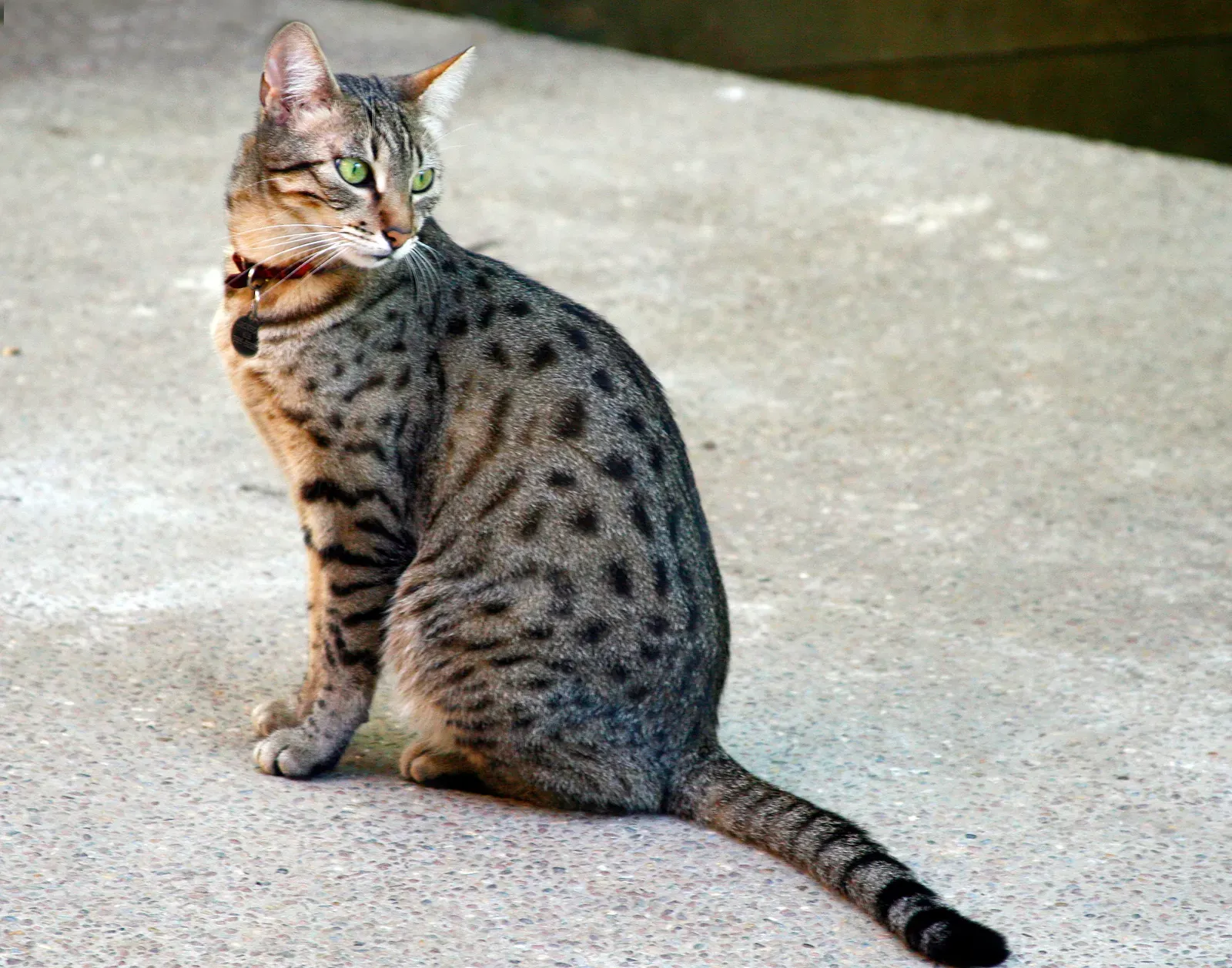
Famous for the spotted coats, the Egyptian mau has an athletic build that makes them great jumpers and runners, and they enjoy warm climates and have short furs to help them thrive. Let’s be real, if any cat understands desert heat, it’s the one associated with actual Egyptian dynasties. Their spotted coats aren’t just gorgeous – they’re functional.
Their short, dense fur helps manage body heat, allowing them to stay comfortable in high temperatures. Egyptian Maus are also wickedly fast, reportedly the fastest domestic cat breed. They’ll race through your house like tiny cheetahs, then collapse dramatically on the coolest surface available. Their silver or bronze coats catch light beautifully, making them perpetual Instagram stars.
Oriental Shorthair: The Elegant Adapter
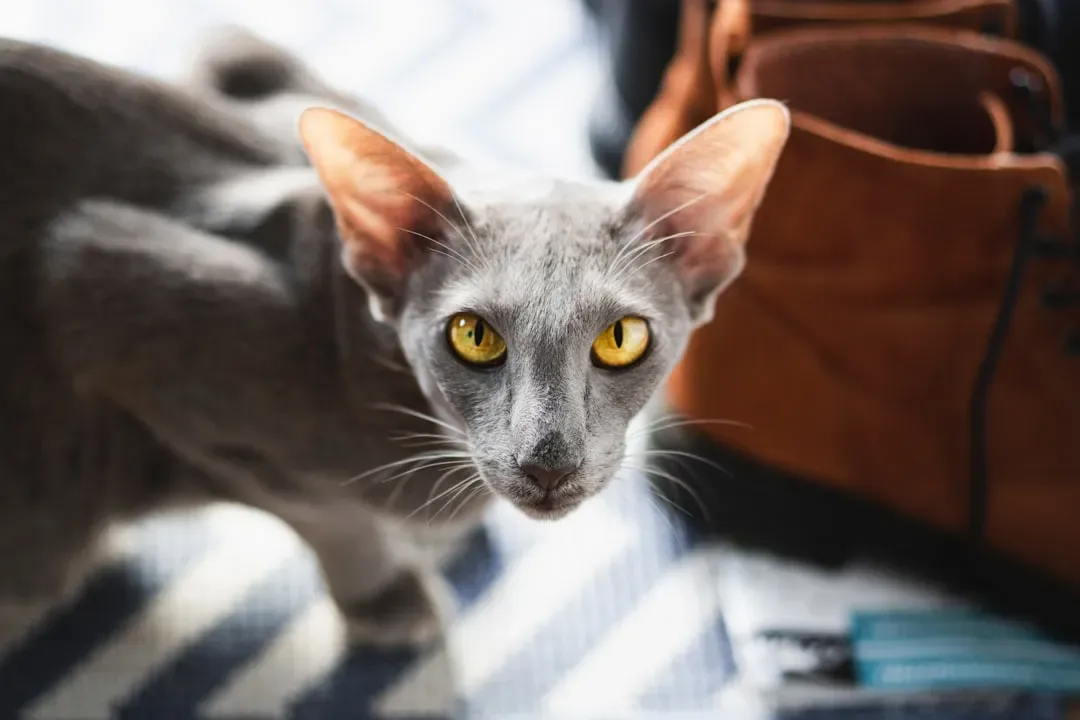
Oriental Shorthairs share heat tolerance with Siamese cats while offering more color variety, and their sleek build and active personality appeal to many Texas cat lovers. These cats look like they were sketched by a fashion designer – all angles and elegance. Their short, fine coat provides minimal insulation, allowing them to regulate body temperature efficiently in the Texas heat.
What’s surprising about Oriental Shorthairs is their massive ears. Those aren’t just for picking up the sound of a treat bag opening from three rooms away. Through that skin, animals lose excess heat and cool themselves down. Basically, their ears function as built-in cooling systems. They’re social butterflies who thrive on interaction, so don’t get one if you’re hoping for an independent, mysterious cat.
Cornish Rex: Curly-Coated Cool Cat
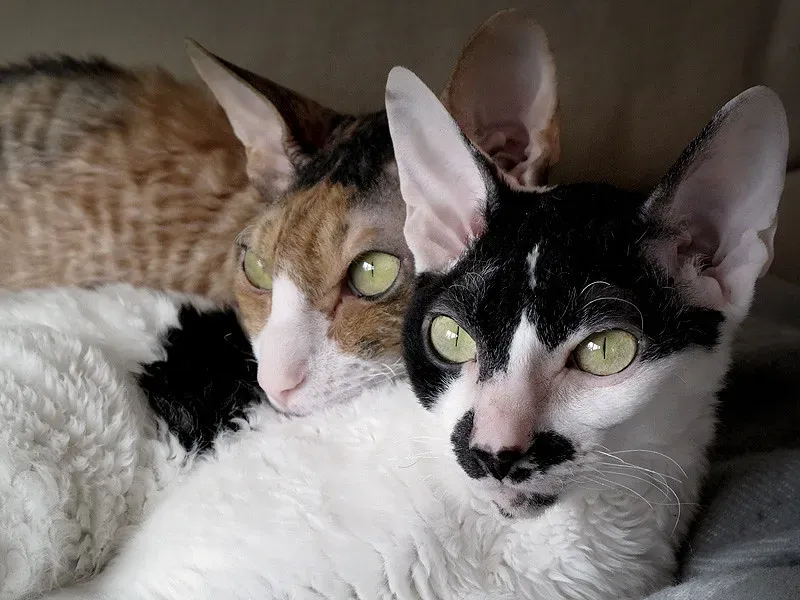
The Cornish Rex boasts a soft, curly coat that is distinctively different from other breeds, and this unique fur provides just enough coverage to guard against sunburn without trapping excessive heat. Their wavy coats feel like crushed velvet, and unlike fluffy breeds, they won’t overheat during those brutal southern summers.
These cats are basically the clowns of the feline world. Playful, mischievous, and surprisingly warm-blooded despite their thin coats, Cornish Rex cats love cuddling but won’t suffocate you with excess body heat. They’re like living stuffed animals that actually enjoy a good game of fetch. Yes, fetch. Some cats really are part dog.
Savannah: The Adventurous Giant
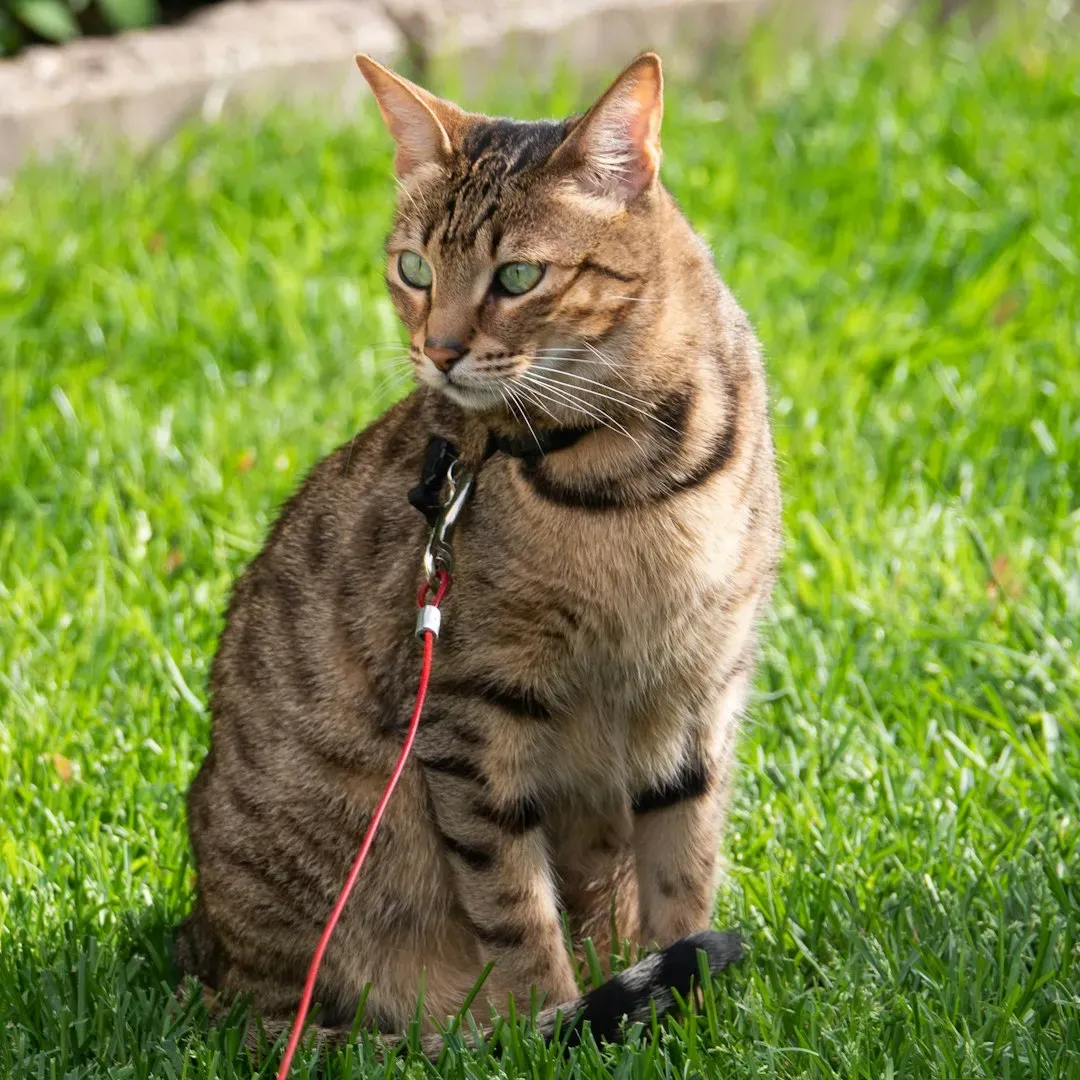
Savannah cats trace heritage to African servals, giving them natural heat tolerance. These striking cats with their spotted coats and long legs look like they escaped from a wildlife documentary. They love going for walks, playing in water and are always up for a game of fetch, making them perfect partners for outdoor activities in the sun.
Savannahs are not your typical lap cats. They’re adventurers who’ll walk on leashes, play in sprinklers, and generally act more like dogs than traditional felines. Their larger size might seem like it would trap heat, but their lean build and active nature keep them comfortable. Just check local regulations – some areas have restrictions on hybrid breeds.
Tonkinese: The Social Butterfly
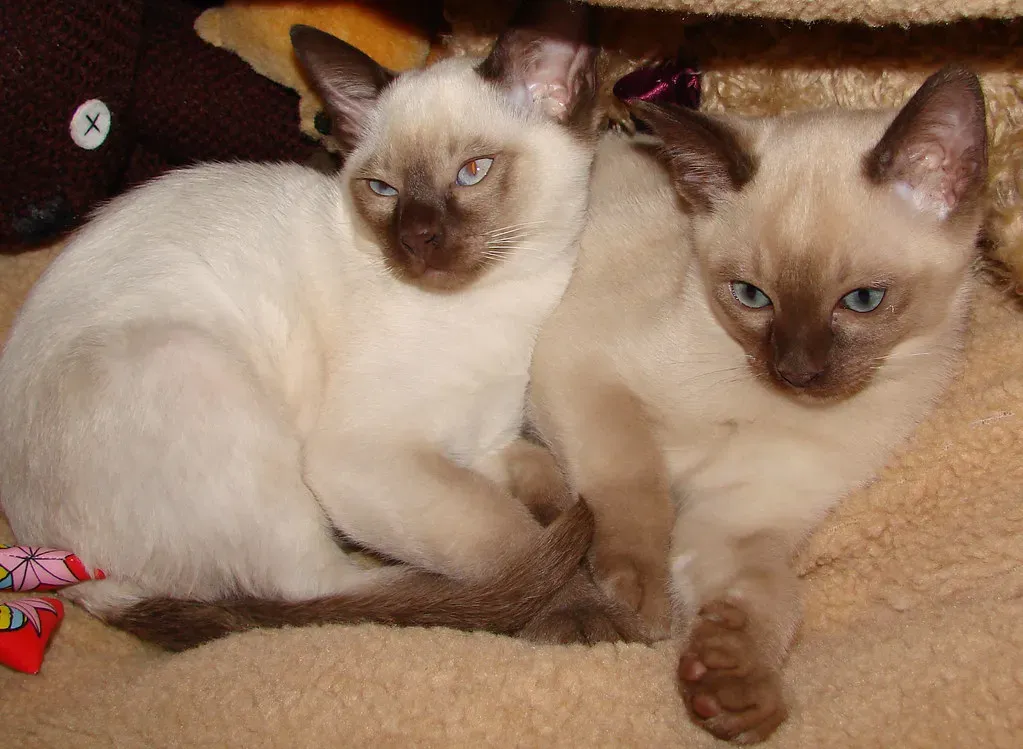
Tonkinese cats blend the best characteristics of Siamese and Burmese breeds, inheriting heat tolerance from both sides of their family tree. Tonkinese cats have short, soft coats that sit closely on their bodies and come in various colors. Their medium build strikes a perfect balance – substantial enough to feel like a real cat, but not so bulky that they overheat.
What makes Tonkinese cats special is their intensely affectionate personality. They’re the cats who’ll greet you at the door like a golden retriever, follow you to the bathroom, and insist on participating in every household activity. Their aqua eyes are mesmerizing, and their people-oriented nature makes them ideal for families in warm climates who want a truly engaged companion.
Domestic Shorthair: The Adaptable Everyday Cat
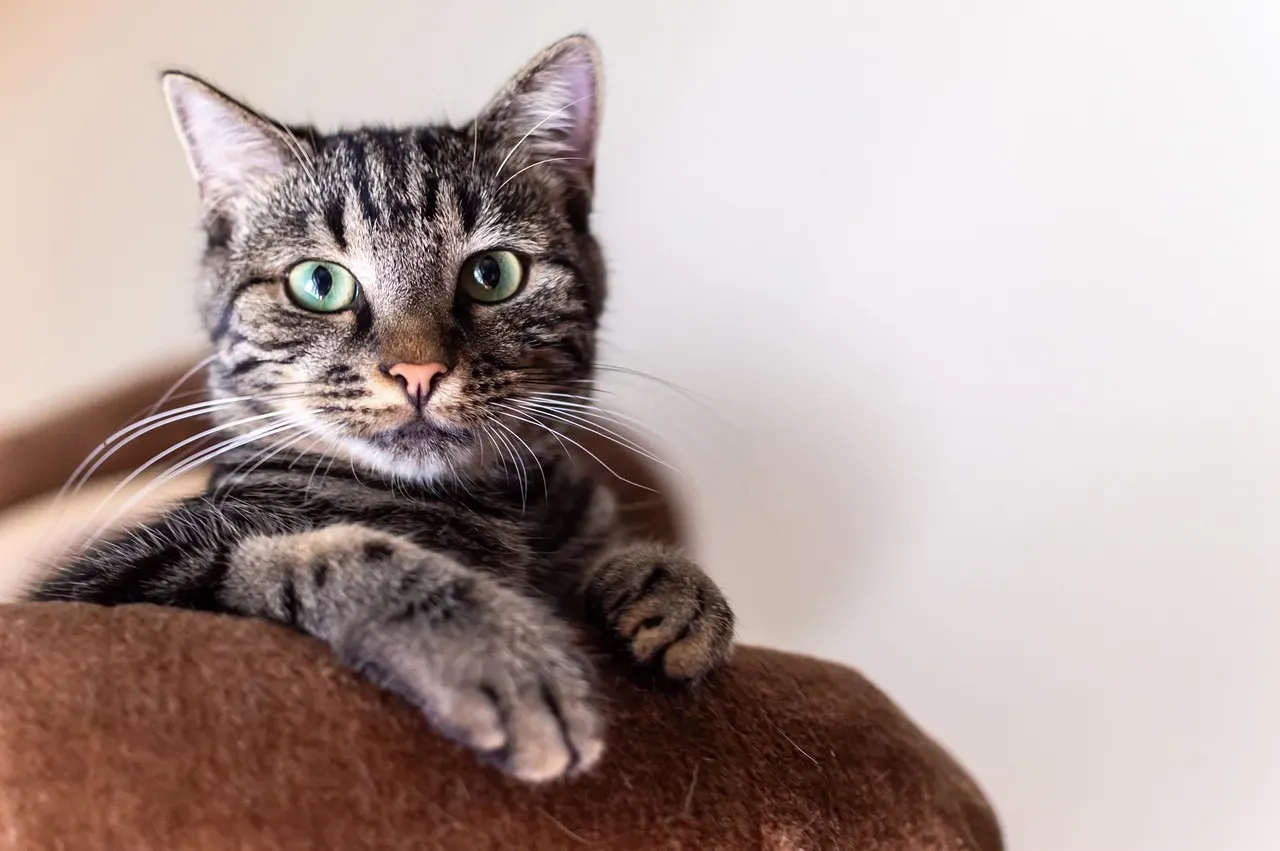
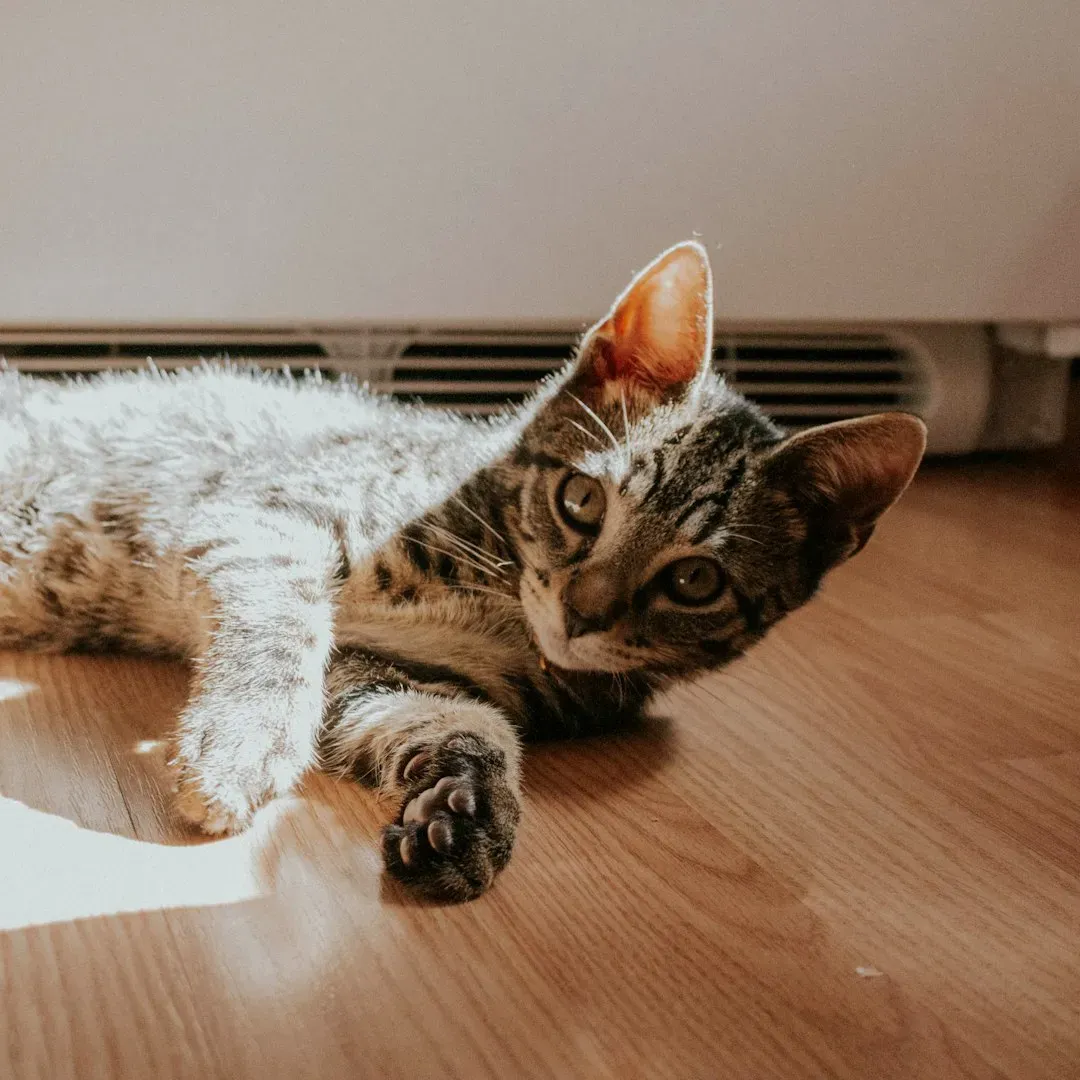
Domestic Shorthairs adapt well to warm climates with their short coat and hardy nature, and they enjoy lounging in cooler indoor areas or shaded outdoor spaces. These aren’t technically a single breed, but rather the wonderful mutts of the cat world. You’ll find them at every shelter, in every color imaginable, with personalities ranging from couch potato to hyperactive acrobat.
Here’s what people don’t always realize: mixed-breed cats often have hybrid vigor, meaning they’re typically healthier and more adaptable than purebreds. The normal body temperature for a cat is 3–4 degrees F higher than a human’s. Short-haired shelter cats handle southern heat beautifully, cost less to adopt, and come pre-vetted. They’re the practical choice that also happens to save a life. What’s not to love?
Conclusion
Choosing a cat breed suited for hot climates isn’t just about comfort – it’s about your future feline’s health and happiness. Whether you’re drawn to the exotic elegance of an Egyptian Mau or the accessible charm of a shelter Domestic Shorthair, prioritizing heat tolerance makes life better for everyone.
Remember that even heat-adapted breeds need fresh water, shaded spaces, and air conditioning during extreme temperature spikes. Your cat might have desert ancestry, but that doesn’t mean they should suffer through a Texas August without climate control. Which breed caught your attention? Have you experienced life with a heat-loving cat in the South? Share your thoughts in the comments below.