You’ve probably heard people say cats are aloof, distant, and completely indifferent to their human companions. Here’s the thing, though: that reputation isn’t exactly fair. Cats can be deeply affectionate, loyal, and downright obsessed with their owners. The catch is that not all cats are created equal when it comes to temperament. Some breeds come with personality quirks that can leave even the most devoted cat lover scratching their heads in confusion.
If you’ve ever found yourself on the receiving end of a sudden swat or wondered why your supposedly cuddly kitty seems more interested in terrorizing the household than snuggling, you’re not alone. Aggression toward other cats or people is a commonly reported behavioral problem, and much of that stems from breed characteristics passed down through genetics. Let’s be real: while every individual cat has their own personality, certain breeds are simply more prone to challenging behaviors. So let’s dive into the feline world and discover which breeds might test your patience.
Siamese: The Jealous Drama Queen
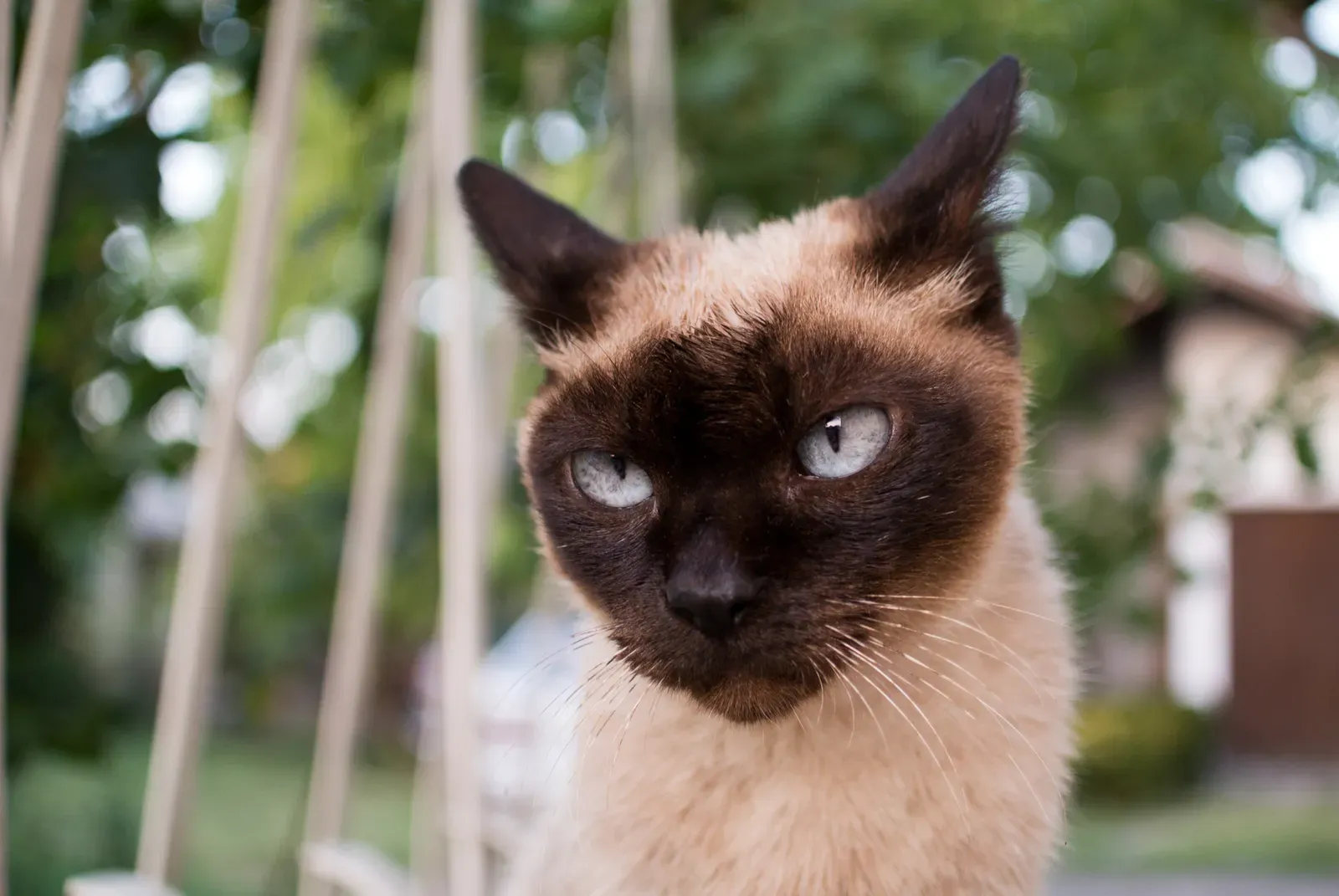
The Siamese cat can exhibit aggressive behavior, likely due to their tendency to get very jealous and their needy, clingy nature. These stunning felines bond intensely with one specific person in the household, becoming their shadow and demanding constant attention. The problem starts when another family member or pet tries to get close to their chosen human.
They can turn aggressive if another person tries to interrupt their snuggles, which can be problematic if you have kids in the house. Siamese cats don’t just want your attention; they demand it with their famously loud, persistent vocalizations. If you’re looking for a laid-back companion who’s content to share your affection with others, the Siamese probably isn’t your best match. Think of them as that friend who needs to be the center of attention at every party.
Bengal: The Wild Child Who Never Quite Settled Down
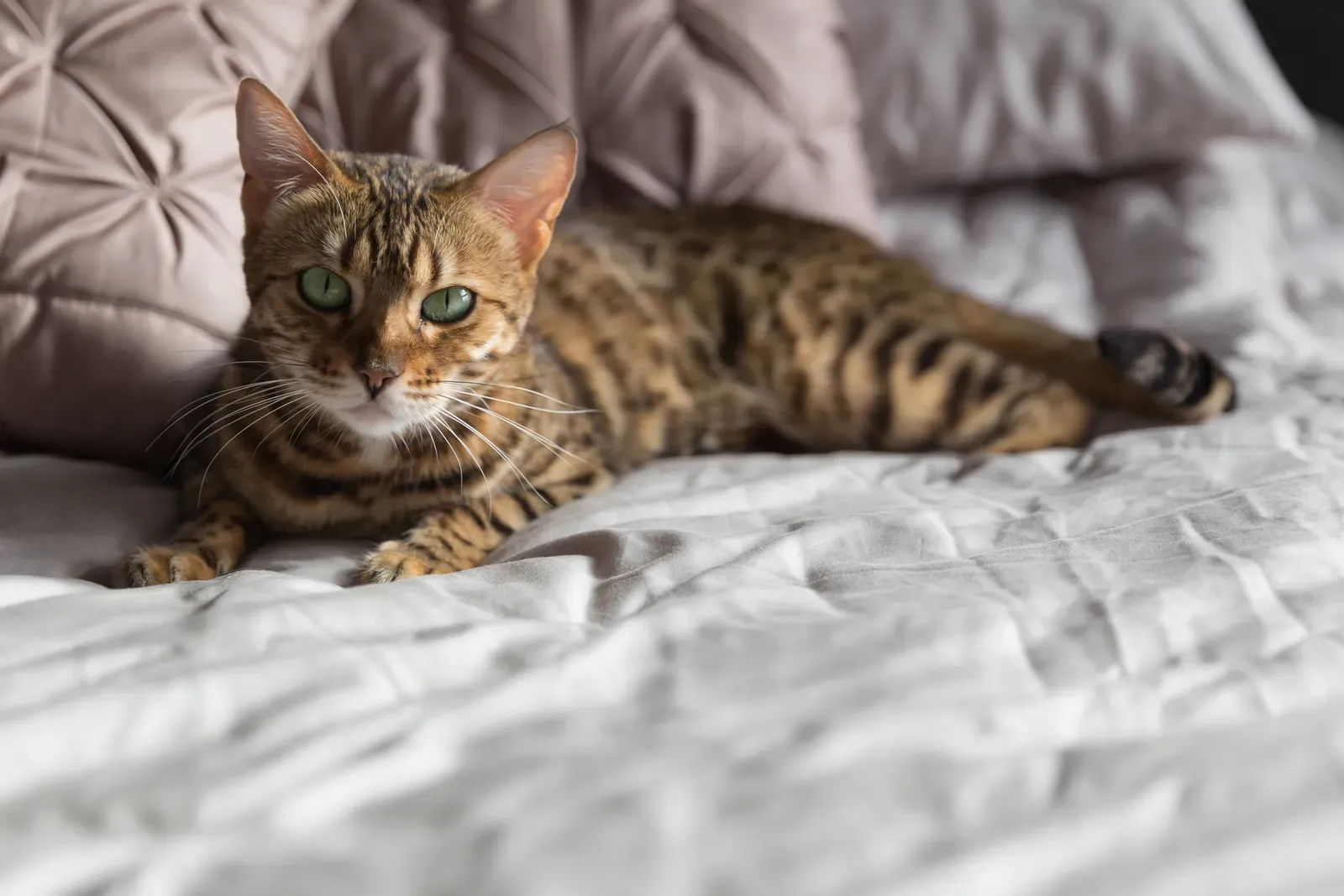
The Bengal cat is large and feels as if it still belongs in the wild, with early-generation F1, F2, and F3 Bengals having significant Asian Leopard Cat ancestry and more wild traits. Even the more domesticated generations carry that untamed streak in their DNA. These cats aren’t your typical couch potatoes; they’re bundles of barely contained energy that need serious engagement.
Behavioral issues like territorial spraying and play aggression are quite common if their needs aren’t met, and the Bengal is notoriously high maintenance. Honestly, owning a Bengal is like having a toddler who never grows up and also happens to have sharp claws. Without sufficient stimulation and playtime, they can become destructive forces of nature in your home. They’re super energetic and can become destructive if bored, wreaking havoc on nearby furniture through scratching and yowling.
Turkish Van: The Territorial Window Watcher
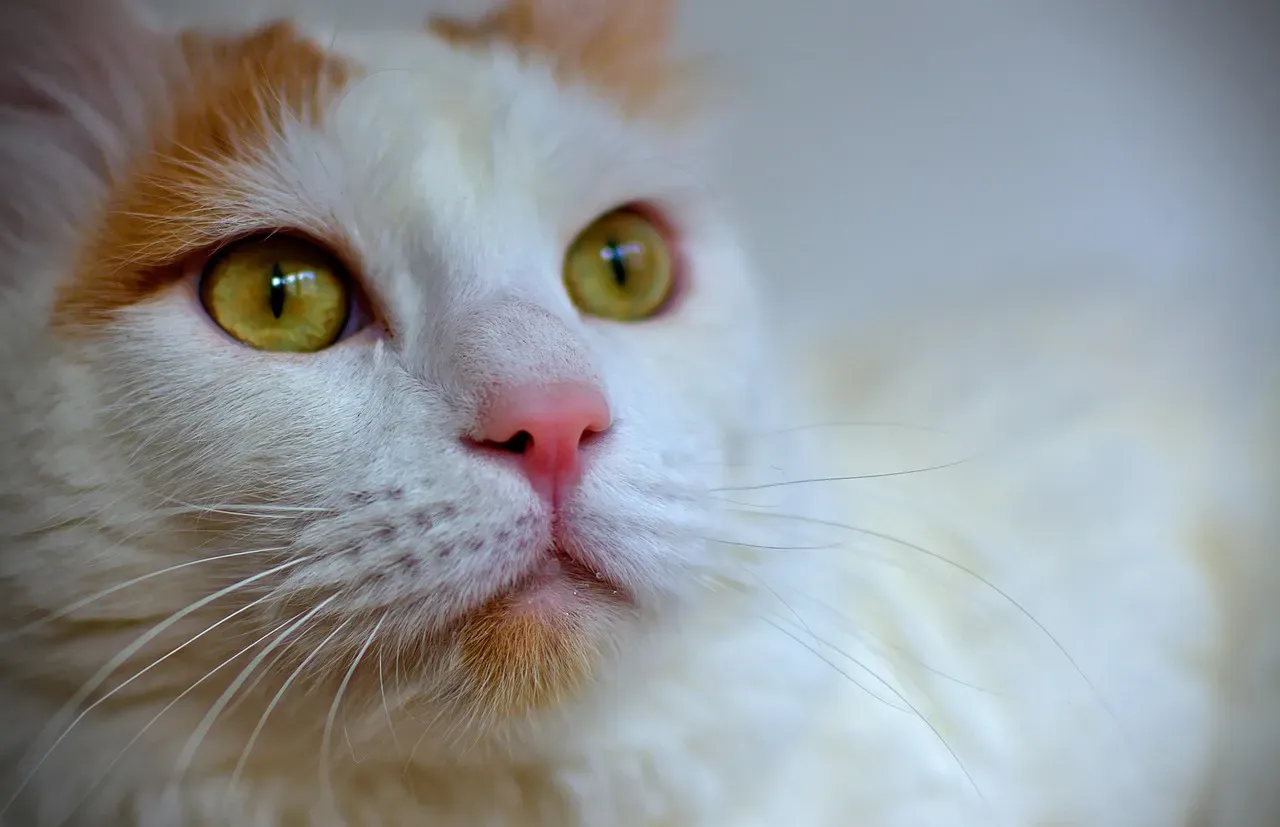
Turkish Vans have been found more likely to display aggression towards people in some research on breed behavior differences. These cats are very territorial and typically spend long periods staring out windows, requiring plenty of attention from their owners because they like being pampered. When that pampering stops, things can get ugly fast.
Neglect can trigger significant behavioral changes in Turkish Vans. If neglected, they can become aggressive towards other pets or even humans in your home. They prefer being the only cat in a household and aren’t particularly fond of strangers entering their domain. Think of the Turkish Van as that neighbor who watches every car that drives down the street and takes note of anyone who doesn’t belong.
Sphynx: The Attention-Seeking Hairless Wonder
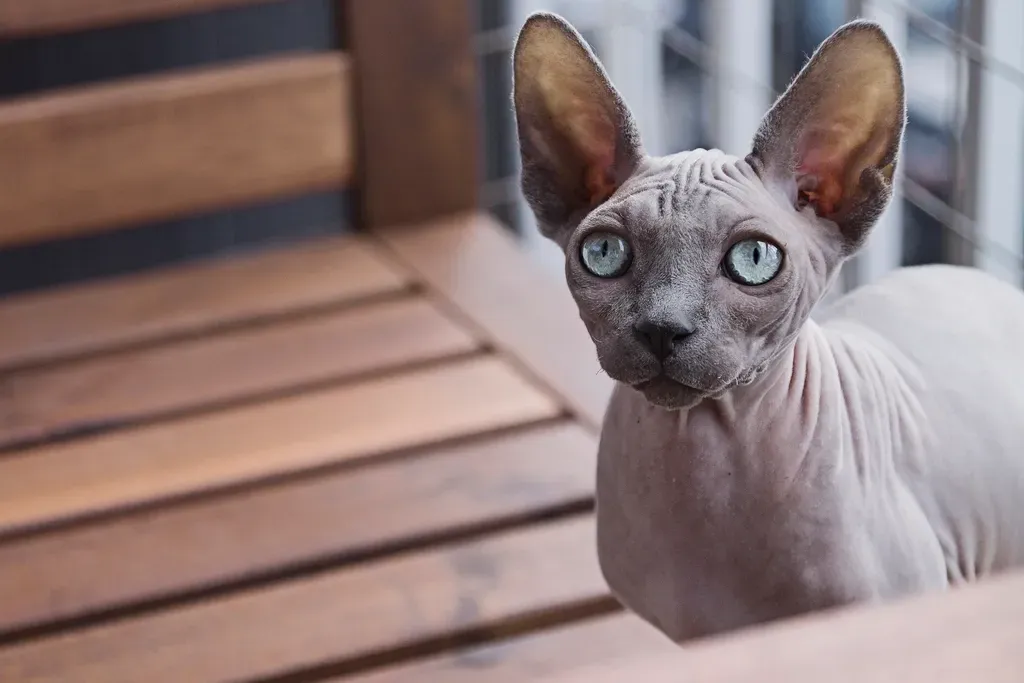
The Sphynx may look like a delicate, exotic creature, but don’t let appearances fool you. These cats are feisty, energetic, and sometimes downright demanding, becoming nippy or hyperactive when not getting enough attention and hating being alone for long periods. They’ll follow you everywhere, demanding love, warmth, and constant entertainment.
The Sphynx cat always wants to be the center of attention, and if they’re not getting the attention they desire, they will act out to get what they want. While not aggressive in a violent sense, their behavior can become irritating quickly. These cats need owners who work from home or have abundant free time to dedicate to feline companionship. If you value your personal space, the Sphynx might not be your ideal roommate.
Scottish Fold: The Adorable Attention Hoarder
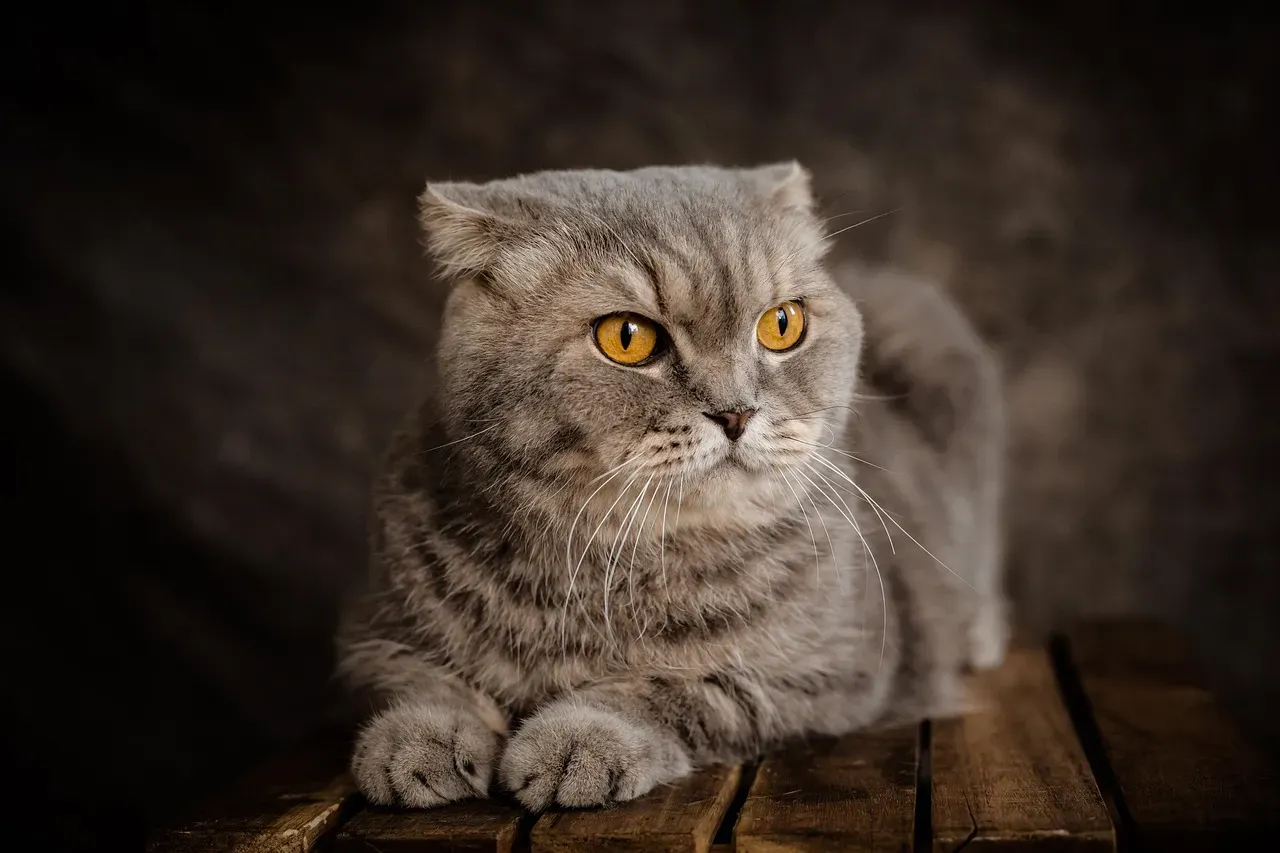
It’s probably surprising to see the Scottish Fold on this list with their plump faces, chubby cheeks, and big owl-like eyes, but they’re more than just a teddy bear-faced feline. These cuties have a sensitive side that doesn’t handle change well at all. This breed is quite sensitive to change and may become aggressive when new pets are brought home, and they’re not the friendliest toward babies and children.
They favor whichever person brings them food and water and don’t have much use for anyone who doesn’t regularly come bearing gifts. Scottish Folds form strong bonds with one person and essentially dismiss everyone else. They also don’t appreciate other animals sharing their space, so multi-pet households can become battlegrounds. Their need for attention is intense, and if you’re not going to spend considerable time with them, you could run into problems, as they aren’t suitable for someone who’s stuck at work all day.
Bombay: The Fearless Mini Panther

As a hybrid mix, Bombay cats have numerous strong behavior traits and are known to be fearless and sometimes aggressive. These sleek black beauties may look like miniature panthers, and sometimes they act like they think they are actual wild cats. They have sturdy, small-to-medium bodies, which means they can be surprisingly forceful for their size during playfights.
They can lash out if spooked by loud noises or other surprises, making them one of the worst cat breeds for families with small children. Bombay cats thrive on attention and interaction, and when those needs aren’t met, aggressive tendencies can emerge. They’re sensitive creatures who require patient, understanding owners willing to navigate their quirky behavior patterns.
Pixie Bob: The Suspicious Hunter
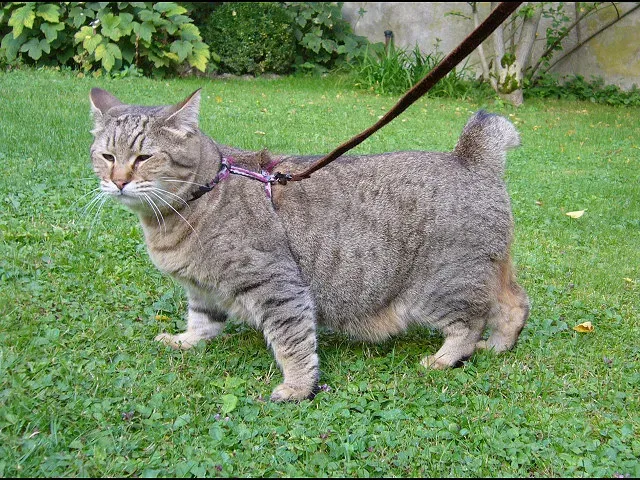
The Pixie Bob has more of a wildcat lineage, making them a bit more challenging to own with a few more aggressive tendencies, as they love hunting and stalking and can bite without proper socialization. These muscular cats maintain strong predatory instincts that domestic life hasn’t fully tamed. They look like mini wild bobcats with their distinctive short tails and powerful builds.
While playful and active with their family, Pixie Bobs are very suspicious of strangers. Their play can be rough and robust, which some owners might interpret as aggression. Without adequate socialization from kittenhood, these cats can develop biting tendencies that become problematic. I think they’re fascinating creatures, but they definitely require experienced cat owners who understand how to channel their hunting drive appropriately.
Korat: The Demanding Drama King
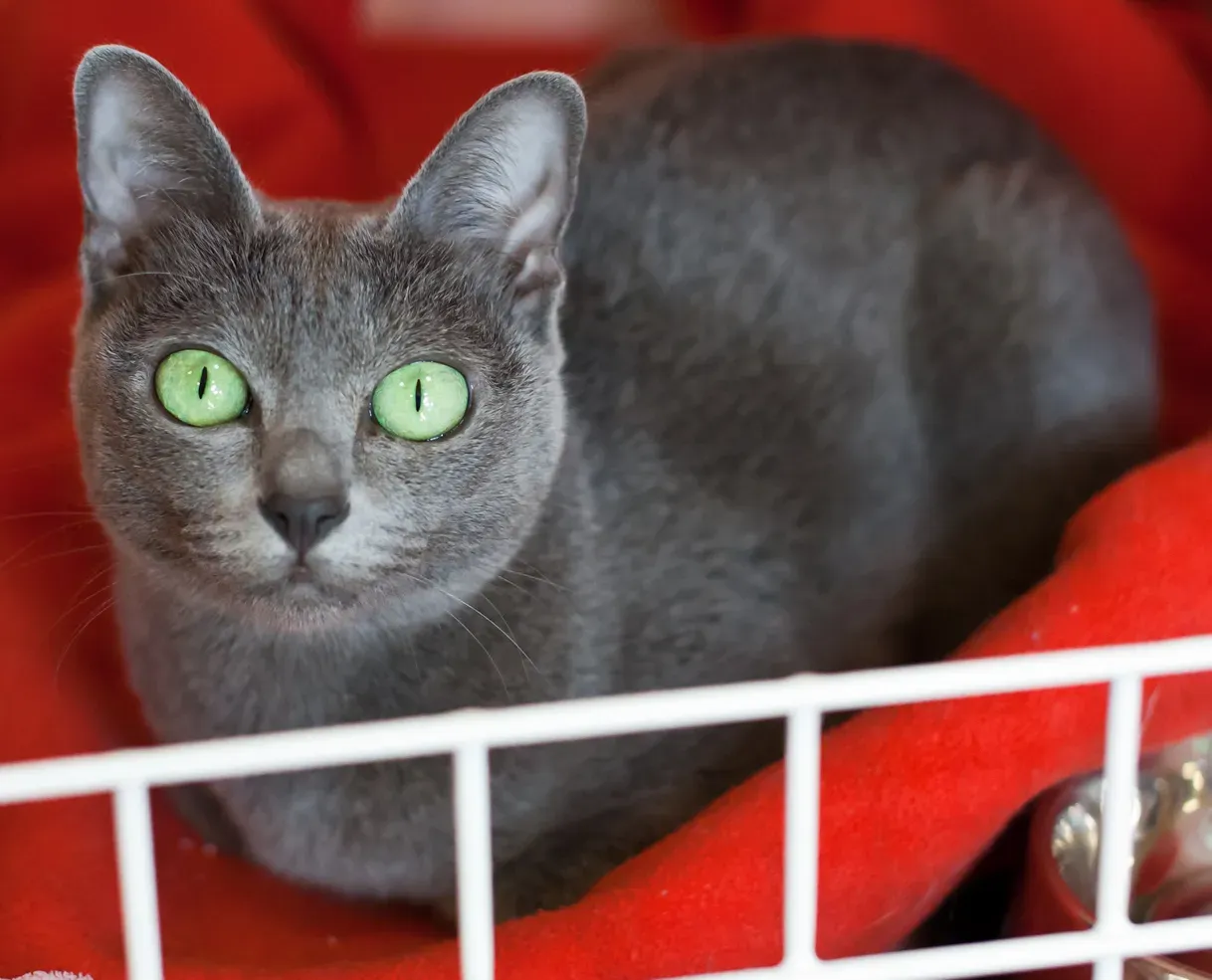
The Korat is an extremely rare cat breed that isn’t necessarily super aggressive but requires extensive attention, and if you’re not giving them what they want, they’ll find ways to get it, usually batting at you to demand it. These silver-blue beauties with their huge expressive eyes are absolute attention seekers. They tend to be spooked by sudden loud noises and are quite passive around children, which could be mistaken for unfriendliness, and you should be prepared to hear their voice often, especially when they don’t get their way.
Korats are vocal about their displeasure and won’t hesitate to let you know when something isn’t meeting their standards. Their sensitivity to noise and children means they’re better suited to calm, quiet households with adults who can cater to their specific needs. They’re not doing it to be purposefully aggressive; they’re just demanding what they believe is rightfully theirs.
Egyptian Mau: The Possessive Protector
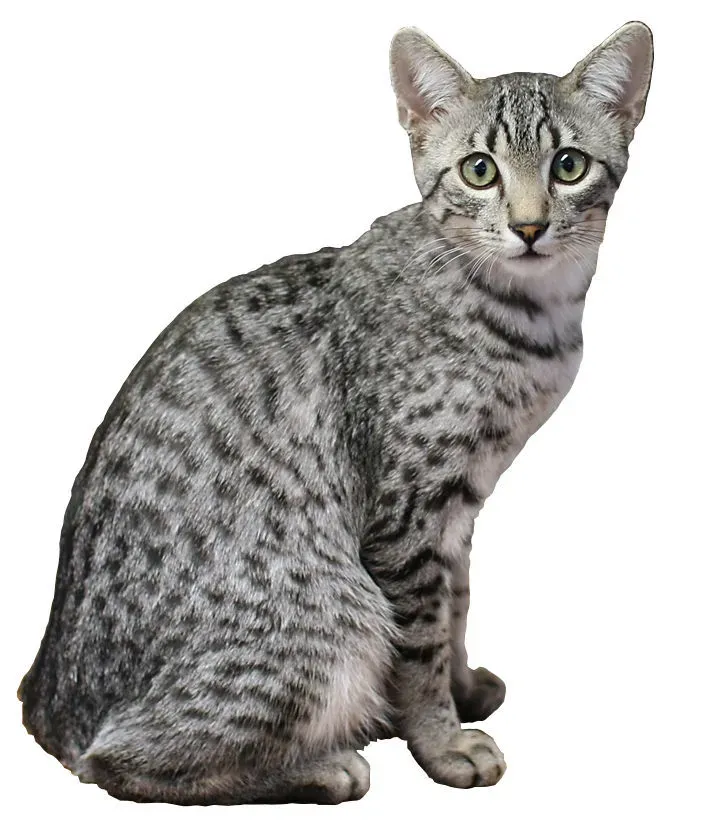
The Egyptian Mau is absolutely gorgeous but can be challenging to control, as they’re prone to resource guarding and their quiet nature can hide a mean streak. These spotted beauties bond strongly with their families but can be withdrawn around others. They tend to be shy around strangers and are very protective of their toys, actually growling at anyone who tries to remove them.
If you want a dog-like cat, the Egyptian Mau is the way to go, but they’re extremely intelligent and can lash out if you don’t find ways to keep them mentally stimulated. Their intelligence is both a blessing and a curse; smart cats get bored easily, and bored cats create problems. You might pull back a bloody hand if you try taking their favorite toy or treat at the wrong moment.
Savannah: The Exotic Adrenaline Junkie

As a cross between a domestic cat and a wild African cat, the Savannah is a large breed that’s challenging to own, requiring lots of attention and exercise and presenting a challenge for inexperienced owners. These stunning cats with their spotted coats bring a touch of the wild directly into your living room. Thanks to their undomesticated roots, Savannahs have a stronger prey drive than other cats and can get jealous quickly, which might lead to hissing, biting, or scratching when feeling neglected.
Their energy levels are through the roof, and without proper outlets, they become destructive. Savannah cats need owners who can dedicate significant time to play, exercise, and mental stimulation. They’re not suitable for apartment living or for people who want a low-maintenance pet. Honestly, owning a Savannah is more like having a high-energy dog than a typical house cat.
Cymric: The Tailless Troublemaker
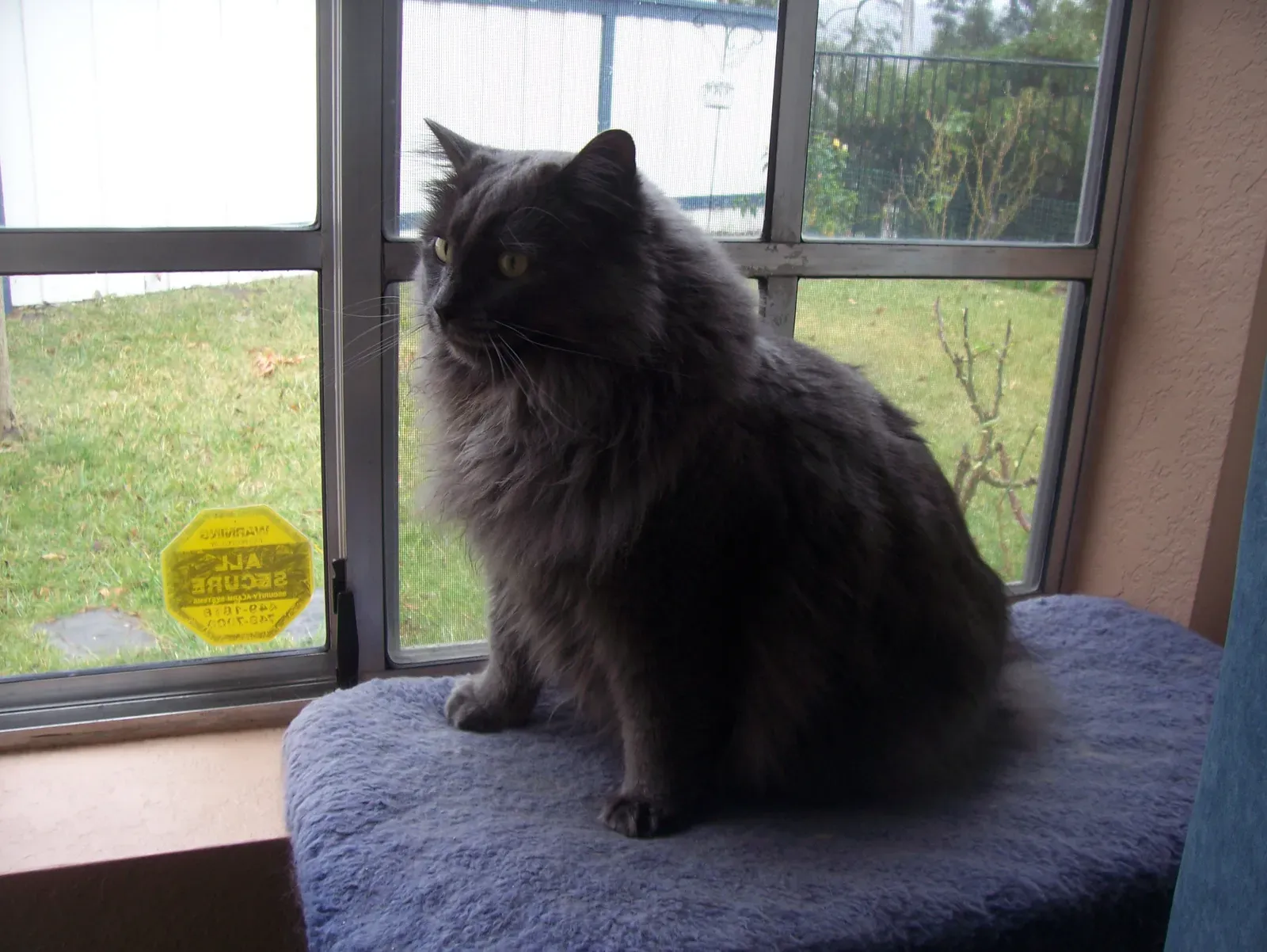
The Cymric’s signature feature is probably their super short and stubby tail, but what makes them challenging to own is that they’re super intelligent and active, meaning you need to meet both their physical and intellectual needs or they might lash out. These medium-sized, muscular cats are powerful jumpers despite their lack of a tail. They’re somewhat like dogs in that they will play fetch and growl at unidentified disturbances, and they tend to be quite aloof when it comes to children, strangers, and dogs, which may be mistaken for unfriendliness.
Their dog-like behavior includes territorial protectiveness that can manifest as aggression toward unfamiliar people or animals. Cymrics need constant mental challenges and physical activity to stay happy and well-behaved. Without proper engagement, their intelligence turns toward destructive or aggressive outlets.
Singapura: The Tiny Tornado
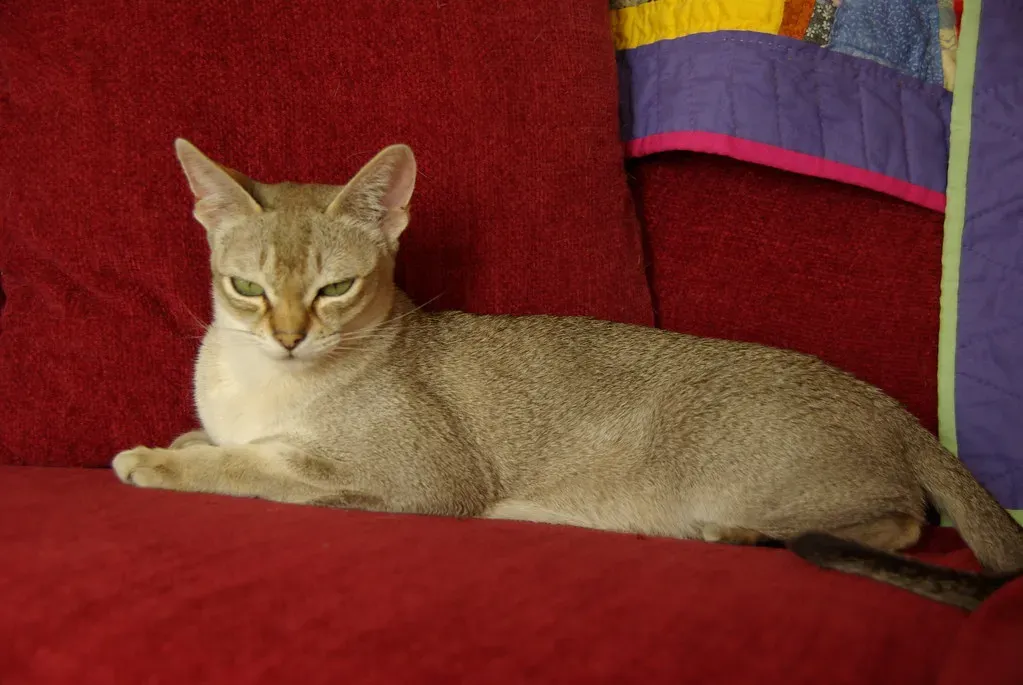
Weighing just four to eight pounds, Singapuras are one of the smallest cat breeds in the world, but don’t let their tiny size fool you, as these little dynamos have huge personalities, endless energy, and a knack for getting into mischief. They love to climb, explore, and stick their noses into everything, are social and curious, love being the center of attention, and will follow you everywhere, and if ignored, they’ll find creative and sometimes destructive ways to get noticed.
The Singapura is among the most active and playful cats, constantly wanting something fun and interesting to do, not losing their kitten-like curiosity like many other cat breeds do, requiring homes filled with plenty of cat towers and interactive toys to keep any aggression at bay. They’re perpetual kittens in adult bodies, which sounds adorable until you realize that means years of hyperactive chaos. Their small size belies their enormous energy demands.
Finding Peace With Challenging Felines
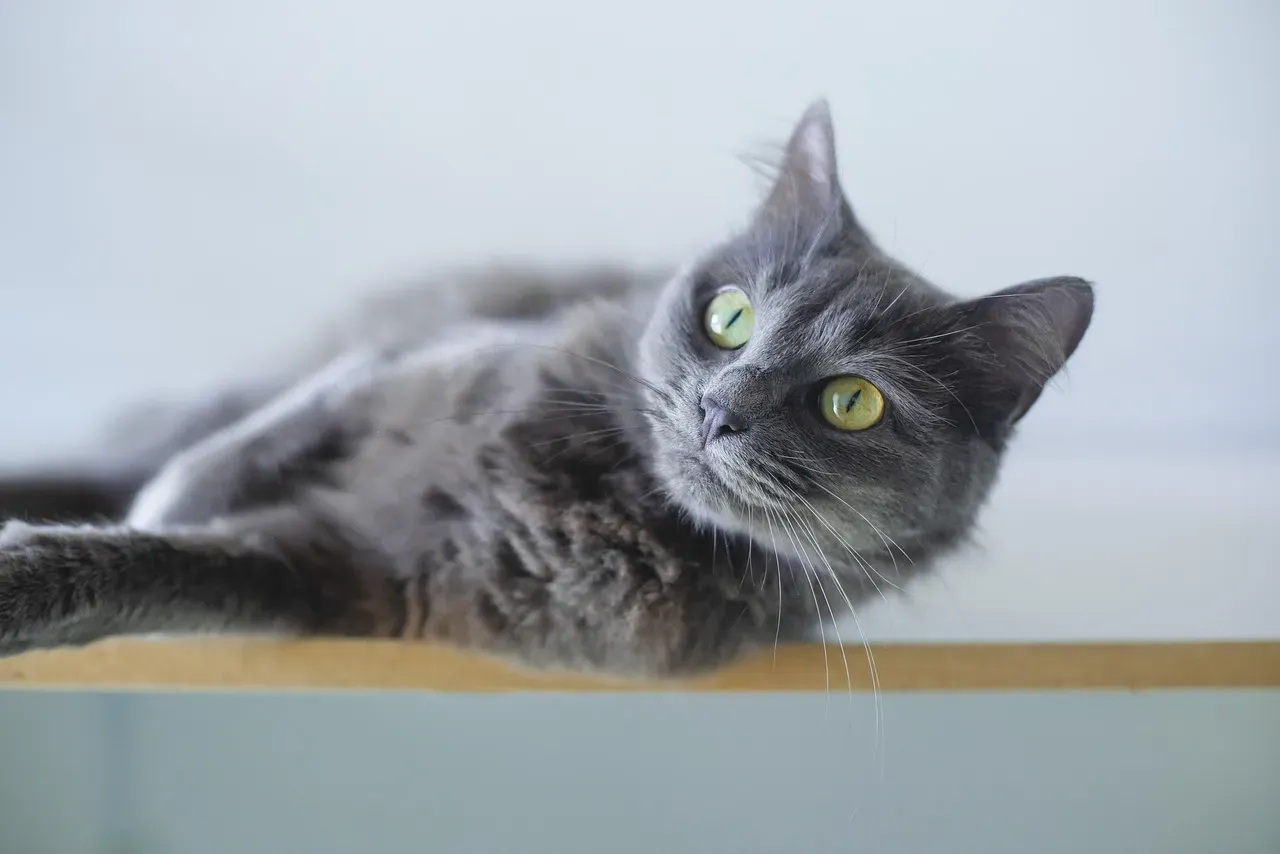
While some cats have a bad reputation as mean or aggressive breeds, every cat can make a great pet if you meet their basic needs and socialize them correctly, though the breeds highlighted here can be more challenging to own and may lash out if their needs aren’t met, but all cats can be socialized and trained if you start from a young age. Understanding breed temperaments isn’t about labeling cats as bad or good; it’s about setting realistic expectations and preparing yourself for the journey ahead.
Certain breeds may have a predisposition to be more territorial or assertive, though proper socialization, environmental factors like surroundings and living conditions, and addressing stressful environments or changes in routine all significantly influence behavior. The cats on this list aren’t inherently mean; they’re simply more demanding, more sensitive, or more energetic than average. With patience, proper training, and meeting their specific needs, even the most challenging breeds can become loving companions. What do you think about these temperamental felines? Would you take on the challenge?