You’ve settled into your favorite chair after a long day, finally ready to relax. Then it happens. Your cat jumps onto your lap, and within moments, those soft paws start pressing into your legs in that rhythmic, almost hypnotic motion. It’s adorable. It can be slightly uncomfortable, especially when those claws come out. Yet here’s something you might not have considered: this simple act carries far more meaning than you ever imagined.
That gentle push and pull of your cat’s paws isn’t just a random quirk or leftover habit from kittenhood. When your cat kneads you, it signals they feel comfortable and secure in your presence, mimicking behavior from when they were kittens with their mothers and symbolizing a deep bond and trust. Let’s be real, your feline friend is showing you something profound, and it’s time we understood exactly what that rhythmic motion truly means.
The Kittenhood Connection That Never Fades
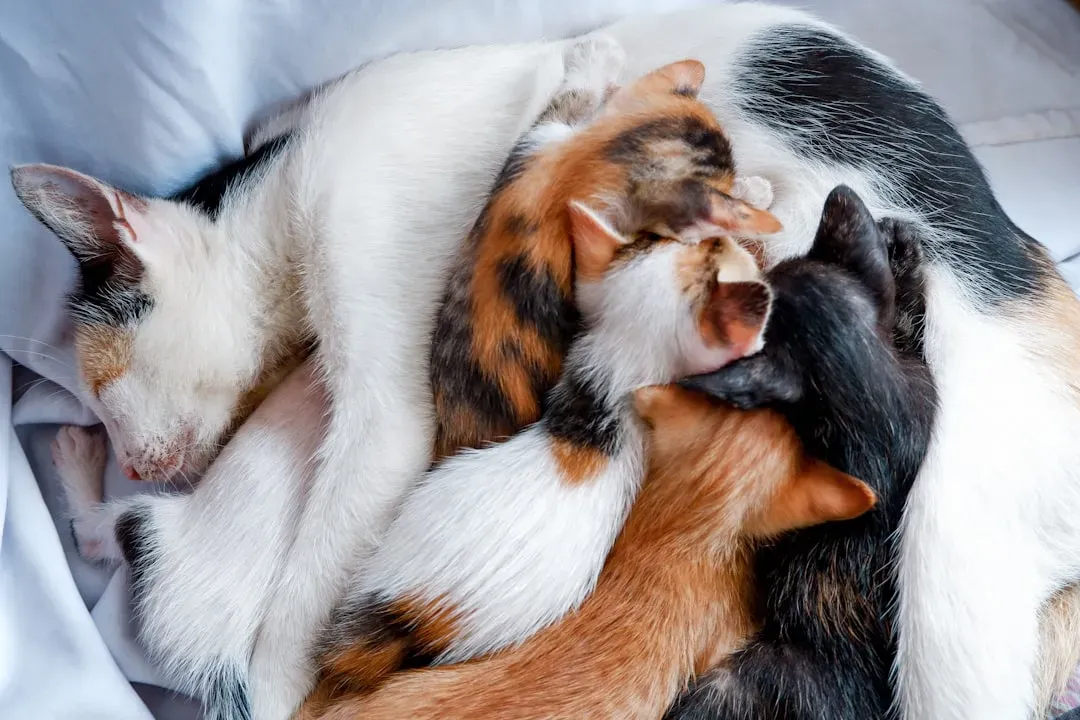
Kittens use a kneading action to stimulate milk production from their mother cat when nursing. This isn’t something they need to learn; it’s pure instinct. Picture a tiny kitten pressing those minuscule paws against their mother’s belly, triggering the flow of warm, nourishing milk.
Because nursing and being around a mother cat’s calming pheromones encourages a sense of contentment in young kittens, many cats will continue to knead into adulthood to create a similar sense of calm and relaxation. It’s like they’re reaching back to that moment of absolute safety and comfort. The memory of comfort and nourishment is so strong that many cats carry it into adulthood, using kneading as a way to self-soothe and recapture the security they felt as kittens.
Why Your Cat Chooses You for This Special Ritual
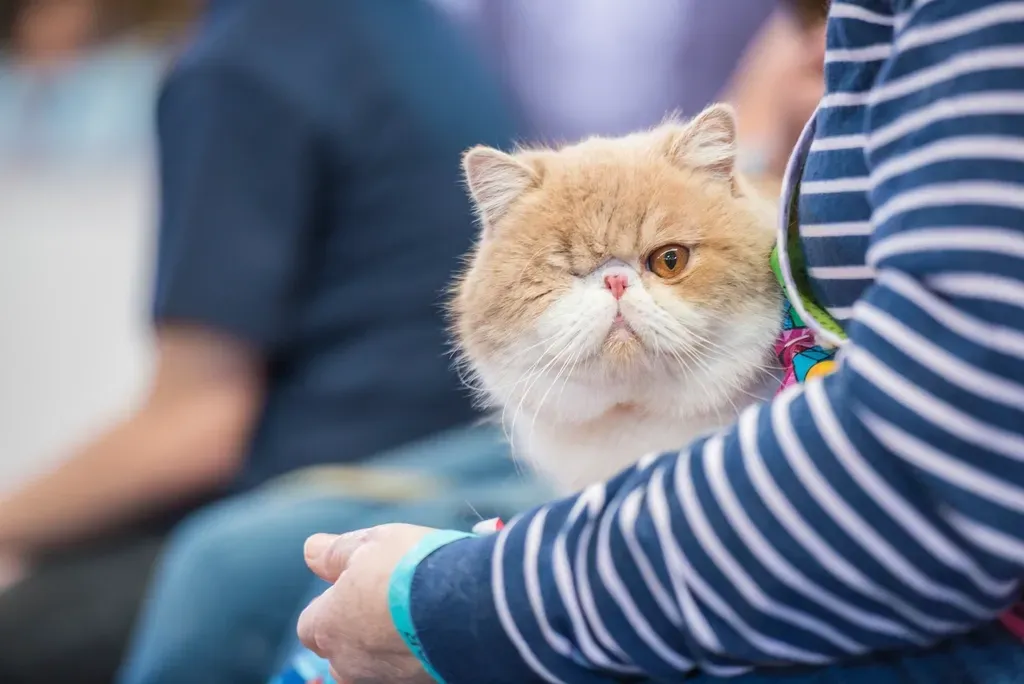
You might wonder why your cat seems to prefer kneading on you rather than, say, the expensive cat bed you bought. Adult cats often decide to knead on something soft and often on a favorite human or fellow pet in the household. This isn’t random selection.
Cats may continue kneading into adulthood, particularly when in the presence of someone with whom they feel safe, or when they get on a particularly fluffy cushion or blanket, because they associate the behavior of treading their paws with the comfort they felt when they were nursing. Think about that for a moment. Your cat has essentially designated you as their safe space, their comfort zone. When those paws start working, your cat is telling you something important without saying a word.
The Secret Message Hidden in Their Paws
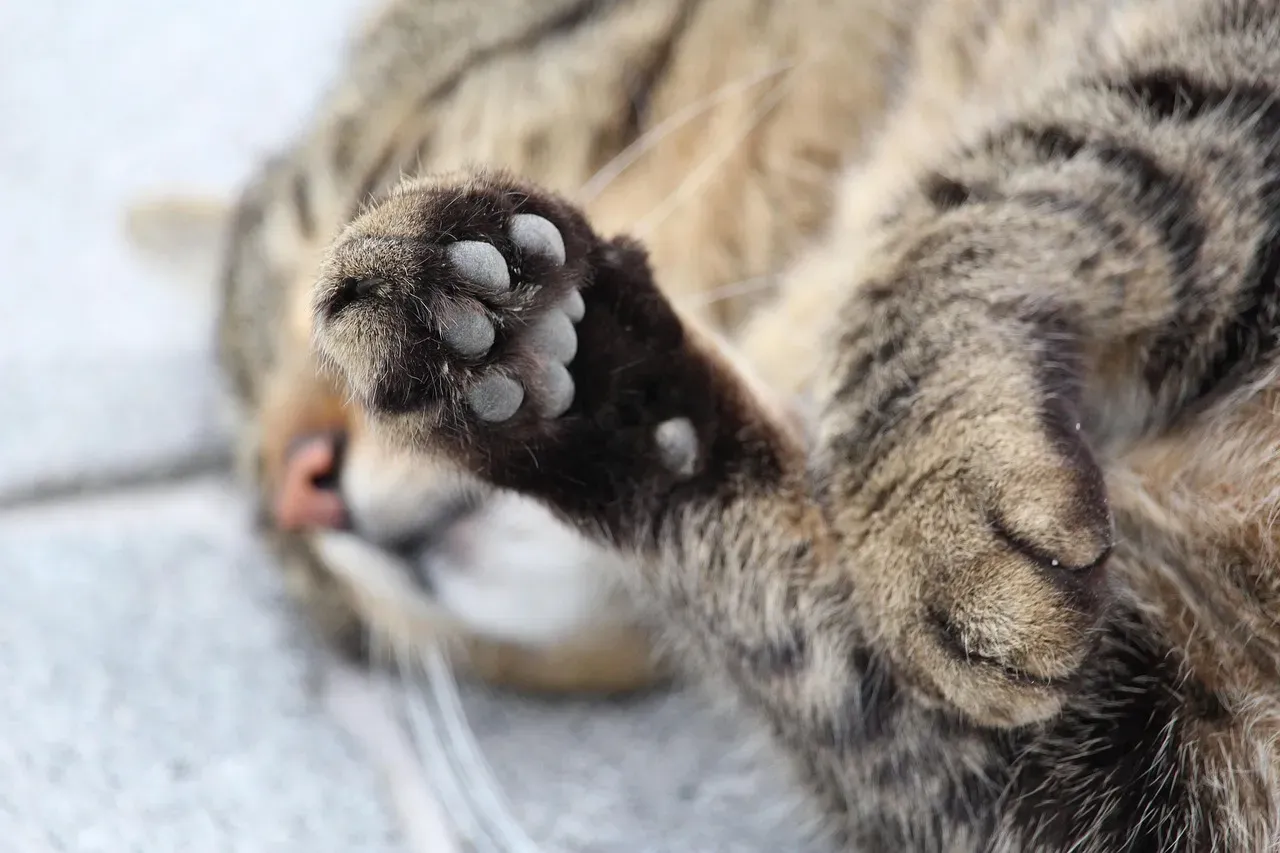
Here’s where things get fascinating. Cats have scent glands between their toes, and when they knead an object or a person, their scent is deposited onto that surface, allowing the cat to mark his territory. Your cat isn’t just enjoying a moment of relaxation. They’re actually claiming you as their own.
Cats have scent glands in their paws that release their scent as they knead or scratch, and by kneading on your lap, they’re making sure their cozy spot smells of their odor to make them feel safe and reassured. While you can’t detect these pheromones yourself, other cats certainly can. It’s your cat’s way of saying to the world: this human belongs to me. Honestly, it’s kind of touching when you think about it.
The Emotional Release Your Cat Experiences
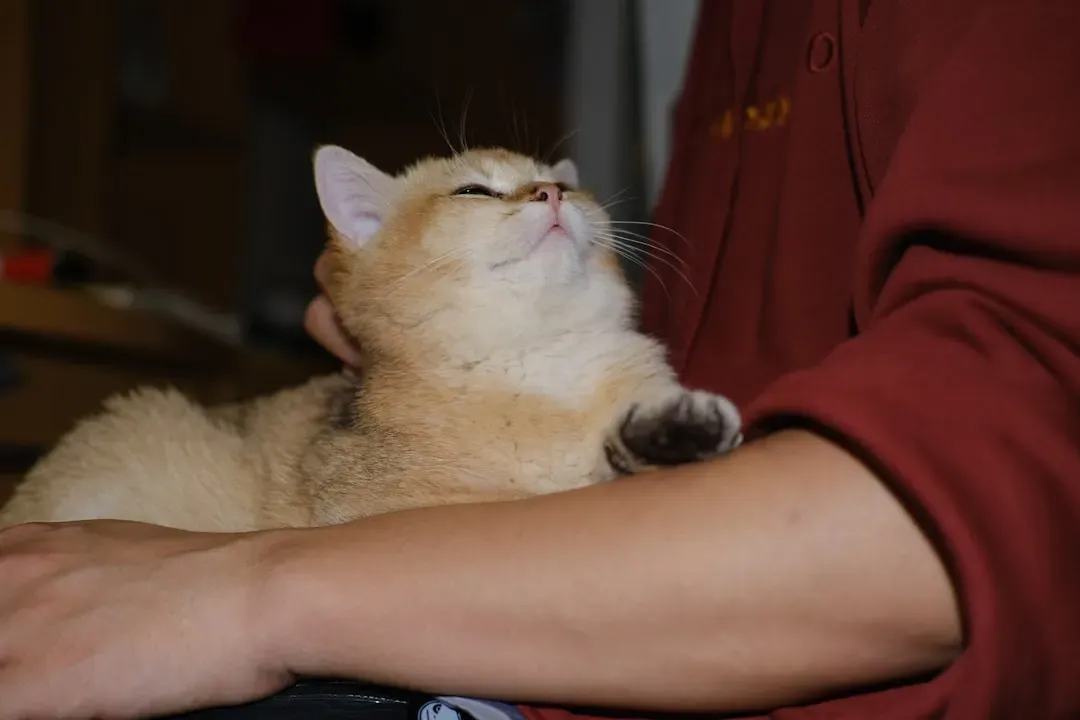
Let me ask you something: have you ever noticed your cat seems almost trance-like when they knead? There’s a reason for that. The action of kneading in cats causes the release of the pain-relieving, feel-good chemical dopamine in the brain.
Cat kneading triggers the release of endorphins, which are natural mood-enhancers, meaning that when your cat kneads, it is also experiencing a pleasurable sensation and is self-soothing and finding comfort in your presence. It’s hard to say for sure, but your cat might actually be creating their own little natural high. The rhythmic motion, the soft surface, your presence – all of it combines to create a moment of pure bliss for your feline companion.
When Kneading Becomes a Stress Relief Mechanism
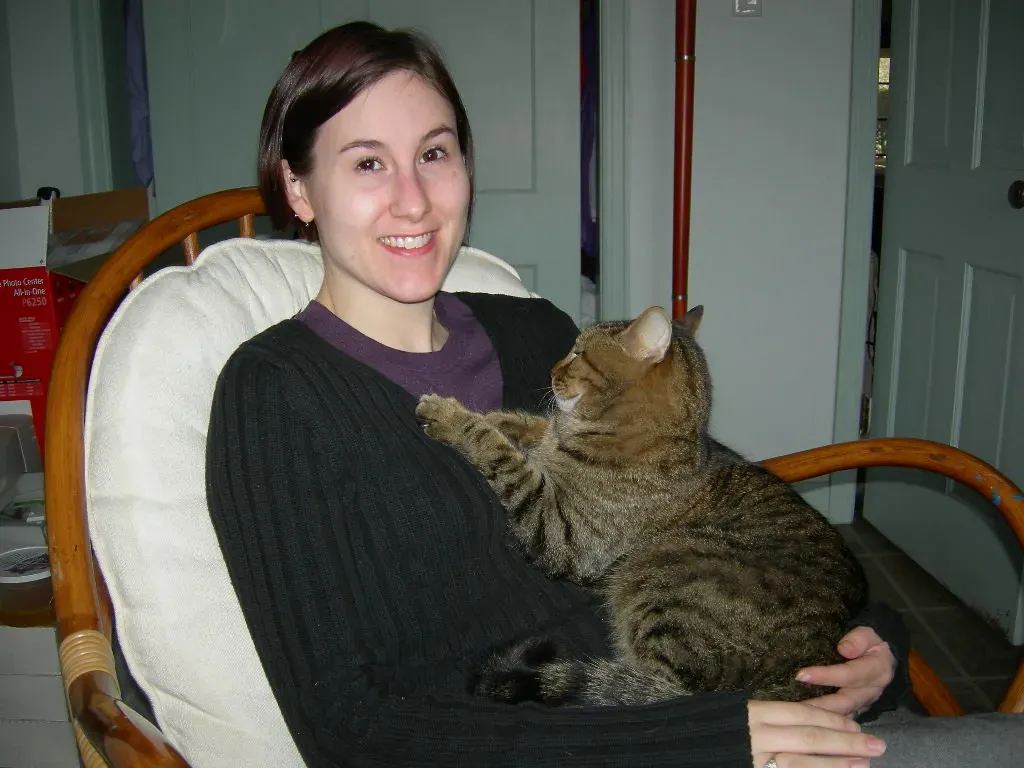
Kneading isn’t always about happiness, though. Sometimes it serves a different purpose entirely. Some cats knead as a response to stress or anxiety, and kneading can serve as a self-soothing mechanism, helping cats cope with challenging situations or changes in their environment.
A cat may knead more frequently when introduced to a new home, during a visit to the veterinarian, or in the presence of unfamiliar people or animals, as the act of kneading provides a sense of familiarity and comfort, helping the cat navigate through stressful experiences. It’s similar to how some people might fidget with their hands or tap their feet when nervous. Your cat is essentially using this motion to calm themselves down, to find a bit of peace in an uncertain moment.
The Physical Benefits Behind Those Rhythmic Paws
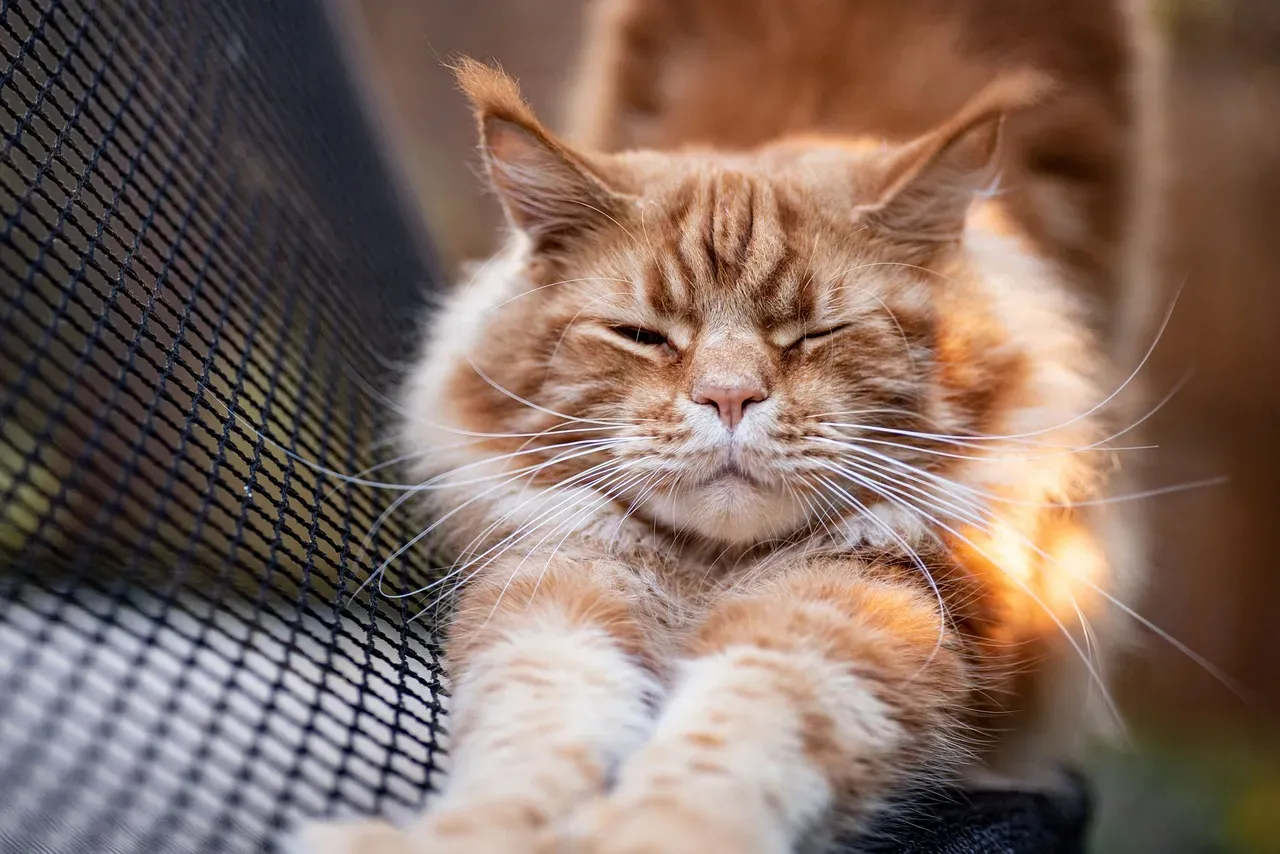
Beyond the emotional aspects, kneading also serves practical physical purposes. While some cats knead to relax, others are actually looking for a mini workout, as the act of kneading is also a way for your kitty to stretch and flex their paws, with stretching helping maintain muscle and tendon health, promoting flexibility and circulation.
Think about it like this: after a long nap, your cat wakes up and needs to get the blood flowing again. Those kneading motions help work out any stiffness in their paws and legs. It’s their version of doing morning stretches, except they’re doing them on your lap. You’re essentially their personal yoga mat.
What It Means When Your Cat Stares While Kneading
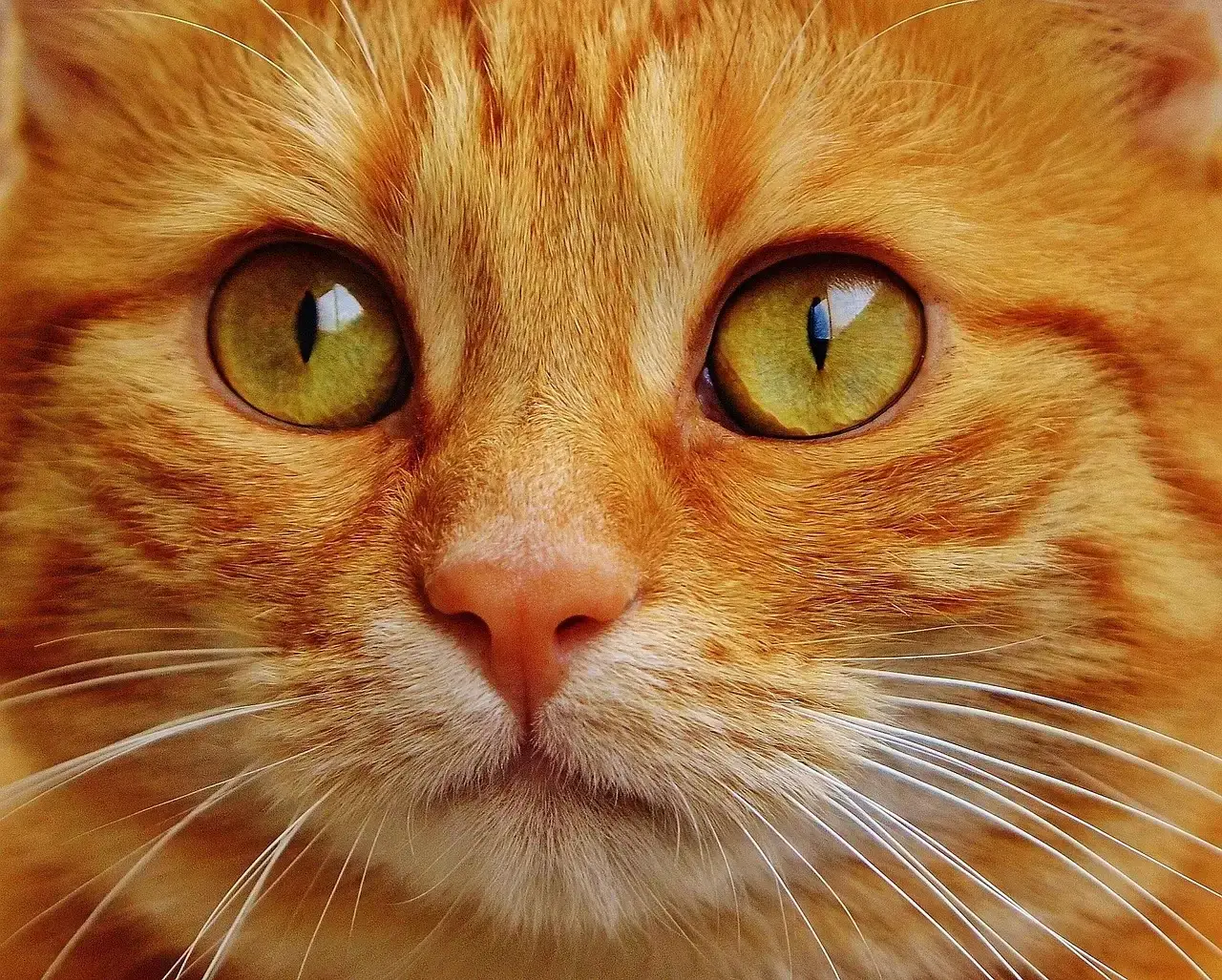
Have you ever experienced your cat kneading away while maintaining direct eye contact with you? It can feel a bit intense, right? If your cat kneads and maintains eye contact with you, it means that they are showing their affection towards you, as cats will often stare at their owners while purring and kneading, showing their love and trust.
If your cat kneads on or around you, it means they feel as safe and relaxed around you as they did with their mother as a kitten. That’s a pretty big deal when you consider how independent and sometimes aloof cats can be. Your cat is essentially giving you the highest compliment possible in feline language: you are family.
Why Domestication Changed Everything About This Behavior
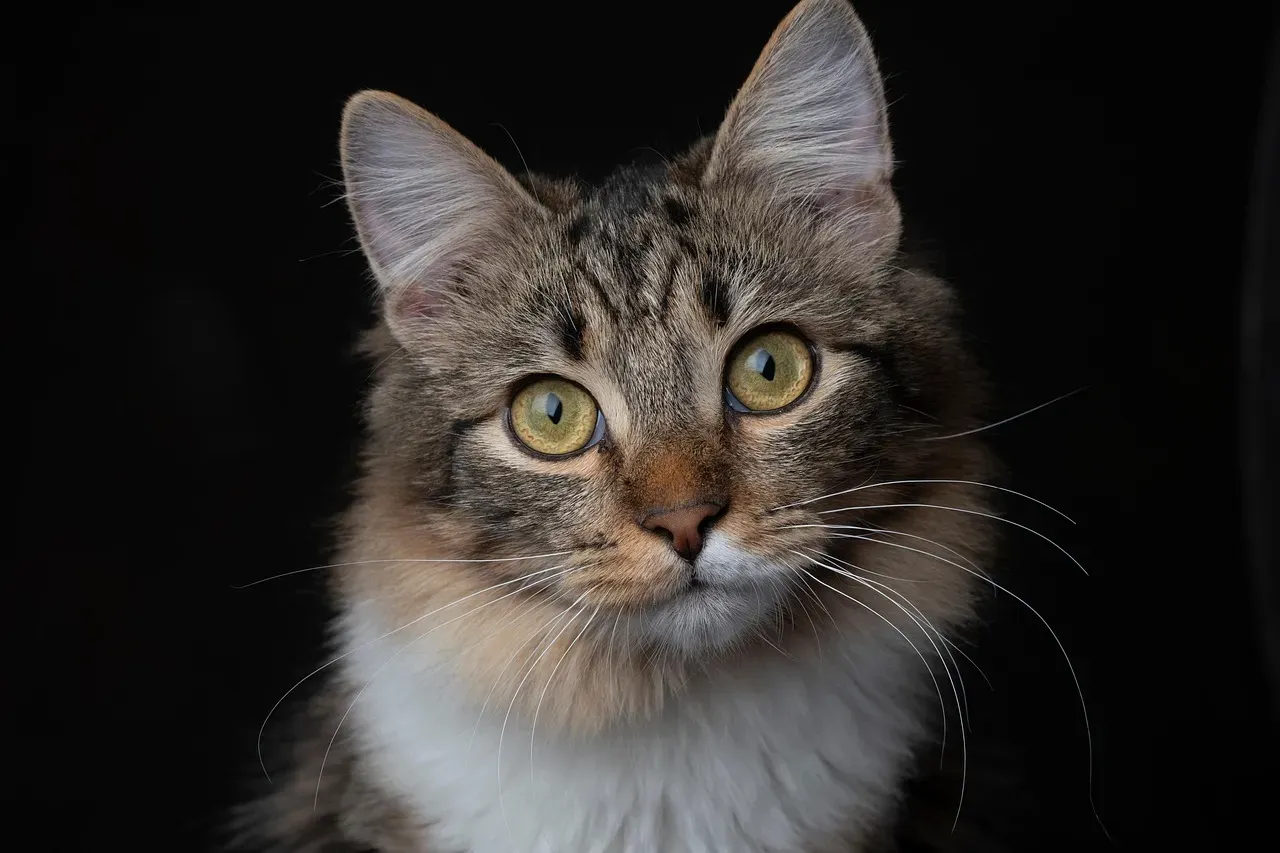
Here’s something that might surprise you. Free-living domestic cats that aren’t socialized towards humans don’t tend to perform these behaviors when they leave the nest, as to them, those behaviors are something that they mostly only do when they’re around their littermates and their mother, not as independent adult cats.
Domestic cats take these social behaviors into adulthood because they’re in these very social situations throughout their whole lifetime, as humans have actually maintained these kitten-like features in our cats. Living with humans has essentially kept cats in a perpetual state of kittenhood in some ways. They’ve retained behaviors that wild cats would have abandoned, all because their relationship with us encourages it.
The Wild Ancestor Connection You Never Knew About
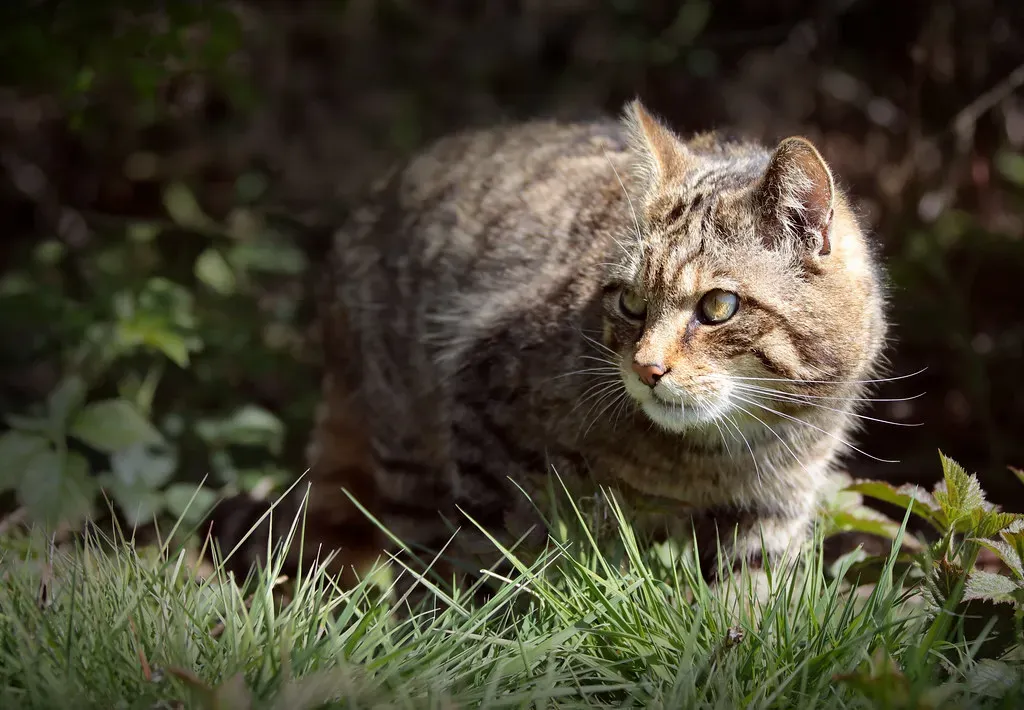
While domestic cats knead for emotional reasons, their wild ancestors had more practical motivations. Kneading may have an origin going back to cats’ wild ancestors who had to tread down grass or foliage to make a temporary nest in which to rest. Imagine a wild cat in tall grass, carefully patting down the vegetation to create a comfortable, safe spot to sleep or give birth.
Wild feline species will sometimes knead soft grasses and other bedding materials in their natural habitats as they prepare for rest, and this form of kneading may also be practiced by domestic cats on their beds, blankets, and other favorite sleeping spots. So when your cat kneads your blanket before settling down, they’re following an ancient instinct, one that’s been passed down through countless generations of felines.
Understanding Your Cat’s Unique Kneading Style
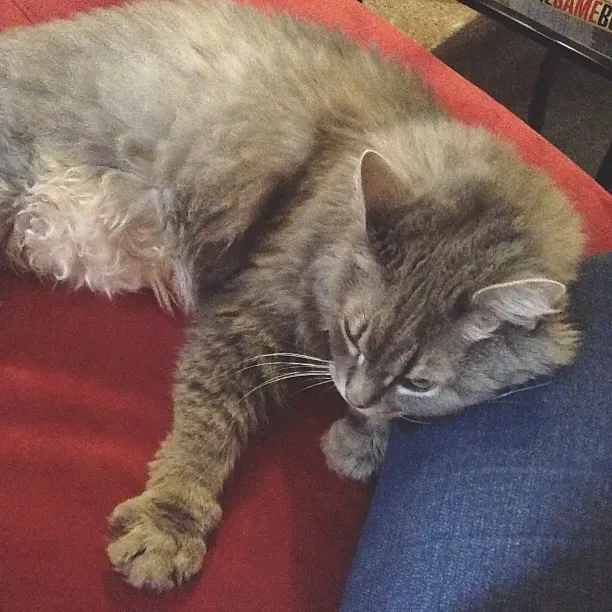
Not all cats knead the same way, and some don’t knead at all. If you have more than one cat, you may notice that one is constantly busy in the biscuit factory, while the others hardly work, and experts say this is normal, as the frequency of kneading varies greatly and is influenced by individual personalities, past experiences, and levels of comfort.
There are simply a lot of differences between individual cats, and the need to knead (or absence of it) doesn’t necessarily indicate how they feel about you, although cats with early positive experiences with humans may be more likely to do this. If your cat doesn’t knead, it doesn’t mean they love you any less. They might just express their affection in different ways, like sitting next to you or following you around the house.
Conclusion: Embracing the Beautiful Language of Paws
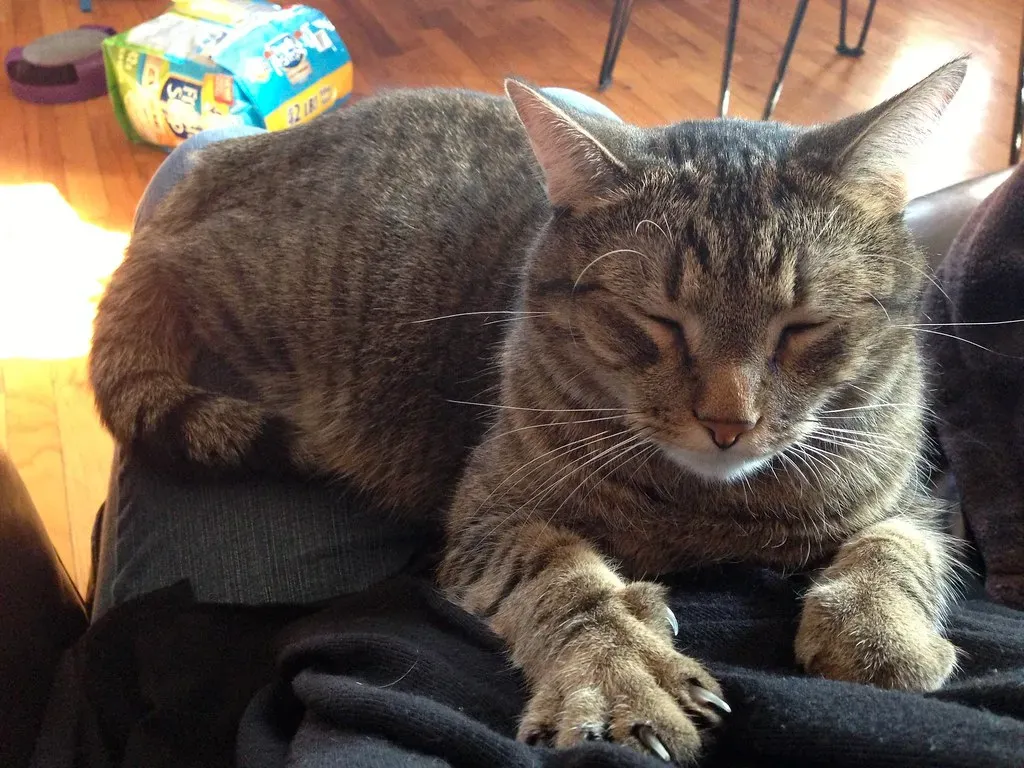
When directed toward humans, kneading and bunting signify trust, love, and the desire to strengthen the human-cat bond. Every time those paws press into your lap, your cat is speaking a language that goes back thousands of years. They’re telling you that you matter, that you’re safe, that you’re home.
Experts recommend trying not to discourage kneading too much because they’re actually showing you a sign of affection. The next time your cat settles onto your lap and begins that rhythmic motion, take a moment to appreciate what’s really happening. You’re witnessing an act of pure trust, a gesture that says more than any meow ever could.
What does your cat’s kneading tell you about your bond? Share your experiences in the comments below.