You’ve probably noticed it a hundred times. That soft padding of paws behind you as you walk from the kitchen to the bedroom. Your cat, shadow-like and persistent, weaving between your legs or sitting just outside the bathroom door. It’s endearing, sometimes puzzling, and occasionally a little overwhelming when you just need five minutes alone.
So why does your feline friend insist on being your constant companion? The answers might not be what you think. Sure, love plays a role, but the motivations behind this behavior run deeper and more fascinating than simple affection. From evolutionary instincts to emotional needs, your cat’s tendency to follow you reveals a complex web of feline psychology that most owners never fully understand. Let’s dive into the surprising reasons behind this adorable stalking behavior.
They’re Showing You Genuine Affection
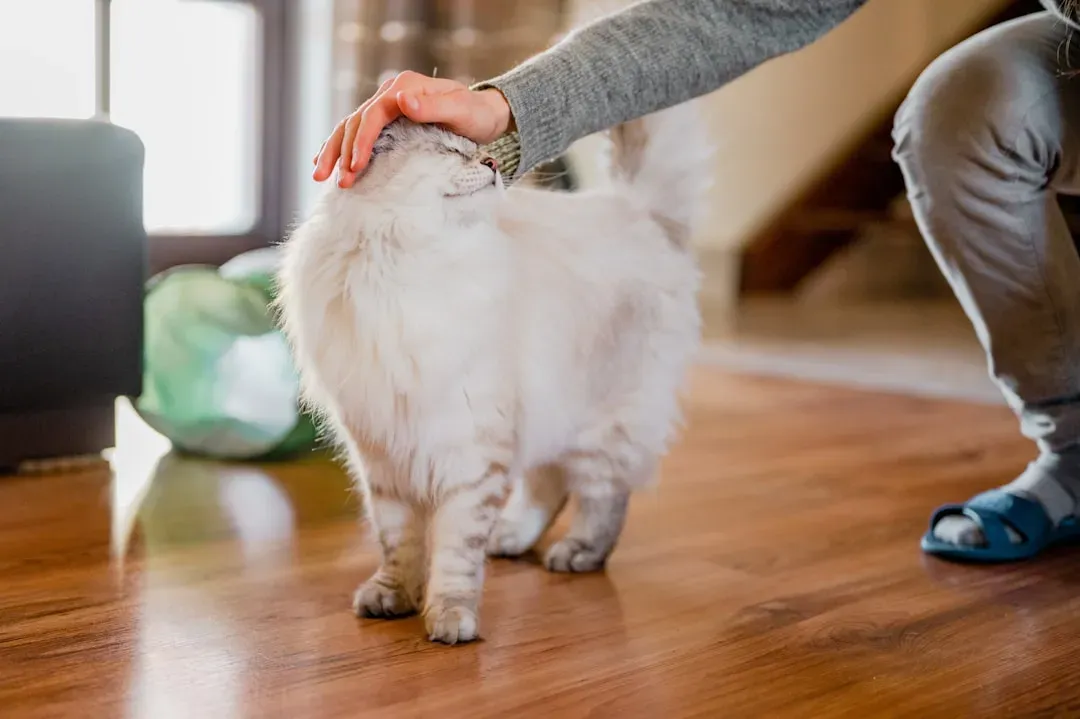
Most cats follow their owners as a way of expressing affection and securing their presence, which is entirely normal and indicative of a strong attachment. When your cat trails you from room to room, they’re actually telling you something important: you matter to them. This isn’t the aloof, indifferent creature that stereotypes would have you believe.
Your cat does indeed love you, having formed genuine and unique bonds with their human caretakers after living amongst humans for so long. Think about it this way: your cat has chosen you as their favorite person in the entire world. They could be napping in a sunbeam or grooming themselves, but instead they’re padding after you, just wanting to be in your presence. These cats may quietly accompany you from room to room, sitting nearby rather than on you. It’s marked by calmness rather than desperation.
They See You as Their Source of Security
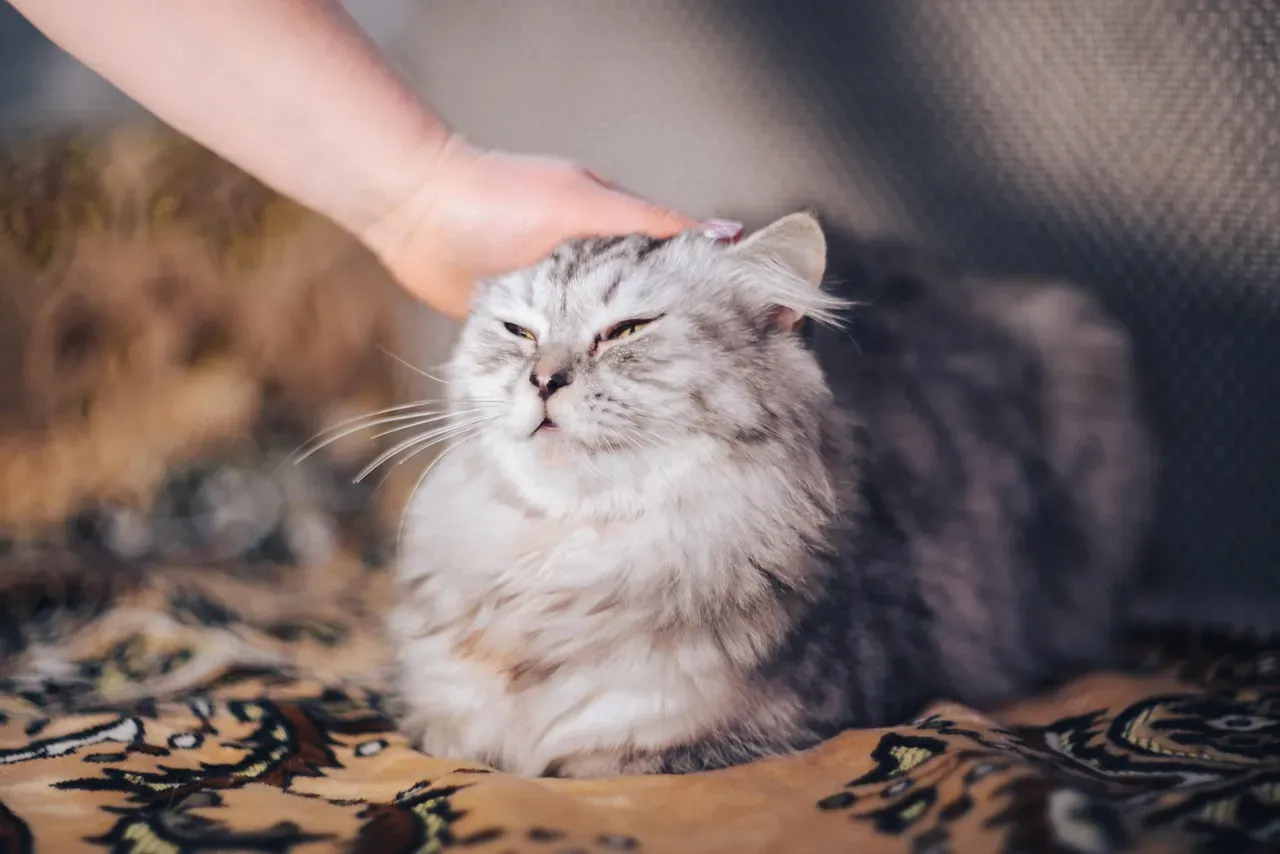
Here’s something that might surprise you: cats show a similar capacity for the formation of secure and insecure attachments towards human caregivers previously demonstrated in children and dogs, with the majority of individuals in these populations securely attached to their caregiver. This means your cat isn’t just tolerating you or using you for food. They genuinely view you as a protective figure.
Cats naturally form tight family units with each other and their human family members, and because of this, the need for social interaction and the security of a group is ingrained in them. When your cat follows you around, it may be because he enjoys your company and feels you are both safest when you’re together. In vulnerable moments or stressful situations, your cat instinctively seeks you out. You’re their safe harbor in an uncertain world, and following you is their way of staying close to that security blanket.
You’re About to Feed Them (Or So They Hope)
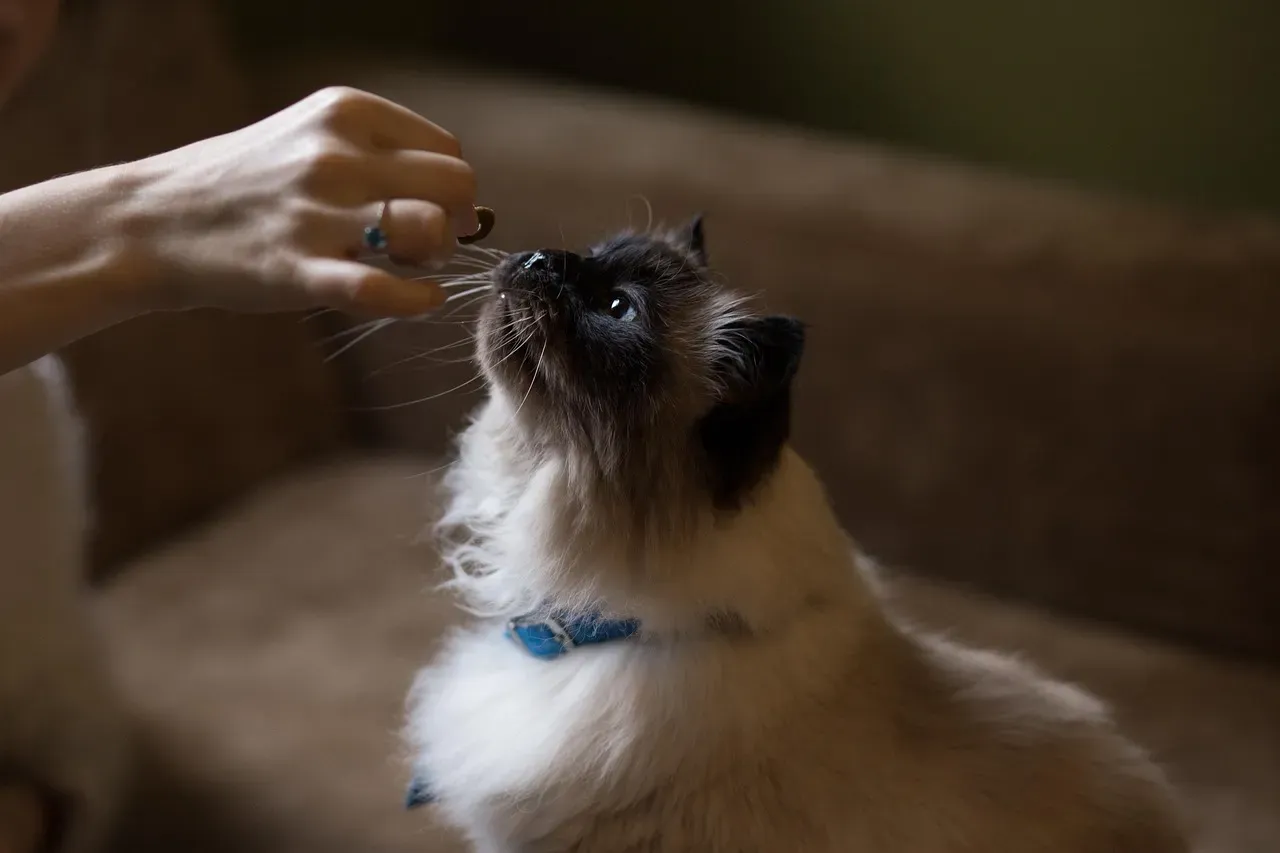
Let’s be real here. One of the main reasons your cat may be following you around is to let you know he’s hungry or that his food bowl is empty, and some cats have a larger appetite than others and may feel the need to eat often throughout the day, which could cause your cat to follow you around until he’s fed. If you notice this behavior intensifies around meal times, you’ve got your answer.
A hungry cat might walk to their food bowl, then back to you, repeatedly, which is their way of guiding you to the problem – an empty food bowl. Cats are smarter than we give them credit for. They’ve figured out that you’re the food dispenser, and they’re not about to let you forget it. The persistent following, the vocal meows, the intense staring – it’s all part of their strategy to remind you that dinner time is approaching. Some cats have better internal clocks than most humans do.
Curiosity Is Driving Their Detective Instincts
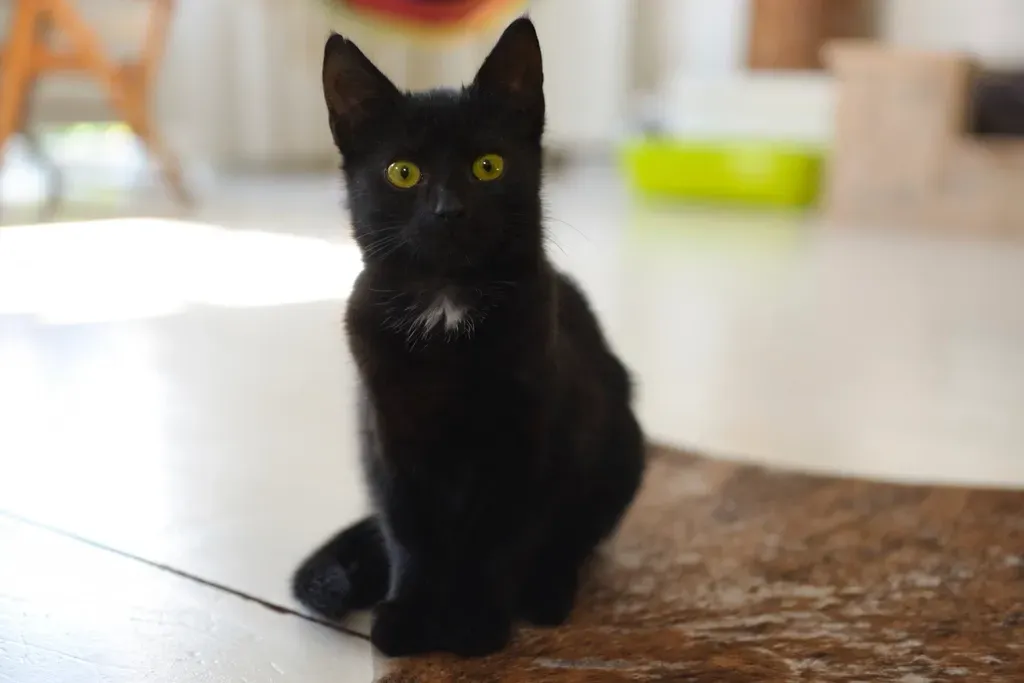
Cats naturally like to investigate and explore their surroundings, and you may find that when you open a door to a room or space your cat doesn’t normally venture into, he may follow you to see what you’re doing and check out the area. Your daily routine is actually quite fascinating to your cat. They want to know what happens behind that closed bathroom door or what mysterious activities occur in the laundry room.
Rather than being a fascination with your bodily functions, it’s more likely that your cat is curious about what’s inside the ‘mystery’ room that they are often locked out of, having taken the opportunity to have a look around. Think about it from their perspective: you disappear into various rooms throughout the day, and they have no idea what you’re doing in there. Following you satisfies their natural inquisitiveness and ensures they don’t miss out on anything interesting. Maybe you’ll open a closet they’ve never explored, or perhaps something exciting will happen.
They’re Desperately Bored
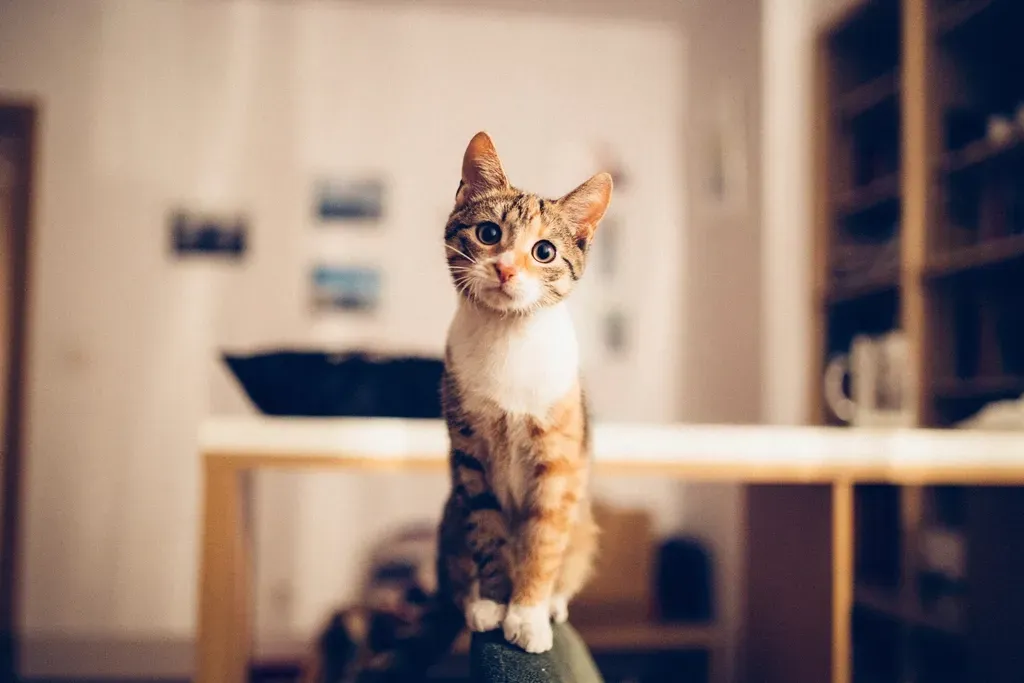
Bored cats will often follow you around, and they aren’t typically shy about expressing themselves – their pursuit might have a sense of desperation and restlessness as they’re eager to see something interesting happen. This isn’t the calm, affectionate following we talked about earlier. This is different.
When boredom strikes, your cat becomes your shadow out of sheer desperation for stimulation. That might include destructive scratching, knocking things over, unleashing a fierce case of the zoomies, yowling at the top of their lungs, or jumping onto counters. If you’ve been working long hours or haven’t engaged in play sessions lately, your cat is essentially saying through their following behavior that they need entertainment. You’re the most interesting thing in their environment, and they’re hoping you’ll finally do something exciting or interactive with them.
They Want Your Attention Right Now
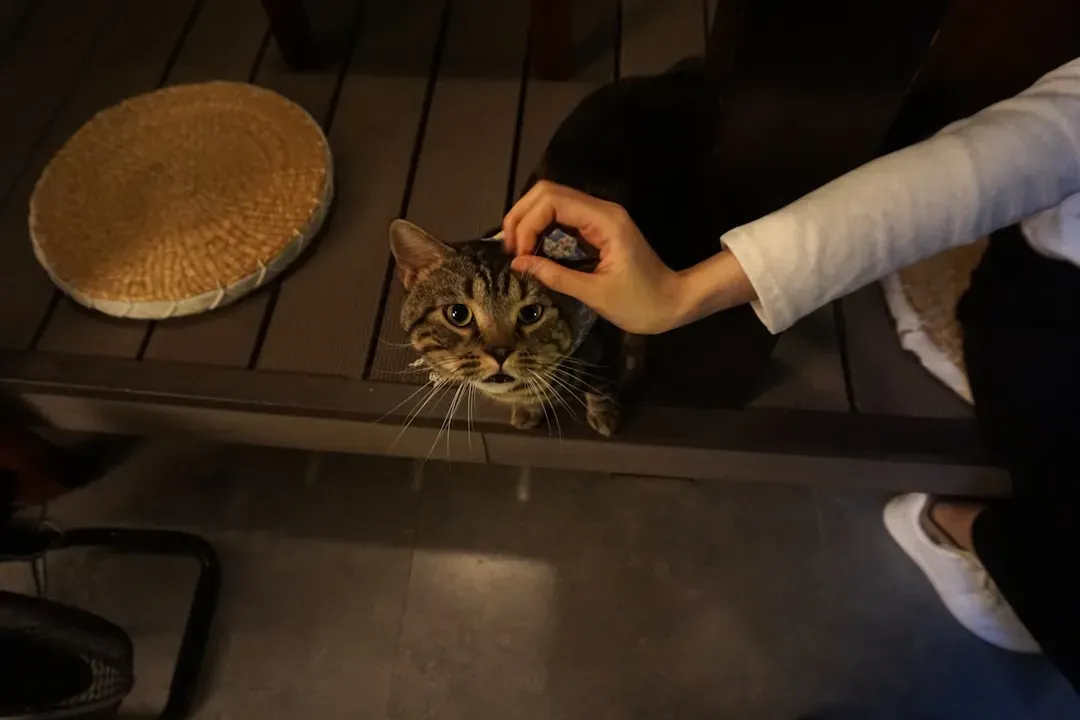
This behavior is particularly common in younger or more socially active cats who thrive on interaction, especially in environments where they feel comfortable and stimulated. Unlike the quietly affectionate follower, attention-seeking cats make themselves known. They’re not subtle about their needs.
If your cat is following you for attention, play, or affection, they might nudge you with their nose, paw at you, bunt or head butt you, or rub up against you, and you might also see increased meowing and vocalizations like chirps, trills, and purring. This type of following is interactive and demanding. Your cat isn’t content to just be near you – they want engagement. They want you to stop what you’re doing and acknowledge them. Whether it’s playtime, petting, or just some verbal interaction, they’re making it clear that your attention is required immediately.
They’re Feeling Anxious or Stressed
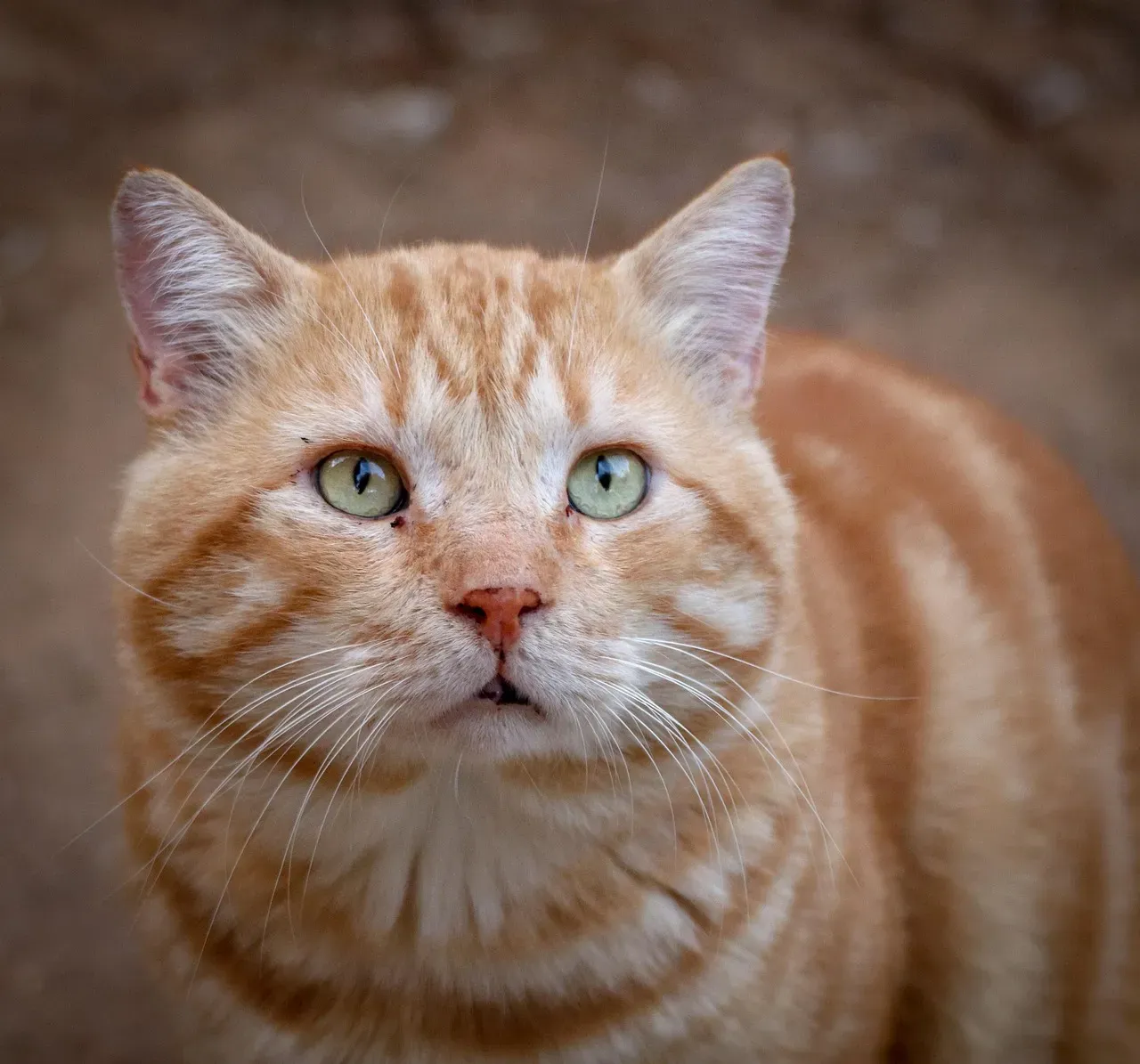
Anxiety, and particularly separation anxiety, can significantly influence a cat’s following behavior, as anxious cats typically follow their people to assure themselves of their caregiver’s presence. This is one of the more serious reasons for constant following behavior, and it looks different from affectionate shadowing.
By shadowing your every step, these kitties cling to a sense of safety and security, and unlike healthy following behavior, anxiety-driven cats who follow you around will often have distressed or excessive vocalization, restless movement, noticeable changes in appetite, and agitated body language like a hunched posture or swishing tail. Changes in the household like moving homes, new pets, or disruptions to routine can trigger this anxious following. If you notice your cat following you closely after you’ve come back home after work or a trip, this could be a sign that they felt uneasy while you were away, as some cats are more attached to their owners than others, and some can even experience separation anxiety similar to dogs.
They’re Protecting You (Yes, Really)
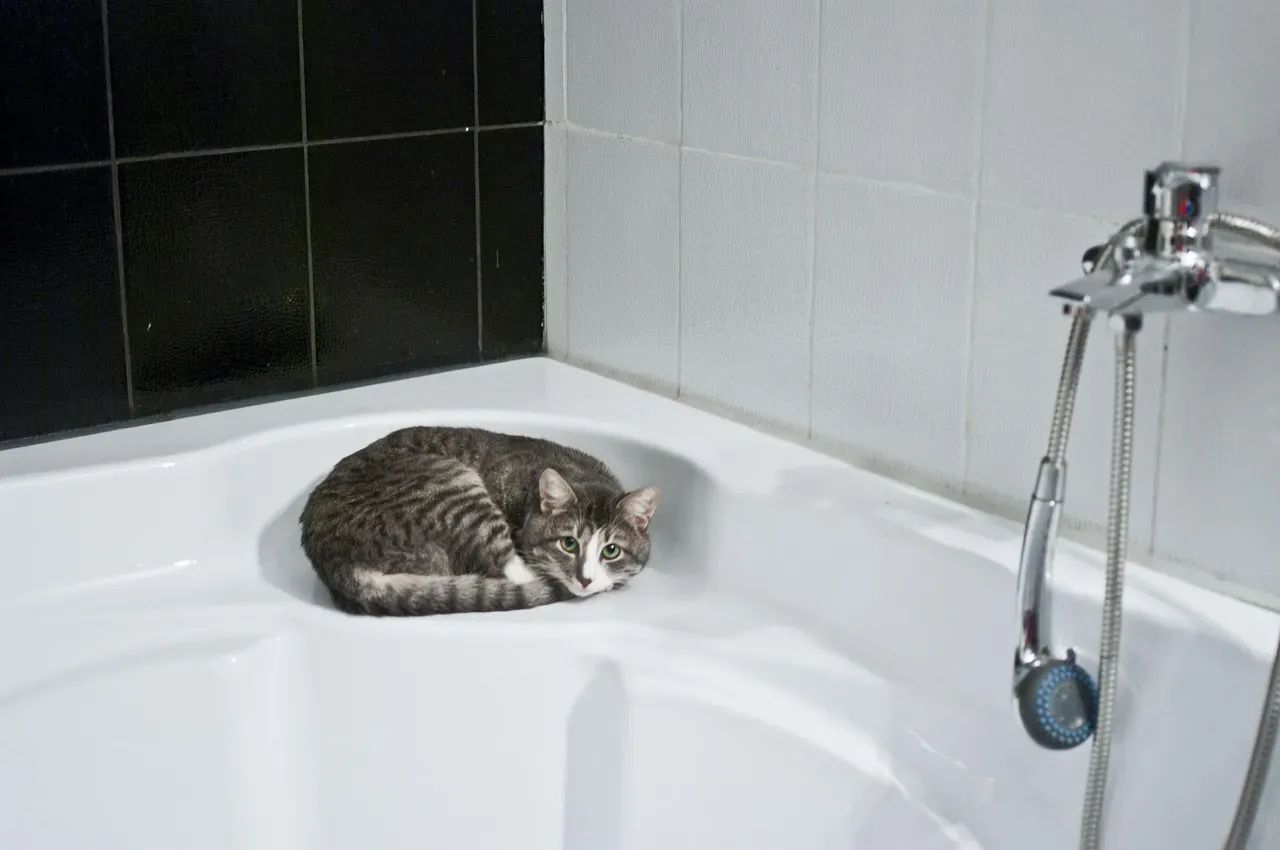
This might sound strange, but your cat actually thinks they’re protecting you in vulnerable moments. The acts of urinating and defecating are vulnerable times for cats: they must remain stationary, and the smell of urine and feces may attract predators, so your cat may want to stay with you in the bathroom to protect you. I know it sounds crazy, but this behavior stems from deep evolutionary instincts.
Your cat understands vulnerability because they experience it themselves. When you’re in the bathroom with the door closed, from their perspective, you’re in a confined space where you can’t easily escape if danger appears. Their following behavior in these moments is actually a protective gesture. They’re standing guard, making sure nothing threatens you while you’re in this compromised position. It’s both endearing and a testament to how deeply they care about your wellbeing, even if it does mean you never get a moment of privacy.
Something Might Be Wrong with Their Health
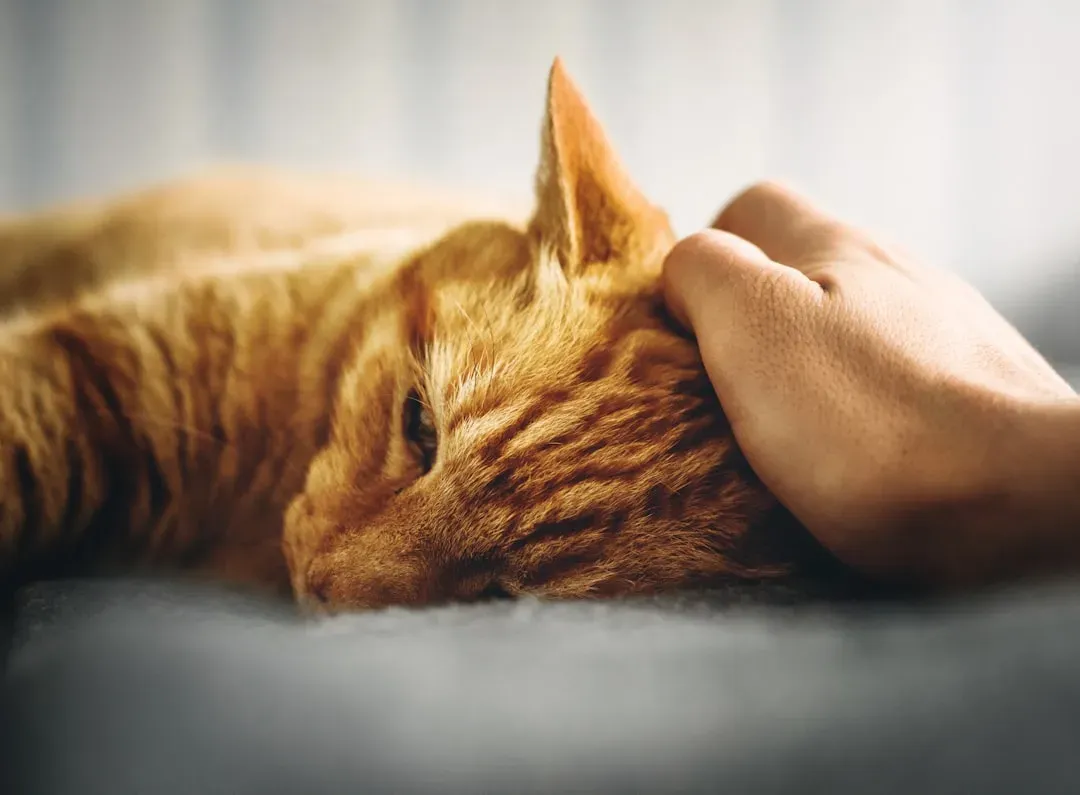
Because the family unit is necessary for a cat to feel secure, your kitty may follow you more often and for longer periods when he doesn’t feel well, and if your cat is following you around more often and showing signs like changes in appetite, changes in water intake, vomiting, diarrhea, breathing issues, or trouble walking normally, take them to the veterinarian. This is crucial to pay attention to.
If there haven’t been any changes to your cat’s routine or disruptions to the household and they’ve suddenly decided to stick to you like glue, they might be sick or in pain, as several medical issues could cause a cat to follow their caregiver more than usual, including thyroid problems, hearing or vision loss, or cognitive dysfunction in older cats. Sudden changes in following behavior, especially when accompanied by other symptoms, shouldn’t be ignored. Cats can’t tell us when they’re feeling unwell, so they communicate through behavior changes. Increased clinginess might be their way of seeking comfort or letting you know something isn’t right.
They’ve Learned It Gets Results
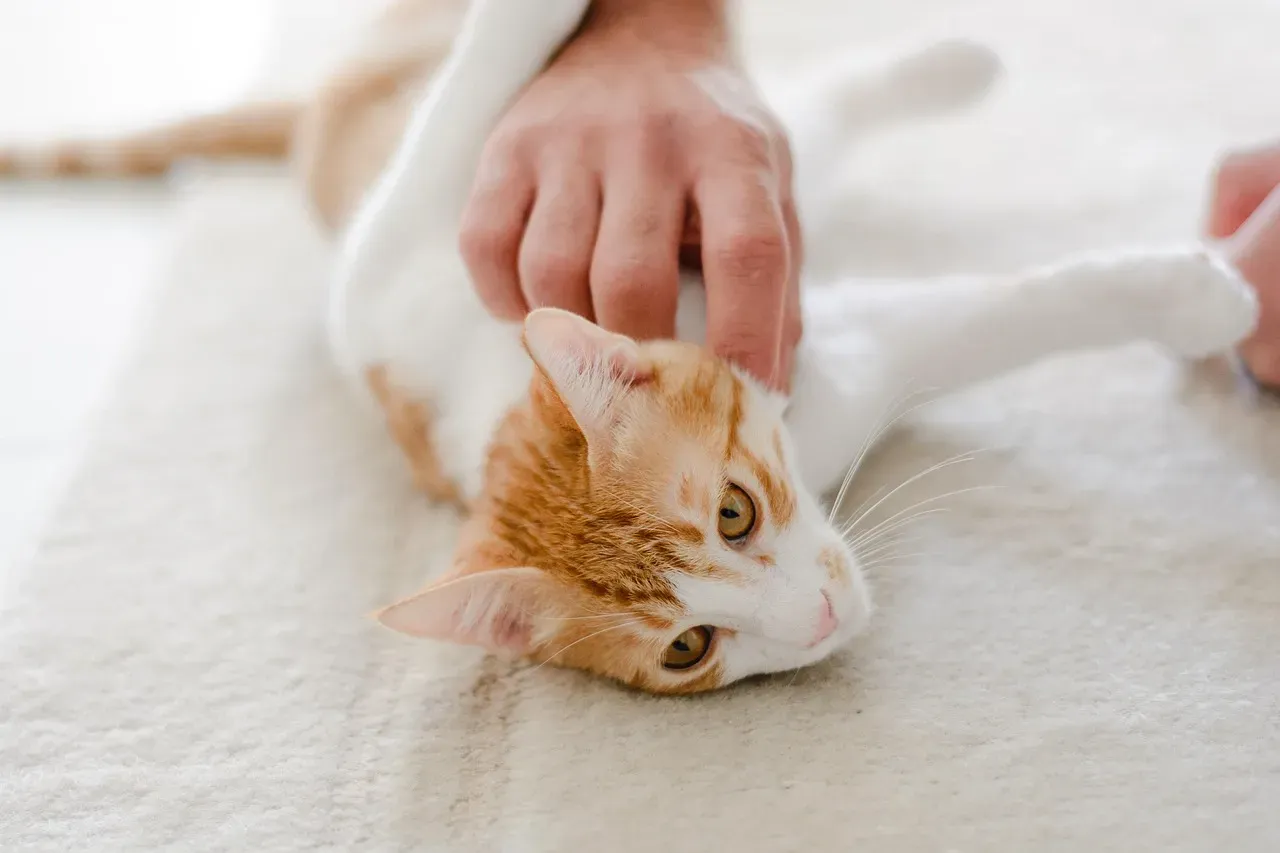
A cat often follows its humans around everywhere because it has previously received attention or some other form of reward in response to this behaviour, and if you want to encourage a behaviour, make sure it leads to treats, praise or pats, so that your cat will remember and repeat it frequently. Cats are incredibly intelligent and learn patterns quickly.
If following you has historically resulted in something positive – whether that’s food, treats, playtime, or affection – your cat has made that connection. They’ve essentially trained themselves (and you) through reinforcement. Every time they follow you and something good happens, that behavior gets strengthened in their mind. This isn’t manipulation in a negative sense; it’s just smart feline behavior. They’ve figured out a system that works, and they’re sticking with it. You might not even realize you’re reinforcing this pattern, but your cat certainly has.
Conclusion: Understanding Your Feline Shadow
The reasons behind your cat’s constant companionship are as varied and complex as cats themselves. From deep emotional bonds and security needs to practical concerns like hunger and health issues, your cat’s following behavior tells a story about their relationship with you and their internal state.
Most of the time, it’s nothing to worry about; in fact, it’s generally a sign of love, loyalty, and a desire for your company, and if your cat is strongly attached to you, they will naturally want to be near you as much as possible – if then it’s probably a sign that they trust and love you and that you make them feel safe. Understanding these motivations helps you respond appropriately, whether that means scheduling more playtime, addressing anxiety, or simply appreciating the bond you share.
So the next time you hear those familiar paw steps behind you, take a moment to consider what your cat might be communicating. Are they expressing love, seeking security, or asking for something specific? What do you think motivates your own feline shadow? Share your experiences in the comments below.