Have you ever wondered why your cat insists on sleeping in that particular cardboard box when you bought an expensive cat bed? Or why they always curl up on your laptop keyboard right when you need to work? The truth is, your feline friend isn’t just being quirky or difficult.
The spot where your cat chooses to snooze actually tells an incredible story about what they need to feel safe, comfortable, and content. From sunny windowsills to your freshly laundered clothes, each location serves a specific purpose in their quest for the perfect rest. Let’s dive into this fascinating world of feline sleep preferences and discover what your cat is really trying to tell you.
The Warmth Seeker: Cats Who Love Sunny Spots and Heat Sources
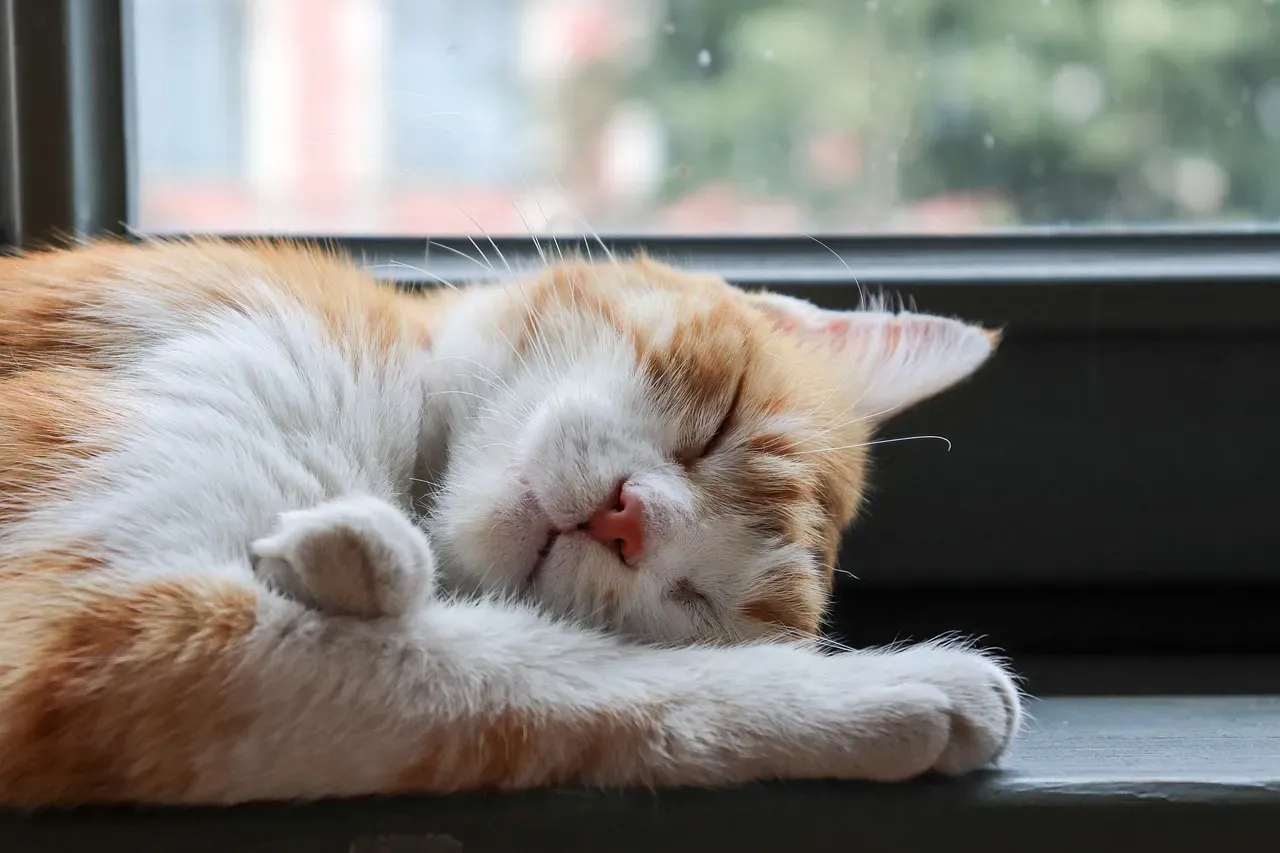
If your cat gravitates toward sunny windowsills, radiator tops, or that one warm spot near the heating vent, they’re sending you a clear message about their temperature needs. Many cats seek warmth, and a pile of freshly laundered towels, bed blankets, and sofa cushions all make cozy sleeping spots. This behavior goes beyond simple comfort.
Cats naturally prefer warmer environments, and when they choose these heated locations, they’re conserving energy while regulating their body temperature. Think about it like this: why waste precious calories staying warm when you can find a pre-heated spot? Ensuring they have a warm spot during the cold months and a cooler area when it’s hot is essential for their comfort and sleep quality. Your heat-seeking cat is actually being brilliantly efficient.
Interestingly, these warm-spot lovers might need extra cozy options during winter months. Consider adding a heated pet bed or placing their favorite blanket near a safe heat source to help them maintain that perfect temperature they crave.
The Security Enthusiast: Enclosed Spaces and Hidden Corners
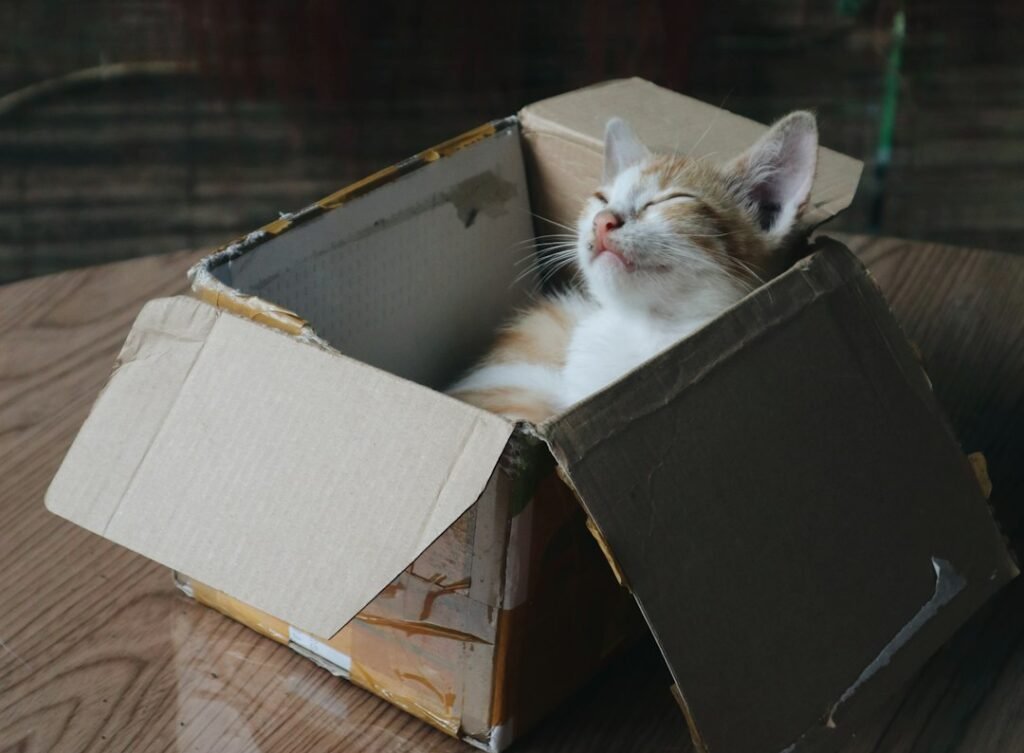
Cats are both predator and prey animals. They have an instinctual need for secure hiding spots, which explains their often-observed fascination with jumping into empty cardboard boxes. Much like tents provide shelter and security for humans, boxes offer cats a cozy refuge that keeps them warm and gives them a strategic vantage point with an easy exit route.
Does your cat squeeze into drawers, hide under beds, or claim that old shoebox as their personal sanctuary? This isn’t weird behavior at all. These enclosed spaces tap into deep-rooted survival instincts that remind them of secure dens in the wild. When cats sleep in vulnerable positions, they need to feel absolutely certain no predators can sneak up on them.
If your cat consistently chooses tight, enclosed spaces, they might be telling you they need more security in their environment. Creating the perfect sleeping environment for your cat involves more than just a fluffy pillow; it’s about understanding their need for security and comfort. Safety: Make the area feel secure, possibly with some cover or elevated spots.
The Height Lover: Elevated Perches and High Ground
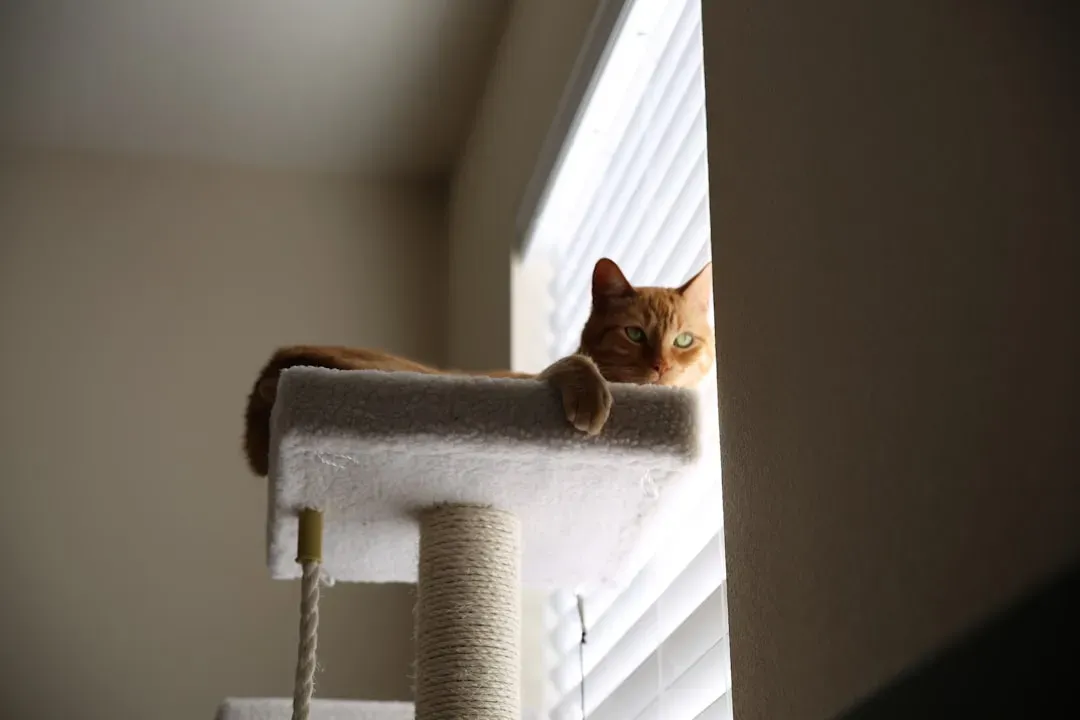
Some cats refuse to sleep anywhere but the highest point available. Whether it’s the top of your bookshelf, a cat tree tower, or even your head while you’re sleeping, these elevation enthusiasts know exactly what they want. Height equals safety in the feline world.
From an elevated position, cats can survey their territory and spot potential threats long before danger arrives. This strategic sleeping choice reflects a confident cat who wants control over their environment. They’re basically saying they want both rest and tactical advantage at the same time.
These high-ground seekers often have strong territorial instincts and need to feel like they’re in charge of their domain. Providing multiple elevated sleeping options throughout your home can help satisfy this deep-seated need for both altitude and observation.
The Social Sleeper: On Your Lap, Chest, or Beside You
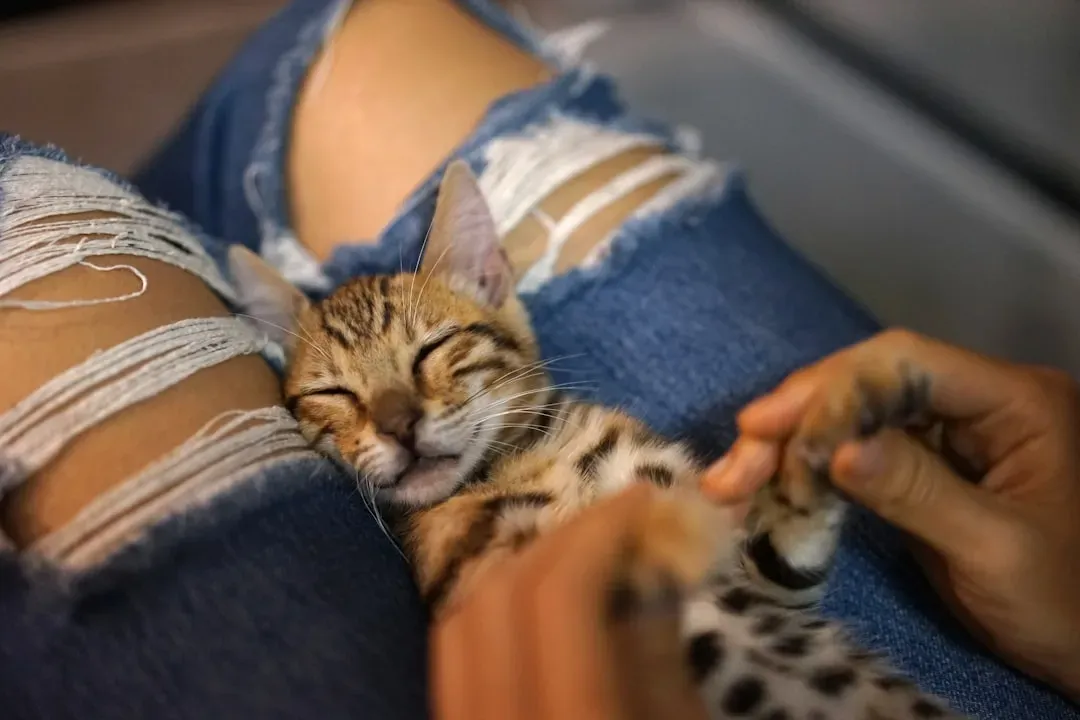
Cat social sleeping is a behaviour rooted in the social nature of felines. Again, contrary to popular belief, cats aren’t always the solitary creatures you might think. While they can be perfectly content to stroll off and explore or hunt on their own, they can also enjoy the company of their human companions, especially during rest periods. By choosing to sleep with you, your cat is participating in a communal activity that strengthens your bond and provides them with comfort and security.
When your cat climbs onto your lap for a nap or curls up on your chest, they’re making a profound statement about trust. In the wild, cats are vulnerable when they sleep, so choosing to rest with you is a sign of ultimate trust and comfort. Your heartbeat, warmth, and scent create the perfect trifecta of comfort for them.
If you’re seeing a cat laying on your chest quite regularly, you should be glad, as this is one of the most affectionate spots a cat can choose. Your chest provides warmth, the comforting sound of your heartbeat, and a sense of security. Honestly, if your cat chooses you as their sleeping companion, you’ve essentially won the feline lottery of approval.
The Texture Connoisseur: Soft Fabrics and Specific Materials
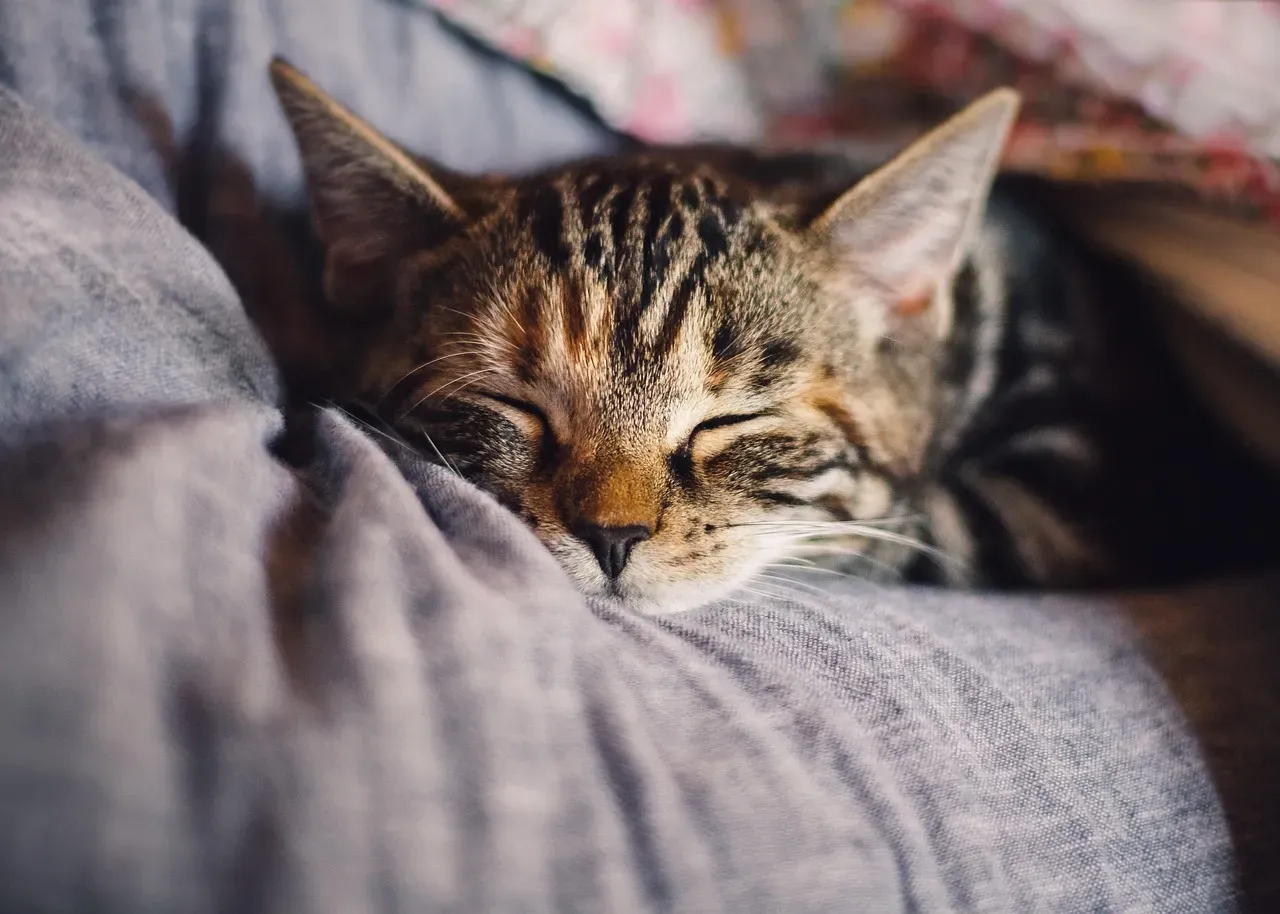
They’re drawn to the warmth, comfort, and familiar scents of laundry baskets, making them natural choices for cat napping spots. If your cat has claimed your favorite sweater, a specific blanket, or that pile of clean laundry you just folded, they’re showing you their preference for certain textures and familiar scents.
Cats have incredibly sensitive tactile senses, and the softness of particular fabrics can make or break their sleeping experience. A pile of freshly laundered towels, bed blankets, and sofa cushions all make cozy sleeping spots. It’s common to find a cat that has burrowed in or gotten under a throw blanket or pile of pillows for a nap. This behavior maximizes body heat and taps into their instinct to find a safe and secluded place to rest.
These texture lovers need options that feel good against their skin and whiskers. Providing various soft materials like fleece, flannel, or plush bedding can help satisfy their sensory needs and encourage better sleep quality.
The Temperature Balancer: Cats Who Change Spots Seasonally
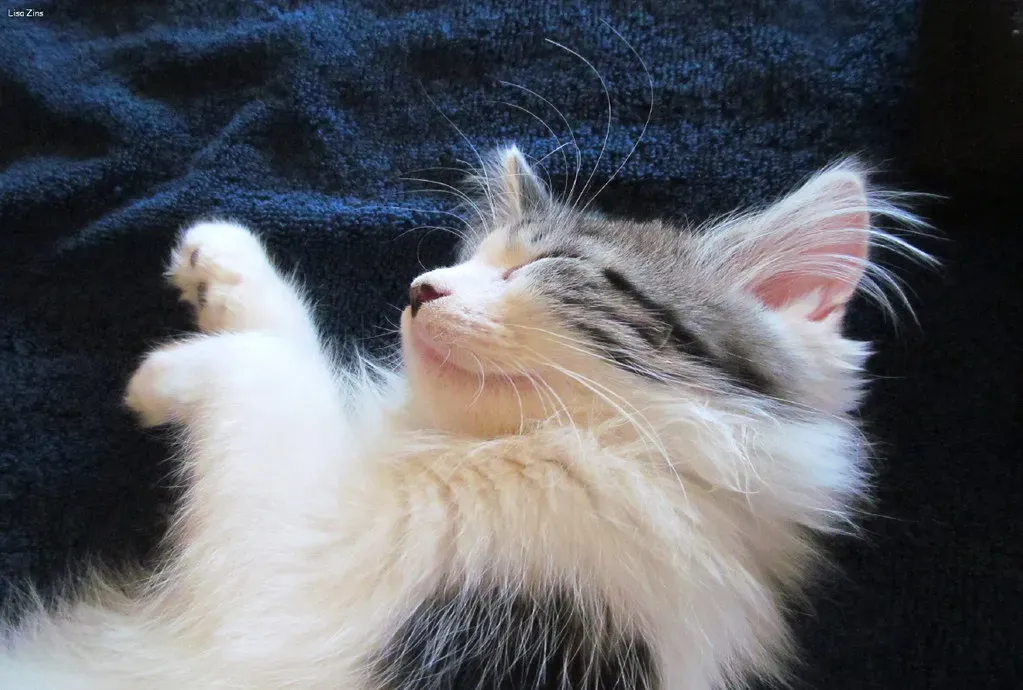
Cats prefer a warm and cozy spot to curl up. Changes in temperature and seasons can disrupt their usual sleep patterns. Has your cat abandoned their winter favorite spot now that summer has arrived? This adaptability shows remarkable environmental awareness and self-care.
Smart cats adjust their sleeping locations based on seasonal temperature changes. During winter, they might claim spots near heaters or snuggle under thick blankets. Come summer, these same cats migrate to cool tile floors, shaded areas, or even the bathroom sink. Cats often prioritize thermal comfort when selecting sleeping spots. Human feet tend not to move as much as the torso, providing a steady heat source that doesn’t disturb their sleep.
If your cat constantly moves between spots throughout the year, they’re simply being thermally intelligent. Supporting this behavior by offering both warm and cool options year-round helps them maintain optimal comfort regardless of season.
The Ground Floor Resident: Feet and Floor Level Preferences
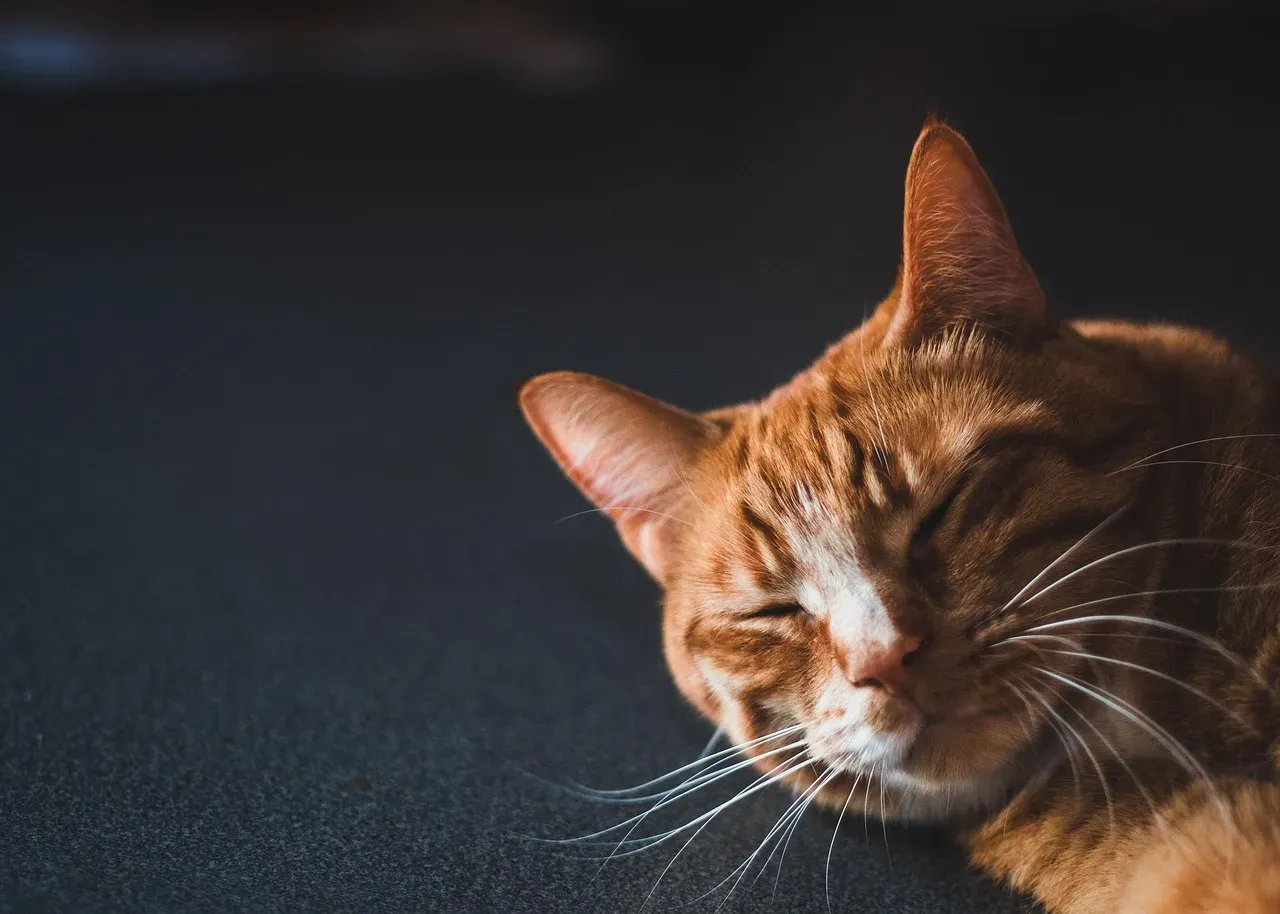
Cats find comfort and security in being close to their owners; your feet can be an ideal spot for them. It’s a place where they can stay connected with you while also keeping a bit of independence on the ground level, as the feet area offers a balance of warmth, comfort, and the ability to move quickly if needed.
Cats who prefer sleeping at your feet or on floor-level beds are showing a different comfort priority than their high-perch cousins. These ground-dwellers value quick escape routes and maintain a balance between connection and independence. They want to be near you without feeling trapped or overly exposed.
This sleeping preference often appears in cats who have strong survival instincts or who appreciate having options. They’re essentially keeping one paw ready for action while still enjoying the comfort of being close to their trusted human. It’s hard to say for sure, but this might also indicate a cat who values freedom alongside security.
The Body Position Decoder: What Curled, Stretched, and Loaf Positions Mean
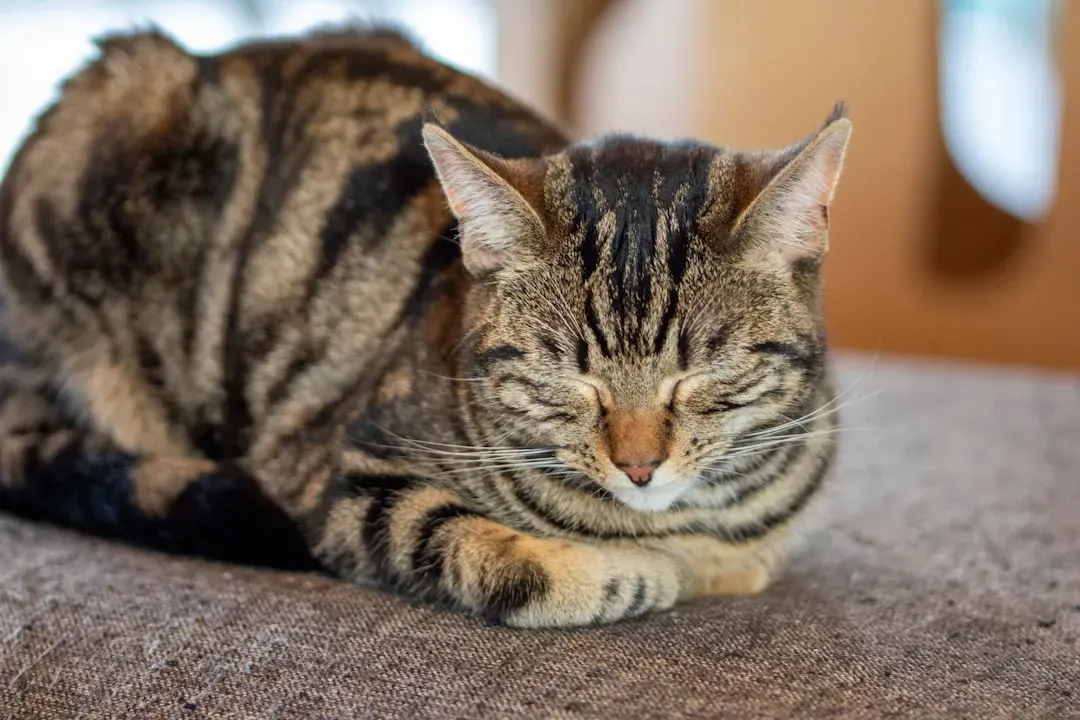
A cat curled up in a ball might seek warmth or protect its vital organs, a holdover from its wild instincts. On the other hand, a cat sleeping sprawled on its back with its belly exposed indicates a high level of trust and security in its environment, as this position leaves them most vulnerable. The way your cat positions their body during sleep reveals just as much as where they choose to sleep.
A cat lying on its side with limbs outstretched is in a deep, restful sleep. It means they’re feeling safe, stress-free, and completely at ease in their environment. This position is usually seen in well-adjusted, confident cats. Meanwhile, tightly curled cats might be seeking extra warmth or feeling slightly vulnerable.
The “cat loaf” is a common and adorable sleeping posture that many cats assume, where they resemble a loaf of bread. This position suggests light sleep where they can spring into action quickly if needed. Paying attention to these physical cues helps you understand whether your cat feels completely relaxed or is staying somewhat alert.
The Quiet Zone Seeker: Low-Traffic and Peaceful Areas
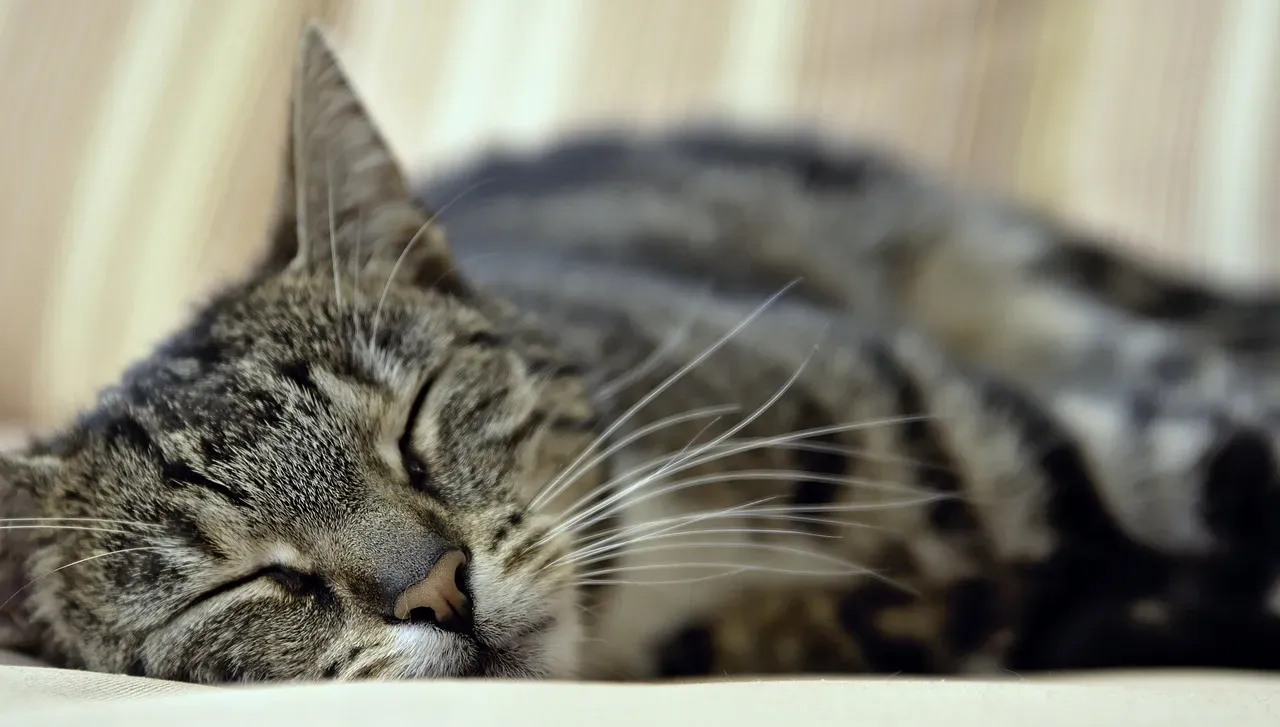
Cats prefer sleeping in quiet, low-traffic areas of the home. If your cat consistently avoids busy rooms and instead claims that spare bedroom or closet nobody uses, they’re prioritizing peace over proximity. Some cats simply cannot achieve deep rest when there’s constant movement, noise, or activity around them.
Choose a quiet and serene location for your cat’s nap zone. Cats appreciate peaceful surroundings, away from the hustle and bustle of daily activities. Consider placing their nap spot in a cozy corner or a room with minimal foot traffic. These quiet-seeking cats need undisturbed spaces where they can fully relax without worrying about sudden disruptions.
If you have a cat who values tranquility, respect their choice by creating designated quiet zones throughout your home. Avoid placing loud appliances or high-traffic pathways near these sacred sleeping spaces. Let’s be real, everyone deserves a peaceful retreat, cats included.
The Scent Connection: Choosing Spots That Smell Like You
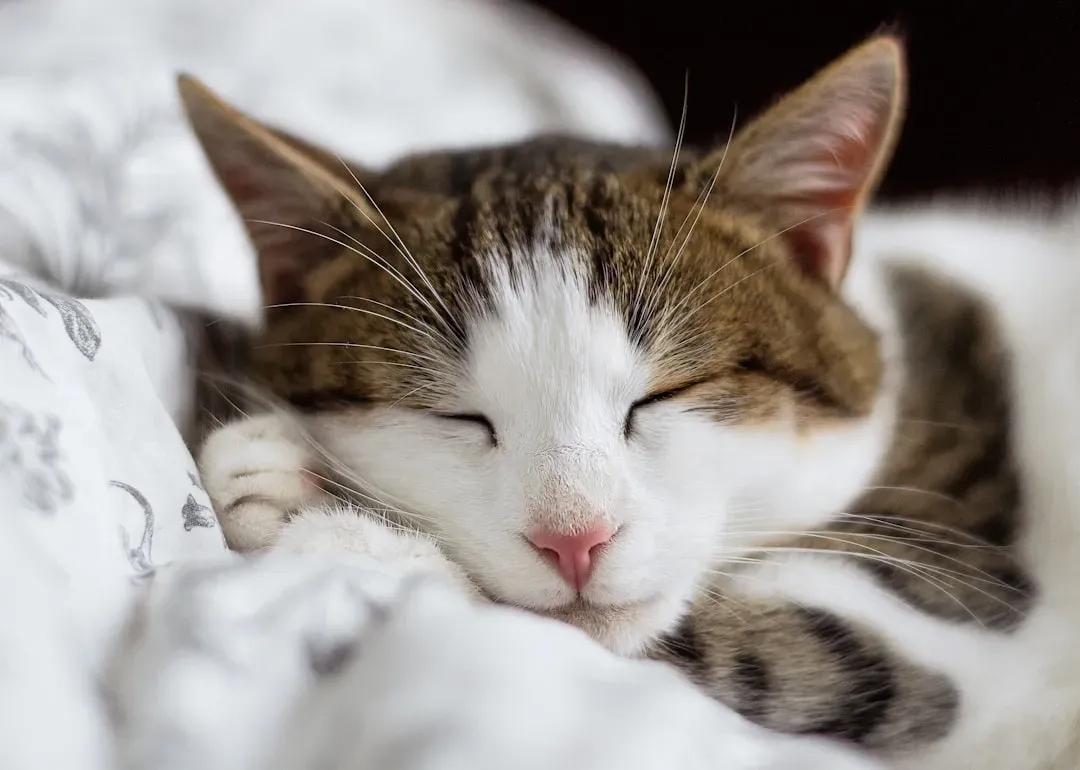
When it comes to a cat marking territory, your lap or chest becomes more than just a comfy spot; it’s a claim. Cats have scent glands that they use to mark their territory, and by choosing to sleep on you, they’re indicating that you’re an integral part of their domain, helping them to establish safety and familiarity in their environment.
Have you noticed your cat gravitating toward your worn clothes, your side of the bed, or your favorite chair? This behavior reveals their deep connection to your scent. Cats find enormous comfort in familiar smells, and your unique scent provides them with a sense of security and belonging. If you’ve ever wondered why your cat chooses a specific spot on your bed, the answer may be rooted in scent, temperature, and comfort.
These scent-driven sleepers are showing incredible attachment and trust. They’re essentially surrounding themselves with what feels most like home and family. Providing items that carry your scent, like an old t-shirt placed in their bed, can help comfort them when you’re away.
Conclusion: Listening to What Your Cat’s Choices Tell You
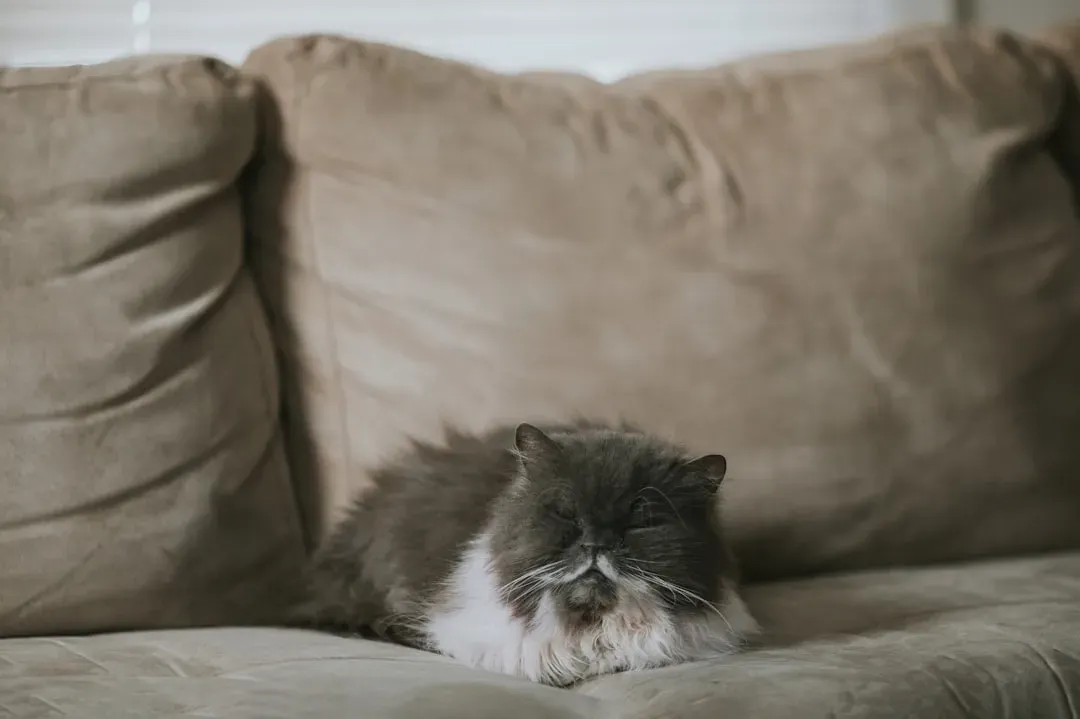
Understanding where and how your cat sleeps can also give you insight into their mood and overall well-being, enhancing your ability to read their body language. Your cat’s sleeping spot preferences aren’t random quirks but rather meaningful communications about their emotional and physical needs.
By paying attention to these choices, you can create an environment that truly supports their comfort requirements. Whether they need more warmth, security, height, social connection, or peaceful isolation, meeting these needs strengthens your bond and improves their quality of life. Creating a conducive sleep environment for cats can enhance their well-being and strengthen human-feline bonds.
Next time you find your cat in an unexpected sleeping spot, take a moment to consider what they might be telling you. Are they seeking warmth, security, or connection? Understanding these preferences transforms you from a cat owner into a true cat companion who speaks their silent language. What does your cat’s favorite napping spot reveal about their personality? You might be surprised by what you discover.