Have you ever caught your senior cat darting around the living room at midnight, pouncing on imaginary prey like they’re two years old again? You’re not alone. Plenty of cat owners watch their aging feline friends suddenly spring into action, chasing toys or zooming down the hallway with surprising energy. It’s both delightful and a little confusing.
The truth is, your older cat’s playful outbursts aren’t random. There are some genuinely fascinating reasons behind those kitten-like moments, and understanding them can help you connect with your pet on a deeper level. Let’s dive into what’s really going on when your senior kitty suddenly forgets they’re supposed to be slowing down.
They Never Fully Outgrew Their Kittenhood
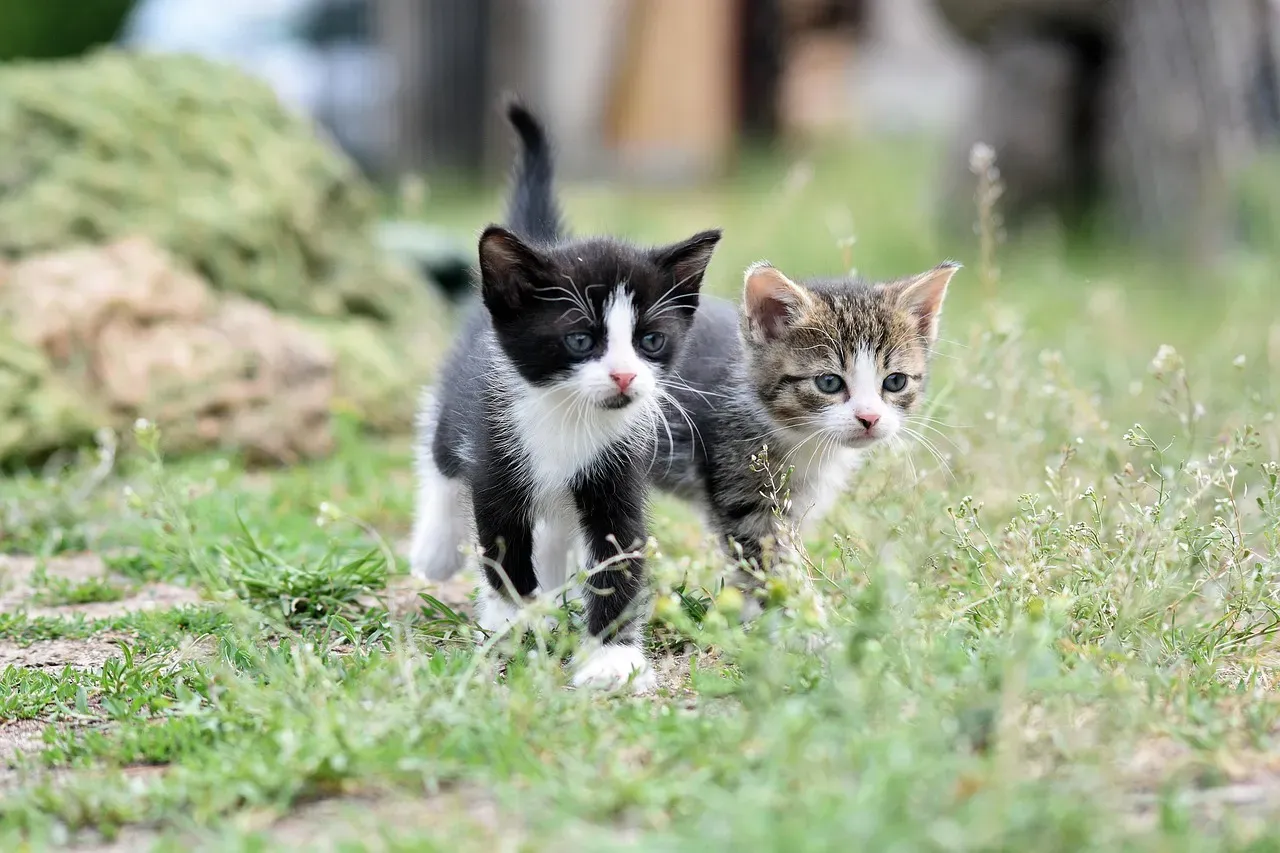
Some cats retain their kitten personalities throughout their lives because, as indoor pets, they remain in a perpetual adolescent state since we constantly protect and provide them with food. Think of it this way: your cat never had to fully mature in the wild, hunting for survival or defending territory. Instead, you’ve taken over the role of their caretaker, much like a mother cat would.
Certain cats can act kitten-like their entire lives, never altogether outgrowing that playful kitten stage. This isn’t necessarily a sign of anything wrong. It’s just their personality. Some felines are naturally more playful and spirited than others, regardless of age. If your senior cat has always been a bit of a goofball, those traits probably won’t disappear completely just because they’ve hit double digits.
This means those random bursts of energy you’re witnessing might simply be your cat being their authentic self. They’re showing you the same playful spirit they’ve always had, just in shorter, more selective doses now that they’re older.
Boredom Drives Them to Seek Stimulation
Cats can stop behaving like kittens when they’re finally bored with their environment, but once their curiosity begins to fade and they’ve learned all they can, they do settle down. Here’s the thing: if your older cat suddenly starts acting playful again, they might actually be telling you they’re bored stiff. Routine can become monotonous, especially for intelligent creatures like cats.
A cat of any age can suddenly become destructive if they feel they are not getting enough attention, love, play, or food. When your senior kitty starts batting objects off counters or zooming around unpredictably, it could be their way of shaking things up. They want something different, something exciting to break the dullness of their day.
Try rotating their toys or introducing new forms of enrichment. Sometimes even a simple cardboard box or a paper bag can reignite that playful spark. Your older cat might just need a change of scenery or a fresh challenge to keep their mind engaged.
They’re Craving Your Attention
Some older cats become more needy rather than aloof, and they seem to crave more attention. When your senior cat suddenly acts frisky and playful, it might not be about the toy at all. It could be about you. Honestly, cats are pretty clever when it comes to getting what they want, and if acting like a kitten gets your attention, they’ll do it.
Cats often push something off the countertop with their paw to get attention, and they usually do this when we are there to watch it happen. It’s their version of saying, “Hey, look at me!” Your older cat may have realized that when they act playful or mischievous, you respond by interacting with them, talking to them, or playing along.
If your senior cat is displaying these behaviors more frequently, consider whether they’re getting enough quality time with you. Even a few minutes of interactive play or gentle petting can make a huge difference in their emotional well-being.
Physical Discomfort Temporarily Eases
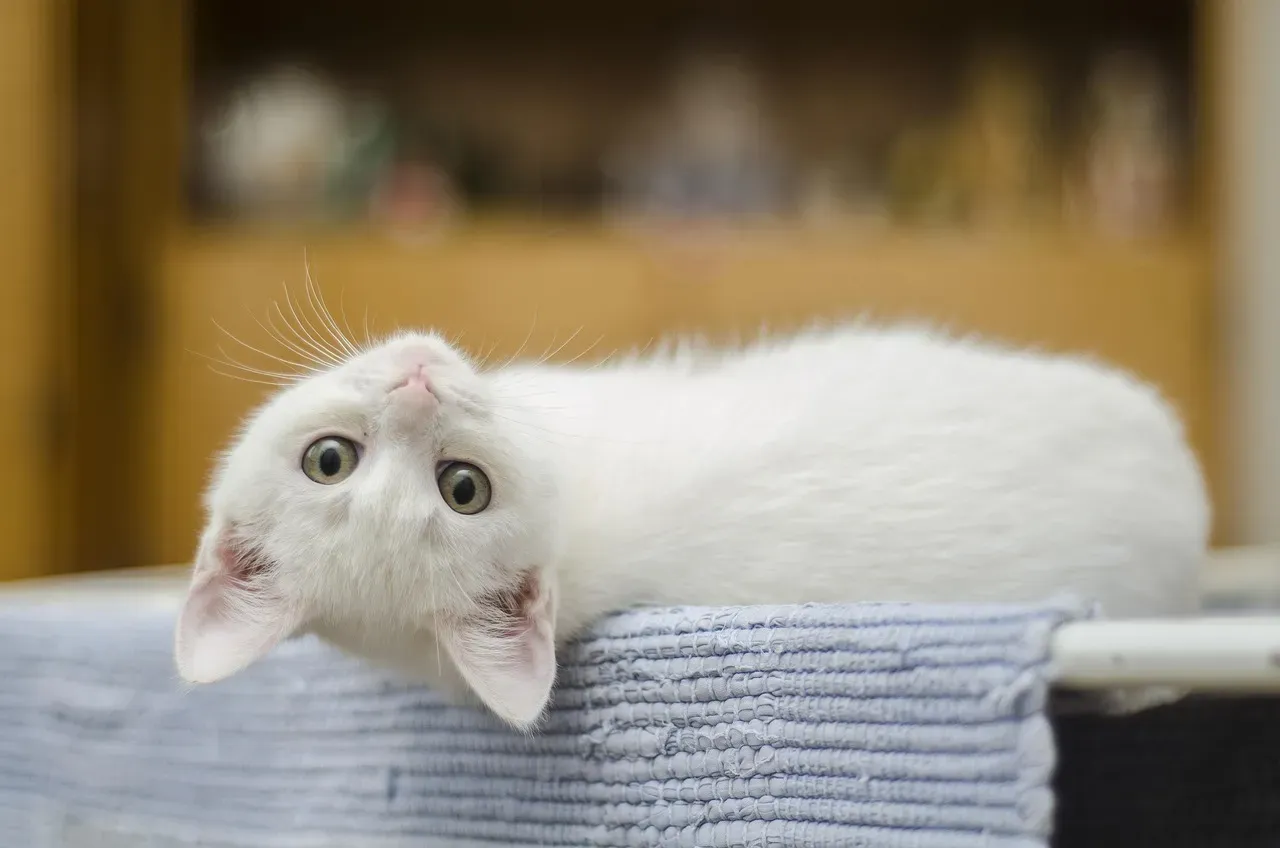
Osteoarthritis affects more than ninety percent of cats ten years of age and older, which means most senior cats are dealing with some level of joint pain. On days when that pain lessens, even temporarily, your cat might feel like their younger self again. Think about how you feel when a nagging ache finally subsides. You want to move, stretch, and enjoy the relief.
Your older cat might experience similar moments of relief. Maybe the weather changed, or they slept in a particularly comfortable position. Whatever the reason, when the discomfort fades, they seize the opportunity to move around and play like they used to.
An increase in activity from baseline can sometimes be a sign of hyperthyroidism, so if the behavior seems excessive or unusual, it’s worth mentioning to your vet. Still, brief playful episodes are generally just your cat enjoying a pain-free moment and making the most of it.
Mental Stimulation Triggers Playful Behavior
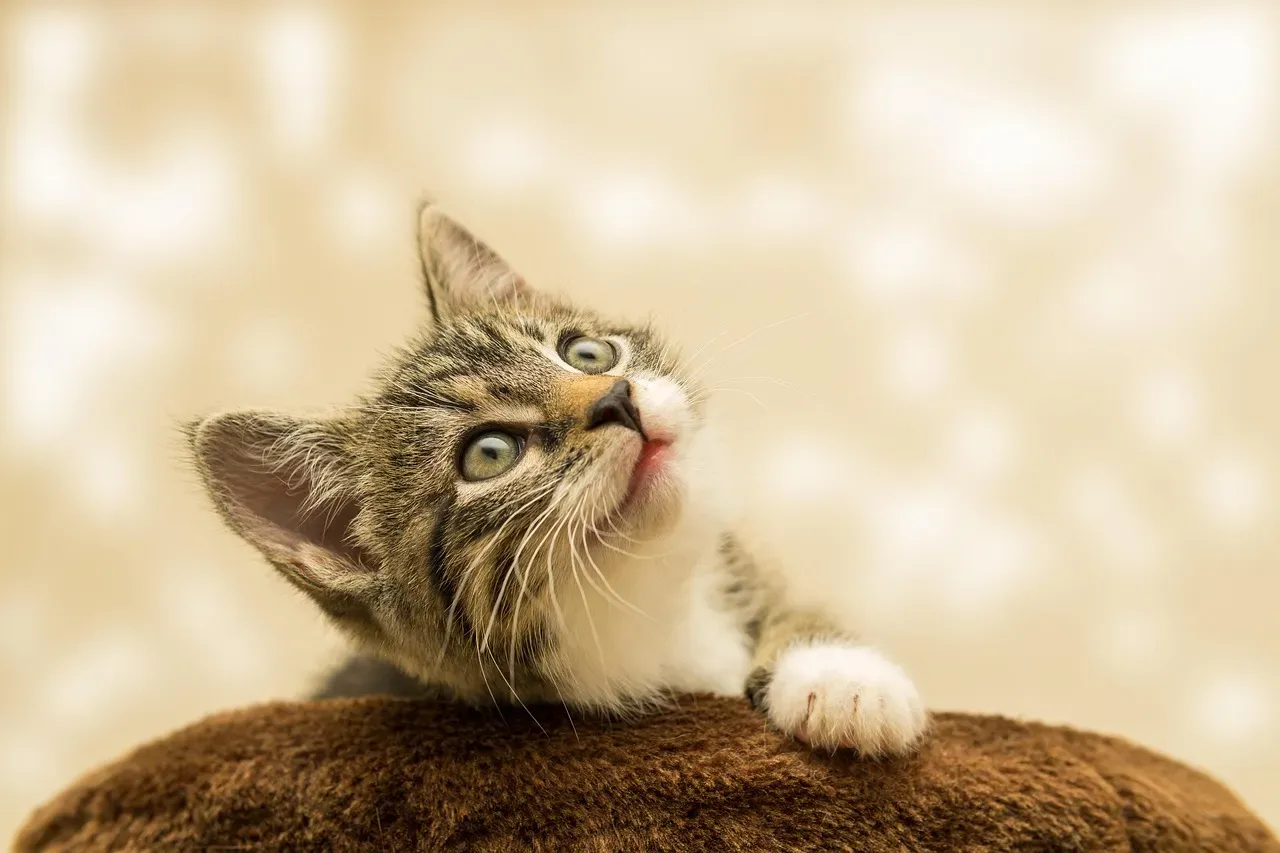
Senior cats still need play and mental stimulation, though their preferences for play may change, and they may prefer shorter play sessions. When you engage your older cat with an interactive toy or a new challenge, you’re essentially waking up their brain. That mental stimulation can trigger a playful response that looks surprisingly youthful.
Cats are natural hunters, and that instinct doesn’t disappear with age. When something captures their attention – a feather wand, a laser pointer, or even a bug crawling across the floor – their predatory drive kicks in. Suddenly, they’re crouched low, pupils dilated, ready to pounce.
These moments of intense focus and playfulness are actually beneficial for your senior cat. They keep their mind sharp and their body moving, which can help maintain their overall health. So if your older cat occasionally acts like a kitten during playtime, that’s a good sign they’re still mentally engaged with the world around them.
Emotional Needs and Relationship Dynamics
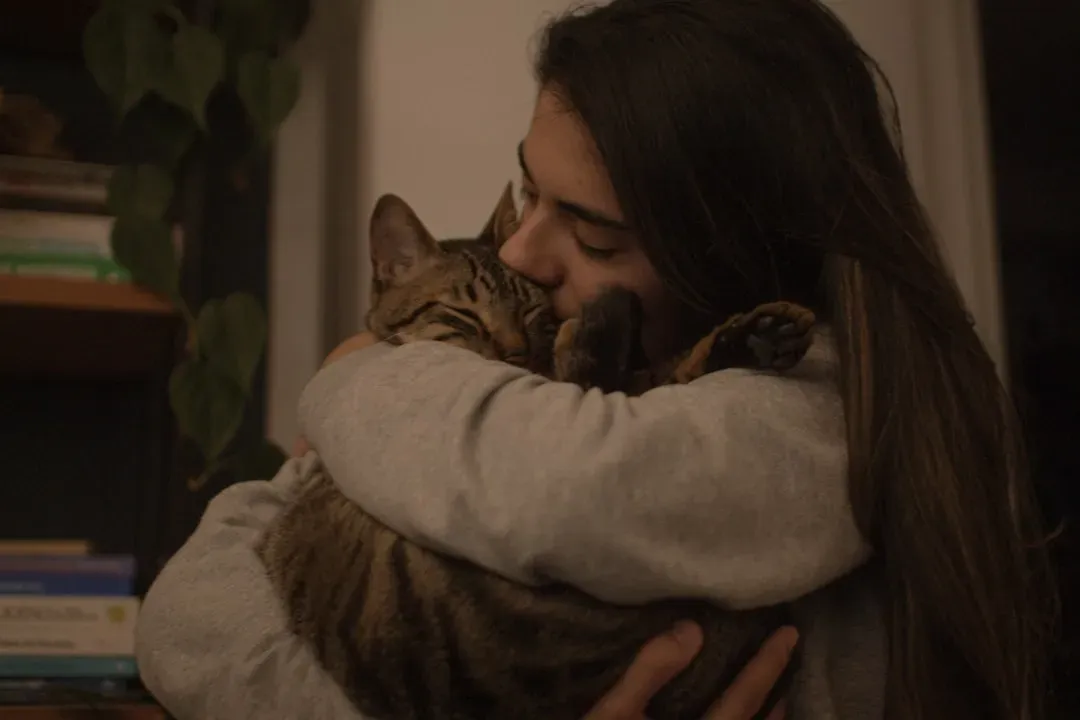
Older cats cherish predictable routines, yet some may need more emotional support as they age and become more dependent on relationships, requiring more attention. Your senior cat’s kitten-like behavior might actually be driven by emotional needs rather than physical energy. Cats form deep bonds with their humans, and as they age, those bonds can become even more important to them.
Older cats often become more distant or needy than usual, and the emotional change can cause a once friendly cat to become disinterested or an unaffectionate cat to suddenly become needy. When your cat acts playful or follows you around seeking interaction, they’re reinforcing that connection with you. It’s their way of saying they value your presence and want to be close to you.
This behavior is especially common if there have been changes in your household or routine. Your older cat might act more kittenish as a way to cope with uncertainty or to seek reassurance from you. Responding with affection and gentle play can help them feel secure and loved.
Cognitive Changes Create Unpredictable Moments
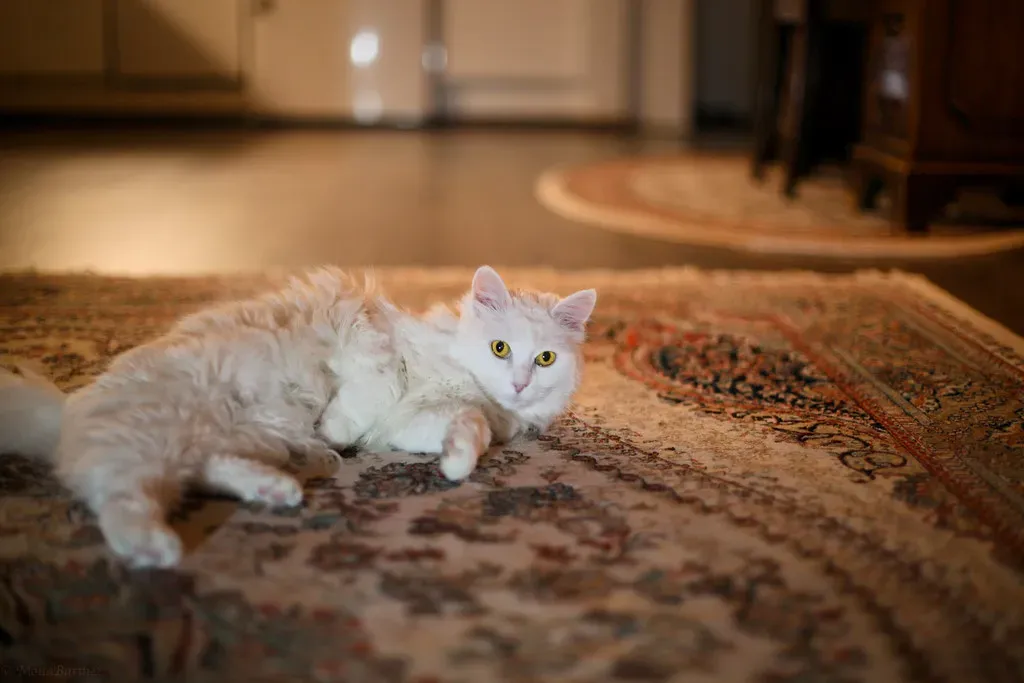
Cognitive decline affects more than fifty-five percent of cats aged eleven to fifteen years and more than eighty percent of cats aged sixteen to twenty years. Feline cognitive dysfunction can cause some truly unpredictable behavior, including sudden bursts of playfulness that seem out of character. Your older cat might temporarily forget they’re not a kitten anymore.
Elderly cats may display wandering, excessive meowing, apparent disorientation, and avoidance of social interaction similar to symptoms of senility. While cognitive decline is often associated with confusion or lethargy, it can also produce moments where your cat acts unusually energetic or playful. Their internal clock might be a bit scrambled, leading to random zoomies at odd hours.
If these playful episodes are accompanied by other concerning behaviors like getting lost in familiar spaces, excessive vocalization at night, or changes in litter box habits, it’s important to consult your veterinarian. Cognitive dysfunction is manageable with the right support and environmental adjustments.
They’re Simply Feeling Good That Day
Sometimes the simplest explanation is the right one. Your older cat might just be having a really good day. Maybe they got extra sleep, enjoyed a particularly delicious meal, or the sun was shining in just the right spot. Cats are sensitive to their environment and their own physical state, and when everything aligns perfectly, they feel good enough to play.
It’s normal for an adult cat to still act and play like a kitten, and almost all healthy adult cats like to play. Age doesn’t eliminate the desire to have fun. It just makes those moments less frequent and more selective. When your senior cat does decide to chase a toy or wrestle with a blanket, they’re showing you they still have that spark inside them.
These spontaneous playful moments are actually something to celebrate. They indicate your cat is still experiencing joy and comfort in their daily life. It’s a reminder that despite the inevitable changes that come with aging, your feline friend still has plenty of spirit left.
Understanding and Supporting Your Senior Cat’s Playful Side
Watching your older cat occasionally act like a kitten is one of the sweetest aspects of living with a senior pet. These moments reveal that beneath the graying whiskers and slower movements, your cat’s essential personality remains intact. Whether driven by boredom, emotional needs, temporary relief from discomfort, or simply a good mood, these playful episodes deserve your attention and appreciation.
The key is to observe the context and frequency of these behaviors. Brief, occasional bursts of playfulness are typically nothing to worry about and can actually be beneficial for your cat’s mental and physical health. Encourage gentle play, provide enrichment opportunities, and make sure your senior cat has everything they need to feel comfortable and secure.
If you notice sudden, dramatic increases in energy or playful behavior that seems out of character, especially if accompanied by other symptoms, a vet visit is warranted. Otherwise, enjoy those precious moments when your older cat forgets they’re supposed to be mature and dignified. Did you expect that your senior cat would still surprise you with their playful antics? What has your older cat done lately that reminded you of their younger days?