You love your cat deeply, but have you ever wondered if some of your most well-meaning actions might actually be driving them up the wall? The truth is, many everyday habits you think are harmless could be triggering stress, anxiety, or downright irritation in your furry companion. Cats are masters at hiding their discomfort, which means you might be unknowingly upsetting them day after day without even realizing it. Understanding what bothers your feline friend isn’t just about preventing those occasional scratches or midnight yowls. It’s about their overall well-being and happiness.
Let’s be real, cats don’t come with instruction manuals. They communicate in subtle ways that are easy to miss if you’re not paying close attention. That tail flick you thought was cute? It might actually be a warning sign. The way they bolt from the room when you reach for them? That’s not a game. What you’re about to discover might surprise you, and honestly, it might even make you feel a bit guilty. The good news is that once you understand these common mistakes, you can start making small changes that will transform your relationship with your cat for the better.
Showering Them With Unwanted Hugs and Cuddles
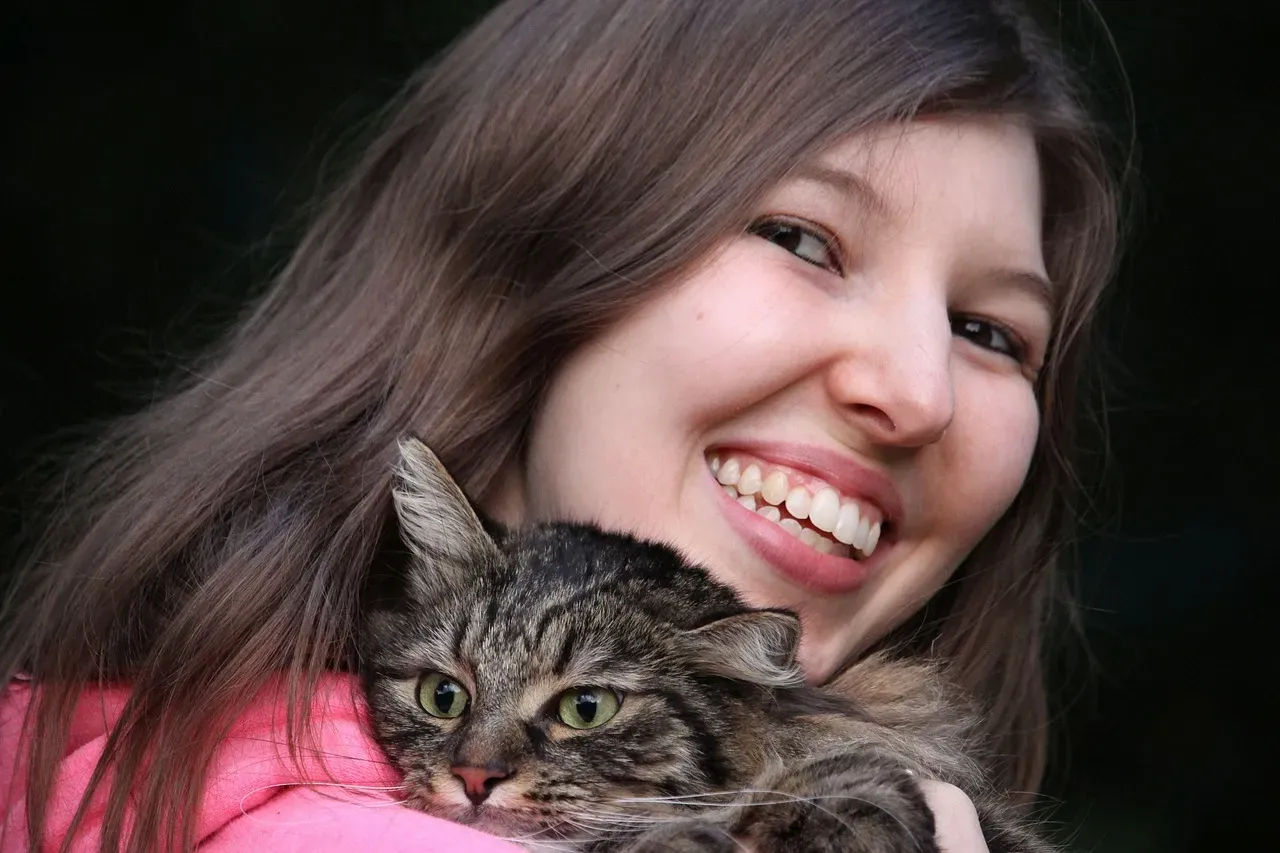
You adore hugging and cuddling, but your cat doesn’t necessarily feel the same way. Unlike humans who show affection through close physical contact, cats don’t like to be held close or restrained. Most cats and dogs do not enjoy being hugged, and when they try to get away, humans often have a tendency to try even harder to embrace them. Think about it from their perspective: being wrapped up tightly mimics the feeling of being trapped by a predator.
Unless you know that cat well, have developed a bond, and built up a trust account, cuddling your cat isn’t recommended. Some cats will tolerate it, sure, but tolerance isn’t the same as enjoyment. Watch for signs like ears flattening, tail twitching, or attempts to squirm away. If your cat is displaying any of these behaviors, it’s time to back off and let them come to you on their own terms instead.
Constantly Disrupting Their Beloved Routine
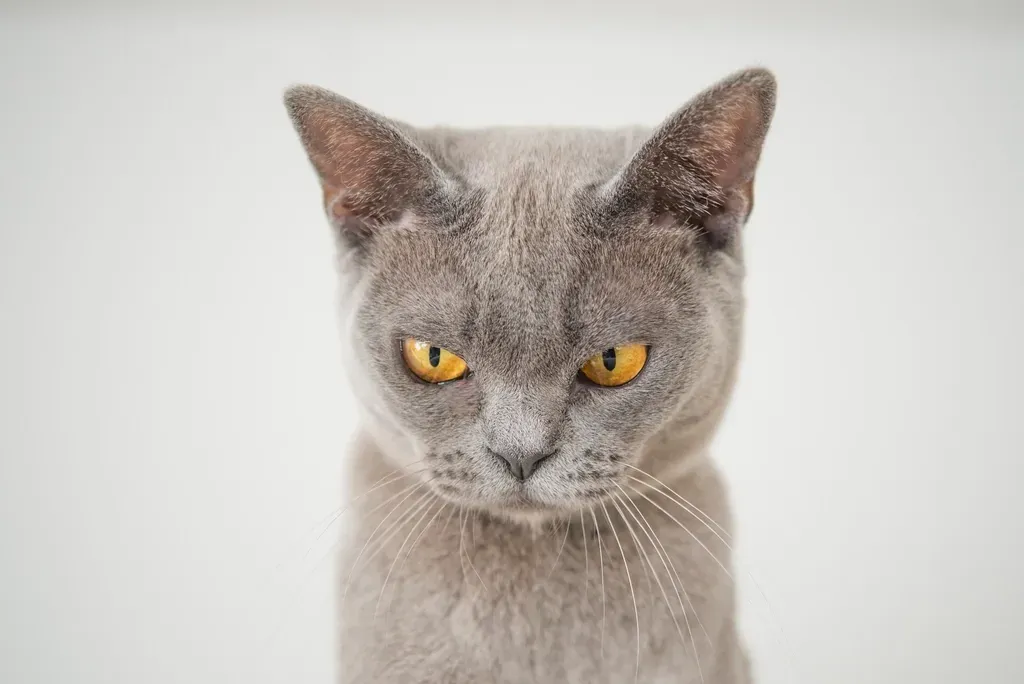
Cats are creatures of habit who love a predictable routine when it comes to feeding time, playtime, or naptime, and if you make abrupt changes to their daily routine, expect your cat to be displeased. Your feline friend thrives on consistency. When you suddenly change when they eat, move their litter box, or rearrange furniture without warning, it throws their entire world into chaos.
Changes to a cat’s usual environment, such as rearranged furniture or a new family member in the home, can cause stress in cats. This doesn’t mean you can never make changes, but gradual transitions work much better. If you need to adjust feeding times, do it incrementally over several days. A change in daily routine, such as rescheduling your work or school hours, can cause stress for your cat. Being predictable in your behavior and creating consistent daily patterns will help minimize your cat’s anxiety significantly.
Serving Cold Food Straight From the Fridge
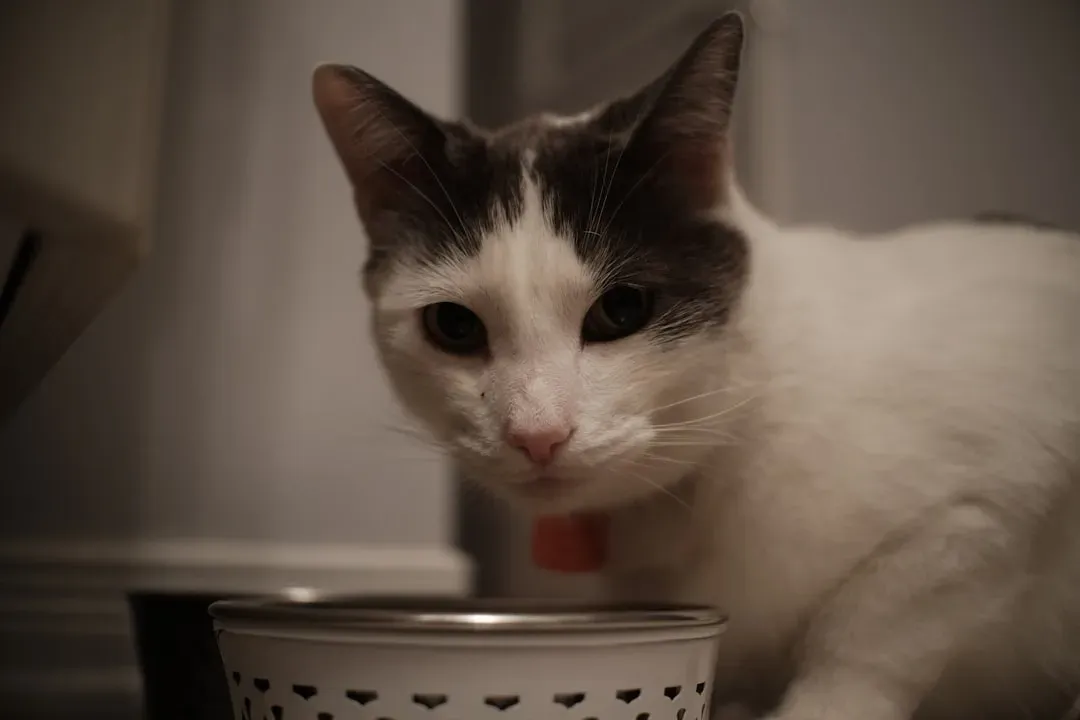
Here’s something many cat owners don’t know: temperature matters when it comes to food. Cats prefer lukewarm food, specifically prey body temperature warm, and food coming out of the refrigerator is usually not very desirable. In the wild, cats would eat freshly caught prey that’s still warm. Serving them refrigerated wet food goes against their natural instincts.
Many cats don’t like to eat the second half of a can of food coming out of the refrigerator. If your cat turns up their nose at yesterday’s leftovers, this could be why. Try letting the food sit at room temperature for a few minutes, or even warming it slightly in the microwave (just make sure to stir it well and test the temperature first). This small adjustment can make mealtime much more appealing to your picky eater.
Leaving Food Out All Day Long
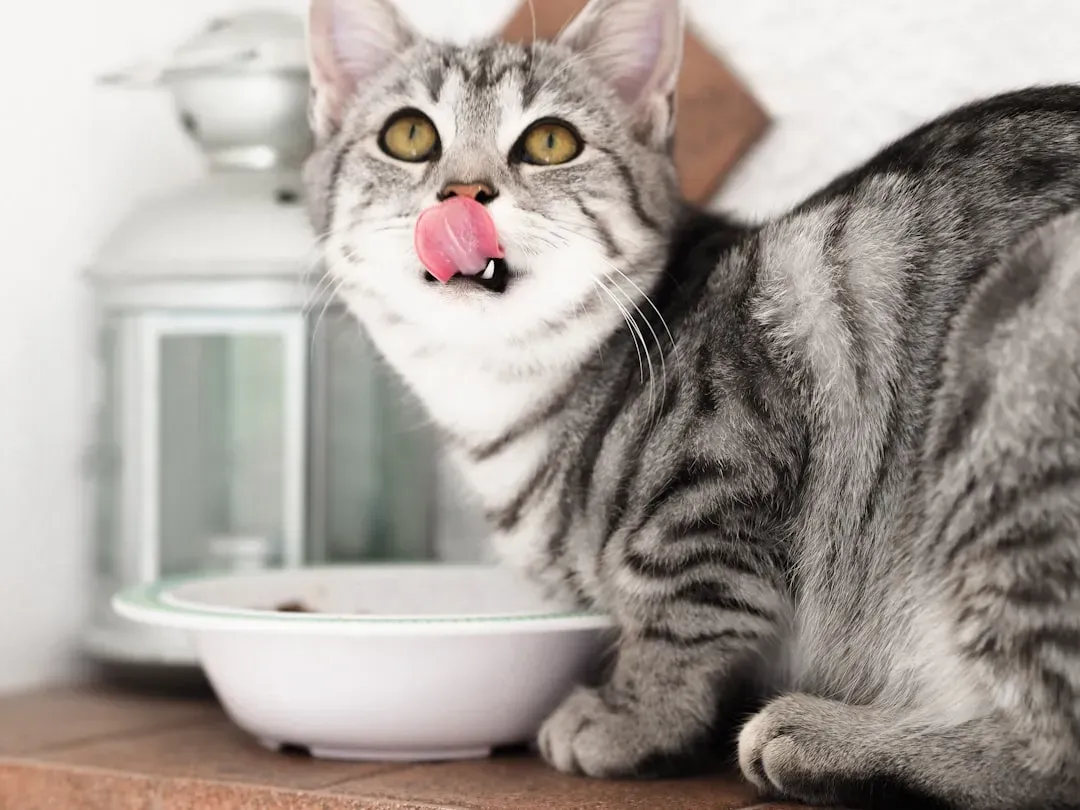
Leaving a bowl of food out all day is one main drive behind feline obesity, and if your kibble brand is high in carbs, your cat will be tempted to overeat. You might think you’re being generous by providing constant access to food, but cats don’t have the same self-control humans are supposed to have. Lots of cats will turn their noses up at food that’s been sitting out all day, and small, frequent meals throughout the day actually match their natural feeding behavior more closely.
Free-feeding creates multiple problems beyond just weight gain. Stale food loses its appeal, and you can’t monitor how much your cat is actually eating, which makes it harder to spot potential health issues early. The most common mistake cat owners make is feeding their cats too much food per day, as over half the cats seen each day are overweight, and this trend increases as cat parents overfill the food bowl, leave it full all day, and forget that treats contribute to total daily calorie intake. Scheduled mealtimes are better for both portion control and your cat’s digestive system.
Ignoring the Litter Box Situation
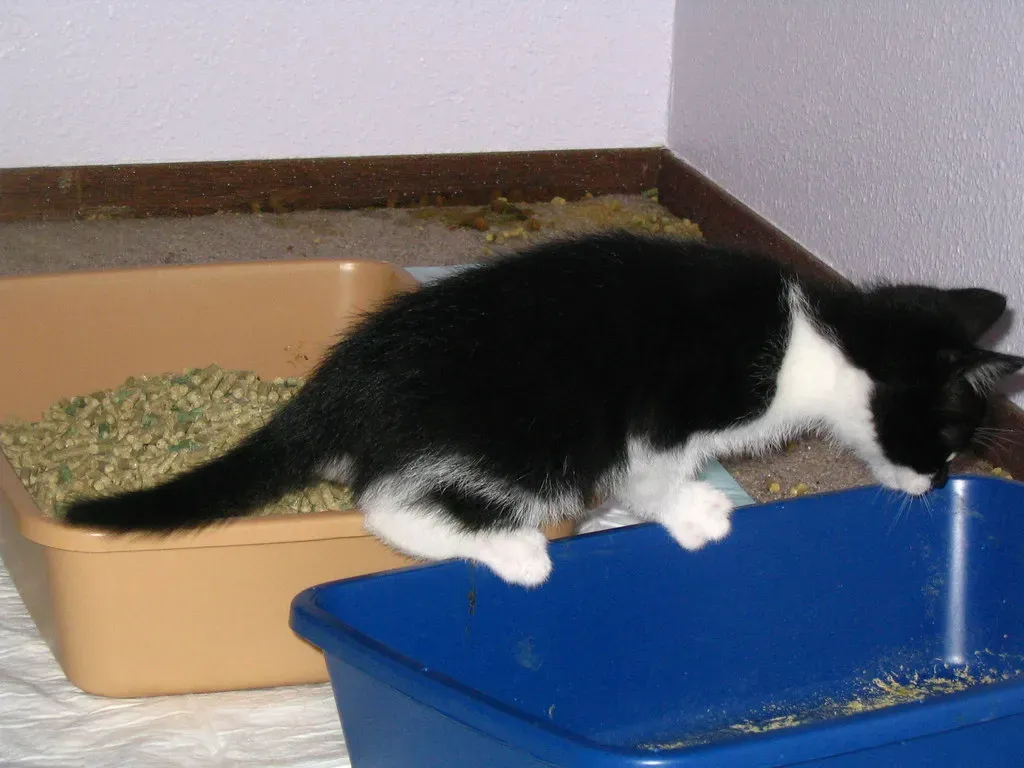
Let’s talk about something that might make you cringe: litter box maintenance. Cats prefer the litter box to be clean every time they use it, which means cleaning after every use or at least a couple of times per day, and an unclean litter box can make your cat reluctant to use the bathroom. Cats are fastidiously clean animals, and expecting them to use a dirty bathroom is like asking you to use a gas station restroom that hasn’t been cleaned in a week.
A common mistake is either failing to clean the box regularly or placing it in an area that is too noisy or difficult for the cat to access, as cats are fastidious creatures and may refuse to use a dirty or improperly placed litter box. Beyond cleanliness, location matters too. Placing the box near noisy appliances or in high-traffic areas makes your cat feel vulnerable while doing their business. Give them privacy and cleanliness, and you’ll avoid most litter box issues.
Petting Them in All the Wrong Places
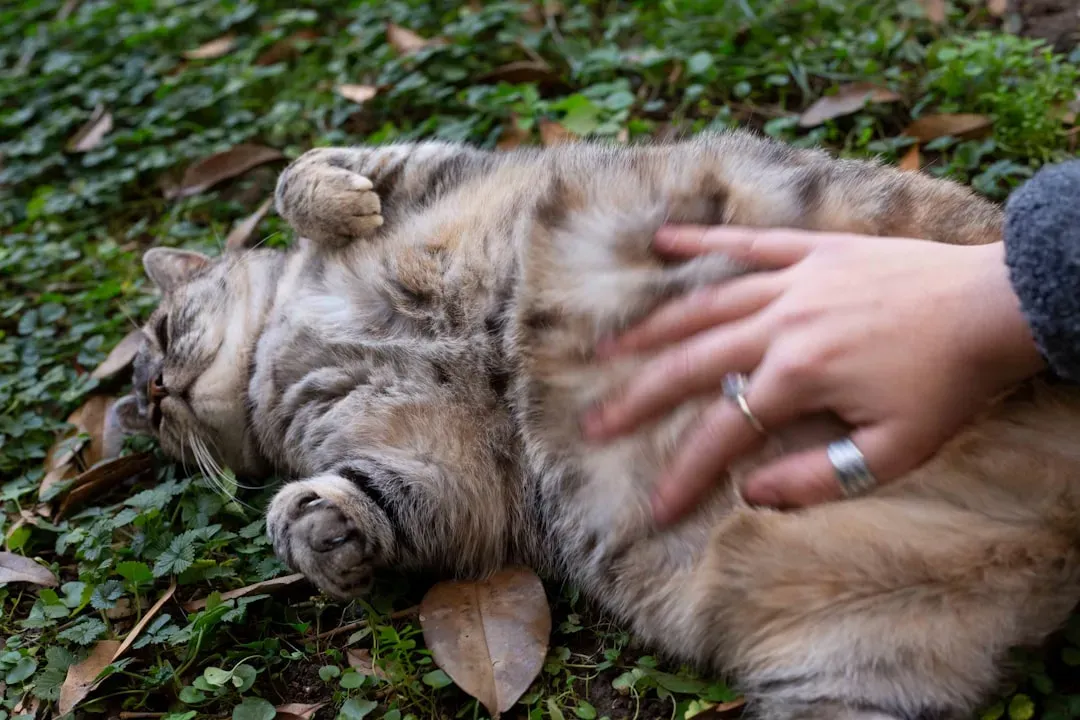
Not all petting is created equal in your cat’s eyes. These mistakes involve misunderstanding where cats like to be touched and failing to respect their need for personal space. While you might love rubbing their belly when they roll over, that exposed tummy isn’t always an invitation. Depending on the cat, she may not enjoy tummy rubs, even if she seems to solicit this behavior when rolling over and exposing her stomach, as doing this can make a cat feel vulnerable and can lead to biting and aggressive behavior.
Most cats prefer being petted around their head, chin, and cheeks where their scent glands are located. The base of the tail can be hit or miss, and many cats find petting on their belly, paws, or tail tip irritating or threatening. Try to follow the 3-second rule for cats: Pet them for 3 seconds, then pause, and if they stay close, seem at peace or nudge you to keep going, give them some pets for another 3 seconds. This gives your cat control over the interaction and prevents overstimulation.
Punishing Them or Using Deterrents Like Water Spray
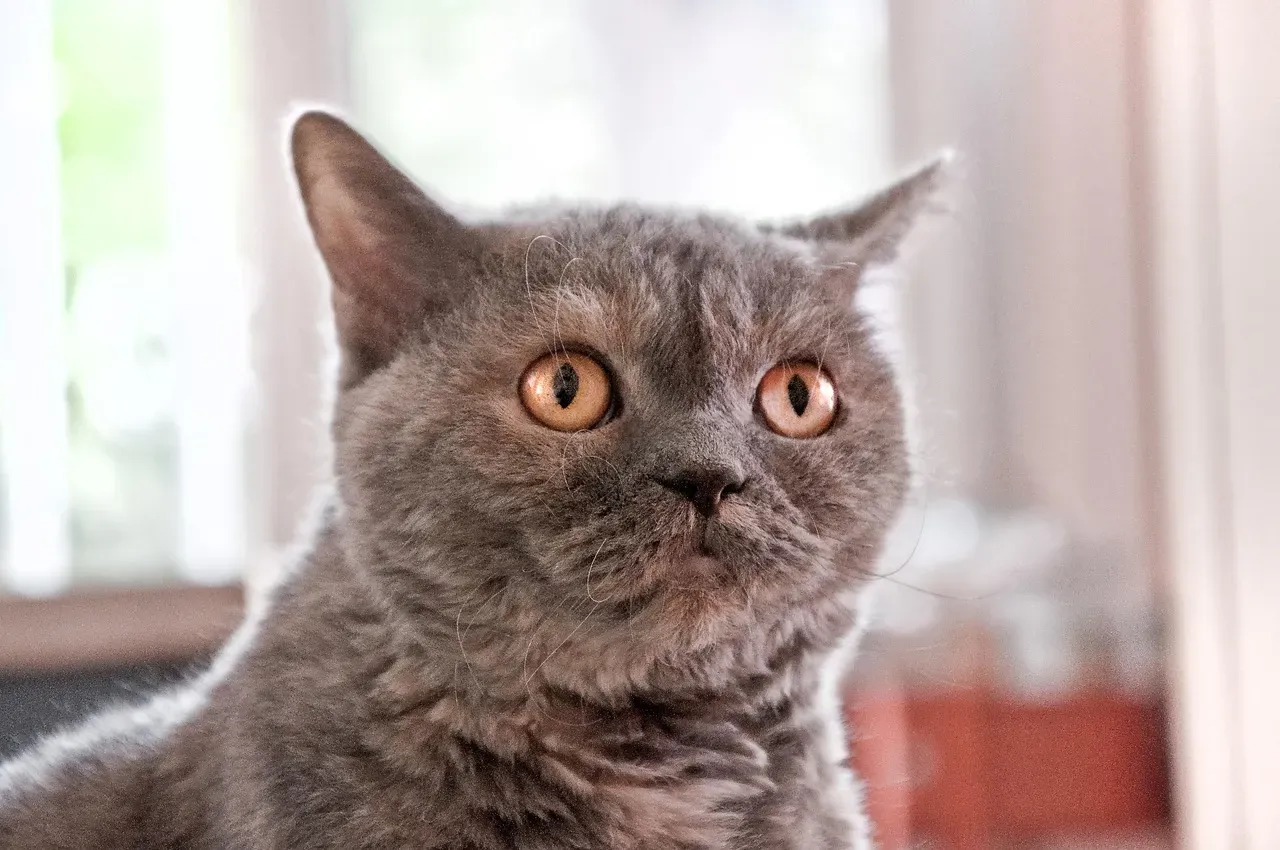
Squirting a cat with water because the cat is doing something you dislike, such as digging up your houseplants, only serves to make the cat wary of you, and does not really stop the behavior. Punishment-based training simply doesn’t work with cats the way it might with dogs. Harsh punishment like yelling or squirting water can create fear and damage your bond with your cat, so it’s better to trim your cat’s nails regularly and offer scratching posts.
Punishment-based training is NEVER a good idea with kitties, as punishing your fur friend will only result in a lack of trust between you, and this is a fatal mistake because a distrustful cat is more likely to become withdrawn or try to run away and escape. Instead of punishing unwanted behavior, focus on redirecting it and rewarding good behavior. Cats respond much better to positive reinforcement. If they’re scratching furniture, provide appealing scratching posts and reward them for using those instead.
Treating Them Like Small Dogs

Cats and dogs are two different species and they don’t share the same domestication process, anatomy, body language or taste preferences. A huge pet peeve of cats is the assumption that they have the same needs and behaviors as a small dog, and nothing can be further from the truth. If you’ve had dogs your whole life and just got your first cat, you need to completely reset your expectations.
Dogs are pack animals who seek approval and follow hierarchies. Cats are solitary hunters who value independence and territory. Training methods, play styles, and even dietary needs are completely different. Your dog may eat the daily pill wrapped in cheese or bacon, but a cat will probably eat the cheese or bacon and spit out the pill seconds later. Understanding these fundamental differences will prevent countless frustrations and help you meet your cat’s actual needs rather than what you think they should need.
Not Giving Them Enough Mental Stimulation
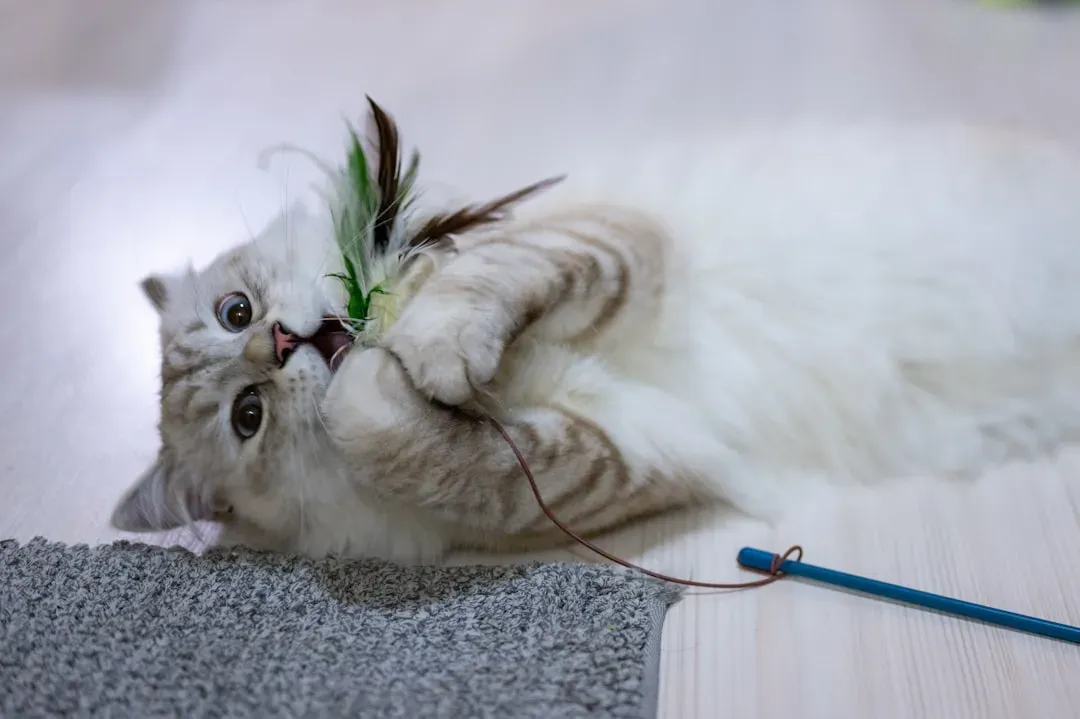
Cats are naturally inquisitive animals who love to explore, and when kept indoors without enough activities to keep them busy and occupied, they may engage in activities their owners find annoying or problematic. Boredom isn’t just unpleasant for your cat – it can lead to destructive behavior, aggression, and even health problems. Your cat’s wild ancestors spent hours each day hunting, and that instinct doesn’t disappear just because dinner comes from a can.
Many feline behavioral issues, including attention-seeking behavior, are rooted in boredom, as cats need mental stimulation, and excessive attention-seeking behavior can be a sign that your cat needs more environmental enrichment. Provide puzzle feeders, rotate toys regularly, create vertical spaces for climbing, and dedicate real time to interactive play. Active playtime with their owners is very beneficial, so set a timer or play with your cat during an entire sitcom or movie, as a few minutes is not sufficient. Your cat needs genuine engagement, not just toys scattered on the floor.
Invading Their Space When They Want to Be Alone
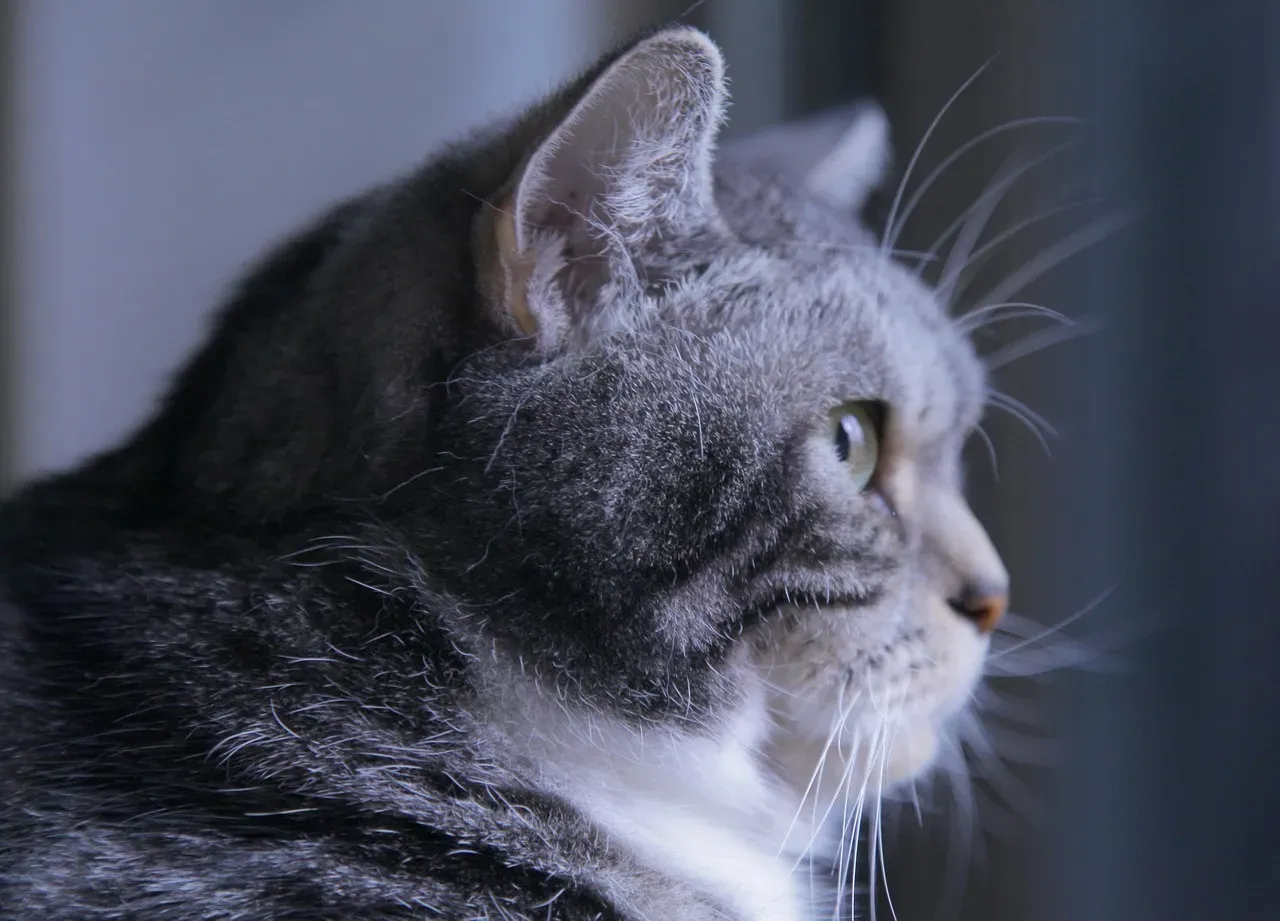
Many cat owners accidentally push their pets too far by not recognizing when a cat wants to be left alone, which can result in scratches, bites, or anxiety. Cats need downtime just like you do. When they retreat to their favorite hiding spot or turn away from you, they’re communicating a need for space. Ignoring these signals and forcing interaction creates stress and erodes trust.
Choice and agency are important for cats, as we bring them into our home and dictate their lives – when they eat, when they play, when we want them to sleep and be quiet because we want to sleep – so try to make it a habit to give them a choice whenever you can. Learn to read your cat’s body language: flattened ears, dilated pupils, a thrashing tail, or turning their back to you are all clear signs they need to be left alone. Respecting these boundaries will actually strengthen your bond over time, as your cat learns they can trust you to honor their needs.
Conclusion
Understanding what annoys your cat isn’t about walking on eggshells or giving in to their every whim. It’s about recognizing that cats experience the world differently than we do and adjusting our behavior to respect their unique needs. Many of the habits covered here stem from good intentions – you want to show love, provide care, and create a happy home. The problem is that what feels loving to you might feel overwhelming, threatening, or simply irritating to your cat.
The beauty of this knowledge is that small changes can make a huge difference. Start paying closer attention to your cat’s body language and reactions. Let them set the pace for physical affection. Maintain consistent routines. Keep their environment clean and stimulating. These aren’t complicated adjustments, but they require mindfulness and a willingness to see things from your cat’s perspective. Your reward will be a more relaxed, confident, and genuinely affectionate feline companion. Did you recognize yourself in any of these habits? What changes will you make first?