You love your fluffy feline companion, but there’s something happening when you’re not looking. While you’re fast asleep, their gorgeous coat is quietly plotting against you. By morning, what was smooth and silky has transformed into a tangled disaster that would make any groomer cringe.
Professional groomers see it all, yet certain breeds make even the most experienced pros silently pray for patience. These cats aren’t badly behaved or difficult on purpose. Their coats simply have a mind of their own, developing mats and tangles faster than you can say catnip. Let’s dive into the feline world where beauty comes at a price, and discover which breeds keep groomers awake at night.
Persian Cats: The Ultimate Grooming Challenge
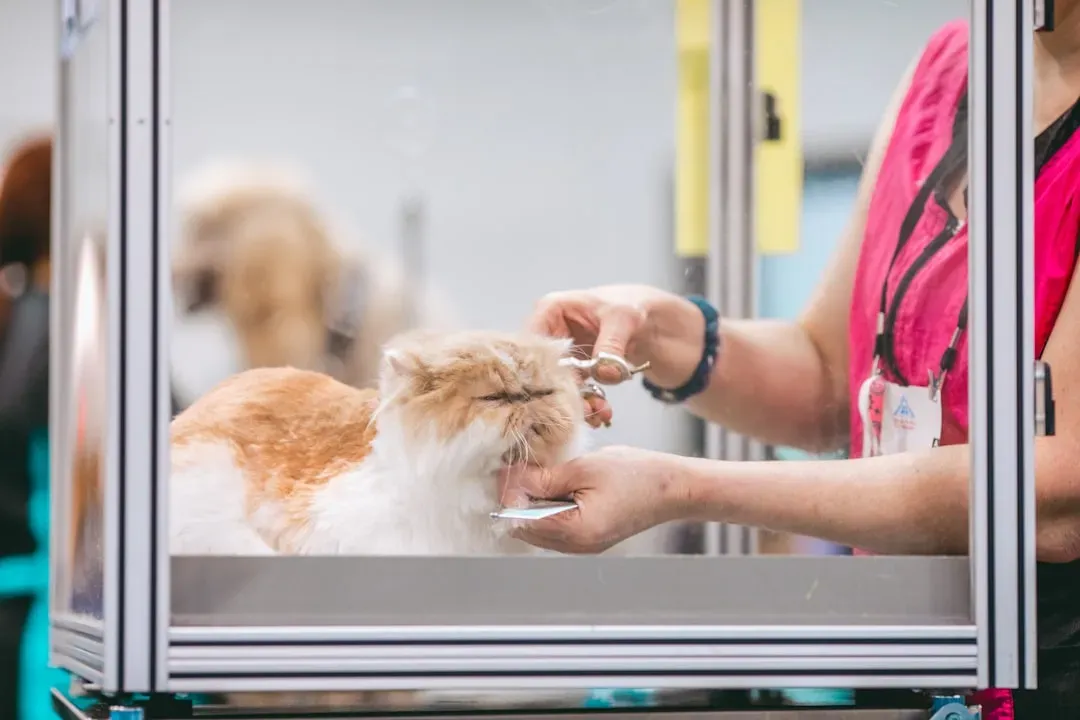
Persian cats have one of the densest coats of any cat breed, and their fur easily mats if not properly detangled, causing discomfort and hair loss. Here’s the thing about Persians: their coat is absolutely stunning when maintained, but turn your back for just one day and you might find yourself facing a grooming emergency. Even with daily brushing, mats can form overnight in certain areas, and their fur can mat quickly without brushing.
When Persians become greasy under the chest and especially under the armpits, small knots become large mats very quickly. Daily grooming sessions for Persians often take around 10 to 20 minutes. Persians are more likely to excrete grease because of their thick coats that pick up dirt and matt easily. It’s not just about aesthetics either. Without regular grooming, Persian cats develop serious matting that leads to skin irritation, infections, and painful pelting.
Maine Coon Cats: The Deceptive Gentle Giants
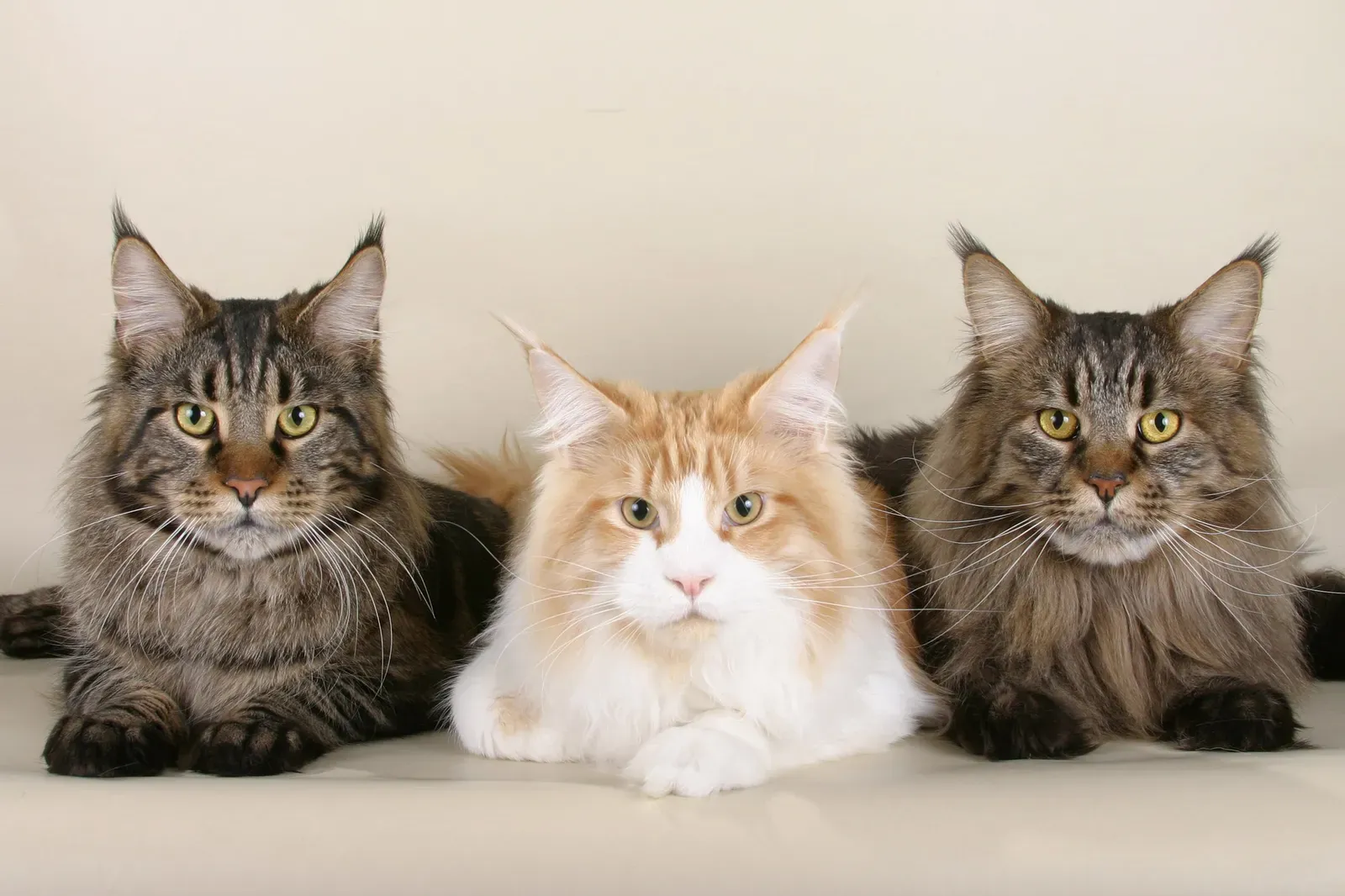
You might think Maine Coons, with their rugged outdoor heritage, would be low maintenance. Wrong. They sport a unique, three-layered coat that consists of a soft undercoat, a middle layer known as the awn hair, and a rough outer guard layer. This complex fur structure requires serious attention.
Twice every year, all Maine Coons shed their thick undercoat to prepare for temperature changes, and groomers typically aim for two to three brushing sessions per week, increasing frequency to daily during shedding seasons. The real nightmare? The massive tangles can retain debris and bacteria, and mats prevent the cat’s grooming and evaporative cooling system from functioning optimally, putting your cat at a higher risk of overheating. What looks like a majestic lion’s mane one day can quickly transform into a knotted mess requiring professional intervention.
Himalayan Cats: Persian Cousins With Similar Problems
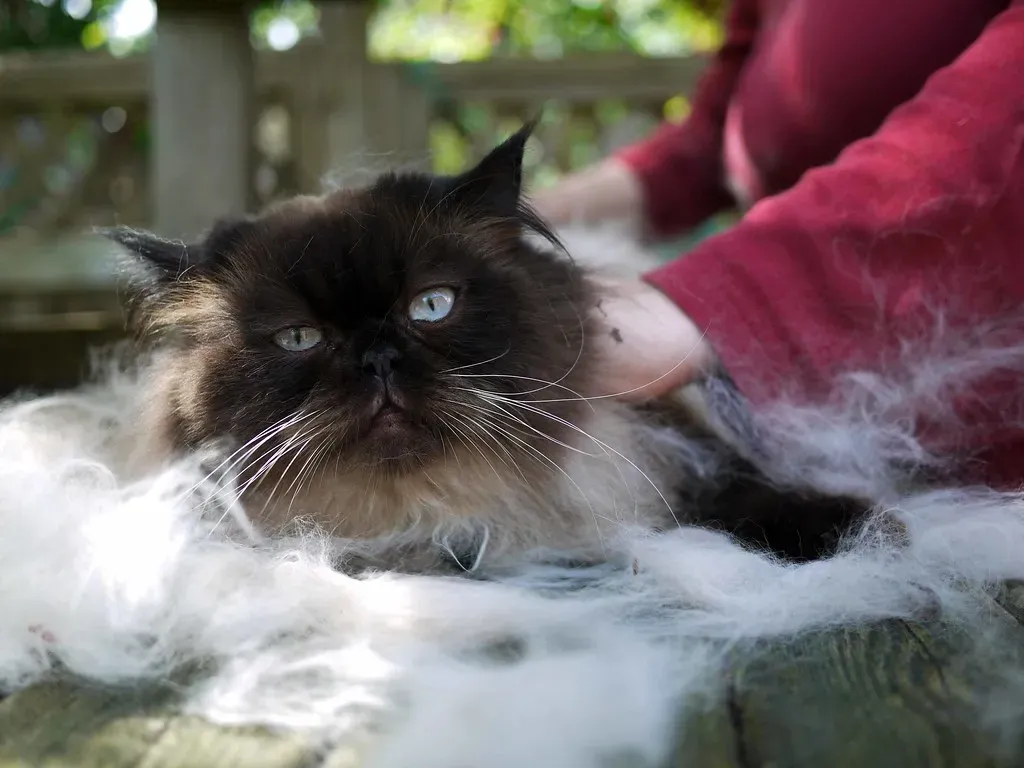
Because Himalayans lose their coat frequently, their lengthy coat can quickly create mats and tangles, and as a result, brushing the coat on a regular basis is required. Honestly, if you thought Persians were challenging, Himalayans run a close second. These gorgeous blue-eyed beauties inherited the high-maintenance coat from their Persian ancestors.
The thick, soft undercoat develops around six months of age, making daily grooming vital to stop tangles, and daily brushing is essential for managing loose hair and maintaining the breed’s high maintenance coat. Groomers particularly dread the areas behind the ears and elbows. Daily sessions are essential for coat maintenance and the prevention of excessive shedding, hairballs, and skin rashes, and Himalayans’ long silky coats can quickly become tangled and greasy without daily brushing.
Ragdoll Cats: The Surprising Mat Magnets
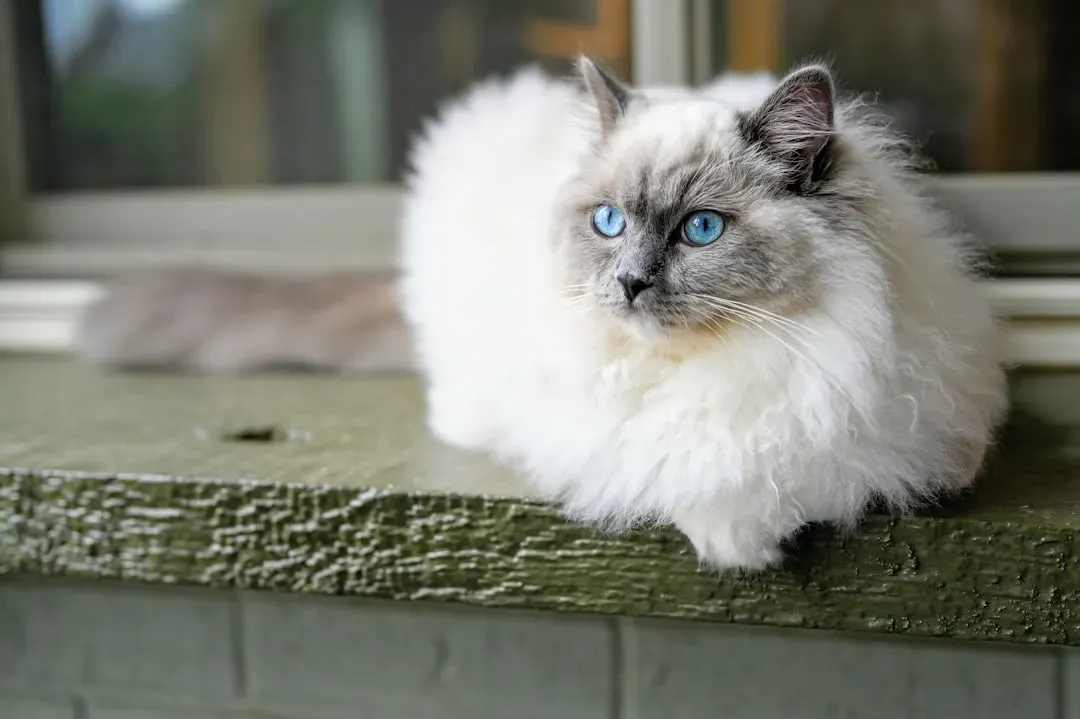
Information from Ragdoll breeders and other online sources often claim that Ragdoll cats have non-matting fur, which is generally true, but they can indeed get mats, especially without regular grooming. That’s the tricky part about Ragdolls. They lull you into a false sense of security with their silky texture, then suddenly you discover a hidden mat behind their leg.
Grooming Ragdoll cats isn’t too demanding since they don’t have an undercoat like certain long-haired breeds, yet there are a few areas on the feline’s body where the fur is longer, like the hair ruffs around their necks and their fluffy tails, that should be brushed at least twice per week. But here’s what groomers know: Ragdolls have a higher risk of matting due to their thick, long fur and the fact that it does not naturally shed very quickly. The biggest danger is matting, which occurs when fur tangles tightly against the skin, leading to pain, skin infections, or restricted movement.
Birman Cats: The Neglected Grooming Worriers
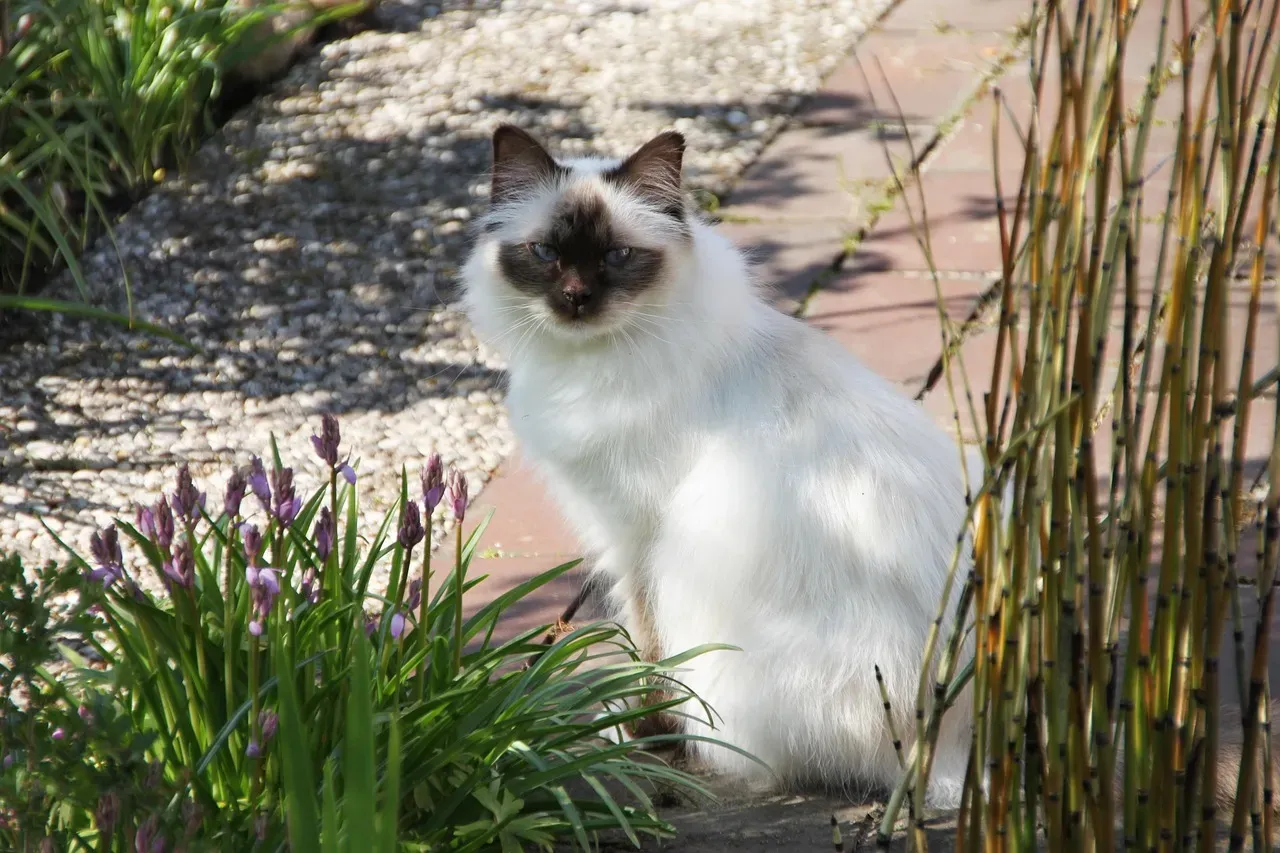
Longhaired breeds like the Birman, Himalayan, and Persian require daily brushing to prevent tangles and matting, remove dirt and debris, and minimize shedding. Birmans often fly under the radar because they’re less popular than Persians or Maine Coons, yet groomers know better.
Their medium-long coats might look manageable, but the silky texture masks a tendency toward rapid tangling. What makes Birmans particularly frustrating for groomers is that owners often underestimate their grooming needs. By the time they bring their Birman in for professional help, the matting situation has escalated beyond simple brushing. The delicate nature of their coat means aggressive dematting tools can damage the fur, forcing groomers to work slowly and methodically through each tangle.
Norwegian Forest Cats: The Wild Look With Wild Grooming Needs
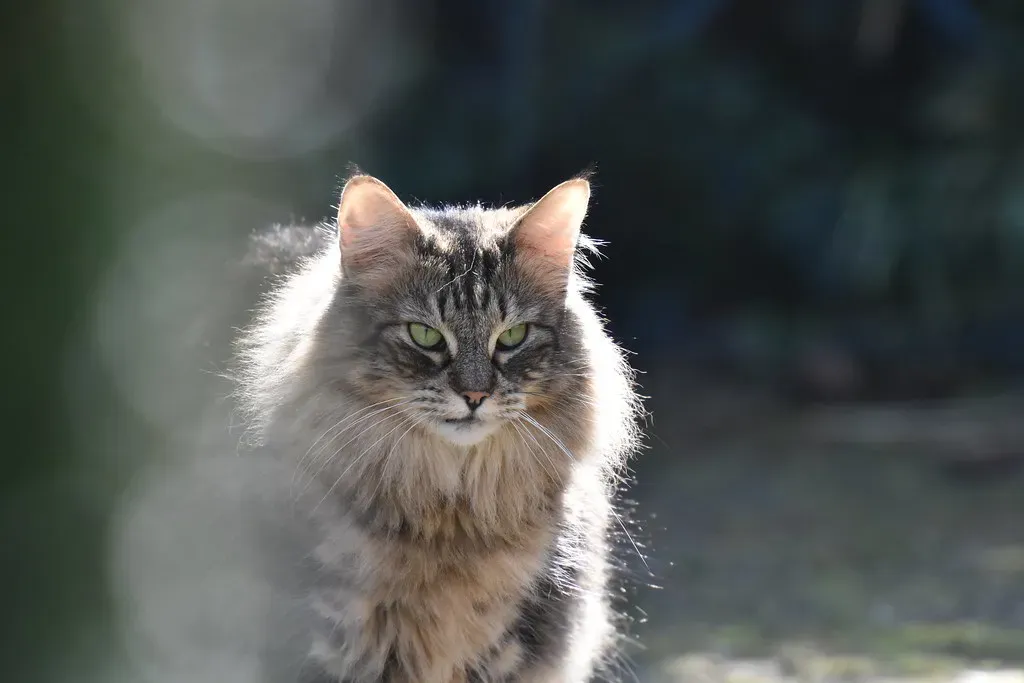
Breeds like Norwegian Forest Cat have dense, double coats that require heavy maintenance for grooming. These cats were literally bred to survive harsh Scandinavian winters, which means their coat is designed to trap warmth and repel water. Sounds great until you realize that same coat also traps everything else.
Their thick undercoat sheds seasonally, creating a grooming nightmare twice a year. Professional groomers approach Norwegian Forest Cats with caution because their coat density means mats can hide deep within the fur layers, undetected until they’ve become serious problems. Regular home grooming helps, but many owners find themselves overwhelmed by the sheer volume of fur these cats produce. When wet, their coat becomes even more problematic, tightening any existing tangles into rock-hard mats.
Turkish Angora Cats: The Fine Hair Fiasco
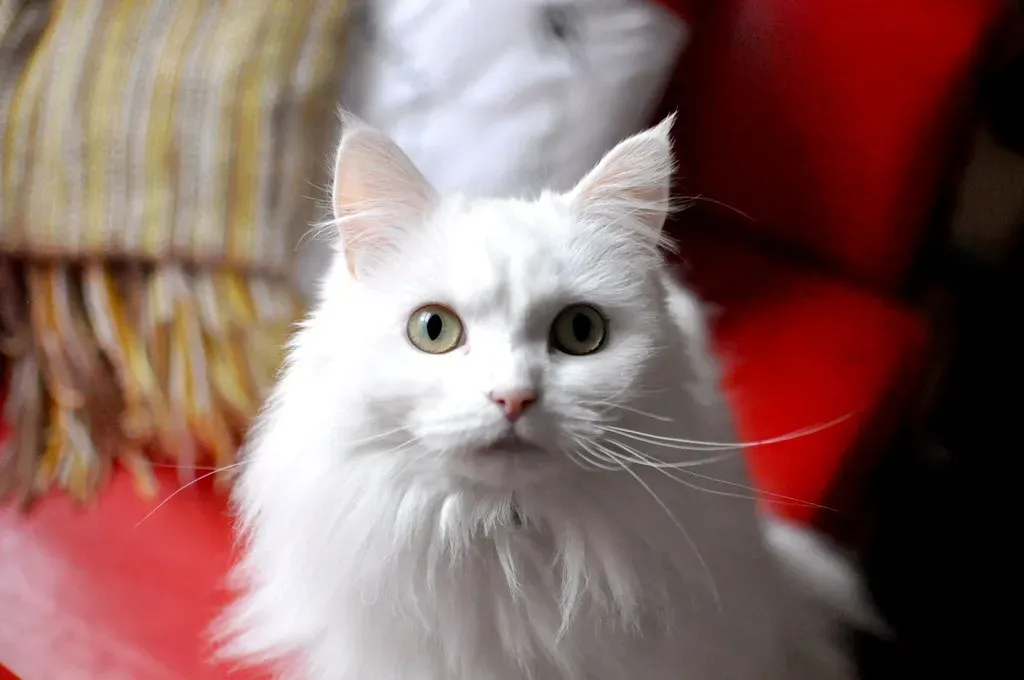
Long-haired breeds of cats often have very fine silky outer coats that may tangle very easily. Turkish Angoras possess one of the finest coat textures in the cat world. While this creates an elegant, flowing appearance, it’s a groomer’s nightmare scenario waiting to happen.
Their single-layer coat lacks the structure of double-coated breeds, making the individual hairs prone to wrapping around each other like microscopic spaghetti. Static electricity makes matters worse, especially in dry environments. Groomers handling Turkish Angoras must use specialized tools and techniques to avoid creating more tangles while trying to remove existing ones. The ultra-fine texture means that what looks like a small knot can actually involve hundreds of individual hairs twisted together in complex patterns that take ages to unravel.
Siberian Cats: The Triple-Coated Troublemakers
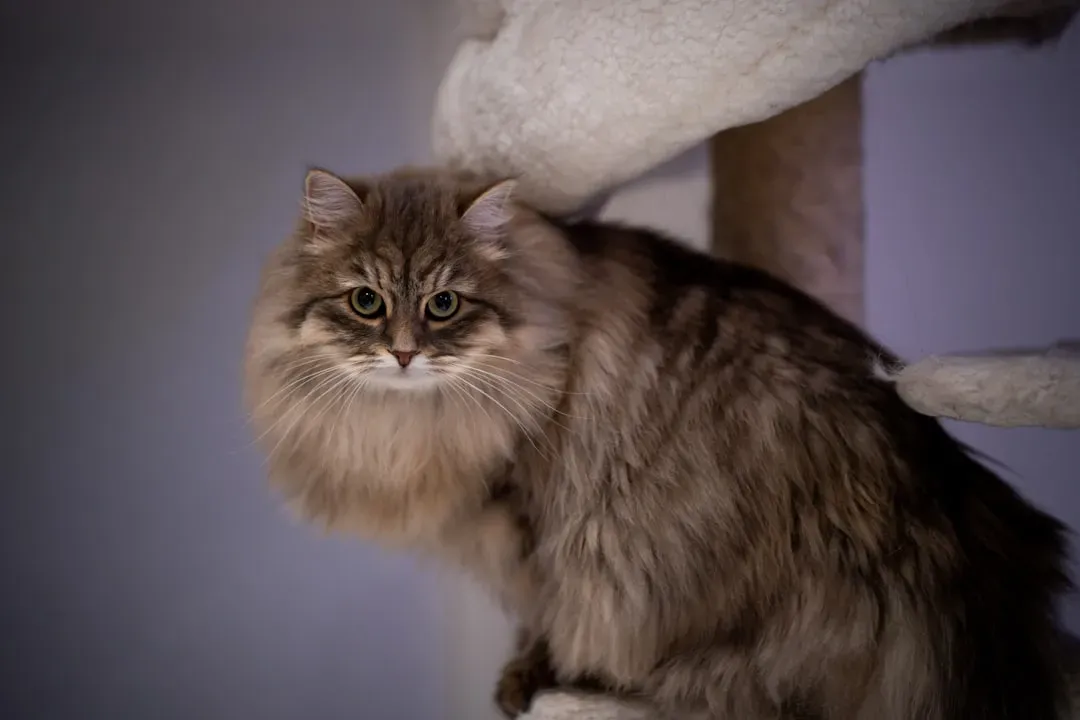
Siberian cats have dense, double coats that require heavy maintenance for grooming. If you think double coats are problematic, Siberians take it to another level with their triple-layered protection system. They’ve got guard hairs, awn hairs, and a downy undercoat all working together to create maximum warmth and maximum grooming challenges.
During shedding season, Siberians can lose alarming amounts of fur. Groomers describe working through a Siberian’s coat like peeling an onion, with layer after layer of fur coming away. The dense nature of their coat means moisture gets trapped easily, and if a Siberian gets wet without immediate thorough drying, mats form with frightening speed. Their ruff area around the neck and their britches are particularly prone to massive tangles that require professional intervention.
Scottish Fold Longhair: The Folded Ears, Matted Fur Combo
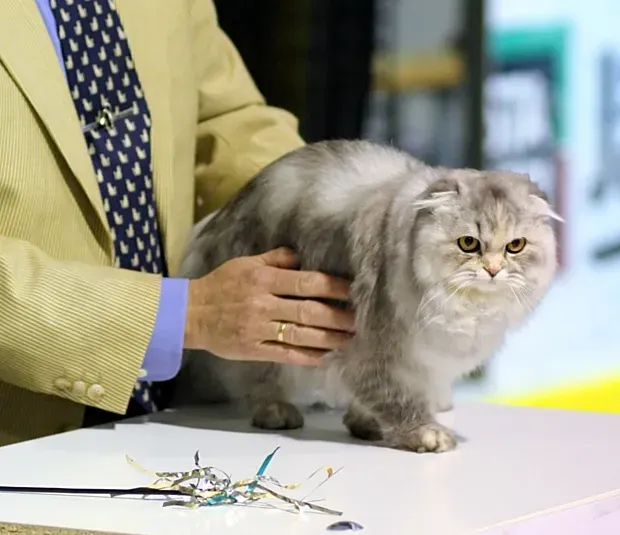
Scottish Fold cats have dense, double coats that require heavy maintenance for grooming. While the shorthaired Scottish Fold is relatively manageable, the longhaired variety presents unique challenges. Their plush coat has a tendency to felt rather than simply tangle, creating dense mats that feel almost like fabric.
Groomers find that Scottish Fold Longhairs often develop mats in unexpected places due to their compact body structure and the way they move. The areas under their folded ears, where moisture can accumulate, are particularly problematic. Their thick undercoat sheds continuously rather than seasonally, meaning year-round vigilance is required. Many owners don’t realize their Scottish Fold Longhair needs daily grooming until serious matting has already developed, at which point professional grooming becomes essential and potentially expensive.
Balinese Cats: The Siamese With Grooming Complications
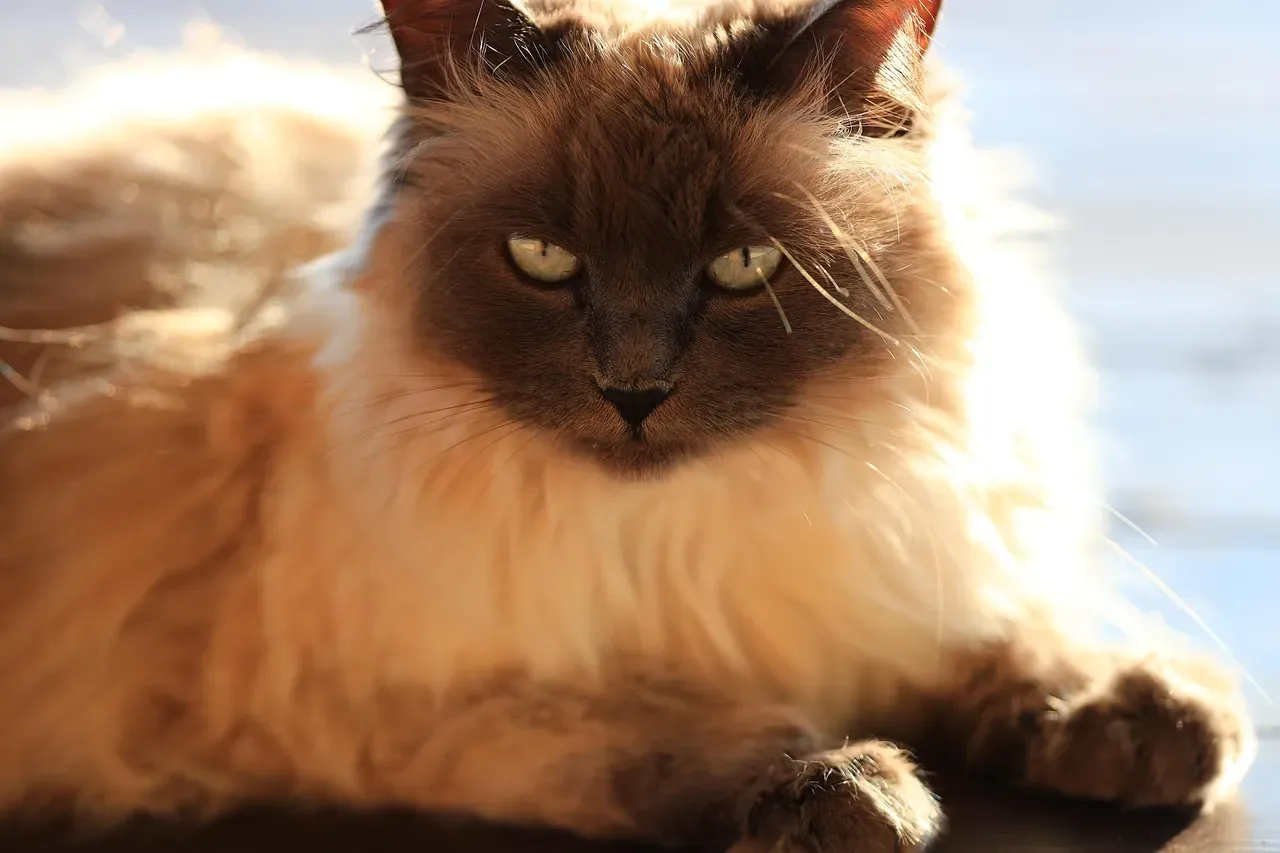
The Balinese cat essentially takes the elegant Siamese and adds a medium-long coat into the equation. While not as dramatically long as Persian fur, the Balinese coat has its own special challenges. The fine, silky texture mats surprisingly quickly, especially around the tail and hindquarters.
Professional groomers note that Balinese cats often resist grooming more than other longhaired breeds, making the process doubly difficult. Their coat doesn’t have the volume of a Persian but tangles just as easily. The combination of fine texture and active personality means these cats can develop mats from normal daily activity. Areas of friction, like where their legs meet their body or under their elegant plumed tail, become problem zones overnight. What looks sleek and smooth one evening can reveal multiple small mats by morning.
Conclusion
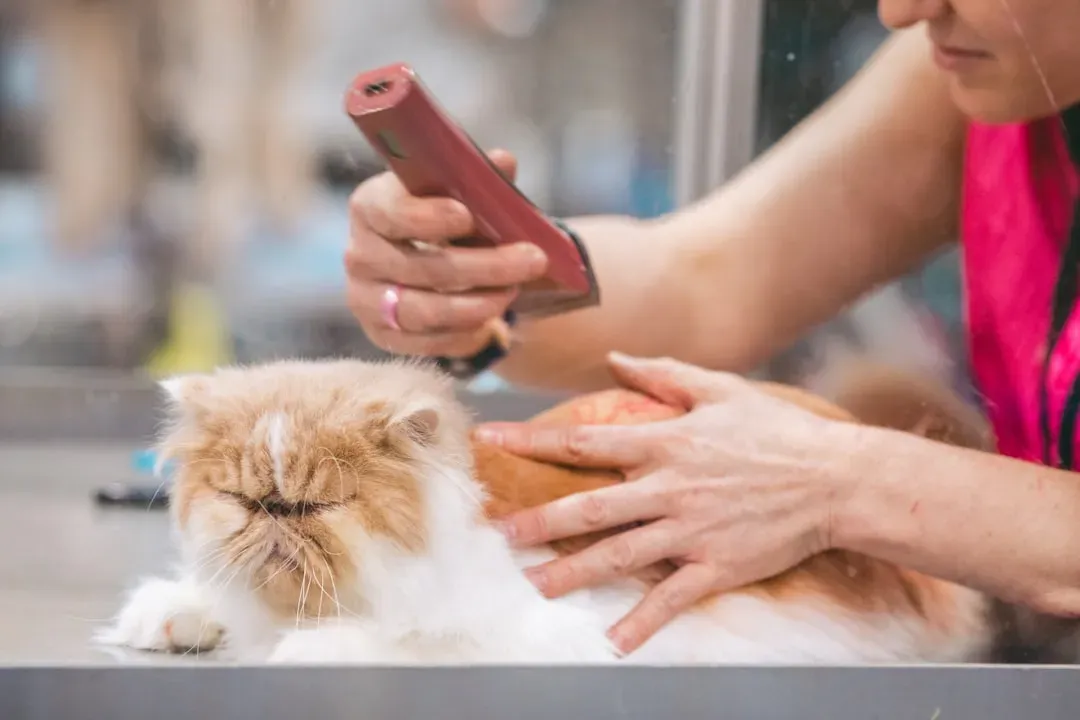
The cats on this list aren’t impossible to care for, but they demand serious commitment. Behind every gorgeous long-haired feline is either an owner with daily grooming dedication or a professional groomer earning every penny. Daily brushing prevents most mat problems, and 10 minutes per day can prevent lengthy mat removal sessions.
If you own or are considering one of these breeds, understand that their beauty requires work. Regular grooming isn’t optional; it’s essential for their health and comfort. Professional groomers have seen it all, and while they might secretly dread these breeds, they also know the satisfaction of transforming a tangled mess back into feline perfection. What’s your experience been with grooming challenging cat breeds? Have you discovered any tricks that make the process easier?