Have you ever watched your cat go from purring peacefully on your lap to suddenly swatting at your hand for no apparent reason? You’re definitely not alone in this experience. Feline mood swings can leave even the most devoted cat owners scratching their heads, wondering what triggered the sudden personality shift.
While all cats have their quirky moments, some breeds tend to show more temperamental behavior. Their emotional landscape can shift faster than you’d expect, sometimes influenced by genetics, energy levels, or even sensitivity to their surroundings. Understanding which breeds are prone to these sudden changes can help you create a better environment for your feline friend without breaking the bank. Let’s explore the breeds that keep their owners guessing.
1. Siamese Cats
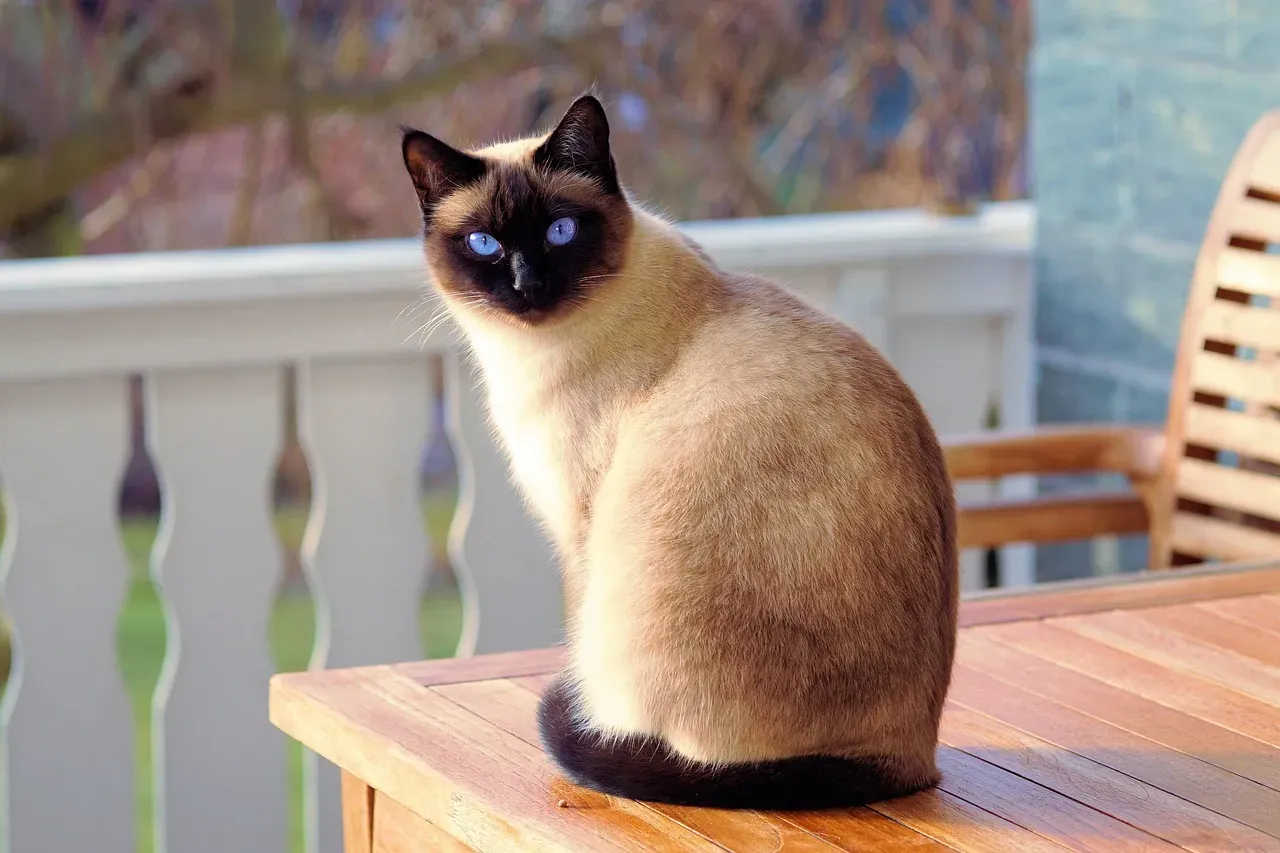
Known for their striking blue eyes and dramatic vocalizations, Siamese cats are as demanding as they are beautiful. These cats don’t just want your attention – they demand it, and when they don’t get what they need, their mood can flip surprisingly fast. One minute they’re purring contentedly while you work, and the next they’re yowling like they’ve been personally offended by your phone call.
Certain breeds, like Siamese or Bengal, are known for their vocal and energetic nature, which might be perceived as moodiness. Their intense personality means they form incredibly strong bonds with their favorite humans. When you’re away too long or not giving them enough interactive play, you might notice them becoming withdrawn or even slightly aggressive. The good news is that creating a predictable routine with scheduled playtime can work wonders. Try setting aside just fifteen minutes twice a day for interactive play with a feather wand or laser pointer – these budget-friendly toys can significantly improve their emotional stability.
2. Bengal Cats
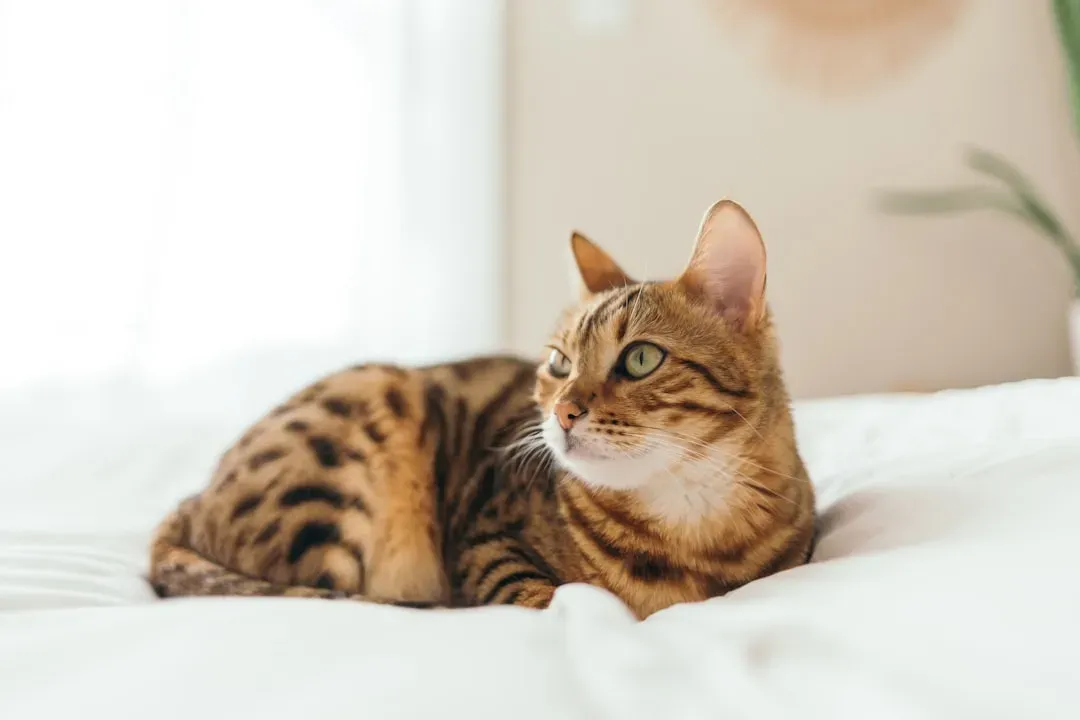
Bengals are basically small leopards trapped in house cat bodies, and honestly, they act like it sometimes. Their wild ancestry makes them incredibly energetic and sometimes unpredictable in their reactions. You might find your Bengal racing through the house at top speed one moment, then suddenly acting standoffish the next. It’s not personal – it’s just their nature.
These cats need serious mental stimulation to stay balanced. Without it, they can become frustrated and nippy, which often gets mistaken for aggression. Creating an enriching environment doesn’t have to cost a fortune, though. Simple cardboard boxes arranged at different heights, paper bags for exploring, or even a window perch where they can watch birds can dramatically improve their mood. Rotating their toys weekly keeps things fresh and prevents the boredom that often triggers their moodier moments.
3. Savannah Cats

Crossbred with African servals, Savannah cats carry a bit of the wild in their genes. Their unpredictable behavior is rooted in their hybrid instincts, making them prone to sudden mood swings or territorial aggression. These aren’t your typical lap cats – they’re tall, athletic, and have strong prey drives that can kick in without warning. What looks like playful behavior one second can escalate into something more intense the next.
Socialization at a young age is critical, or they may become wary or even hostile toward unfamiliar people. For owners of Savannahs, establishing clear boundaries early on is essential. They respond well to routine and structure, so maintaining consistent feeding times and play sessions helps stabilize their temperament. Puzzle feeders are particularly useful for these intelligent cats – you can even make your own by cutting holes in a cardboard box and hiding treats inside. This gives them a productive outlet for their hunting instincts.
4. Persian Cats
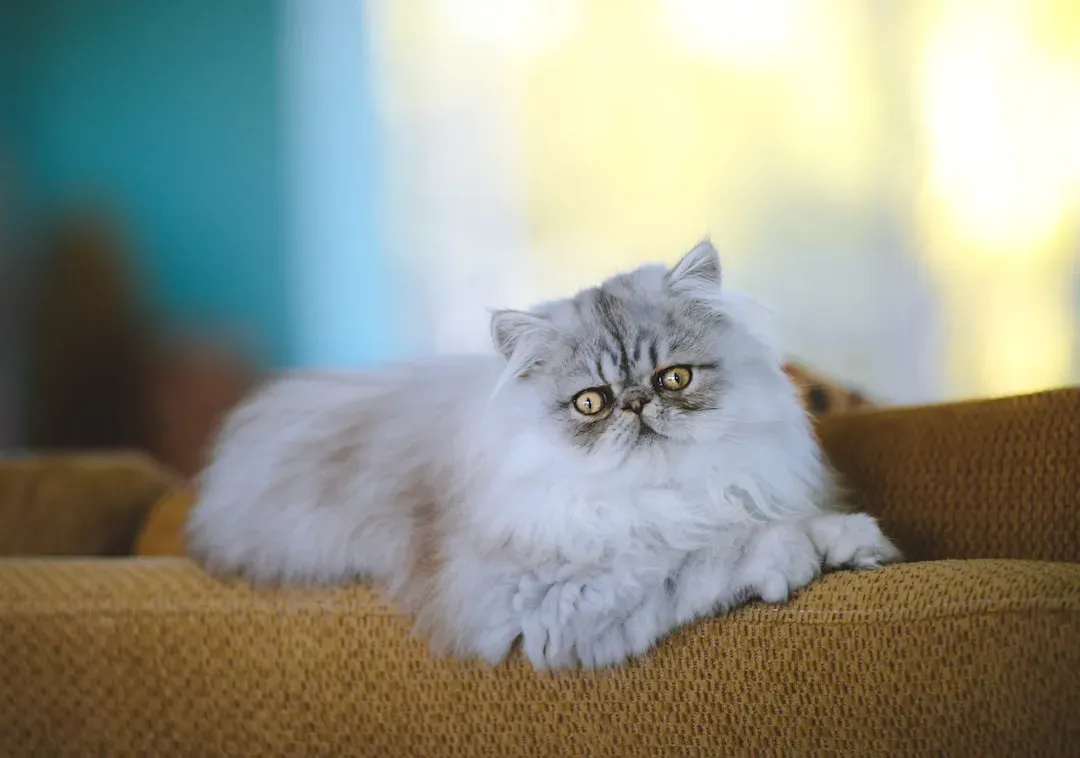
Behind their regal appearance lies a breed that can be surprisingly sensitive and moody. Persians dislike sudden changes in environment, loud noises, or rough handling – any of which may trigger defensive behavior. These fluffy aristocrats have very specific preferences about how they like their world to be, and when things don’t meet their standards, they let you know. Their temperament is less about aggression and more about intense sensitivity.
These cats need a calm, quiet home where their routines are respected. They tend to bond closely with one or two people and may act cold or even aggressive toward others. Creating a peaceful environment for your Persian doesn’t require expensive renovations. Simple changes like keeping noise levels down during their rest times, maintaining a consistent grooming schedule, and providing hiding spots made from soft blankets can make a huge difference. They appreciate predictability, so try to keep their litter box, food, and sleeping areas in the same spots.
5. Sphynx Cats
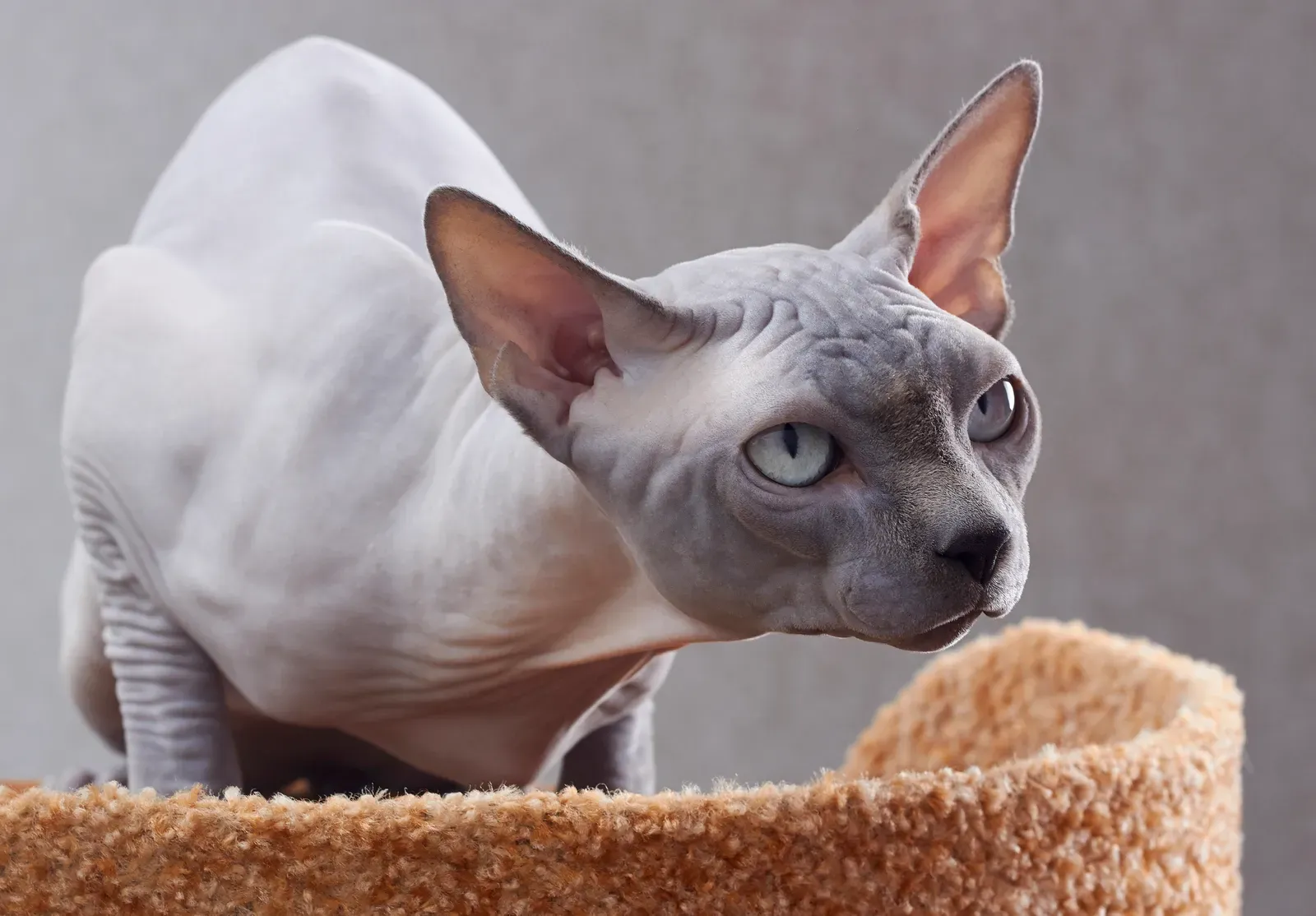
Hairless and highly affectionate, the Sphynx is a cat that demands constant love and attention. Their aggression usually appears when their intense social needs are not being met. These cats aren’t naturally mean – they’re just incredibly needy. When they feel ignored or lonely, they can become destructive or seemingly aggressive as a way to communicate their unhappiness.
The key with Sphynx cats is ensuring they never feel isolated. If you work long hours, consider adopting them in pairs so they have companionship. When you are home, make your time together count with plenty of petting and interactive activities. A simple heating pad or warm blanket creates a cozy spot they’ll love, helping them feel secure and content. Teaching them basic tricks with treats can also provide mental stimulation and strengthen your bond without requiring any special equipment.
6. Russian Blue Cats
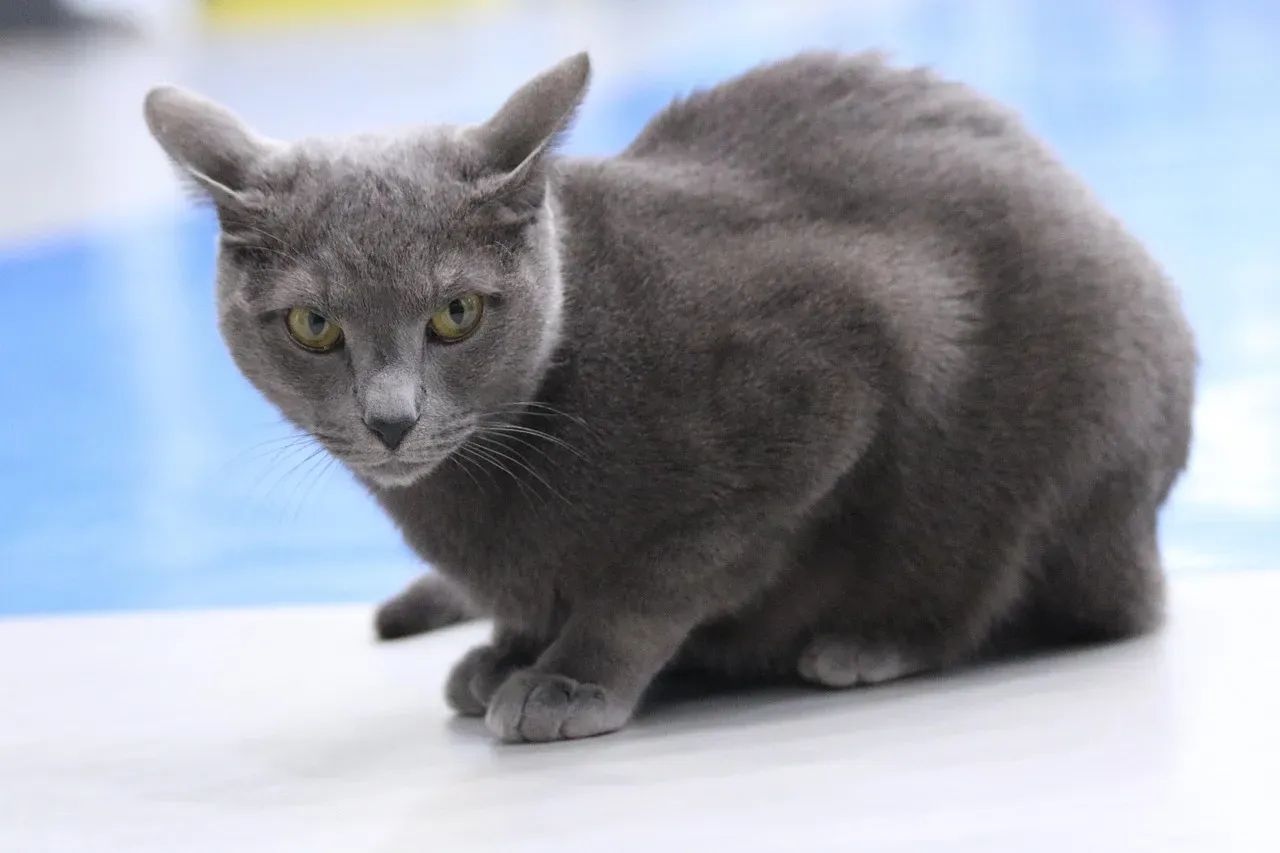
Often shy and reserved, Russian Blues may show aggression when startled or forced into unfamiliar situations. Their aggression isn’t typically malicious but driven by fear or anxiety. These gentle cats are creatures of extreme habit who prefer everything to stay exactly as it is. Introduce anything new – a different brand of litter, a house guest, or even rearranged furniture – and you might witness a complete personality change.
These cats prefer predictable routines and quiet spaces, and they do not adapt well to chaos or high-energy households. For Russian Blues, consistency is everything. Keeping their daily schedule as regular as possible helps prevent anxiety-driven mood swings. Create a safe retreat space in a quiet corner of your home using an old cardboard box lined with a soft towel. When they feel overwhelmed, having this escape spot can prevent defensive behaviors. Gradual introductions to anything new – spreading it out over days or even weeks – will save you both a lot of stress.
7. Maine Coon Cats
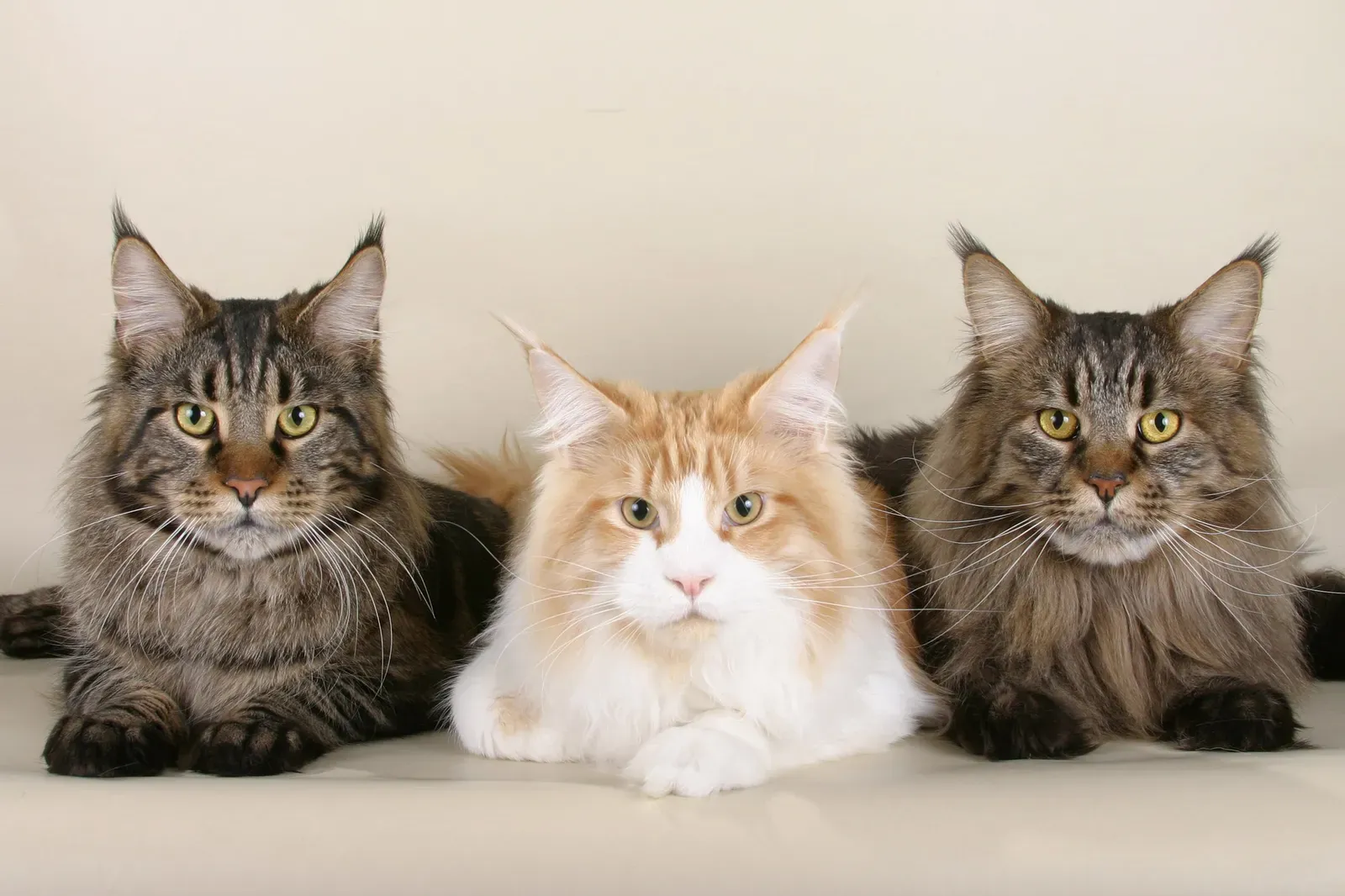
Maine Coons are generally known as gentle giants, which makes their occasional mood swings even more surprising to their owners. These large cats typically have easygoing temperaments, yet they can become unexpectedly irritable if they’re not getting enough physical activity or if they’re dealing with discomfort. Their size means they need more space to move around than average cats.
When a Maine Coon seems grumpy or standoffish, it often means they’re bored or under-stimulated. Simple solutions like crumpled paper balls, empty toilet paper rolls stuffed with treats, or even ice cubes in their water bowl can provide affordable entertainment. These cats also appreciate vertical space, so if you can’t afford a fancy cat tree, securely stacked storage boxes covered with carpet remnants can serve the same purpose. Regular brushing sessions not only prevent matting but also serve as bonding time that keeps them emotionally balanced.
8. Abyssinian Cats
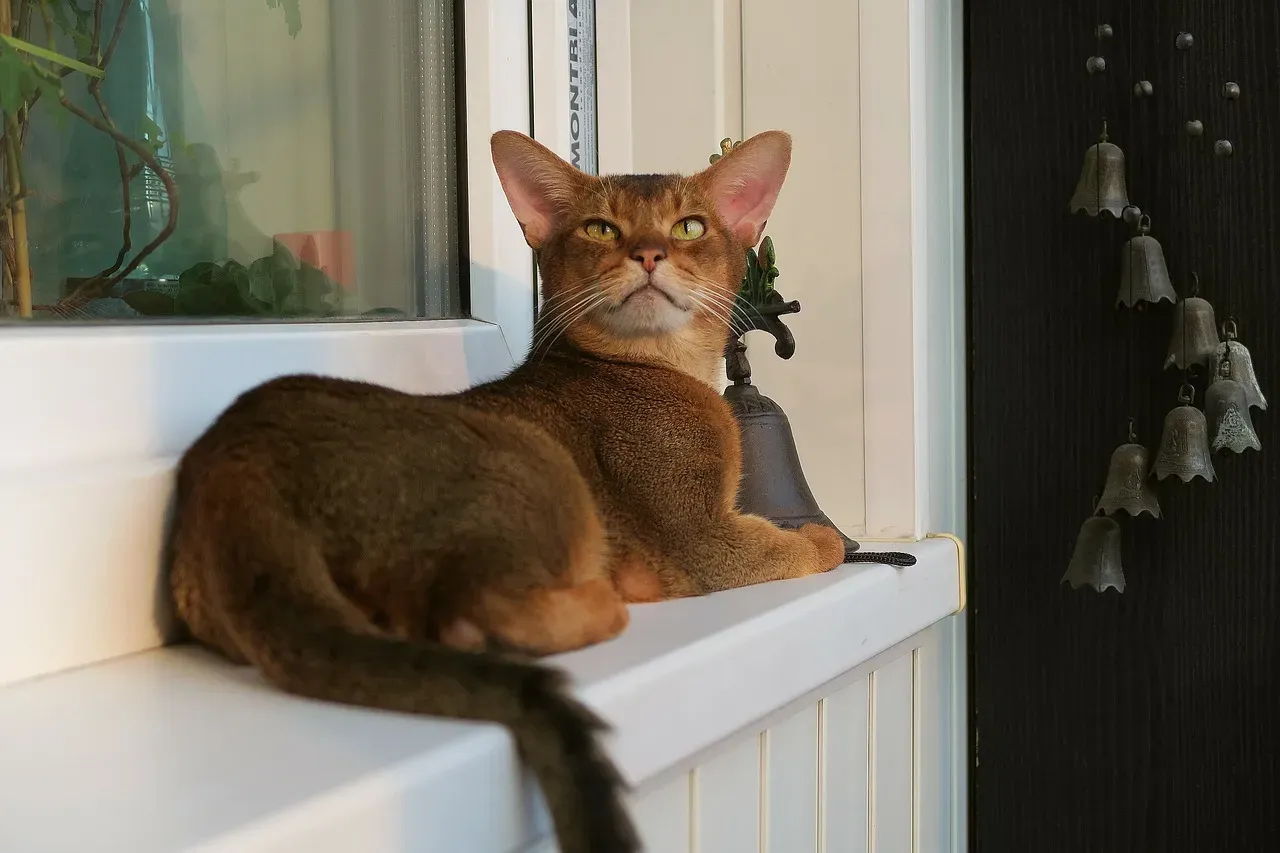
Abyssinians are like little tornadoes of energy wrapped in sleek, ticked coats. They’re incredibly intelligent and curious, which unfortunately means they get bored easily. When an Abyssinian is under-stimulated, their mood can shift dramatically – they might become clingy and demanding or aloof and irritable. Their emotional state seems directly tied to how engaged their brain is at any given moment.
These cats thrive on variety and challenge, so rotating their toys and activities is crucial. You don’t need expensive electronic toys – hiding treats around the house for them to hunt, teaching them to fetch with wadded paper, or even letting them “help” with tasks like folding laundry can keep their minds occupied. Creating different levels in their environment using chairs, shelves, or sturdy boxes gives them climbing opportunities that satisfy their natural instincts and improves their overall mood stability.
9. Scottish Fold Cats

Scottish Folds have those adorable folded ears that make them look perpetually curious, yet beneath that sweet exterior can lurk some surprising temperamental moments. These cats are generally affectionate, though they can become moody when they’re uncomfortable or when their space is invaded too aggressively. Their unique ear structure sometimes makes them more sensitive to touch around their head.
The breed can also be prone to joint issues as they age, which naturally affects their mood. A cat in discomfort won’t always show obvious signs – instead, you might just notice they’re crankier than usual. Providing soft, easily accessible resting spots at ground level helps. Old pillows or folded blankets work perfectly. Being gentle and respectful of their boundaries, especially around their ears and when they’re resting, prevents most mood-related incidents. Regular vet checkups are important for catching any pain issues early before they significantly impact temperament.
10. Oriental Shorthair Cats
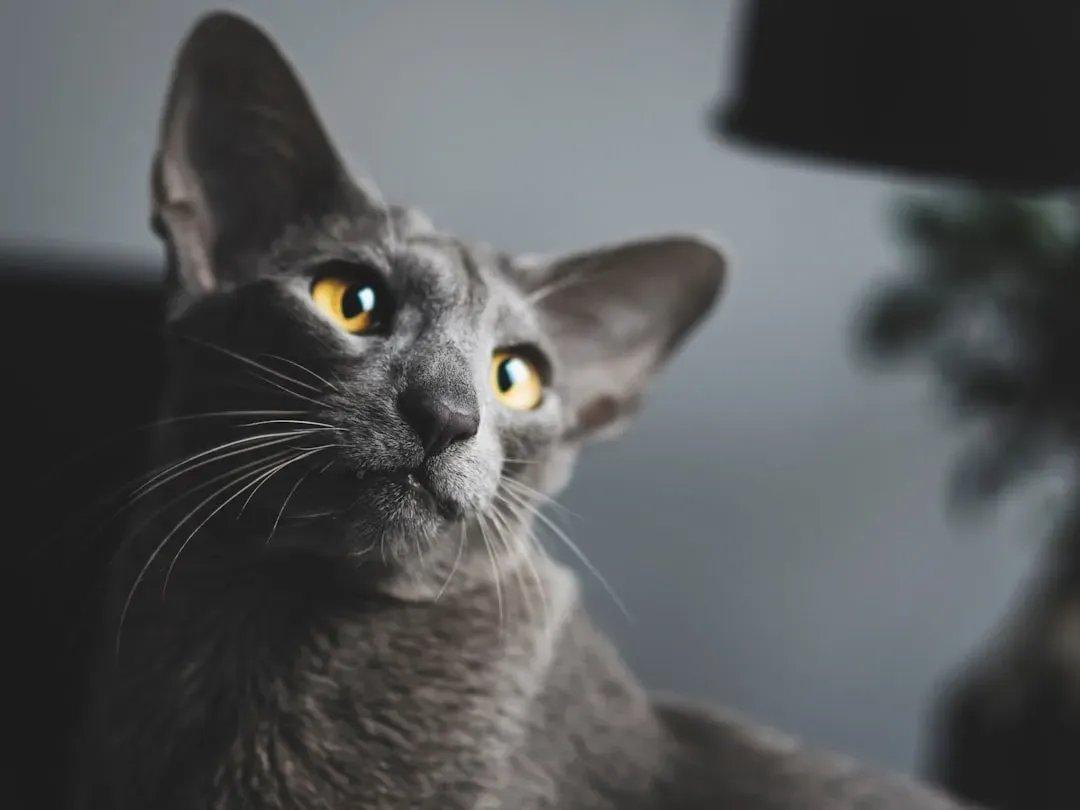
Oriental Shorthairs are essentially Siamese cats in different color packages, so they share many of the same temperamental tendencies. These cats are incredibly social and emotionally sensitive, forming deep attachments to their families. When they feel neglected or when their environment becomes too chaotic, they can shift from affectionate to aloof or even aggressive seemingly overnight.
They communicate through vocalizations and body language, so paying attention to their signals prevents many mood-related problems. These cats need interactive play sessions to burn off energy and anxiety. Simple games like hiding and seeking, chasing a tied piece of fabric on a stick, or teaching them to retrieve small toys can make a massive difference in their emotional stability. They also appreciate having a buddy – whether another cat or a patient dog – so they’re never alone for extended periods. Companionship often solves behavioral issues more effectively than any product you could buy.
11. Burmese Cats
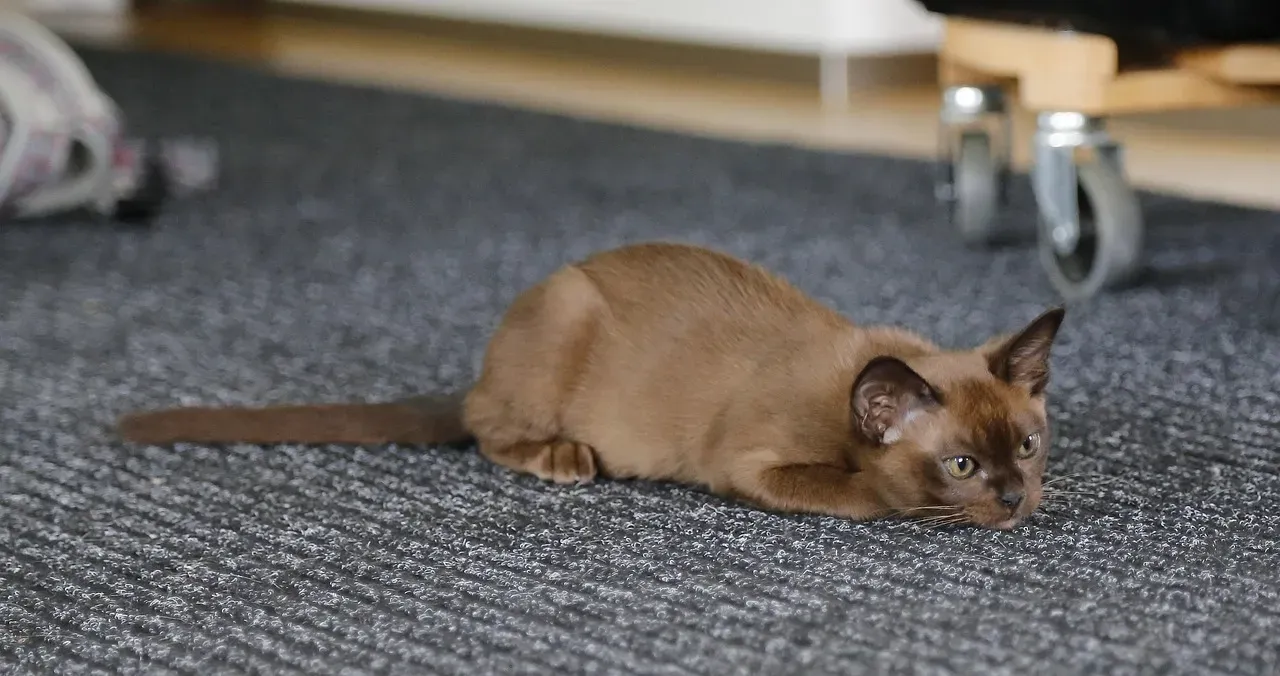
Burmese cats are often described as dog-like in their devotion to their humans, which sounds charming until you realize what happens when their needs aren’t met. These cats can become surprisingly moody when they feel their social needs are being ignored. They’re not as vocal as Siamese, so their displeasure might manifest as standoffishness, refusing to eat, or sudden swatting during petting sessions.
Creating opportunities for interaction throughout the day helps maintain their emotional equilibrium. Even if you’re busy, simply having them in the same room while you work can satisfy some of their social needs. Setting up a comfortable spot near your workspace costs nothing and makes a real difference. When you do have free time, focused attention – even just ten minutes of dedicated cuddle time or gentle play – fills their emotional tank more effectively than hours of distracted coexistence. These cats read your energy well, so being fully present during interactions matters more than the duration.
12. Turkish Angora Cats
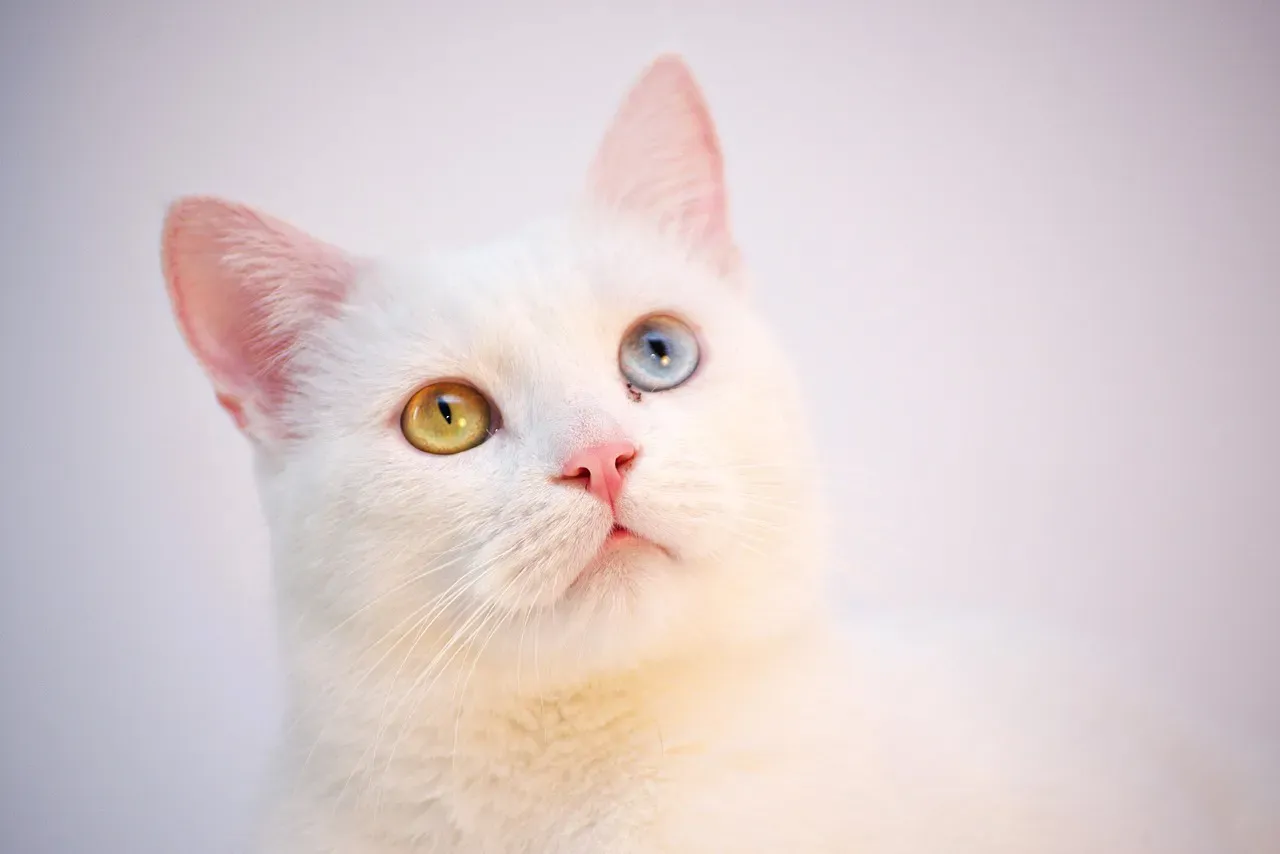
Turkish Angoras are elegant, intelligent cats with minds of their own and moods to match. They’re known for being assertive about what they want and when they want it. Their mood swings often relate to feeling like they’re not in control of their environment or when they’re prevented from expressing natural behaviors like climbing or hunting. They can go from playfully engaging to hissing and swatting if things aren’t going their way.
These cats need to feel like they have choices and autonomy. Providing multiple options for everything – several water stations, a few different sleeping spots, various toy types – gives them the sense of control they crave. Respecting their boundaries when they signal they’ve had enough attention prevents defensive reactions. Interactive feeding methods, like scattering dry food for them to hunt or using homemade puzzle feeders, channel their intelligence productively. Understanding that their moodiness often stems from their independent nature rather than actual aggression helps you respond appropriately and create an environment where they can thrive.
Creating a Harmonious Home for Your Temperamental Feline
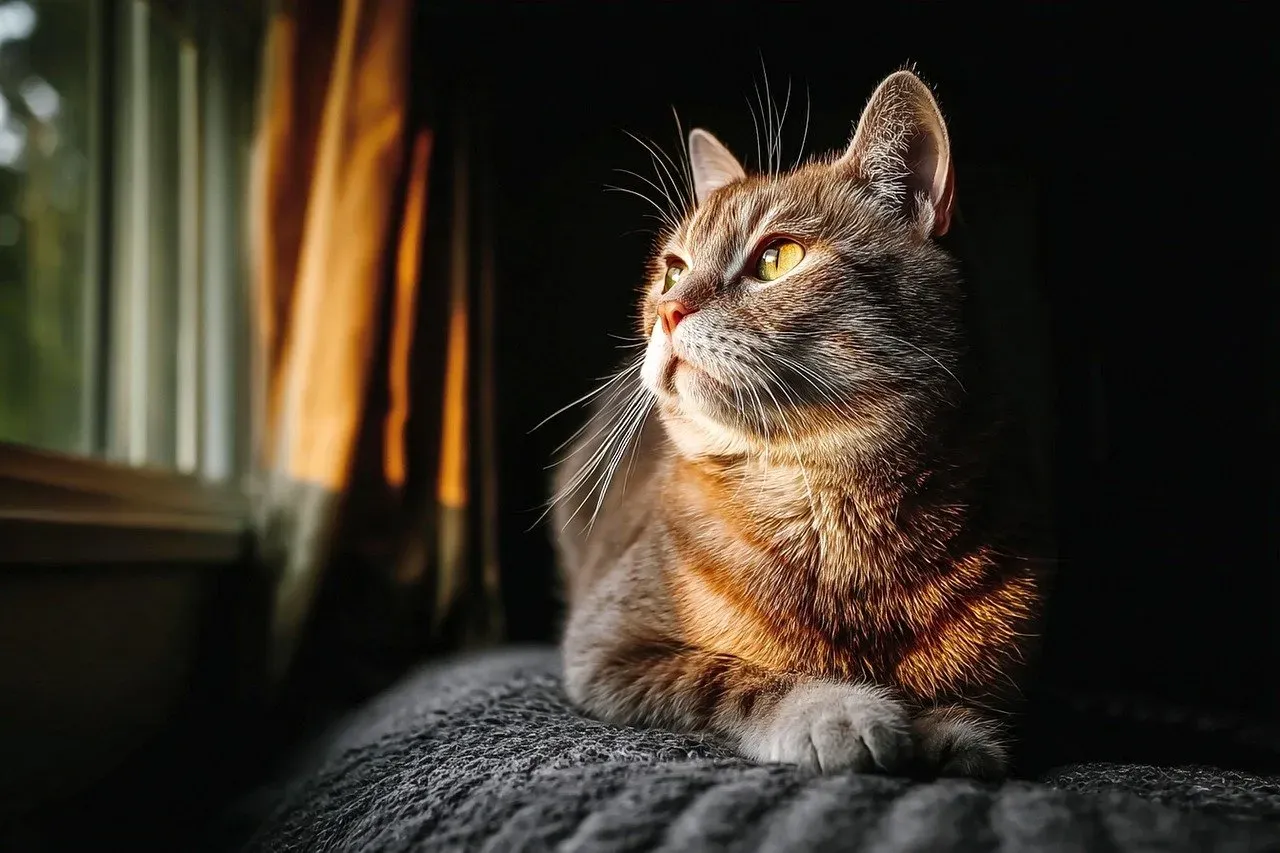
Living with a cat prone to mood swings doesn’t have to be stressful or expensive. The most important thing you can offer any temperamental breed is understanding and patience. Recognizing that their sudden personality shifts aren’t personal attacks but rather responses to their genetic makeup, environmental triggers, or unmet needs changes everything about how you interact with them.
Small, affordable adjustments to your cat’s environment can yield surprisingly dramatic improvements in their behavior. Consistent routines, appropriate mental and physical stimulation, safe retreat spaces, and respectful handling go much further than any expensive product ever could. Pay attention to what specifically triggers your cat’s mood changes – is it certain times of day, particular activities, or specific sounds? Once you identify patterns, you can proactively address issues before they escalate.
Remember that even the moodiest cats are capable of forming deep, rewarding bonds with their humans. Their complexity is part of what makes them fascinating companions. With some creativity, observation, and commitment to meeting their unique needs, you can help your temperamental feline friend feel secure, content, and loved. Have you noticed specific patterns in your cat’s mood swings? Understanding their triggers might be the key to a happier home for both of you.