You love cats. Maybe you’re scrolling through adorable adoption profiles right now, dreaming about bringing home a fluffy feline friend. That silky coat looks so soft, so touchable, so perfect. Here’s the thing though – some of those gorgeous cats come with grooming demands that would make even the most dedicated pet parent second-guess their choices.
Professional groomers know which breeds show up at their doors looking like furry disasters, and they’ve got stories. From mats so tight they pull the skin to weekly bathing schedules that rival your own shower routine, certain cat breeds are practically full-time jobs. Let’s dive into the feline world where beauty comes at a serious price.
Persian Cats: The Ultimate High-Maintenance Royalty
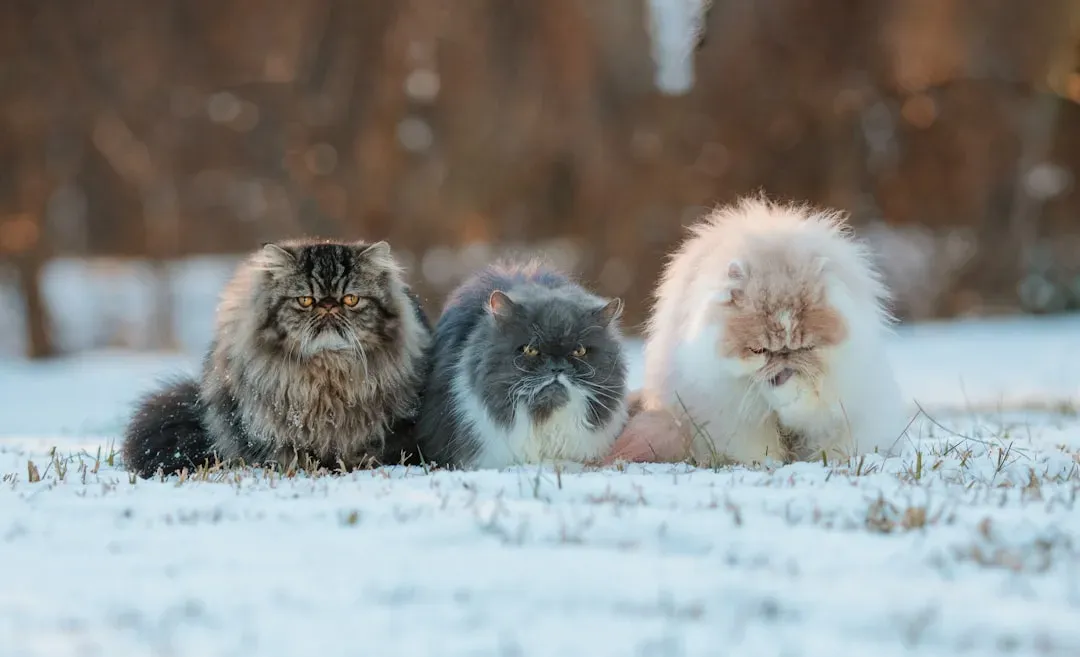
Grooming a Persian cat is no easy task, even for professional groomers, and honestly, that’s putting it mildly. These cats are basically walking cotton candy machines. Persian cats have the most fur of almost any other breed around, and will require regular grooming and bathing to keep their fur from becoming stained or matted.
Think daily brushing is enough? Think again. Daily grooming requires 10-15 minutes minimum, adding up to 60-90 hours per year just to keep your Persian presentable. Even with daily brushing, mats can form overnight in certain areas. Their dense double coat tangles faster than earbuds in your pocket, and those tangles can turn into painful pelts if you’re not vigilant.
Persian cats’ flat faces make their tear ducts inefficient, causing tears to overflow onto the face and causing brown stains that require daily cleaning, plus their natural oils accumulate faster than other breeds. So yeah, you’re not just brushing – you’re running a full spa service. Professional groomers often see Persians that have been neglected for just a few weeks, and the damage is shocking. The skin underneath those mats can become infected, sore, and downright miserable for the cat.
Himalayan Cats: Persian Problems With Extra Steps
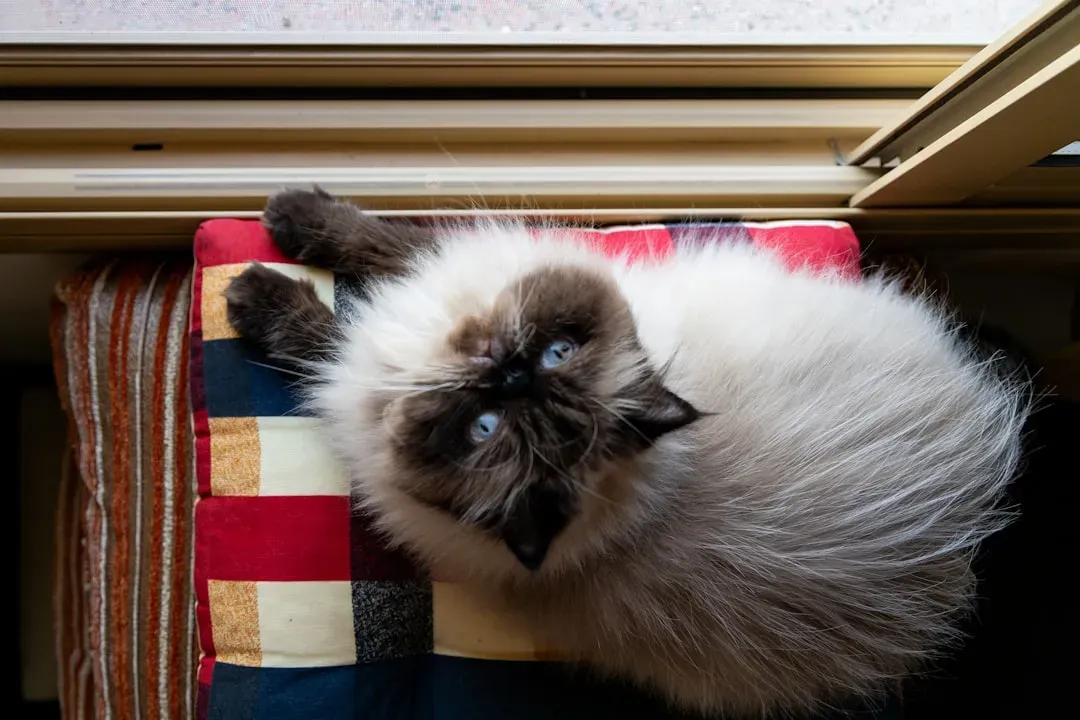
The Himalayan came to be when a breeder crossed a Siamese with a Persian in the 1930s, and they resemble Persian cats in appearance. Congratulations – you’ve got all the grooming nightmares of a Persian with some bonus challenges thrown in for fun.
This popular pet requires daily grooming as the short, dense undercoat and long, luscious top coat can easily mat, and they’re heavy shedders too. The double-layer situation means you’re dealing with two types of fur that tangle together like some kind of biological Velcro. To prevent matting, brush your cat every day using a comb that can reach their thick undercoat, and skipping daily grooming could result in large, painful mats that require professional grooming to untangle.
A brachycephalic breed, Himalayans can be prone to breathing difficulties that need careful management, as well as misaligned teeth and eye conditions. Their flat faces aren’t just cute – they’re medical management zones. You’ll spend time wiping tear stains, monitoring breathing, and making sure food doesn’t get stuck in all that facial fluff. It’s like owning a beautiful, fluffy medical case study.
Maine Coon Cats: Size Matters When It Comes to Grooming
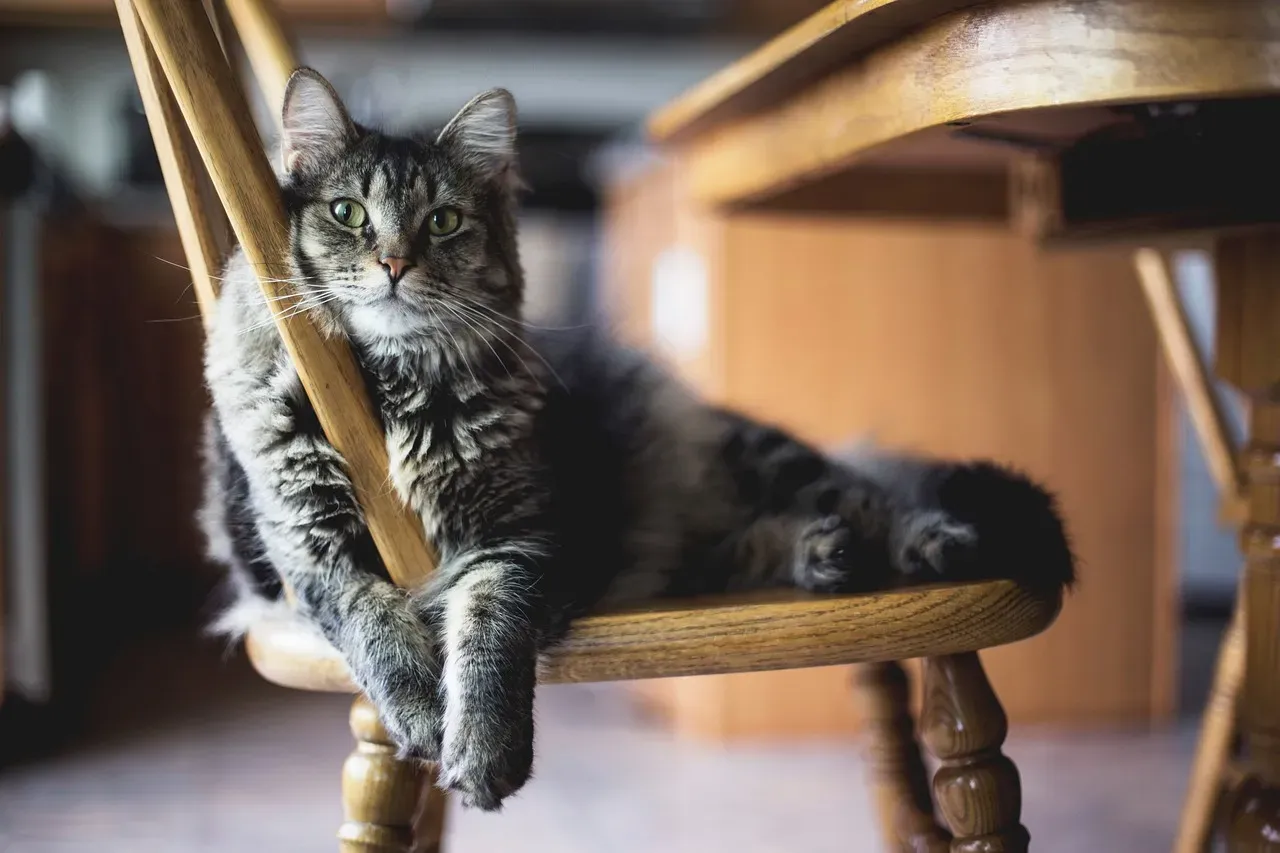
Now here’s where things get interesting. Maine Coons are absolutely massive, and it might not seem like a big deal for your cat to develop mats and tangles, but massive tangles can retain debris and bacteria, get caught on objects causing discomfort, and prevent the cat’s grooming and evaporative cooling system from functioning optimally.
You should brush your Maine Coon two to three times per week, removing any loose hair and dander. Sounds manageable, right? Except you’re brushing an animal the size of a small dog with a coat density that would make a sheep jealous. Maine Coons have a thick, semi-long coat that requires regular brushing to prevent mats and tangles, and when you factor in their sheer surface area, that “quick” brushing session becomes a workout.
Their fur is triple-layered, meaning you’ve got to get through multiple levels of fluff to prevent problems. Daily brushing can prevent matting by detangling the hair before it forms clumps, and it’s suggested to use a high-quality slicker brush efficient for reaching beneath the topcoat; if mats form, carefully clip them out. The armpits, belly, and behind the ears are notorious trouble zones where mats hide like furry landmines waiting to cause problems.
Ragdoll Cats: Deceptively Demanding Despite the Silkiness
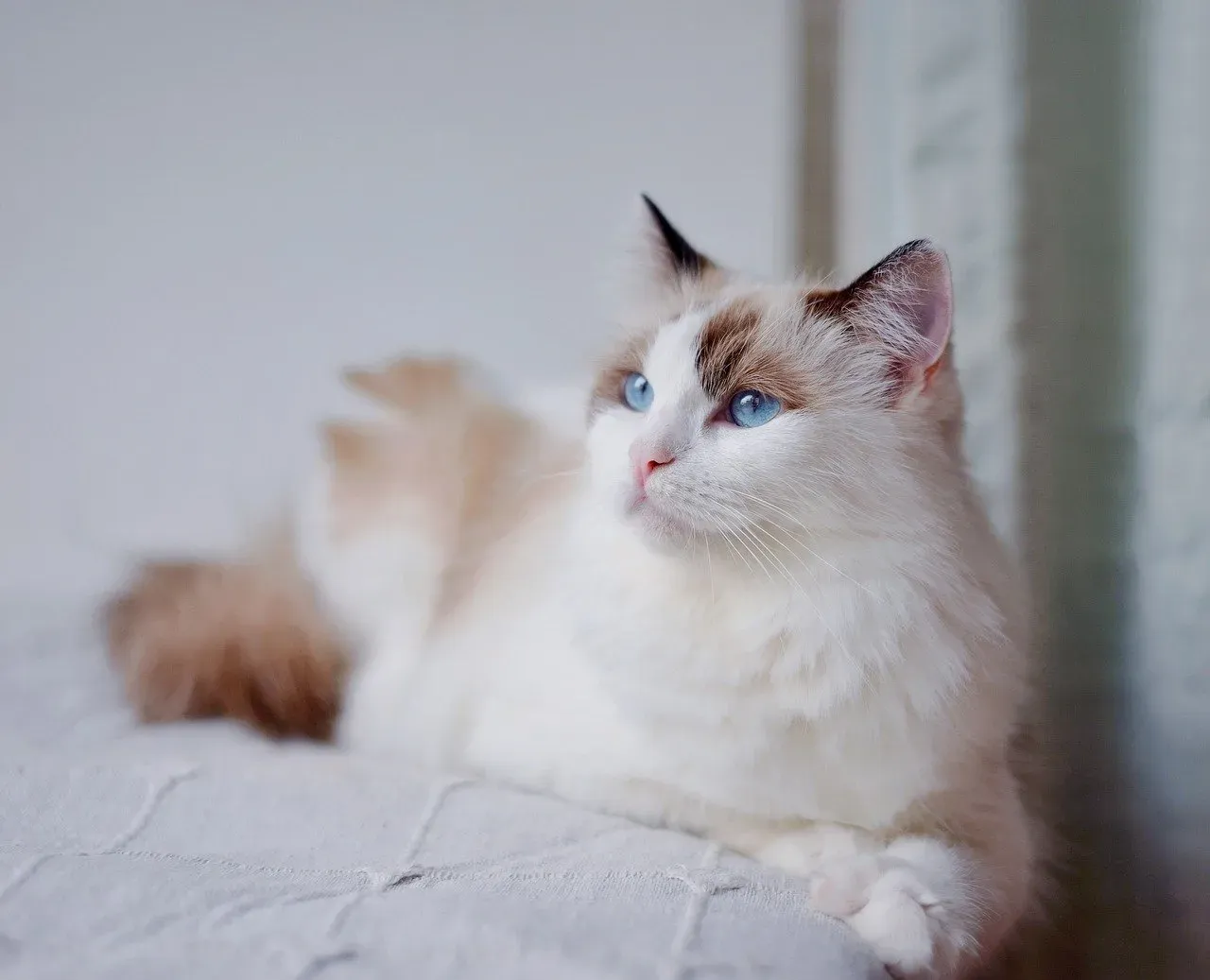
Ragdolls seem like they should be easy. They’ve got that silky coat that doesn’t mat as easily as a Persian, right? Well, yes and no. Their semi-long coats need regular grooming multiple times a week to reduce shedding and prevent mats, though this is less demanding than a Persian’s grooming routine.
Here’s where it gets tricky. Ragdolls don’t have an undercoat like certain long-haired breeds like Maine Coons, but there are a few areas on the feline’s body where the fur is longer, like the hair ruffs around their necks and their fluffy tails, that should be brushed at least twice per week. Those ruffs and tails can turn into tangled nightmares faster than you’d expect.
The real issue? Ragdolls can sometimes get a stomachache from ingesting too much hair due to the size of the clumps, and with regular brushing, there won’t be as many loose strands they can swallow. If you slack on grooming, your Ragdoll becomes a hairball factory. Plus, their laid-back personalities mean they’re not always great at self-grooming in hard-to-reach spots, leaving you to pick up the slack.
Sphynx Cats: Hairless Doesn’t Mean Effortless
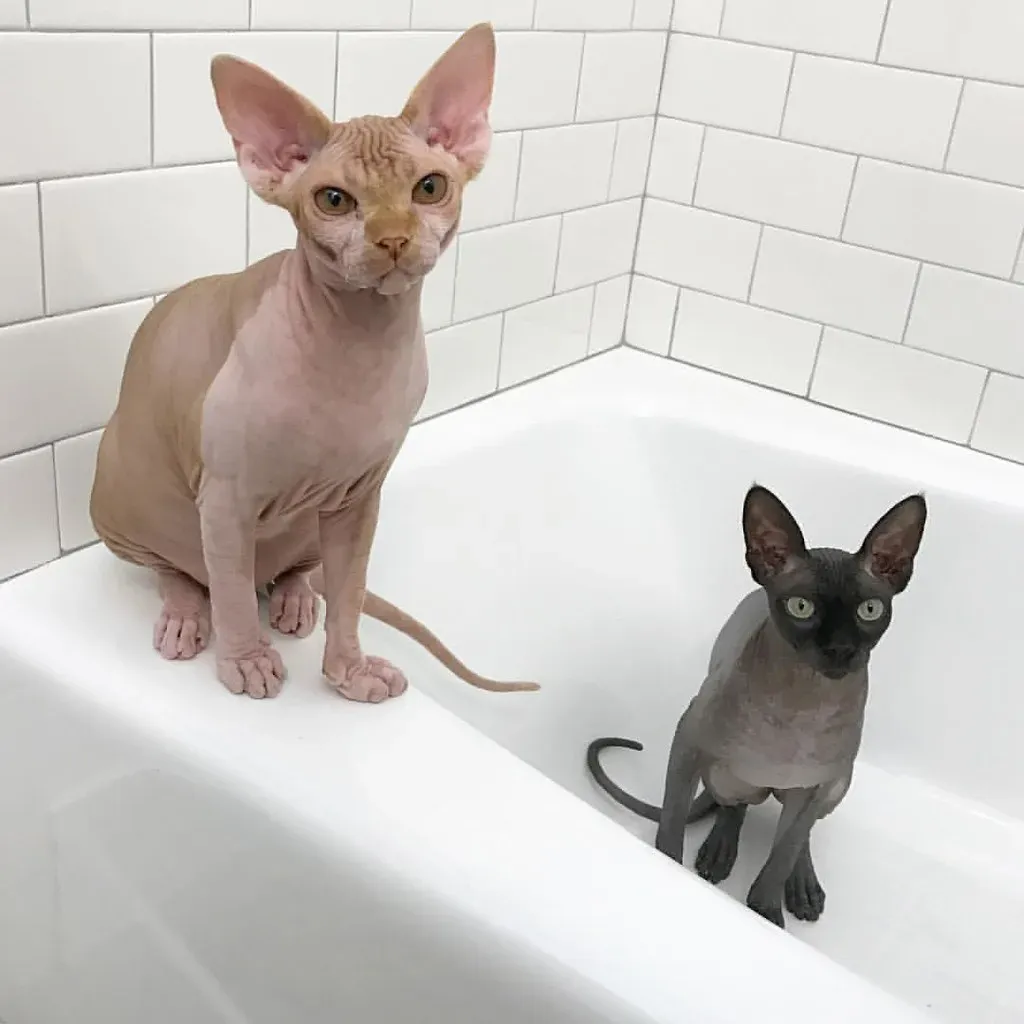
Let’s be real – you probably thought a hairless cat would be grooming-free. Surprise! Because of their lack of fur, sphynx cats have incredibly oily and sweaty skin, and this breed needs weekly baths to maintain healthy and clean skin. That’s right, weekly baths. For a cat. Good luck with that.
Unlike furry cats, Sphynx cats don’t have fur to absorb the natural oils their skin produces, meaning their skin can accumulate dirt, oil, and even develop issues like rashes or clogged pores if not cleaned regularly, and they are more prone to picking up dirt on their skin. Basically, they’re like living sponges for grime.
Sphynx cats don’t have hair inside their ears, which can cause excessive wax buildup, and if you don’t clean it out regularly, your cat could be more prone to ear infections; make sure you only clean the wax that’s present on the outermost part of the canal. You’re also dealing with potential acne, blackheads, and skin sensitivity. Sphynx cats are prone to yeast infections due to the accumulation of oils on their skin, and without fur to absorb these oils, they can build up and create an ideal environment for yeast growth. It’s less like owning a cat and more like managing a dermatology patient who happens to purr.
Norwegian Forest Cats: Wild Beauty With Wilderness-Level Maintenance
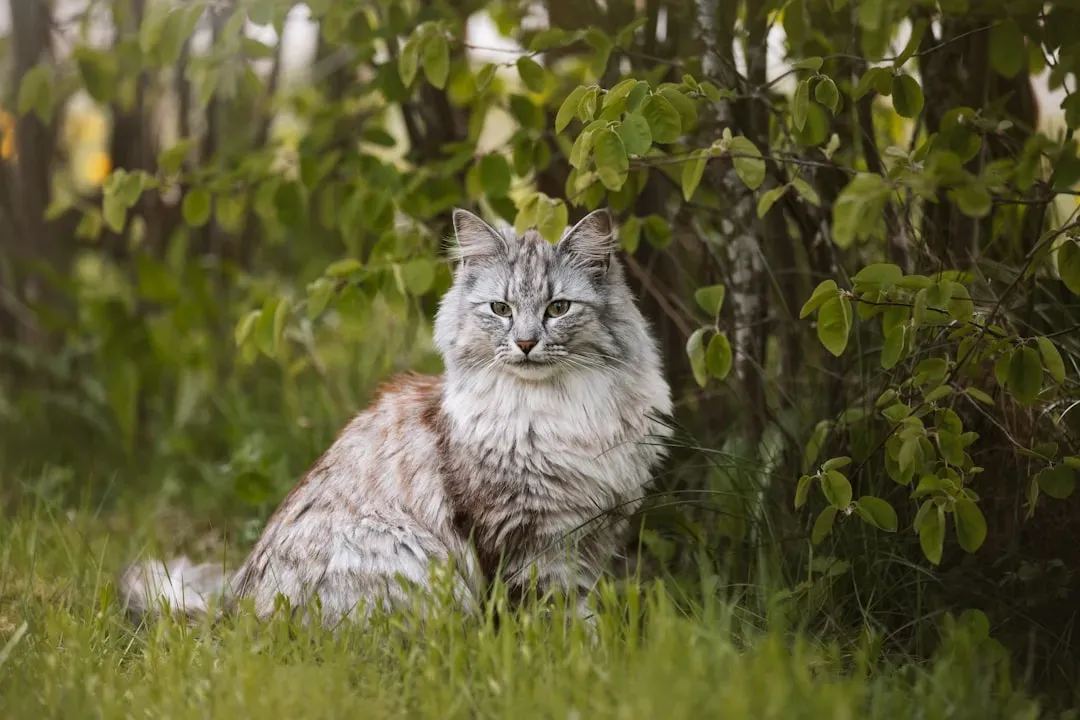
These majestic creatures look like they stepped straight out of a Nordic fairytale, and their grooming needs are equally legendary. Norwegian Forest Cats have water-resistant double coats designed to survive Scandinavian winters, which sounds great until you realize that means dense, woolly undercoats that mat spectacularly if neglected.
Their fur is long, thick, and grows in layers that require consistent attention. During shedding season, which happens twice yearly, these cats can lose enough fur to knit a sweater. The undercoat sheds in clumps, and if you’re not brushing multiple times a week, those clumps turn into felt-like mats that are painful to remove. The ruff around their neck and the britches on their hind legs are particularly prone to tangling.
Professional groomers often see Norwegian Forest Cats whose owners underestimated the commitment. What looks like manageable fluff can hide serious matting underneath, especially in areas where the cat moves frequently like under the front legs and around the hindquarters. Regular brushing isn’t optional – it’s survival mode for both you and your cat’s coat.
Birman Cats: Silky Coats With Sneaky Tangles
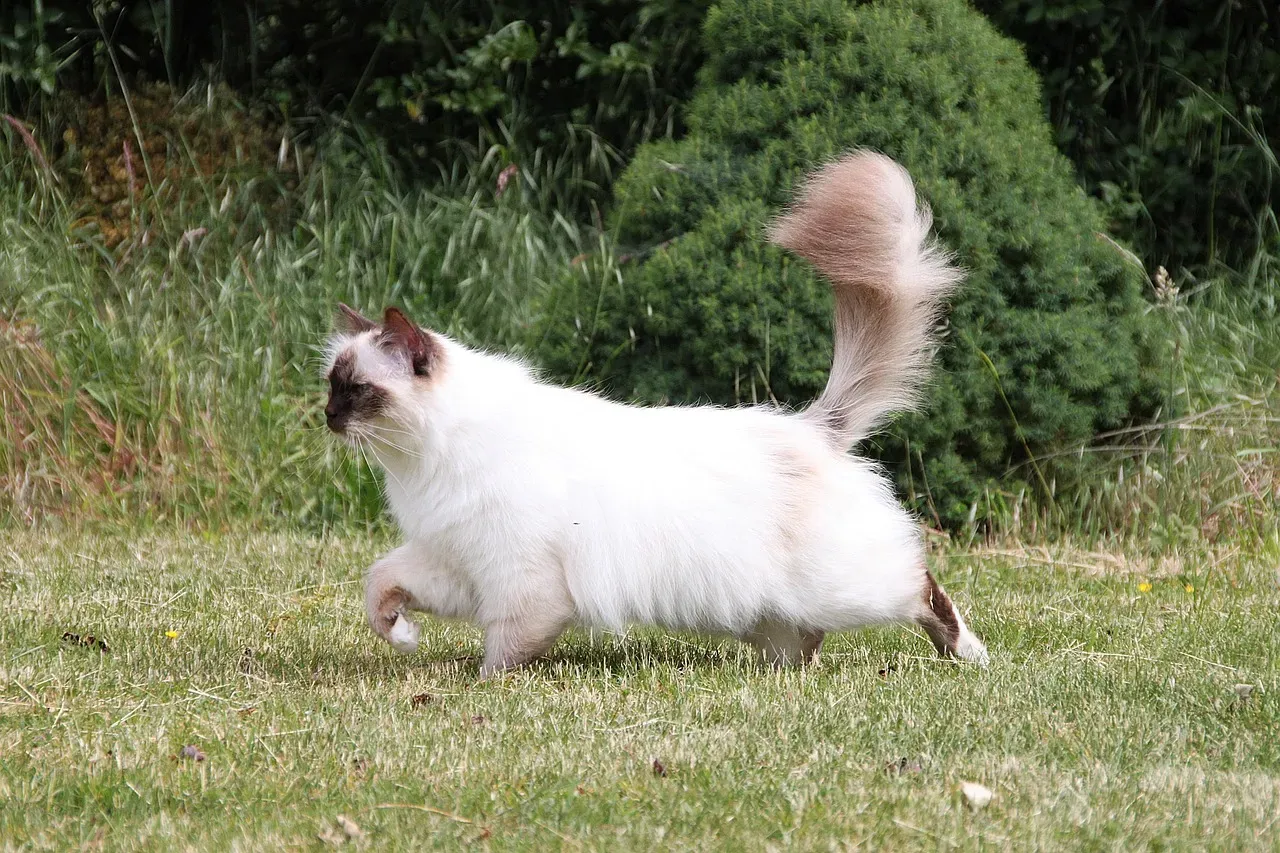
Birmans might not have the extreme coat length of Persians, but don’t let that fool you into thinking they’re low maintenance. Their semi-long silky coat has a texture that tangles more easily than you’d expect, especially around the collar, belly, and back legs where friction occurs.
The texture of Birman fur is unique – it’s soft and fine, which means it mats without much warning. One day your cat looks perfect, and the next day you’re discovering a solid mat behind their ear that seemingly appeared overnight. Their light-colored coats also show dirt and discoloration easily, meaning you can’t hide grooming neglect the way you might with a darker cat.
Regular brushing is essential, but so is technique. You need to get down to the skin level, not just skim the surface of their coat, which takes time and patience. Many Birman owners report that their cats tolerate grooming for only short periods, making the process even more challenging. It’s a test of endurance for both human and feline.
Turkish Angora Cats: Elegance That Demands Dedication
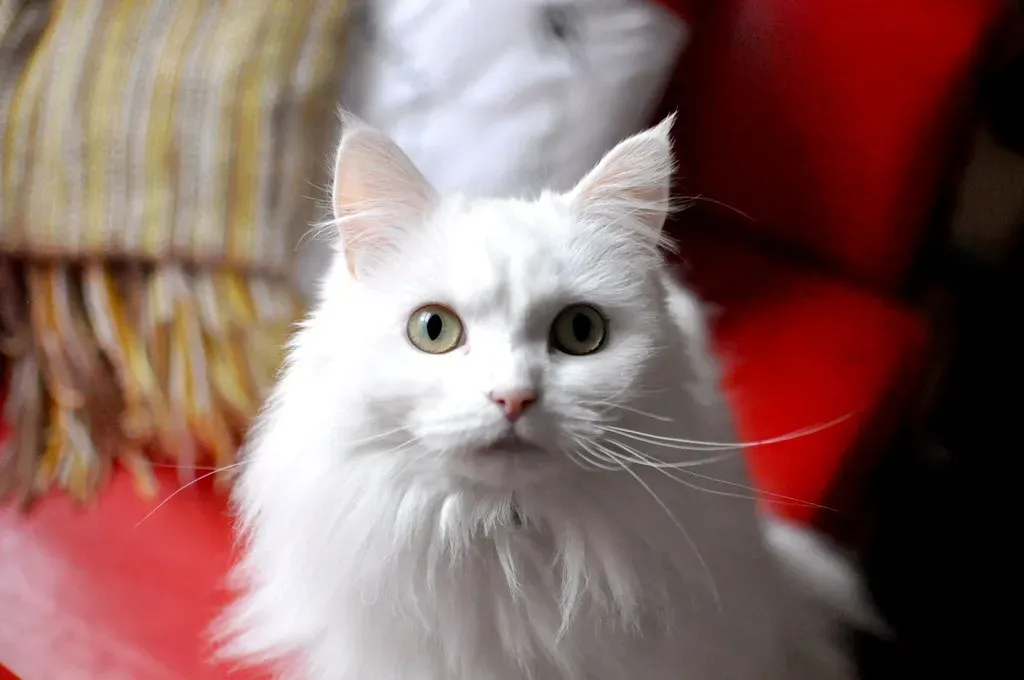
Turkish Angoras are stunning with their fine, silky coats that flow like water when they move. That gorgeous coat is also a grooming commitment that catches many owners off guard. The single-layer coat means there’s no undercoat to deal with, but the fine texture tangles easily, especially on the tail and britches.
These active, playful cats get themselves into situations that wreak havoc on their coats. They climb, jump, explore, and generally collect debris like furry magnets. Their coats can pick up everything from dust bunnies to random bits of plant material, and all of it works its way into tangles if you’re not vigilant with brushing.
The feathering on their tails is particularly problematic. It’s long, fine, and prone to matting at the base where the cat can’t reach properly during self-grooming. Many Turkish Angora owners find themselves doing spot grooming sessions multiple times a week just to keep ahead of problem areas. This breed looks effortless, but maintaining that elegance is anything but.
Conclusion
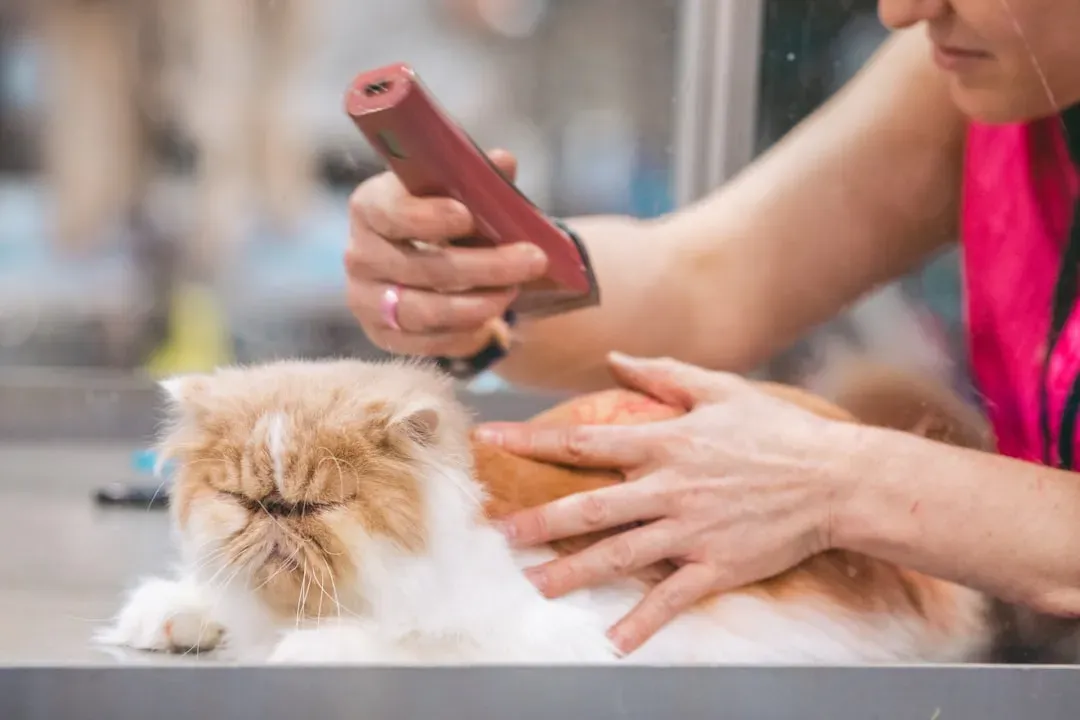
So there you have it – eight cat breeds that will test your grooming skills, patience, and commitment to feline beauty standards. From Persians who need daily spa treatments to Sphynx cats who redefine the meaning of skincare routine, these breeds prove that some of the most beautiful cats come with the highest maintenance costs.
Before you fall in love with a picture-perfect fluffy face, ask yourself if you’re truly ready for the reality. Daily brushing sessions, regular baths, constant mat checks, and possible professional grooming bills aren’t for everyone. These aren’t just cats – they’re lifestyle commitments wrapped in fur (or in the Sphynx’s case, wrapped in high-maintenance skin).
The groomers have spoken, and their message is clear: beauty is work. If you’re up for the challenge, these breeds offer incredible companionship and undeniable gorgeous looks. Just make sure your brush collection is ready and your calendar has room for quality grooming time. What do you think – would you take on one of these grooming challenges, or are you sticking with a lower-maintenance breed?