You’ve just welcomed a timid feline into your home, but instead of purring on your lap, they’re hiding under the bed, eyes wide with worry. Sound familiar? Here’s the thing: shy cats aren’t broken or unfriendly. They simply need a different approach, one that respects their boundaries while gently coaxing them out of their shell.
Shy cats are typically undersocialized and may have spent part of their first year in a shelter or situation where little attention was paid to them. Think of them like someone who’s been through a lot and needs time to learn that you’re safe. With patience and the right techniques, you can transform a fearful feline into a devoted companion who trusts you completely.
Let’s be real: earning a shy cat’s trust won’t happen overnight. It might take weeks, maybe even months. Every cat is an individual and connects with humans at different times and in different ways, with some taking weeks while others gradually bond over months or even years. Yet that journey is incredibly rewarding. So let’s dive in.
Create a Safe Haven Where Your Cat Can Feel Secure

Your shy cat needs a sanctuary, a place where the world feels manageable. Limiting the cat to one room upon arrival for a few days helps prepare a quiet and predictable safe zone that is important for adjustment. This isn’t punishment. It’s protection.
Think about it from their perspective: everything is overwhelming. New smells, unfamiliar sounds, strange people. Giving them plenty of time to adjust and feel safe in a smaller space lays a good foundation and helps develop a deeply trusting, loving bond. Set up food, water, a litter box, and cozy hiding spots like cardboard boxes or cat beds in this room. Your shy cat will gradually explore when they feel ready.
Never force them out. Let them make the decision to venture beyond their comfort zone when the time feels right to them.
Master the Art of Playing Hard to Get

I know it sounds crazy, but ignore your cat at first. Gaining a cat’s trust isn’t going to happen immediately; you’ll have to earn it. The more you chase, reach, or stare at them, the more they’ll retreat.
Let your new cat get used to you by just hanging out together without doing anything to or with them, allowing them to stay where they feel safe whether on or under your bed while you choose a place some distance away and read a book. Honestly, this is one of the hardest parts for cat lovers. We want to shower them with affection immediately. Resist that urge.
Don’t break their trust by trying to touch them when they come closer; the first contact should always be initiated by the cat. When you give them space and let curiosity bring them to you, the bond becomes genuine rather than forced.
Use Food as Your Secret Weapon
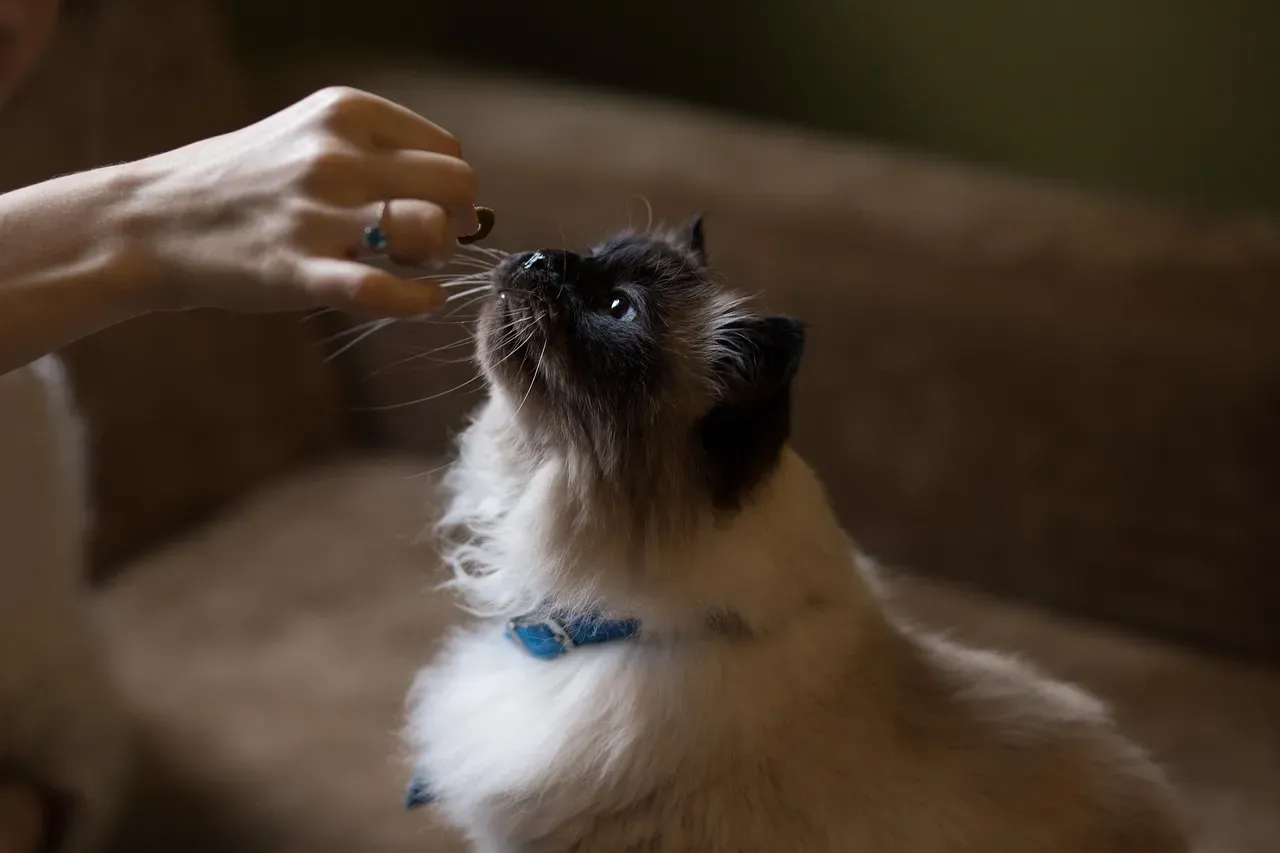
Food will be key to socialization, providing an incentive to interact and forming positive associations between humans and tasty treats. This technique works like magic if you’re patient about it.
Spend time in the room offering wet food or treats to help the cat make a positive association between you and the food. Start by leaving treats near their hiding spot, then gradually place them closer to where you’re sitting. Eventually, your shy cat will begin approaching you at mealtime. You can try very high value food treats like lunch meat and baby food, as the higher the value of the food motivator, the quicker you may see progress.
Try feeding them at the same times each day. Routine matters enormously to anxious cats because predictability equals safety in their minds.
Speak Their Language with Slow Blinks and Soft Voices

To ease tension and communicate that you’re not a danger, try slow blinking, which gives a clear sign that you mean no harm and that the cat can feel safe and comfortable. Think of it as a feline “I love you.”
If a cat blinks slowly at you, it means they trust and love you, and you can blink slowly back to show them that you love them too. This simple gesture creates connection without words. Always talk softly and move slowly around the cat. Loud noises and sudden movements trigger their flight response.
Avoid staring since this can be perceived as a threat, and it helps to get down to the cat’s level when interacting instead of towering over them. Lower yourself to the floor during interactions. You’ll seem far less intimidating that way.
Engage Through Play Without Physical Contact

Playing with your cat is an excellent way to bond, and play is so powerful that it is used to socialize feral and undersocialized cats and help them trust people. Play taps into their natural hunting instincts, allowing them to forget their fear for a moment.
If your cat is skittish or timid, use a fishing pole type toy or wand toy for play so you’re a distance away and the cat knows they’re safe but still interacting with you. Feather wands, string toys, and laser pointers work brilliantly. When a cat is playing, it’s in hunting mode, and when in hunting mode, cats are fearless.
Keep sessions short and positive. Stop before your cat becomes overstimulated. Let them catch the toy occasionally so they feel successful and confident.
Respect Their Boundaries and Read Their Body Language

Understanding feline body language is essential, as cats communicate through subtle signals like tail movements, ear positions, and vocalizations, and you should respond appropriately and give them space if they seem uncomfortable or stressed, allowing them to come to you on their terms. This might be the most critical skill you’ll develop.
Flattened ears, a low tail, or dilated pupils signal fear or stress. A relaxed cat has ears facing forward, a gently swaying tail, and a calm posture. A cat that will sleep or show their belly is a sign they are totally comfortable being vulnerable near you, though this is never an invitation to grab them or pet them. Many people make this mistake. The exposed belly means trust, not permission.
Watch for these cues constantly. When your cat shows discomfort, back off immediately. This teaches them that you respect their wishes, which paradoxically makes them trust you more.
Establish Consistent Routines They Can Rely On

Stick to a routine with your cat, as daily routines such as feeding times are important to them feeling secure and comfortable. Shy cats thrive on predictability because it removes uncertainty from their environment.
Establish a daily routine that includes regular feeding times, play sessions, and quiet time, as consistency helps your cat feel secure and reassured as they learn to anticipate and rely on the routine, strengthening the bond and fostering a sense of trust. Feed them at the same times, clean their litter box on schedule, and have play sessions at predictable intervals.
Even where you place their resources matters. Minimize changes in the home by keeping litter boxes, food and water bowls, and their bed in the same place, away from main walkways. Stability equals safety in the feline world.
Be Patient and Celebrate Small Victories

Be patient when working towards gaining the trust of a fearful cat, as patience and understanding are essential with fearful cats. This cannot be emphasized enough. Some days will feel like you’re making no progress whatsoever.
When a cat is curious enough to stay around you even if they don’t allow you to touch them, they are being curious and trusting, and if your cat eats when you are around they are being vulnerable, which is a good sign the cat is starting to trust you. These tiny moments are huge breakthroughs. Celebrate when your shy cat makes eye contact, ventures closer, or simply remains in the same room as you.
The transformation won’t be linear. There will be setbacks. Yet with consistent effort and genuine compassion, you’ll witness something remarkable: a frightened cat becoming confident, a hiding cat seeking your company, a wary creature offering their trust. That bond, once formed, becomes unbreakable.
Conclusion

Building trust with a shy cat requires more than technique. It demands empathy, patience, and a willingness to see the world through their anxious eyes. You’re not just training a pet; you’re proving to a vulnerable creature that humans can be safe, kind, and worthy of devotion.
The rewards are immeasurable. That first time your shy cat approaches you voluntarily, the moment they purr against your hand, or when they finally curl up beside you will make every patient minute worthwhile. What started as fear transforms into love, and that journey is what makes the bond with a shy cat so profoundly special.
Has your shy cat surprised you with their progress? What breakthrough moment made you realize they finally trusted you?