You’ve probably heard that cats are independent, aloof, and perfectly fine living on their own terms. While that’s partially true, there’s a side to feline behavior and intelligence that many people completely overlook. Cats are far more perceptive and communicatively advanced than we often give them credit for. They understand your tone, recognize patterns, and can read human body language better than you’d think. Honestly, the way they decode our moods and intentions is borderline eerie.
Yet when it comes to choosing the right cat for a household with children, understanding these complex communication signals becomes critical. Some breeds simply don’t mesh well with the chaos, noise, and unpredictable energy that kids naturally bring. It’s not that these cats are mean or defective. They’re just wired differently, with temperaments that clash with the boisterous nature of family life. Let’s explore which breeds fall into this category and why their unique personalities make them a poor match for homes with young ones.
1. Siamese: The One-Person Wonder
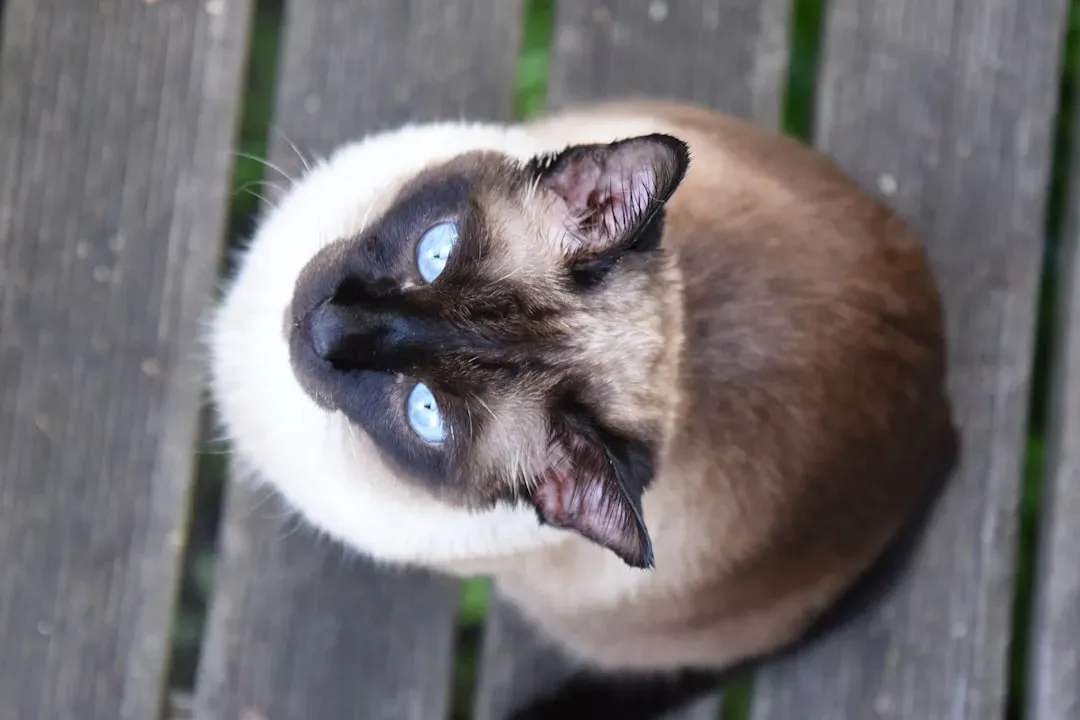
Siamese cats are known for their territorial tendencies and tendency to imprint on individual humans, often requiring attention from their chosen counterpart and becoming easily jealous, which can lead to hissing, biting, and scratching. These striking blue-eyed beauties don’t do well in environments where attention is divided among multiple people, especially energetic children.
Siamese cats bond very closely with a single person and are happy to ignore the rest of the family, and since they’re so affectionate, they might get a little jealous when somebody is receiving more attention than them. Kids naturally compete for attention, and a Siamese won’t tolerate being sidelined. Their vocal nature means they’ll make their displeasure abundantly clear, sometimes in ways that startle or upset younger children.
2. Turkish Van: The Territorial Climber
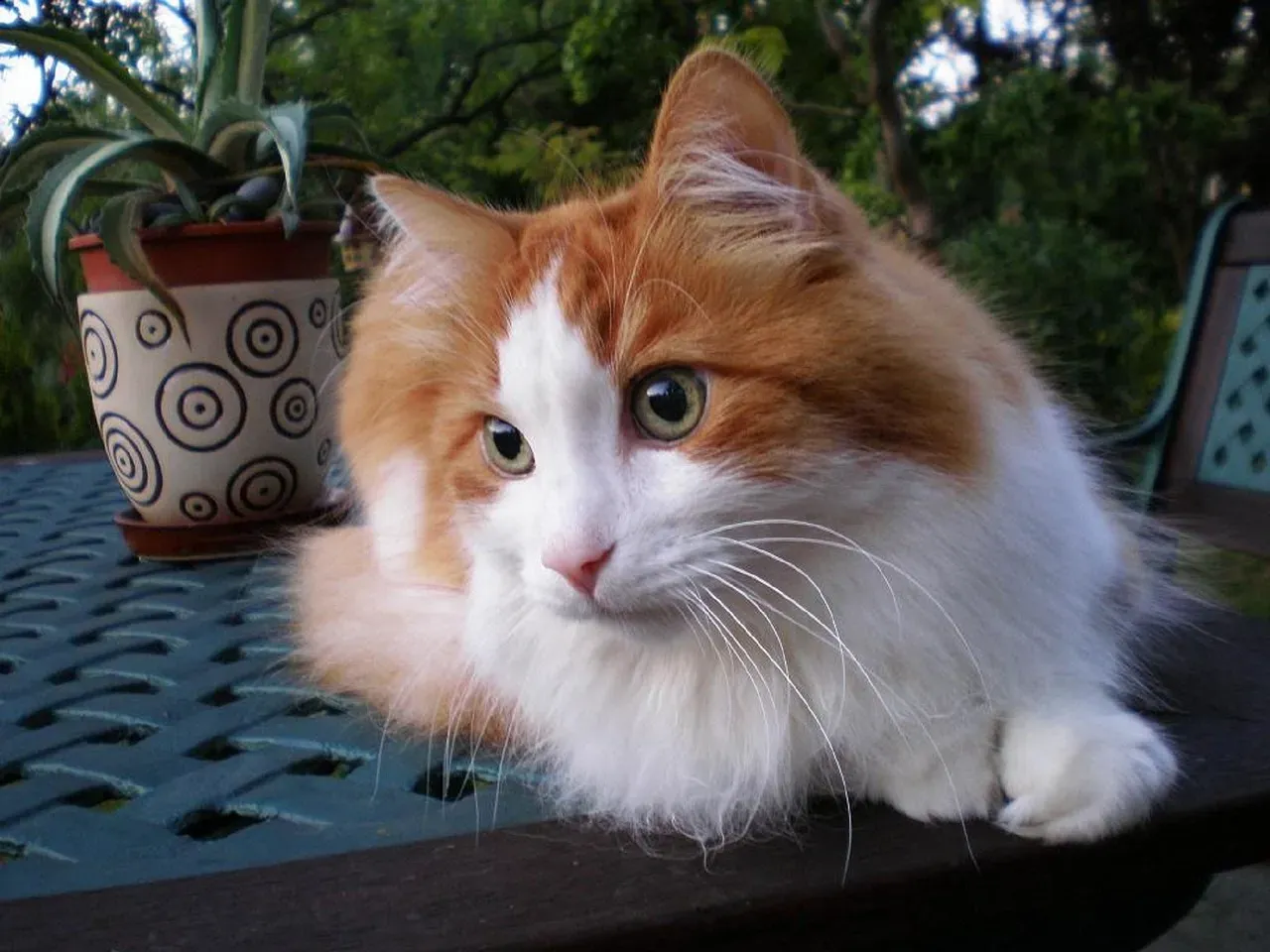
A recent study of over 40 breeds found that Turkish Vans were the most likely to display aggression towards people and other cats, and the Turkish Van is a cat that prefers to be the only cat in the household. These cats love their space and don’t appreciate unwanted affection or rough handling.
Turkish Vans are not recommended for homes with small children due to their activity level and territoriality, often standing up on their hind legs while playing and can play rather aggressively, which might be too much for smaller kids. Their rough play style and need for personal boundaries make them incompatible with the grabby hands and sudden movements of young children. When kids don’t understand when to back off, problems escalate quickly.
3. Egyptian Mau: The Skittish Speedster
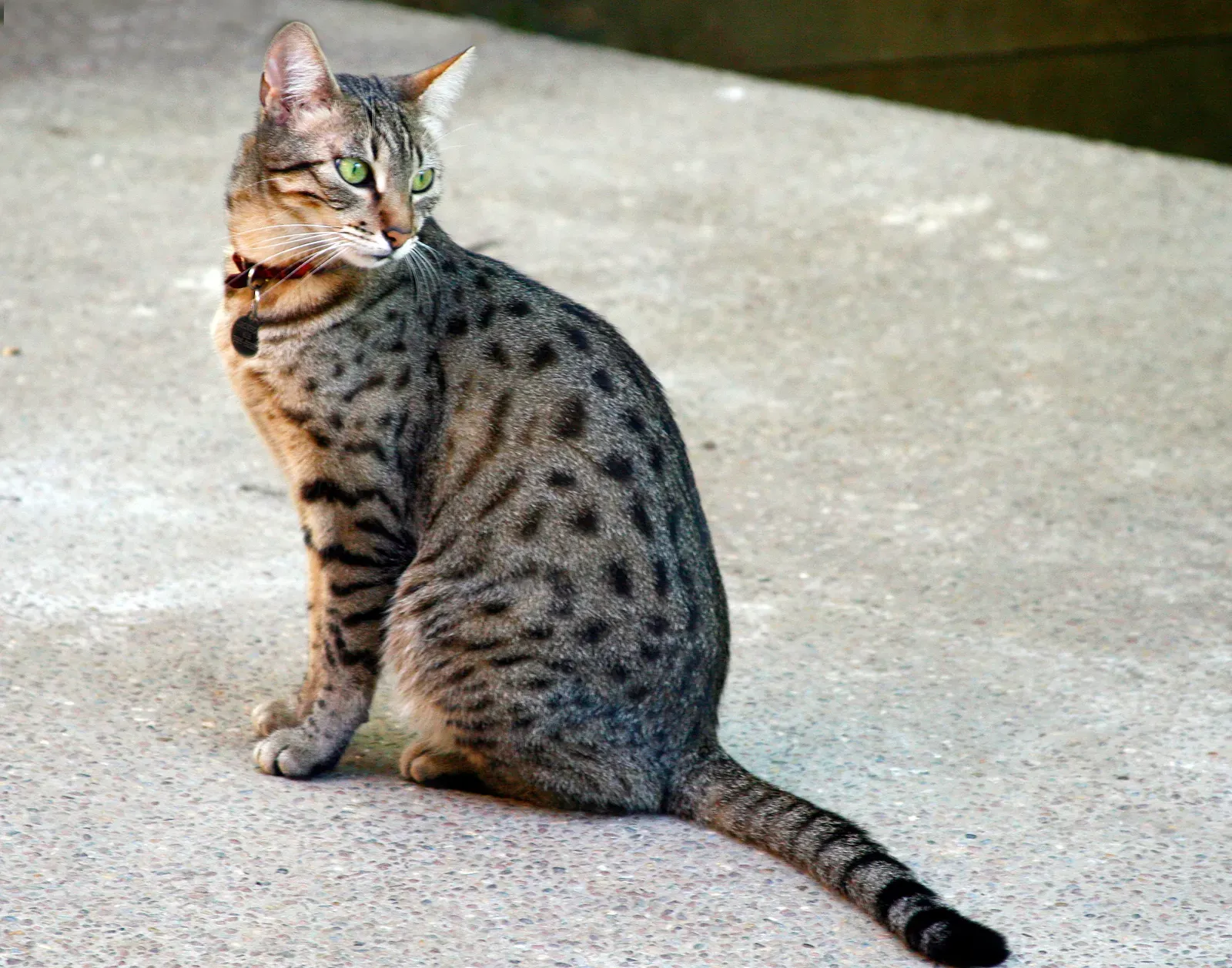
The Egyptian Mau is a breed that bonds strongly with its people but not so much with strangers, fairly shy around people they don’t know, but when backed into a corner, their mean streak comes out with a vengeance, and they’re fairly territorial and possessive. These ancient spotted cats are incredibly fast and athletic, yet their sensitivity to chaos makes them terrible matches for households with young kids.
The Egyptian Mau may be too skittish and sensitive for a bustling household with very young children, better suited to an older family where someone is home most of the time, especially with sensible older children. Their nervous disposition means they react defensively when startled, and children’s unpredictable movements can trigger fear-based aggression.
4. Bombay: The Noise-Sensitive Panther
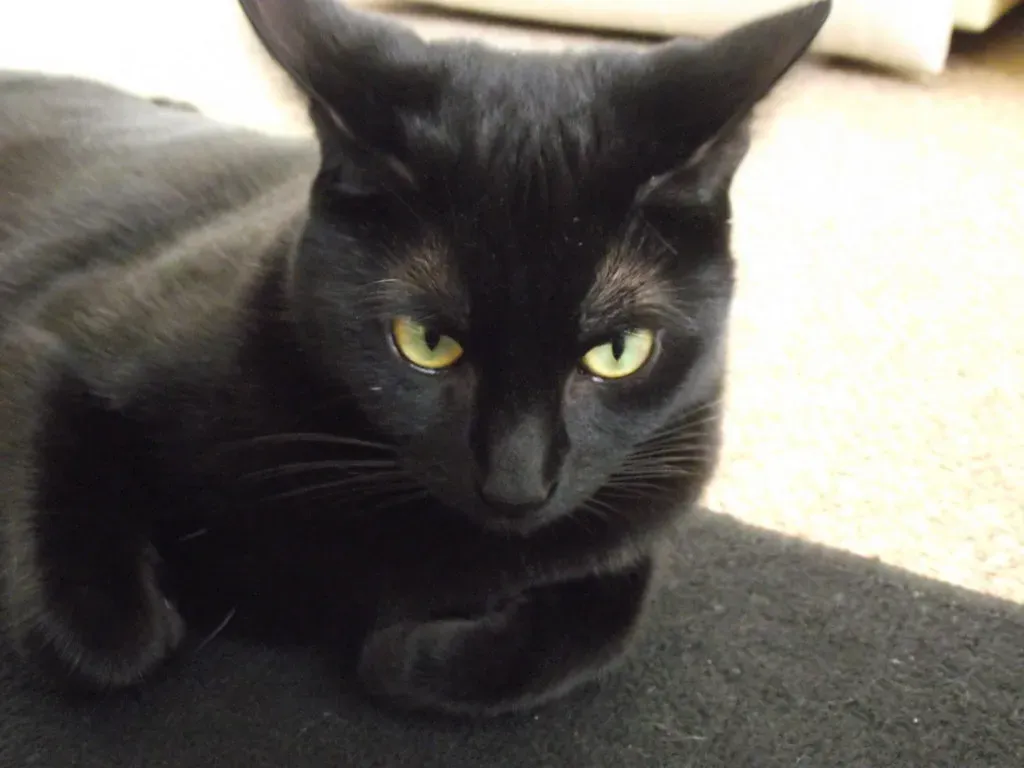
These sleek, panther-like cats look stunning, but their temperament can be seriously challenging around children. They love their quiet, are exceptionally sensitive to loud noise, making it difficult for them to live in a home that enjoys music or children, and their sensitivity makes them very nervous, which can cause them to become aggressive as they feel somewhat threatened.
The constant noise and activity that children bring to a household can overwhelm these cats, potentially leading to defensive behaviors. Their wariness around kids is often mistaken as outright aggression, but really it’s a defense mechanism. Still, that doesn’t make them any safer for families with little ones running around.
5. Scottish Fold: The Pain-Prone Sweetheart

Although known for their cute, folded ears and reserved nature, Scottish Folds can become aggressive when overwhelmed or in pain, especially given their genetic predisposition to joint issues. Their calm appearance can be deceiving because when they’re uncomfortable, they react.
They might lash out when touched in sensitive areas or resist handling from unfamiliar people, their calm appearance can be misleading if they feel their boundaries are crossed, and the unpredictable nature of children combined with potential pain from genetic conditions creates a recipe for defensive reactions. Kids don’t always recognize the subtle signs of discomfort, and that’s when bites and scratches happen.
6. Singapura: The Stress-Prone Softie
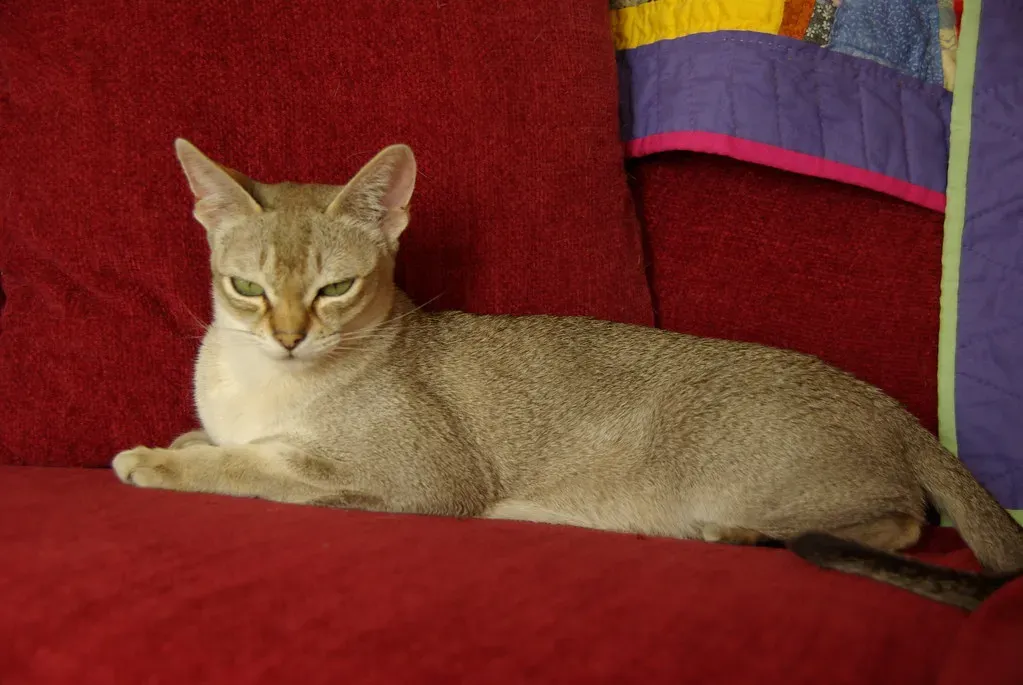
The Singapura is a social cat that enjoys affection, but doesn’t do well with loud noises or chaotic environments, and families with small children might be stressful for a Singapura, but older children that understand proper animal care and handling could do well. These tiny cats have big hearts but fragile nerves.
Their small size makes them vulnerable to rough play, and their sensitivity to chaos means a household full of screaming toddlers is basically their worst nightmare. They need calm, predictable environments to thrive, which is the exact opposite of what most homes with young children provide.
7. Korat: The Noise-Averse Gem
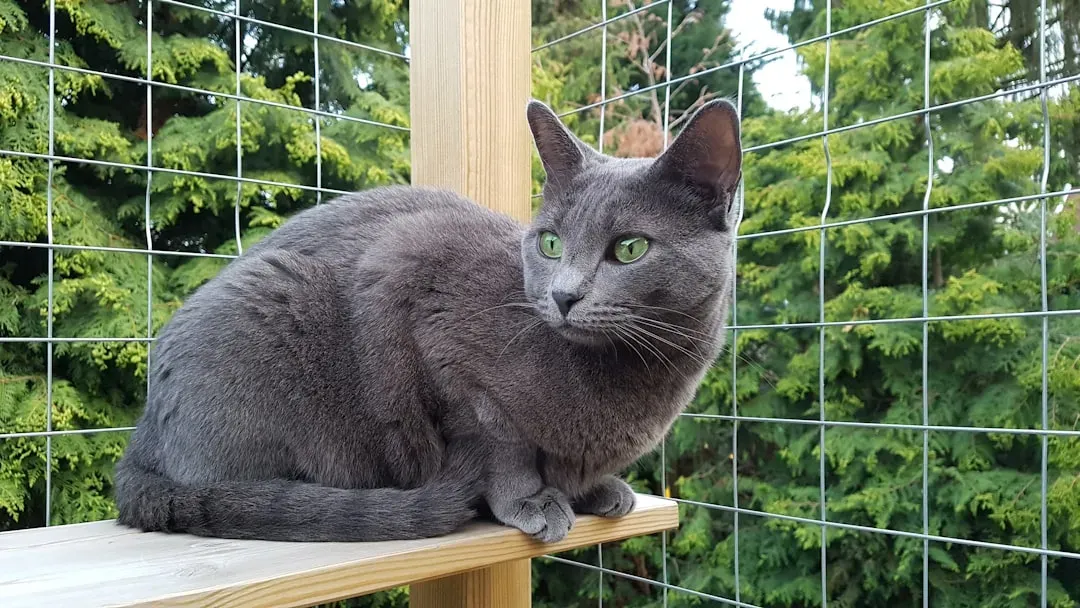
If you live in a busy and noisy home, the Korat is NOT the right cat for you, as these kitties aren’t particularly nasty when they’re left in peace, but they can become nervous or scared when things get a little too rambunctious around them. These rare beauties require peaceful surroundings to stay happy.
Being around kids is scary for Korats because kids are often loud and abrasive, and when they feel like they are in danger, they might make the mistake of hissing or growling to protect their territory, which is mistaken for aggression. Their defensive reactions aren’t malicious, just misunderstood. Yet for families with young children, that distinction hardly matters when claws come out.
8. Sphynx: The Demanding Diva
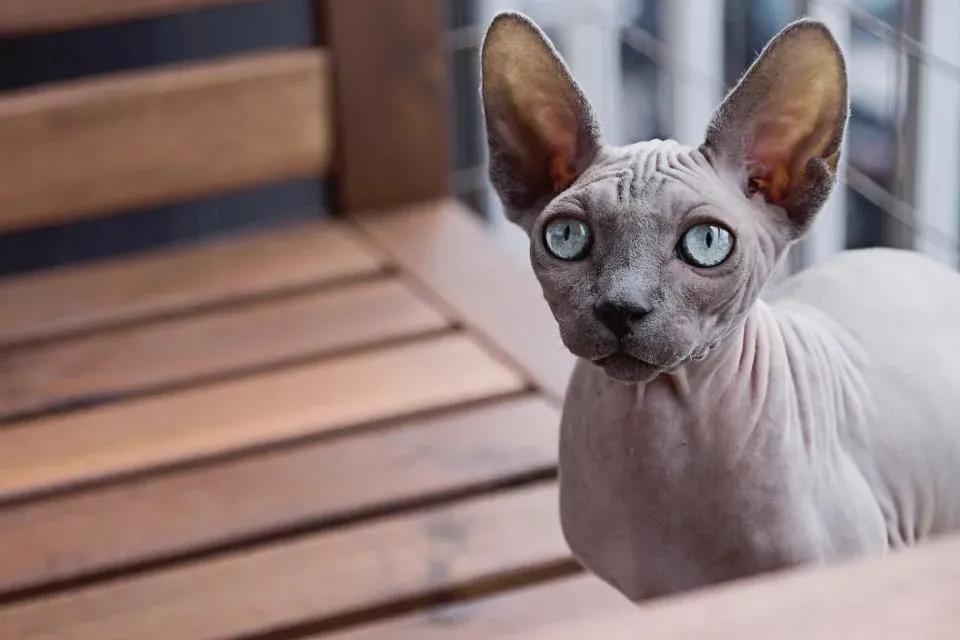
The Sphynx cat can react aggressively if activities, attention, or play do not stimulate them, and they can be very needy and crave attention from their humans, which makes for temperamental kitties if they are left alone for long periods. These hairless wonders are intensely demanding.
Sphynx cats can become nippy or hyperactive when they’re not getting enough attention, hate being alone for a long period, and a bored Sphynx is a destructive Sphynx, with playful nature sometimes coming off as aggressive behavior. Children might not consistently meet a Sphynx’s complex emotional needs, leading to attention-seeking behaviors that can turn aggressive or destructive.
9. Bengal: The Wild Hybrid
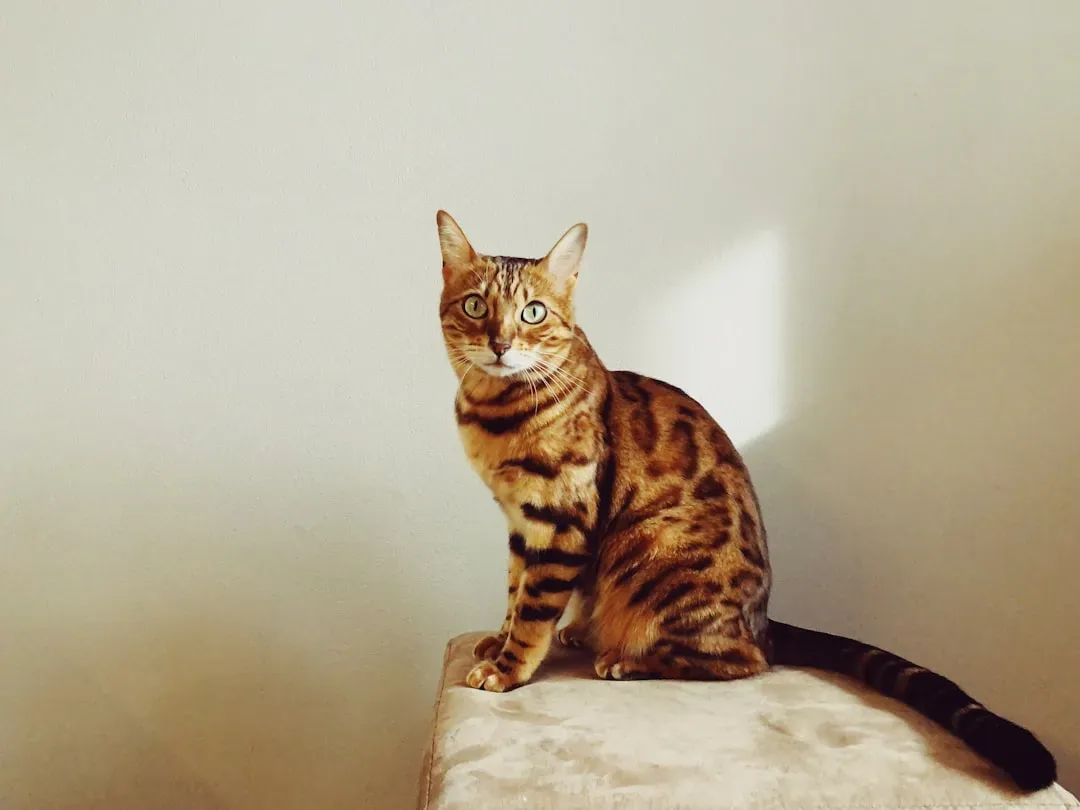
Bengals are part Asian leopard and part domestic house cat, very temperamental around humans, and are only aggressive when threatened or scared, which will cause them to raise their hair and hiss. Their wild ancestry shows in their behavior.
The Bengal cat is large and feels as if it still belongs in the wild, and even F4 and F5 Bengals have a bit of a destructive streak, with behavioral issues like territorial spraying and play aggression quite common if this breed doesn’t meet its needs, and they are notoriously high maintenance. Kids can’t always provide the structured attention and high stimulation these cats need, making them poor family pets.
10. Himalayan: The Quiet Lover
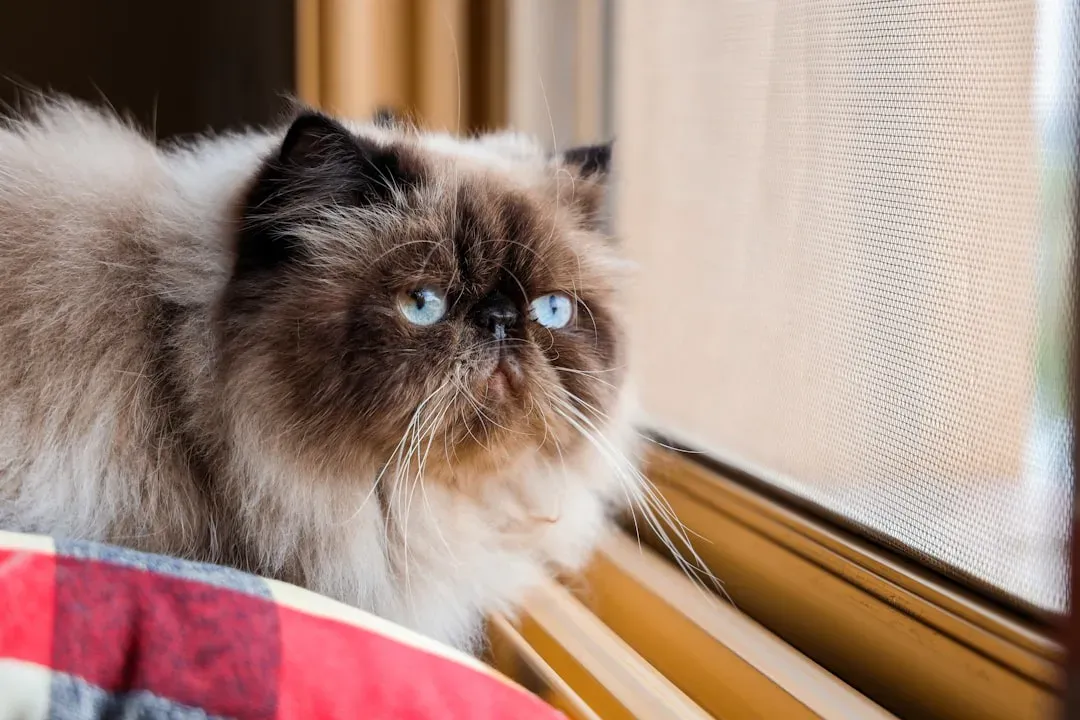
The Himalayan is a gentle cat that is affectionate toward his family, but prefers a more quiet lifestyle, and loud, rambunctious children might stress out a Himalayan more than other breeds, so young children might not be the best companion. These fluffy felines crave peace and tranquility.
With a gray cloud of fur, big bones, and a face meant to squish, the Himalayan cat breed is a calm and friendly kitty, but this may change when left alone for long periods and will cause you to come home to your generally loving pet transformed into a moody mouser. Their gentle nature can flip when they’re overwhelmed by constant noise and activity. For households with energetic kids, Himalayans simply don’t have the temperament to cope with the daily chaos.
Conclusion
Understanding feline intelligence and communication changes everything about how we interact with cats. An adult cat’s intelligence is comparable to that of a two to three year old child, since both species learn through imitating, observing, and experimenting, and cats are capable of learning human-like behaviors like opening doors and turning off lights. They’re far more sophisticated than most people realize.
Findings provide stronger proof that cats have evolved to be capable of complex communication with humans. When you talk to your cat, they’re genuinely listening and processing far more than you’d guess. That’s why choosing the right breed for your household matters so deeply. Some cats simply can’t handle the unpredictability and noise that children bring, no matter how much we want them to adapt.
If you’re a family considering a feline addition, perhaps explore breeds known for their patience and tolerance instead. What’s your experience been with cats and kids? Have you found certain breeds surprisingly gentle or unexpectedly challenging?