You might think of tigers as purely physical hunters, relying on raw power and instinct to dominate their environment. Yet beneath those iconic stripes lies a mental landscape so intricate that scientists are only beginning to truly understand it. These apex predators possess cognitive abilities that rival some primates, emotional depth that challenges our preconceptions about big cats, and social dynamics far more nuanced than their solitary reputation suggests.
The psychological complexity of tigers extends well beyond simple survival instincts. From their advanced problem-solving and memory capabilities to their distinct personalities that influence hunting success, tigers operate on a cognitive level that demands our attention and respect. Let’s dive into the fascinating mental world of these magnificent creatures.
They Possess Remarkably Advanced Problem-Solving Abilities
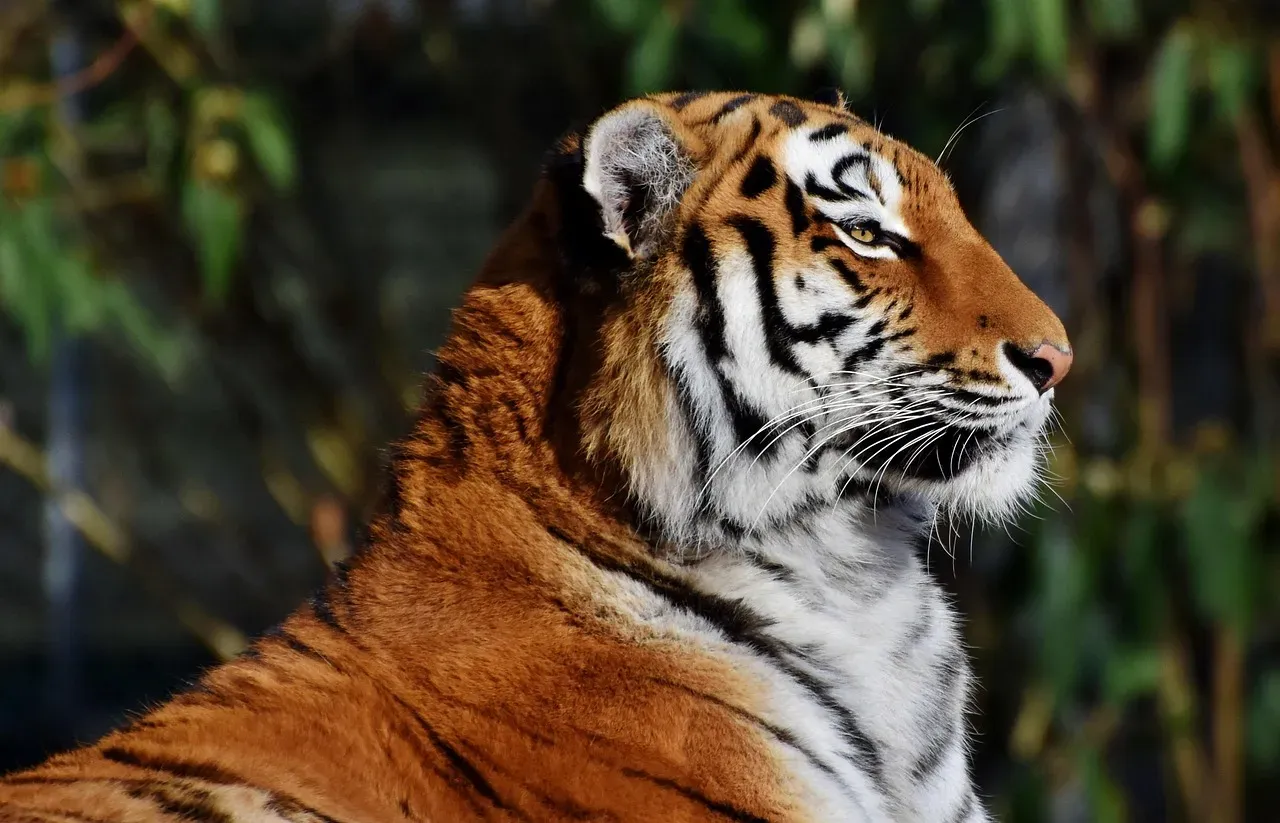
Tigers demonstrate striking problem-solving ability, with researchers observing them using tools and strategizing to access food in challenging situations, indicating advanced cognitive skills. Unlike animals that rely purely on instinct, tigers can assess complex scenarios and devise novel solutions on the spot. This isn’t merely reactive behavior; it’s genuine forethought.
These problem-solving abilities help them adapt to changing environments and successfully navigate their surroundings. In captivity, tigers have been observed manipulating objects in ways that demonstrate understanding of cause-and-effect relationships. Think about what this means: a tiger can predict outcomes before acting, adjusting strategies based on previous experiences. That’s sophisticated mental processing that goes far beyond basic predatory programming.
Their Memory Capabilities Surpass Most Animals

Here’s something that might surprise you: tigers possess impressive memory and learning capabilities, able to remember the locations of watering holes, hunting grounds, and potential dangers, demonstrating their spatial awareness and mental mapping skills. This isn’t just short-term recall either.
Their memory plays a crucial role in their daily lives, allowing them to remember the location of prey and water sources, as well as the territories of other tigers. Research suggests that tigers maintain mental maps of their vast territories, which can span hundreds of square kilometers. Tigers can remember specific details about prey movement, which helps them strategize their hunts, and recalling past encounters with competitors helps them avoid conflict or gain an advantage. It’s hard to say for sure, but this level of memory retention demonstrates an exceptional capacity for information processing that most predators simply don’t possess.
Each Tiger Has A Distinct Personality That Affects Behavior
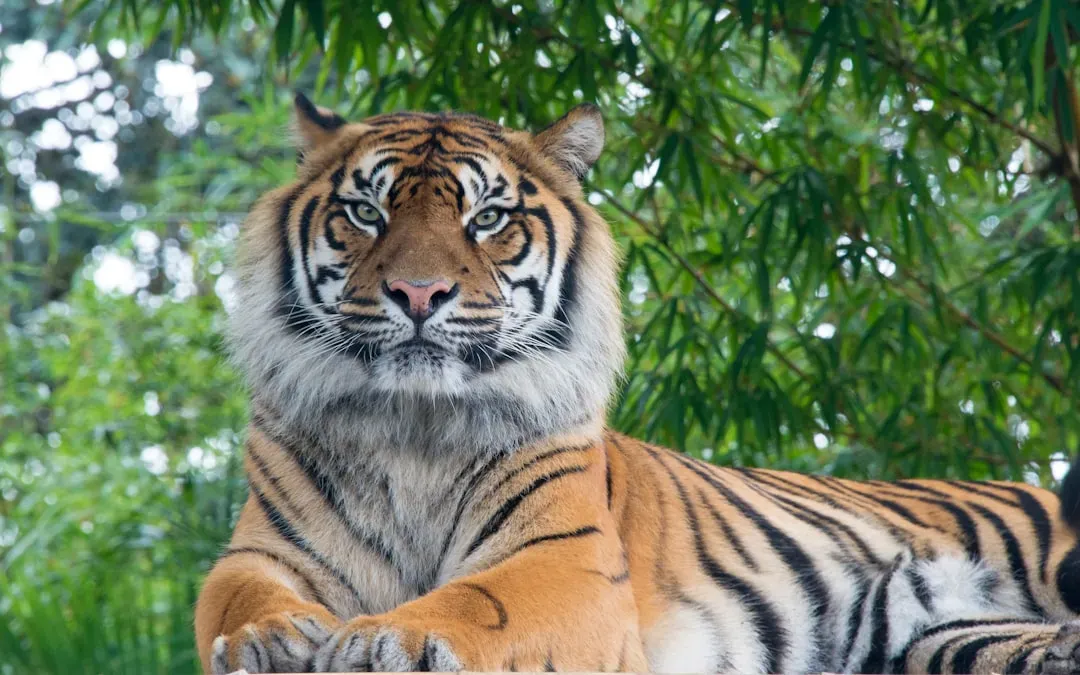
Two distinct personality types emerged that accounted for nearly forty percent of tigers’ behaviors, with tigers scoring higher on confident, competitive, and ambitious traits falling under the “majesty” mindset. This groundbreaking research fundamentally challenges the notion that big cats are behaviorally uniform.
The psychological makeup matters tremendously. Tigers with majesty mindsets were generally healthier than those with steadiness personalities, and they also hunted more, mated more often, and had more breeding success. Let’s be real, personality isn’t just a human trait. These individual differences in temperament directly influence survival outcomes, hunting efficiency, and reproductive success. Some tigers are bold risk-takers while others are cautious and methodical, and these psychological profiles shape every aspect of their lives.
They Display Sophisticated Hunting Strategies Requiring Mental Flexibility

Tigers adapt their hunting strategies to different environments and prey, modifying their approach to stalking and ambushing based on the type of terrain and the habits of their prey. This behavioral flexibility is a hallmark of intelligence. Tigers don’t just memorize one hunting technique and repeat it endlessly.
Tiger hunting requires a certain level of planning and forethought, indicating sophisticated cognitive ability, with studies showing tigers can adapt their hunting strategies based on the environment and specific behaviors of their prey. Think about the complexity involved: assessing terrain, predicting prey behavior, adjusting timing, and modifying attack angles all in real-time. Young tigers spend years learning these skills from their mothers, suggesting that much of this knowledge is culturally transmitted rather than purely instinctual.
They Demonstrate Self-Awareness And Recognize Their Own Reflections

The mirror test has been used to investigate self-awareness in captive tigers, a capability indicating high cognitive complexity typically demonstrated by only a handful of species. Self-recognition is considered one of the most advanced cognitive abilities in the animal kingdom. Only a handful of species pass this test.
What does this tell us? Such investigations suggest tigers possess advanced cognitive abilities and a rich inner mental life. This level of consciousness suggests an inner mental life far richer than we typically attribute to predators. It’s not just about reacting to stimuli anymore; there’s genuine awareness happening behind those amber eyes.
Their Communication System Is Remarkably Complex And Multilayered

Tigers communicate with one another through vocalizations, scent marking, and body language, demonstrating a complex social structure. Recent studies suggest tigers exhibit empathy-like behaviors, a crucial aspect of social intelligence. This isn’t simple signaling; it’s nuanced conversation.
Tigers produce a variety of vocalizations ranging from roars, growls, and chuffs to softer mews and hisses, with roars heard from distances up to five kilometers away to assert dominance, signal aggression, or even locate a cub. Each sound carries specific contextual meaning. The chuff, for instance, is a friendly greeting, while growls indicate warning or threat. Tigers adjust their communication style based on their relationship with other tigers, demonstrating social intelligence that requires understanding of context and audience.
They Learn Through Observation And Imitation
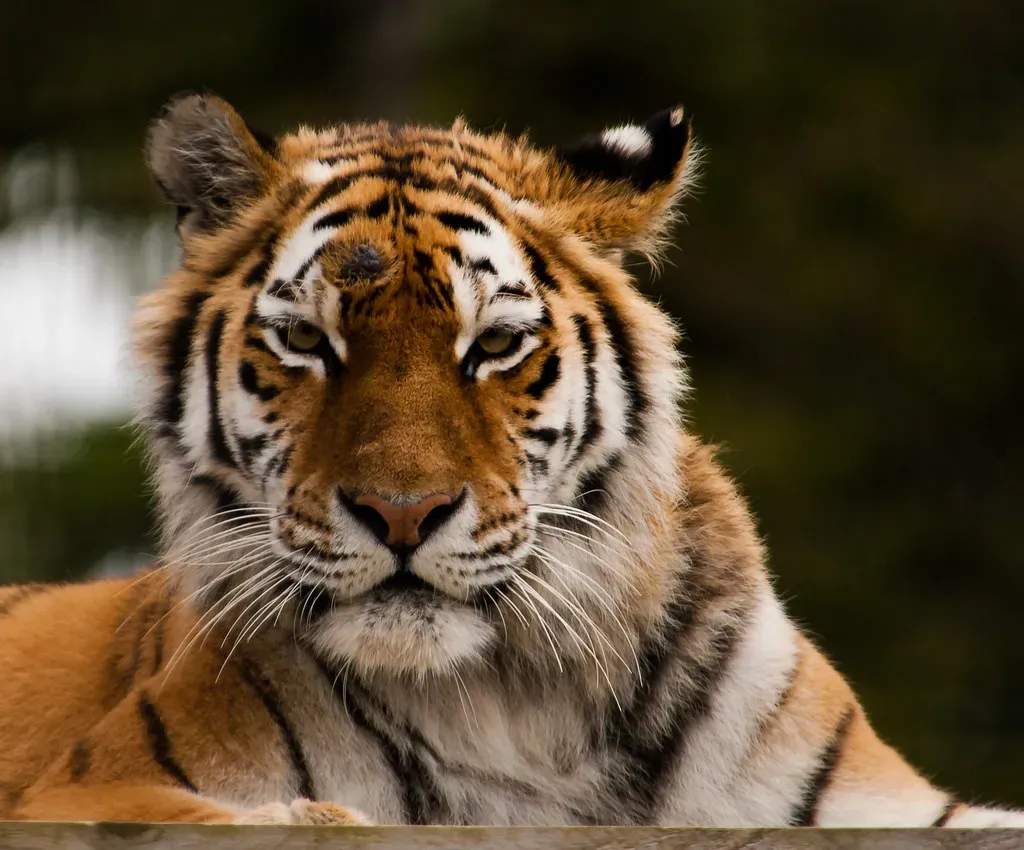
Tiger intelligence includes the ability to learn through imitation, with observational learning documented in tigers where they watch and mimic the behaviors of their peers, especially when it comes to hunting techniques, allowing them to acquire new skills without relying solely on trial and error. This capacity for social learning is cognitively demanding.
Watching another tiger and extracting useful information requires attention, memory, and the ability to translate observed actions into personal behavior. Mother tigers spend roughly eighteen to twenty-four months teaching their cubs essential survival skills. The cubs don’t just inherit hunting ability genetically; they actively learn by watching, practicing, and receiving feedback. That’s sophisticated pedagogical behavior that demands complex psychological processes from both teacher and student.
Their Spatial Awareness And Navigation Skills Are Extraordinary
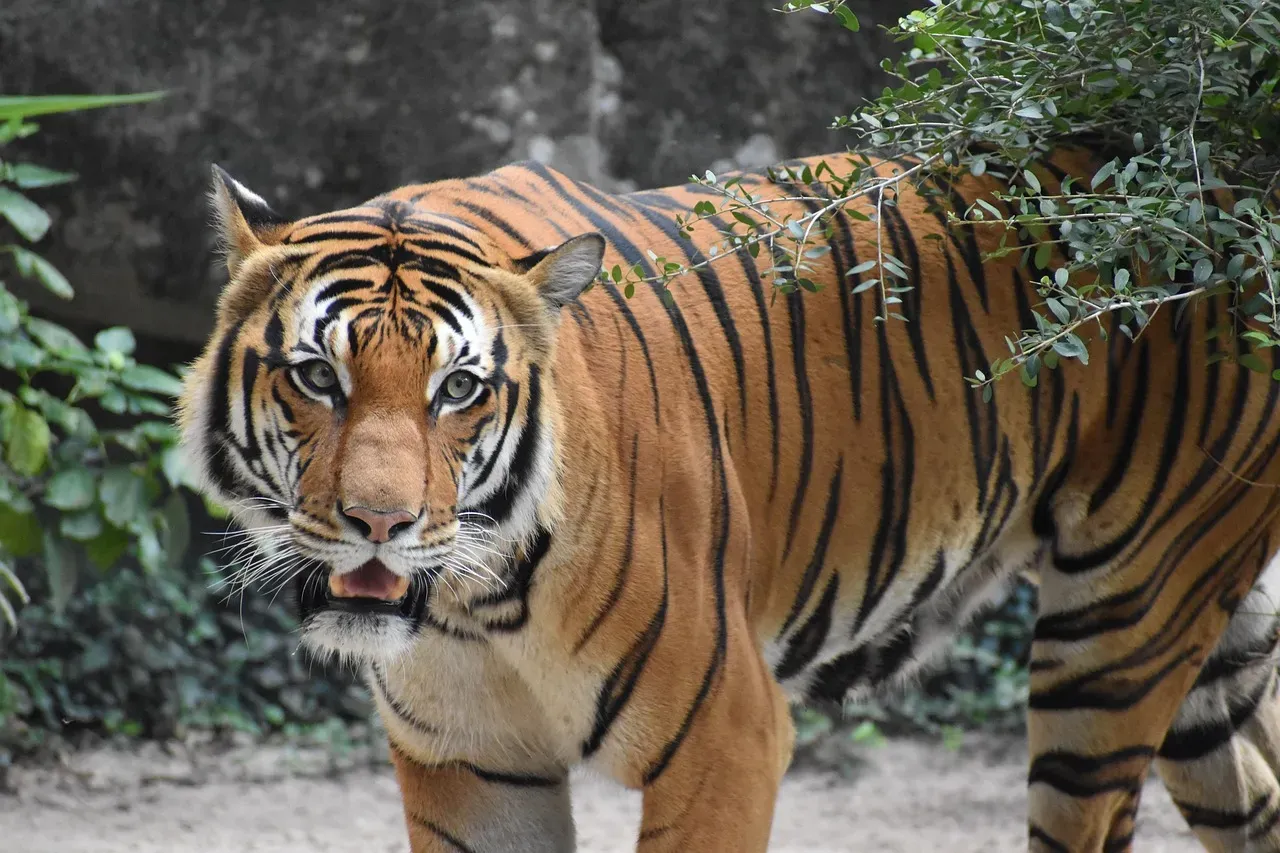
Tigers have the largest cranial volume among cats, which is consistent with the conjecture that Amur tiger survival and reproduction is cognitively demanding. This brain capacity isn’t arbitrary; it supports remarkable cognitive functions, particularly spatial intelligence.
Tigers use spatial memory to remember locations of food, water, and shelter, use scent marking to establish and remember territorial limits, and recall locations of key resources, ensuring efficient movement within their area. Managing territories that sometimes exceed two thousand square kilometers requires extraordinary mental mapping abilities. Tigers patrol their domains, remember boundary markers, track the movements of other tigers, and maintain updated mental maps of resource availability. This level of spatial cognition rivals that of species we typically consider highly intelligent.
They Show Emotional Complexity Including Empathy

Recent studies suggest tigers exhibit behaviors indicative of empathy, a crucial aspect of social intelligence. Empathy requires the ability to perceive and respond to the emotional states of others – a sophisticated psychological capability.
Play has psychological and physical benefits for young tigers, enhancing their ability to cope emotionally with unexpected stressful situations, and helps in the development of their social brain, involving complex cognitive processes such as communication, intention, role playing and cooperation, demonstrating their ability to understand each other’s intentions. When tiger cubs play, they’re not just burning energy; they’re developing emotional regulation, learning fairness, and understanding social boundaries. These are fundamentally psychological processes that shape how tigers experience their world.
They Adapt Their Behavior Based On Environmental And Social Context
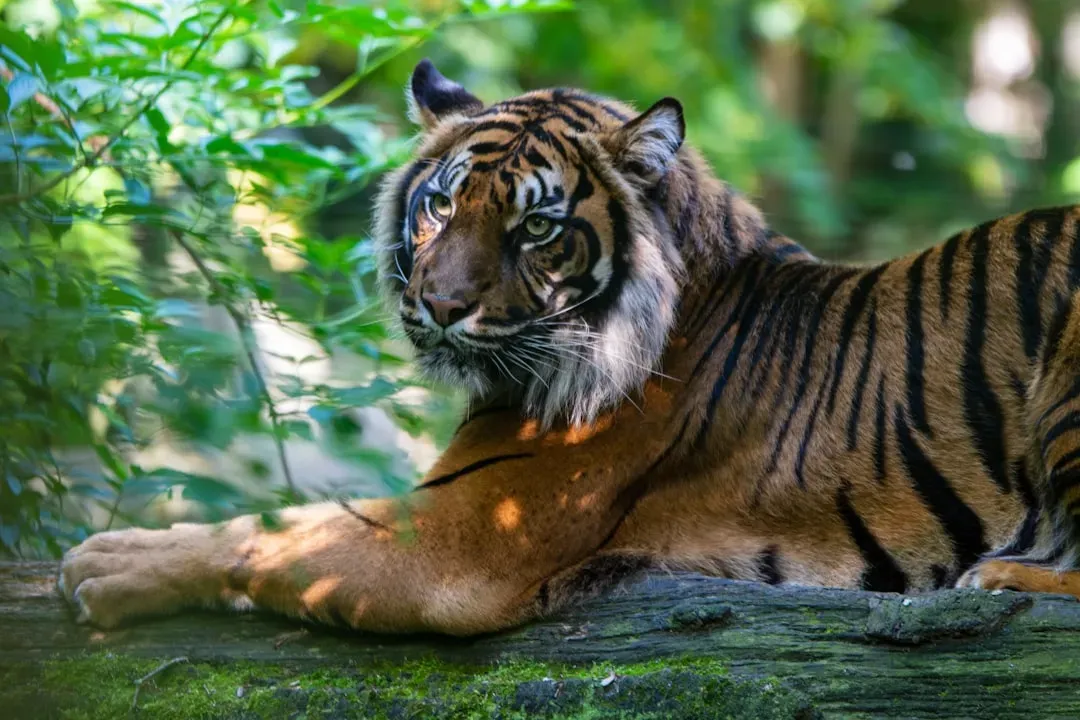
Tigers are sensitive to changes in their environment, such as new or altered objects, with traits such as vigilance, wariness, and boldness, in addition to cognitive abilities, almost certainly influencing survival and reproduction in demanding resource-scarce environments. This environmental awareness isn’t passive; it’s active psychological engagement with their surroundings.
Tigers inhabit a wide range of environments from cold forests to tropical rainforests, with their ability to adapt to these diverse habitats demonstrating a significant level of cognitive flexibility. Behavioral flexibility of this magnitude requires constant assessment, decision-making, and adjustment. Tigers living in different regions develop distinct behavioral patterns suited to local conditions, suggesting cultural adaptations that are learned and transmitted rather than purely genetic.
Their Territorial Behavior Involves Complex Psychological Calculations
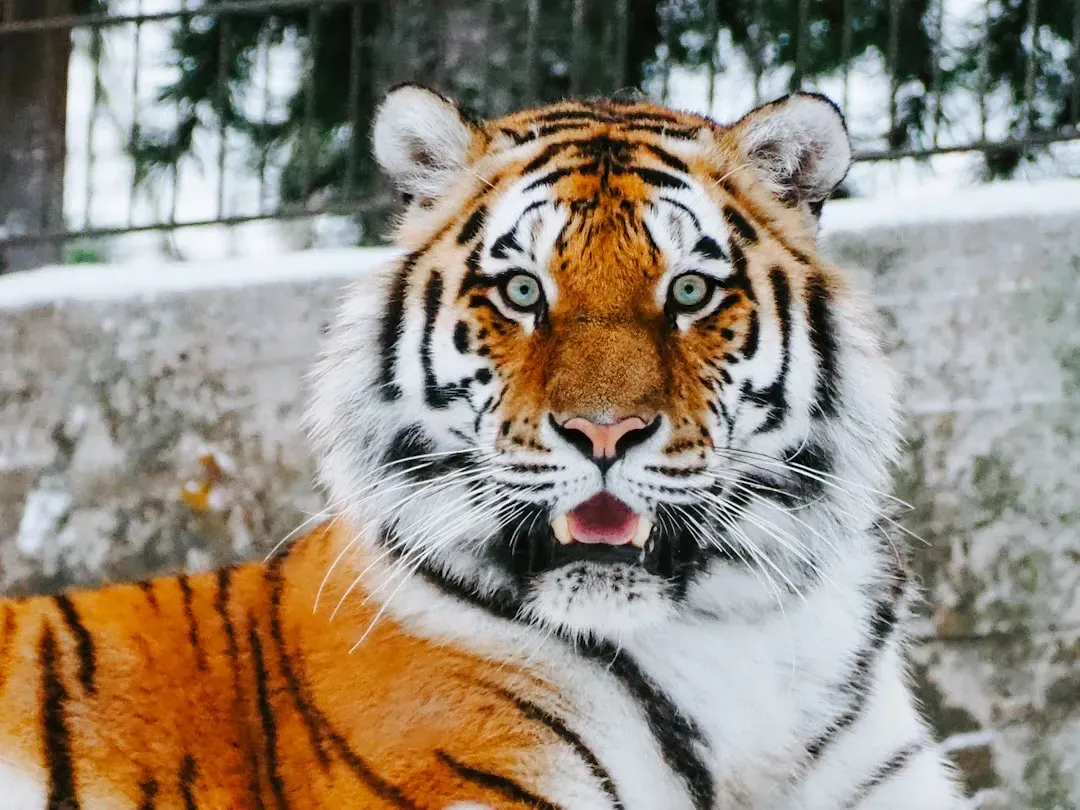
Siberian tigers make their living by acquiring and defending large territories that can stretch up to two thousand square kilometers, and in a tiger-eat-tiger world, aggression could be key. Managing such extensive territories requires sophisticated decision-making about resource allocation, threat assessment, and strategic positioning.
Tigers display four types of behavioral patterns in intraspecific interaction: following, encounter, latency, and avoidance, with home range dynamics and interaction patterns revealing complex social calculations. These aren’t random movements. Tigers make calculated decisions about when to engage with other tigers, when to avoid them, how to respond to territorial intrusions, and how to maintain boundaries without unnecessary conflict. This requires ongoing psychological assessment of risk, benefit, and social dynamics.
They Form Complex Social Bonds Despite Their Solitary Nature

Male tigers display a greater range of affiliative behaviors toward cubs than they’re thought to exhibit, and both adults show a high degree of tolerance toward their conspecifics, suggesting that maintaining breeding pairs with their offspring is a viable management strategy. This challenges our understanding of tiger sociality entirely.
The social bonds among tigers are of immense importance to their survival and well-being, as tigers, though primarily solitary, form strong familial relationships. Yes, tigers are primarily solitary hunters, yet they maintain awareness of other tigers in their range, recognize individuals, remember past interactions, and adjust their behavior based on social relationships. Mother-cub bonds are particularly intense, with teaching relationships that last years. This isn’t simple animal behavior; it’s relationship management that requires memory, emotional engagement, and social intelligence.
Conclusion
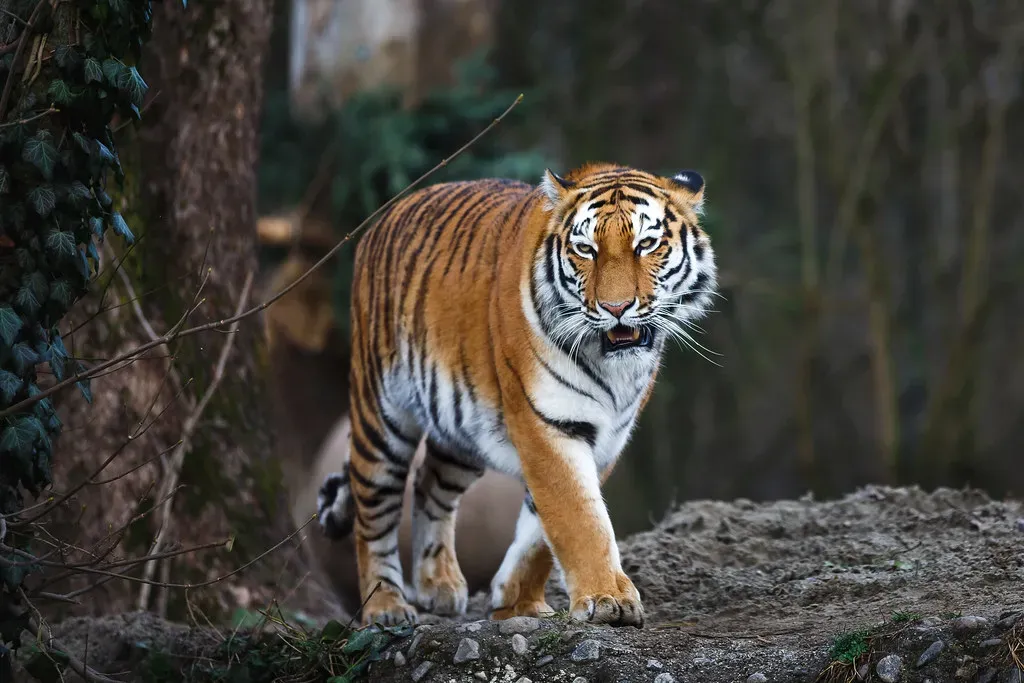
The psychological complexity of tigers extends far beyond what we typically expect from apex predators. From their remarkable memory and problem-solving skills to their distinct personalities and capacity for empathy, these magnificent animals possess cognitive abilities that demand our respect and deeper understanding.
Tigers have the largest cranial volume among cats, and they’re using that brain power in ways that rival some of the most intelligent species on Earth. Their ability to adapt hunting strategies, demonstrate advanced cognition, communicate through multilayered systems, and form complex social bonds reveals inner lives of surprising depth and richness.
As we continue to study these extraordinary predators, we’re constantly reminded that the line between instinct and intelligence is far blurrier than we once believed. Tigers aren’t just beautiful, powerful creatures; they’re psychological marvels navigating their world with a sophistication that challenges our preconceptions about animal cognition. What do you think about these surprising mental abilities? Has this changed how you view these iconic big cats?