You might think apex predators have everything figured out. Fast, deadly, perfectly adapted to their environment. Yet here we are in 2025, watching jaguars and cheetahs slide dangerously close to the edge of extinction. These magnificent cats face a perfect storm of threats that most of us never even consider while scrolling through wildlife photos online.
The reality is jarring. These animals that once ruled vast territories now cling to survival in ever-shrinking pockets of habitat. What’s pushing them toward the brink isn’t some natural disaster or evolutionary dead end. It’s us, actually. Our choices, our expansion, our demands. Let’s be real, the clock is ticking faster than you might expect.
Their Homes Are Vanishing at an Alarming Rate
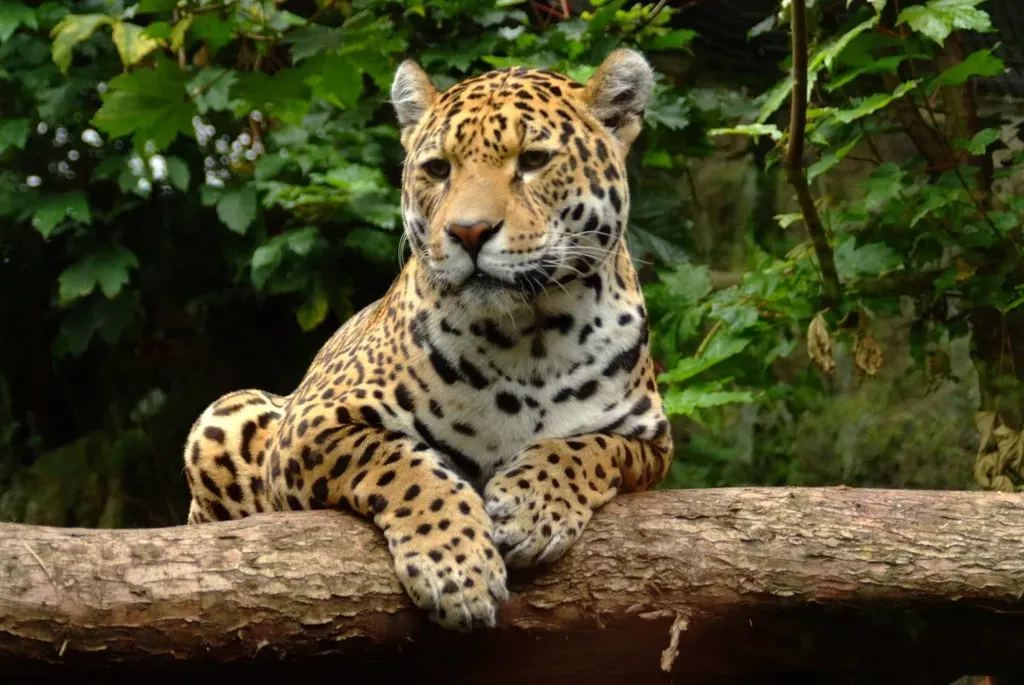
Jaguars have lost approximately half of their historic range, with a decline of roughly twenty percent occurring in just fourteen years. Picture that for a moment. Vast stretches of rainforest, savannas, and wetlands where jaguars once prowled freely are now cattle pastures, soybean fields, or urban sprawl.
Deforestation and agricultural activities have been steadily encroaching on jaguar territory, shrinking their range and isolating populations from one another. Cheetahs now inhabit around just ten percent of their historic range, found mainly in southern and eastern Africa, with a tiny critically endangered population of Asiatic cheetahs in Iran. In the Amazon, jaguars face threats from deforestation linked to anthropogenic fires and the subsequent establishment of pastures. You can almost hear the chainsaws drowning out the forest.
They’re Getting Boxed Into Isolated Islands
Jaguars risk losing their genetic diversity because individuals can’t cross areas affected by deforestation, becoming boxed into ever-shrinking spaces and cut off from opportunities to mate outside their gene pool. Think of it like being trapped on an island that’s slowly sinking. It’s suffocating, honestly.
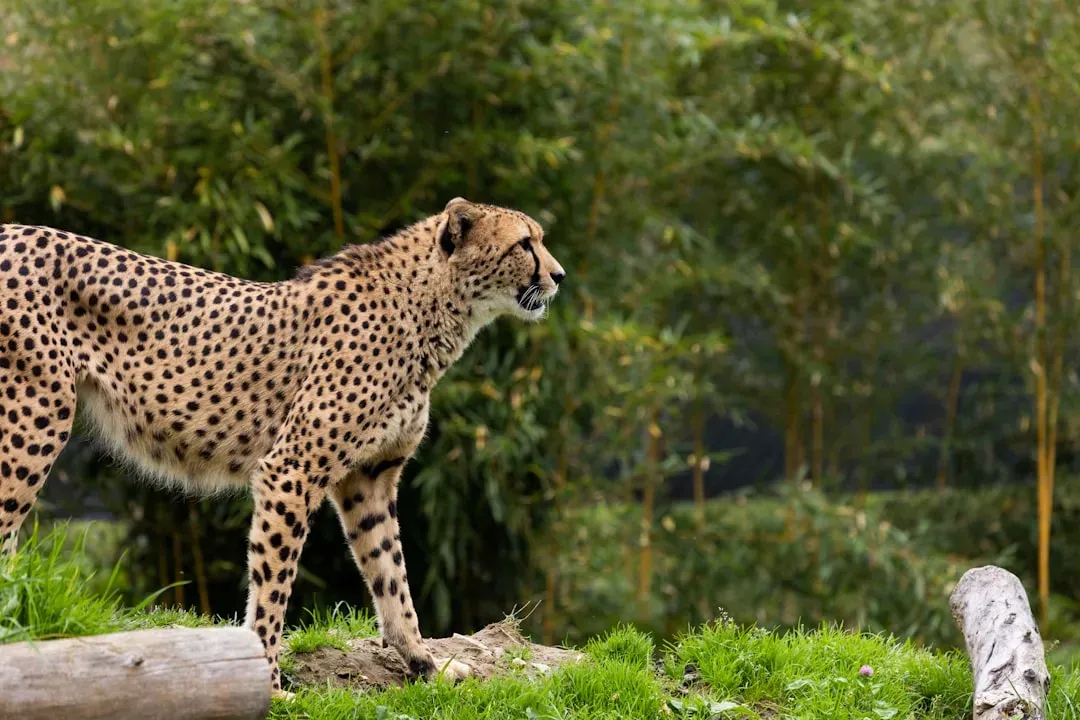
Cheetahs are vulnerable to habitat fragmentation, requiring much larger areas than other carnivore species due to their low population density and large home ranges, forcing them to move through human-dominated areas to find prey and water. Fragmentation doesn’t just mean less space. It means genetic bottlenecks, inbreeding, and weakened populations that struggle to adapt.
The Illegal Wildlife Trade Is Booming
Here’s something that might shock you. The illegal trade in jaguar pelts and parts has played a large role in their population decline, with recent seizures of jaguar teeth at airports and post offices suggesting a re-emergence of international trade in jaguar parts. Teeth, claws, pelts, bones – they’re being trafficked to feed demand in international markets, particularly in Asia.
Research suggests that roughly three hundred cheetah cubs were poached from the Horn of Africa every year between 2010 and 2020 to be sold to illegal pet markets. Cheetahs are being captured for the illegal pet trade, where they’re kept as status symbols by wealthy buyers who have zero understanding of what these animals need.
Farmers Are Killing Them in Retaliation
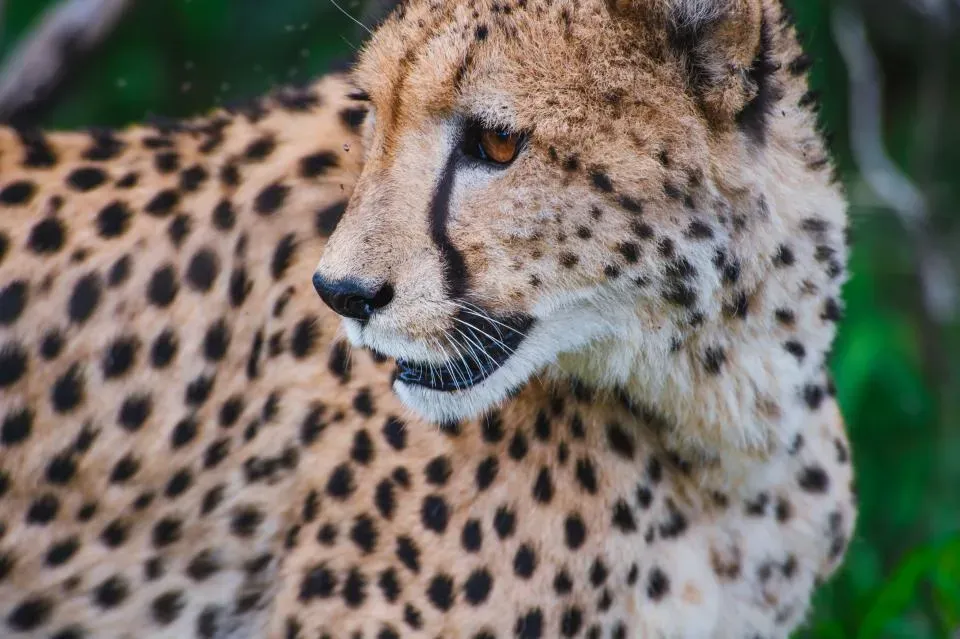
Due to diminishing territory and access to natural prey, jaguars have begun looking elsewhere for food, with livestock often becoming meals for hungry jaguars who are forced to feed on domesticated animals, resulting in farmers killing them in retaliation or prevention. It’s a brutal cycle that nobody really wins.
Human-wildlife conflict is a significant threat to cheetah populations, as cheetahs may resort to preying on domestic animals when wild prey is scarce and livestock protection is inadequate, leading to retaliatory killings by farmers. I know it sounds harsh, but put yourself in a rancher’s shoes for a second. Your livelihood depends on those cattle. Still, it doesn’t solve the underlying problem.
Their Prey Base Is Collapsing
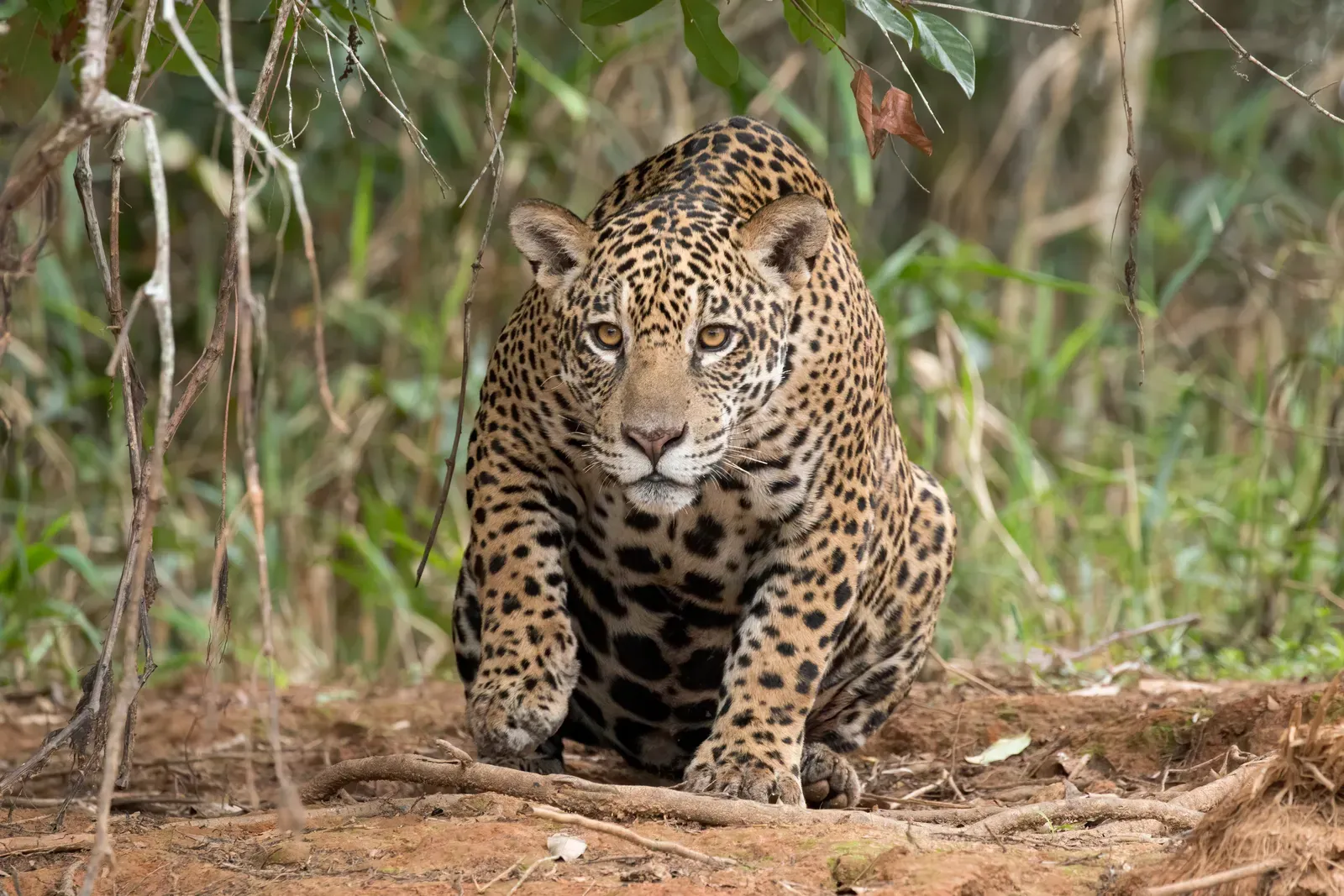
In regions like Honduras’ Moskitia Forest, illegal ranchers who invade to set up farms also hunt the preferred prey of jaguars, and when populations of wild boars and deer decline, jaguars risk being left without food. No prey means no predators. It’s that straightforward.
Cheetahs have suffered a devastating decline of available habitat and prey, both necessary for their survival. When the food chain collapses from the bottom up, even the fastest land animal on earth can’t outrun starvation.
Climate Change Is Making Everything Worse
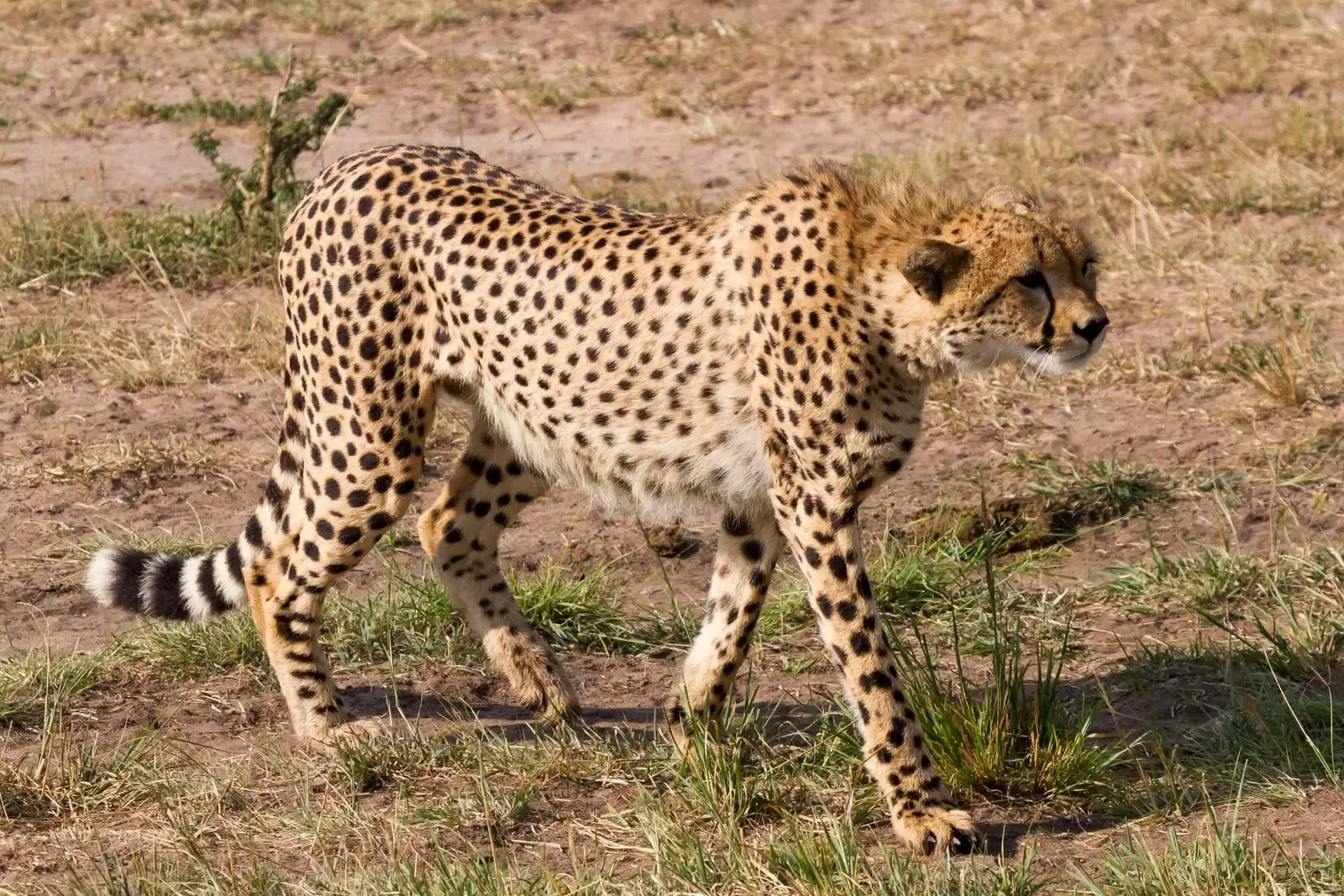
Climate change is contributing to habitat loss for cheetahs, with drastic changes such as drought making prey scarce and areas uninhabitable. Droughts dry up water sources, decimate grasslands, and scatter prey populations. Big cats don’t have the luxury of ordering takeout when times get tough.
Though the search results don’t specifically detail climate impacts on jaguars, the connection is clear. Fire is a leading cause of habitat loss, as the loss of rainforest leaves areas vulnerable to wildfires. Climate-driven fires are scorching through the Amazon at unprecedented rates, destroying jaguar habitat in their wake.
Roads and Infrastructure Are Cutting Through Their Corridors
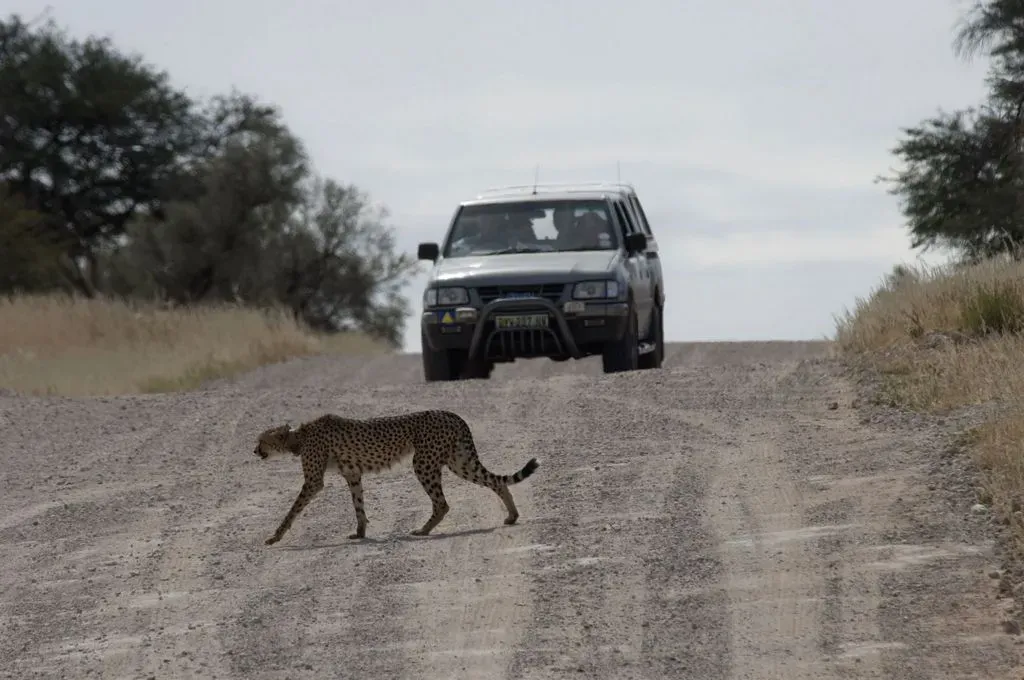
Asiatic cheetahs in Iran have been threatened by their habitat being split up by roads, forcing cheetahs to cross these roads to access their remaining habitat. Roads don’t just fragment habitat. They kill. Animals get hit by vehicles, and corridors that once connected populations become deadly barriers.
Over the past twenty years, illegal ranching has driven the destruction of natural forests and their replacement with pastures in Honduras, taking place in areas where there’s little state presence. Infrastructure development, whether legal or not, carves up the landscape like a jigsaw puzzle with missing pieces.
They’re Genetically Vulnerable
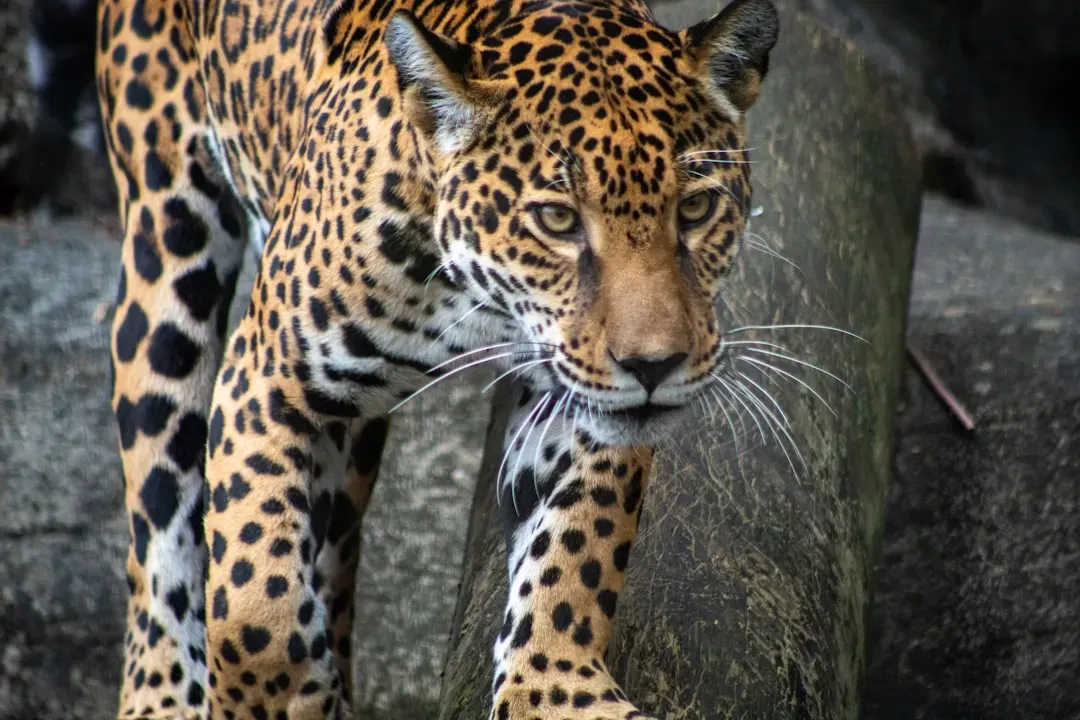
Cheetahs’ own genes pose a challenge to their continued survival, as they have a low rate of reproductive success, meaning they’re not always able to reproduce. Low levels of genetic variability are affecting cheetahs’ disease resistance and reproductive success. Past genetic bottlenecks have left modern cheetah populations with dangerously low genetic diversity.
Jaguars aren’t immune either. The Brazil-Argentina Green Corridor is isolated from other jaguar populations, meaning genetic diversity is low. When populations can’t interbreed with distant relatives, they become weaker over generations. It’s evolutionary Russian roulette.
Protected Areas Aren’t Always Protected
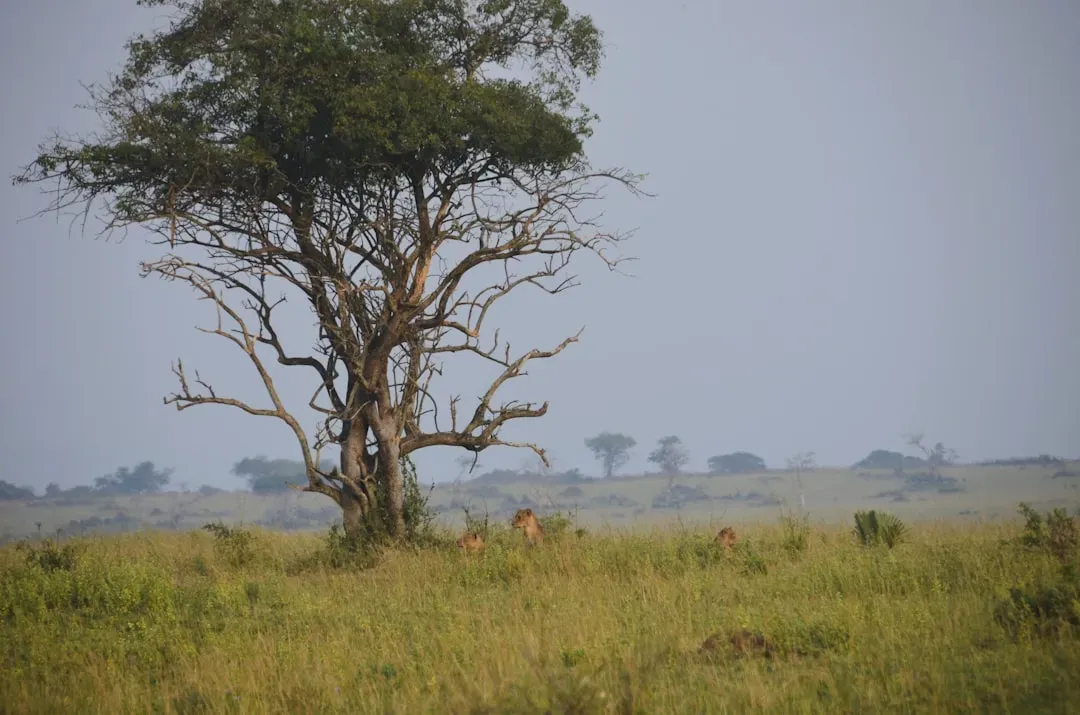
Let’s talk about a hard truth. Protected areas sound great on paper, but enforcement is another story. The future of jaguars can only be ensured if protected areas resist downgrading and downsizing due to external anthropogenic threats and geopolitical pressures like infrastructure development and frail law enforcement.
Cheetahs do not do well in protected game reserves due to competition with other large predators. Cheetahs don’t thrive in protected areas because of competition from larger big cats and predators that hunt in packs. So they end up outside reserves, where they face even more dangers from humans.
There Aren’t Enough of Them Left
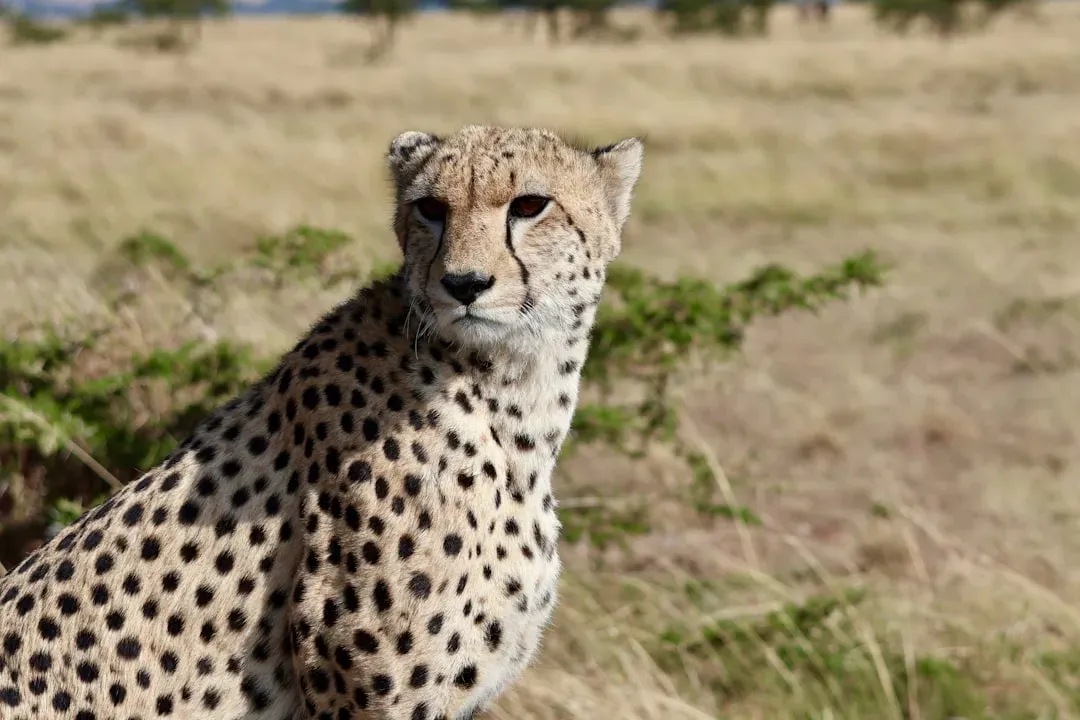
The IUCN estimates there are only around 6,517 mature adult cheetahs left in the wild, with the Asiatic cheetah subspecies having declined to just about a dozen cheetahs left. Read that again. Twelve. That’s not a typo. Scientists estimate fewer than 8,000 African cheetahs are living in the wild today, reflecting an overall decline of about fifty percent in the last four decades.
For jaguars, the numbers are murky, but the trend is unmistakable. Jaguar populations are expected to decline because of continued threats from habitat loss, poaching, and killings by local communities, with a consensus that the jaguar population is in decline. When your entire species can be counted in the tens of thousands at best, every single individual matters.
Conservation Funding Is Desperately Inadequate
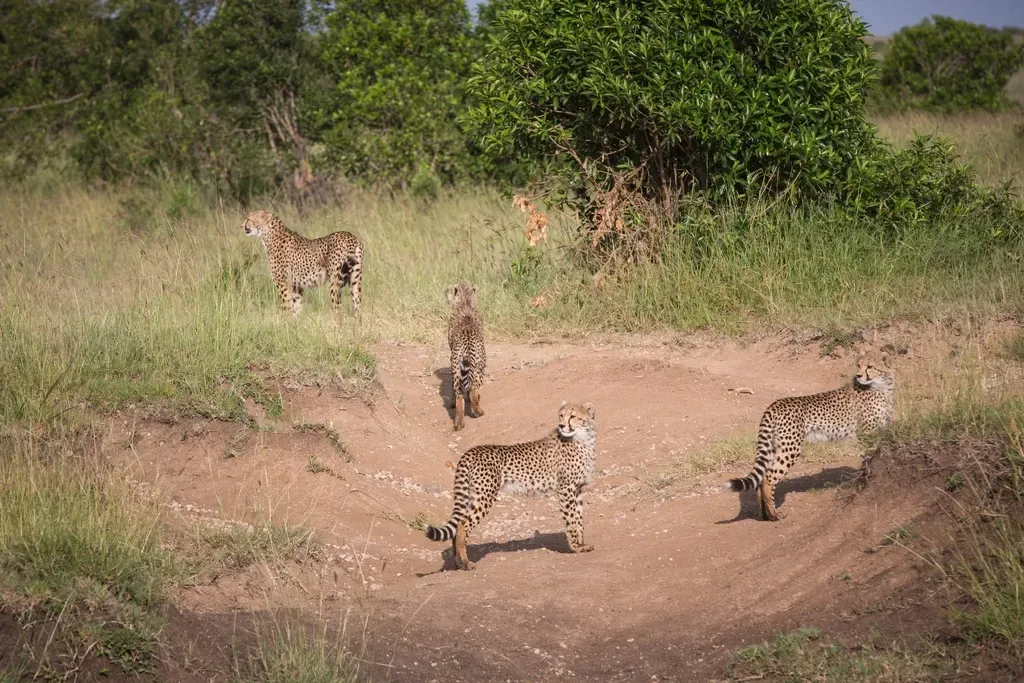
Considering the vast but severely underfunded network of protected areas, the dilemma of prioritizing conservation investments in the short, medium, and long term is paramount for successful conservation outcomes. Money talks, and there simply isn’t enough of it going toward saving these cats.
The Iranian Cheetah Society has faced many difficulties during their twenty-plus years working toward cheetah conservation, as sanctions against Iran have made finding funding difficult, and without funding, much work must be done on a voluntary basis, limiting available labor and making projects very difficult. Even the most passionate conservationists can’t work miracles without resources.
Time Isn’t on Their Side
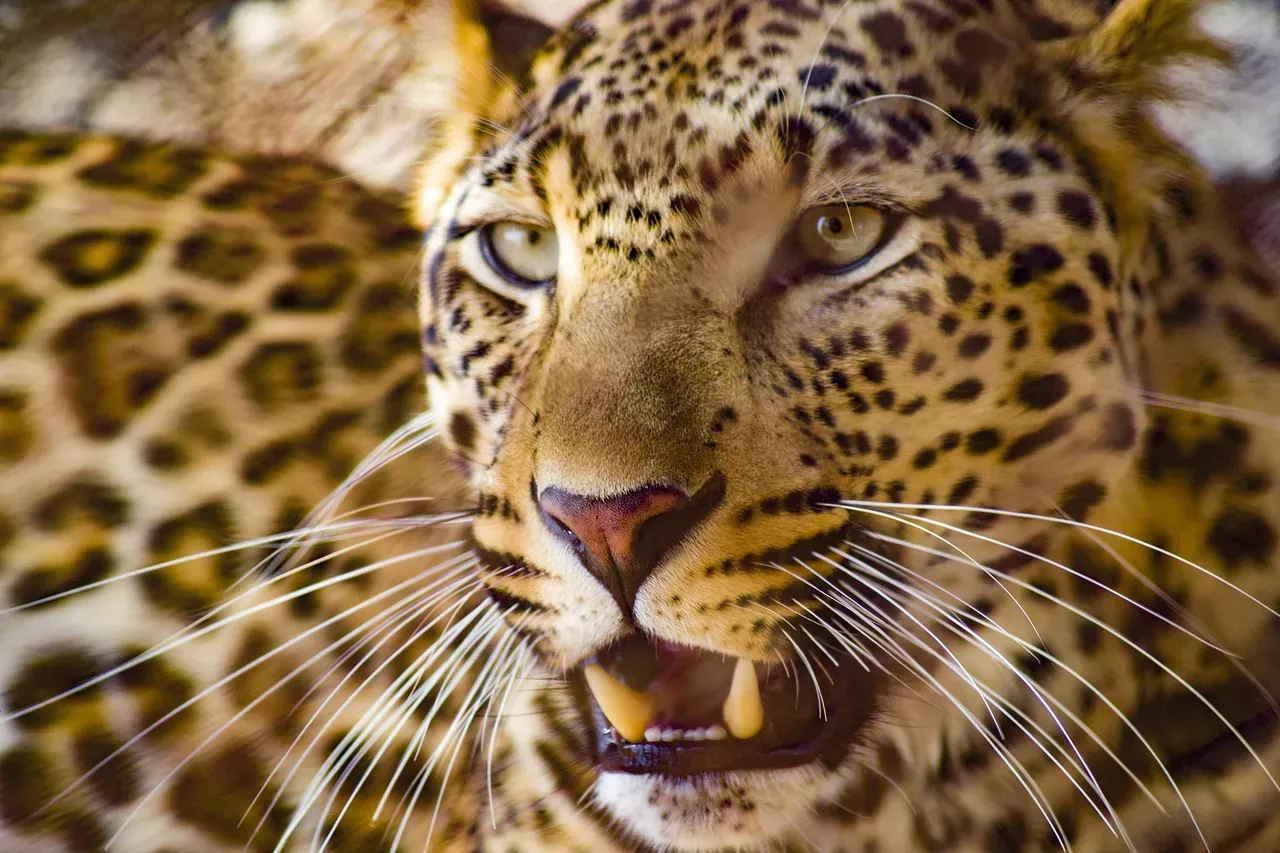
The IUCN classifies jaguars as Near Threatened, due to a suspected decline of twenty to twenty-five percent over the past three generations in area of occupancy, extent of occurrence, and habitat quality. Cheetahs are classified as vulnerable by the IUCN, facing a high risk of extinction in the wild.
The title of this article isn’t clickbait. It’s reality. These species are running out of time because every threat compounds the others. Habitat loss drives them into conflict with humans. Conflict leads to killing. Killing reduces genetic diversity. Small, isolated populations become more vulnerable to disease, climate change, and poaching. It’s a downward spiral that accelerates with every passing year.
So here’s where we are. Two of the world’s most iconic predators, symbols of power and grace, are being squeezed out of existence by forces that are entirely within human control. Conservation efforts are making a difference in some regions, sure. There are success stories. Yet the overall trajectory remains grim unless we fundamentally change how we view our relationship with wildlife and wild places.
What do you think it will take to turn this around? Can we really coexist with jaguars and cheetahs, or are we witnessing the slow-motion extinction of creatures that have existed for millions of years?