You’ve probably heard someone say that adopting a senior cat is a mistake. Maybe they told you older felines are cranky, sick, or set in their ways. Let’s be real, those notions couldn’t be further from the truth.
Senior cats are among the most misunderstood companions in shelters today. They wait patiently while younger kittens get scooped up, often because of myths that paint them as less desirable. I think it’s time we challenged these assumptions head-on. The reality is that mature cats bring incredible benefits to your home, from calm companionship to predictable personalities. Let’s dive in and separate fact from fiction about these wonderful animals.
Myth 1: Senior Cats Are Always Grumpy and Unfriendly
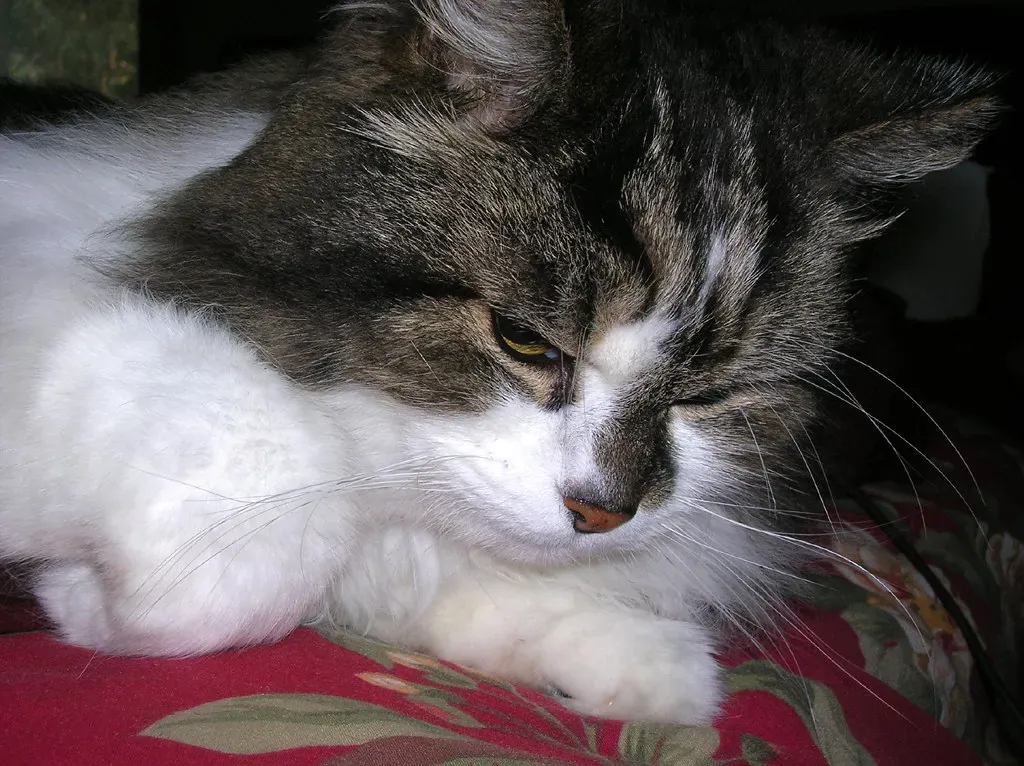
You might have heard that older cats become grumpy as they age, but this simply isn’t true. Many senior cats actually mellow out as they get older, seeking more affection from their human companions. Think about it. Older cats have lived through their hyperactive kitten phase and often appreciate the comfort of a warm lap more than ever.
If your senior cat seems angry or mean, it may be because of something in their environment, or pain and discomfort they are feeling from aging. A sudden personality shift is different from a naturally grumpy demeanor. When you notice mood changes, checking with your vet can rule out underlying health issues. Some cats may even become more affectionate as they get older, possibly due to the feeling of safety and warmth you provide.
Myth 2: Older Cats Don’t Want to Play Anymore
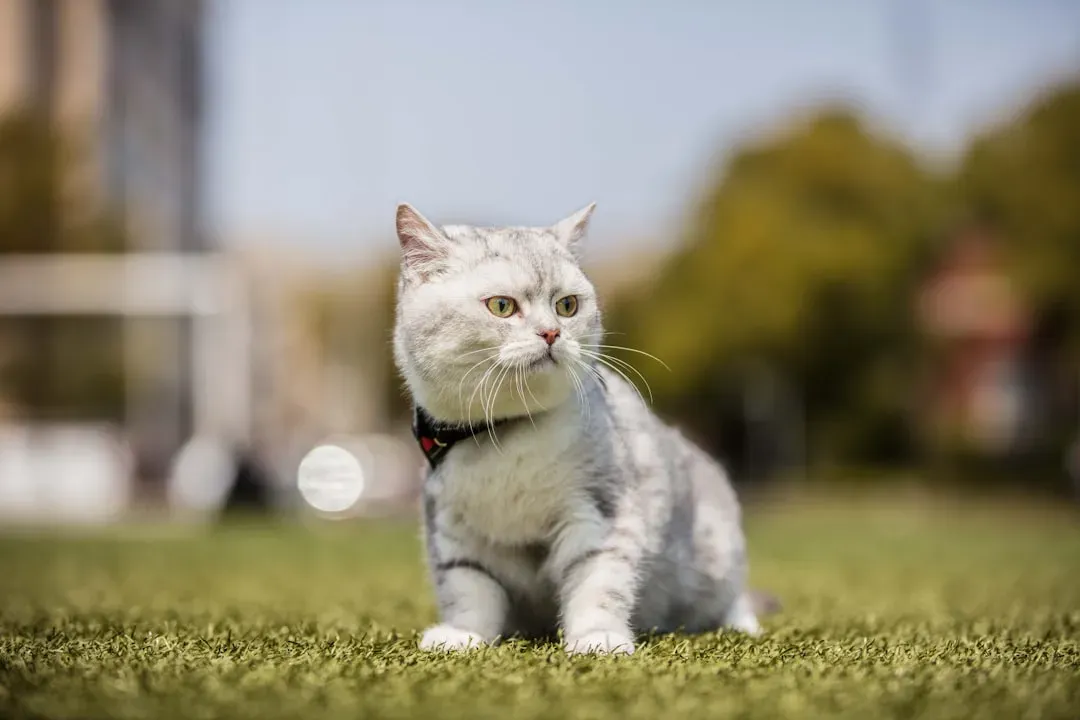
While many cats do slow down with age, senior cats can be just as playful as kittens and younger cats. Their energy levels might differ, sure, but their desire for engagement remains strong. All healthy cats require regular playtime and exercise, and senior cats are no exception, though they may not have the same energy levels or stamina as they once did.
Interactive play sessions tailored to their abilities keep senior cats mentally sharp and physically healthy. You might find your older cat prefers gentler games with feather wands or batting at soft toys rather than wild sprints across the room. The key is adjusting the intensity, not eliminating play altogether. While older cats may sleep more, they still need interaction and a stimulating environment to keep their bodies active and their minds engaged.
Myth 3: All Senior Cats Are Unhealthy and Expensive to Care For
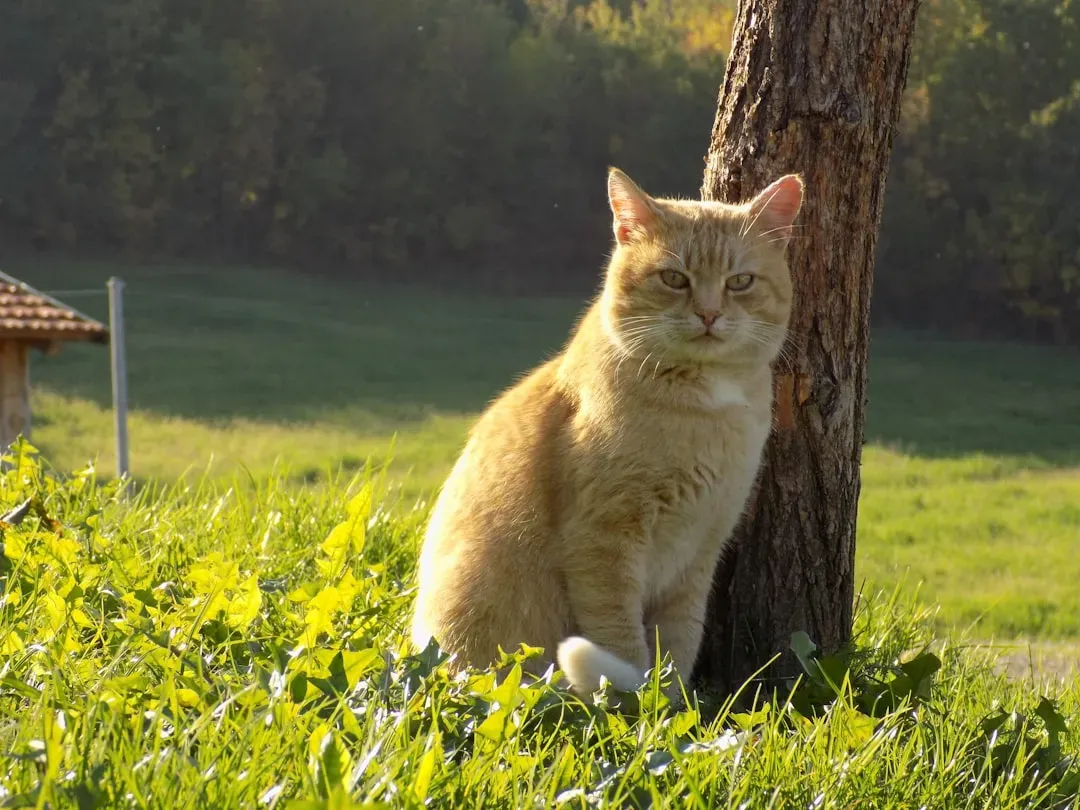
As cats get older, they can develop health conditions and problems, just like people can, but this does not mean that every older cat is going to get sick or deal with health issues later in life. Honestly, assuming all older cats are medical disasters waiting to happen is unfair and inaccurate. Many senior felines maintain excellent health well into their teens.
While it’s true that senior cats are more likely to get different conditions, some older cats are perfectly normal and don’t change at all. Regular veterinary checkups help catch potential issues early when they’re easier and less costly to manage. Although many complex physical changes accompany advancing years, age in and of itself is not a disease, and even though many conditions that affect older cats are not correctable, they can often be controlled. With proper care, your senior cat can enjoy many comfortable years.
Myth 4: You Can’t Teach an Old Cat New Tricks
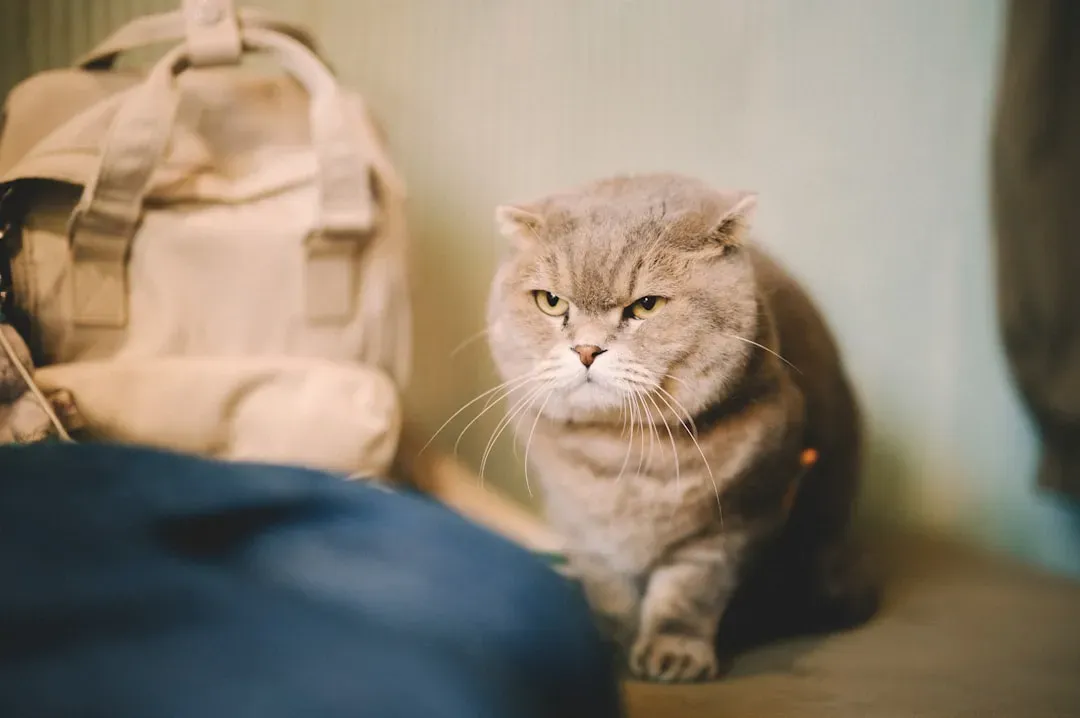
That doesn’t mean adult cats can’t learn, as they can be amazingly adaptive. This misconception really frustrates me because it underestimates feline intelligence across all ages. Senior cats absolutely have the cognitive ability to learn new behaviors, routines, and even tricks.
It may take your cat a bit longer to do some training, but they still succeed at pretty unusual training even when they’re older. The process might require more patience and repetition, but older cats respond well to positive reinforcement. They may actually focus better than kittens because they’re not as easily distracted. Training strengthens your bond and provides valuable mental stimulation that keeps their minds sharp. Cats absolutely can still learn when they’re older.
Myth 5: Senior Cats Won’t Bond with New Owners
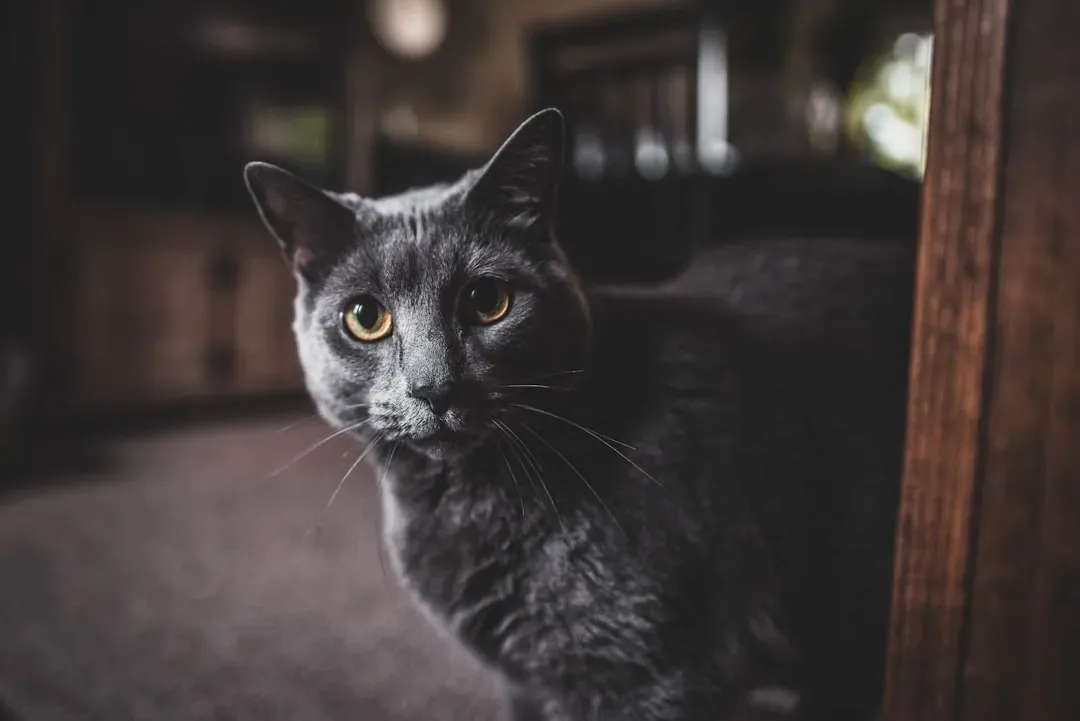
Age is not a determining factor in an animal’s affection or ability to develop new relationships. Here’s the thing: older cats form deep, meaningful connections with new families all the time. Their capacity to love doesn’t diminish with age.
In fact, senior cats often appreciate the stability of a loving home more profoundly because they understand what they’ve been missing. Older cats need extra love and patience because they’ve been through a lot, but they bond just as strongly with new owners, becoming forever friends in time. You might need to give them space initially to adjust, especially if they’ve experienced trauma or multiple rehoming situations. Once trust is established, though, the loyalty and affection they show can be incredibly rewarding. Sometimes adopting a senior cat is healing because you can relate to each other, and together, you can heal from the past and get ready for a future of love and adventure.
Myth 6: Older Cats Are Set in Their Ways and Can’t Adapt
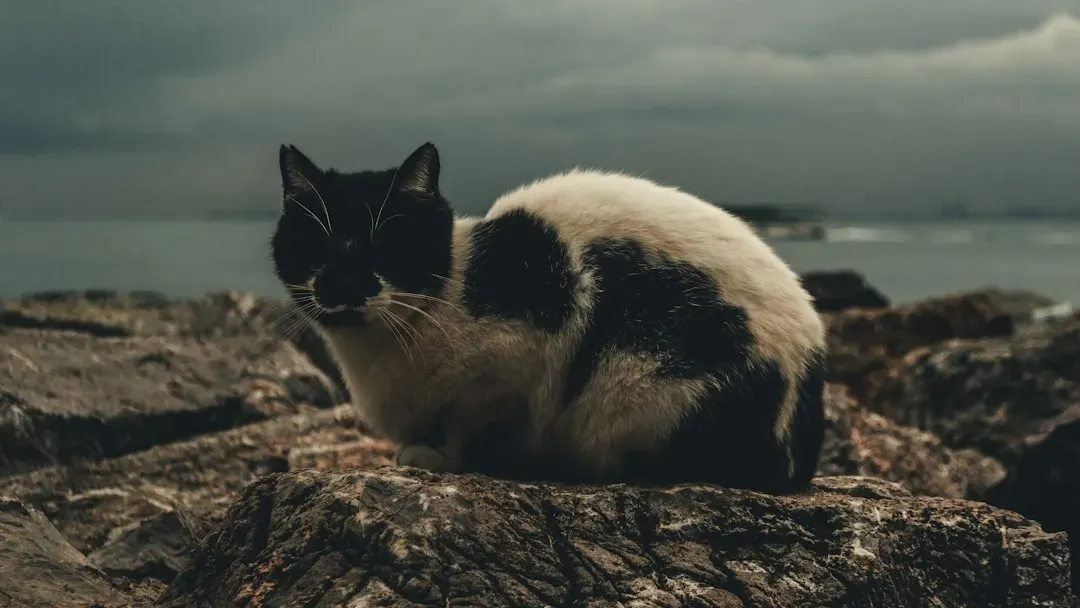
While adopting a senior cat has both pros and cons, most challenges can be overcome, and it might take an older cat a little longer to adjust than a more pliable kitten, requiring more patience and compassion as your elderly furball settles into their new normal. Adaptation isn’t about age; it’s about temperament and the support you provide during transition periods.
Older cats may settle in more quickly by the time adult cats are grown up, as they are used to experiencing new sights and sounds. They’ve lived through various situations and developed coping mechanisms. Establishing predictable routines helps senior cats feel secure in new environments. Older cats cherish predictable days more than younger cats do, as they become set in their ways as they get older. This doesn’t mean inflexibility; it means appreciating structure and consistency.
Myth 7: Senior Cats Will Break Your Heart Too Soon
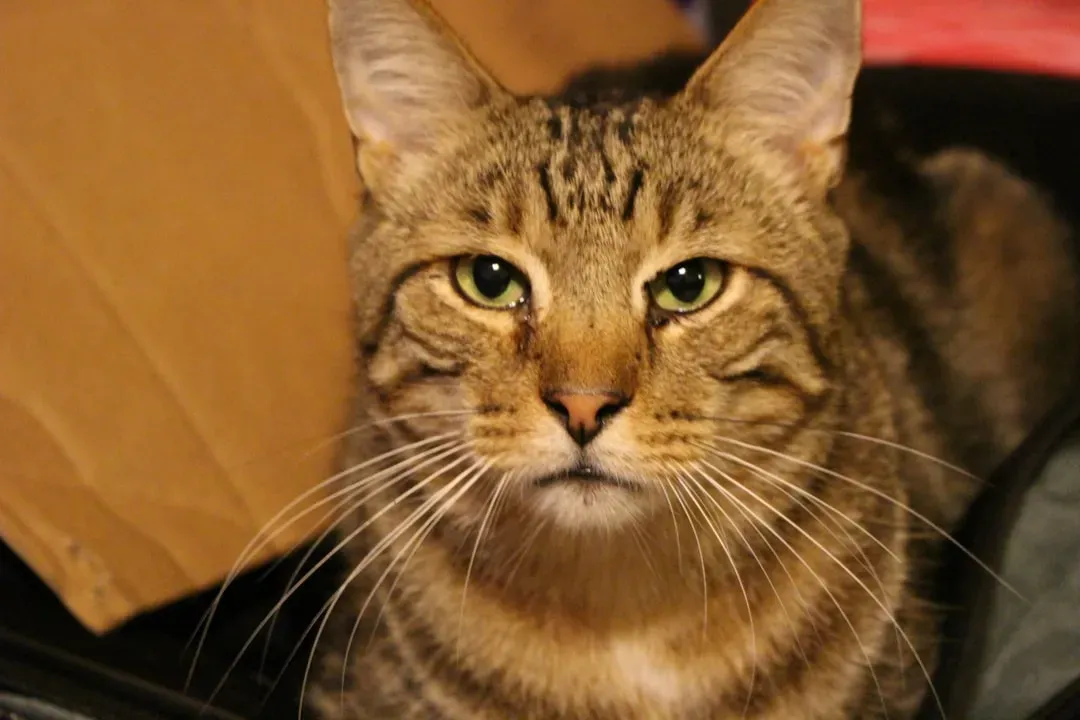
Many people avoid adopting senior cats because it will be too painful and they don’t want to say goodbye so soon, but as with anything in life, there are no guarantees, as cats can live a long time and die from natural causes or can die at earlier ages from illness or accidents. This fear, while understandable, prevents countless deserving cats from finding loving homes.
By adopting a senior cat, you are providing a second chance to a feline and allowing them to live the rest of their years, whether it’s two years or ten years, in a happy and loving home. The time you share, regardless of length, is precious and meaningful. Some senior cats live well into their twenties, defying expectations. Even if your time together is shorter, the quality of life you provide makes an immeasurable difference. The love exchanged during those years enriches both your lives in ways that far outweigh the eventual heartbreak.
Myth 8: Older Cats Require Constant Veterinary Attention
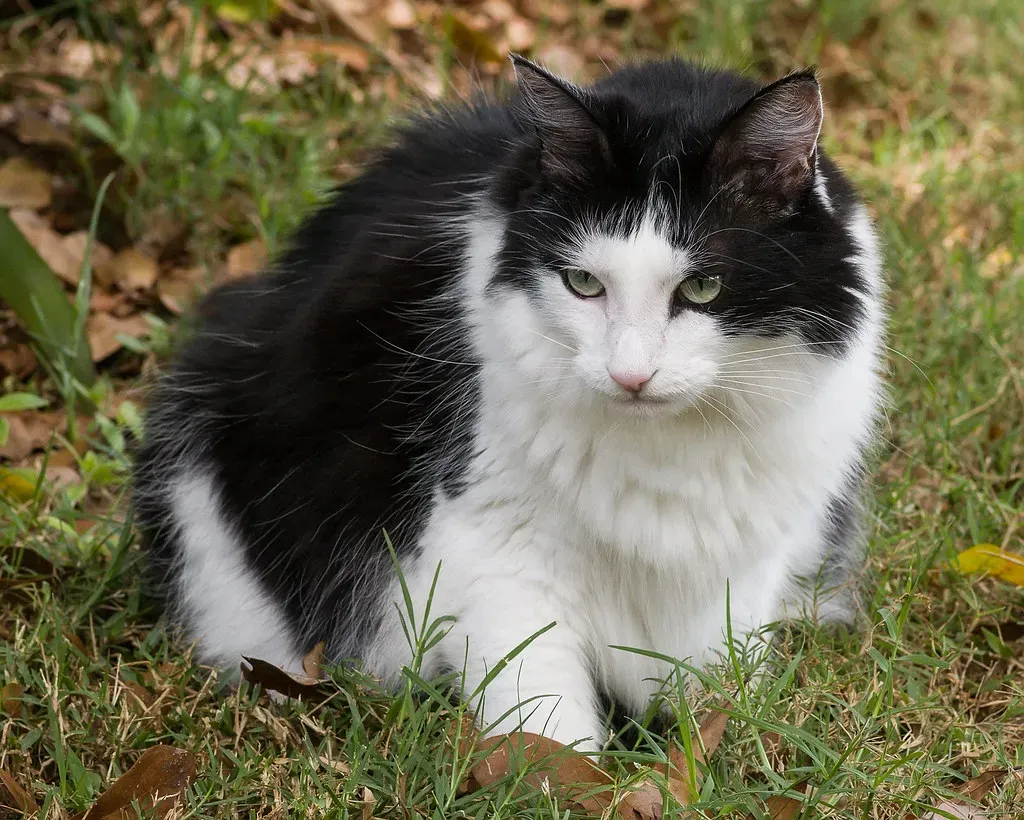
For healthy cats, a yearly geriatric exam including blood work and X-rays along with a smaller exam in between is ideal. This level of care is reasonable and manageable for most pet owners. It’s not dramatically different from the preventive care younger cats need.
Never assume that changes you see in your older cat are simply due to old age and are therefore untreatable, as any alteration in your cat’s behavior or physical condition should alert you to contact your veterinarian. Proactive monitoring prevents small issues from becoming major problems. Regular checkups allow vets to catch conditions early when treatment is most effective. Possessing a clear understanding of the normal and abnormal changes that are associated with aging in cats can help practitioners make decisions regarding medical management, nutritional assessment and feeding interventions, and additional testing procedures for their aged patients. You’re not signing up for endless vet visits; you’re committing to responsible pet ownership.
Myth 9: Senior Cats Are Too Boring Compared to Kittens
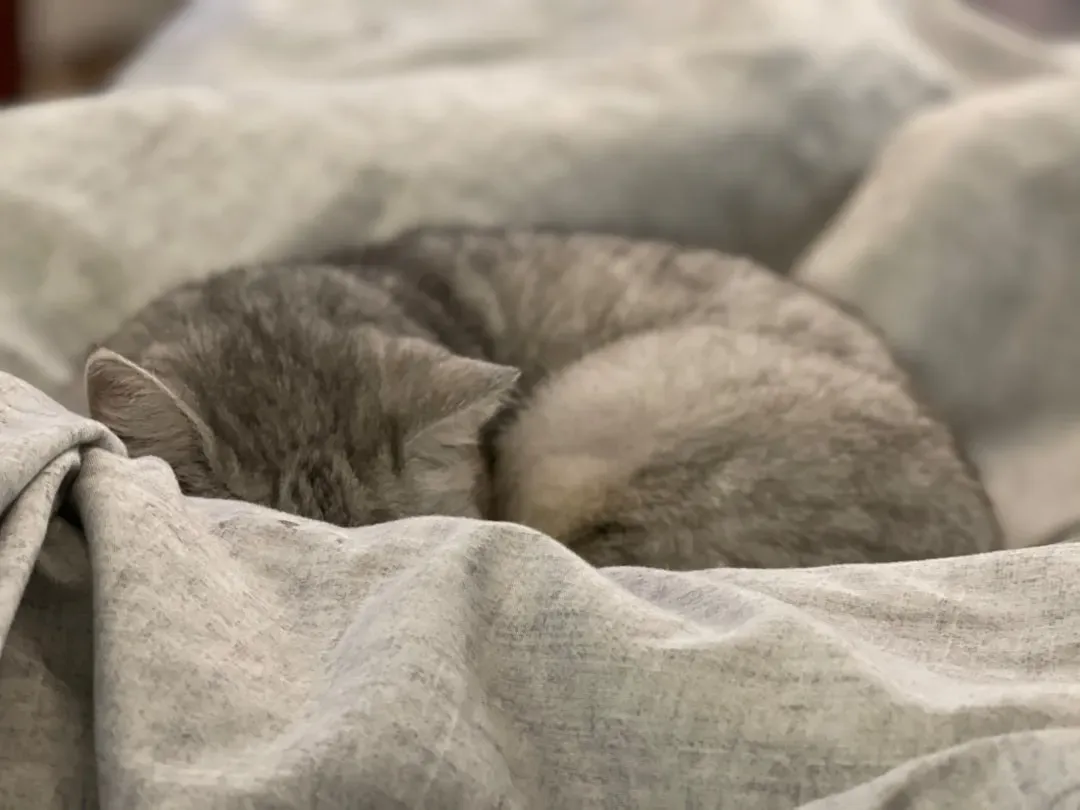
Older cats are more emotionally mature and are more independent, knowing how to occupy themselves while you’re at work. Rather than boring, think of senior cats as sophisticated companions who appreciate the finer things in life. They offer calm presence, gentle companionship, and moments of playfulness when the mood strikes.
As an added bonus, an older cat is more likely to want to curl up with you when you go to bed or when you’re relaxing on the couch after a long day. Their preference for cozy snuggles over chaotic zoomies at three in the morning makes them ideal for people who value peace and relaxation. Older cats are still all about daily playtime sessions, but they’re often also content to cuddle up with you on the couch and settle into your routine. They bring a different kind of joy, one that’s quieter but just as fulfilling.
Conclusion
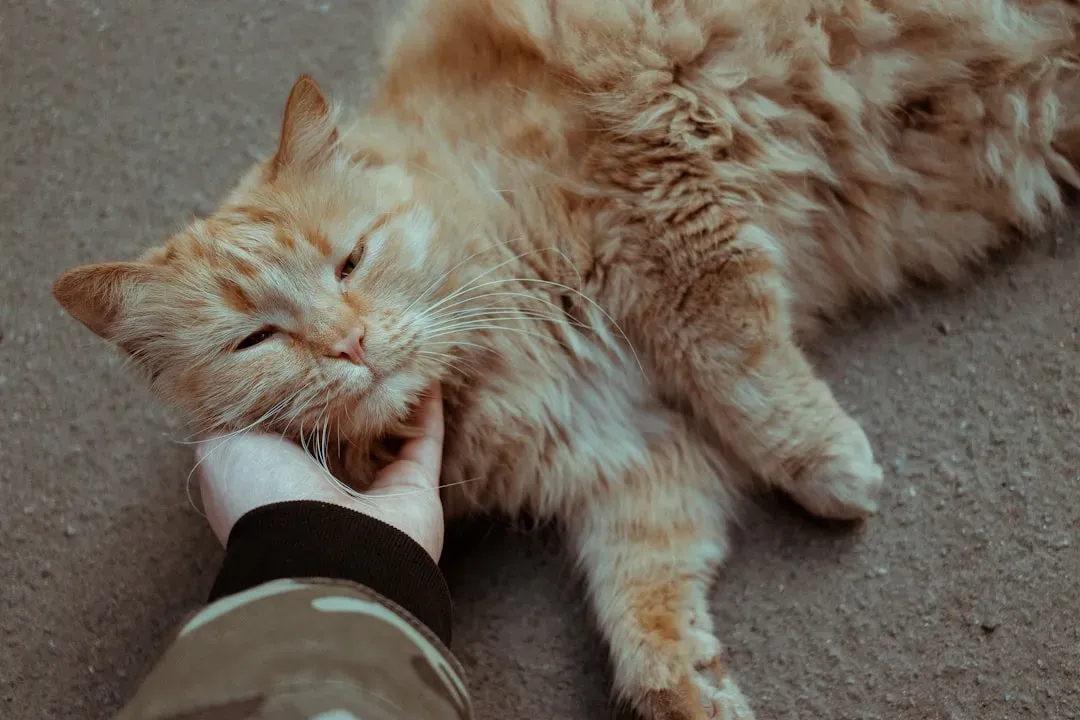
Senior cats deserve so much better than the stereotypes that follow them around. These mature felines offer predictable personalities, gentle companionship, and deep emotional bonds that rival any kitten’s charm. They’re not broken, boring, or burdensome. They’re experienced, affectionate, and ready to share their golden years with someone special.
By challenging these misconceptions, you open yourself up to the possibility of a truly rewarding relationship. Senior cats waiting in shelters aren’t looking for pity; they’re looking for a second chance to be someone’s beloved companion. What’s your take on senior cat adoption? Have these myths ever held you back from considering an older feline friend?