Ever watch your cat staring out the window or pacing around at midnight and wonder what’s going on in that furry little head? Chances are, your feline friend might be feeling a bit stressed or understimulated. Creating a calm, enriching environment isn’t just about spoiling your cat with fancy toys. It’s about understanding what makes them feel secure, content, and truly at home.
Your cat’s happiness directly affects their health, behavior, and your relationship with them. Let’s be real, a stressed cat can turn into a destructive cat, or worse, a sick cat. So let’s dive into practical ways you can transform your space into a feline paradise where your kitty can truly thrive.
1. Elevate Their World with Vertical Space
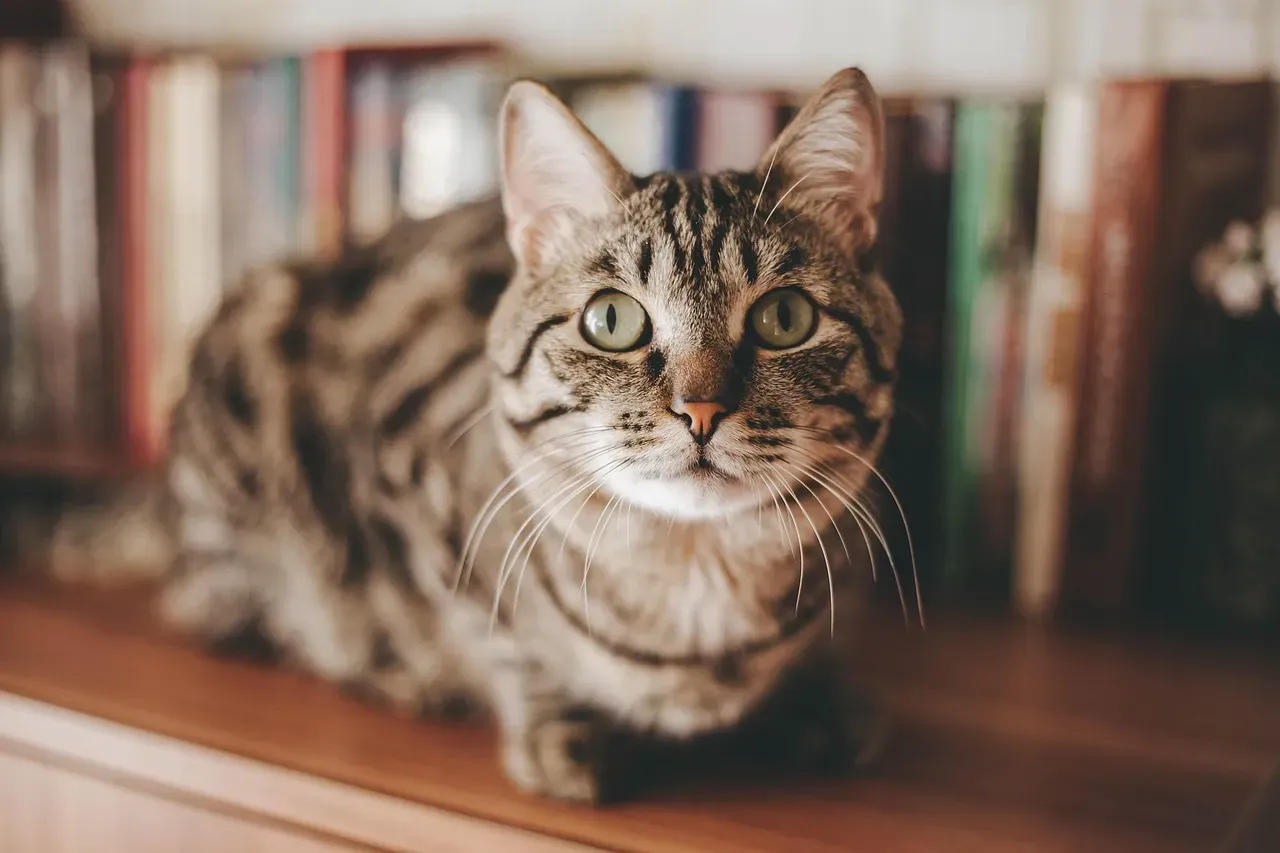
Cats live in a vertical world, even though we tend to think horizontally. You might notice your cat loves perching on top of the fridge or scaling your bookshelf. This isn’t just quirky behavior; it’s deeply rooted in their instincts. The need to climb is so deep-rooted in your cat’s genetic makeup that they will seek out high places even in a home where they know they are safe and well cared for, and though your cat is domestic, the feline need to perch can be traced back to their wildcat ancestry.
Adding cat trees, wall-mounted shelves, or even repurposing furniture to create elevated pathways gives your cat more territory without needing a bigger house. Cats are masters at using vertical space, and being able to survey their surroundings from a high perch adds calming enrichment when space is limited. Think about placing these near windows so your cat can watch the outside world. Just make sure everything is sturdy and has multiple ways up and down so no cat gets trapped.
2. Design Cozy Hideaways for Private Time
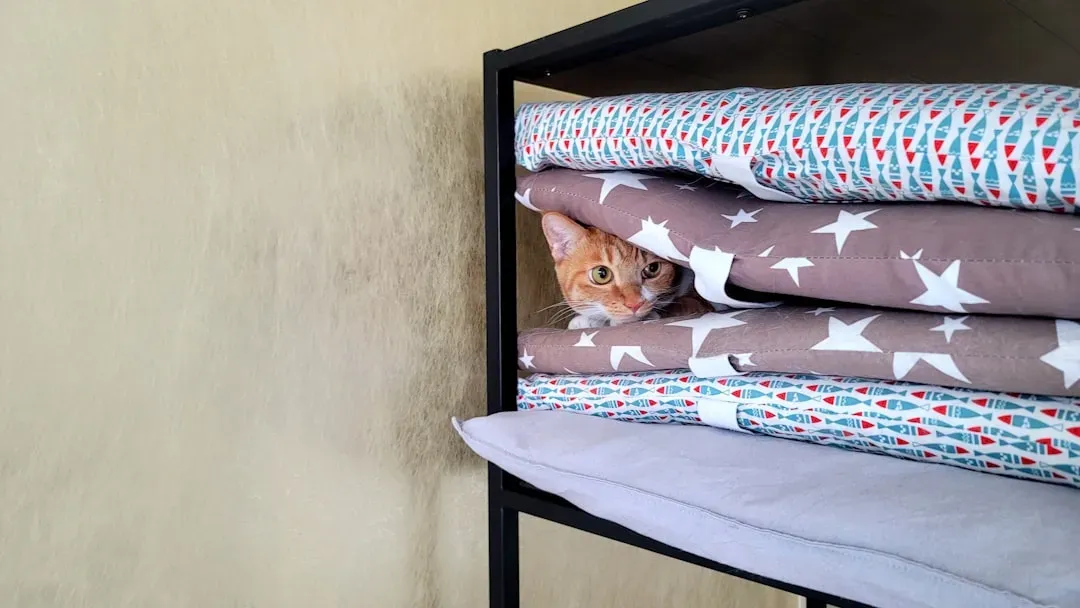
Your cat requires a private place where he can retreat to feel safe when overwhelmed or threatened, and failing to provide such a place will add stress and anxiety to your cat’s life. Sometimes your cat just needs to disappear for a while. This doesn’t mean they’re upset with you; they simply need some alone time to recharge.
You don’t need to spend a fortune on elaborate cat caves. A simple cardboard box with a blanket will slumber trap them. Position these hiding spots in quiet corners of your home, away from high-traffic areas. If you have multiple cats, make sure each one has access to their own safe zone. Studies have shown that providing them with enclosed or semi-enclosed spaces can help to reduce their stress level.
3. Establish a Rock-Solid Daily Routine
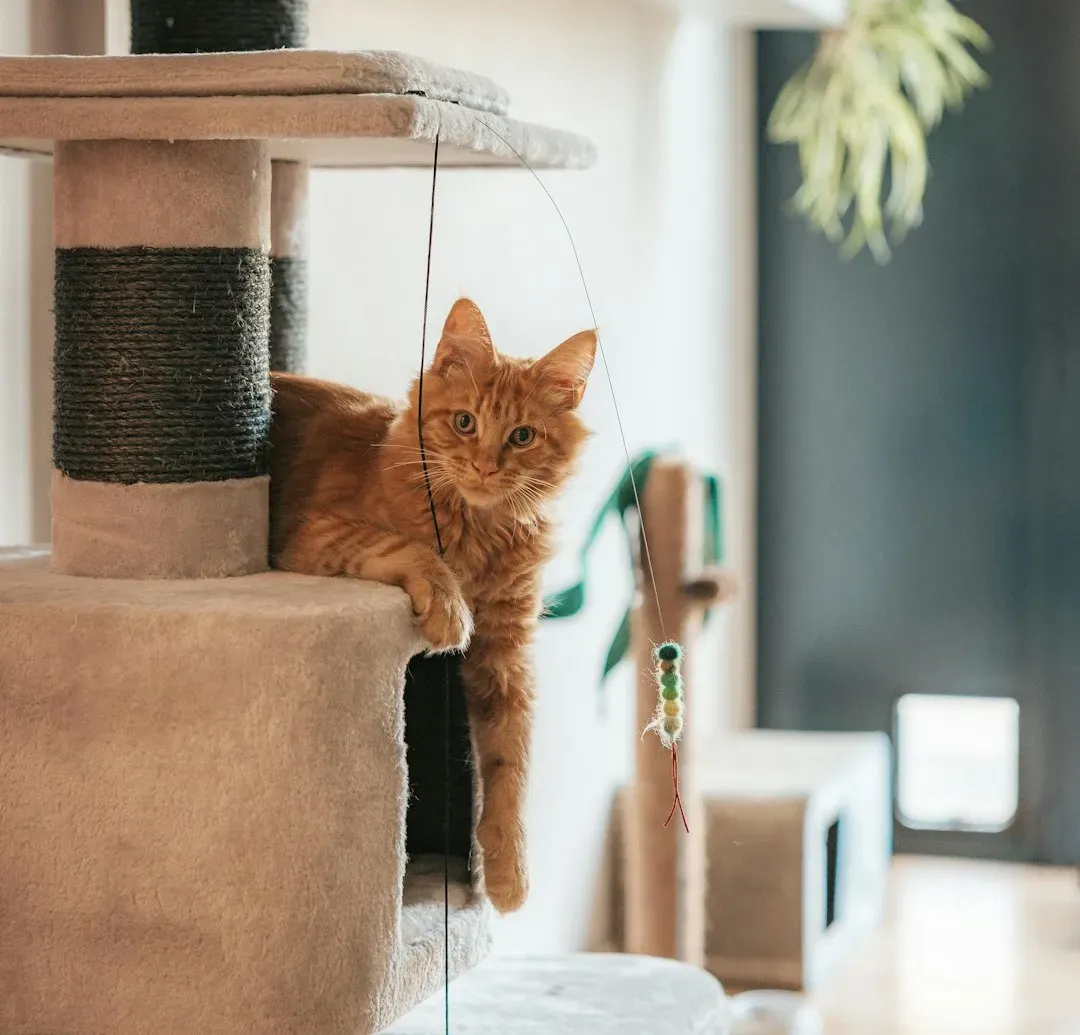
Cats are creatures of habit, so maintaining a normal routine is very important for decreasing not just their stress and anxiety, but also yours, and creating a routine that is beneficial to managing cat anxiety and stress includes sticking to normal bedtime, wake time, and meal schedules. I know life gets chaotic, but your cat thrives on predictability. Feed them at the same times each day, play with them on a consistent schedule, and try to keep their environment stable.
Having structured playtime is important for maintaining the overall health and wellbeing of your cat, as it gives them an outlet to release pent-up energy and strengthens the bond between you and your feline. Even just 15 minutes twice a day can make a massive difference. Your cat will start anticipating these moments, which gives them something positive to focus on.
4. Perfect the Litter Box Setup

Here’s the thing: cats are incredibly particular about their bathroom habits. Because cats are naturally so tidy, having a dirty litter box can be stressful, and a dirty box makes it hard for cats to cover their waste, something they do instinctively to protect themselves from detection by predators. Even though your home doesn’t have predators, that instinct is hardwired into them.
In a multi-cat household, there should be at least one litter box for each cat plus one extra. Place them in quiet, accessible locations where your cat won’t be disturbed. Most cats prefer unscented, clumping litter with a sandy texture, and the box should be large enough for them to turn around comfortably. Scoop at least once daily, though twice is even better.
5. Create Multiple Scratching Stations
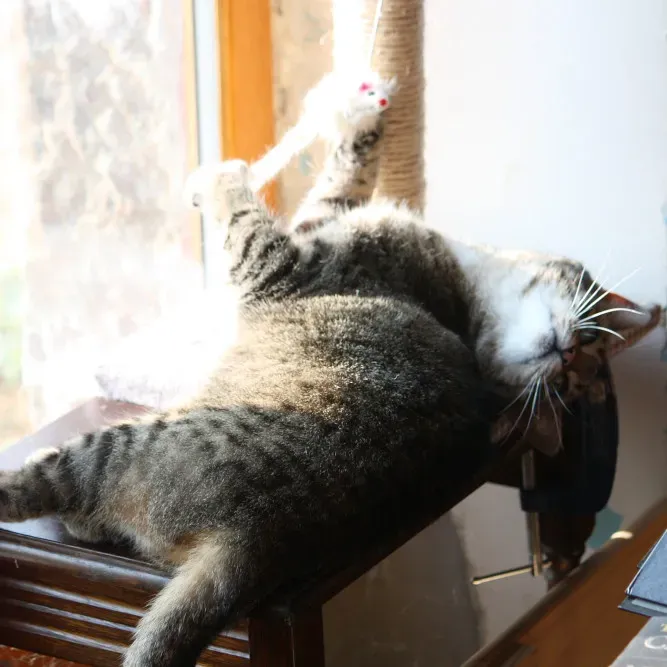
Scratching surfaces are important for your cat’s health and well-being, and denying your cat a scratching post or scratching area denies your cat the ability to mark his territory as he prefers, which in turn may result in stress and even anxiety. Scratching isn’t destructive behavior; it’s communication and self-care rolled into one.
Provide your cat with both vertical and horizontal scratching surfaces. Some cats love tall sisal posts they can stretch against, while others prefer horizontal cardboard scratchers. Place these near where your cat sleeps since they love a good scratch session after waking up. Honestly, having scratching options throughout your home prevents your furniture from becoming their preferred target.
6. Incorporate Daily Play Sessions
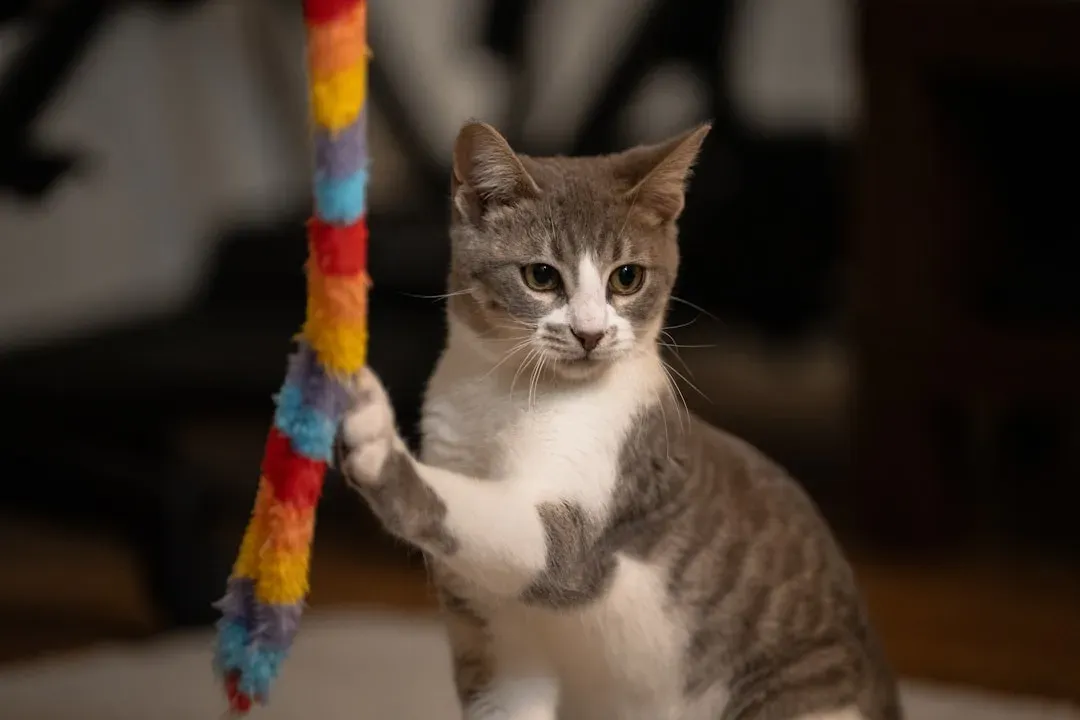
Cats need daily, consistent interaction and playtime, and it’s important to rotate a variety of toys for play to heighten their interest while harnessing their natural behaviors of stalking, pouncing, chasing and capturing. Think feather wands, laser pointers, or toys that mimic prey movements.
Playing with your cat isn’t just fun; it’s essential exercise that prevents obesity and boredom. Interactive toys that challenge their hunting instincts keep their minds sharp. I think food puzzle toys are particularly brilliant because they combine play with mealtime, making your cat work for their food just like they would in nature. Playing stimulates them, reduces boredom and stress, and gives them some needed physical exercise.
7. Use Calming Pheromones and Scents Wisely
Some pheromones help decrease stress and anxiety, and Feliway is a synthetic version of the feline facial pheromone and can be used in a variety of ways in the environment to create a more soothing and calming ambiance. These products plug into wall outlets and release calming signals that only your cat can detect.
Keep in mind that while pheromones can help, you should avoid overwhelming your cat with strong scents that you enjoy. Cats have sharper senses than humans and can be overwhelmed by blasting music and beeping electronics, as well as essential oils, scented candles, incense, fragrance sprays or plug-ins, and heavily scented cleaning products. Creating a scent-free zone gives your cat a refuge when things get too intense.
8. Ensure Ample Resources in Multi-Cat Homes
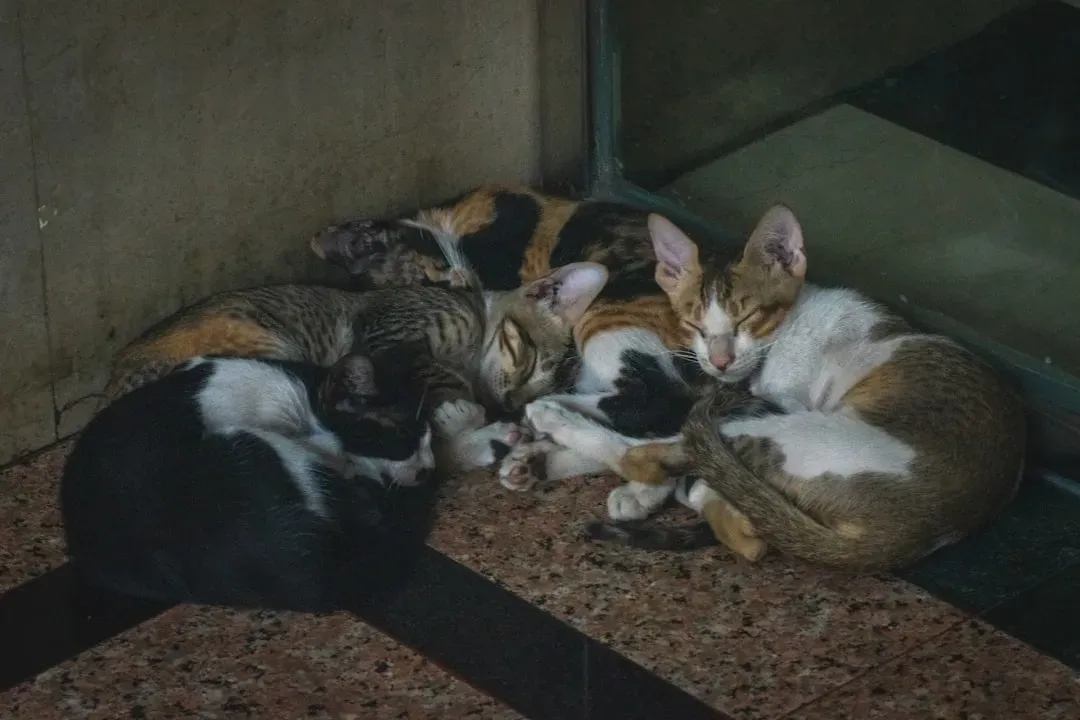
Be sure there are plenty of resources to go around depending on the number of cats in your household, and resources can include food, water, litter boxes, toys, beds, perches and private space. Competition for resources is one of the biggest stressors in homes with multiple cats.
Place food and water bowls in different locations so cats don’t have to share. Separate water stations may be necessary for multi-cat households. The same goes for sleeping spots, scratching posts, and toys. Think of it as creating individual territories within your shared space so each cat feels they have enough.
9. Set the Mood with Calming Sounds

Playing some soft, quiet music can be very relaxing for cats when you’re not at home, and research on animals has shown that classical and solo instrumental music is most effective in reducing pets’ heart and respiration rates, with music needing to be a slower speed and have lower tones, while harp music is also thought to be optimal.
Leaving on calming music or even the television on low volume provides background noise that can be comforting. It’s hard to say for sure, but many cats seem to enjoy visual stimulation from nature documentaries. Just avoid loud, fast music or sudden noises that can startle them.
10. Maintain Positive, Gentle Interactions
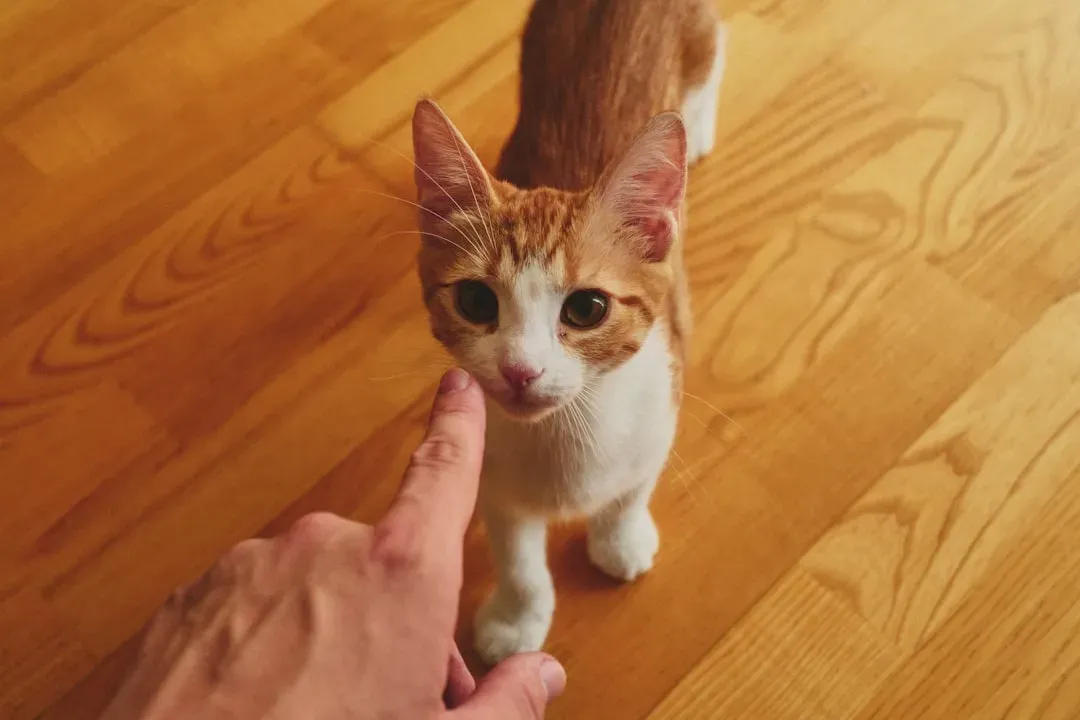
Engaging in positive interaction builds the human-animal bond and helps create more zen for both of you, while avoiding any scolding or punishing will prevent negatively impacting your relationship and creating stress and avoidance. Let’s be real: yelling at your cat for knocking over a plant doesn’t teach them anything except to fear you.
Cats can be very sensitive to touch and generally prefer frequent, short interactions rather than a lengthy, intense petting session, and cats may show signs of overstimulation including a swishing tail, ear movement, a cranky meow, moving away, or quick head turns looking at your hand, which means it’s time to stop petting. Respecting your cat’s boundaries builds trust and creates a more harmonious home.
Conclusion: Your Cat’s Sanctuary Awaits
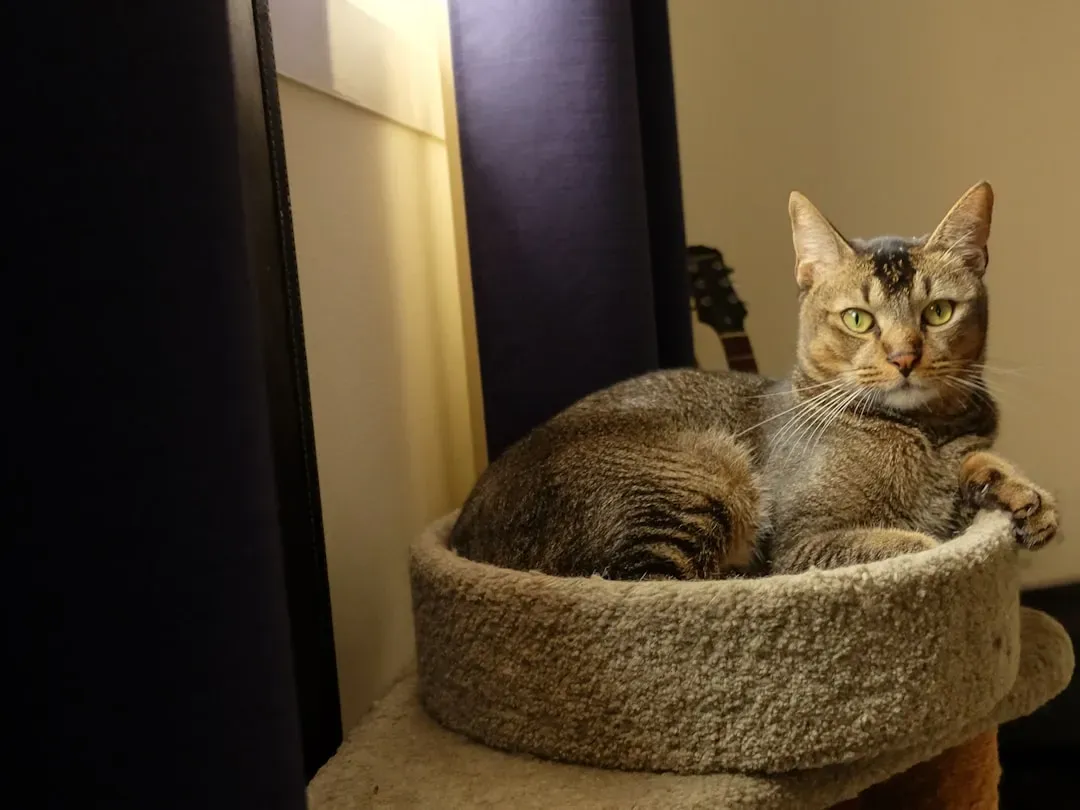
Creating a zen home for your cat isn’t about perfection. It’s about understanding their natural instincts and meeting their needs in practical ways. From vertical territories to cozy hideaways, from consistent routines to respectful interactions, each element contributes to your cat’s overall wellbeing. The beauty of these changes is that they often benefit you too; a calm, happy cat makes for a peaceful home.
Start with one or two changes and gradually build from there. Pay attention to how your cat responds and adjust accordingly. What’s your cat’s favorite spot in your home right now? Think about how you could make it even better for them.

Hi, I’m Andrew, and I come from India. Experienced content specialist with a passion for writing. My forte includes health and wellness, Travel, Animals, and Nature. A nature nomad, I am obsessed with mountains and love high-altitude trekking. I have been on several Himalayan treks in India including the Everest Base Camp in Nepal, a profound experience.