You’ve probably seen it countless times. Your cat somehow squeezes into a shoebox half their size, or melts into a kitchen sink like they have no bones whatsoever. It’s adorable, baffling, and honestly a little creepy. Let’s be real, when you watch your furry friend transform from a solid creature into what appears to be a puddle of fur, you start wondering if the laws of physics even apply to them anymore.
This observation even sparked internet memes, joining the long list of curious cat behavior that has taken over the web. The question is no longer whether your cat can fit into that impossibly small space. It’s how do they do it, why do they love it so much, and wait, are cats actually liquid? Prepare to have your mind blown as we explore the fascinating science behind your cat’s superpowers.
The Scientist Who Proved Cats Are (Kind Of) Liquid
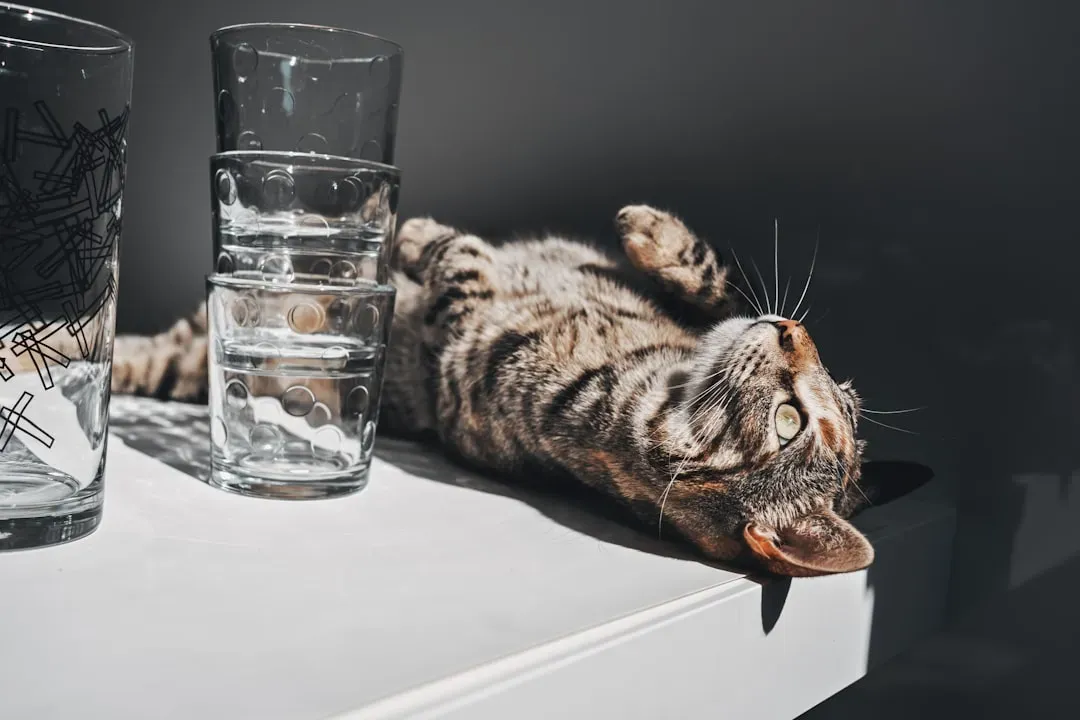
Here’s the thing. A physicist named Marc-Antoine Fardin actually won the 2017 Ig Nobel Prize in Physics for studying whether cats could be considered liquid. Yes, you read that right. Someone sat down with proper scientific methodology and examined this phenomenon.
A liquid is traditionally defined as a material that adapts its shape to fit a container, and under certain conditions, cats seem to fit this definition. Fardin used rheology, the study of how matter flows and deforms, to investigate this. A cat in a small box will behave like a fluid, filling up all the space, but a cat in a bathtub full of water will try to minimize its contact with it and behave very much like a solid. The conclusion is both hilarious and scientifically sound: your cat’s state of matter depends entirely on the situation and how much time they have to become liquid.
The Bendy Backbone That Defies Logic
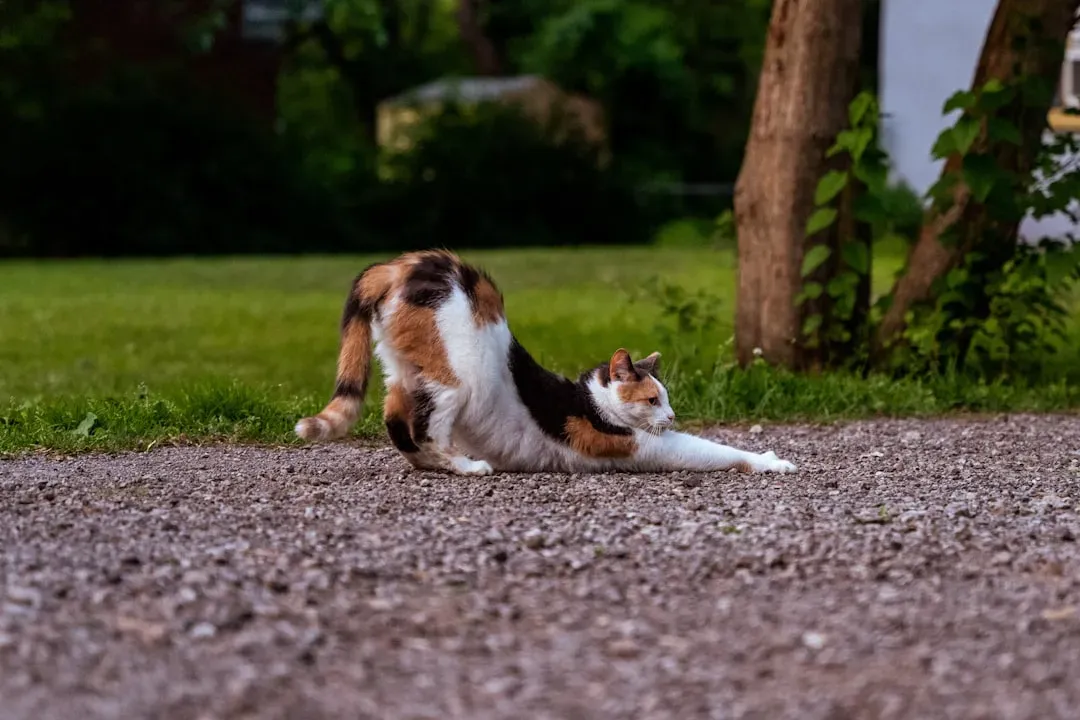
Your cat’s secret weapon is their spine. Their backbone has 30 vertebrae, compared to humans who have far fewer. That alone gives them incredible flexibility, but the magic really happens in the connections.
Cats’ bones are less tightly connected than those of most other animals, and the discs between each vertebrae are thick and spongy, which accounts for their excellent flexibility. Think of it like the difference between a rigid ruler and a chain of beads. A cat’s spine can rotate more than the spines of most other animals, and their vertebrae have a special, flexible, elastic cushioning on the disks, which gives it even more flexibility and contributes to the speed and grace of cats. It’s honestly a marvel of evolution.
The Floating Collarbone Trick
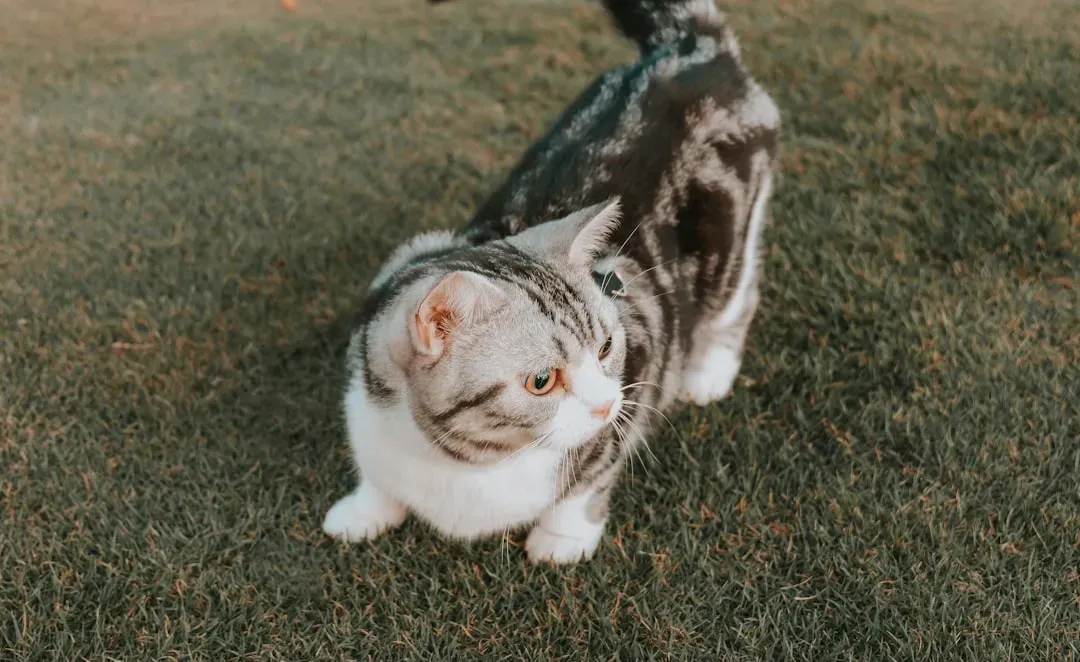
Ever wonder why your cat’s shoulders seem to just disappear when they’re squeezing through a gap? Unlike human arms, a cat’s forelimbs are attached to the shoulders by free-floating clavicle bones, which allow them to pass their body through any space into which they can fit their heads. Seriously, that’s the rule: if the head fits, the whole cat fits.
Cats’ collarbones are not particularly well developed, meaning they’re not constricted as much by the broadness of their shoulders as humans are, and are instead limited merely to the size of their skulls. Human contortionists have to dislocate joints to achieve what cats do naturally. Your cat just glides through like butter.
Extra Skin Means Extra Liquid Vibes
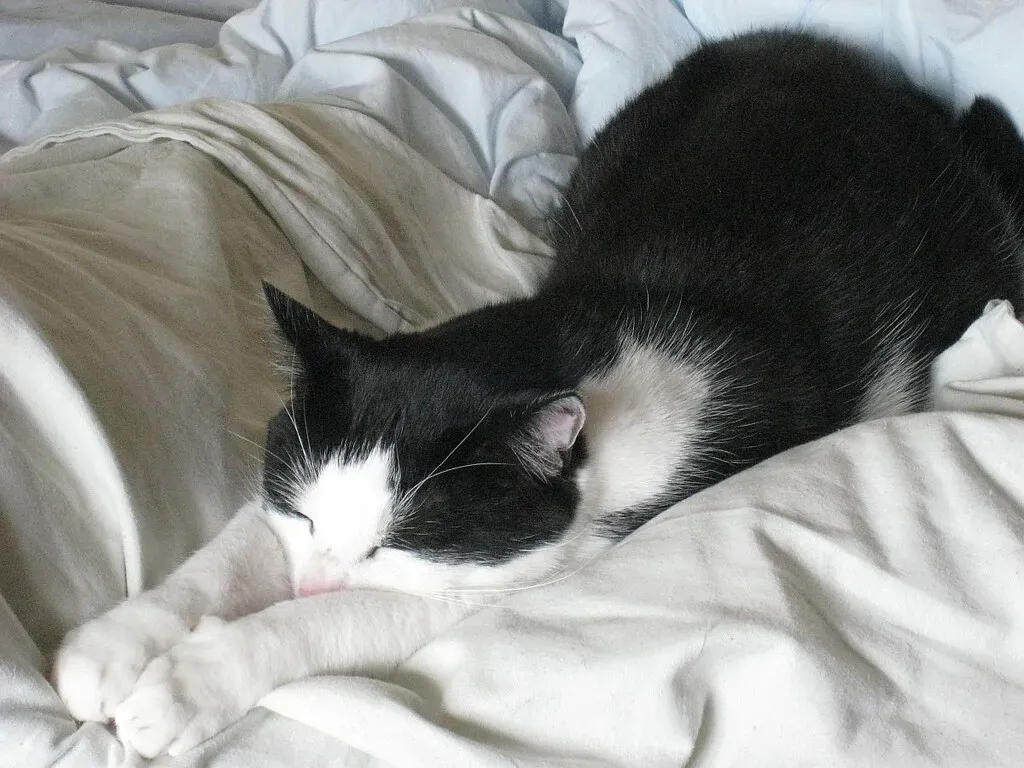
You know that loose skin on your cat’s belly that flops around when they walk? That’s not just pudge or fluff. Cats have a lot of excessive skin – more than most animals – which, when combined with their fur, gives them a floppy, fluid-like appearance. It’s like they’re wearing an oversized sweater made of their own body.
This extra skin serves a real purpose. Loose skin means that cats are flexible to move around quickly during confrontations. When you look at your cat, you’re really seeing a furry envelope with a smaller, sleeker creature hiding inside. That envelope allows them to compress and stretch in ways that would be impossible with tight skin.
Whiskers as Built-In Measuring Tape
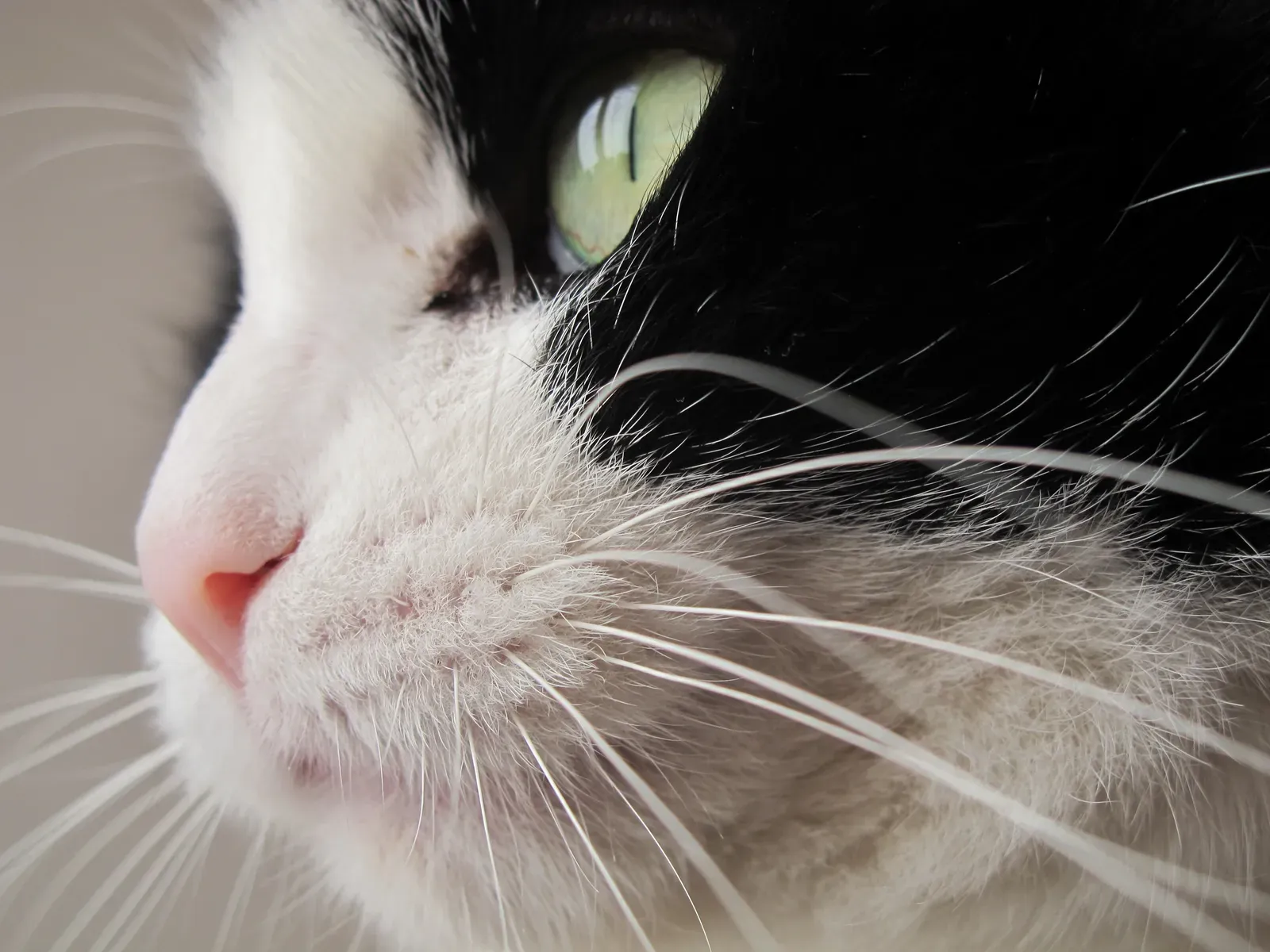
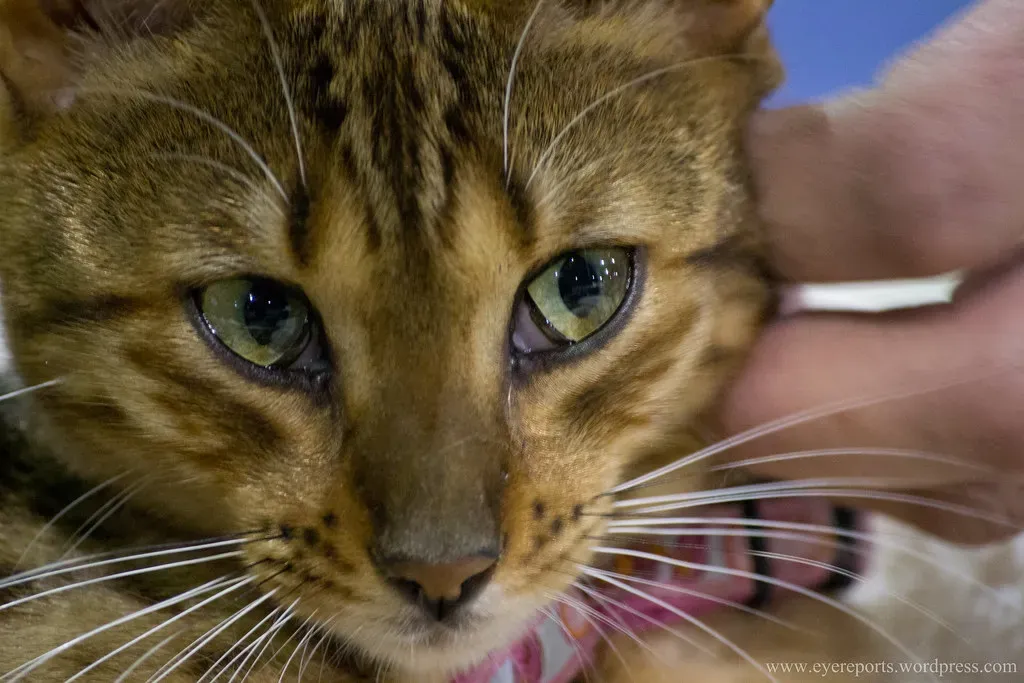
Whiskers work as a natural space gauge – if the whiskers touch both sides of a space, it tells the cat they may get stuck. Your cat isn’t just blindly shoving themselves into openings. They’re doing spatial calculations with their face.
The base of each whisker is packed with nerve endings, providing cats with a highly sensitive navigational system that conveys a large amount of information about their surroundings, including judging the size of small spaces before attempting to squeeze through. Those whiskers are basically tactile GPS sensors. When something brushes against a whisker, it sends signals directly to a cat’s brain, and these hairs can detect even the tiniest changes in air currents, which means cats can “feel” things before they even touch them. Next time you see your cat pausing before entering a tight spot, know they’re consulting their whiskers first.
Why Narrow Spaces Don’t Scare Them
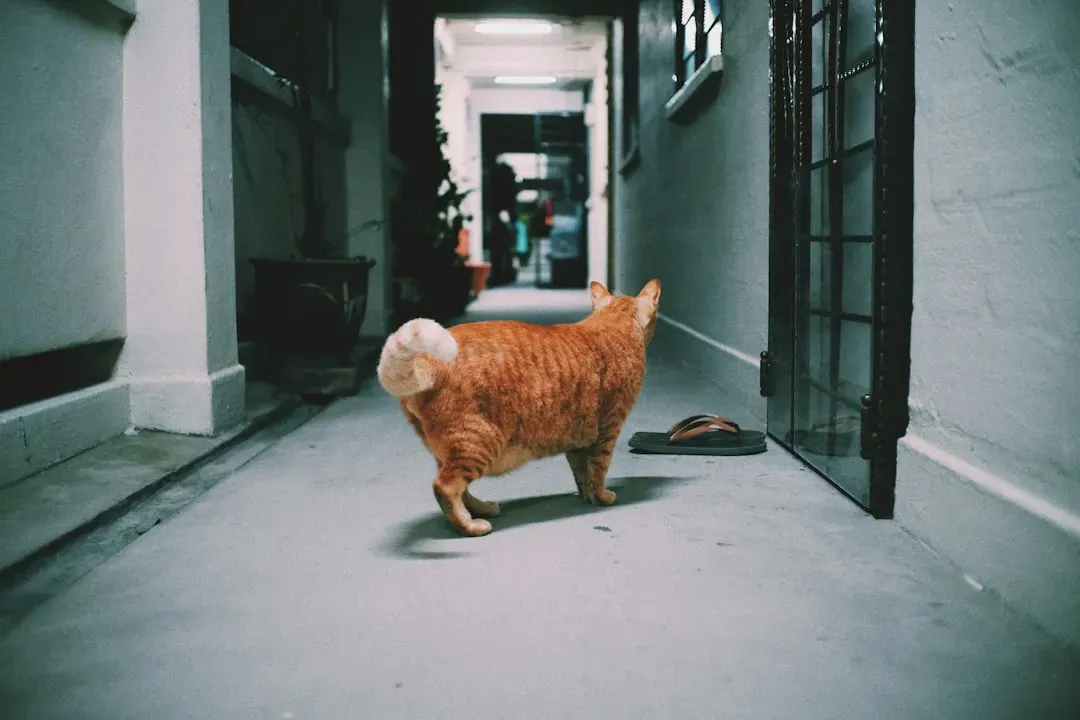
Most recent research showed something fascinating about how cats approach different types of openings. When the width was shrunk but the height kept comfortable, most cats never hesitated to cross through, no matter how narrow the opening – in this dimension, the felines don’t use body awareness. They just go for it.
Instead of relying on body awareness, the felines used trial and error for gaps with a narrow width, and this finding makes sense in the context of cats’ wild origins – in the wilderness, crouching down to squeeze through a short hole might make them more susceptible to danger by reducing their view of what’s on the other side. Your cat will happily compress horizontally because they evolved to chase mice through burrows and crevices. Vertical squishing, however, triggers ancient survival instincts that say “nope, too risky.”
The Evolutionary Advantage of Being Squishy
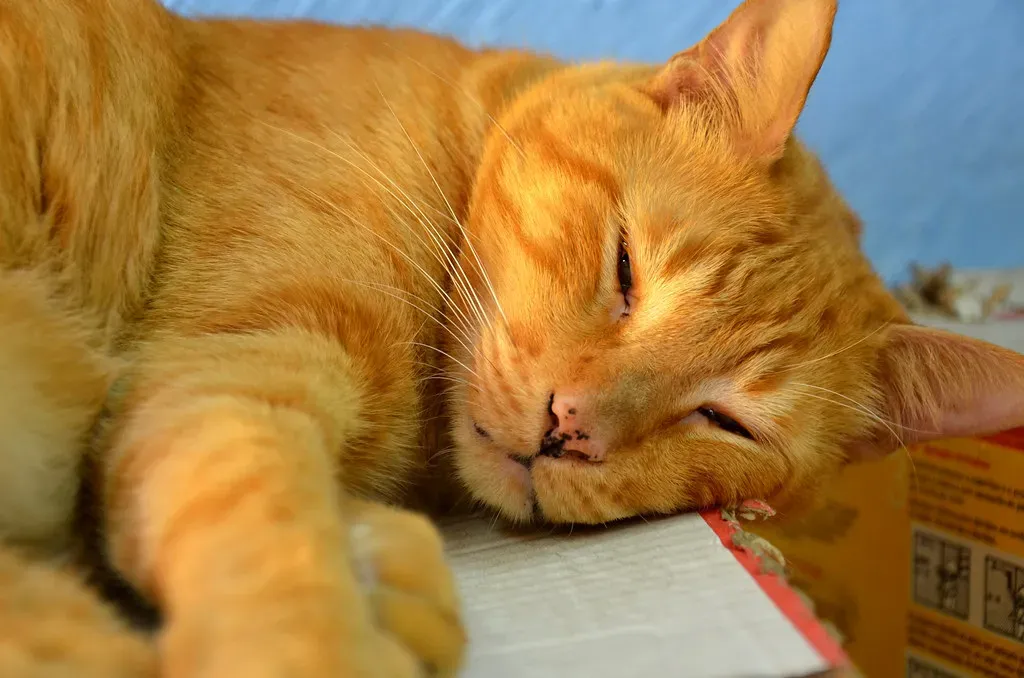
Cats are ambush predators, so their spine is basically like a spring – when they’re crouching it’s loaded, and it’s designed to just explosively expand. That flexibility isn’t just for fitting into boxes. It’s a hunting tool.
Being able to get into small spaces quickly is an adaptation for hunting – cats are middle of the food chain predators, not apex predators like lions or grizzly bears, so almost everything has an offensive and defensive function – they like sneaking into holes because that’s where food might be, and it’s also handy when escaping a predator. Every time your cat wedges themselves behind the couch, they’re channeling thousands of years of evolutionary programming.
The Instinct to Find Tight Spots
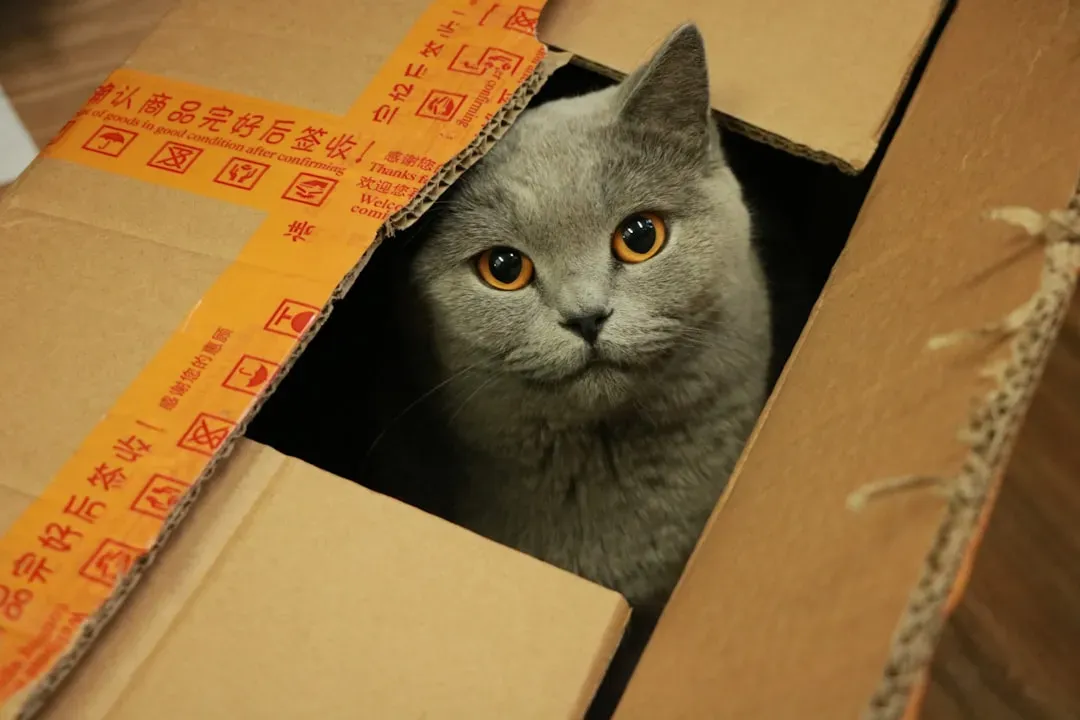
Small spaces trigger a deep psychological need in cats. Boxes provide cats with something they crave deeply: a sense of security, and this passion for small, enclosed spaces is deeply rooted in a cat’s evolutionary history – when mother cats are near giving birth, they will create a nest to raise their young in. Even as adults, that instinct never goes away.
A 2014 study by scientists at the University of Utrecht discovered that boxes reduced stress in shelter cats – kitties provided with a box were able to adapt to their new surroundings quicker, and showed fewer signs of stress, because kitty instincts tell them to hide when they are under threat, distressed or unwell. That’s why your cat makes a beeline for any new cardboard box. It’s not weird, it’s biology.
Boxes, Bowls, and Bathroom Sinks
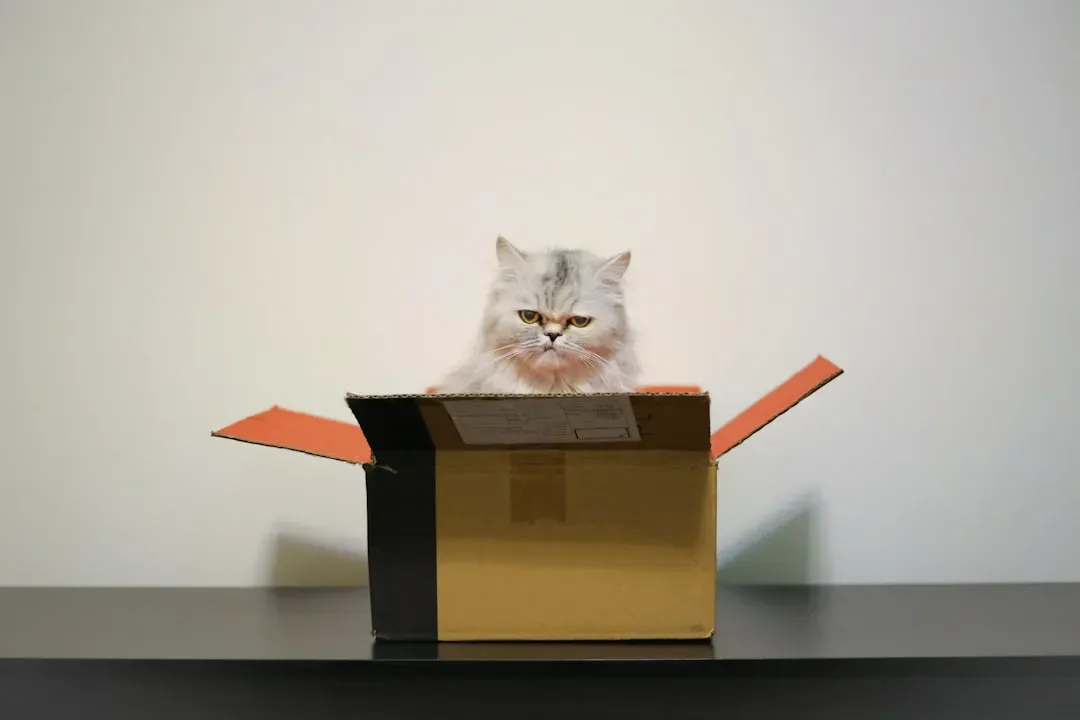
Honestly, cats don’t discriminate when it comes to containers. Boxes are like cardboard catnip for most cats, and the size doesn’t matter – they can happily play inside a large box or take a nap in a tiny one, and it’s not just boxes either, as cats also will slink into bowls, bathroom sinks, tight corners, shopping bags and even your coffee mug. If it has walls and a bottom, your cat will try to sit in it.
There’s a practical reason beyond security. Boxes help to keep things toasty for our feline friends – the cardboard acts like a cozy blanket, trapping the cat’s body heat and acting as an insulator, and the confined space of a box forces a cat to curl up into a ball, which also helps to preserve body heat. Your cat isn’t just being cute. They’re being efficient.
When Liquid Behavior Becomes Risky
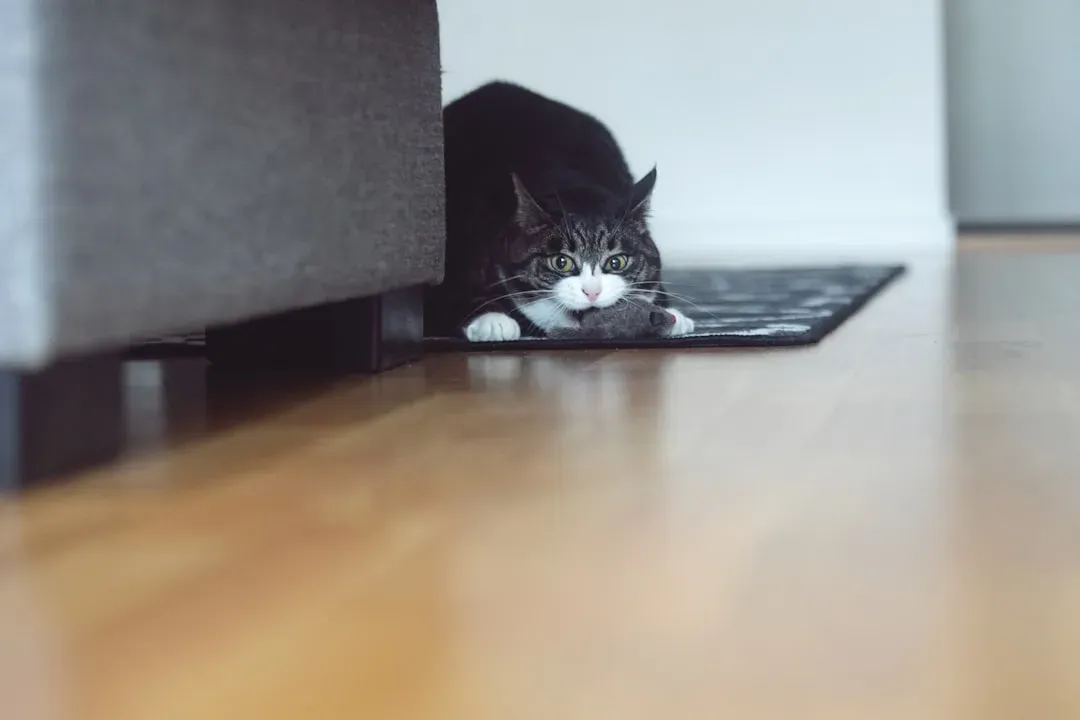
Let’s be honest, sometimes cats get themselves into trouble with their liquid tendencies. Feline liquidity doesn’t just allow them to squeeze into tight spaces, it also enables them to make daring escapes, but it can also, on occasion, get them into trouble. You hear stories of cats stuck in walls, chimneys, or car engines.
In general, younger cats of any breed that are of an ideal body weight tend to fit this profile a bit more, whereas an older cat might have some arthritis or mobility issues that make it more difficult to squeeze into tight spaces comfortably. Age and health matter. If your older cat suddenly stops contorting into ridiculous positions, it might be time for a vet checkup rather than celebrating their newfound dignity.
The Science Will Make You Smile
The whole “cats are liquid” phenomenon is a perfect example of how science can be both rigorous and utterly delightful. The Ig Nobel Prizes are awarded to highlight scientific studies that first make people laugh, then think. Fardin’s work accomplished exactly that.
Cats can adapt their shape to their container if we give them enough time – cats are thus liquid if we give them the time to become liquid. It all comes down to what scientists call relaxation time. Give your cat five seconds in a sink, and they’ll flow into every corner like water. Startle them, and suddenly they’re solid again, launching themselves out in one explosive movement. The duality is real, and it’s backed by physics.
Your cat’s ability to seemingly liquefy themselves is no accident. It’s the result of millions of years of evolution, specialized anatomy, and instincts hardwired into their brains. From their extra vertebrae and floating collarbones to their sensitive whiskers and excess skin, every part of their body is designed for navigating the world in ways that seem impossible to us rigid humans. So the next time you find your cat melted into a fruit bowl or compressed into a shipping box, remember: you’re witnessing a tiny, furry miracle of biomechanics. They’re not defying the laws of physics, they’re just following their own set of rules. What’s the most ridiculous space you’ve found your cat squeezed into?