You watch your cat curled up on the couch for what feels like the tenth time today. Another nap. Another hour lost to sleep. It’s easy to dismiss them as lazy, right? Thing is, what your feline friend is actually doing is far more sophisticated than simple laziness. Your cat has mastered something we humans are only beginning to understand: the ancient art of power snoozing. Let’s be real, there’s a reason we call them catnaps.
Your Cat Is a Sleep Efficiency Expert
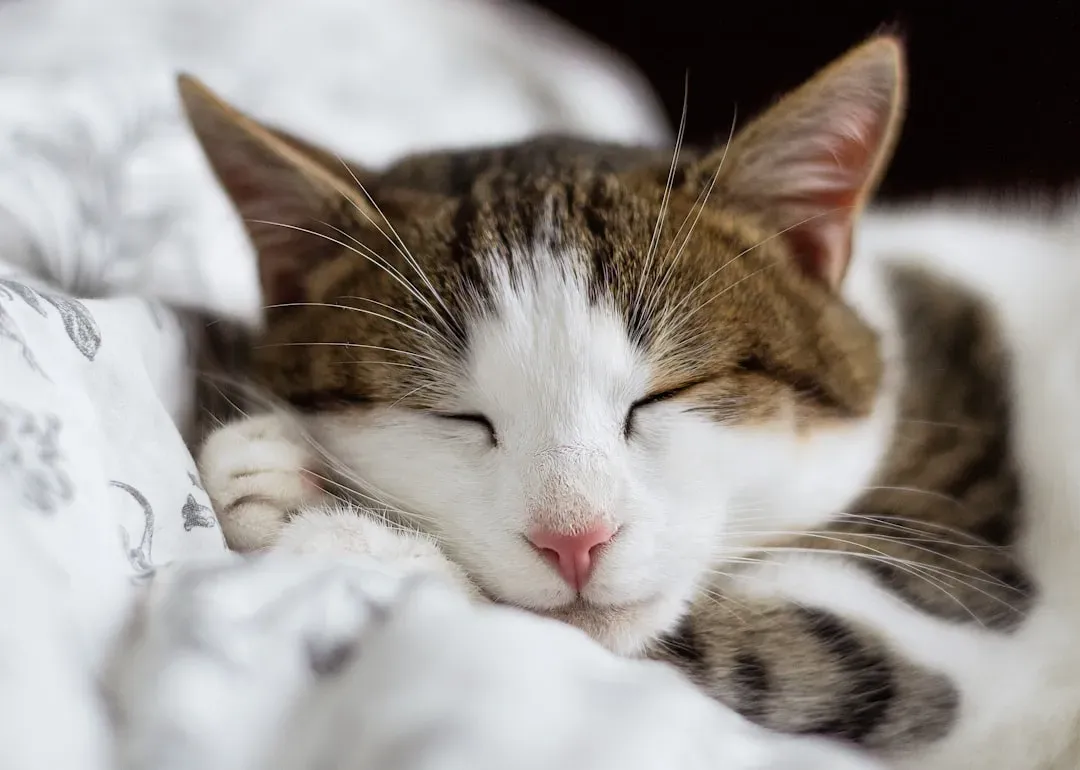
Most cats sleep between 12 and 16 hours a day, and some can push that number even higher. Here’s the thing, though: they’re not just sleeping for the sake of it. They follow a polyphasic sleep pattern, meaning they have multiple periods of sleep throughout a 24-hour day. Think of it like this. Instead of one long marathon sleep session like you do at night, your cat takes several strategic power naps spread across the day and night.
This isn’t random. Their naps last an average of 78 minutes, but can range anywhere from less than an hour to nearly two hours. Each little snooze session is perfectly calibrated to recharge their batteries without wasting precious daylight hours when something interesting might happen. It’s like they’ve figured out the ultimate productivity hack.
The Two-Stage Sleep Strategy That Makes Cats Unstoppable
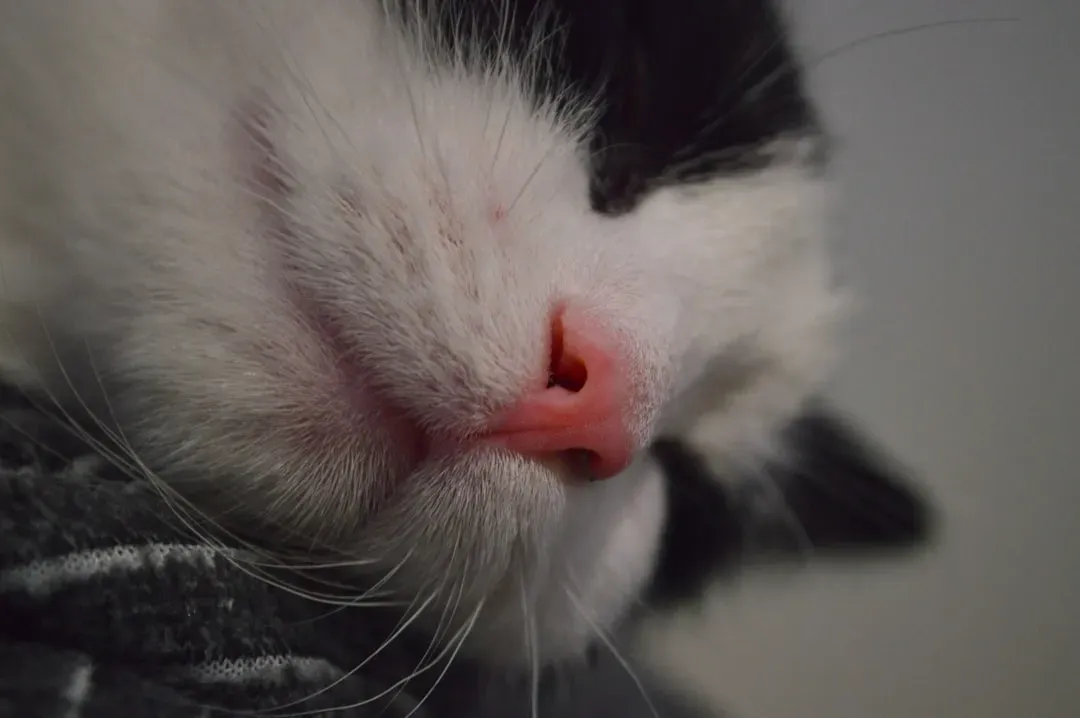
Your cat doesn’t just conk out and enter dreamland immediately. About three-quarters of a cat’s sleep time is spent in this light sleep phase, while the remaining one-quarter is dedicated to deep sleep. During that light sleep phase, they’re not fully switched off. During light sleep, cats can relax while still being aware of their environment.
You might notice your cat’s ears twitching or rotating toward sounds even while they appear to be sleeping. That’s because they’re in what I call “ninja mode.” Light sleep usually lasts anywhere between fifteen minutes and half an hour, whereas deeper sleep will only last for about five minutes at a time. When cats are experiencing light sleep, they are able to wake into action at an instant. Pretty impressive when you think about it.
Then comes the deep sleep phase. The other one-fourth of the time, cats really are out of it, sleeping deeply, often reaching REM sleep. If it looks like they are dreaming when their paws tremble, it is because they probably are dreaming. This deep sleep usually comes in five-minute increments. Those little twitches and whisker movements you see? Your cat is probably dreaming about finally catching that red laser dot.
It’s All About That Predator Energy Management
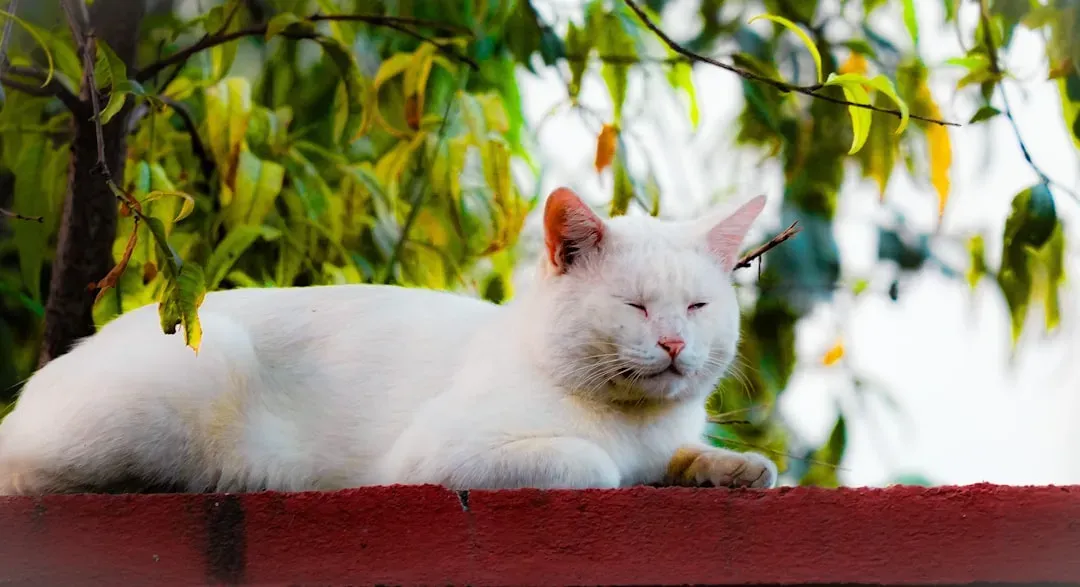
As predators, cats need a lot more rest than humans so they can remain alert and focused. Here’s something wild: in nature, hunting is exhausting. Cats in the wild spend an exorbitant amount of energy hunting and must rest after a chase. So, one of the basic reasons that explains why cats sleep so much is due to instinctual feline behavior.
Even though your pampered house cat gets food delivered straight to a bowl twice a day, their DNA hasn’t gotten the memo. Although domesticated cats do not need to hunt for food, their evolutionary instincts have remained unchanged. They’re hardwired to conserve energy for those bursts of intense activity. That’s why your cat can go from zero to completely insane in about three seconds flat during their evening zoomies.
Cats in the wild have the best chance to hunt after a nap when they are well-rested. So every time your cat takes another nap, they’re essentially preparing for a hunt that will never come. Still, their body demands this cycle. It’s actually kind of fascinating when you realize your couch potato is operating on the same biological programming as a lion on the Serengeti.
The Dawn and Dusk Power Hour
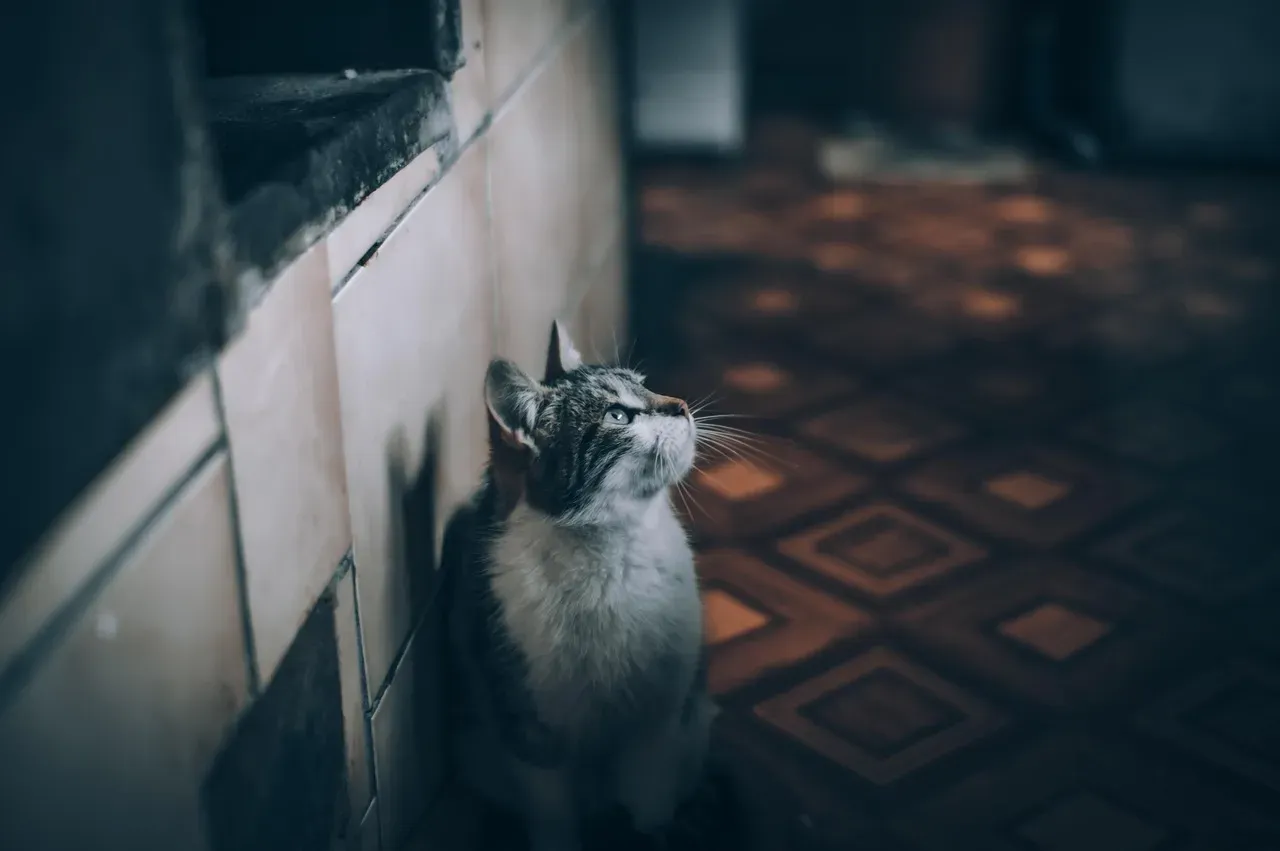
Cats are crepuscular animals, which means they’re most active at dawn and dusk. This explains so much about their bizarre behavior, doesn’t it? Their internal clocks are set to wake at twilight and dawn. This schedule helps them hunt successfully while also staying safe from predators.
During the day, when you’re busy working or going about your business, your cat is strategically napping. They’re storing up energy for those prime hunting hours when their prey would naturally be most active. Cats in the wild work hard in order to meet their dietary needs, and expending that kind of physical effort requires a lot of recharging. So when your cat wakes you up at five in the morning, they’re not being annoying. They’re just following roughly thousands of years of evolutionary programming.
Yes, Your Cat Really Does Dream
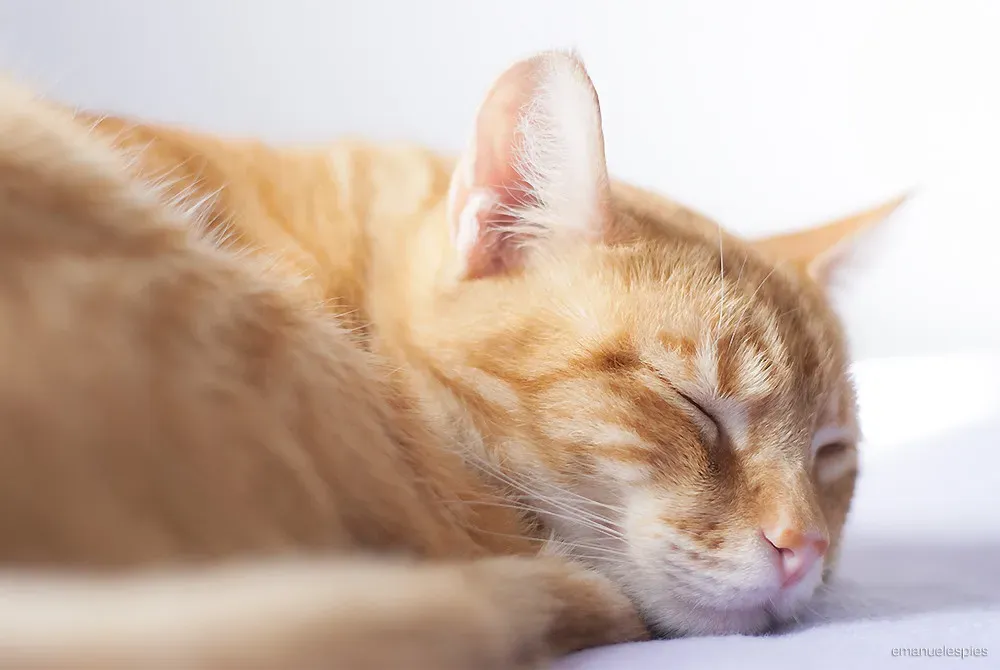
Yes, it’s believed that cats can dream. According to Michel Jouvet, a cat researcher who made discoveries in the 1960s, cats also experience REM sleep. Therefore, it’s extremely likely that they enter dreamland in a similar way that we do. Honestly, watching a sleeping cat twitch and make little chirping sounds is one of the most endearing things ever.
When cats experience REM sleep, they tend to move their heads as though they’re following or watching something. So, it’s likely that when our furballs are curled up snoozing, that they’re probably dreaming about their favorite pastime – hunting. Research in the USA also suggested that cats may dream about things that have happened that day or in the distant or recent past. Cats might dream about snuggling with you on the sofa, hunting a bird or mouse or may be dreaming about an incident that occurred with another cat or dog.
The next time you see those tiny paws paddling away in sleep, your cat might be reliving their greatest toy mouse victory or replaying that moment they knocked your coffee mug off the counter.
Age Changes Everything About Cat Sleep
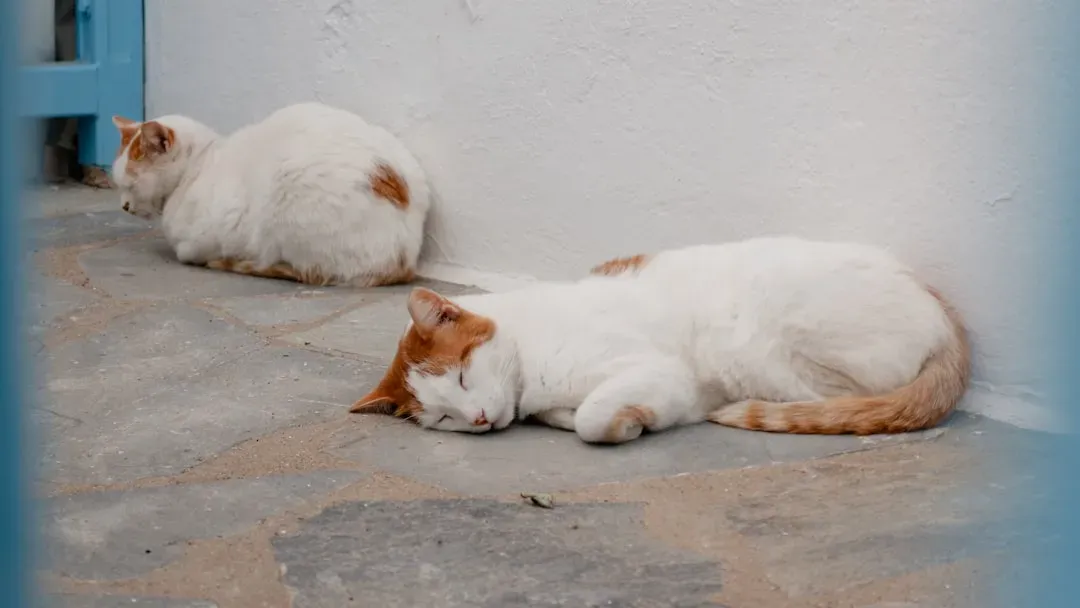
Kittens sleep upwards of 20 hours a day. This extensive sleep is important for their development. During sleep, growth hormones are released, aiding in their physical development and maturation. If you’ve ever had a kitten, you know they’re either completely asleep or absolutely feral with energy. There’s no in-between.
Adult cats settle into that standard dozen to sixteen hours of daily sleep. Senior cats often revert to longer sleeping periods, much like kittens. This change is due to decreased overall energy levels and the need for more rest to recuperate. Older cats may also deal with joint pain or other age-related issues that make extra rest not just desirable but necessary. It’s hard to say for sure, but watching an elderly cat find the perfect sunny spot for an afternoon snooze is pretty heartwarming.
When Sleep Becomes Something More Serious
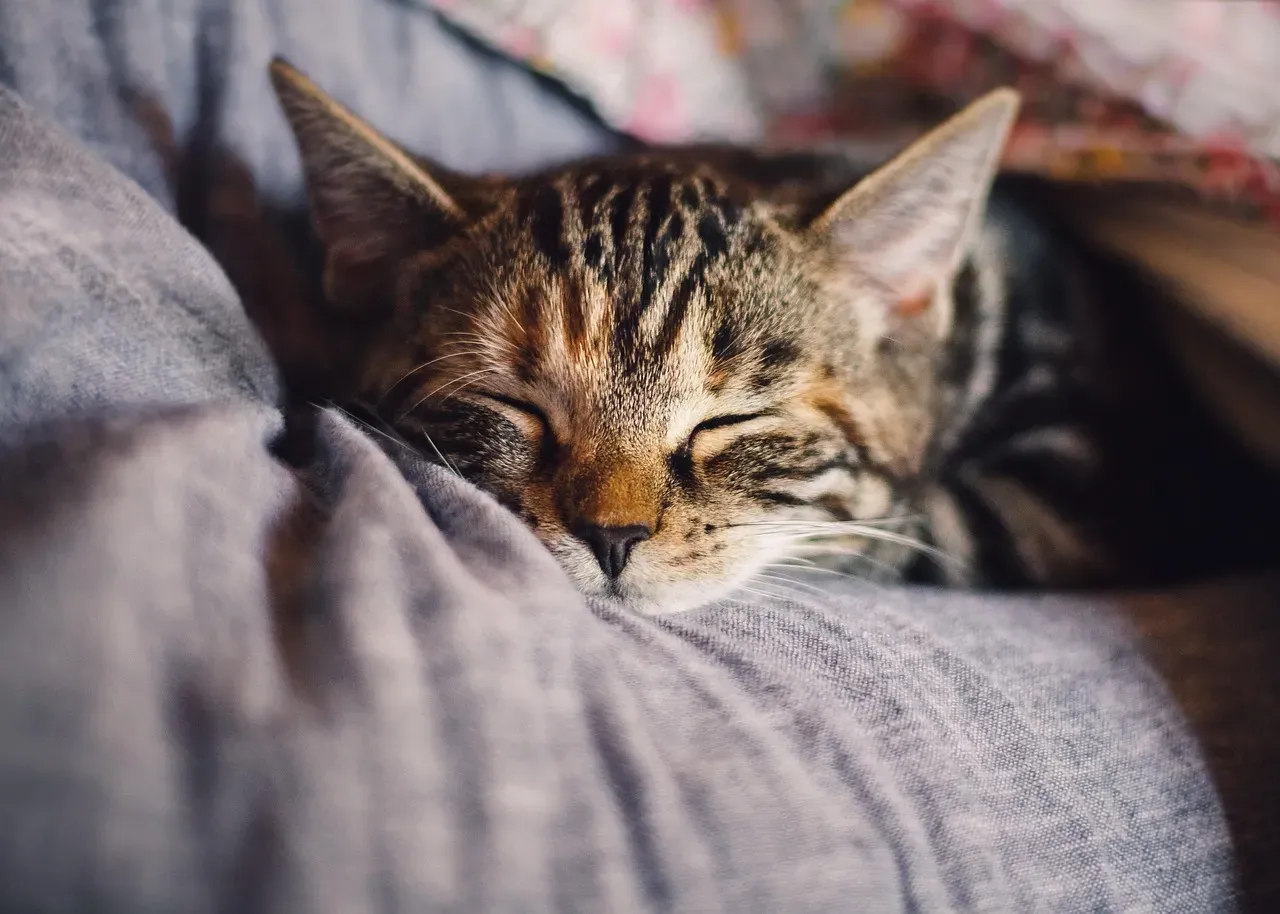
Now, excessive sleeping can sometimes signal a problem. One way cats express stress or anxiety is by changing their sleep patterns. If they’re suddenly sleeping more than usual, it could be a sign they’re feeling overwhelmed or anxious about something in their environment. Changes in household routine, new pets, or even rearranged furniture can stress cats out more than we realize.
Cats who are depressed, highly stressed, or in an unhealthy environment may sleep more than usual. This type of sleep is not good-quality sleep. After a healthy sleep, the cat wakes refreshed and with energy, but stress-induced sleep doesn’t provide those same benefits. It’s like when humans scroll through their phones all night instead of actually resting. You’re lying down, but you’re not truly recharging.
Certain illnesses and diseases can also make your cat sleep more than usual. Take your cat to the vet right away if you notice any other changes, such as loss of appetite or weight loss. Better safe than sorry when it comes to your furry friend’s health.
Boredom Is the Enemy of Good Sleep
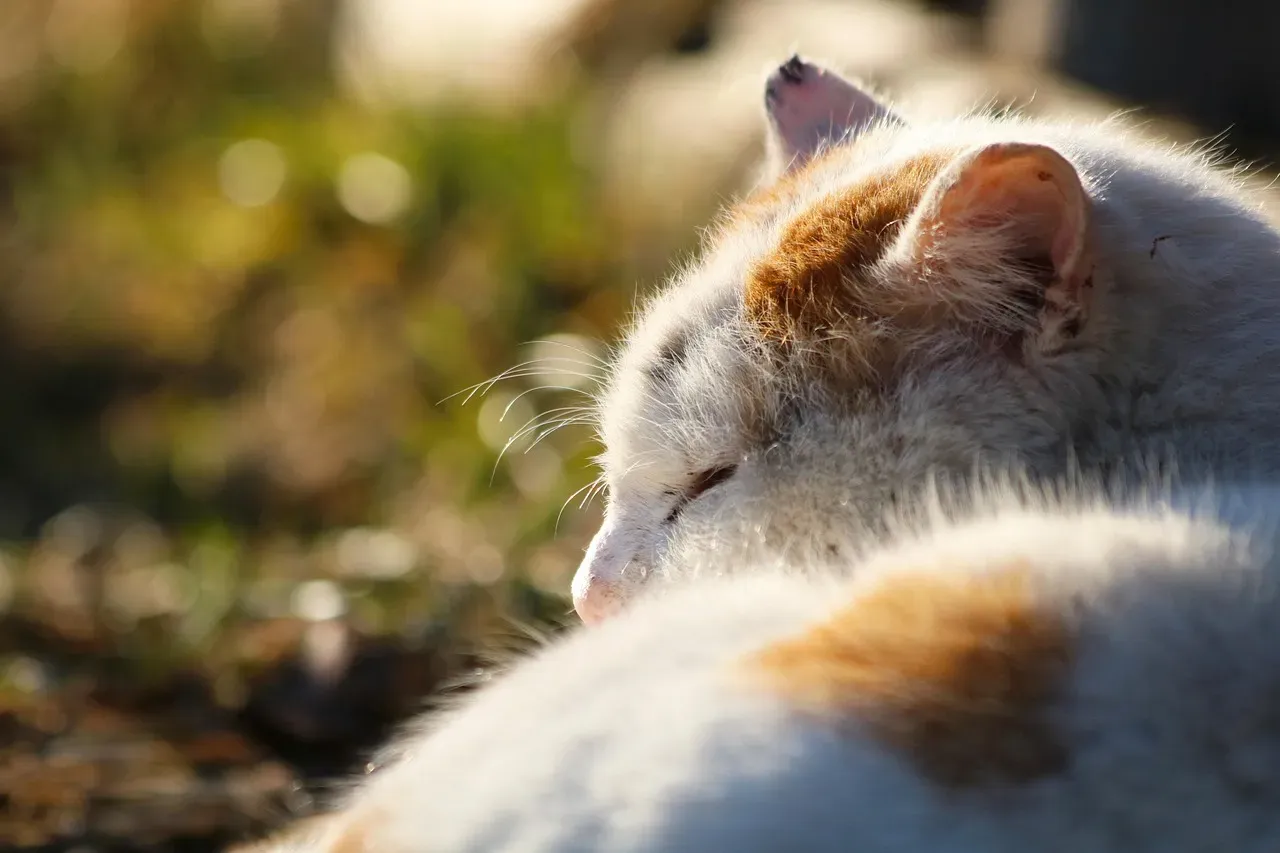
Sometimes cats sleep because they’re bored. While sleeping might not seem like a big deal, boredom can lead to other problematic behaviors in cats, such as destruction, constant meowing, and over-grooming. Indoor cats especially can fall into this trap when they lack proper stimulation throughout the day.
Think about it from their perspective. In the wild, cats would spend their waking hours stalking, hunting, exploring territory, and interacting with their environment. Outdoor cats get lots of mental stimulation. They have prey to hunt, and hunting is very mentally stimulating. Indoors, when a cat is surrounded by the same daily environment, they can get really bored. And some cats will respond to that boredom by sleeping. Then they might not get enough exercise, which can spiral into weight problems and other health issues.
The Hunt-Eat-Groom-Sleep Cycle
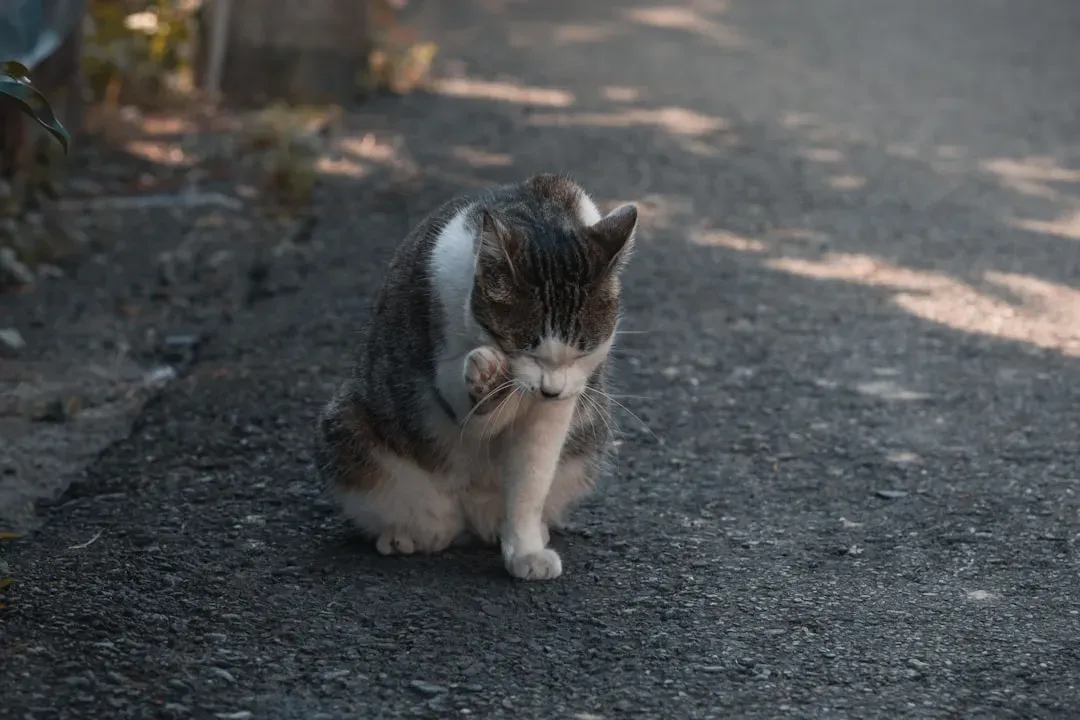
Cats have a natural daily cycle, where they instinctually hunt, eat, groom and sleep. For cats, it’s very straightforward. A cat catches a mouse, eats the mouse, cleans up after eating, and then sleeps. Your indoor cat still craves this same sequence, even without the actual hunting part.
This is why interactive play sessions are so important for your cat’s wellbeing. When you engage them with feather wands or laser pointers, you’re not just entertaining them. You’re allowing them to complete their instinctual hunt sequence. If you want your cat to sleep all night, you have a play session, followed by feeding. That routine then triggers the instinct to groom and go to sleep. Pretty clever way to manage those three AM wake-up calls, right?
Creating the Perfect Power Snooze Environment
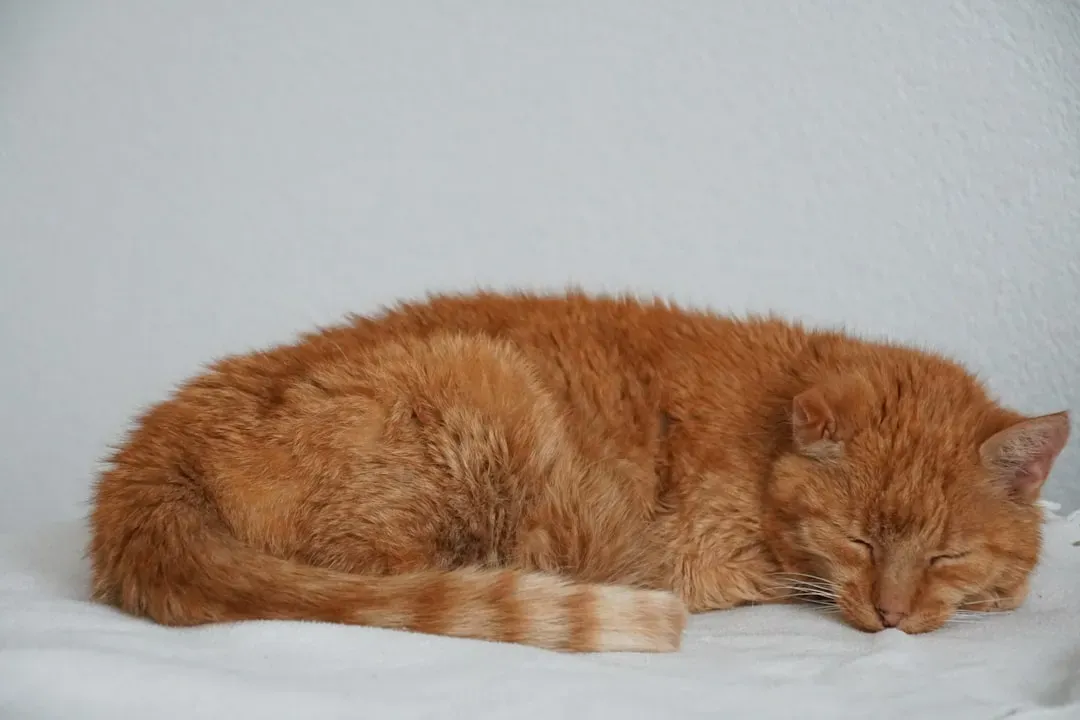
Cat owners should create a serene and comfortable sleeping environment to support healthy habits. That includes offering cozy, quiet bedding areas and maintaining a consistent daily routine. Factors like the bedding type, the sleeping area’s location, and the household’s noise levels can all influence a cat’s sleep quality. Owners can significantly enhance their cat’s rest and overall health when providing an environment that respects their natural sleeping patterns.
Cats rest or sleep intermittently throughout the day and often prefer to sleep in a warm, comfortable, elevated and safe place. They’re not being picky. They’re being smart. An elevated spot gives them a vantage point to watch for potential threats, even in your perfectly safe living room. That cardboard box your cat loves? It creates a sense of security with enclosed sides. Your cat knows what they need.
The Bottom Line on Feline Power Snoozing
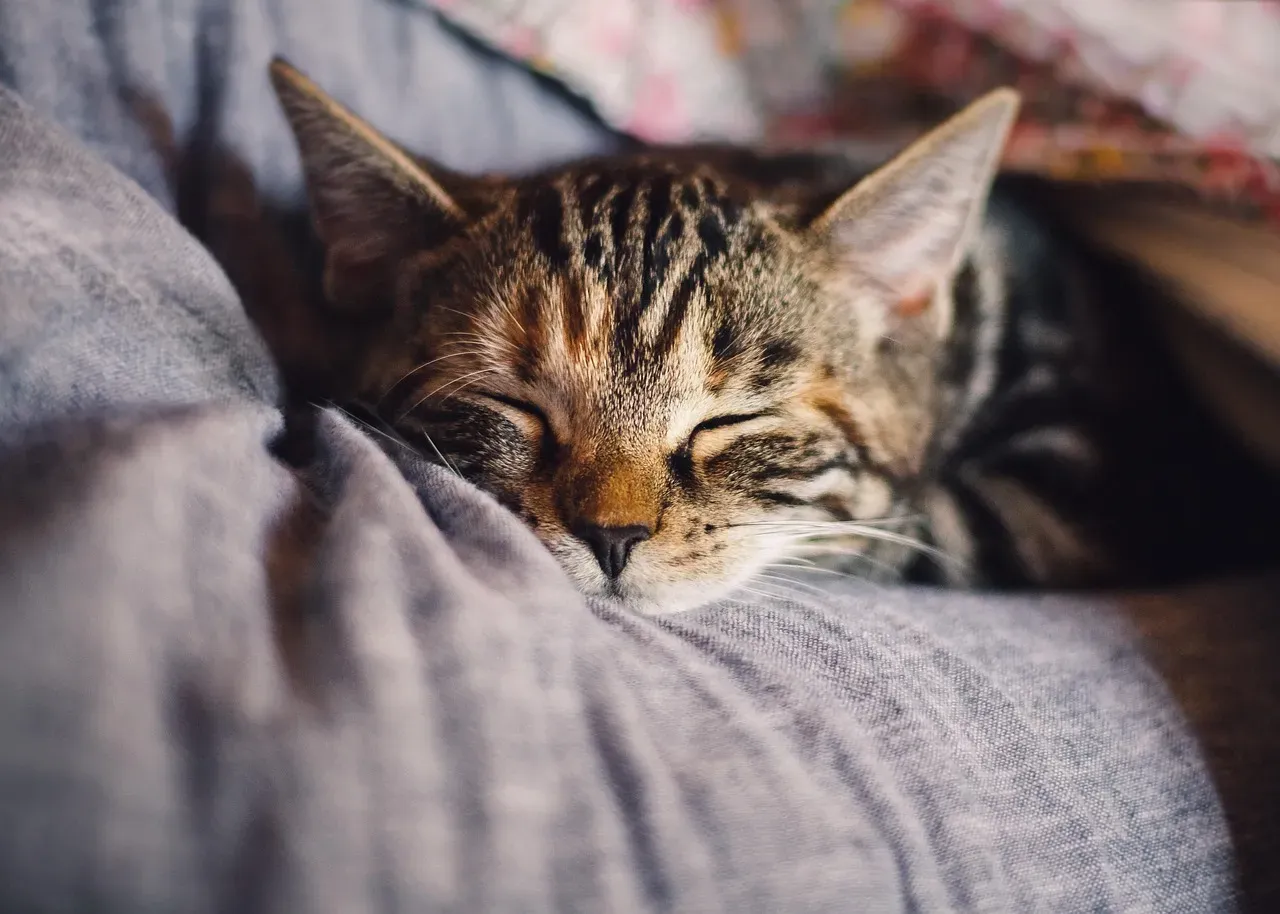
Your cat’s seemingly excessive sleeping is actually a finely tuned survival strategy passed down through millennia. They’re not lazy. They’re efficient. Often, a cat’s lengthy sleep is a normal, healthy behavior deeply ingrained in their genetic makeup. Recognizing the natural sleep patterns of cats can help dispel these misunderstandings and appreciate their natural rhythms.
The polyphasic sleep pattern, the light and deep sleep cycles, the crepuscular activity peaks – it all works together to create an animal that’s perpetually ready for action while also maximizing rest and recovery. When you really think about it, cats have perfected something most humans struggle with: the balance between rest and readiness. Maybe we should be taking notes from our feline companions instead of judging their nap schedules. After all, they’ve had roughly ten thousand years to perfect this art.
So next time you find your cat snoozing in a sunbeam for the fifth time today, remember: they’re not being lazy. They’re practicing an ancient art form that would make even the most dedicated meditation guru jealous. What do you think about your cat’s sleep habits now? Pretty impressive, right?