You’ve been there before. Maybe it’s early morning, maybe you’re still half-asleep. You shuffle toward the kitchen for coffee, and then you see it. A tiny brown mouse, lifeless, lying perfectly positioned on your doormat like some grim offering. Your cat sits nearby, tail swishing, looking oddly proud. You might feel a mixture of disgust, confusion, maybe even a strange sense of honor. Why on earth does your beloved feline keep delivering these morbid presents?
Most of us have heard the simple explanation: your cat thinks you’re a terrible hunter and wants to teach you. Others say it’s a gift, a token of love. Honestly, the truth is way more complex and fascinating than either of those explanations suggests. The behavior taps into ancient instincts, social structures, and even some misunderstood assumptions we make about our cats’ motivations. Let’s be real, understanding why your cat does this can help you see them in an entirely new light.
The Ancient Hunter Still Lives Inside Your House Cat
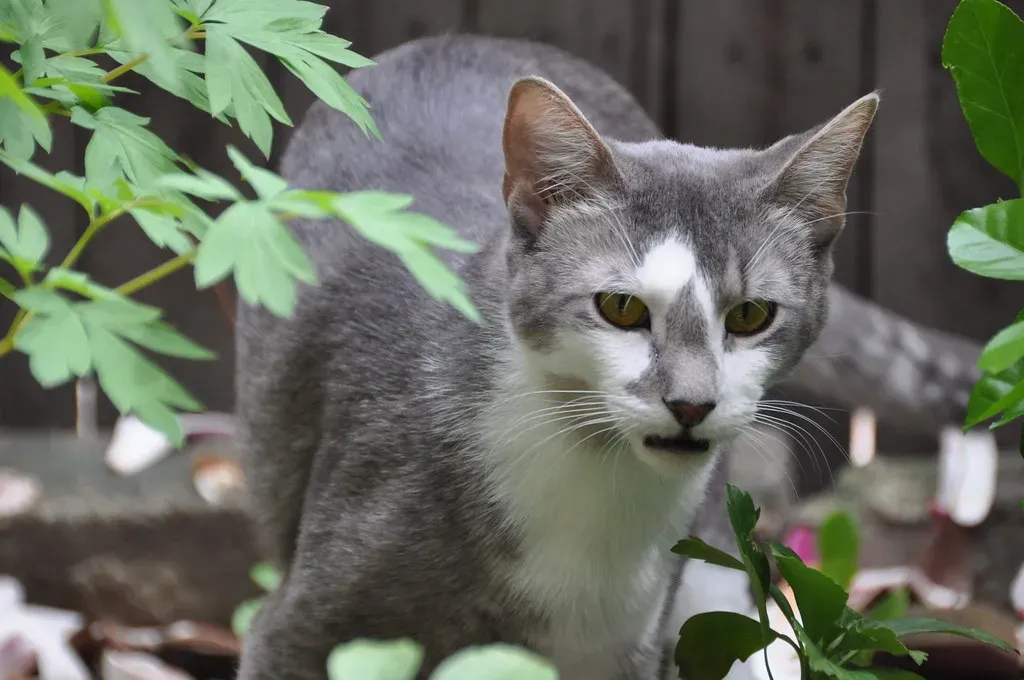
Your fluffy couch companion is a predatory species, and much like their wild ancestors, domestic cats are solitary hunters. Even after thousands of years lounging in human homes, hunting behavior is hardwired into your cat’s DNA, developed over millions of years of stalking and chasing prey. This isn’t something they choose to do because they’re bored or hungry.
Prey animals brought home by owned cats are tangible evidence that some individuals remain proficient hunters, though cats no longer need to hunt for survival. Although hunting is no longer required of the majority of cats, it remains a permanent part of their lives, and along with the urge to procreate and defend their patch, the hunting instinct is one of the most distinctive behavioral patterns in cats. The desire to hunt is not governed by hormones and therefore does not diminish after neutering. So spaying or neutering your cat won’t magically turn off this primal switch.
Hunger Has Almost Nothing to Do With It
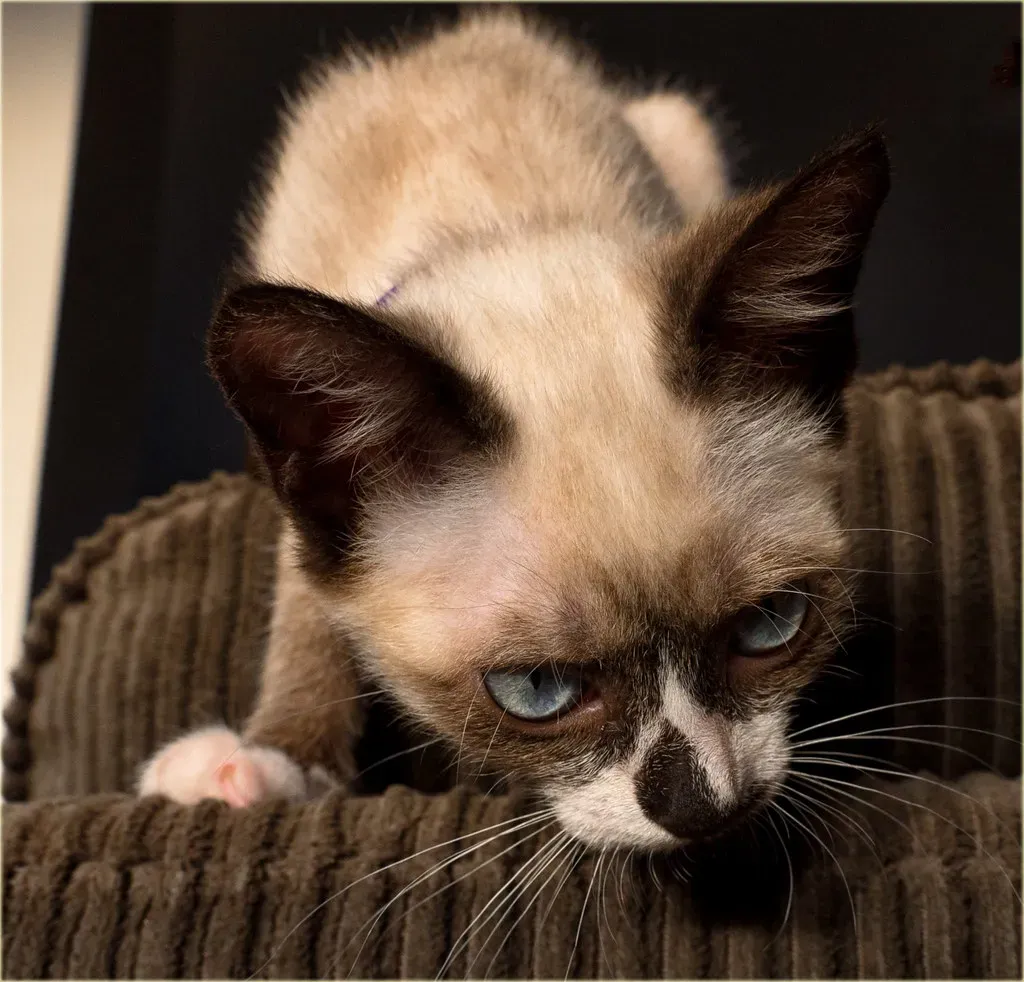
Here’s where things get interesting. The motivation to hunt prey is only partly related to hunger, and as a species that hunts alone, cats rely solely on themselves to provide enough food – if they wait until they’re hungry to hunt, they could starve because of the less than 50% chance of success at each hunting attempt. Think about that for a second. Their ancestors couldn’t afford to wait around until their stomachs growled.
Cats have learned to be opportunistic feeders, meaning they change their activity patterns depending on food availability, and if the opportunity to hunt presents itself, they’ll do so regardless of whether they’re hungry or not. Cats are far more likely to kill and eat their prey if they’re hungry at the point of hunting, but if they’ve eaten well, they may hunt but not necessarily kill or eat what they’ve caught, instead bringing it home and leaving it. That explains why your well-fed cat still leaves you morbid souvenirs. The urge to hunt exists completely separate from the need to eat.
It’s Not Actually a Gift For You
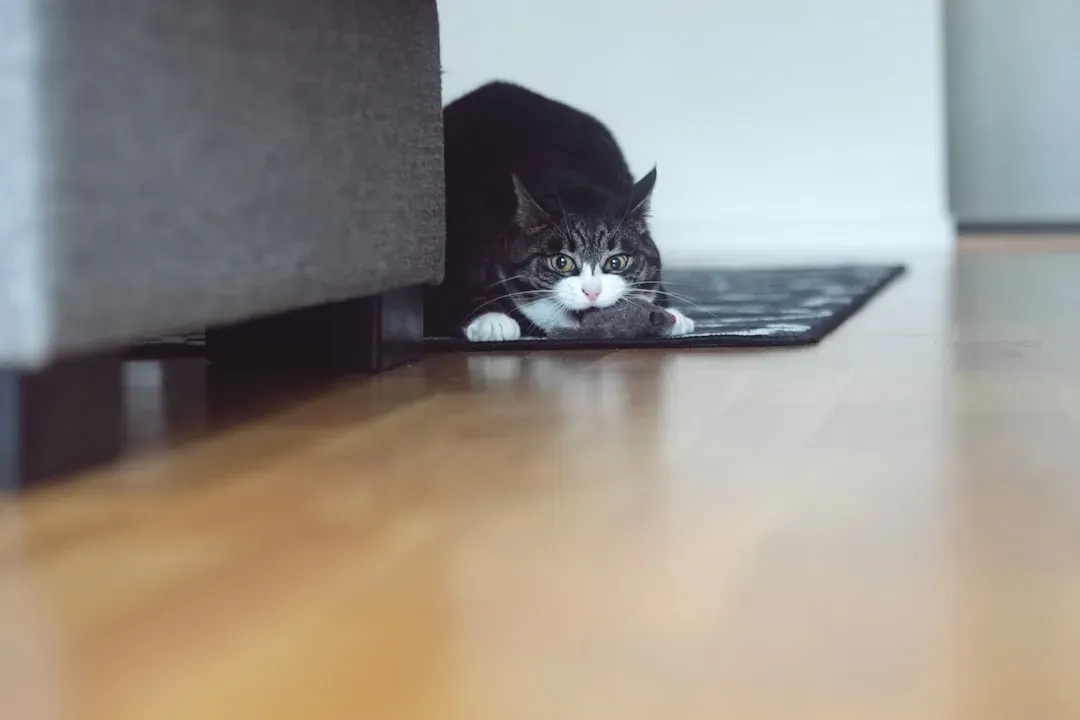
Sorry to burst your bubble, but the real reason why cats bring these presents home is because their home is where they feel safe and secure, and when cats catch prey they may not want to eat it or leave it where other animals could steal it from them. Your house represents a fortress, a sanctuary where they can stash their catch without worrying about competitors or predators swooping in to claim it.
Another theory is that cats may feel safer eating their prey at home rather than in the outside world – in this case, cats see your home as a place of refuge, where they can have their privacy, stash their cache, or eat their meal in peace. It’s less about giving you something and more about bringing valuable resources back to the one place they trust. Kind of humbling when you think about it. Your home matters that much to them.
The Maternal Instinct Theory You’ve Probably Heard
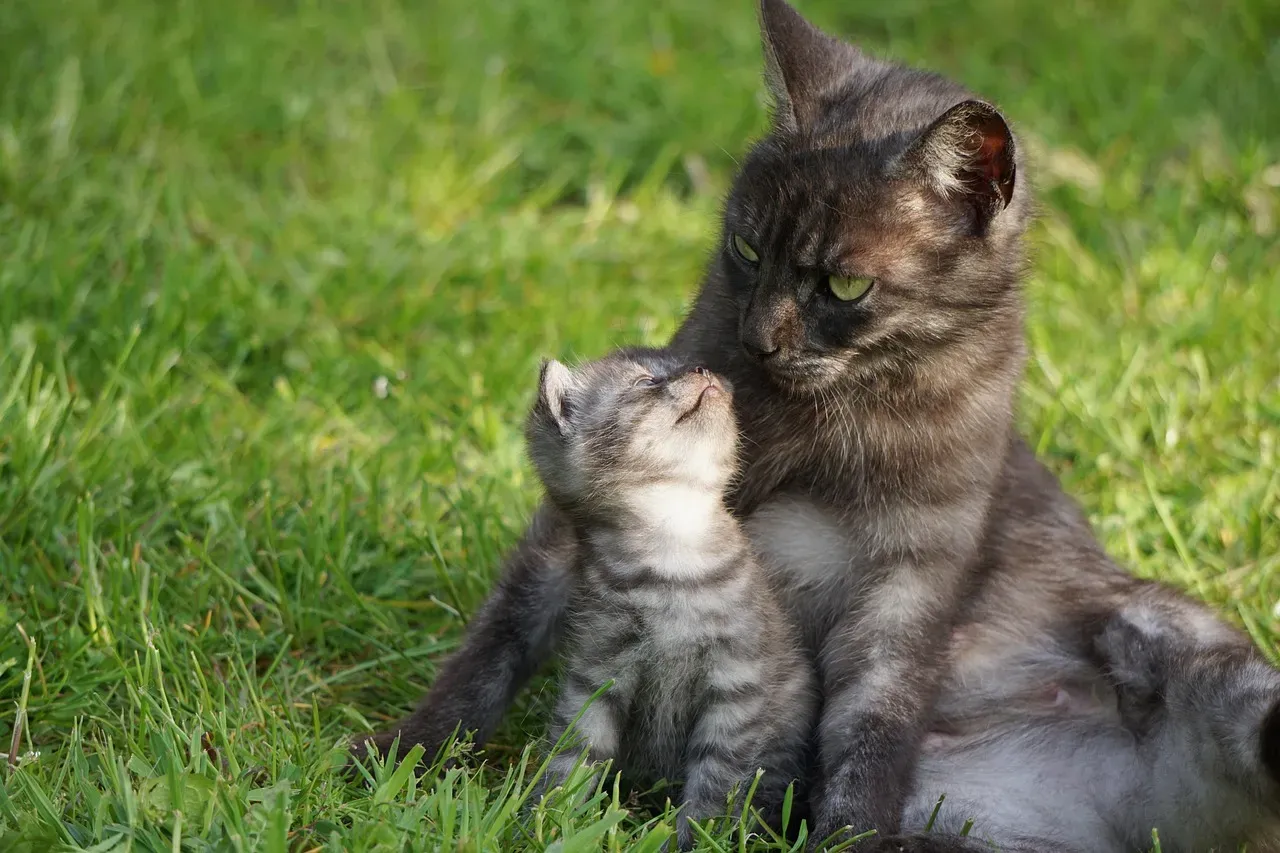
The main hypothesis is that this behavior is maternal – in the wild, mother cats go out and hunt and then bring the food back for their kittens, which not only feeds the young cats but also provides something for them to play with, practice how to hunt, and recognize prey. In the context of human pet owners, our cats may see us as “not so efficient kittens”. Ouch, right?
Your cat might be treating you as they would their own kitten, attempting to teach you essential survival skills, or they may be fulfilling their natural teaching instincts in the only way they know how. Female cats typically bring gifts more frequently due to their stronger maternal instincts, and this behavior mirrors how mother cats teach their kittens hunting skills in the wild. So if you have a female cat who’s particularly generous with her catches, this maternal drive might explain it. Even spayed females can retain these powerful nurturing impulses.
Your Cat Might Actually Be Teaching You
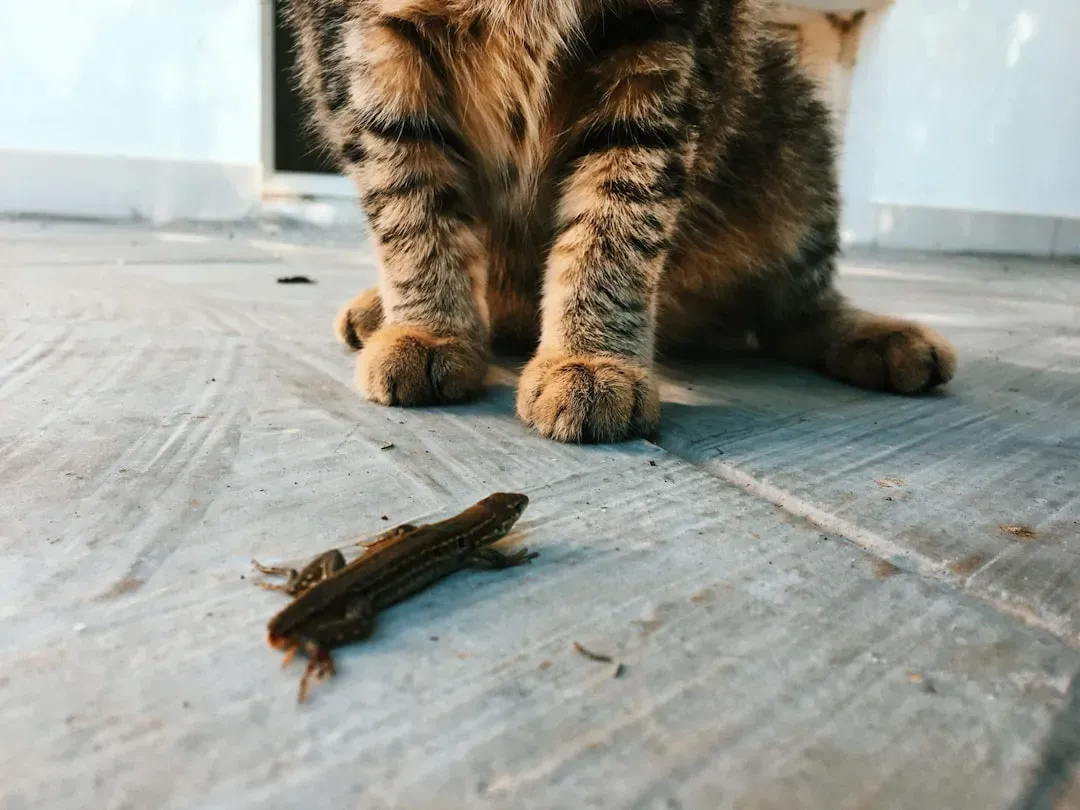
The mother cat teaches her kittens to kill to eat – her first lesson consists of bringing home dead prey and consuming it in front of the kittens, and soon they learn to join in, and at the end of this stage, she brings the dead prey home and leaves it for the kittens to eat on their own. Cats will not only do this for their own litter, but for another cat’s kittens as well, and many cats, especially spayed females, will provide this lesson to their human owners, thus bringing home dead prey and dropping it at our feet.
This may be a sign that your cat considers you a part of their family – they’re sharing the bounty of their hunt, and because your cat actually sees you as a bigger, clumsier cat, if you’re finding your feline friend bringing you their “gifts,” it’s actually their way of “teaching” you how to hunt. I know it sounds insulting. Nobody likes being told they’re incompetent, even by a creature that weighs ten pounds. Still, it’s strangely touching when you realize they’re trying to help you survive.
They’re Showing You Belong to Their Social Group
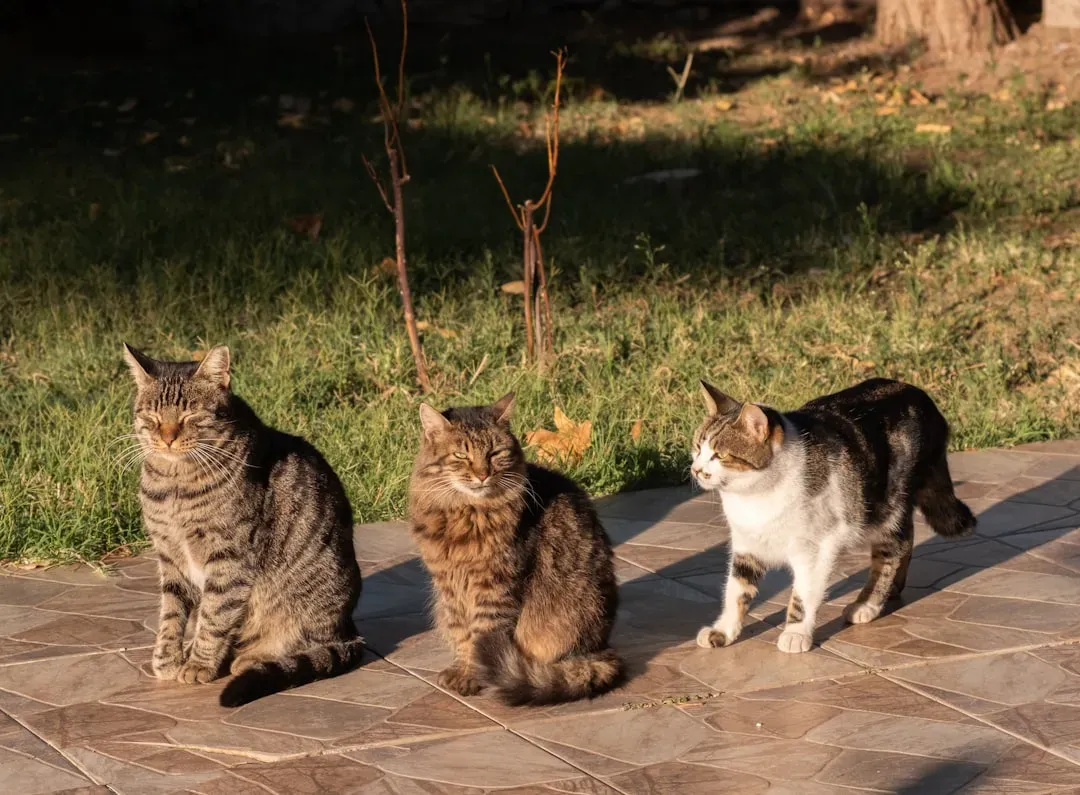
Feral cats often live together in groups called colonies, and in these groups, female cats often care for kittens that don’t belong to them, and kittens usually eat first in a social group – by gifting you a dead animal, your cat might be trying to signal that you’re part of their group, essentially viewing you as part of the pack or clowder. This behavior isn’t about dominance or submission. It’s about inclusion.
When cats bring gifts, they’re often expressing affection and trust, and by sharing their prey with you, they’re demonstrating that they consider you part of their family group. Cats feel comfortable in their home and consider you part of their family. When you look at it that way, those dead mice become less gross and more meaningful. Your cat trusts you enough to share resources.
Sometimes It’s About Play and Entertainment
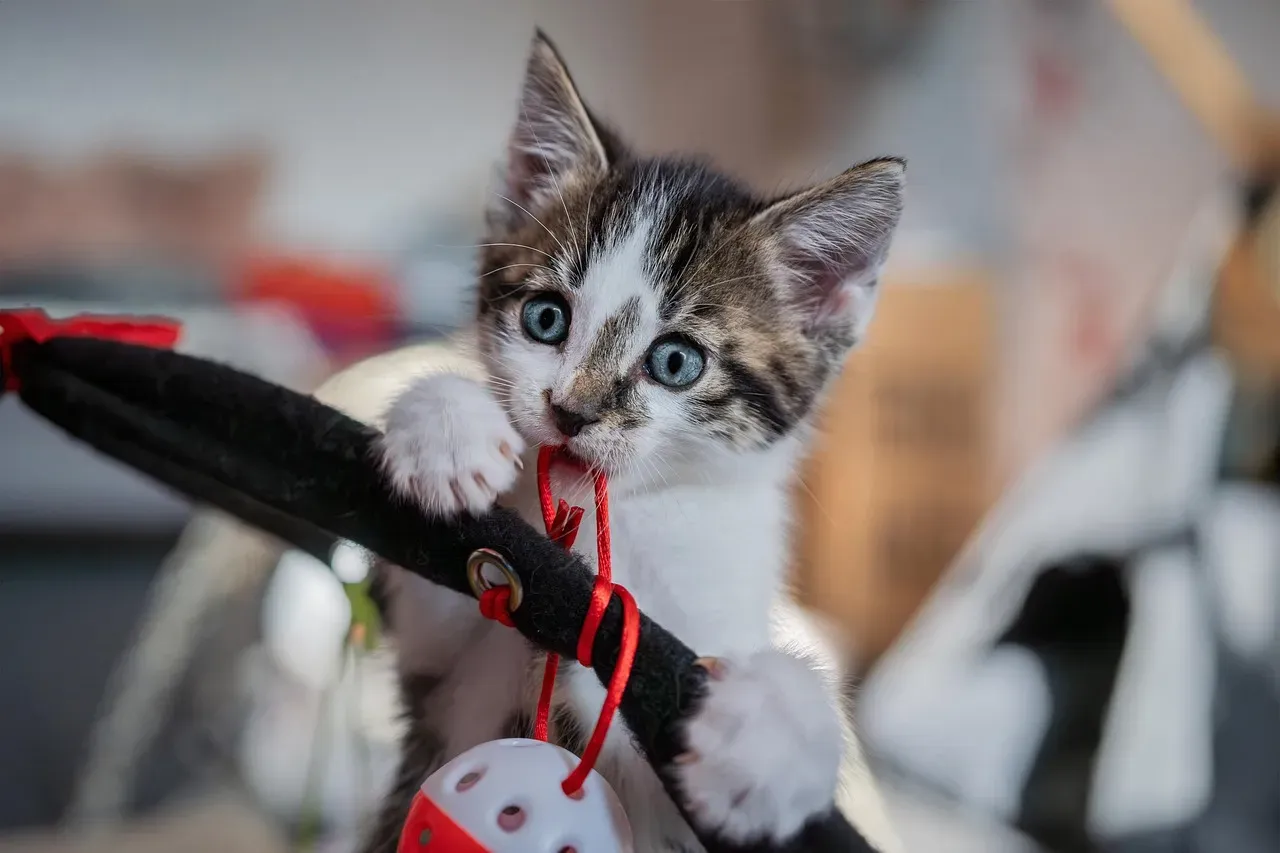
Because cats will often play with their prey before eating it, your cat might bring you dead animals or toys to engage in a play session with you, and gift-giving might be a kind of attention-seeking and bond-building behavior in cats. Not every hunting expedition ends in a meal. Sometimes cats hunt simply because the activity itself is rewarding.
Even cats that are fed hunt less than those who have to hunt to survive, but the feeling of being full and well fed does not cause a cat to give up hunting altogether – they find the activity itself so exciting and rewarding that they continue to hunt even when they have no need to, which is why a well-fed cat will often kill its prey and leave it. The thrill of the chase matters. The stalking, pouncing, capturing sequence provides mental and physical stimulation that feeding from a bowl simply cannot replicate.
The Hidden Dangers You Should Know About
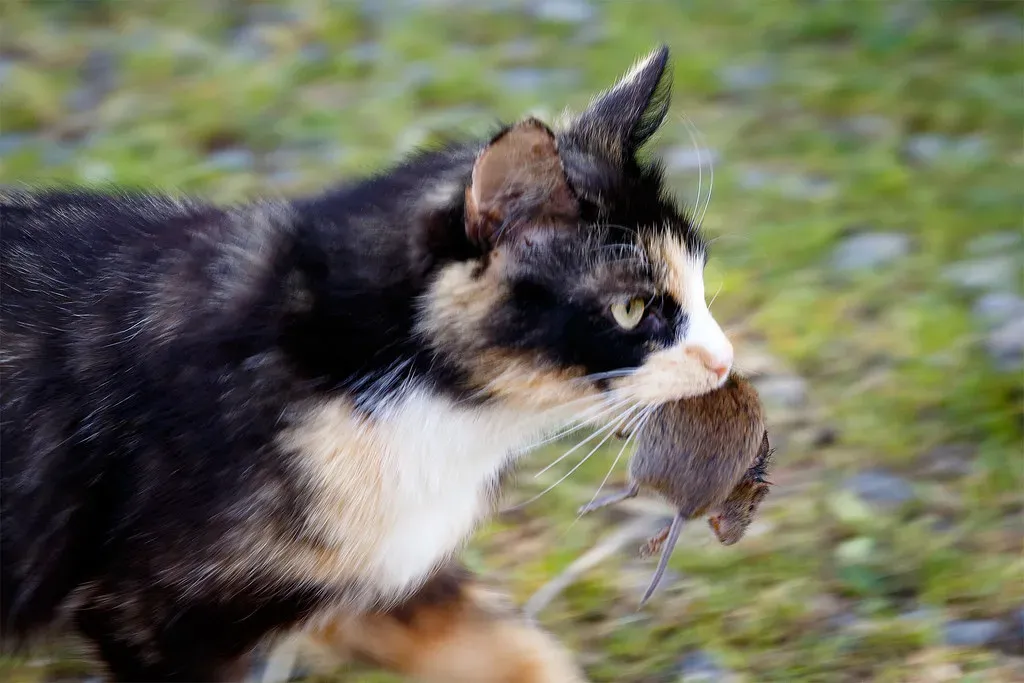
Small rodents, such as mice or rats, that your cat might put in their mouth can carry parasites like tapeworms or might have ingested rodenticide poisons, both of which can make your cat sick. Your cat could be injured if the prey animal bites or scratches them. So while this behavior is natural, it’s not without risks.
Cats are incredibly efficient hunters that can do an extensive amount of damage to wild bird numbers in any given area – according to the American Bird Conservancy, cats kill 2.4 billion birds in the U.S. every year. That’s a staggering number. The environmental impact of domestic cats hunting is substantial and increasingly concerning for wildlife conservation. Even your sweet little tabby contributes to this when allowed to hunt freely outdoors.
What You Can Actually Do About This Behavior
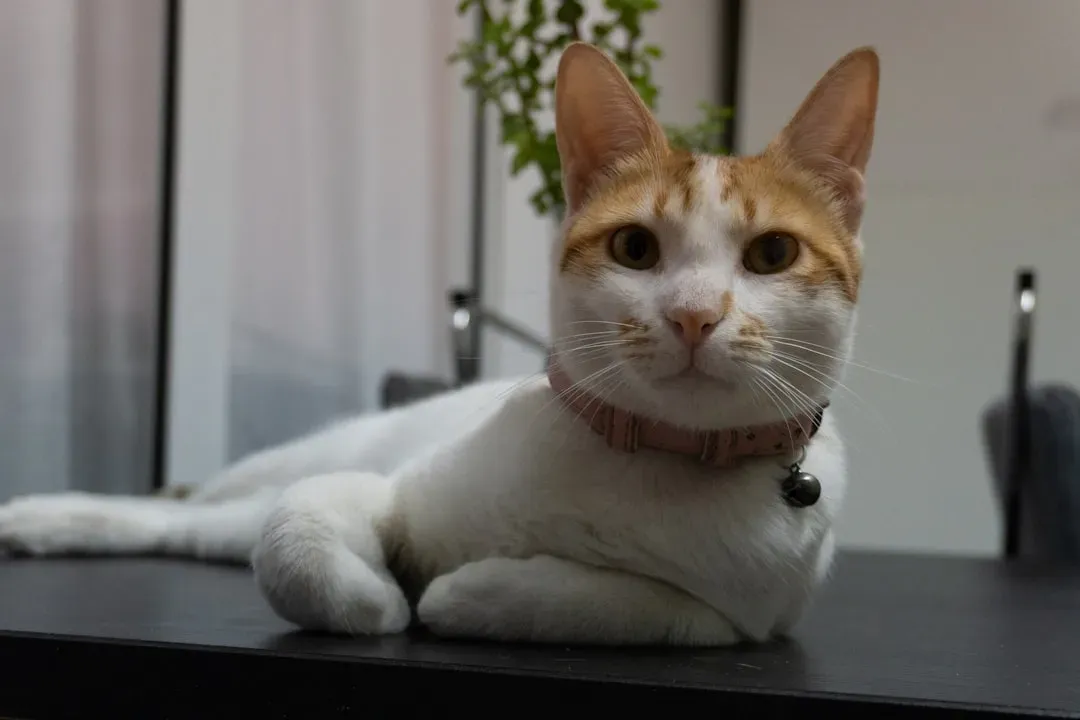
The best way to prevent your cat from bringing you dead animals is to keep your pet inside. That’s the most effective solution, period. However, encouraging your cat to play with toys instead of prey can also deter the behavior, and toys that mimic prey will help satisfy their hunting instincts.
Putting a bell on your cat’s collar is one of the easiest ways to prevent many successful hunts – a bell will sound your cat’s approach to wildlife and give them time to fly or scurry to safety, but always make sure that it is a quick-release collar that will undo if your cat happens to get stuck on something. Avoiding letting your cat out at dusk, night and in the early morning is one effective way to reduce them killing prey, as this is when small mammals and birds tend to be most active and at their most vulnerable. Simple timing adjustments can make a huge difference.
Understanding Changes Everything
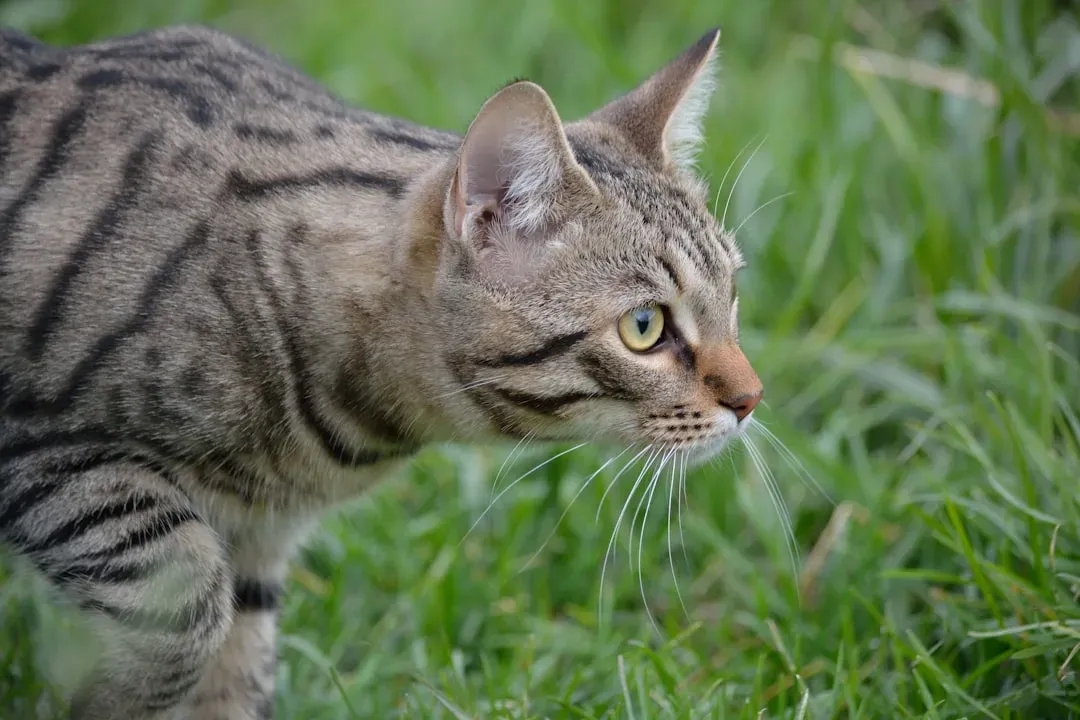
Here’s the thing. Your cat isn’t trying to gross you out or make your life harder. The simple answer to why your cat brings you dead animals is because it is their natural instinct to do so. Cats gifting dead prey animals is a perfectly natural behavior that cannot be altered. Trying to punish your cat or show anger will only confuse them and damage your bond.
If your cat manages to bring home a dead animal, the first thing to do is react as little as possible – diverting your cat’s attention with a toy or treat might be perceived as a reward for bringing you prey, which could cause the behavior to increase. Stay calm, remove the animal safely, and move on. Your cat is just being a cat. They’re following instincts shaped over millions of years of evolution. When you understand the complex mix of safety-seeking, teaching impulses, social bonding, and pure hunting joy behind this behavior, those grim little gifts start to feel less horrifying and more like a strange honor.
What do you think about your cat’s hunting habits now? Does understanding the real reasons behind those unwanted presents change how you feel about them?