You come home exhausted from a long day at work. All you want is to collapse on the couch. Then you see those eyes. That soft purr starts up like a tiny motor. Before you know it, you’re in the kitchen opening a can of tuna, wondering how this happened. Again.
Here’s the truth. Your cat isn’t just adorable or quirky. They’re a strategic genius who’s been studying you like a final exam. Over thousands of years living alongside humans, cats have perfected the art of getting exactly what they want without you even realizing you’ve been played. Let’s pull back the curtain on these furry puppet masters and see what they’re really up to.
The Baby Cry Purr That Hijacks Your Brain
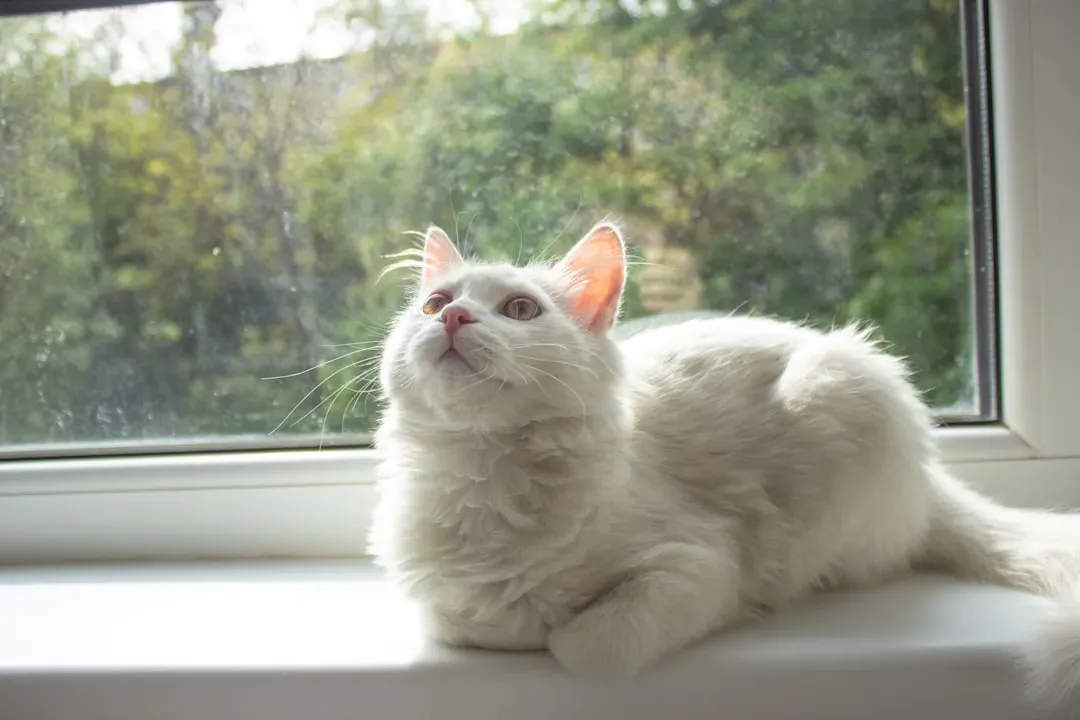
Scientists discovered that cats use a special kind of purr called a solicitation purr, which has a high-pitched cry embedded within it. Think about the regular purr your cat makes when they’re lounging contentedly in the sun. Nice and soothing, right?
Now compare that to the purr they unleash when they want breakfast at five in the morning. That sound is roughly similar in frequency to a crying infant, tugging on human heartstrings. Scientists found that the insistent purr includes a component very similar to the sound of a human baby crying, and cats have evolved to take advantage of this sensitivity. Your brain is hardwired to respond to baby cries, making it nearly impossible to ignore. Cats know this instinctively. The most striking part? Cats learn to dramatically exaggerate this cry when it proves effective, and it most often develops in cats with one-on-one relationships with their owners.
Strategic Placement on Your Laptop or Book
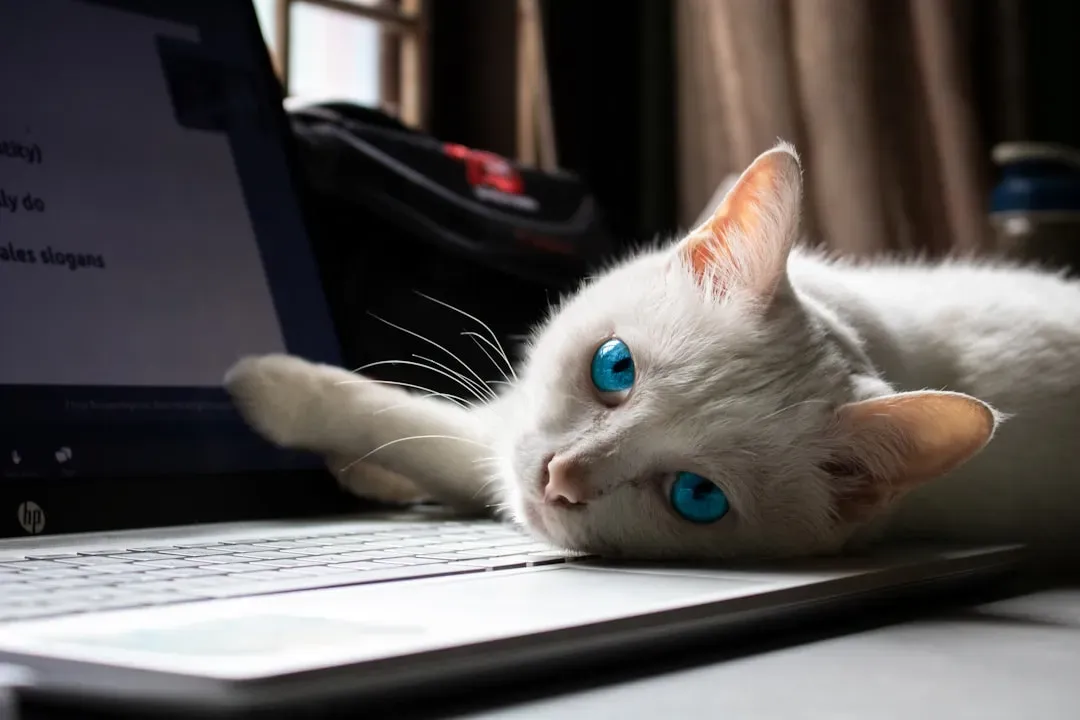
Ever notice how your cat suddenly needs to sit directly on whatever you’re focused on? That’s no accident. When a cat strolls across a keyboard or settles on a book, it’s because they’ve noticed how intensely you focus on the object, and by placing themselves in that space, cats redirect your focus back toward them.
Your cat has been watching you. They’ve calculated exactly where your attention goes, and they’ve decided that spot belongs to them instead. It’s honestly brilliant when you think about it. They’re not being randomly annoying. They’re targeting high-value real estate in the attention economy of your household. Cats modify their vocalizations based on their owners’ responses, meaning they train humans to respond in specific ways.
The Slow Kneading Trap
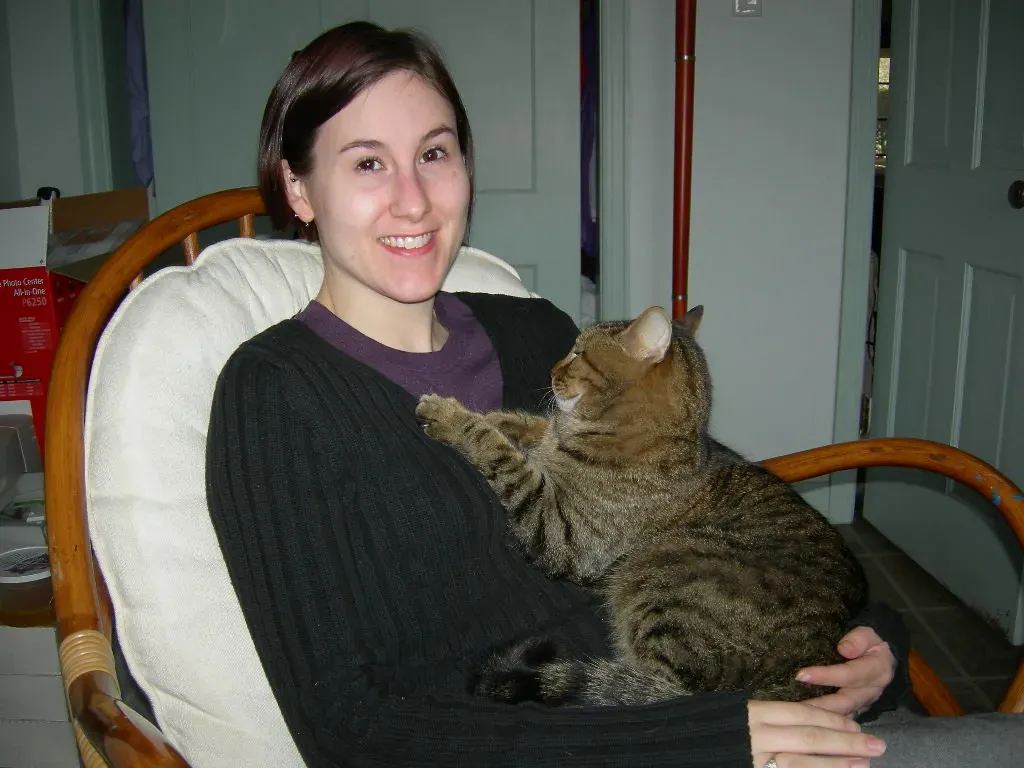
When a cat settles in and starts kneading, people instinctively relax, remain still, or gently stroke the cat, and the response from humans reinforces that calm exchange. You’re essentially being hypnotized. Those rhythmic paw movements make you zone out and become completely compliant.
What starts as a cute kitten behavior becomes a sophisticated control mechanism in adulthood. Your cat has learned that once the kneading starts, you’re not going anywhere. You’ll miss phone calls, skip bathroom breaks, even sit through leg cramps just to avoid disturbing them. They’ve transformed you into furniture, really comfy furniture that also dispenses affection on command.
Scent Marking Disguised as Affection
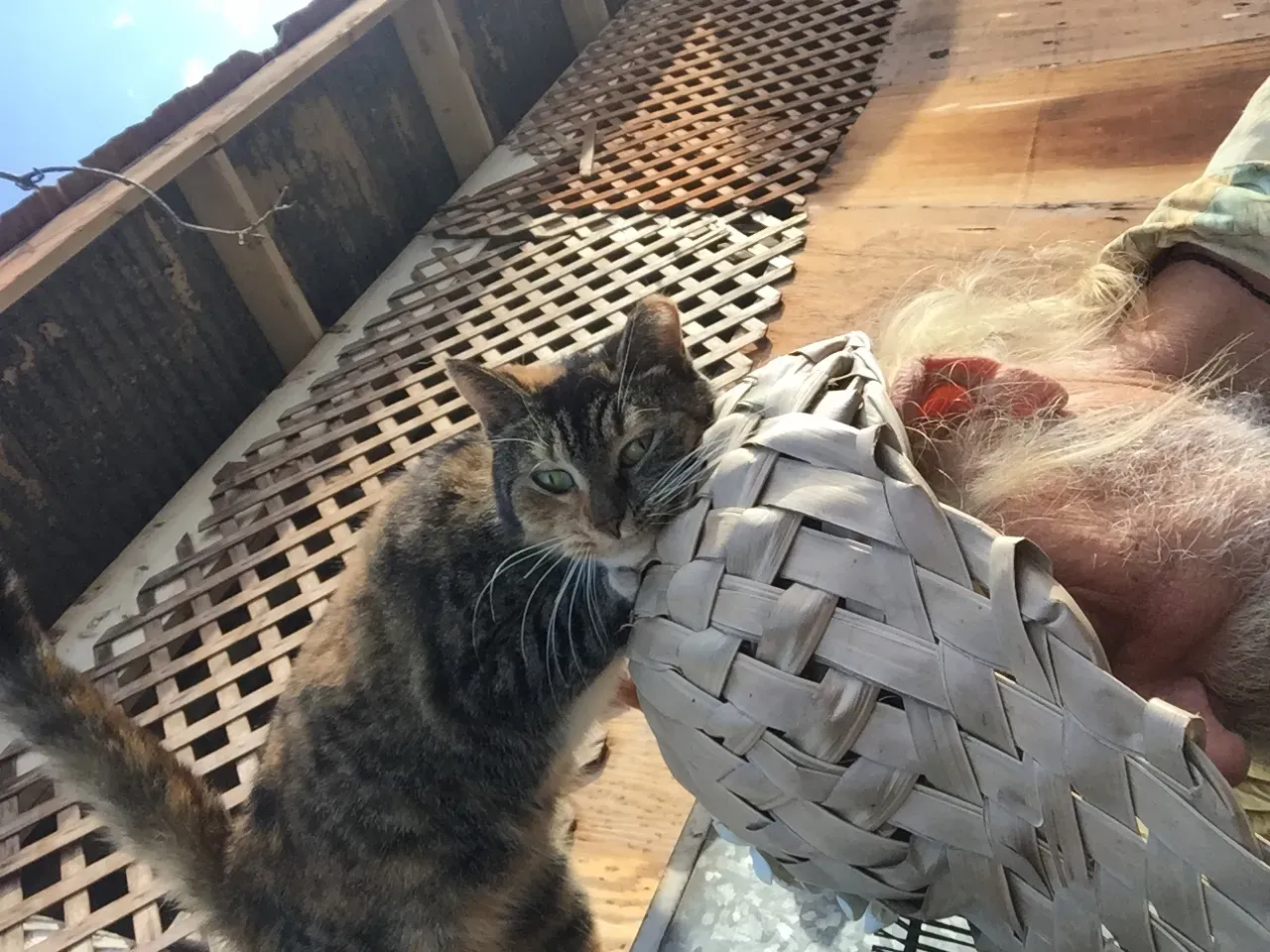
When your cat rubs their face against your chin or nudges you with their head, you probably think it’s pure love. Well, partially. A soft nudge to the face or chin may feel affectionate, but behavioral studies show that it also leaves scent markers. You’re being tagged like a piece of property.
Head bumping, referred to as bunting, might have an olfactory component as there are scent glands in this area, and is possibly for seeking attention. Your cat is essentially signing their name all over you, claiming ownership while you stand there grinning like an idiot, thinking about how sweet they are. Meanwhile, they’re broadcasting to every other cat in the neighborhood that you belong to them.
Adjusting Meows Based on What Works
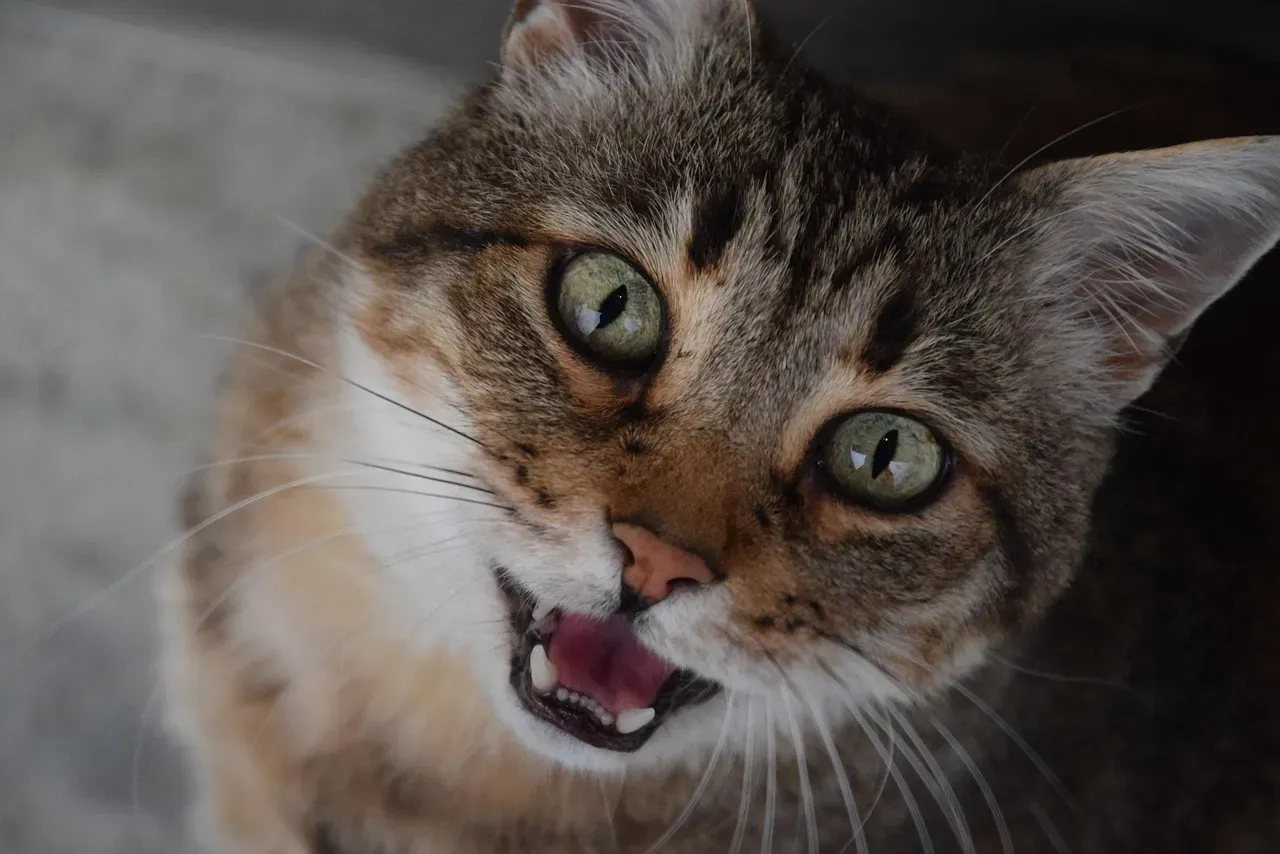
Cats are vocal scientists conducting ongoing experiments. Cats adjust their meows depending on context and how their owners respond, with some calls growing sharper when a cat wants food, while softer meows may appear during friendly moments. They’re literally customizing their communication strategy for maximum effectiveness.
Cats learn specifically how their owners react when they make particular noises, so if the cat wants to get their owner from another room, it works to vocalize. Think about the different meows your cat uses. There’s probably one for food, one for going outside, one for playtime. Each has been carefully refined through trial and error to get you moving. Studies found that cats developed unique vocalizations to communicate with humans, while wild cats rarely meow at each other. They created an entire language just for manipulating us.
Social Referencing to Read the Room
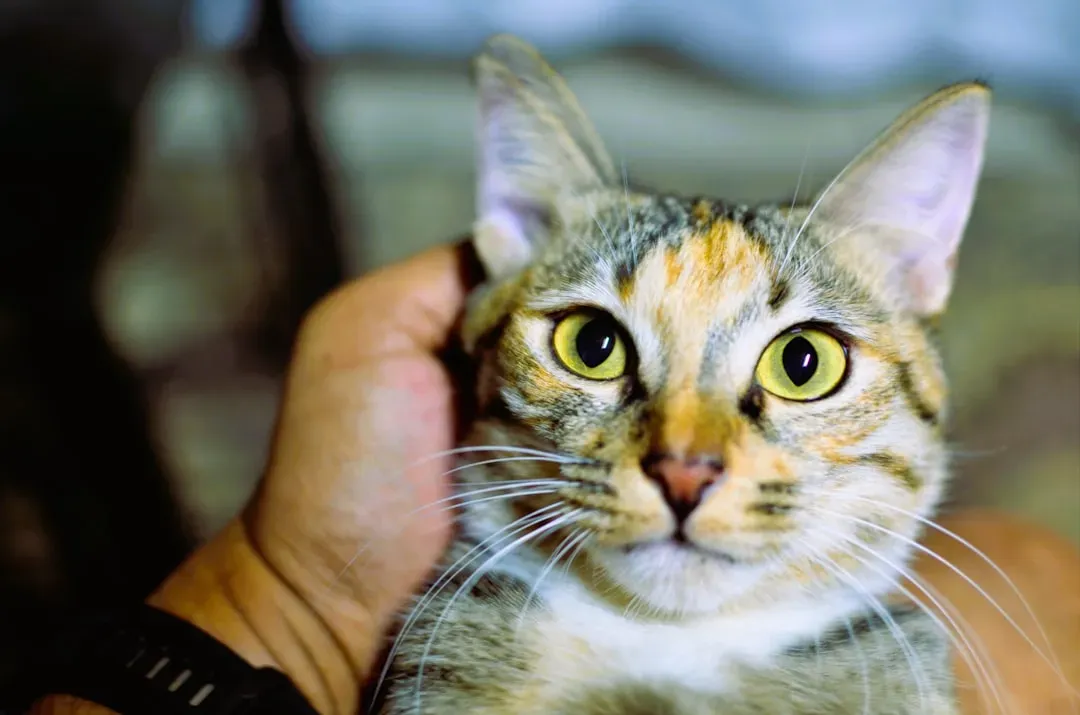
Your cat is constantly gauging your reactions to understand situations. Cats were observed looking at their owners, and sensing their owners’ calm behavior, cats’ fear disappeared, showing that cats can social reference and train themselves to behave in ways that trigger those behaviors. They’re basically using you as an emotional cheat sheet.
This ability shows remarkable intelligence. Social referencing is an intricate process, and as they are clever enough to put our behavior in context, they can train themselves to behave in a manner that triggers those behaviors. Your cat watches how you react to the vacuum cleaner, to visitors, to thunderstorms. Then they adjust their own responses accordingly, figuring out which reactions get them comfort, treats, or attention. You thought you were the one teaching them? Flip that around.
The Tail Up Friendly Approach
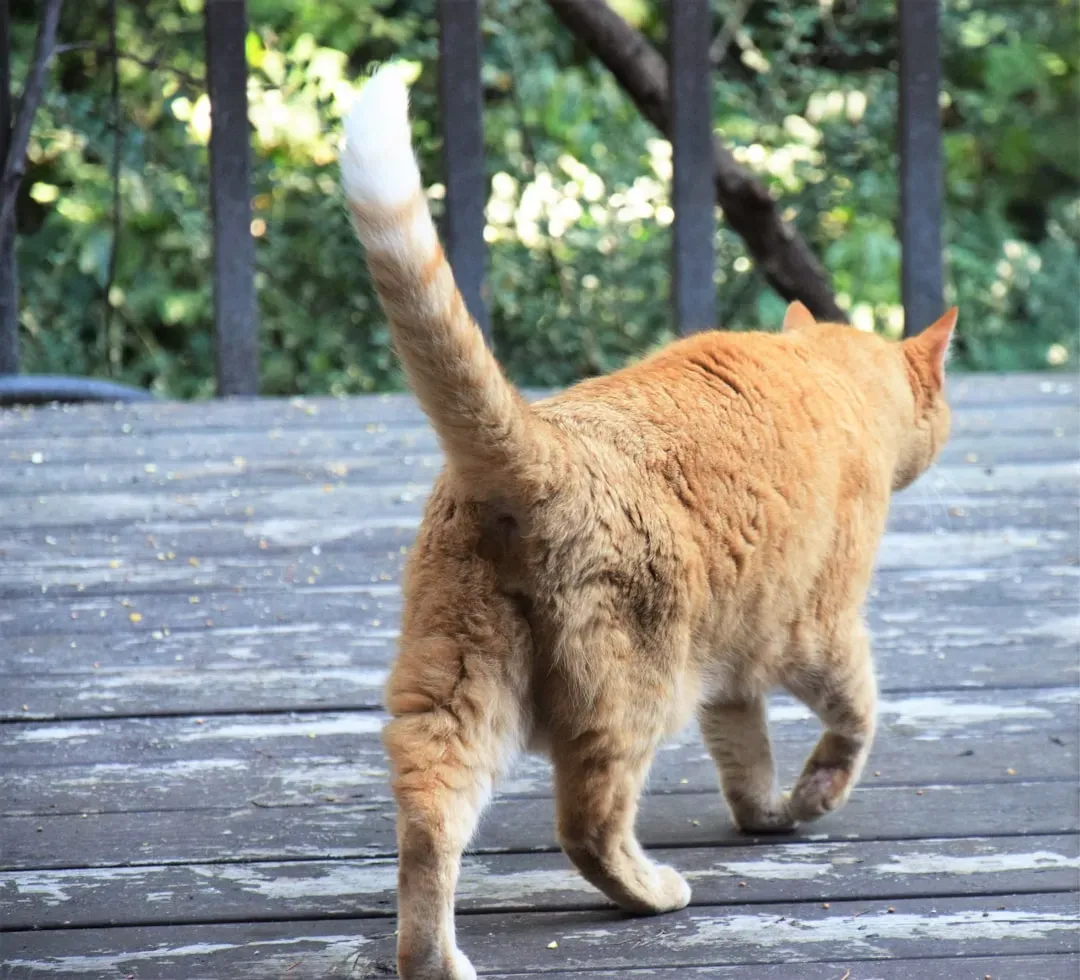
An approaching cat raises its tail straight up to signal friendly intentions, a trait shared with lions, and they use this message toward people as well, indicating that they include us in their social circle. Seems harmless, right? That vertical tail signals trust and affection.
Here’s where it gets sneaky. A cat’s tail carries meaning, with an upright tail signaling friendliness, and humans tend to respond to these subtle cues without overthinking them. Your cat knows that tail position triggers positive responses from you. They’ve figured out exactly which body language makes you reach for the treat bag or bend down for a scratch behind the ears. The tail is less about honest communication and more about pressing your behavioral buttons with surgical precision.
Conclusion
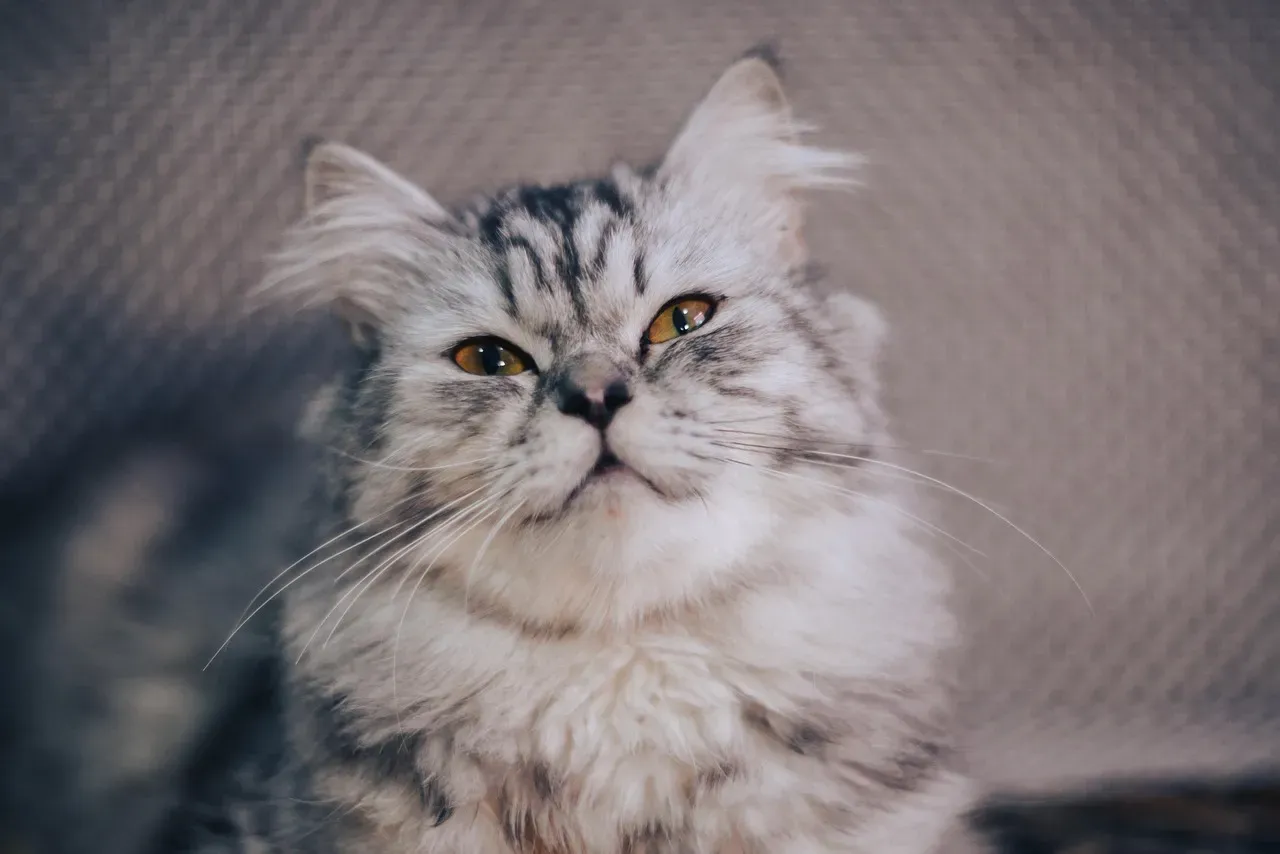
Let’s be real. You were never in charge. Cats have evolved and learnt how to use clever manipulation techniques without us noticing, and they are incredibly smart and will always find a way to get what they want. These seven tactics reveal the sophisticated psychology behind those innocent furry faces.
The fascinating part is that none of this makes cats bad or deceitful. This manipulative behavior doesn’t necessarily imply bad intent, and scientists believe it’s deeply ingrained in how cats form relationships with humans. They’re simply brilliant at communication and adaptation. Over millennia living with humans, they’ve become experts at understanding what makes us tick.
So next time your cat deploys one of these tactics, you can smile knowingly. You’ve been manipulated, sure, yet somehow that makes the relationship even more interesting. What do you think about your cat’s secret strategies? Have you caught them in the act?