You’ve opened yet another can of premium cat food, only to watch your feline friend sniff it, give you a disdainful look, and walk away. Sound familiar? If you’ve ever found yourself standing in the pet food aisle, overwhelmed by choices and wondering what on earth will satisfy your cat this time, you’re definitely not alone.
The thing is, cats have earned their reputation as finicky eaters. One day they devour their meal with gusto, the next they act like you’ve served them something utterly offensive. It’s frustrating, confusing, and honestly can make you question everything you thought you knew about your furry companion. What’s really going on in that mysterious feline mind?
Here’s the thing: picky eating isn’t always about being difficult or dramatic. Sometimes there are genuinely surprising reasons behind those turned-up noses at dinner time. Let’s dive into what might actually be causing your cat’s fussy habits.
Their Early Food Experiences Shaped Everything
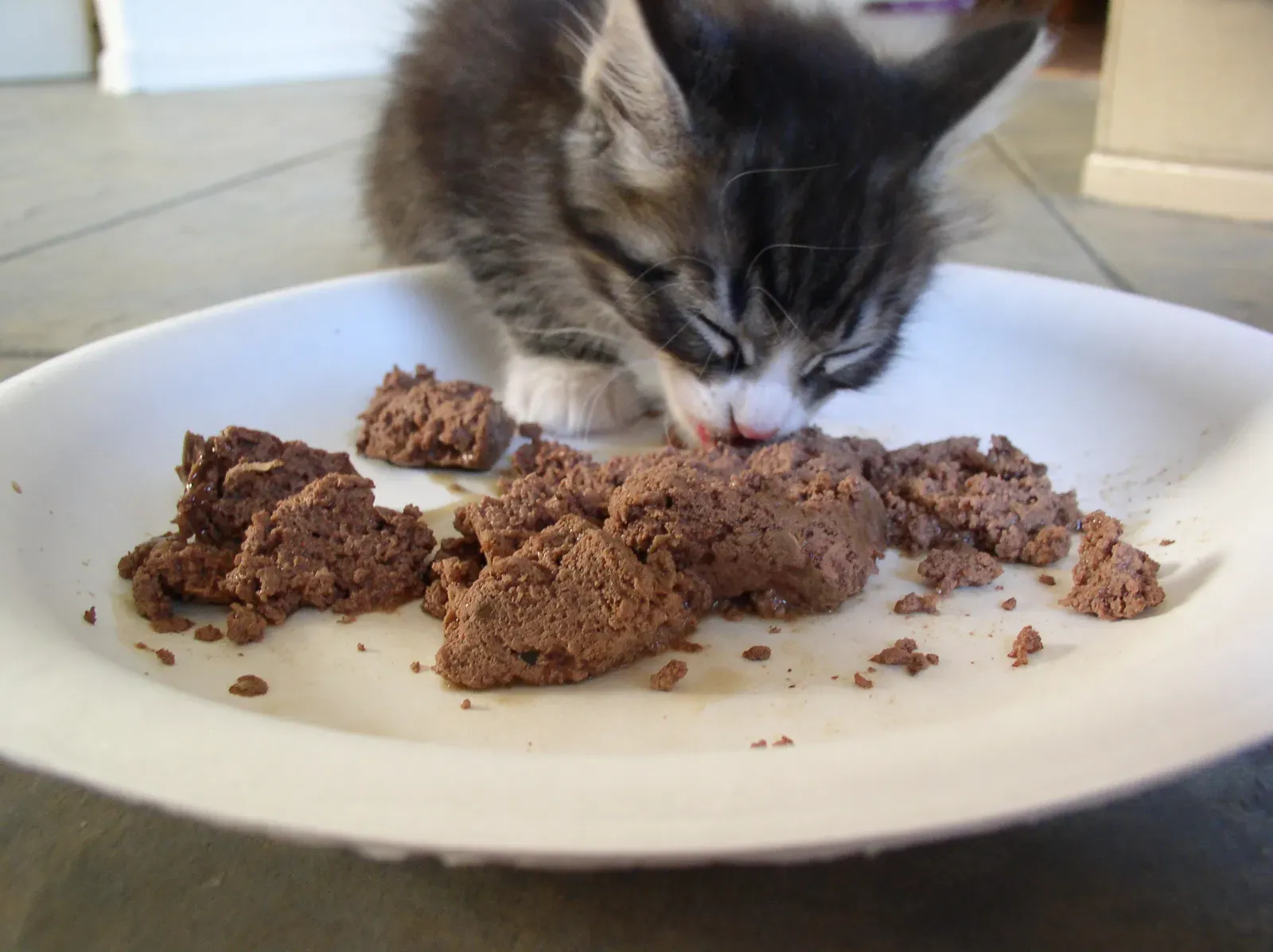
Cats are what experts call “imprint eaters,” meaning they develop lifelong taste preferences based on what they experienced as kittens both before and after birth. Think of it like how some people grow up loving certain comfort foods because that’s what they had as kids.
If kittens aren’t introduced to various flavors, textures, sizes, shapes, and consistencies early on, they may struggle to accept different foods as adults, which can become problematic if they need a special diet later for health reasons. So if your cat only wants one specific type of food, it might go all the way back to those crucial early weeks. The window for building food flexibility is surprisingly narrow, and once it closes, your cat’s preferences are pretty much set in stone.
You Might Have Accidentally Created a Food Snob
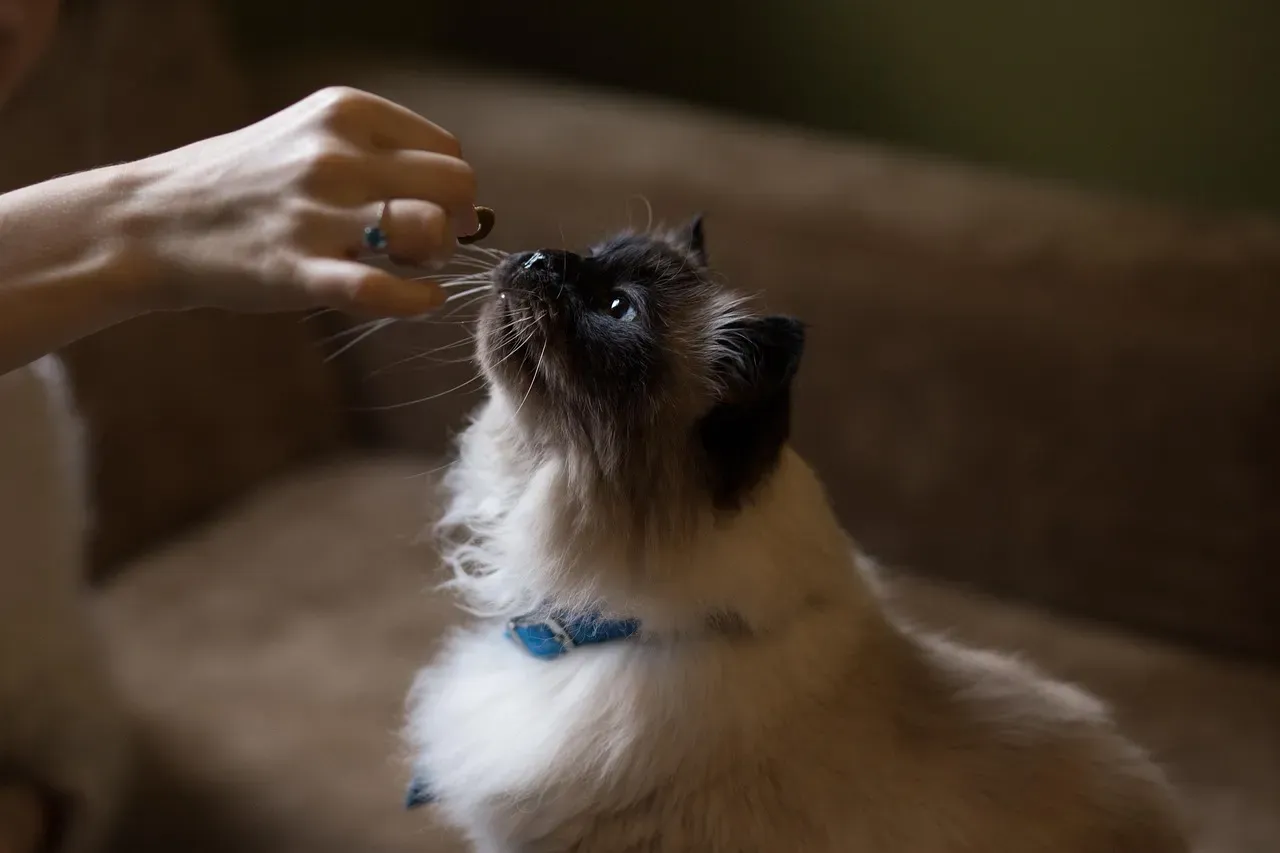
Let’s be real: we’ve all done it. Your cat refuses their regular food, so you open something else. Then something else. Before you know it, you’re rotating through five different brands trying to find something they’ll eat.
The huge variety of cat foods available, from different kibble flavors and sizes to various canned food textures and freshly packaged meals, can actually work against you because some cats learn to hold out for their favorites when given too many options. Basically, you’ve trained them that if they wait long enough, something better will appear. I know it sounds harsh, but it’s true. This fussy behavior is generally learned rather than bred into them. Your cat has figured out the system and is playing you like a fiddle.
Their Bowl Is Stressing Out Their Whiskers
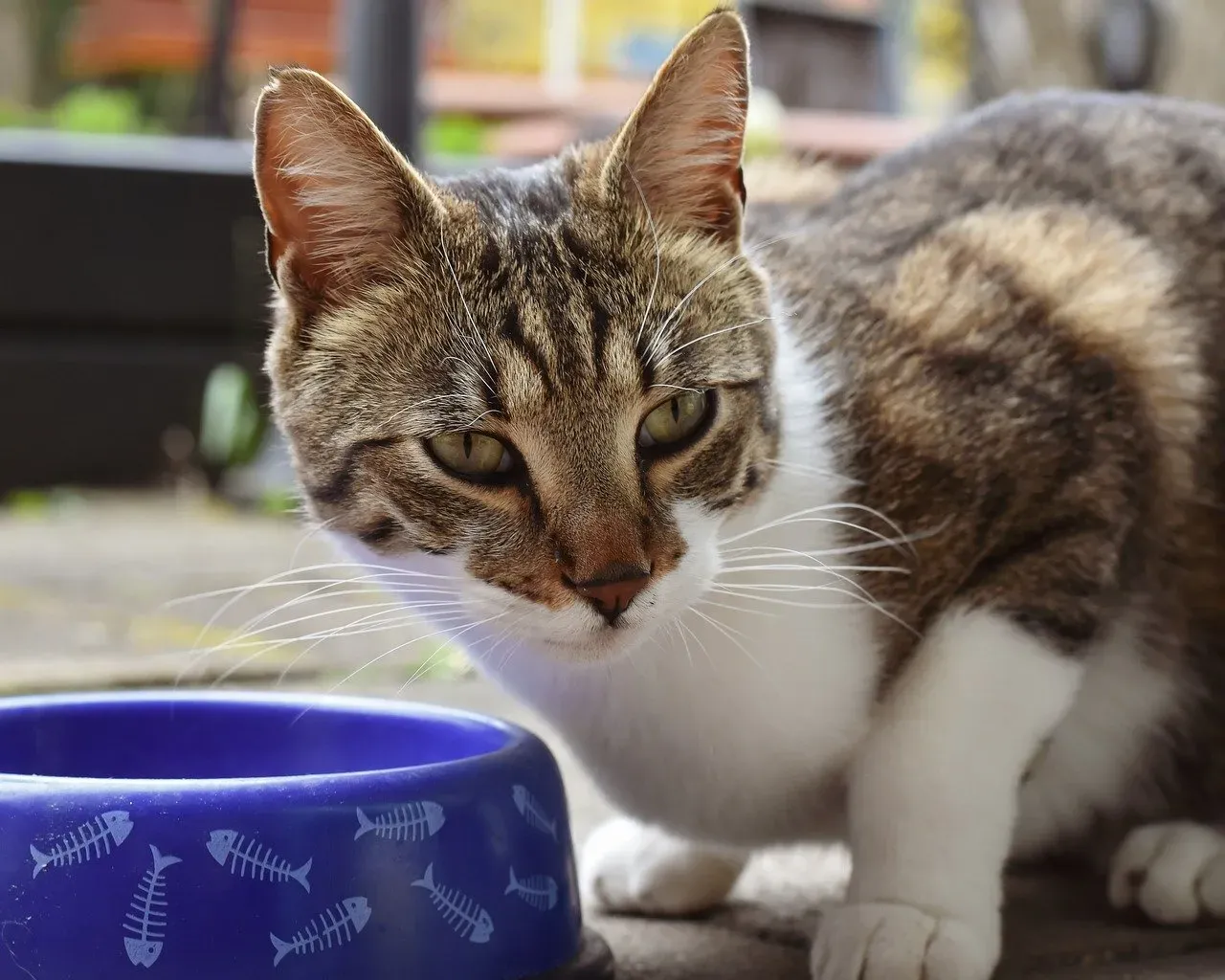
This one sounds bizarre, but hear me out. The most common cause of whisker fatigue is eating from a bowl that’s too deep, which causes cats’ sensitive whiskers to repeatedly rub against the sides, leading to irritation and discomfort.
Every time your cat’s whiskers touch something, messages are transmitted from sensory organs at their base to their brain, and that constant barrage of messages could stress them out and cause what’s called whisker fatigue or whisker stress. Imagine trying to eat dinner while someone constantly pokes your face. You’d probably start avoiding meal times too. Some cats will even paw their food out onto the floor to avoid the sensation entirely. However, whisker fatigue remains a new and controversial topic, with not all veterinarians believing it’s a valid concern and almost no studies determining its validity.
Something Actually Hurts When They Eat
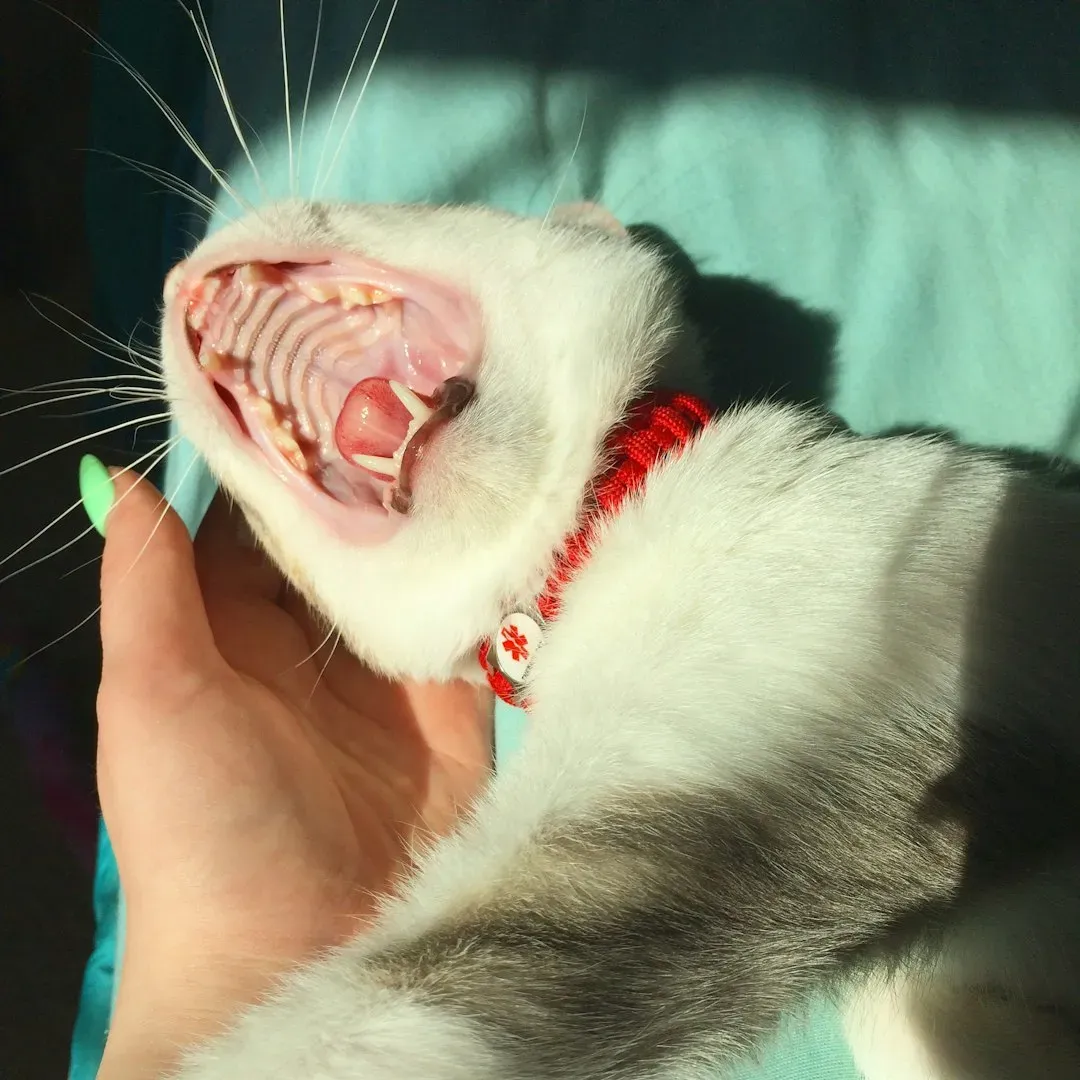
Cats with dental disease may experience mouth pain that prevents them from wanting to pick up and crush kibble with their teeth. This is actually way more common than most people realize.
Your cat might be starving but avoiding food because chewing genuinely hurts. Dental problems including loose or broken teeth, advanced tooth decay, inflamed gums, dental abscesses, injuries, or foreign objects in their mouth can cause significant pain that forces cats to stop eating. They’re not being picky; they’re trying to avoid agony. Senior cats are especially prone to dental issues, so if your older cat suddenly becomes fussy, this should be high on your list of suspects. Respiratory infections that cause nasal congestion can also remove their sense of smell temporarily, and since smell is responsible for a huge portion of flavor perception, food that once tasted amazing suddenly becomes bland and unappetizing.
An Underlying Health Issue Is Making Them Feel Awful
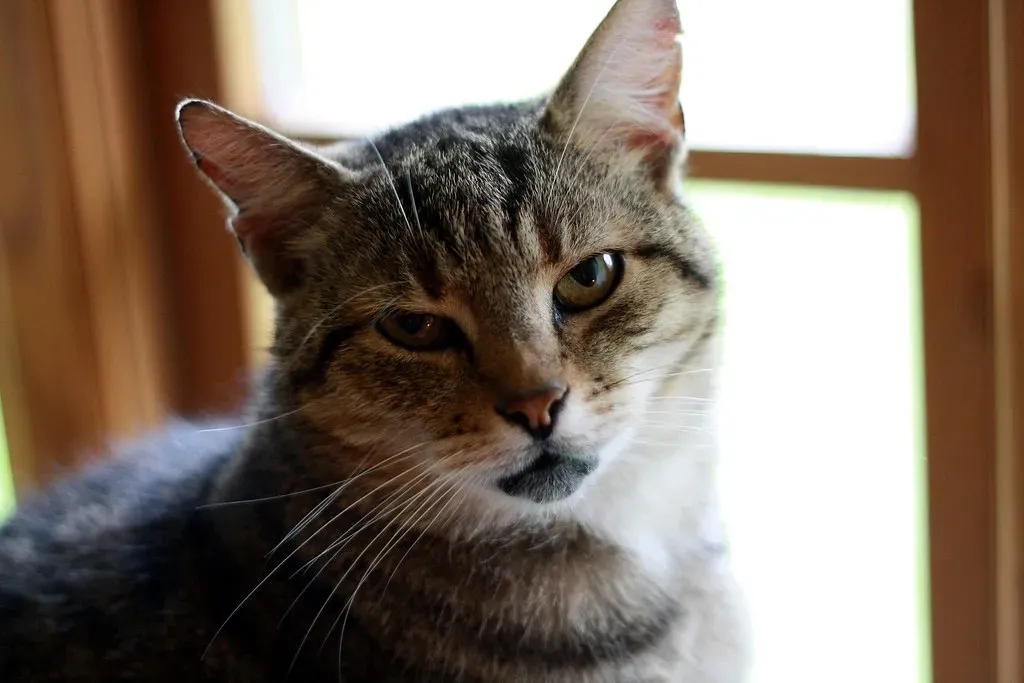
Cats with kidney disease may experience nausea that decreases their appetite. This is particularly common in older cats and is one of those sneaky conditions that develops gradually.
When cats suddenly become picky eaters, there’s often a medical reason including kidney disease, gastrointestinal issues, dental disease, limb pain, respiratory infections, or heart disease. Here’s what makes this tricky: cats are absolute masters at hiding pain and illness. By the time they’re visibly refusing food, they might have been feeling unwell for quite a while. Cats with nasal congestion have a lower desire to eat because they can’t smell their food as well, and aroma is crucial for stimulating appetite. If your previously enthusiastic eater suddenly turns picky, don’t brush it off as mere fussiness.
Their Feeding Environment Feels All Wrong
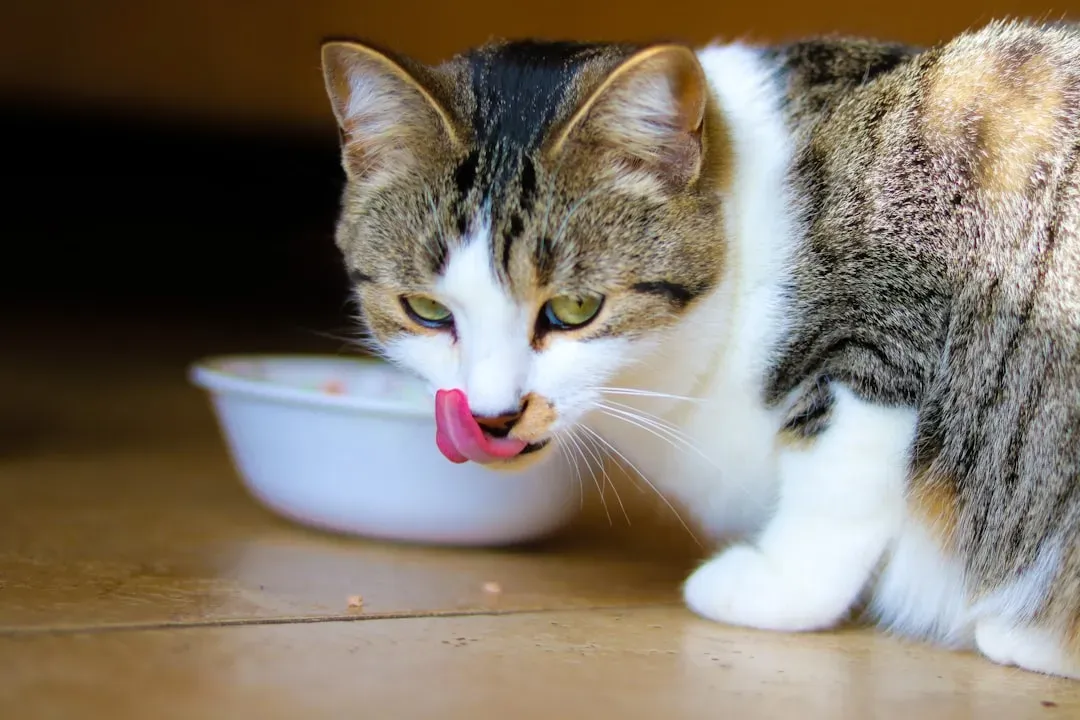
Cats eat best in low-stress environments that meet their need for cleanliness. Location matters more than you’d think. Is their bowl next to a noisy appliance? In a high-traffic area where they feel vulnerable?
Cats prefer to eat in quiet, low-traffic areas, and if their food bowl is in a busy part of the house, moving it to a more secluded spot can make a difference. Cats may also refuse to eat well after moving to a new residence or if their bowl was relocated to a different area of their home. Even something as simple as another pet hovering nearby or the litter box being too close can completely put them off their food. If you’re in the habit of just topping up their bowl, it could be filled with crusty or stale food and dirty with your cat’s saliva, so bowls and food should be changed out daily. Honestly, would you want to eat from a dirty plate? Neither does your cat.
Stress and Emotional Factors Are Playing a Role
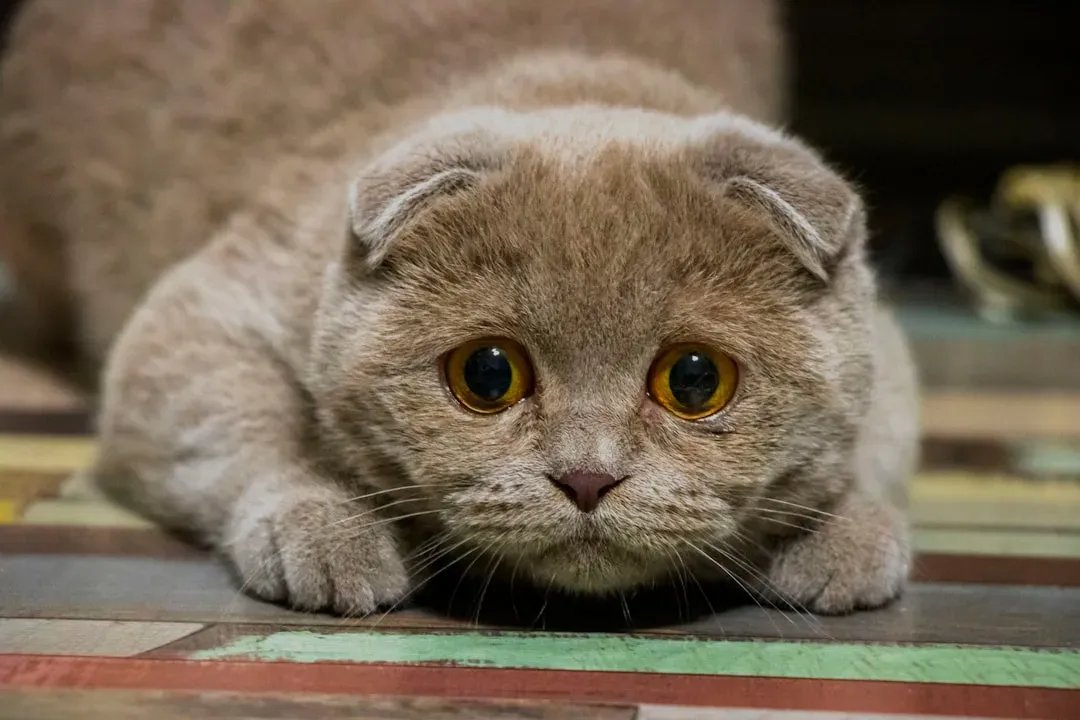
Stress in cats can cause a general loss of appetite and reluctance to try new foods. Cats are creatures of habit, and any disruption to their routine can manifest as food refusal.
Cats often experience anxiety or depression when a loved one, whether human or animal, is no longer in their life, and may show how they feel by refusing food or other behavioral changes. Have you recently moved? Got a new pet? Changed your work schedule? These things might seem minor to us, but to a cat, they can be earth-shattering. Cats are sensitive to changes in their environment, so moving their food bowl, adding a new pet, or even a different feeding routine can affect their appetite. Sometimes what looks like pickiness is actually their way of coping with emotional upheaval.
Conclusion
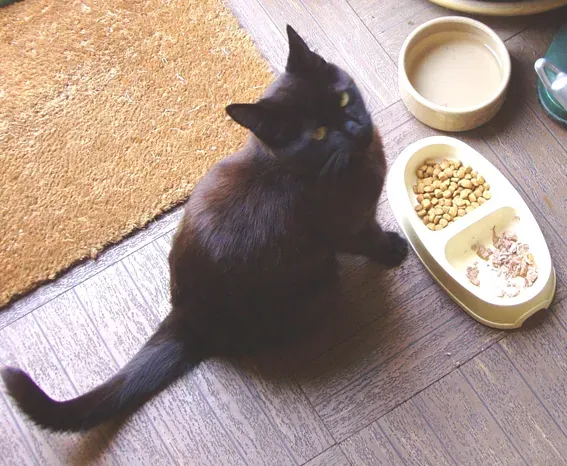
Understanding why your cat refuses to eat can feel like solving a complicated puzzle. The truth is, what appears as simple fussiness often has deeper roots, whether it’s a medical issue hiding beneath the surface, an uncomfortable feeding setup, or stress they can’t communicate in any other way.
If your cat’s appetite suddenly decreases, seek veterinary attention and don’t allow your cat to go more than 24 to 36 hours without eating because cats can develop potentially life-threatening fat deposits in their livers if they don’t eat regularly. This isn’t something to take lightly.
Pay attention to the subtle signs. Try switching to shallow, wide bowls. Keep their feeding area quiet and clean. Rule out health problems with your vet. Sometimes the solution is simpler than you think, and other times it requires professional help.
Has your cat ever surprised you with sudden picky eating? What finally worked for you? Share your experiences because chances are, another frustrated cat parent needs to hear it.