You’ve shared years with your feline companion. Those morning head bumps, the afternoon sunbeam naps, the late-night cuddles. Your cat’s routines have become part of your daily rhythm, woven into the fabric of your home. That’s exactly why something feels different now.
Maybe you’ve noticed your once punctual companion is confused about mealtime. Perhaps you’ve heard more vocal complaints than usual, especially after dark. Your cat might be avoiding the stairs she used to zip up without hesitation. These subtle shifts aren’t random quirks or signs that your cat is simply “getting old.” They’re messages, and your senior cat is trying to communicate something important to you.
The Silent Language of Aging Felines
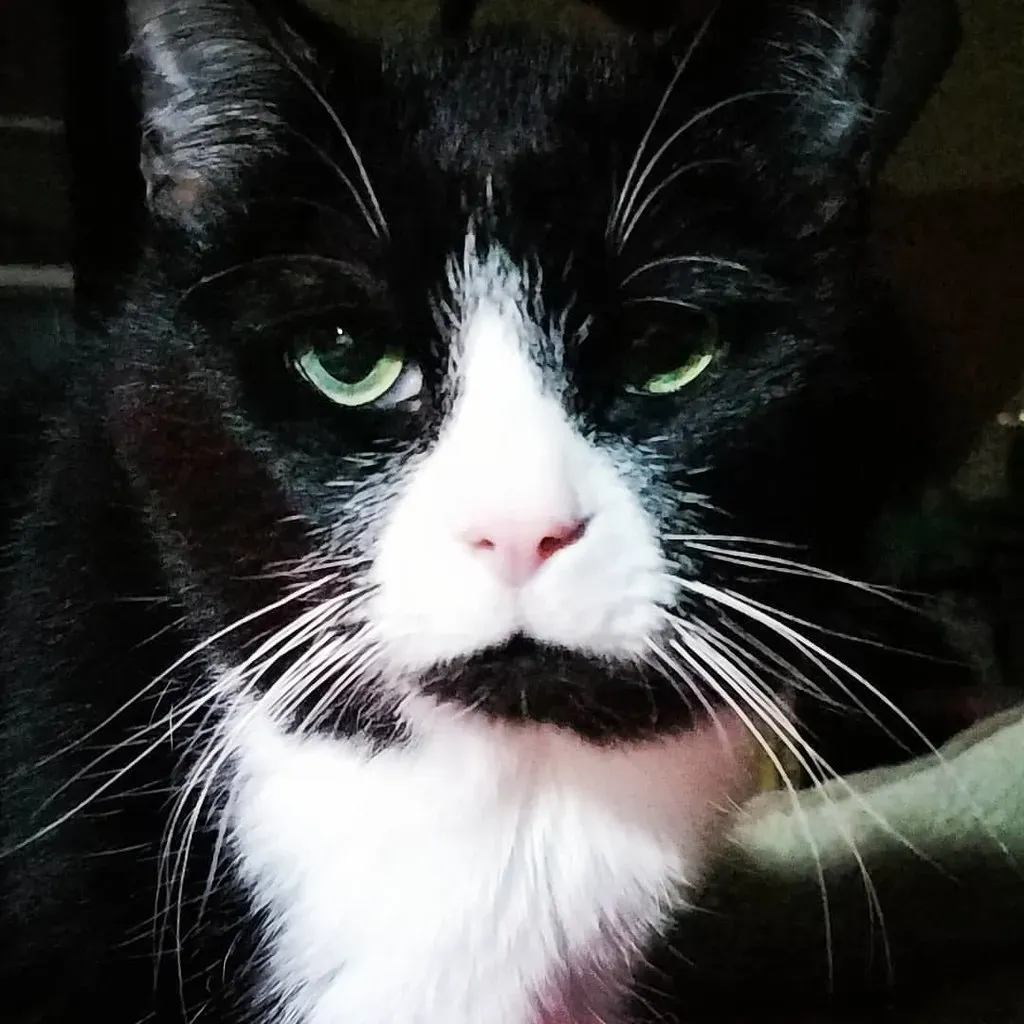
Your senior cat’s behavior changes aren’t just about aging – they can signal disturbances in sleeping patterns, disorientation, or even forgotten habits like where the litter box is located. Think of it this way: if you suddenly couldn’t remember where your bathroom was in your own home, you’d be distressed too.
Up to 50% of cats over age 15 experience feline cognitive dysfunction, with rates around 80% or higher in cats over age 17. This condition affects memory, awareness, and the ability to learn new things. Your cat isn’t being difficult or stubborn. Something deeper is happening in that fuzzy head.
It’s hard to say for sure, but I think we often miss these early signs because we see our cats every single day. The changes creep in so gradually that they become normal. Yet these small behavioral shifts deserve your attention now, not later.
When Night Becomes the Loudest Time
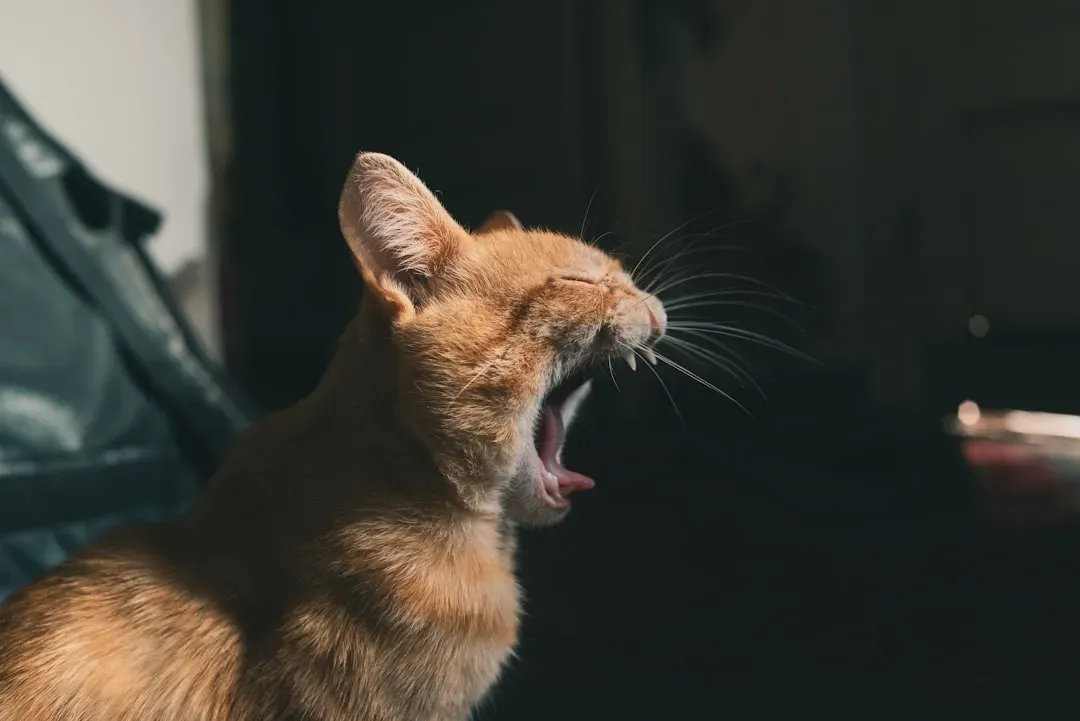
Senior cats sometimes develop peculiar behaviors like yowling at night – those constant cries, meows, and howls that are long wails often resulting from pain, distress, or grief. It’s not your imagination, and no, your cat hasn’t suddenly decided to practice opera at 3 a.m.
Cognitive Dysfunction Syndrome becomes increasingly likely as cats age, and one of its hallmark symptoms is yowling at night – a form of cat dementia. Here’s the thing: your cat might also be experiencing hearing loss, which means they can’t hear themselves as well as before, leading to louder vocalizations.
Research into cats with cognitive dysfunction found that owners reported disorientation and attention-seeking as the main causes of increased vocalization. Sometimes your senior cat simply doesn’t know where they are anymore, and that’s terrifying for them.
The Litter Box Mysteries
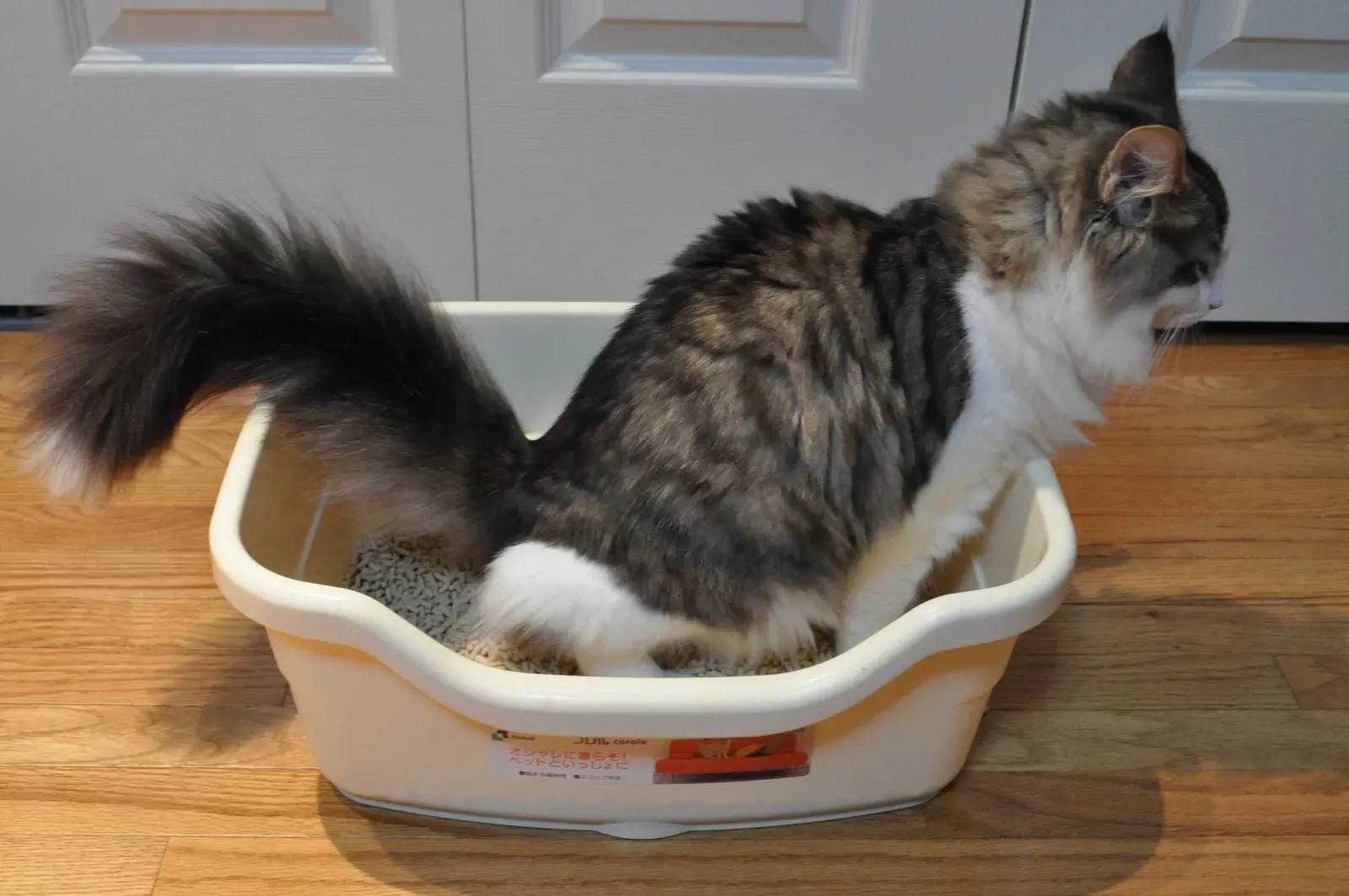
Litter box problems are actually the most common reason for senior cats to visit behaviorists. If your previously fastidious cat has started eliminating outside the box, don’t assume spite or laziness. That’s not how cats operate.
Diseases like diabetes, kidney disease, hyperthyroidism, and urinary tract infections cause senior cats to urinate more frequently, and they may not make it to the litter box in time. Imagine needing to rush to the bathroom constantly but having trouble getting there quickly because your joints ache.
Cats who’ve consistently used the litter box but suddenly begin missing it may be experiencing pain, particularly lower back or hip pain that makes climbing into and out of a litter box a terrible experience. It’s worth remembering that more than 90% of cats over age 10 suffer from some form of arthritis or joint degeneration.
Changes in Appetite and Weight
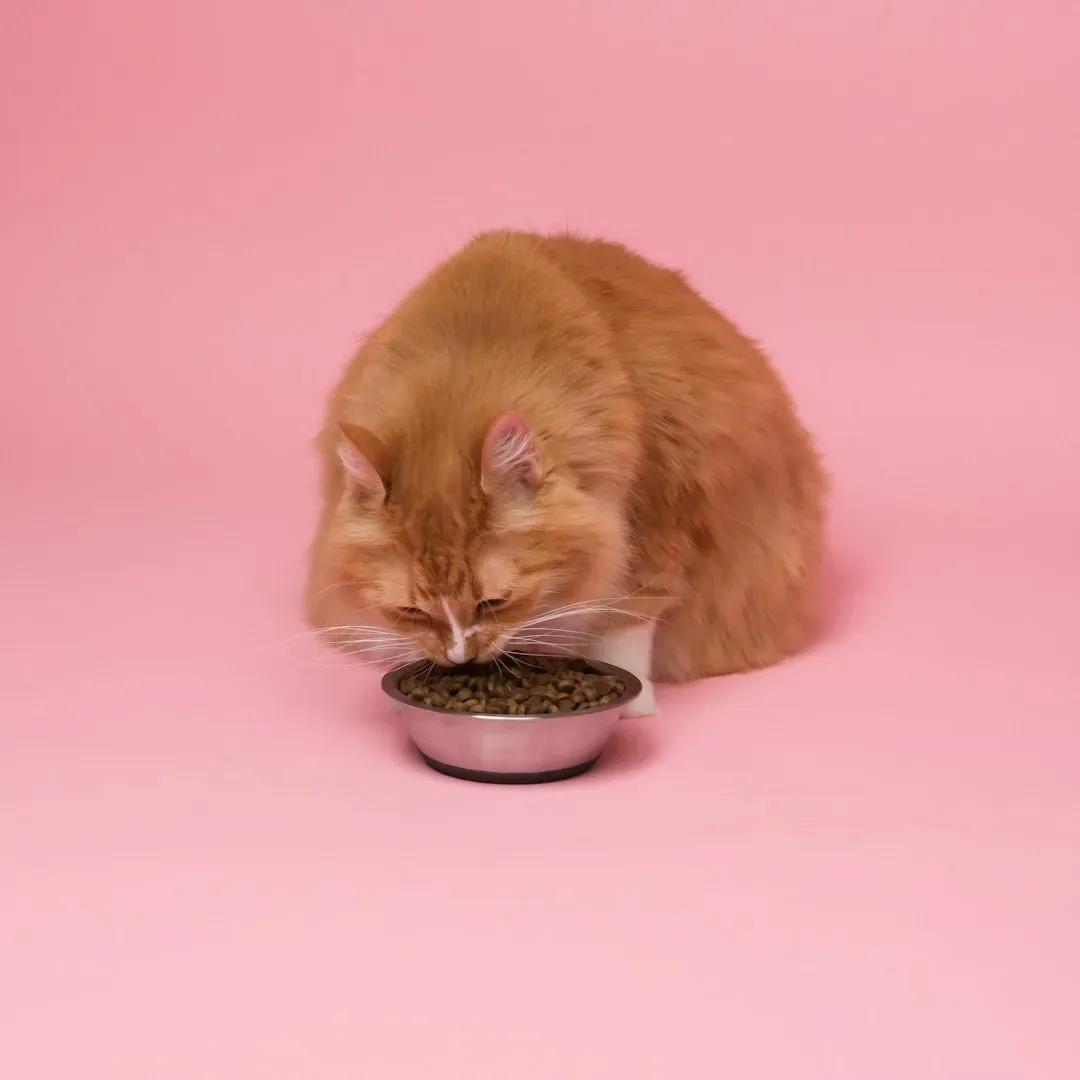
Older cats may experience increased lethargy coupled with changes in appetite or weight, which is often a symptom of anxiety, depression, or frequently a physical medical problem. Your cat’s changing relationship with food tells a story worth listening to.
If your senior cat is particularly off their food, age-related changes might be affecting their appetite – potentially from dental conditions that make eating uncomfortable or from feeling generally ill. Conversely, you might notice your cat eating more than ever but still losing weight.
Increased appetite or increased thirst can sometimes point to conditions such as diabetes or hyperthyroidism. These aren’t rare conditions in older cats. They’re surprisingly common and entirely treatable when caught early.
The Sudden Appearance of Clinginess or Distance
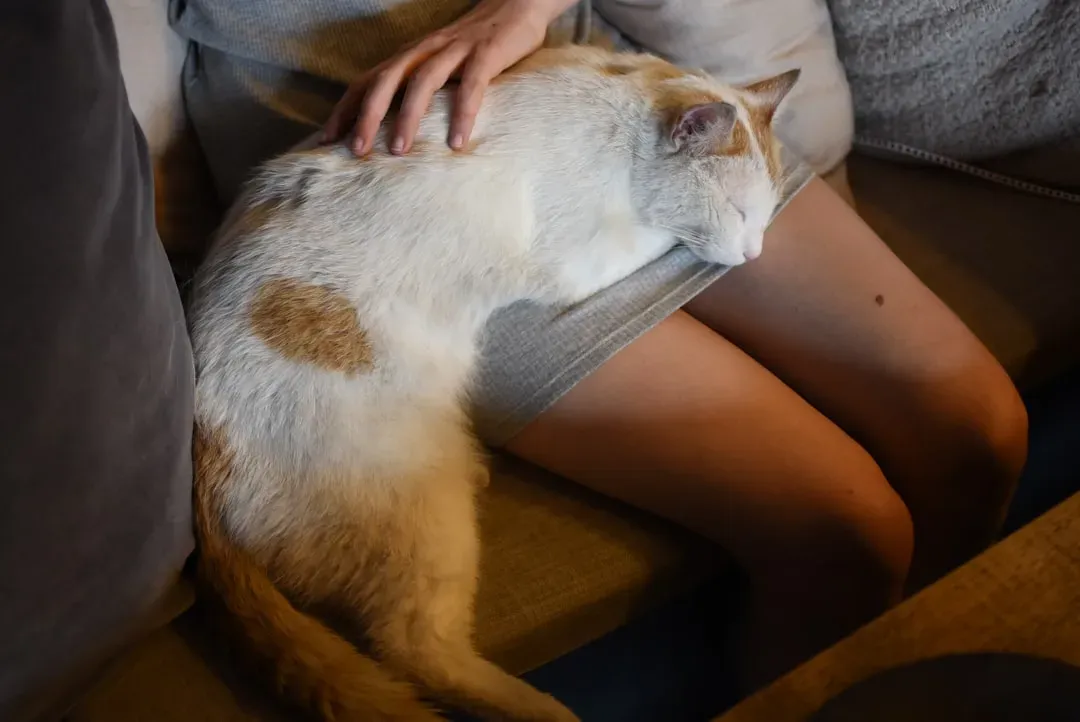
Has your independent cat suddenly become your shadow? Or perhaps the opposite – your once affectionate companion now seems distant and uninterested? Cats with cognitive dysfunction may become less interested in interactions and greeting people, while others develop a need for constant contact and become overdependent and clingy.
Some cats need more emotional support as they age while others prefer to be left alone. They may become more dependent on relationships and require more attention. Let’s be real: this swing in personality can feel confusing and even hurtful.
Yet these shifts aren’t about you. Your senior cat is navigating their own confusion and anxiety. They’re trying to cope with internal changes they don’t understand, and sometimes that means seeking comfort from you – or retreating entirely.
Mobility Changes You Might Be Overlooking
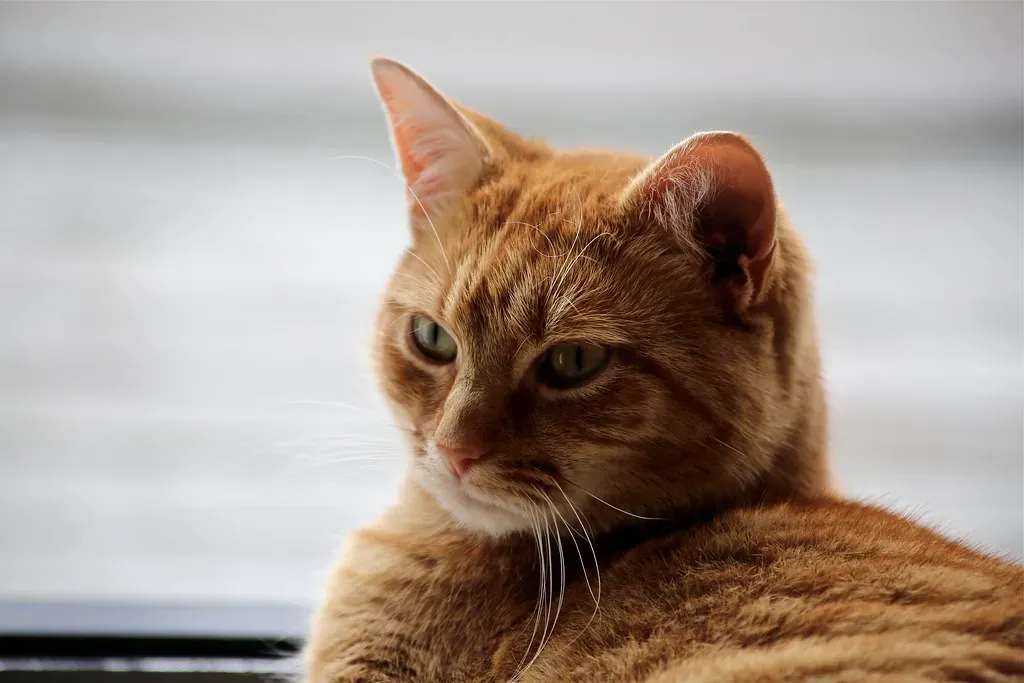
Older cats tend to be less active and playful, sleep more, and may gain or lose weight while having trouble reaching their favorite places. That window perch that used to be no big deal? Now it might as well be Mount Everest.
Osteoarthritis is one of the most common chronically painful ailments in cats, affecting more than 90% of cats aged 10 years and older. This isn’t a minor ache. It’s genuine pain that impacts every movement your cat makes.
Joint degeneration causes great pain and discomfort, commonly affecting shoulders, elbows, hips, knees, and ankles, which results in slow or awkward gait and sometimes painful vocalizations, along with reluctance to use stairs or jump. Watch how your cat moves. Are they hesitating before jumping? Taking the long way around instead of leaping?
Grooming Habits That Signal Distress
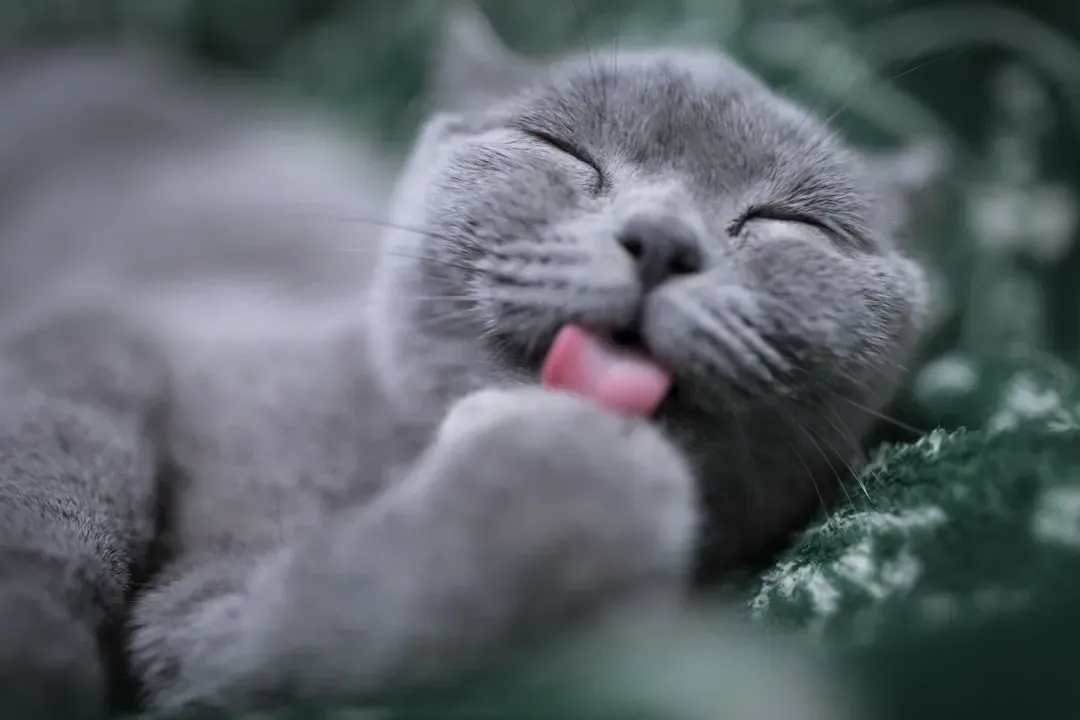
Cats are famously fastidious groomers. One of the most common pain-associated behavior changes in aging cats is a decrease in grooming and self-care. If your cat’s coat looks matted, greasy, or unkempt, something’s preventing them from maintaining their usual standards.
When a cat has pain, it can make cleaning difficult. Think about it: grooming requires flexibility, twisting, reaching – all movements that become excruciating with arthritis or other painful conditions. Your cat isn’t being lazy or slovenly. They’re hurting.
Additionally, cognitive decline can make cats forget their grooming routines entirely. That meticulous self-care that once defined feline dignity? It might simply slip from their memory like so many other things.
Disorientation and Confusion Signals
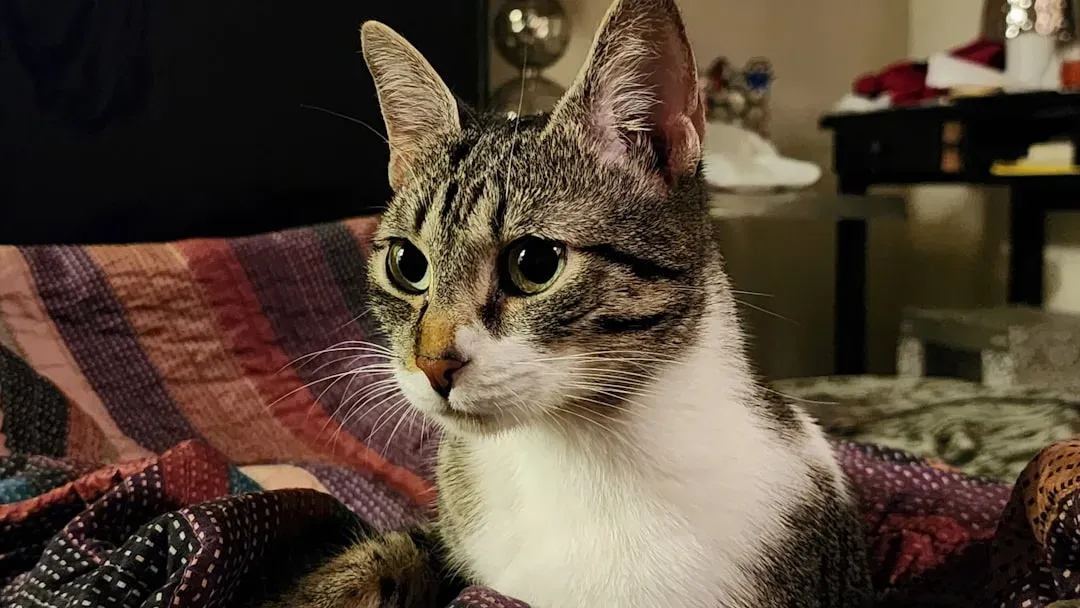
Disorientation is often the first sign pet parents recognize as cognitive decline in older cats, and it occurs in many cats aged 17 years and older. You might catch your cat staring at walls for extended periods or standing in corners looking lost.
The main symptom of cognitive decline is confusion and disorientation, and other signs may include an elderly cat staring at a wall for hours on end. I know it sounds crazy, but your cat might literally forget where they are in their own home – a place they’ve lived for years.
Signs include spatial disorientation, wandering into unfamiliar territory, lack of interest in playing, excessive sleeping, altered sleep cycles, long periods of staring blankly, indifference to food and water, and inappropriate elimination. These behaviors cluster together because they stem from the same source: a changing brain.
Aggression as a Cry for Help
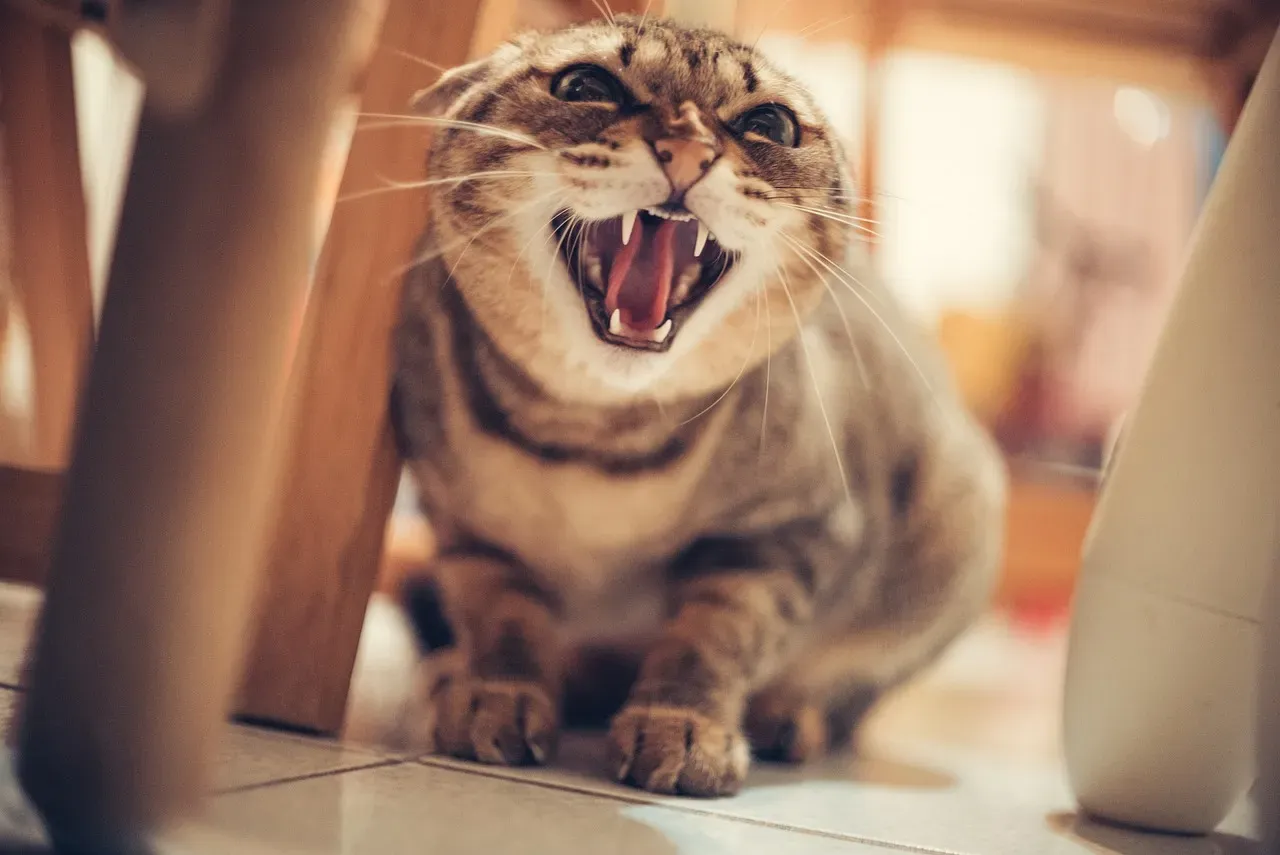
Senior cat aggression toward other animals or people is one of the most common behavior issues, potentially because their patience has declined over the years and they’re less tolerant of changes, or because they’re feeling unwell and acting out of pain. Your gentle cat who suddenly hisses or swats isn’t being mean.
Elderly cats may display personality changes as they age – a once docile cat may start exhibiting hostile behavior like biting, scratching, or hissing when you or another pet attempts to get near. This is defensive behavior rooted in fear or discomfort.
Pain makes anyone irritable. Your cat can’t tell you verbally that touching their hip hurts, so they communicate the only way available: through defensive aggression. It’s not personal. It’s survival instinct kicking in.
What You Can Actually Do About It
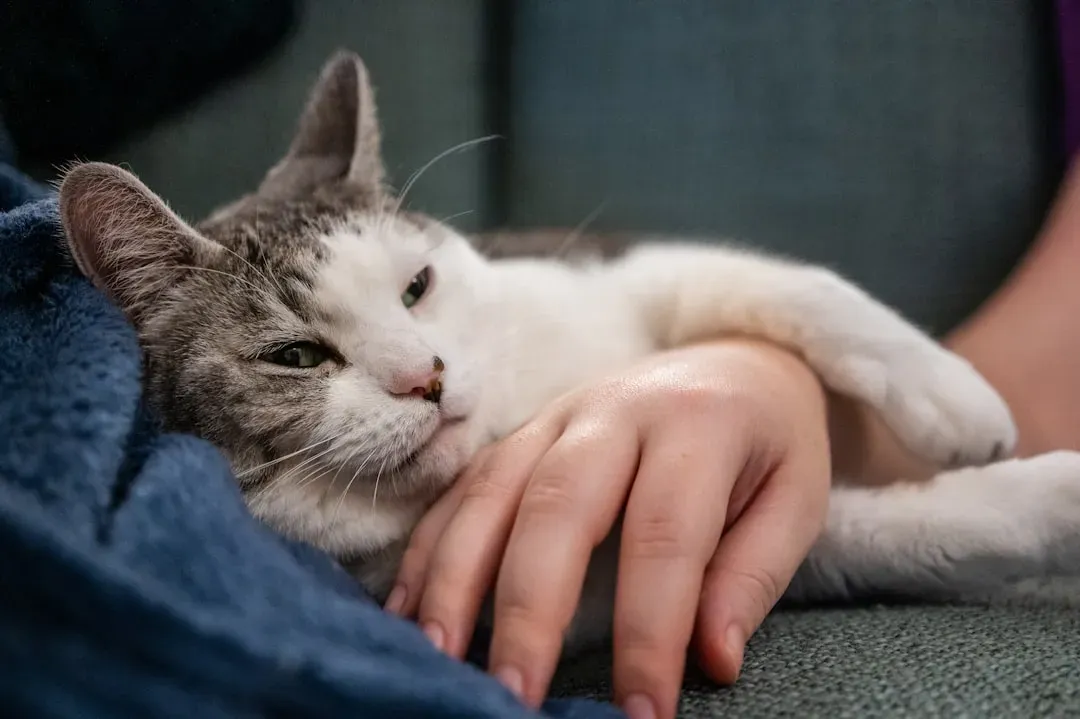
Don’t assume your cat is just getting old and nothing can help – many behavior changes are signs of treatable medical disorders, and various therapies can comfort your cat and ease symptoms, including pain. This is genuinely important: early intervention changes outcomes dramatically.
As early as age seven, watch for any signs of aging cat behavior changes, no matter how subtle, by monitoring and understanding your cat’s baseline behavior before problems develop and contacting your veterinarian upon noticing changes. Create a simple log if that helps. Note changes as you see them.
Take your cat to the vet for routine checks twice a year, or as often as needed to treat any health conditions they have. Regular veterinary visits aren’t optional luxuries for senior cats – they’re essential healthcare that catches problems before they become crises. Make environmental modifications like adding litter boxes on every floor, providing ramps or steps to favorite spots, keeping nightlights on, and maintaining consistent routines.
Understanding Is the First Step Forward
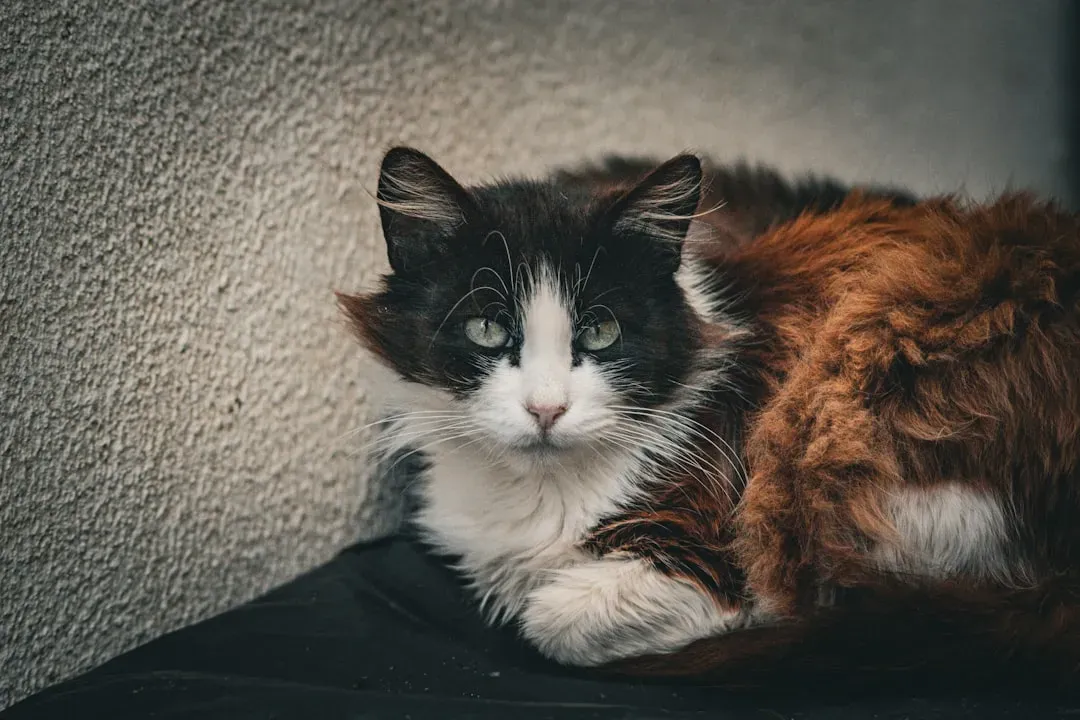
Your senior cat isn’t trying to frustrate you or make life difficult. Behavioral changes aren’t about hatred or displeasure – they’re usually crying out for help or adjustment to their care routine. Every odd behavior, every midnight yowl, every litter box accident is communication.
Cats are experts at hiding signs of pain, so cat owners must be observant to recognize when their cat needs help. As their caregiver, you must pay attention so that any changes in behavior are observed and brought to your veterinarian’s attention. You know your cat better than anyone else. Trust your instincts when something feels off.
The golden years don’t have to mean suffering in silence. With your observation, patience, and veterinary support, your senior cat can navigate aging with dignity and comfort. Those subtle messages they’re sending? They’re trusting you to listen. What changes have you noticed in your feline companion lately?