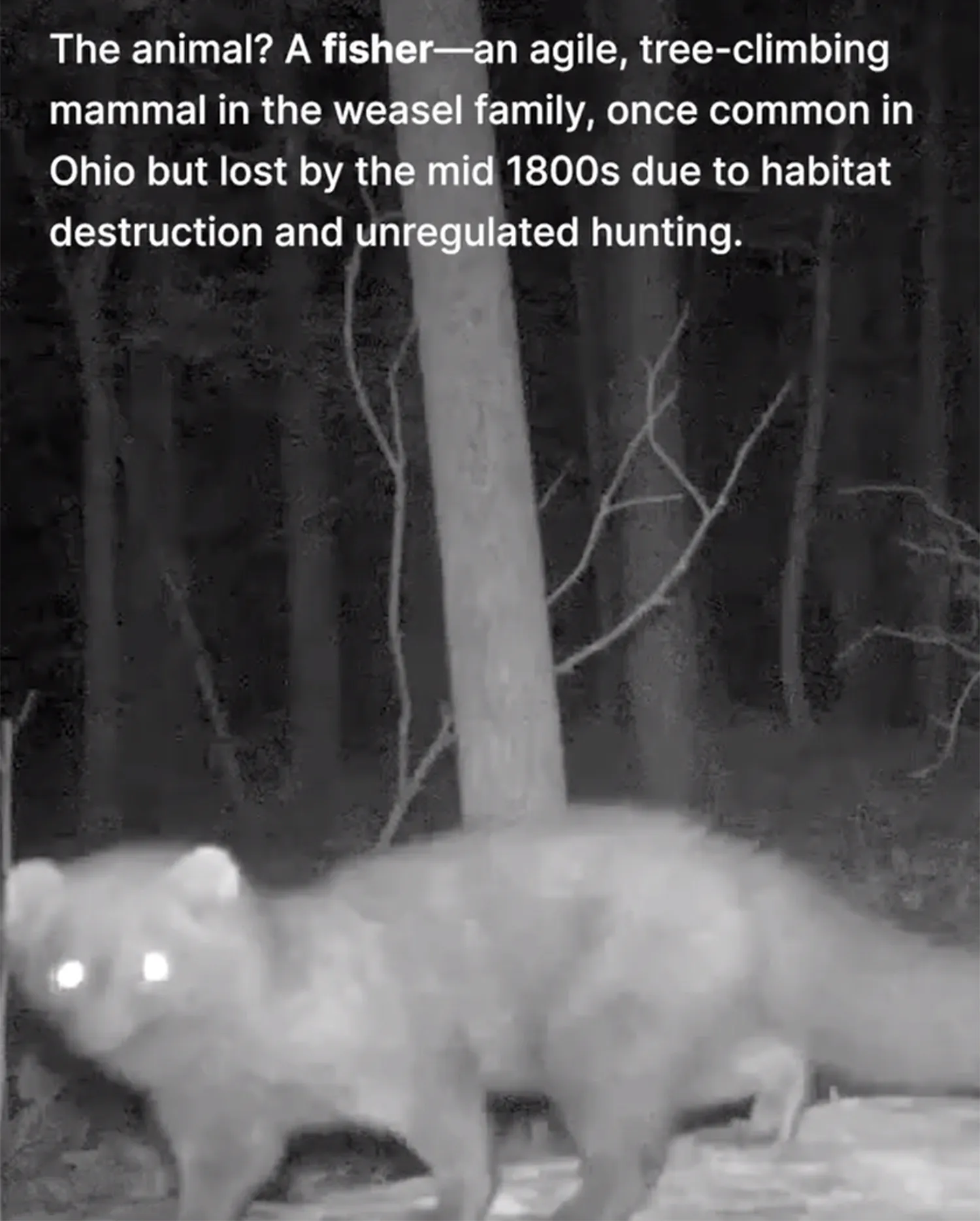
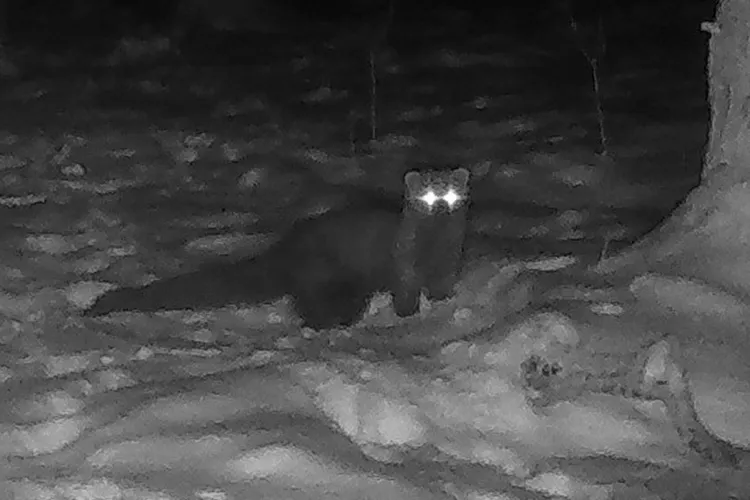
For the first time in more than a century, a native wild mammal once thought absent from northeastern Ohio has been captured on camera, thrilling wildlife experts and conservationists. Earlier this year, a trail camera in Cuyahoga County recorded a fisher (Pekania pennanti) moving through a forested park, marking the first verified sighting of this elusive species in the county since the mid-1800s. The discovery points to the success of decades of habitat restoration and wildlife protection efforts across the state.
Rediscovery in Cuyahoga County

The fisher is a medium-sized mammal in the weasel family, known for its secretive habits and impressive adaptability to forest environments. Historically, fishers were native to Ohio, but their numbers plummeted in the 1800s due to unregulated trapping and widespread habitat loss. Officials from the Ohio Division of Wildlife say this animal had been extirpated — locally wiped out — from much of the state by the mid-19th century.
The recent footage from Cleveland Metroparks represents the first confirmed sighting specifically in Cuyahoga County since that time. Wildlife cameras placed along wooded trails captured the animal earlier this year, with park staff later identifying it as a fisher. The park system shared the footage publicly in December, generating widespread excitement among residents and biologists alike.
What Makes the Fisher Special
Fishers are part of the Mustelidae family, which includes weasels, martens, and otters. They are solitary, agile hunters that thrive in mature forests with plenty of understory and fallen logs. An adult fisher typically measures between 30 and 40 inches in length, including a long, bushy tail, and has dense dark brown fur. Their diet consists of small mammals, birds, insects, and occasionally fruits.
In the wild, fishers are known for being elusive and difficult to observe directly. Their comeback in parts of Ohio has been gradual, with occasional sightings reported in various counties since 2013. However, this is the first time a sighting has been confirmed within the metropolitan parks of Cuyahoga County, where human-wildlife interactions are far more common.
Conservation Efforts Behind the Return
The fisher’s reappearance highlights the positive results of targeted conservation measures in Ohio. Over the last several decades, forest regeneration, land protection, and stricter wildlife management practices have helped restore critical habitat for native species. The Ohio Department of Natural Resources lists the fisher as a “Species of Special Interest,” emphasizing both its rarity and the need for ongoing habitat conservation.
Wildlife biologists point to broader trends of native animal recoveries in the state. Other species once lost or scarce — such as river otters, bobcats, and trumpeter swans — have also been documented more frequently as forestlands and wetlands improve. These successes show the cumulative impact of conservation policy, habitat connectivity, and public support for biodiversity.
How the Sighting Was Confirmed
Cleveland Metroparks relies on a network of remote cameras to monitor biodiversity across its natural areas. The fisher image came from one such camera and was later reviewed by wildlife experts who could identify the species from its size, shape, and gait. The Ohio Division of Wildlife then verified the record as a valid sighting for the county.
Park officials noted that while fishers have been spotted elsewhere in Ohio, this observation is particularly significant due to its location within a heavily visited urban-adjacent park system. The confirmation was announced through the park’s social media channels, where it quickly gained attention from local news outlets and nature enthusiasts.
What This Means for Local Wildlife
The fisher’s return offers hope for continued recovery of native species in Ohio’s woodlands. It suggests that forest ecosystems in and around Cuyahoga County are healthy enough to support not just common wildlife but also more elusive carnivores. That’s meaningful in a region where habitat fragmentation has been a long-standing challenge.
Naturalists encourage residents to appreciate such sightings from a respectful distance and to support conservation efforts that allow native wildlife to thrive. Continued monitoring will help scientists understand how frequently fishers are moving through the area and whether a stable local population might be developing.
Looking Ahead
While a single sighting does not confirm a full resurgence, it’s a promising sign that Ohio’s forests could once again offer suitable habitat for species long absent from the region. Conservationists see this moment as both a celebration and a call to maintain momentum in environmental protection.
Long-term biodiversity monitoring, combined with public education about coexistence with wildlife, will be key to ensuring that animals like the fisher continue to return. As more data emerges, wildlife agencies and park systems will be better equipped to support these expanding populations responsibly.
The fisher’s unexpected appearance in Cuyahoga County for the first time since the 1800s is a testament to the power of sustained conservation efforts and habitat restoration. This rare sighting not only delights nature lovers but also signals a healthier future for Ohio’s native wildlife. Continued vigilance and habitat stewardship remain essential as these and other species navigate a changing landscape.