You’ve probably watched your cat curled up on a sunny windowsill, twitching softly in their sleep. Maybe you’ve seen their whiskers quiver or their paws paddle at some invisible prey. It makes you wonder, doesn’t it? What’s going on inside that furry head while they’re deep in dreamland?
The truth is, your cat’s sleeping mind might be far more active and complex than you’d ever imagine. Science has uncovered some fascinating secrets about what happens when felines drift off. Cats don’t just rest when they sleep; they experience vivid mental journeys that mirror their waking lives in surprising ways. Their dreams might reveal insights into their memories, emotions, and even their deepest instincts.
Let’s dive into the mysterious realm where your cat’s consciousness wanders each night.
Your Cat Really Does Dream
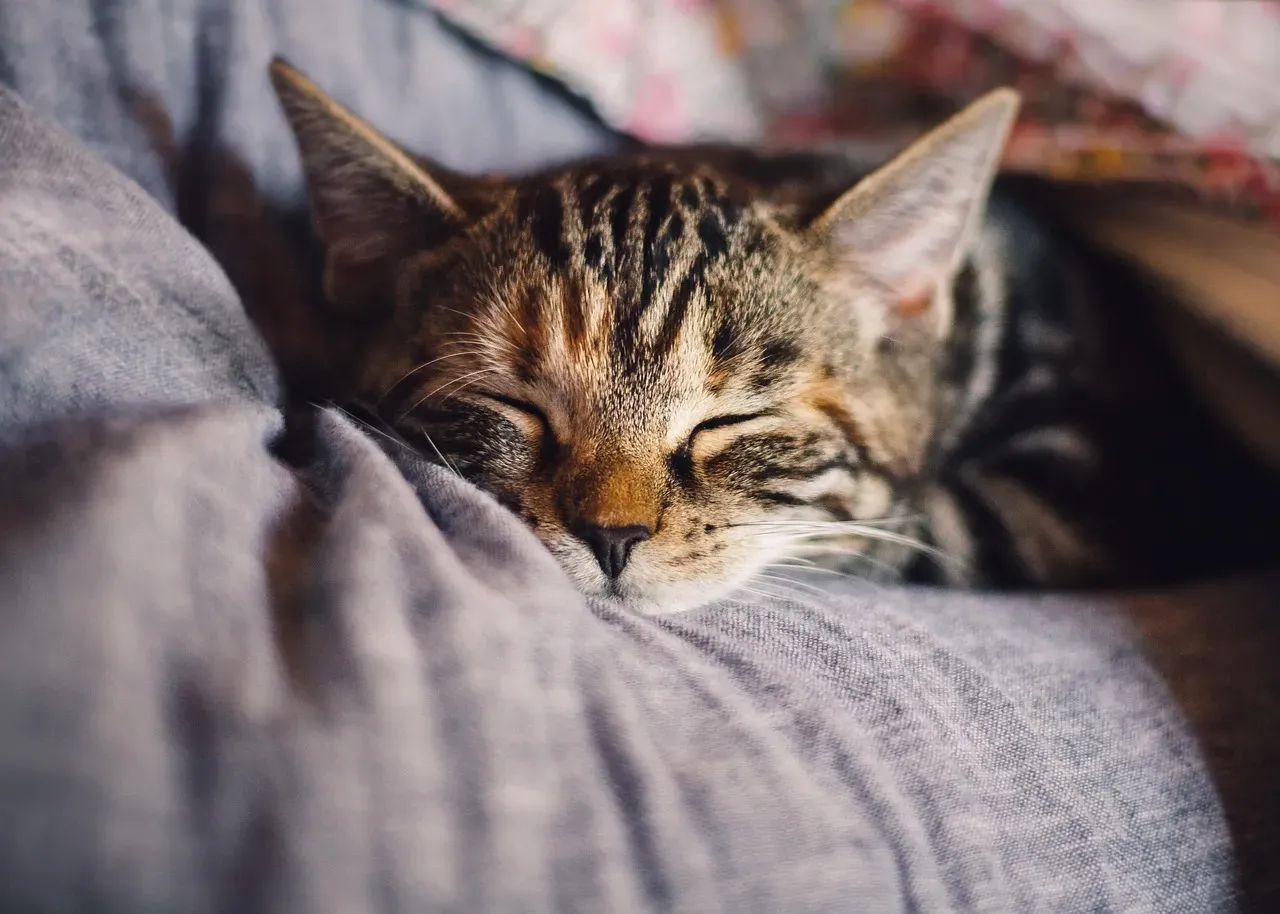
Like most other mammals, cats do dream, as it’s an important phenomenon that helps the brain to process the activities of the day. This isn’t just speculation anymore. Scientists have confirmed through brain activity studies that cats experience the same sleep phases humans do, including that crucial stage where dreams happen.
Dreaming occurs primarily during a stage of sleep known as rapid eye movement (or REM) sleep, when the brain shows activity similar to wakefulness. During this phase, your cat’s brain lights up with electrical patterns that look remarkably like they’re awake and engaged with the world. In the 1960s, scientists confirmed that cats, too, have REM sleep. Cats show low voltage electroencephalogram (EEG) activity with eye movements and while in REM sleep, have atonia, a type of muscle immobility. Scientists believe this is so they don’t hurt themselves and can act out a dream’s content.
The Hunt, The Play, The Chase
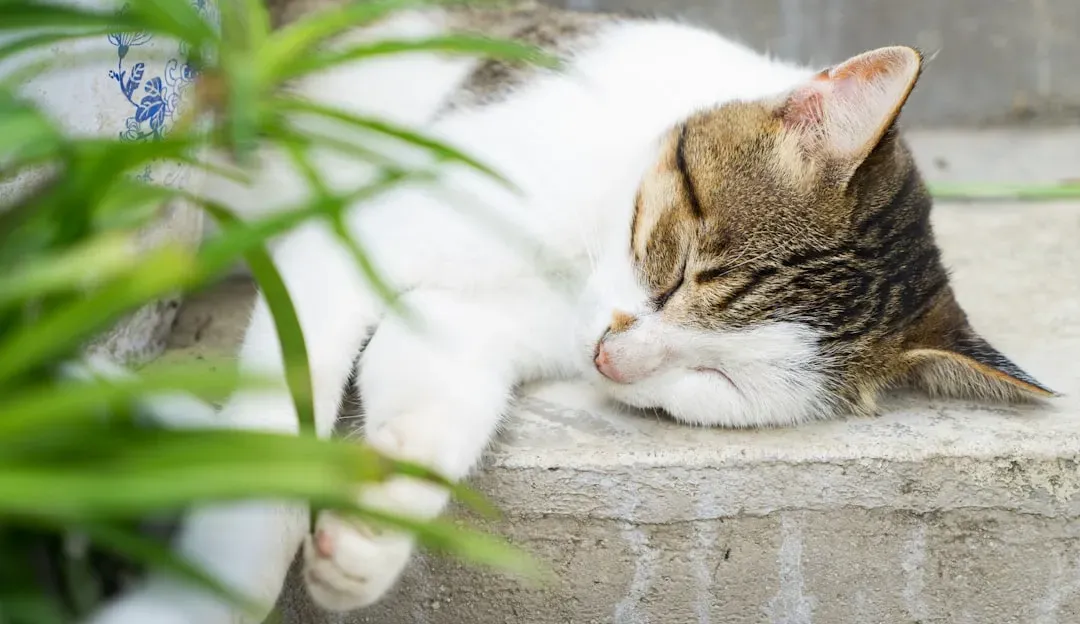
So what exactly is your cat dreaming about when those little paws start twitching? Most mammals use dreams to process the events they’ve experienced, so it’s reasonable to expect that cats relive their daily experiences at night, perhaps with some imaginative additions. Whatever a kitty was interested in during the day likely plays a role in their dreams that night.
In the late 1970s, a neuroscientist tested a theory about which part of the brain prevents the body from acting out what’s happening in a dream. In that study, Michel Jouvet damaged a region called the pons in cats. The cats indeed began moving during REM sleep; in particular, they displayed behavior that scientists interpreted as hunting small prey. This groundbreaking experiment gave researchers a window into the feline dreamscape. It turns out cats spend their sleeping hours practicing their most essential skills: stalking, pouncing, and capturing prey.
Cats also likely dream about activities such as hunting, eating, and playing fun games.
Do You Star in Your Cat’s Dreams?
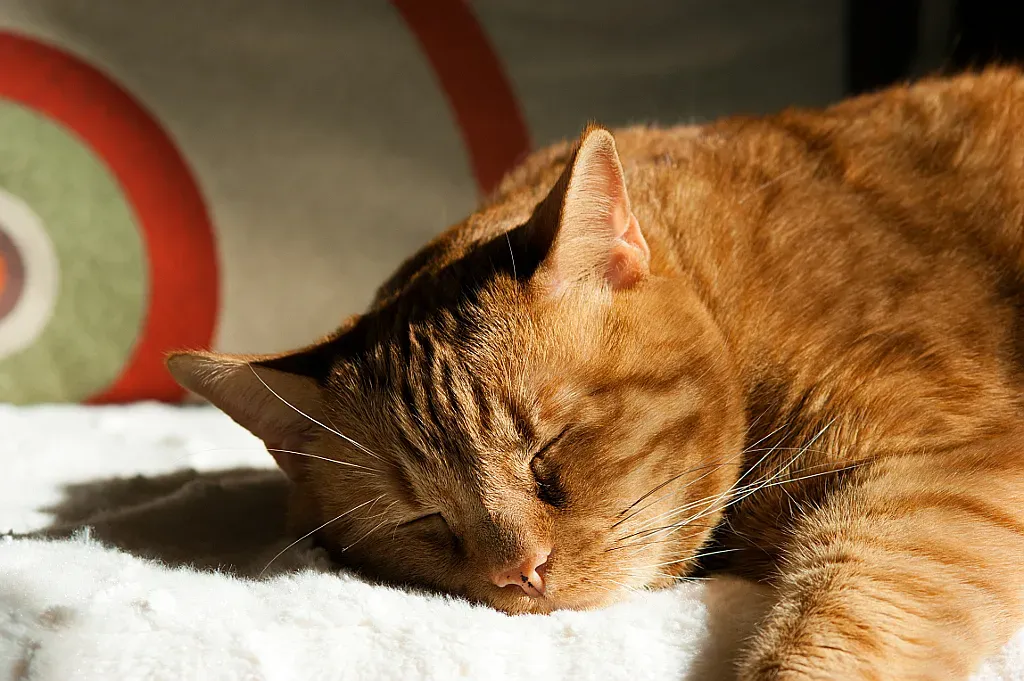
Here’s something that might warm your heart. Cats probably do dream about their pet parents, their kitty friends, and even their enemies. Your feline companion likely replays moments with you while they sleep, though experts believe the attachment might not be quite as intense as what dogs experience.
Cats likely dream about their experiences in their daily lives, and that would include the humans or other animals they live with. That game of chase you played before dinner? The cuddle session on the couch? These moments become part of your cat’s nighttime mental theater. Cats may dream about their feline friends, or even their canine companions. Birds that they see out the window, or other cats in the neighborhood could also enter their dreams.
Dreams Happen in Smell and Sound Too
Let’s be real: your cat’s dreams probably aren’t quite like yours. Because smell is very important for both cats and dogs, their dreams might focus more on odors than ours do. This suggests that dogs and cats may dream in smells.
Think about it. While humans dream in visuals and occasionally sounds, cats might experience entire dreamscapes built from scent trails and acoustic memories. That bird they heard chirping outside this morning? The smell of their favorite treat? These sensory experiences could form the building blocks of their dream world in ways we can barely comprehend. While we can’t know for sure, it’s safe to assume that when cats dream, they do so in color. However, cats don’t see color the same way as we do. Since they are colorblind, cats only see shades of blue, gray, green, and yellow. Given this information, it’s likely cats only dream in variations of those four colors.
The Twitching Tells the Tale
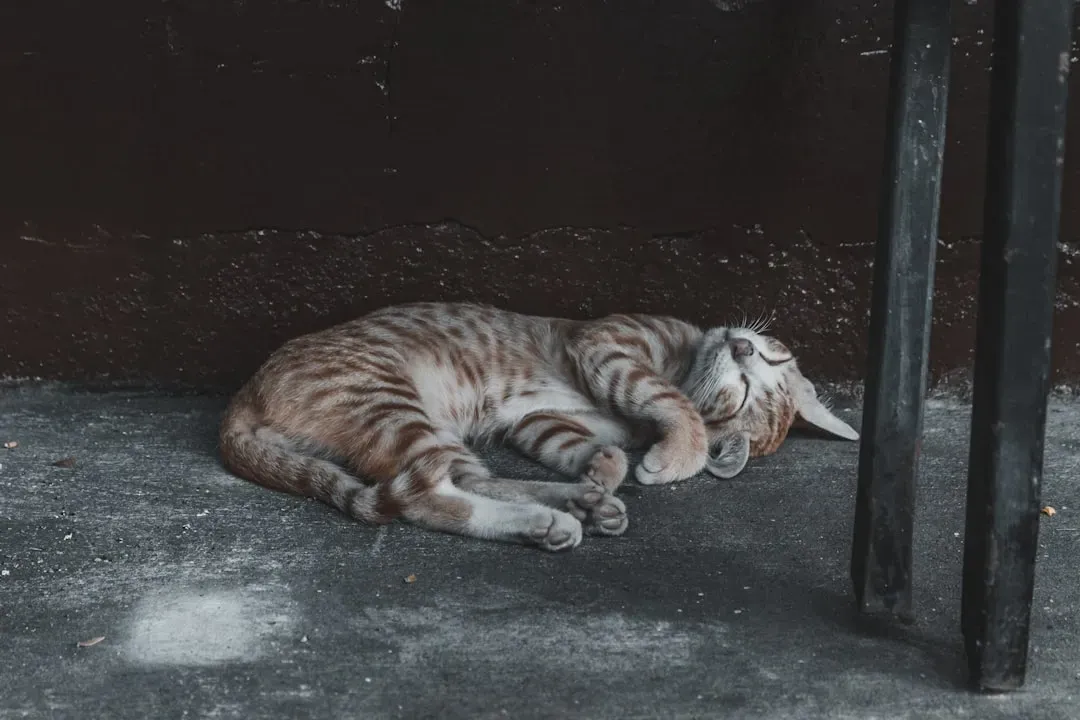
A cat twitching in their sleep is a pretty sure sign that they’re dreaming. Cats are likely acting out part of their dreams, whether they’re chasing a housemate, stalking a bird, or playing laser tag with their pet parent. As the brain replays these vivid activities, cats may move and twitch as they relive the events, resulting in twitches, running motions, and even sounds like purrs and meows.
Pay attention to which body parts are moving. Facial twitching of their cheeks, noses, whiskers, mouths, or eyelids is normal and might mean that they are dreaming. Your cat’s ear twitching in sleep is also a normal behavior. Those little movements aren’t random. They’re physical echoes of the adventures unfolding in your cat’s sleeping mind.
How Much Time Cats Spend in Dreamland
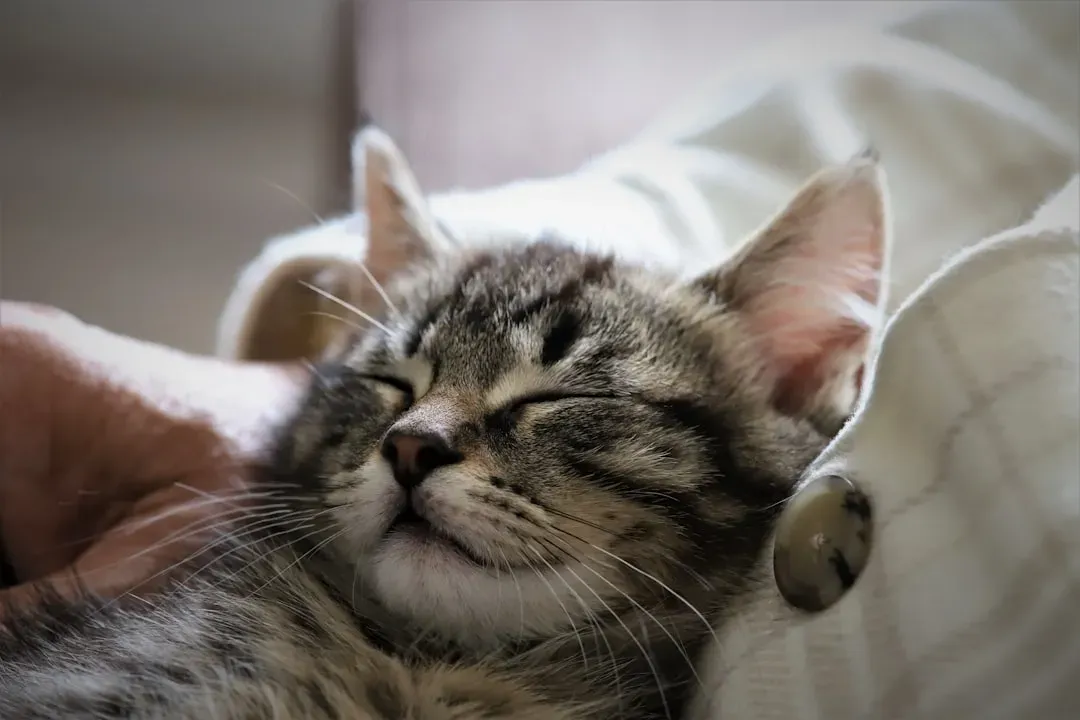
More than half of cats sleep between 12 and 18 hours a day, and nearly 40% of cats sleep more than 18 hours per day. That’s a staggering amount of time spent snoozing. Honestly, it makes sense when you consider their evolutionary design.
This sleep phase lasts an average of 25 minutes. This phase lasts only about five to seven minutes and cats are slow to wake from this deep sleep. Unlike humans who have one long sleep session, cats are polyphasic sleepers. They cycle through multiple short sleep sessions throughout the day and night, each potentially containing its own mini dream sequence. Kittens and senior cats spend more time in REM sleep than adult cats in their prime. Kittens may spend up to 60% of their sleep time in REM state, which neuroscientists believe plays a crucial role in brain development and learning.
When Dreams Turn Dark
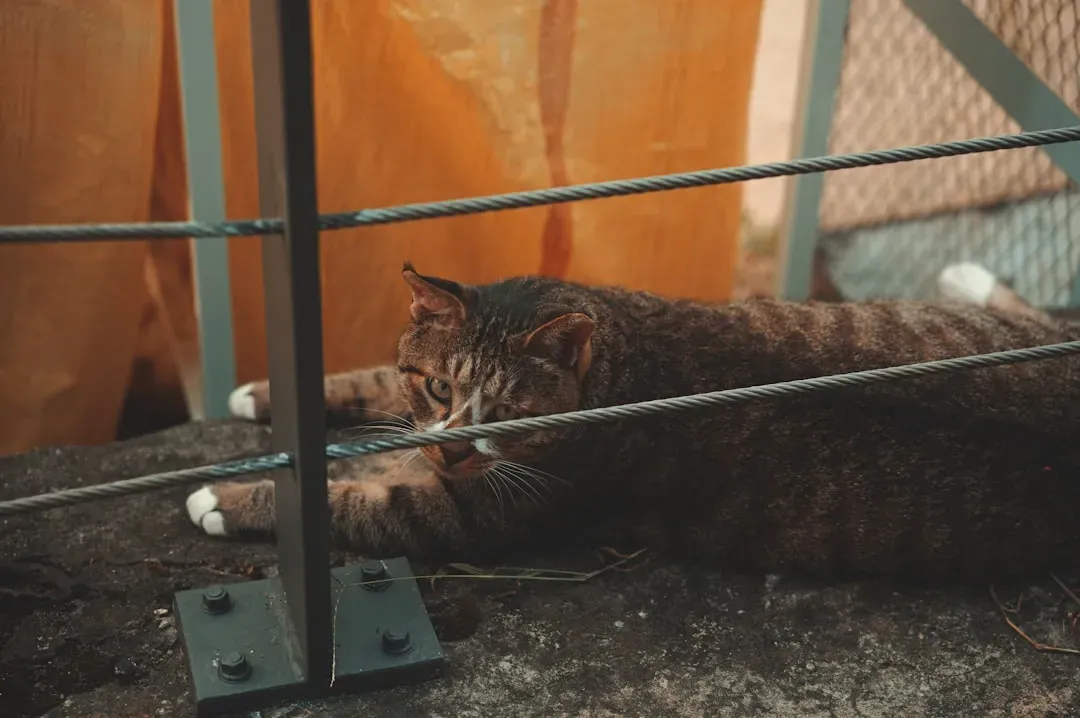
It’s hard to watch, but cats can have nightmares too. If a cat has a particularly frightening experience, such as a fight with another cat, a close call with a car, or a fall off a roof, they might even have nightmares.
Evidence suggests that cats, like humans, may experience the equivalent of nightmares during sleep. Veterinary behaviorists have observed cats suddenly waking from REM sleep displaying signs of distress – dilated pupils, puffed tails, arched backs, and sometimes even hissing or growling. These reactions indicate the cat may have experienced something frightening or threatening in their dream state. Cats with histories of trauma or abuse seem particularly prone to disturbed sleep patterns that could indicate bad dreams. This reveals something profound about feline consciousness: they don’t just experience the world, they emotionally process it during sleep.
Why Cats Dream at All
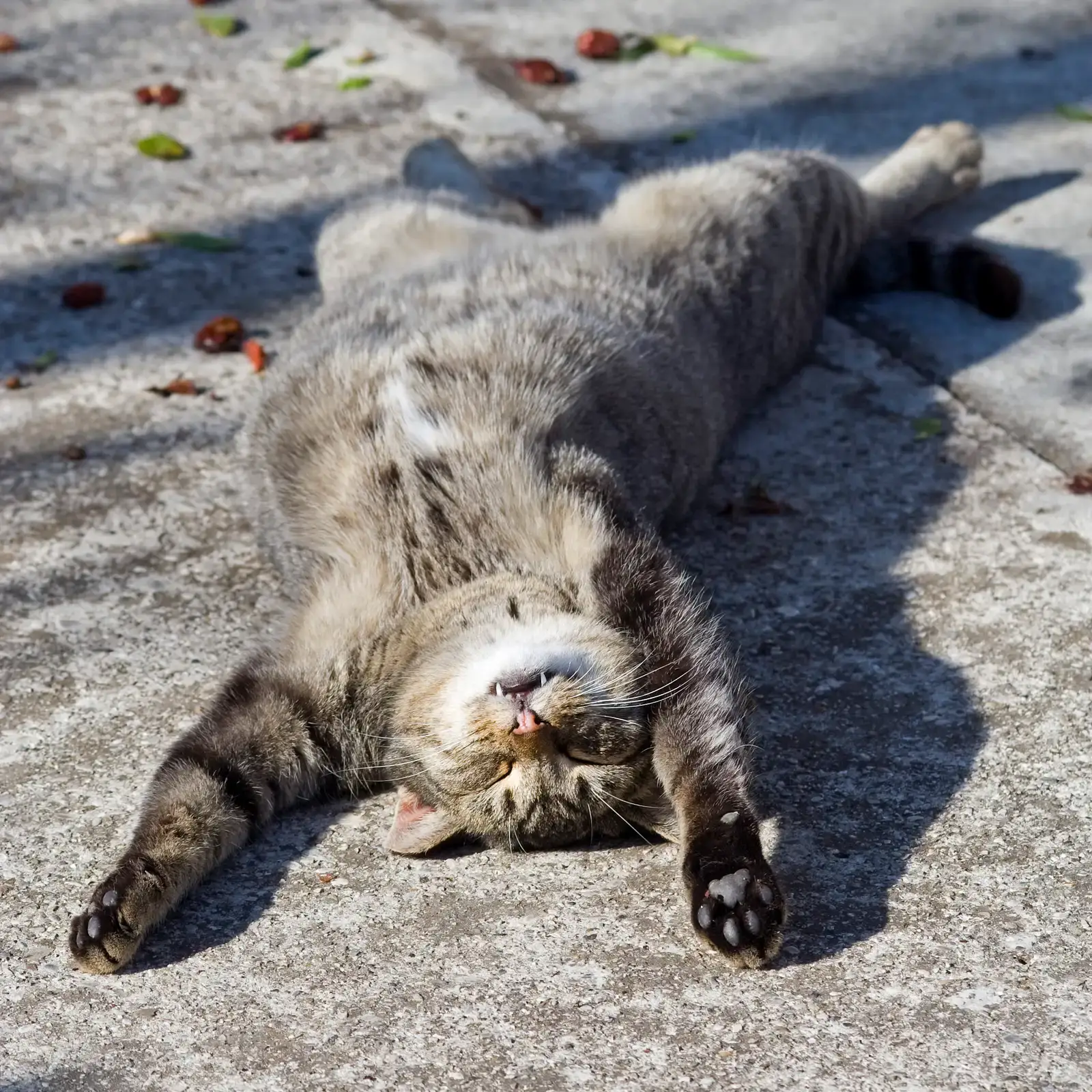
Although the specifics of a cat’s dreams are unknown, it’s likely that their brain is reviewing the day’s activities, consolidating memories, and processing various experiences. Dreaming helps to reinforce learning, retain memories, and even serve as a form of enrichment.
Dreaming serves several important functions for cats. Firstly, it allows them to mentally rehearse and consolidate their experiences. By replaying their daily activities in their dreams, cats can reinforce learning and memory retention. Think of it as mental practice. Your cat is essentially running simulations in their sleep, preparing for future encounters and solidifying the skills they need to thrive. Additionally, dreaming provides a form of mental stimulation and entertainment for cats during their sleep. It adds an extra layer of enrichment to their lives, allowing them to engage in imaginary play and exploration.
The Science Behind Feline Sleep Cycles
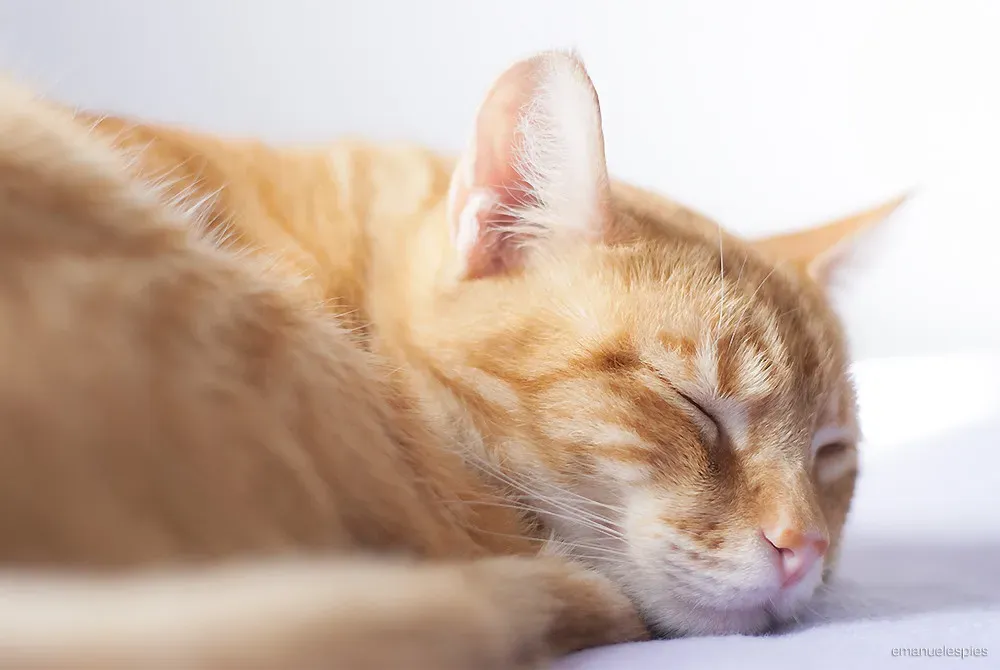
While awake, a cat’s brain activity is displayed as clusters of sharp, irregular peaks on an EEG graph. As a cat slips into a light, slow-wave, nonREM sleep, the waves become long and irregular. Cats don’t immediately plunge into deep REM sleep when they doze off. Instead, they ease into it gradually.
Cats go through a period of alertness and activity before becoming drowsy and then falling into NREM sleep. During this NREM stage, your cat may be lightly asleep and ready to awake at a moment’s notice. After NREM sleep, the cat may become alert again and cycle through alertness, drowsiness, and NREM sleep a few times. Eventually in the cycle, they transition from NREM to REM sleep. This explains why your cat seems to snap awake so easily sometimes – they’re designed to remain somewhat vigilant even while resting. For the first month of life, kittens fall straight into the deep REM sleep state.
What Dream Research Reveals About Cat Consciousness
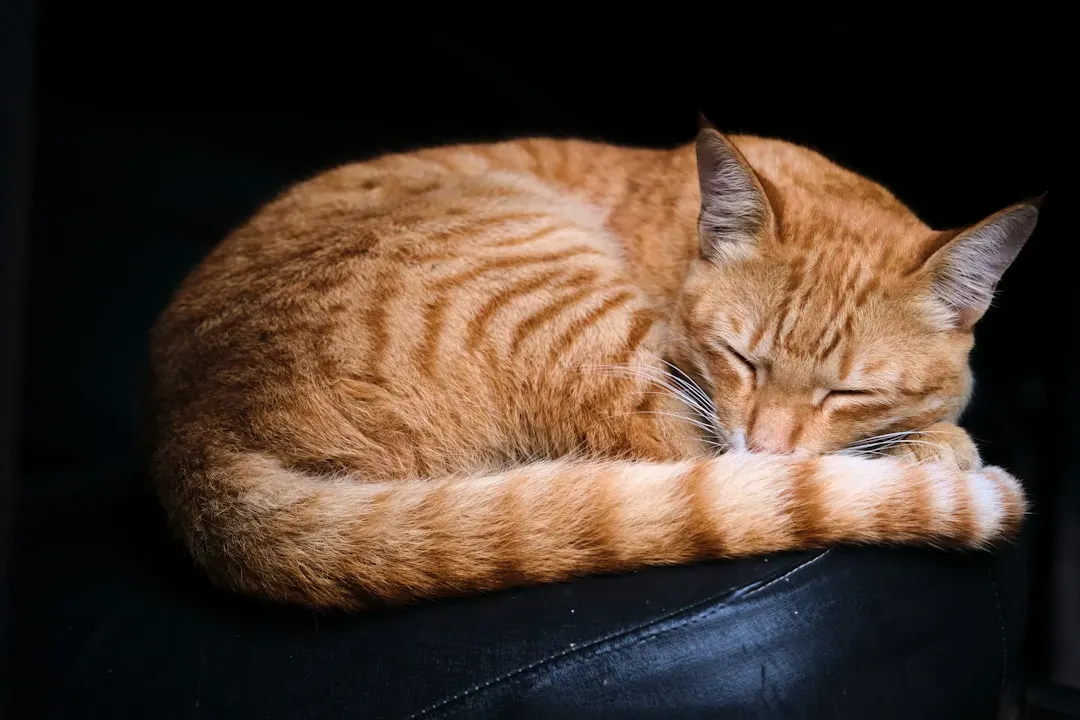
The fact that cats dream tells us something important: they have rich inner lives. Cats, just like people, have a rich dream life. And it’s filled with everything that makes them who they are, including their instincts, their memories, and even a little bit of their unique personality.
Studies suggest cats likely dream about the things that matter most to them. When researchers studied cats during REM sleep, they found that cats sometimes acted out their dreams when a certain brain pathway was disrupted. The sleeping cats would crouch, stalk, pounce, and even bat the air as if chasing something invisible. This research doesn’t just show that cats dream; it demonstrates that they possess sophisticated mental representations of their world. They can imagine scenarios, replay experiences, and potentially even plan future actions.
Conclusion: A Window Into the Feline Mind
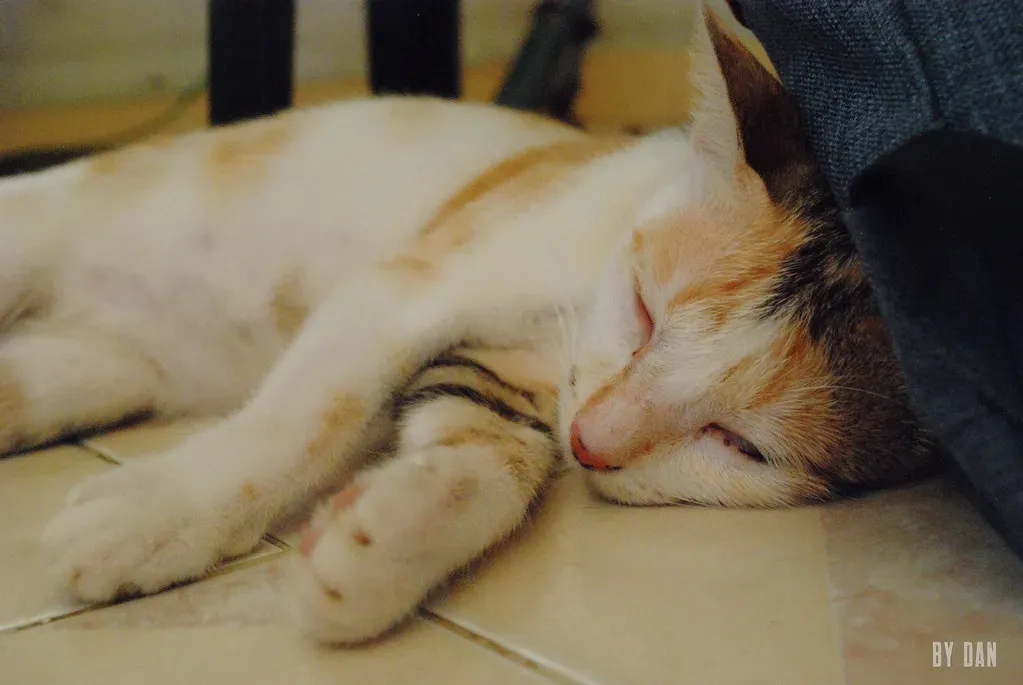
The secret world of cat dreams offers us something extraordinary: a glimpse into what it’s like to be a cat. When your feline friend twitches and murmurs in their sleep, they’re not just resting. They’re processing their day, rehearsing their hunting skills, reliving their favorite moments with you, and sometimes confronting their fears.
Cats dream about the very things that make them who they are, such as hunting, playing, exploring, and even bad memories or events from hard times. Their dreams are windows into their deep instincts, their history, and their love for the world (and people) around them. Next time you spot your cat in the midst of a dream, you’ll know they’re somewhere in that mysterious landscape between consciousness and sleep, living out adventures we can only imagine. What do you think your cat dreams about most? Share your observations in the comments.