8 Common Human Habits That Confuse Your Cat (and How to Stop)
You love your cat. Yet despite your best intentions, some of the everyday things you do might be sending mixed signals to your feline friend. Cats see the world differently than we do, and what seems perfectly normal to you could be utterly baffling to them.
From the way you pet them to how you react when they scratch the furniture, your actions might be creating confusion instead of clarity. The good news? Once you understand what's tripping up your cat, you can adjust your approach and build a stronger, more trusting relationship. Let's explore the habits that leave your cat scratching their head and discover practical solutions to bridge this communication gap.
Inconsistent Boundaries About Where They're Allowed

One day you let your cat sleep on the bed, and the next day you don't allow them to. Sound familiar? This flip-flopping creates genuine confusion for your feline companion. Cats best respond to routine and distinct instructions. However, as cat owners, we tend to send out confusing signals that stress the cat out at times.
Your cat doesn't understand that you washed the sheets today or that you're feeling territorial about your space after a long day. It can be quite confusing for the feline companions when they are not able to predict the trends of your behavior, and as expected this adds into the stress levels. They may also be caused to avoid certain behaviors completely or be overly anxious at other times not clearly sure what is required from them. Pick your rules and stick with them. If the bedroom is off limits, keep it that way every single day. Consistency isn't just helpful for cats; it's essential for their sense of security.
Overstimulating Them With Too Much Petting
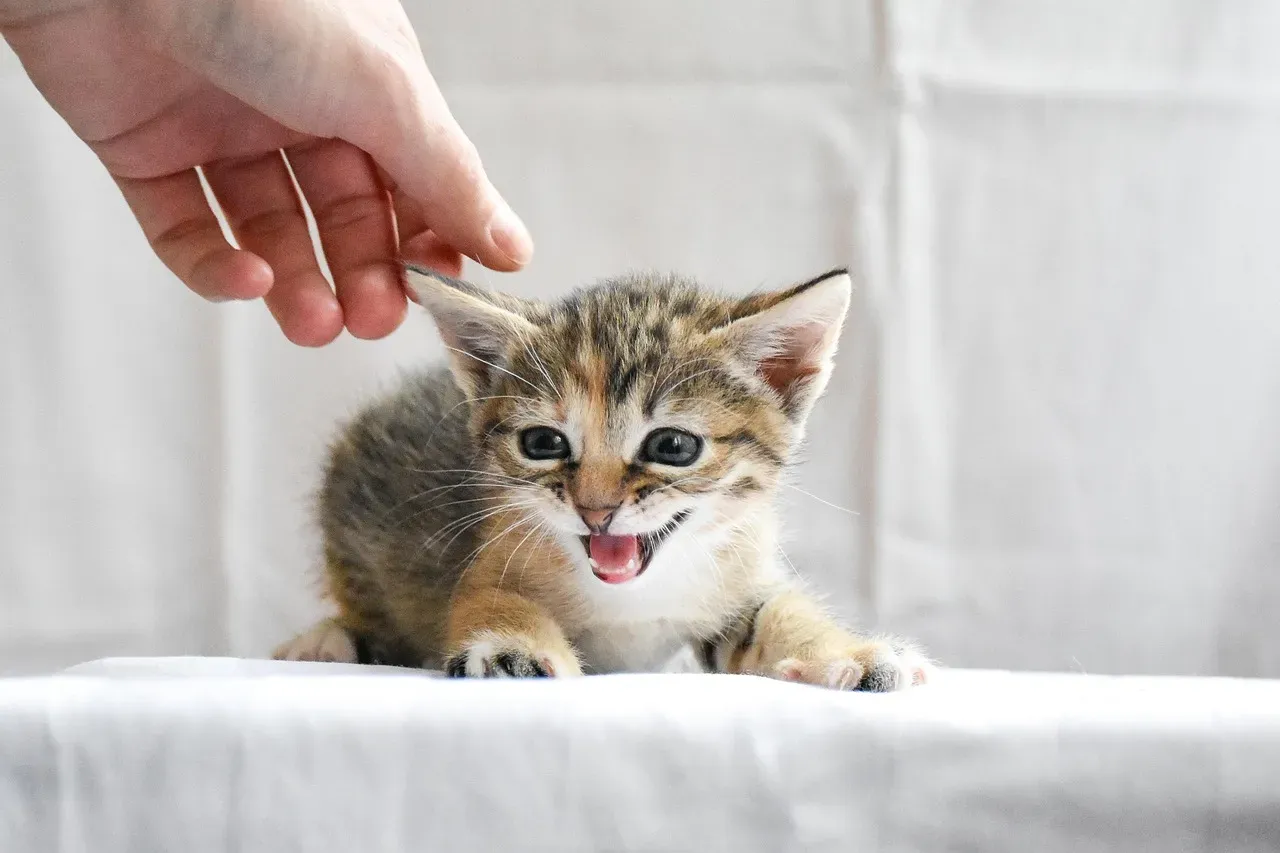
You're enjoying a peaceful cuddle session with your cat when suddenly, out of nowhere, they bite or scratch you. What happened? Often it means that they don't like the way you're petting them. Cats can easily become overstimulated from repetitive petting.
Think of it like someone repeatedly tapping your shoulder. At first it's fine, but after a while, it becomes irritating. Petting-induced aggression can be shown when a cat is overstimulated from too much petting or is being petted against their will. Watch your cat's body language closely. If that tail begins wagging faster and more aggressively, almost like a thrash, then that means the cat is getting irritated and you should stop petting. Learning to read these subtle signals will save you from those unexpected nips and help your cat feel more respected.
Staring Directly Into Their Eyes
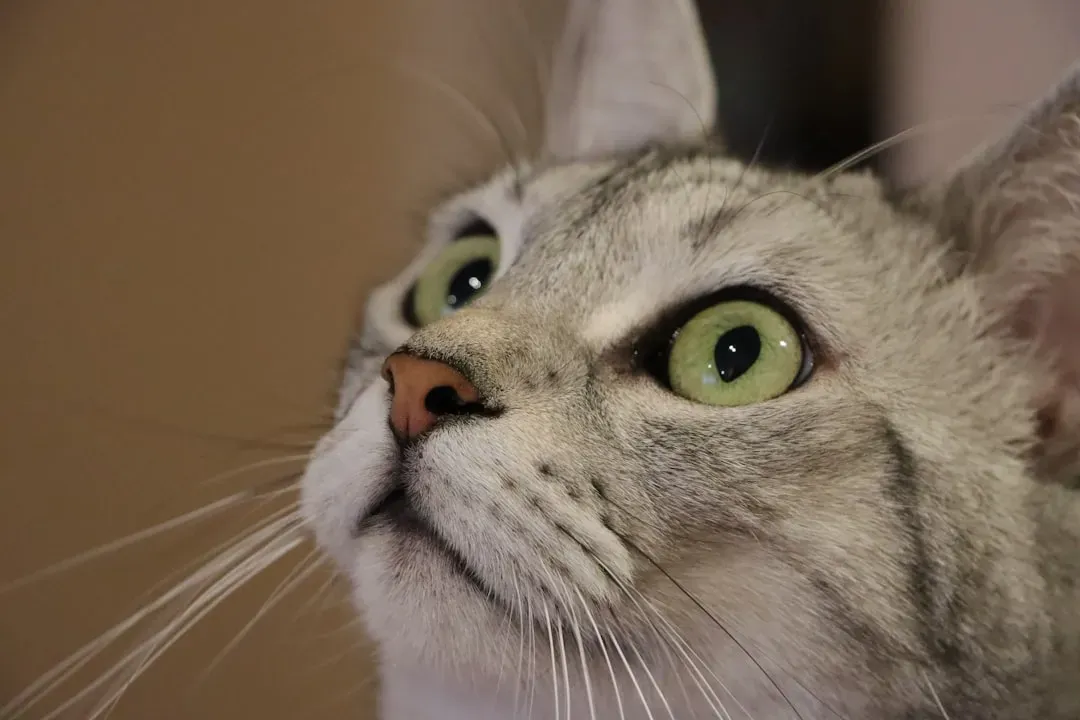
You might think locking eyes with your cat shows affection or attention, but here's the thing: It is advised to not look at your cat directly in the eyes. As with any animal, cats see this is an act of aggression in preparation for a fight. In the feline world, prolonged direct eye contact is a challenge, not a greeting.
Instead, try the slow blink. Behaviorist call this act "kitty kisses." These slow blinks are your feline's way of showing affection and telling you that they like and trust you. When you softly close your eyes and slowly open them while looking at your cat, you're speaking their language of love and trust. Cats use some forms of synchronized non-verbal communication with human owners, such as slow blink-matching, wherein a cat opens and closes its eyes repeatedly in a series of slow blinks more frequently when their owners blink at them. It's a simple shift that can transform your connection.
Forcing Physical Affection When They're Not In The Mood
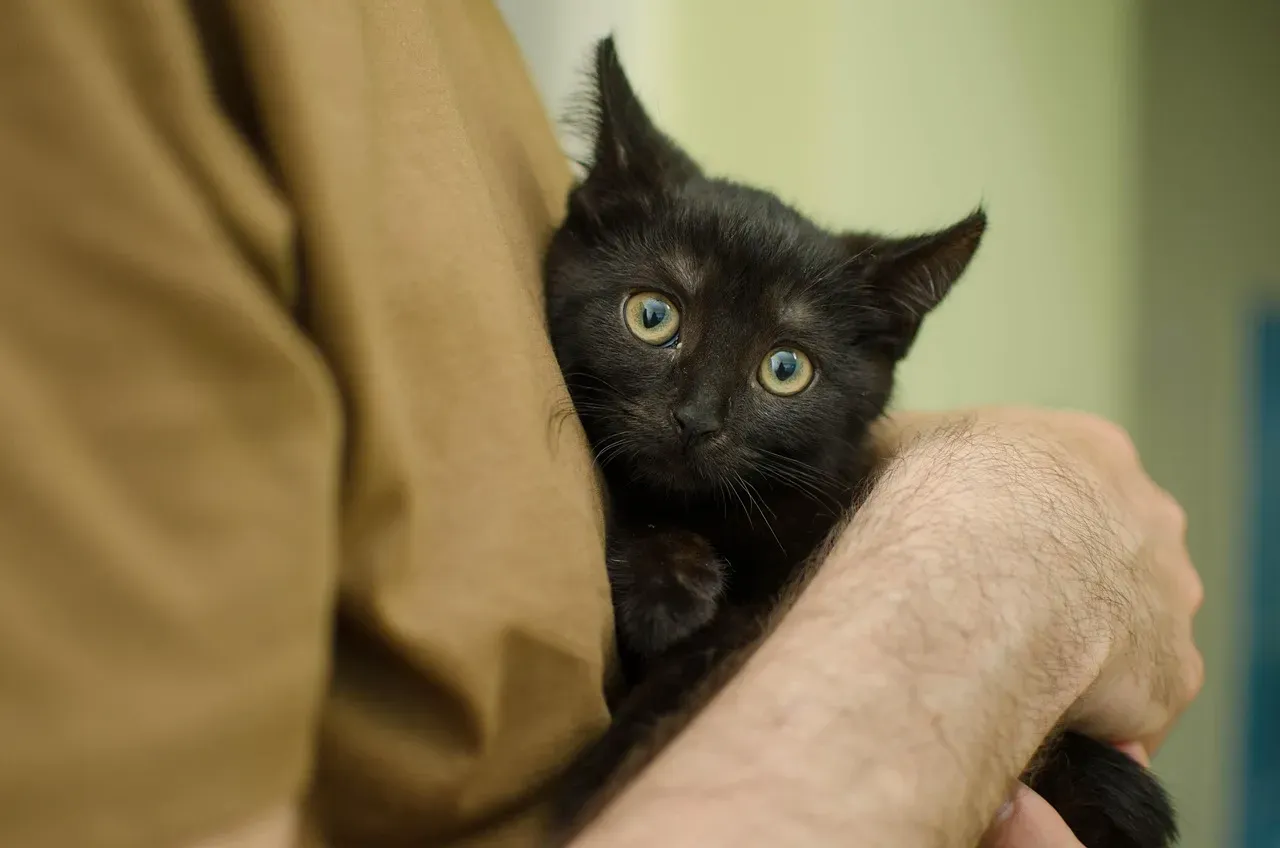
We humans often assume that our pets enjoy the same types of interaction we do. For example, most cats (and dogs) do not enjoy being hugged, and when our pets try to get away, we often have a tendency to try even harder to hug them. This habit can seriously damage your cat's trust in you.
Cats are not small dogs. They show affection differently. The way they're showing they're attached is very different from dogs. Dogs make a lot of prolonged physical contact, whereas cats may stay close to the person they like, but they don't necessarily engage. If your cat is sitting across the room from you, they're still choosing to be near you. That's their version of closeness. If a cat is in the same room as you but not directly interacting, you shouldn't assume that they don't like you or or ignoring you. Cats don't always crave physical closeness the way dogs do. If your feline friend is sitting on the other end of the couch with you, they're choosing to hang out because they like you. Respect their boundaries, and they'll come to you when they're ready for contact.
Using Their Name Only When They're In Trouble

Avoid saying negative things along with their name. For example, if you say "No, Fluffy! Stop! Fluffy, get off the counter!" This will confuse them! It is best for your cat to associate their name with happy and calm words. This mistake is more common than you might think.
When you constantly pair your cat's name with scolding or corrections, they start to associate the sound of their name with something unpleasant. Eventually, they might stop responding altogether or become anxious when you call them. Use their name for positive interactions like feeding time, play sessions, and gentle conversation. For corrections, use a simple "no" or "eh-eh" sound instead. Your cat will learn to love hearing their name rather than dreading it.
Punishing Natural Behaviors Like Scratching
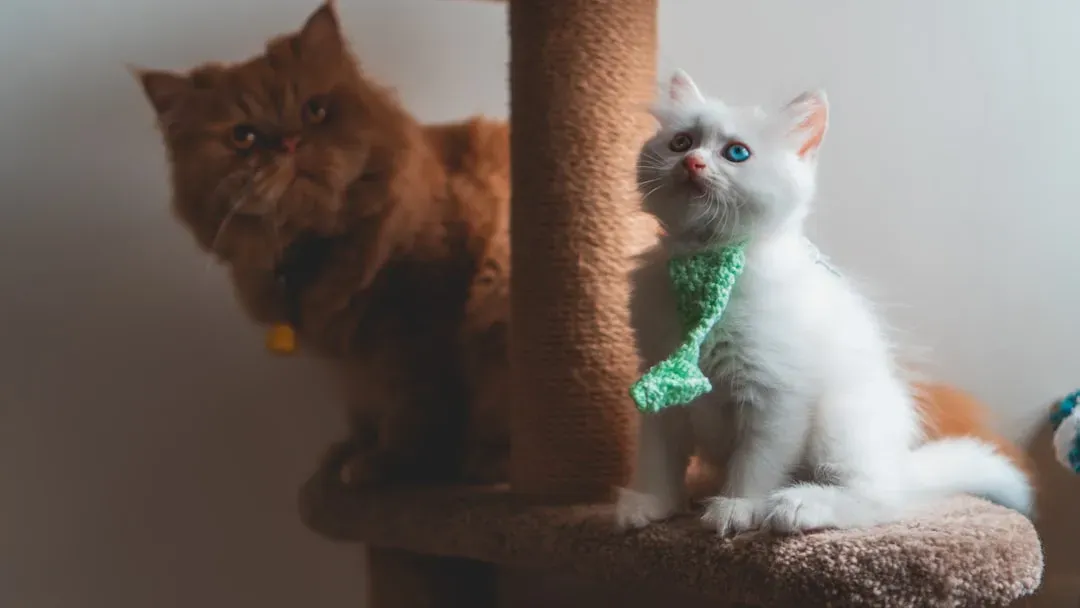
Scolding them for scratching the couch after hitherto talking to them like a baby. This confusing response leaves your cat bewildered about what they did wrong. Scratching isn't misbehavior; it's a biological necessity for cats.
Squirting a cat with water because the cat is doing something you dislike, such as digging up your houseplants, only serves to make the cat wary of you, and does not really stop the behavior. Cats would love it if their guardians would take a tip from the dog training world; focus on providing cats with more enrichment that meets their needs and rewarding them positively for appropriate behaviors. Instead of punishment, redirect the behavior. Place attractive scratching posts near the furniture they target and reward them enthusiastically when they use the post. Buy a scratching mat or an item that these cats can use to scratch when they have the impulse of doing so. This is often placed near the furniture the cats scratch and then the use of catnip or toys to entice them to use the post. When they do use the post, they should be praised in order to make this more of a habitual behavior.
Dragging Them Out Of Hiding Places
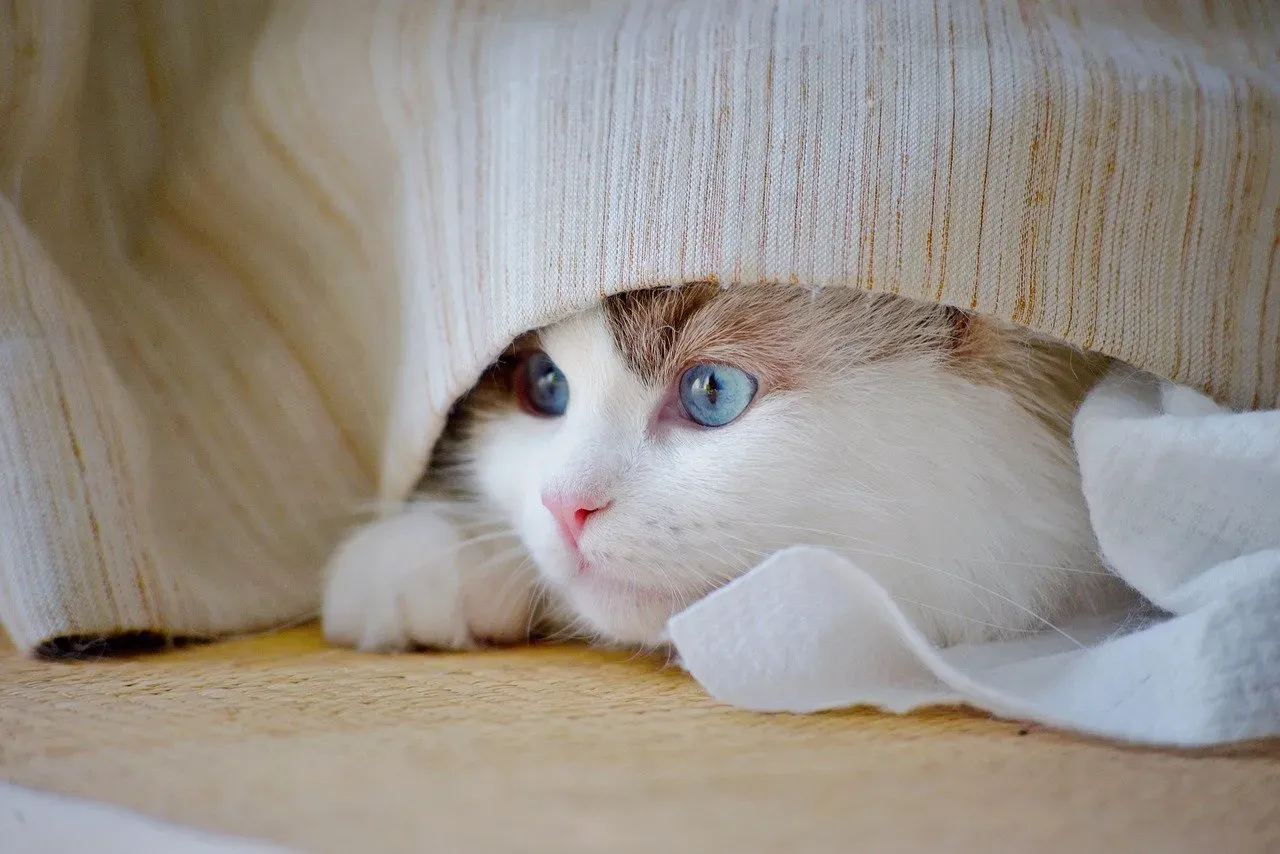
When your cat tucks themselves into a box, under the bed, or behind the couch, your instinct might be to coax them out. Especially when guests arrive or during stressful situations. Humans can also misinterpret a cat's hiding behavior and attempt to force the cat out to deal with the situation that is making her stressed (also known as flooding). Cats do not find this to be a positive way to build trust and handle stress.
Cats are known for being independent, and one of their key needs involves allowing your cat to hide if she feels stressed, as well as giving your cat places to move vertically. If a cat doesn't have these options, she can react negatively to unpleasant events such as loud noises or strangers in the house. Your cat's hiding spot is their safe zone. When you respect it, you're respecting their need to self-regulate their stress. Let them come out on their own terms. Provide multiple hiding options throughout your home so they always have somewhere to retreat when the world feels overwhelming.
Approaching Them Without Warning Or Preparation
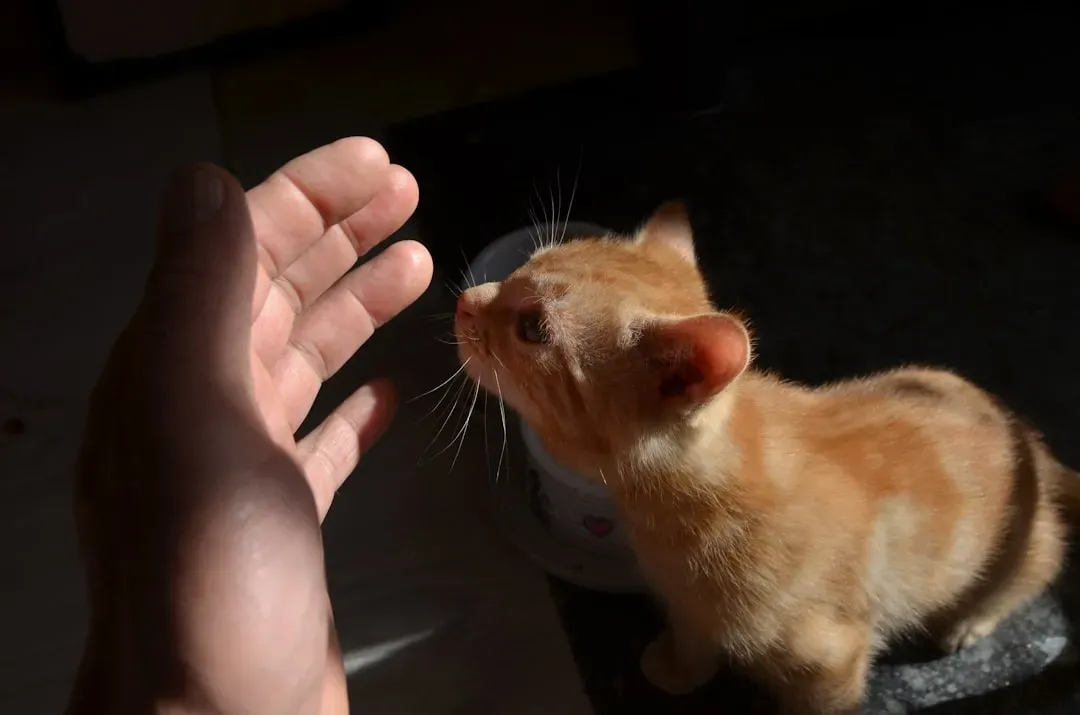
Adults tend to speak to a cat before interacting, giving it an opportunity to approach or move away according to its mood, whereas children tend to skip this part and often approach a cat directly, which can be met with mixed reactions, depending on the cat's personality and its previous experience. Even as adults, we sometimes make this mistake when we're in a hurry.
Cats appreciate the chance to assess situations before committing to interaction. When you suddenly reach down to grab your cat without any verbal or visual cue, you might startle them or catch them when they're not in a social mood. Try announcing your presence softly, offering your hand at their level for them to sniff, and waiting for them to lean into you or walk toward you. This simple courtesy gives your cat agency and control over the interaction. They'll trust you more when they know you won't ambush them with unexpected contact, and your relationship will deepen as a result.
Conclusion: Speaking Your Cat's Language Takes Practice
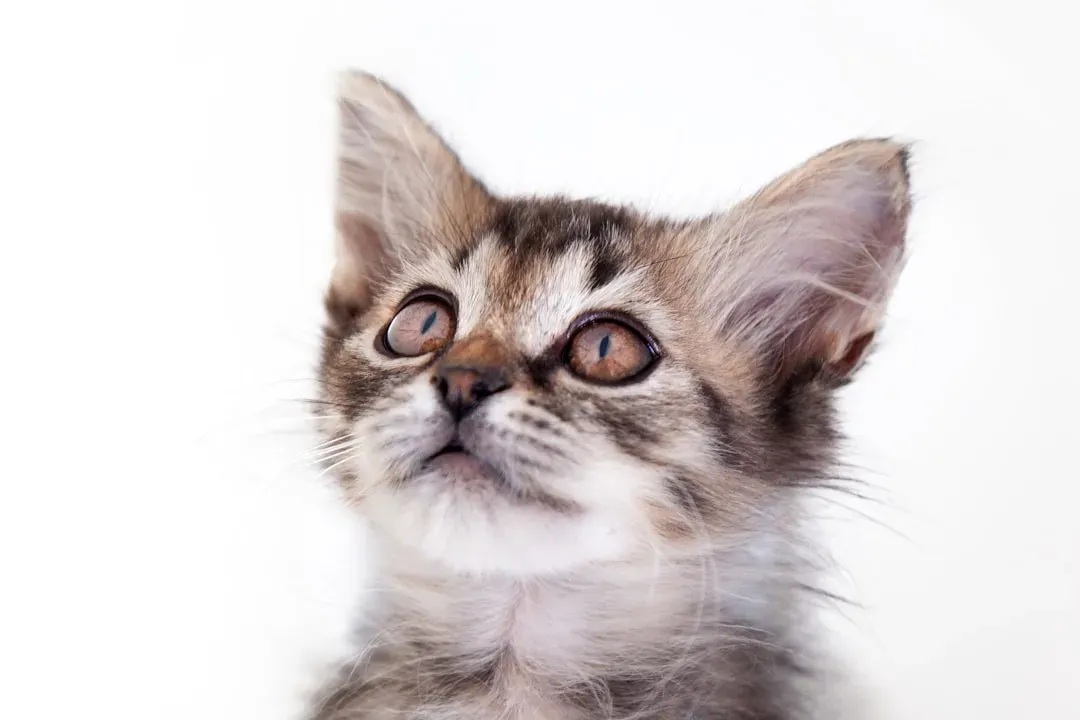
Understanding your cat isn't about mind reading; it's about paying attention and being willing to adjust your habits. Cats being mammals, it is easy for owners to presume that the world that they themselves perceive is identical to their cat's. The biological reality is that subjective impressions of their surroundings differ between our two species at three levels. Were more owners to fully comprehend these differences, and react appropriately, many problem behaviours might not escalate to the point of requiring veterinary intervention.
The changes you need to make are small but powerful. Stay consistent with your rules, watch for signs of overstimulation, respect their personal space, and let them approach life at their own pace. When you stop confusing your cat with mixed messages and contradictory behaviors, you'll notice something wonderful happening. Your cat will relax around you, seek you out more often, and respond with genuine affection. What do you think is the hardest habit to break when it comes to interacting with cats? Have you noticed your own cat getting confused by something you do?