You’ve probably heard that your cat’s tail helps with balance. True enough. Yet if that’s all you think it does, you’re missing out on one of the most sophisticated communication systems in the animal kingdom. That furry appendage swishing behind your feline friend is broadcasting messages constantly, revealing emotions and intentions you might never have suspected. Understanding this silent language can transform your relationship with your cat from guesswork into genuine connection.
Think of your cat’s tail as a living, breathing emotional telegraph. Every position, every movement, every subtle twitch tells a story. Ready to decode what your kitty is really saying?
The Straight-Up Signal: Confidence Is Calling
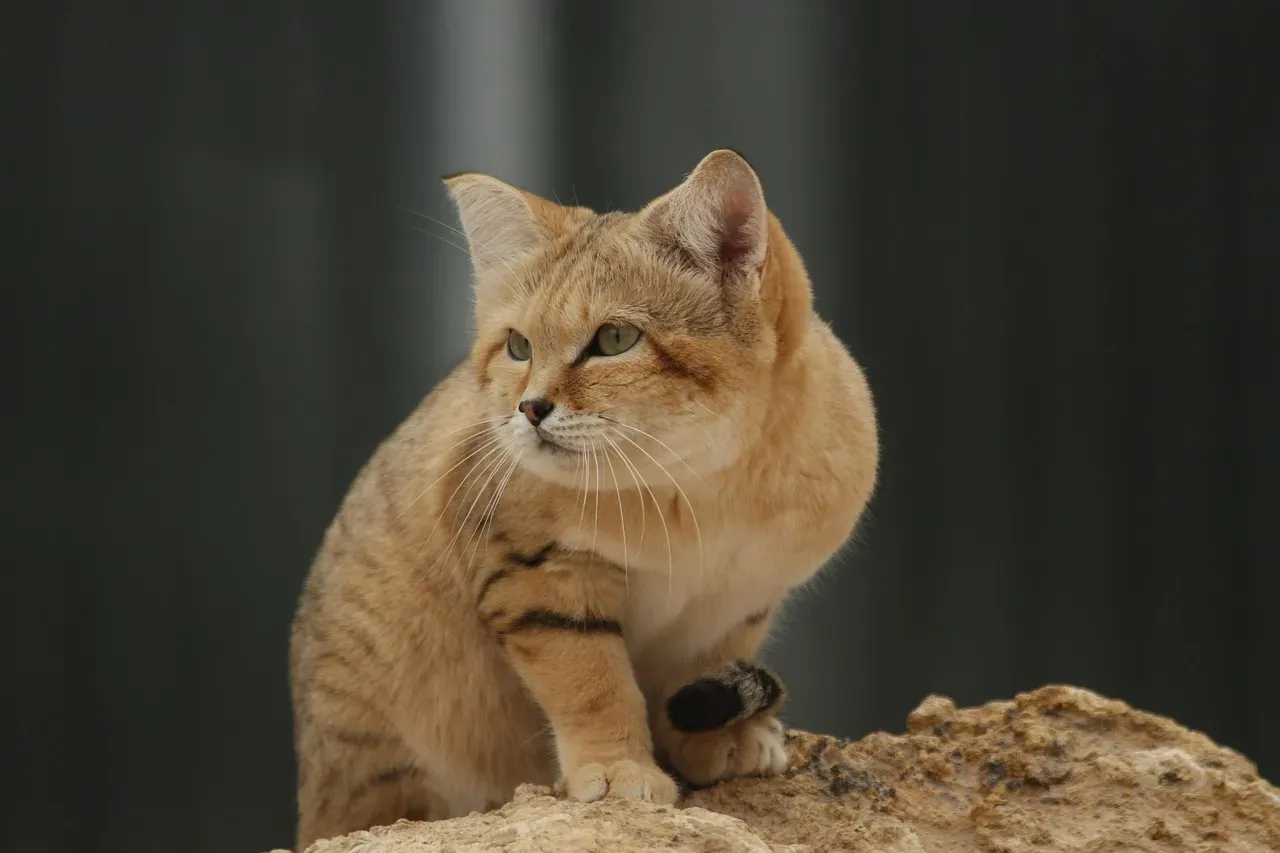
When a cat’s tail is upright, they are feeling social and confident, and are approaching in a friendly manner. Picture this: your cat strolls into the room with their tail held high like a flagpole. That’s not arrogance. This cat tail language indicates a friendly greeting between cats, and it’s how kittens greet their mothers.
You’re witnessing the feline equivalent of someone walking up to you with a huge grin. A vertical tail can be a sign of a friendly greeting; if the tail is quivering it can show the cat is excited to see you, or is using scent marking behaviour. Here’s the thing: when you see that tail pointing skyward, your cat is basically rolling out the welcome mat. This is prime time for interaction, whether that’s gentle petting or engaging playtime.
The Question Mark Curve: Your Cat’s Invitation to Play
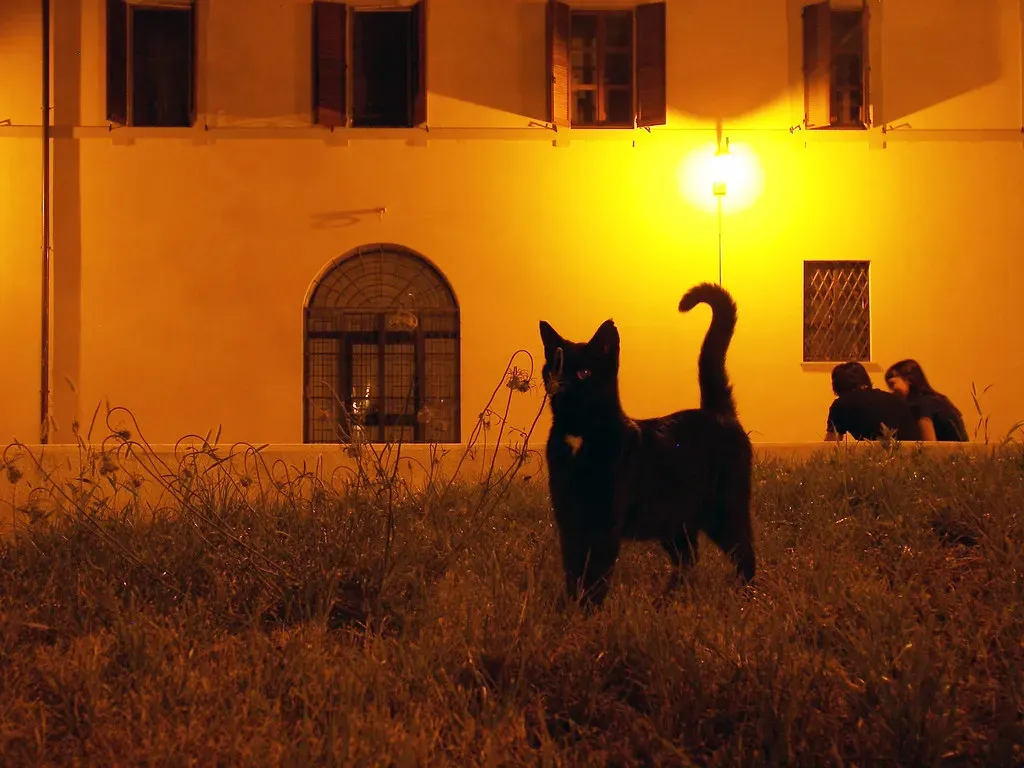
Sometimes you’ll notice your cat’s tail standing upright with a gentle curl at the tip, forming what looks like a question mark. A tail held high with a “question mark” curve at the tip is friendly and usually in a good mood. This isn’t your cat being confused about anything. It’s quite the opposite, actually.
This cat tail language indicates that your cat is happy and approaching amicably. When your cat’s tail is in this position, it means it’s an invitation to interact with your cat. Think of it as your cat asking if you’d like to hang out. The answer should probably be yes. Grab that feather toy or simply offer some affection, because your cat is signaling they’re ready for quality time together.
The Slow Swish: Focus Mode Activated
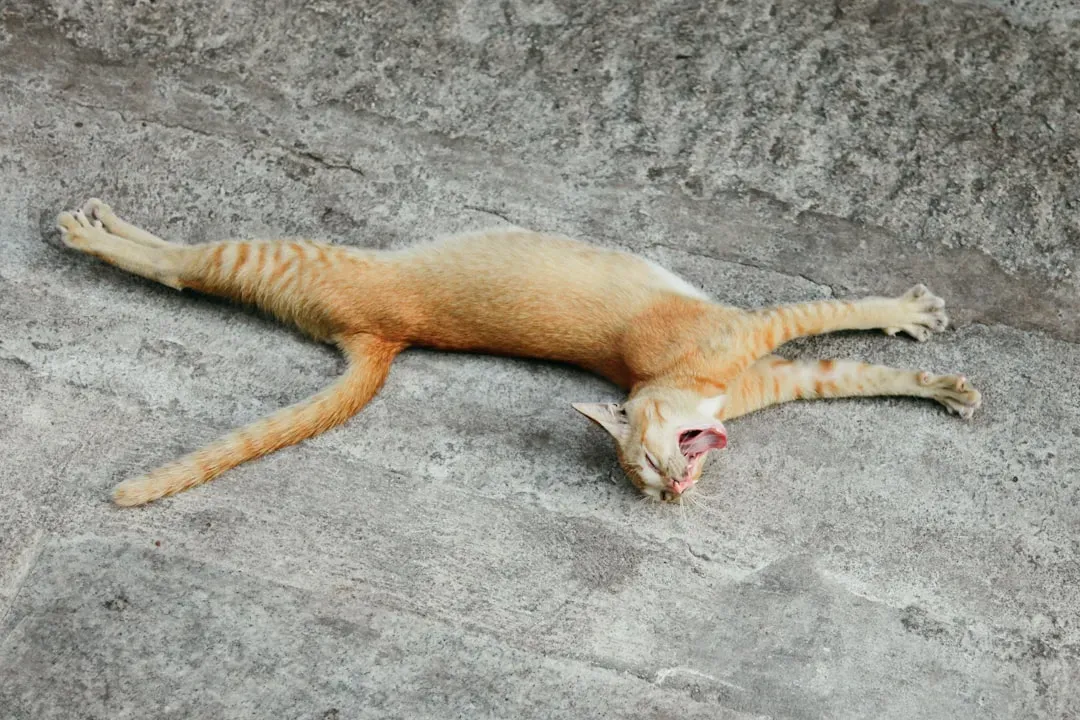
Watch your cat when they’re staring intently out the window at a bird. When your cat swings its tail side to side, tail wagging can mean your kitty is curious. He may be focused on something, like a squirrel or toy. If you see him take a crouched position, he may be about to pounce.
This isn’t irritation yet. It’s pure concentration. This tail movement does, in fact, mean a cat is in the zone and has zeroed all their attention on a target of interest but is likely feeling playful. Your cat has activated hunting mode, whether the target is an actual creature or just a dangling string. Let’s be real: this is one of the most entertaining things to observe. The slow, deliberate sway signals that wheels are turning in that feline brain, calculations being made about distance and timing.
The Thrashing Whip: Back Off Now
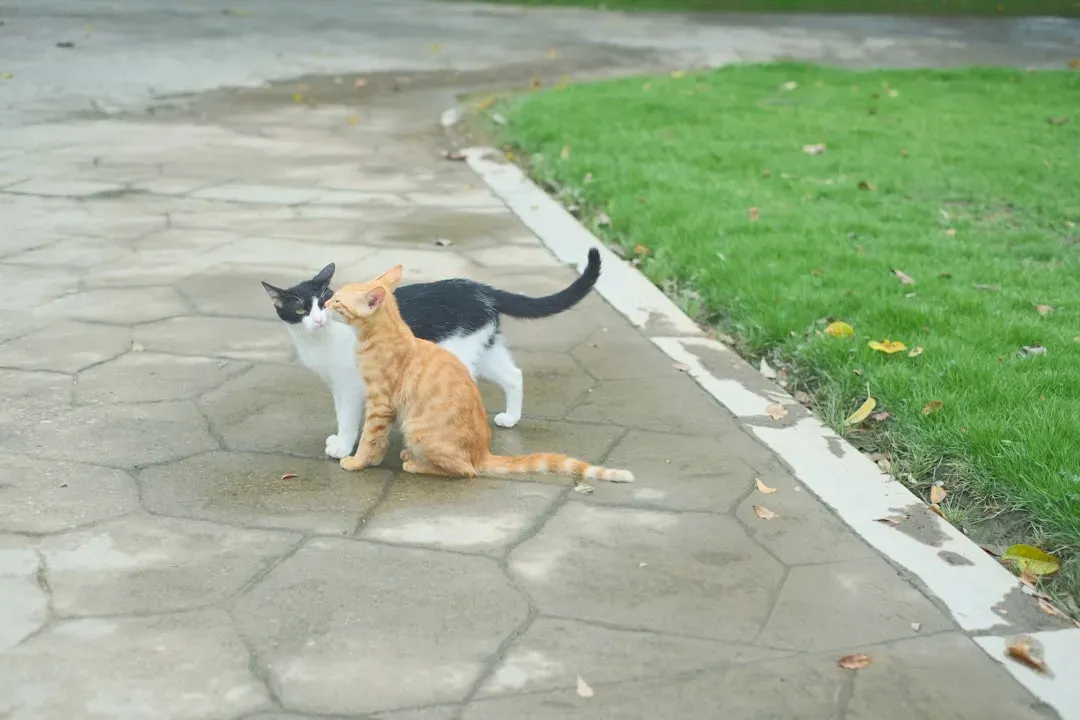
When your cat thrashes their tail or is thumping it on the ground, they are irritated, annoyed, or angry. This is the polar opposite of that friendly upright tail. If you see rapid, forceful movements – the tail essentially lashing like a whip – you need to read the room immediately.
Whipping or lashing of the tail is a sign that at cat is angry, and that they may take a sudden, strong action in the near future. I know it sounds crazy, but your sweet kitty can flip from cuddly to cranky in seconds. Maybe you’ve been petting them for too long. Perhaps another pet invaded their space. Whatever the cause, that thrashing tail is your final warning before claws come out. Give your cat space, and give it now.
The Puffed-Up Pipe Cleaner: Fear Has Arrived
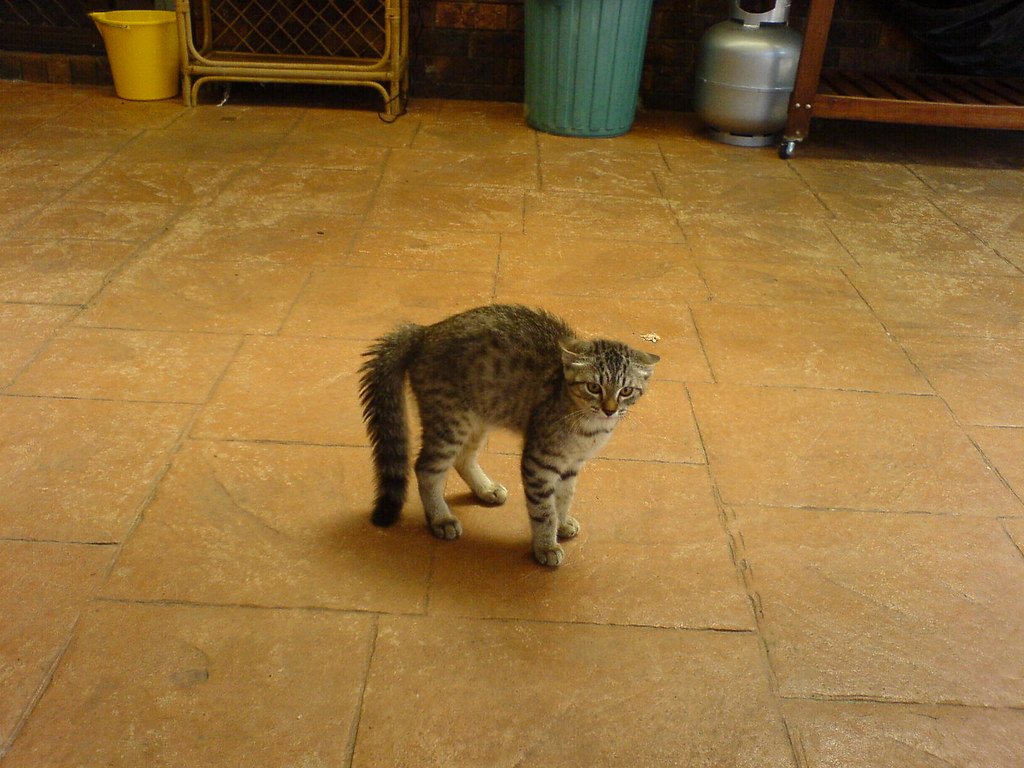
A puffed-out tail, often two or three times the size of a normal one, is either a sign of a very excited cat or one that is scared and ready for a fight. A feline may also have hair raised on their back to make them appear larger and a more formidable opponent. This dramatic display, often paired with an arched back, is pure Halloween cat aesthetic.
Your cat is terrified and trying to look bigger and more threatening than they actually are. If your cat assumes the quintessential Halloween-cat posture with a puffed tail and arched back, then they are startled or frightened by a sudden, severe threat. This could be triggered by a sudden loud noise, an unfamiliar dog, or even the vacuum cleaner. Whatever scared them, they’re now in full defensive mode. Approaching them now would be a mistake, because fear can quickly turn to aggression.
The Tucked Tail: Submission and Fear Combined
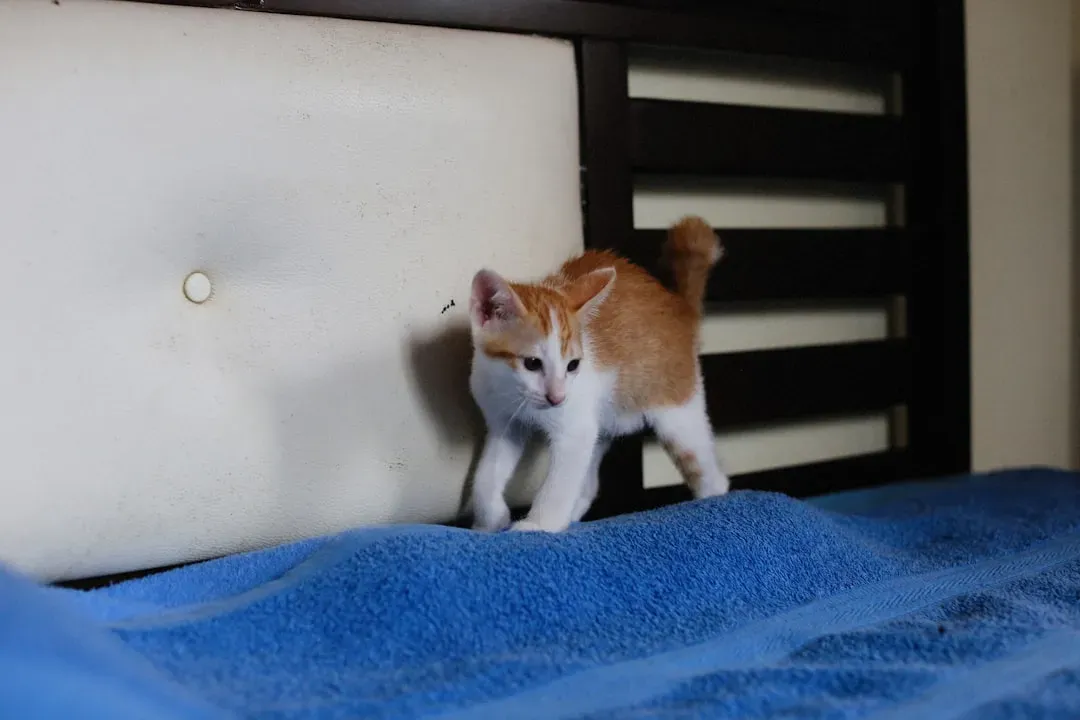
If your cat is sitting or lying down with their tail wrapped around their body, then they are frightened, defensive, in pain, or feeling unwell. When your cat tucks their tail beneath their body or curls it tightly around themselves while crouching, they’re broadcasting vulnerability.
This is your cat trying to make themselves as small and non-threatening as possible. A cat may lower their tail below the level of their back if they are frightened or anxious. If your cat’s tail is tucked between their legs, then they are really scared or may be experiencing pain. Here’s where it gets tricky: context matters enormously. A cat curled comfortably on the couch with their tail wrapped around them might just be cozy. One crouched low with wide eyes and flattened ears is genuinely distressed.
The Tail Wrap: The Feline Hug
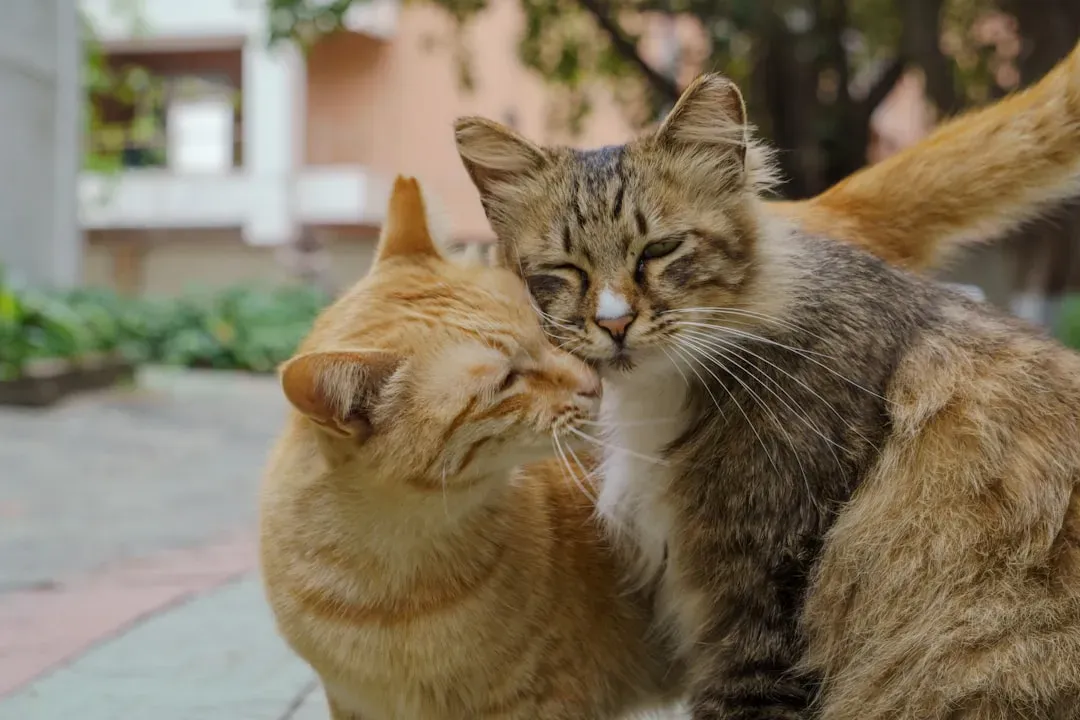
Have you ever had your cat approach you and gently wrap their tail around your leg? That’s basically the cat version of a hug. Cats may greet by curling their tails around people and by intertwining their tails with other cats. Tail wrapping is an affiliative behavior that demonstrates a willingness to interact.
Your cat is marking you with their scent and claiming you as part of their inner circle. It’s hard to say for sure, but I think this might be one of the most touching gestures cats make. They’re saying you’re family, you’re safe, and you’re wanted. When your cat wraps their tail around you, take it as the compliment it is. You’ve been accepted into the exclusive club of beings your cat actually likes.
The Quivering Tail: Excitement Overload
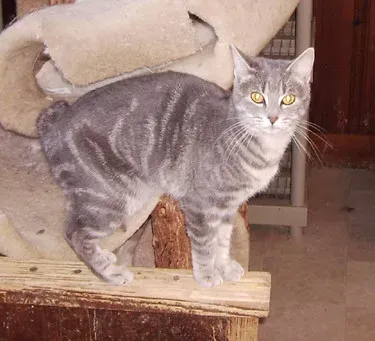
A vertical tail can be a sign of a friendly greeting; if the tail is quivering it can show the cat is excited to see you, or is using scent marking behaviour. That little vibration at the base of an upright tail is like your cat can barely contain their enthusiasm.
Maybe you’ve just come home after a long day. Perhaps it’s dinnertime. A tail that points up accompanied with a quiver at the base of the tail is often an indication your cat is especially excited to see you or to be getting a tasty bowl of cat food. This is pure joy made visible. Honestly, there’s something deeply satisfying about knowing your cat is this happy to see you. It’s one of those small moments that makes cat ownership worthwhile.
The Tip Twitch: Mild Irritation Brewing
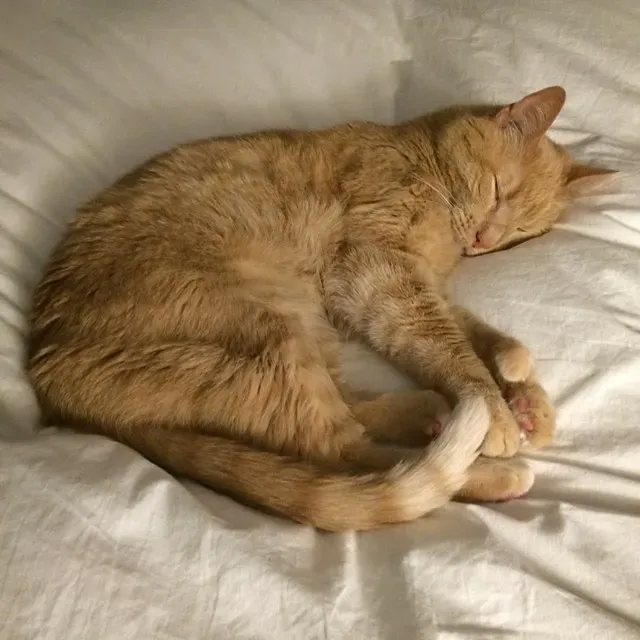
Cats may also twitch the tip of their tail if they are focusing on prey or preparing to pounce on a toy, so make sure you interpret their tail position in accordance with the situation and other body language cues. Just the very end of the tail flicking back and forth can mean several things, depending on what else is happening.
During play or hunting behavior, it signals intense focus. You may see a twitching tail when your cat is playing or hunting. This simply means he’s curious and/or concentrating on a certain object. But if your kitty is seated and has airplane ears (ears flattened against his head), a twitching tail can mean he’s irritated. Pay attention to the ears, the eyes, the overall body posture. A twitching tail tip during playtime is fine. One accompanied by flattened ears and tense muscles? That’s your cue to back off before the mood sours completely.
Why Understanding Tail Language Actually Matters
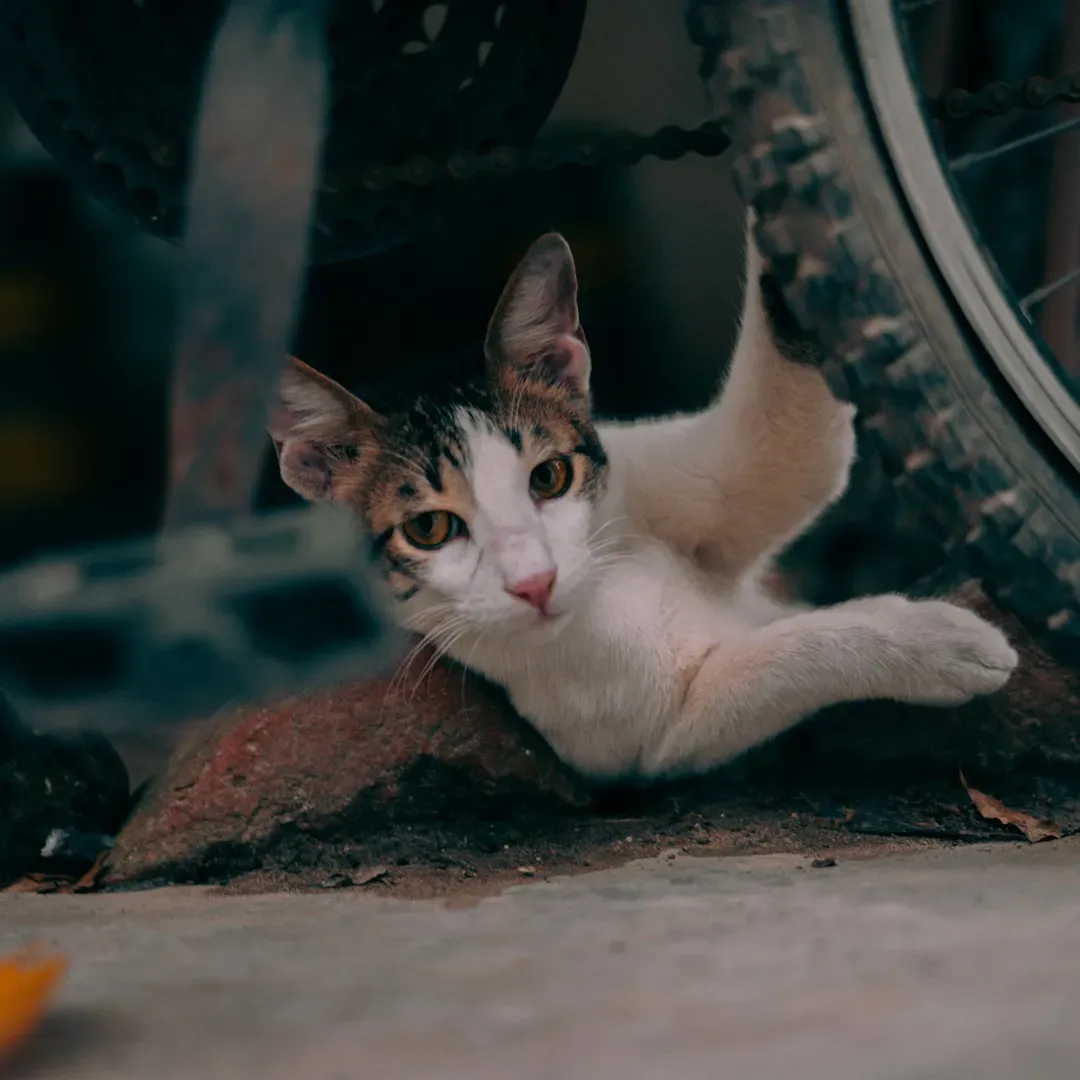
Although you should look at more than just their tail movements, to fully understand your cat’s emotional state, the tail may be the most expressive part of a cat’s body language. Learning to read your cat’s tail isn’t just an interesting party trick. It’s genuinely practical.
Reading the tail language of a cat can also help you identify illness and pain more readily. These tips for understanding cat tail language will empower you to build a more loving, trusting, and fulfilling relationship with your cat. Think about it: recognizing when your cat is stressed, scared, or in pain allows you to respond appropriately. You can remove stressors from their environment, avoid unwanted interactions, and even catch health issues earlier than you otherwise might.
The Whole Picture: Context Is Everything
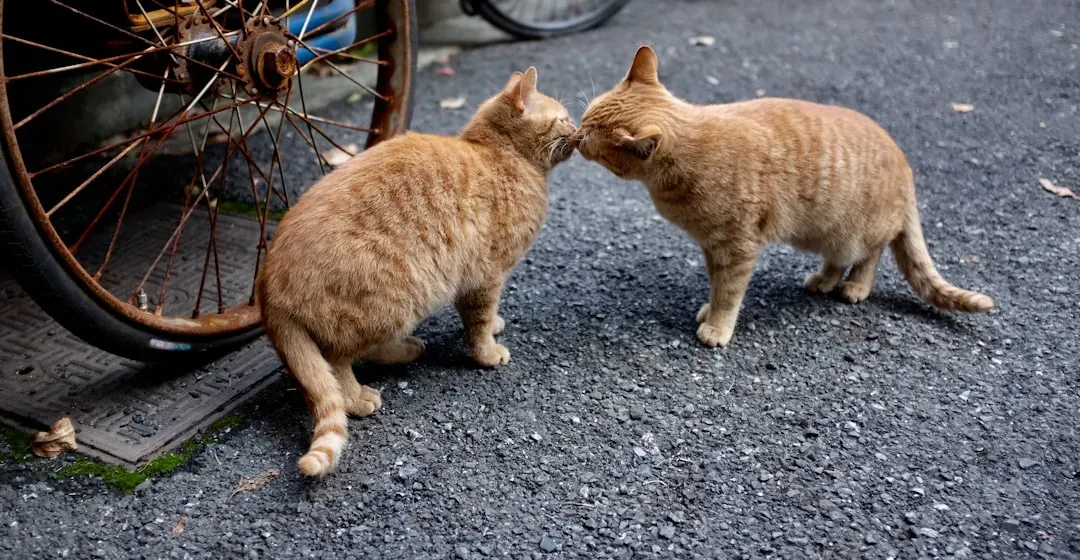
You have to take the whole body into account when reading tail signals, says Carlo Siracusa, of the University of Pennsylvania School of Veterinary Medicine. Here’s the thing nobody tells you: your cat’s tail doesn’t exist in isolation. You need to look at the complete picture.
When it comes to reading feline body language, don’t just look at the tail position. Pay attention to things like ear position, back, and full body posture to get a better idea of your cat’s current behavior and mood. The position of your cat’s ears, the dilation of their pupils, their body stance – all of these elements work together to tell you what’s really going on. A high tail might mean confidence in one situation but aggression in another, depending on whether the ears are forward and relaxed or pinned back and tense.
Your cat’s tail is broadcasting constantly. Now that you know what to look for, you can finally tune in to the right frequency. Pay attention to those subtle movements, those position changes, those tiny twitches. Your cat has been talking to you all along. You just needed to learn the language. What will you notice about your cat’s tail today that you never saw before?

Hi, I’m Andrew, and I come from India. Experienced content specialist with a passion for writing. My forte includes health and wellness, Travel, Animals, and Nature. A nature nomad, I am obsessed with mountains and love high-altitude trekking. I have been on several Himalayan treks in India including the Everest Base Camp in Nepal, a profound experience.