Have you ever caught your cat sitting at the window, making bizarre little clicking noises at a bird perched outside? Maybe you’ve seen your feline friend’s jaw trembling and chattering while their eyes lock onto something you can barely see. It’s one of those moments that makes you wonder what on earth is going through that furry little head. Is your cat trying to communicate with the bird? Are they broken?
Here’s the thing: your cat isn’t malfunctioning. That strange chattering sound is deeply rooted in their predatory instincts, a fascinating glimpse into the wild hunter that still lives inside your pampered house pet. Whether they’re eyeing a sparrow through the glass or fixating on a fly buzzing across the ceiling, this quirky behavior has everything to do with their natural hunting prowess. Let’s dive into the mystery behind why your cat talks to objects and what it really means.
What Exactly Is Cat Chattering?
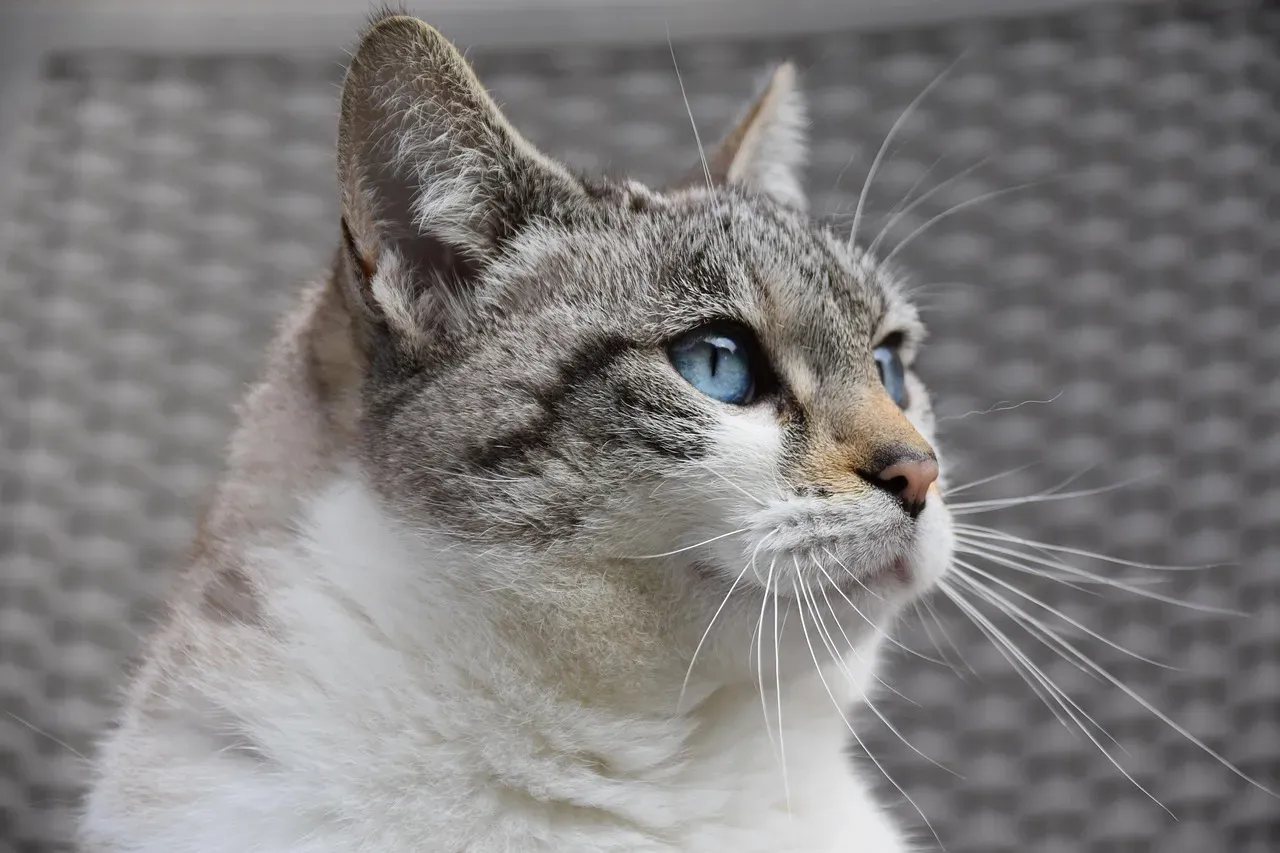
Cat chattering mimics the sounds of small prey like birds and squirrels, involving rhythmic jaw movements and an open mouth, often accompanied by widened eyes and tilted ears. The noise itself is hard to describe, honestly. Some people compare it to a rapid-fire clicking or stuttering sound, while others hear it as a series of high-pitched chirps.
Cats sometimes make excited chirping or chattering noises when observing or stalking prey, with sounds ranging from quiet clicking to a loud sustained chirping mixed with occasional meows. Think of it like your cat’s version of muttering under their breath. It’s not quite a meow, not exactly a purr, and definitely not a hiss. The mouth hangs slightly open, the jaw vibrates, and your cat looks like they’re having an intense conversation with an invisible friend.
It All Comes Down to Hunting Instincts
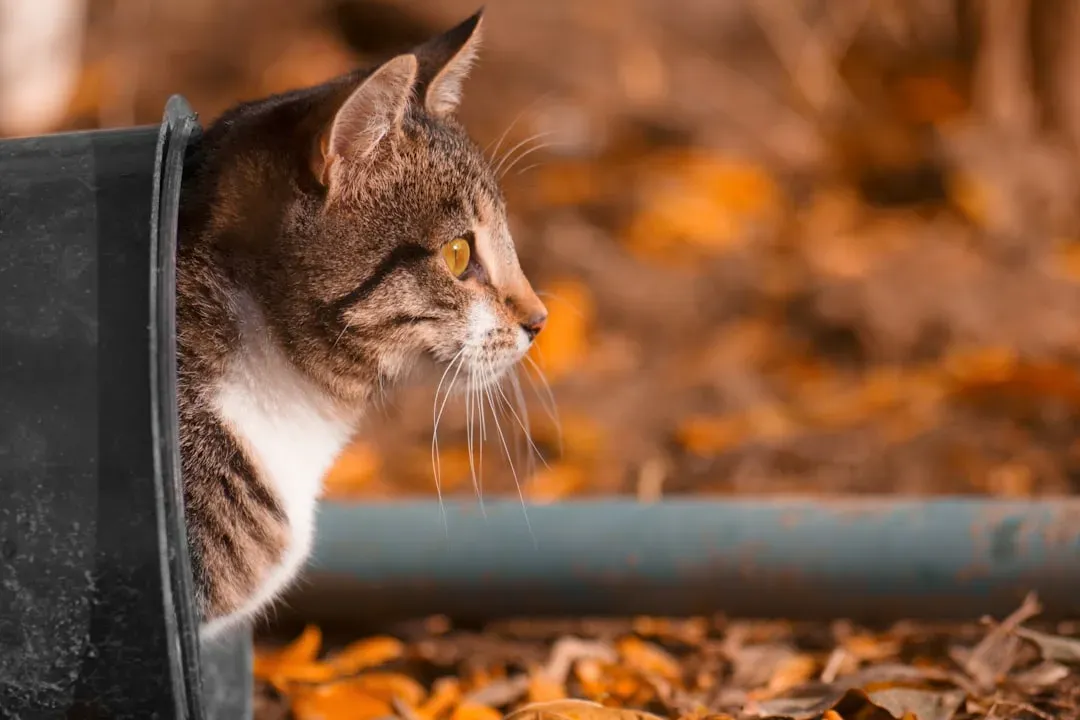
This behavior comes from your cat’s hunting instincts and might be a strategy to mimic prey, while cat chattering is a normal behavior caused by ancestral predatory instincts. Even though your indoor cat has never had to catch a meal in their life, their DNA hasn’t forgotten the skills their ancestors perfected over thousands of years.
Your cat is wired to hunt. Those plush toys, feather wands, and laser pointers? They’re all stand-ins for the real deal. When your cat sees a bird fluttering outside or a bug darting across the room, every fiber of their being screams “chase it!” Cat chattering nearly always happens when a cat is interested in a visual or auditory stimulus, such as a bird or rodent moving about. It’s primal, instinctive, and honestly kind of impressive when you think about it.
The Frustration Theory: So Close, Yet So Far
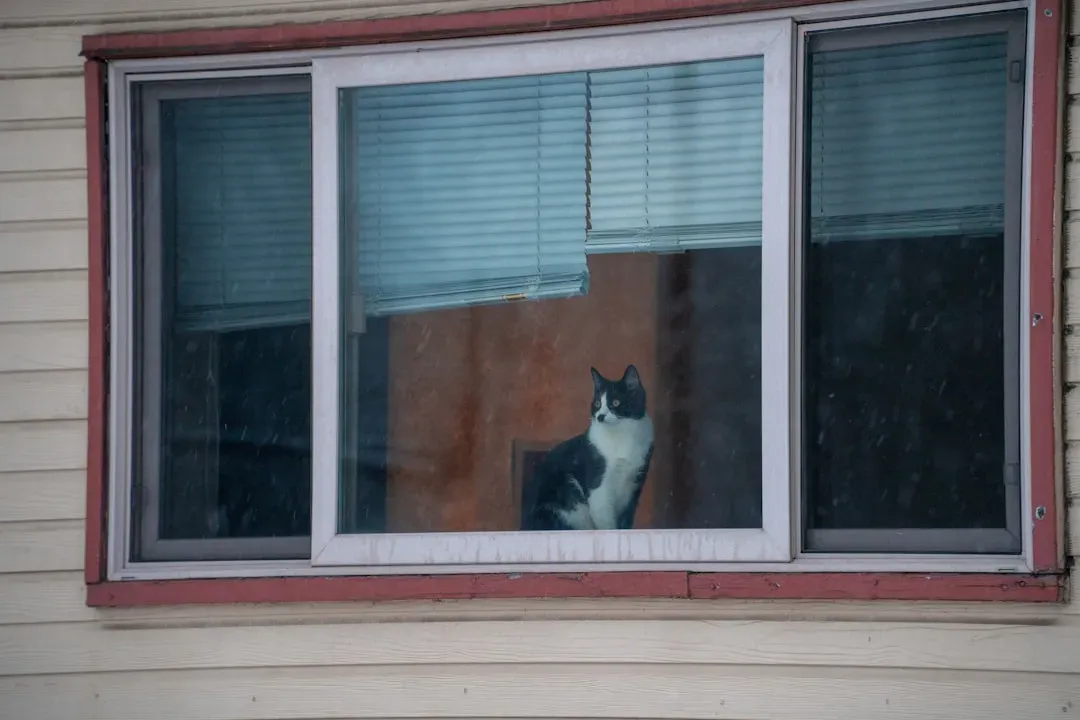
If a pane of glass separates a cat from its prey, the chattering at the window may indicate pure frustration. Imagine being a predator who can see dinner right there, just beyond reach, but you’re stuck inside. Your cat knows they can’t jump through the window, yet their instincts are firing on all cylinders. That chattering sound might be their way of venting all that pent-up energy.
Cats get super excited when they see prey but can’t get through the window to stalk, chase, and pounce, so all that pent-up energy comes out as the strange chattering noise. It’s like when you’re stuck in traffic and can see your exit but can’t get to it. You might grumble or sigh, right? Your cat chatters. Think of it as their version of expressing irritation mixed with desire.
Adrenaline Rush: The Excitement Factor
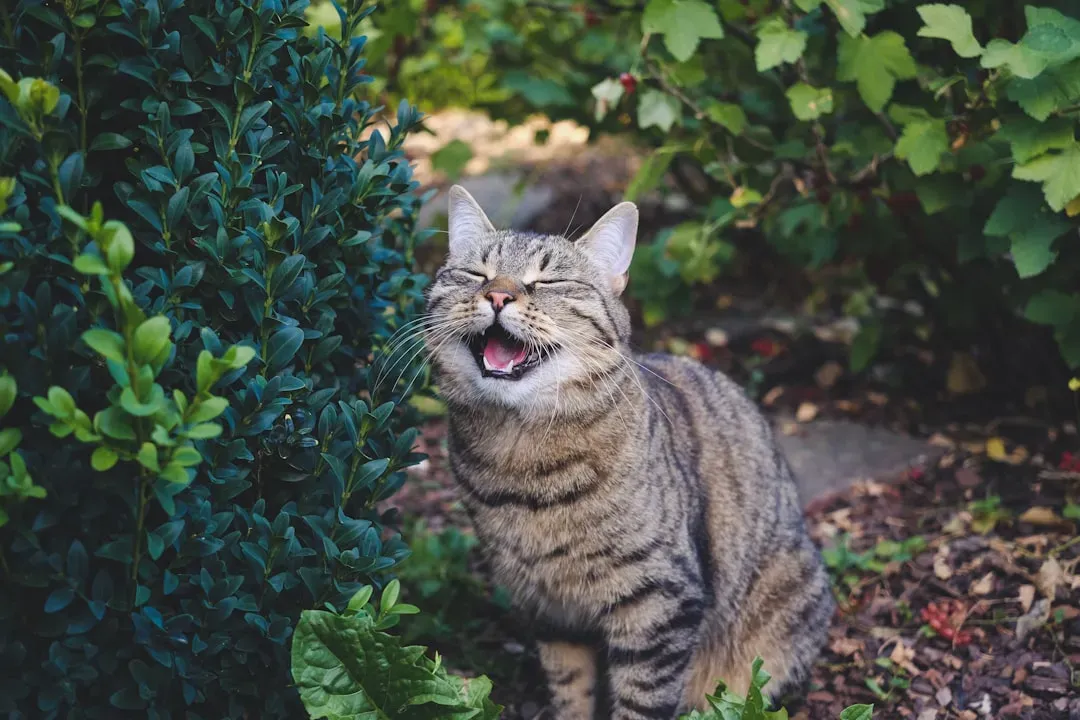
Chattering might be caused by neurotransmitters such as dopamine, as well as the hormone cortisol and adrenaline released into the system. When your cat spots potential prey, their body goes into overdrive. Heart rate increases, pupils dilate, and they become hyper-focused. All of that excitement has to go somewhere.
Some experts believe the chattering is simply an involuntary response to that surge of adrenaline. Their excitement at the prospect of a hunt causes them to chirp and may be coupled with a swooshing tail, and their chirping is an expression of joy. Your cat might not even realize they’re making the noise. Their body is just reacting to the thrill of seeing something they desperately want to chase.
The Mimicry Hypothesis: Tricking Their Prey
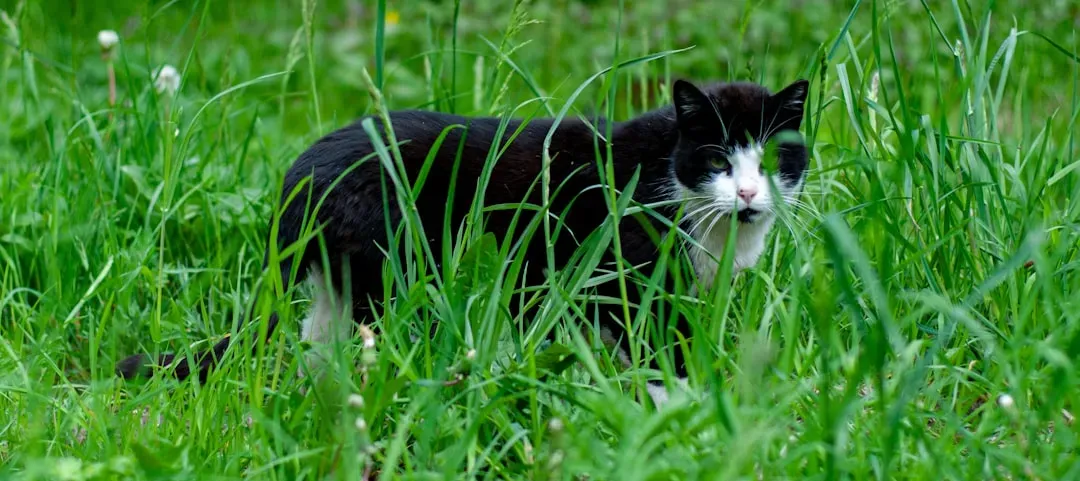
Here’s where it gets really interesting. Another commonly believed idea is that cats chatter at prey because they are trying to sound like the prey itself and mask their approach, and this theory is bolstered by scientists recording cats in the wild mimicking monkey sounds. Seriously, cats might be way smarter than we give them credit for.
Researchers studying wild margay cats observed them impersonating tamarin monkeys to lure them from trees, suggesting cats might be far more psychologically cunning. If wild cats can pull off this kind of vocal trickery, why wouldn’t your domestic cat try the same thing? Maybe that chattering is their attempt to sound like a harmless bird, lulling their target into a false sense of security. Clever little hunters, aren’t they?
Practicing the Kill Bite
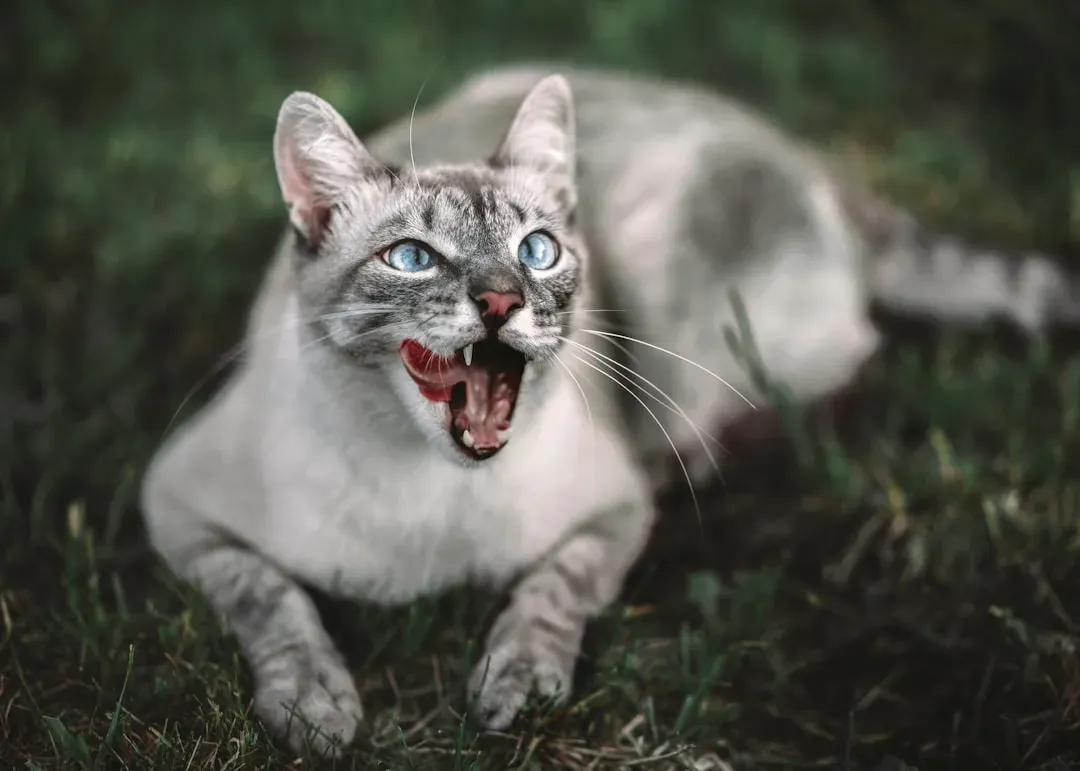
Chatter may be a reflexive behavior simulating the motion of grasping prey’s neck in jaws to kill it, and may also be triggered by a boost of adrenaline. When cats catch prey in the wild, they deliver a quick, precise bite to the back of the neck to sever the spinal cord. It’s efficient and effective.
When wild cats kill their prey quickly to reduce injury risk, they bite the back of the neck, vibrating their jaws so their teeth can sever the spinal cord. Some behaviorists think that chattering mimics this exact jaw motion. Your cat might be rehearsing the kill bite, even though they’re separated from their target by a window or several feet of space. It’s like shadowboxing for cats, a way to keep their skills sharp.
The Prey Sequence in Action
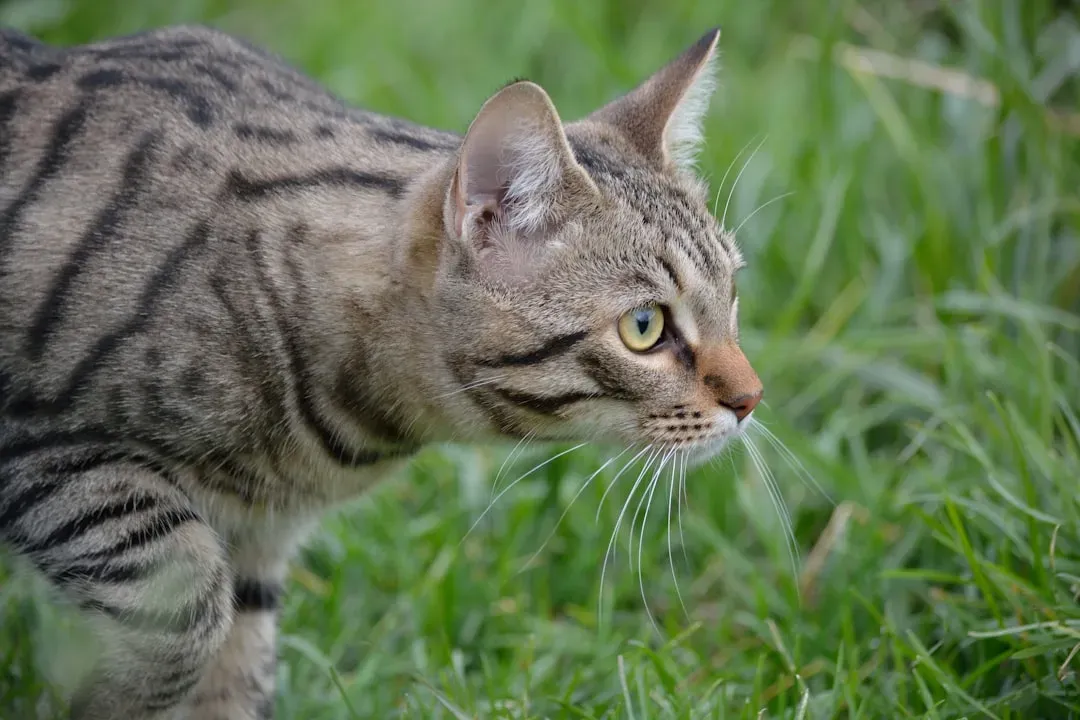
When cats get excited about birds and squirrels outside, it initiates the prey sequence, and the first step is staring at prey animals and getting excited where chirping or chattering might come in, followed by stalking, pouncing, and the killing bite. Your cat’s brain is following an ancient script, even if they never get past the first act.
Watching is the setup. Chattering might be part of that initial excitement phase. Then comes the stalk, the crouch, the wiggle of the butt, and finally the pounce. Indoor cats rarely complete the full sequence, but their brains still go through the motions. It’s hardwired into who they are. You can’t really blame them for getting revved up when they see something that triggers their hunting software.
Body Language Tells the Story
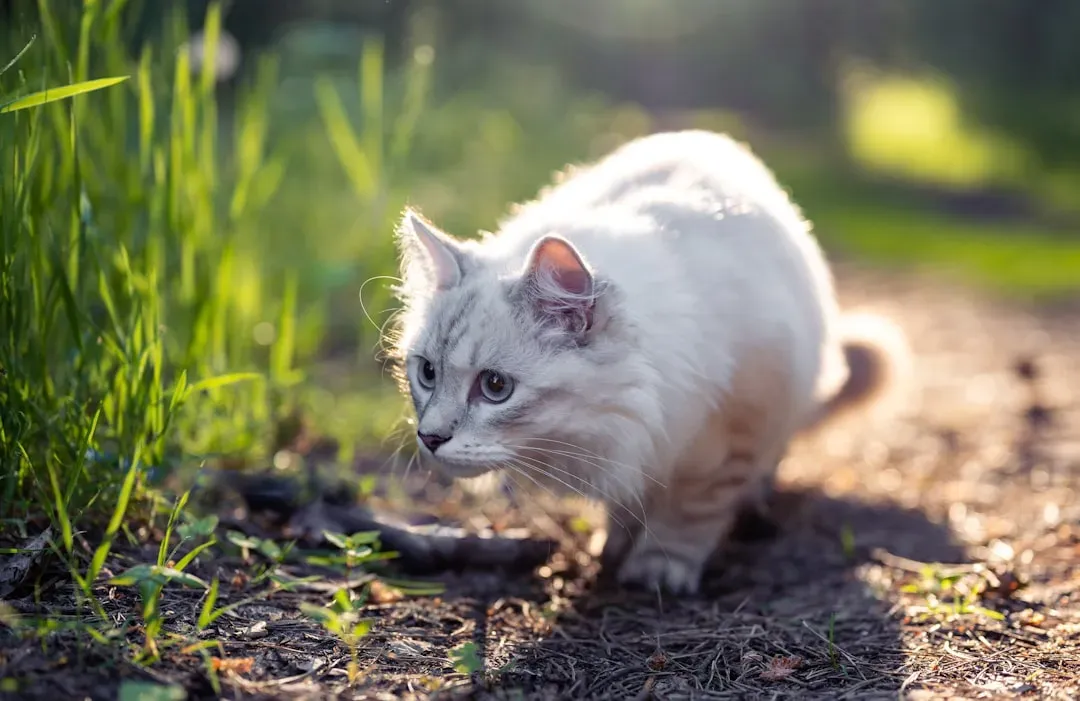
When a cat chatters at birds, the body is tense, eyes are wide-open, whiskers point outwards, the tail vibrates, and sometimes the skin ripples, as the cat is preoccupied with unachievable prey. If you watch closely, you’ll notice your cat’s entire posture changes. They’re not just making noise; they’re fully engaged.
Cats may exhibit ears pointed upward and forward, eyes wide with pupils darting, whiskers pointed forward, and tail held low and likely twitching. Every part of their body is locked onto the target. It’s like they’ve entered a trance, completely absorbed in the hunt. That level of focus is both impressive and a little bit creepy.
Not Just for Birds: Other Chattering Triggers
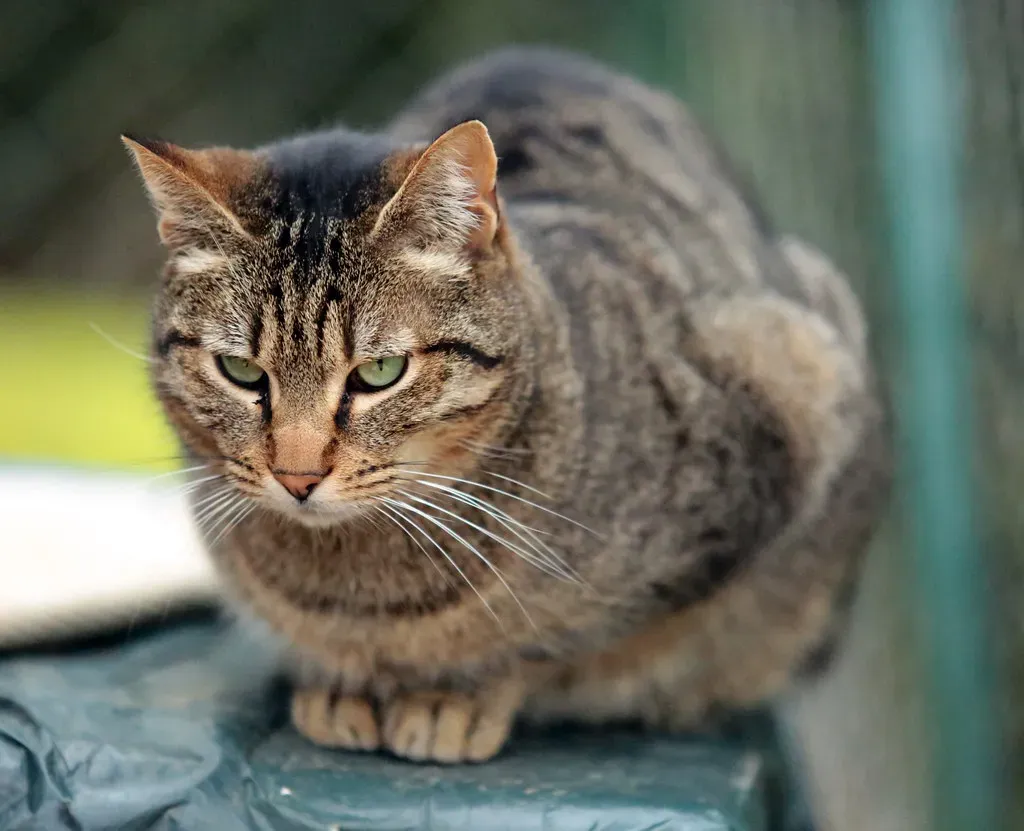
While birds are the most common chattering trigger, they’re not the only ones. Some cats chatter at humans during playtime as a form of arousal or excitement, while others chatter when frustrated trying to communicate with their owners. You might notice your cat chattering at a feather toy you’re dangling, or even at you during an intense play session.
Cat chattering often occurs at a window, but some cats may chatter at a ceiling or wall if they hear a small critter. If there’s a mouse scurrying inside the walls or a bug crawling across the ceiling, your cat’s hunting radar picks it up. The chattering isn’t reserved exclusively for outdoor prey. Anything that moves and captures their attention can set them off.
Should You Worry About This Behavior?
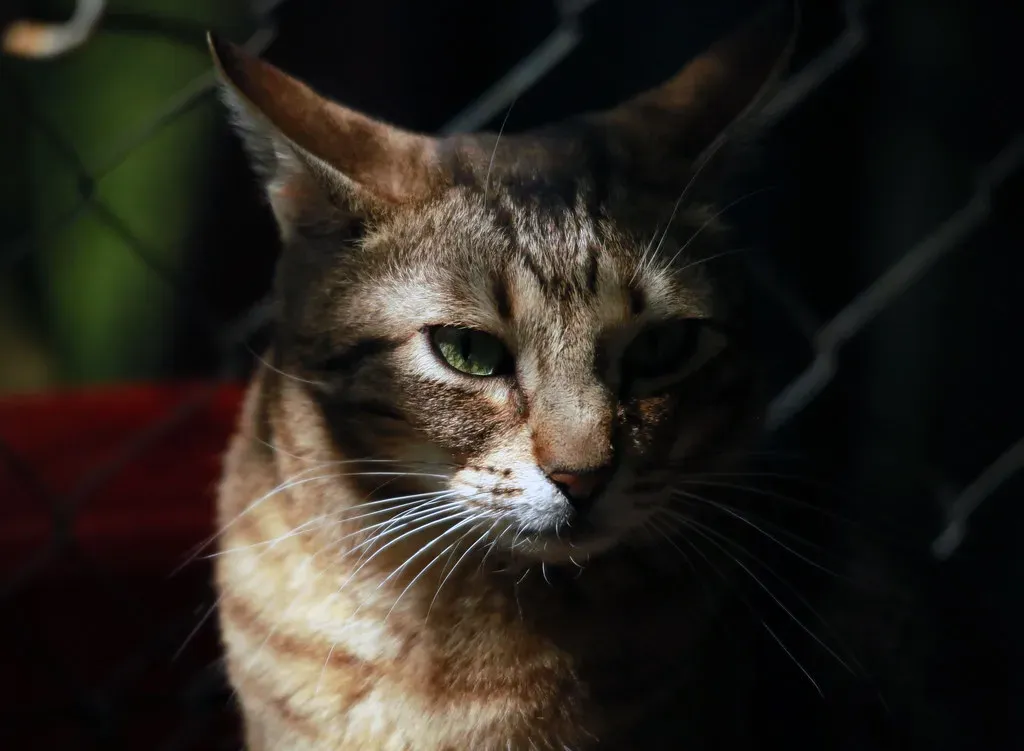
Cat chattering is a normal behavior and generally nothing to worry about, but if your cat seems especially stressed while chirping, consult your veterinarian as they may have a health problem causing distress. For the most part, chattering is completely harmless. It’s just your cat being a cat.
However, if your cat suddenly starts chattering excessively without any obvious prey around, it might be worth a vet visit. On rare occasions, chattering can be a sign of a health issue, especially if it happens when the cat is not being stimulated by the sight of birds or squirrels, and could indicate pain from dental disease. Dental problems can cause jaw discomfort, leading to unusual mouth movements. Better safe than sorry, right?
How to Channel Your Cat’s Hunting Energy
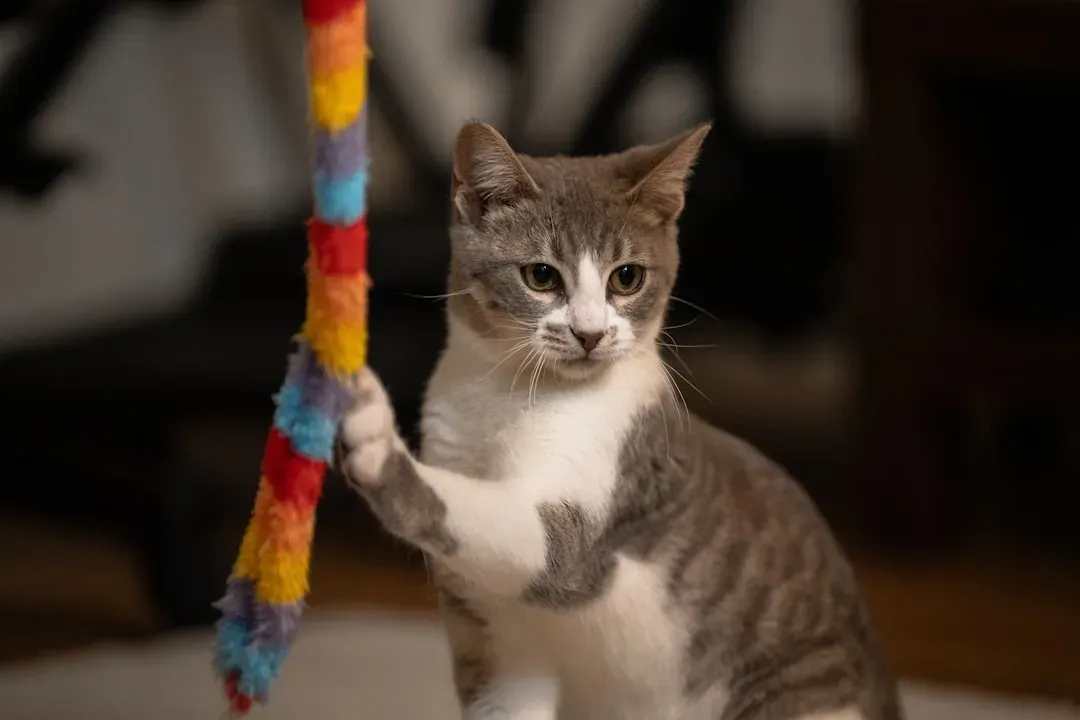
If cat chattering seems stressful, it may help to enrich your cat’s environment with toys and playtime. Interactive toys are your best friend here. Feather wands, laser pointers, and toys that mimic the movement of prey can give your cat an outlet for all that hunting energy.
Engaging your cat in interactive play with toys that mimic prey can help satisfy their hunting instincts and release pent-up energy. Regular play sessions allow your cat to go through the entire prey sequence: stalk, chase, pounce, and capture. Let them “catch” the toy sometimes, especially at the end of playtime. It satisfies that primal need to complete the hunt and can reduce frustration-related chattering.
Conclusion: Embrace the Inner Hunter
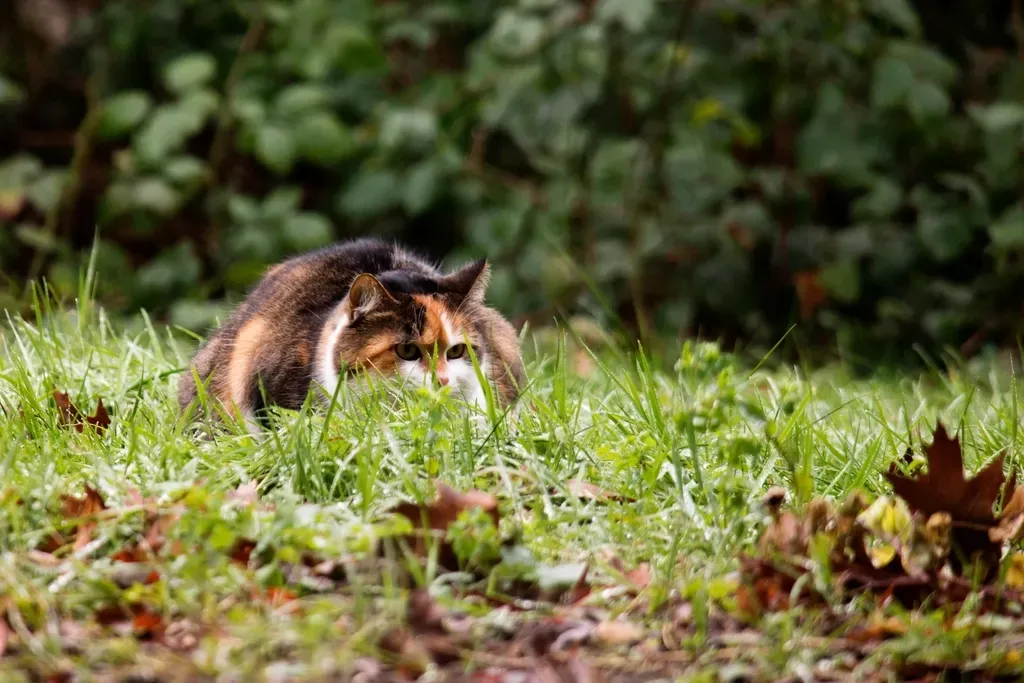
While you may not love the idea of your cat daydreaming about killing a bird outside, it’s normal behavior that allows them to follow their instincts and act like a cat in the wild, and it’s best to allow your cat to chirp and react when they see prey instead of forcing them into acting in a way that is not natural. Chattering is one of those charming, slightly bizarre quirks that reminds us our cats are still wild at heart. They might sleep twenty hours a day on your couch, but inside, they’re fierce little predators.
So next time you hear that strange clicking sound coming from the window, take a moment to appreciate what you’re witnessing. Your cat is practicing skills passed down through countless generations of hunters. It’s instinct, excitement, frustration, and maybe a little bit of cunning all rolled into one odd vocalization. What do you think about it? Does your cat chatter at birds, bugs, or something else entirely?